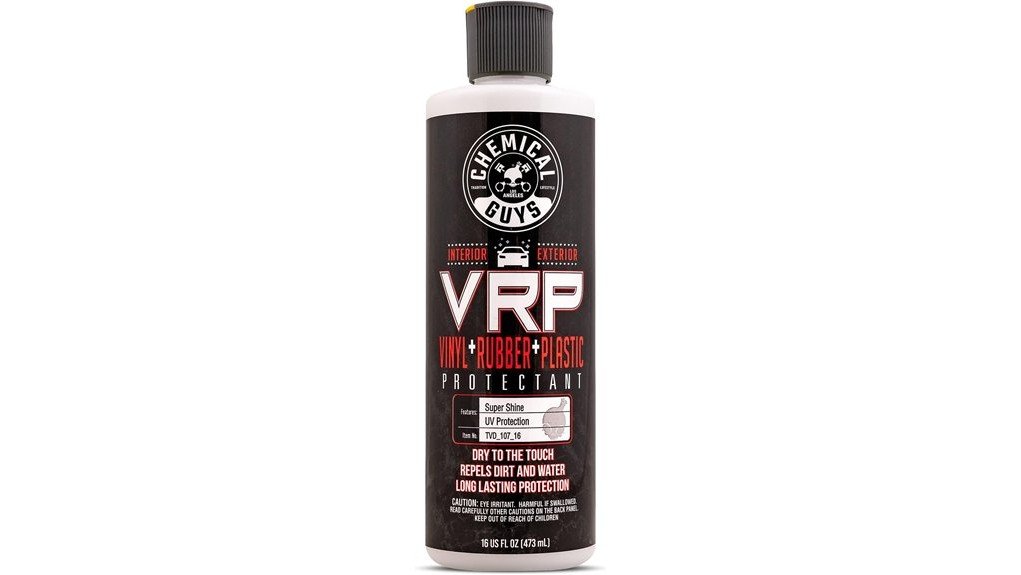
Chemical Guys VRP Dressing Review
Faded trim, dull tires, and dry-looking interior plastics can make a clean vehicle look unfinished. Chemical Guys VRP Dressing is made for vinyl, rubber, and plastic surfaces, with a satin finish instead of a wet, greasy shine. This review helps you decide if the 16 oz Chemical Guys VRP Dressing is the right choice for tires, trim, dashboards, door panels, weatherstripping, engine bay covers, RV seals, boat trim, and similar surfaces.
Quick Verdict
Rating: 8.4/10
Best For: Drivers who want one satin dressing for vinyl, rubber, and plastic surfaces.
Bottom Line: Chemical Guys VRP is a practical pick if you want a darker, cleaner finish on trim, tires, rubber seals, and interior plastics. It is not the best choice if you want a very glossy wet tire shine or a product for touchscreens, glass, pedals, steering wheels, or control surfaces.
Key Specs
| Specification | Detail |
|---|---|
| Brand | Chemical Guys |
| Product | VRP Dressing |
| ASIN | B00FJIT9BO |
| Bottle Size | 16 oz |
| Product Type | Surface dressing for vinyl, rubber, and plastic |
| Finish | Satin, dry-to-touch look when excess product is wiped away |
| Common Uses | Tires, exterior trim, dashboards, door panels, weatherstripping, engine bay covers, RV seals, boat trim, and vinyl patio furniture |
| Interior or Exterior Use | Suitable for supported interior and exterior vinyl, rubber, and plastic surfaces |
| Application Style | Apply a thin, even layer with an applicator pad or microfiber towel, then wipe away extra product |
| Article-Supported Protection Note | Article details note UV inhibitors intended to help reduce fading, cracking, and dullness |
| Safety Note | Avoid glass, touchscreens, pedals, steering wheels, seats, grips, foot pegs, and control surfaces where slick residue could affect safety |
What Is Chemical Guys VRP?
Chemical Guys VRP stands for Vinyl, Rubber, and Plastic Dressing. It is a surface dressing made to refresh dark color and add a cleaner finish to common automotive materials.
The main appeal is simple: you can use one bottle on several compatible surfaces instead of buying separate dressings for tires, trim, dashboard plastics, door panels, and rubber seals. The finish is meant to look satin and controlled, not oily or overly glossy.
The article details also note UV inhibitors. Those are intended to help reduce fading, cracking, and dullness on exposed trim, tires, and plastic parts, although exterior durability still depends on rain, washing, sun exposure, and the condition of the surface.
Who Should Buy It?
Best For
- Drivers who want one dressing for vinyl, rubber, and plastic.
- People who prefer a clean satin finish over a wet tire shine.
- Owners who maintain tires, exterior trim, dashboards, door panels, and rubber seals.
Skip If
- You want a very glossy, wet-look tire dressing.
- You need a cleaner for touchscreens, glass, pedals, steering wheels, or controls.
- You do not want to wipe away excess product after application.
Before You Buy: VRP is a dressing, not a glass cleaner, screen cleaner, or control-surface product. Keep it off pedals, steering wheels, motorcycle grips, seats, foot pegs, touchscreens, and any surface where slickness could affect control or safety.
[Products Worth Considering]

Adam’s Pro Tire Hex Grip applicators are molded foam sponges designed for precise, even tire dressing application. The ergonomic grip helps you spread product without overapplying, reducing sling that can splash onto paint and helping keep your hands clean during wheel and trim detailing. They’re durable, washable, and reusable for repeated detailing sessions.

Chemical Guys VRP Vinyl, Rubber & Plastic Dressing restores a rich, deep satin look to tires, trim, dashboards, and weatherstripping without a greasy feel. It dries to the touch for a clean finish that helps resist fading, cracking, and discoloration from harsh sun exposure. Apply with an applicator or microfiber towel, then wipe off excess for an even, freshly detailed appearance.
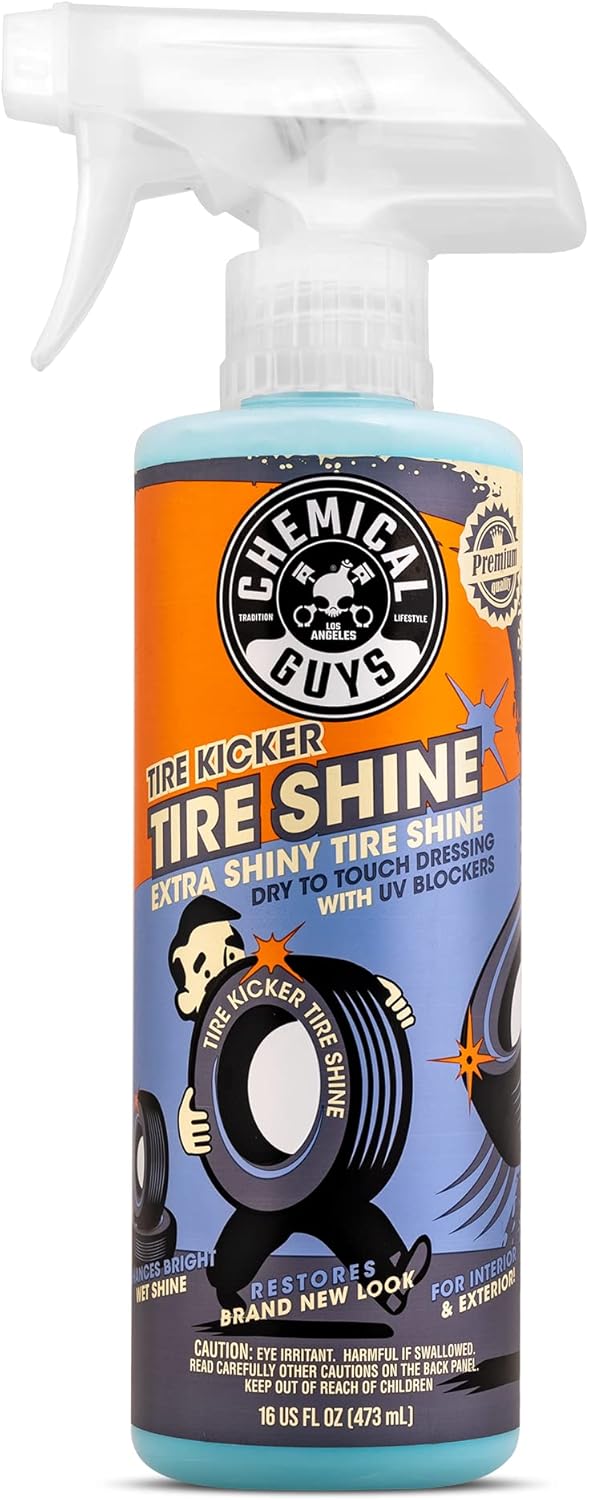
Chemical Guys Tire Kicker Sprayable Extra Glossy Tire Shine restores a deep, wet look on tires, rubber, vinyl, and plastic trim. It delivers a rich showroom shine that enhances color and luster while helping protect against fading, cracking, and discoloration. The spray application dries to the touch with a streak-free finish and no greasy sling, for fast results on cars, trucks, motorcycles, RVs, and boats.
Key Features
Multi-Surface Use
VRP is made for vinyl, rubber, and plastic. That makes it useful for common detailing jobs on tires, exterior trim, dashboards, door panels, weatherstripping, engine bay covers, and rubber seals.
This matters if you want a simpler detailing shelf. Instead of reaching for a different product for every compatible surface, you can use one dressing where the material and label directions allow it.
Satin Finish Instead of High Gloss
The finish is described as satin, especially when you apply a thin coat and wipe away extra product. This is better for you if you want trim and tires to look darker and cleaner without a wet or greasy look.
The tradeoff is clear. If your main goal is maximum tire gloss, VRP may look too restrained compared with a dedicated high-shine tire dressing.
Interior and Exterior Flexibility
On interior plastics, VRP can help refresh the look of suitable dashboard plastics and door panels. On exterior parts, it can be used on supported trim, tires, weatherstripping, engine bay covers, RV seals, and boat trim.
Exterior results may fade faster than interior results because rain, car washes, sun exposure, and surface condition all affect how long the finish lasts. Interior surfaces are usually more sheltered, so the look should generally hold longer.
Thin-Coat Application Control
VRP works best when you use a small amount and spread it evenly. Heavy coats are more likely to streak, feel greasy, or leave extra residue that needs more wiping.
A second light coat is usually a better approach than one thick pass if you want a richer finish. This gives you more control and reduces the chance of over-applying the dressing.
Pro Tip: Clean and dry the surface first, then apply VRP in a thin layer. After a few minutes, wipe away excess product so the surface looks satin instead of greasy.
How to Use Chemical Guys VRP Correctly
Start with a clean, dry surface. Dirt, old dressing, and moisture can make the finish look uneven, especially on textured trim or tires.
- Shake the bottle if the product label instructs you to do so.
- Apply a small amount to an applicator pad or microfiber towel.
- Spread a thin, even coat over the vinyl, rubber, or plastic surface.
- Let the dressing settle for a few minutes.
- Wipe away extra product with a clean microfiber towel.
- Add a second light coat only if you want a deeper look and the surface can accept it.
Always follow the product label. Test a small hidden area first on aged, textured, faded, or unusual materials before treating a larger section.
Best Surfaces for Chemical Guys VRP
The best surfaces for VRP are vinyl, rubber, and plastic parts that need a darker, cleaner finish. Common uses include tires, exterior trim, weatherstripping, dashboard plastics, door panels, engine bay covers, and RV seals.
It may also be useful on vinyl patio furniture and boat trim. For any non-automotive surface, test a hidden spot first and avoid areas that people grip, step on, sit on, or touch for control.
Compatibility and Safety Notes
VRP should stay off glass, touchscreens, instrument screens, pedals, steering wheels, and control surfaces. These areas need products made for safe visibility, grip, or electronics care.
For motorcycles, use extra care. VRP may be suitable for compatible plastics when applied sparingly, but you should avoid seats, grips, foot pegs, pedals, and any area where slickness could affect control or safety.
For older trim, textured plastic, or unusual rubber parts, test first. Some surfaces absorb dressing unevenly, and a hidden-area test helps you check the look before treating a visible section.
How It Performs in Real Use
For Tires and Exterior Trim
On tires and exterior trim, VRP works best when you want a darker satin look rather than a mirror-like shine. Wiping away excess product is especially important on these surfaces because heavy coats can leave residue.
For Interior Plastics
On suitable dashboard plastics and door panels, VRP can refresh the surface without the oily look that some dressings leave behind. Keep it away from touchscreens, steering wheels, pedals, and controls.
For Weatherstripping and Rubber Seals
On compatible rubber seals and weatherstripping, VRP can help restore a cleaner, darker appearance. Use a small amount and wipe the area well so residue does not transfer to nearby surfaces.
For RV, Boat, and Patio Surfaces
The article-supported use list includes RV seals, boat trim, and vinyl patio furniture. These surfaces can be more exposed to weather, so expect durability to vary with sun, washing, rain, and surface age.
Pros and Cons
Pros
- Works on article-supported vinyl, rubber, and plastic surfaces.
- Leaves a satin look when applied thinly and wiped clean.
- Useful for tires, trim, dashboards, panels, weatherstripping, and seals.
- 16 oz bottle size is practical for regular detailing.
- Can reduce the need for separate dressings across several compatible surfaces.
Cons
- Not the best choice if you want a high-gloss wet tire shine.
- Exterior durability can vary with rain, washing, sun exposure, and surface condition.
- Requires careful placement because slick residue is unsafe on controls, pedals, grips, seats, and touchscreens.
Is It Worth the Price?
Chemical Guys VRP is worth considering if you want one dressing for several materials. Its value comes from versatility because it can be used on article-supported tires, trim, rubber seals, interior plastics, and other suitable vinyl, rubber, and plastic surfaces.
It is a smart buy for everyday use if you prefer a clean satin look and do not want a greasy finish. You get the most value from it when you maintain several compatible surfaces instead of using it only as a tire dressing.
It is not the best fit if you only want maximum gloss on tires. In that case, a dedicated high-shine tire dressing may match your goal better.
[Products Worth Considering]

The Chemical Guys Wonder Wave Durafoam tire shine applicator pads deliver even, streak-free coverage while helping reduce drips and mess. Their contoured wave design hugs tire sidewalls and holds the right amount of product for faster, cleaner application. Reusable and durable, these pads work with tire dressings, protectants, and exterior detailing products for trucks and SUVs.

Legendary Gloss Dressing revives dull plastics, faded trim, and tired tires with a rich, deep shine. Its water-based, non-greasy formula sprays on quickly and wipes clean for a glossy finish. Safe for exterior surfaces like paint, glass, wheels, and trim, it also works as a gloss dressing for rubber, vinyl, and more.
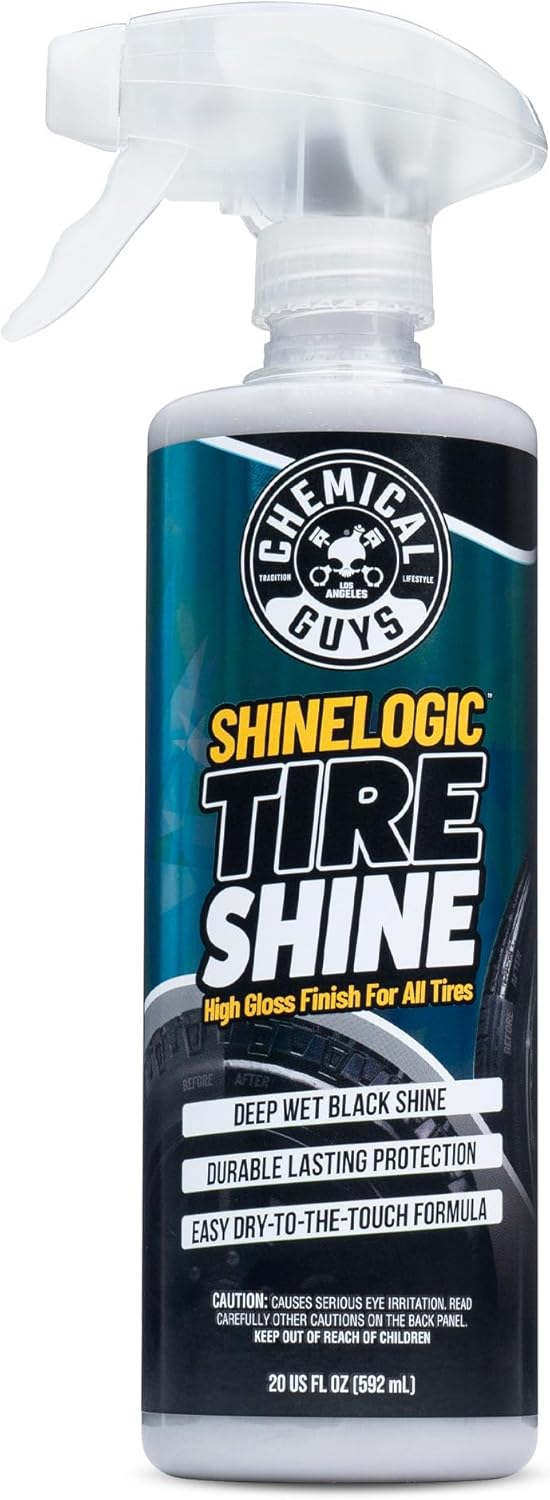
Chemical Guys ShineLogic Tire Shine delivers a deep wet black, high-shine finish for rubber tires with a sleek look. It’s designed for durable, one-step application with minimal drips, streaks, or runs, and it helps produce effortless, long-lasting shine. Choose aerosol or trigger spray for easy use on cars, trucks, motorcycles, RVs, and more.
How It Compares to Alternatives
If you want to compare similar products before buying, look at 303 Aerospace Protectant, Meguiar’s Ultimate Black Plastic Restorer, and CarPro Perl. These alternatives are useful comparison points because buyers often shop them for trim, plastic, rubber, or protectant use.
Chemical Guys VRP makes the most sense if you want one simple dressing for several compatible surfaces and prefer a satin look. If you need a dedicated plastic restorer, a different trim-focused product may be worth comparing before you decide.
[Products Worth Considering]

These ultra-soft microfiber applicator pads apply wax, sealants, dressings, and conditioners with smooth, even coverage while helping protect delicate finishes from streaks and marring. The plush microfiber wrapped around a flexible foam core promotes consistent product distribution across curves and contours, and the ergonomic grip reduces hand fatigue during longer sessions. Reusable and machine washable, they’re ideal for both interior and exterior detailing uses such as tire dressing, leather conditioner, trim restorer, and interior protectants.

Rubber Care delivers a beautiful dark black satin/matte finish on tires and other rubber or plastic surfaces, drying to the touch without oily shine. Its ceramic aircraft-grade formula helps repel dirt and brake dust residue, keeping surfaces cleaner longer. Triple nano ceramic polymer technology provides best-in-industry UV protection, restoring and protecting rubber while also working on weather stripping and de-ice boot care.

Blackline Blackout is a water-based trim and tire dressing that restores rubber, vinyl, and plastic with a rich satin, blackout look. Its no-sling formula dries quickly and helps prevent messy transfer onto paint. The coating repels water and offers UV protection to help prevent fading, cracking, and discoloration for a clean, long-lasting finish.
Frequently Asked Questions
What surfaces can you use Chemical Guys VRP on?
Chemical Guys VRP is made for vinyl, rubber, and plastic surfaces. Common article-supported uses include tires, exterior trim, dashboards, door panels, weatherstripping, engine bay covers, RV seals, boat trim, and vinyl patio furniture.
Does VRP leave a glossy or satin finish on tires?
VRP is described as leaving a satin finish. It is better for a clean, controlled tire look than for a wet or high-gloss shine.
How long does VRP typically last before reapplication?
The finish may last one to three weeks before reapplication, depending on the surface, weather, washing, and sun exposure. Interior surfaces usually hold the look longer than exposed exterior trim or tires.
Is VRP safe to use on interior touchscreens?
No, VRP is not ideal for touchscreens. Use it on suitable vinyl, rubber, and plastic surfaces instead, and keep it away from displays, glass, steering wheels, pedals, and controls.
Will VRP wash off after rain or car washes?
Rain and washing can reduce the finish over time. A thin, even coat that is allowed to settle and then wiped clean should hold up better than a heavy coat left on the surface.
Can VRP be used on motorcycle plastics safely?
VRP can be used on suitable motorcycle plastics when applied sparingly. Avoid seats, grips, foot pegs, pedals, and any surface where slickness could affect control or safety.
What is the biggest mistake to avoid when applying VRP?
The biggest mistake is applying too much product and leaving the excess on the surface. Use a thin coat, give it a few minutes to settle, and wipe the area clean for a satin finish.
Should you buy VRP if you only want tire shine?
Buy VRP for tires if you want a clean satin look. Skip it if your main goal is a very glossy wet-look finish, because a dedicated high-shine tire dressing may fit that goal better.
The Bottom Line
Chemical Guys VRP Dressing is a good pick if you want a simple satin dressing for vinyl, rubber, and plastic. It works best when applied thinly, allowed to settle, and wiped clean.
Buy it if you want one product for tires, trim, dashboards, door panels, and rubber seals. Skip it if you want maximum tire gloss or need something for glass, screens, pedals, steering wheels, seats, grips, or control surfaces.