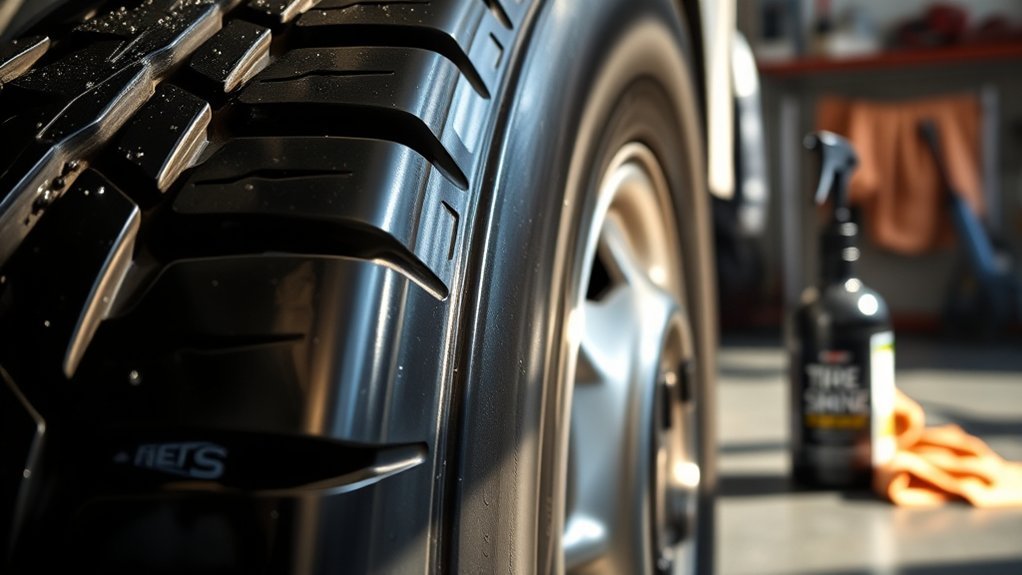
Yes, tire shine products can be safe for truck tires when you use the right formula and apply it only to the sidewalls. The safest approach is to choose a non-greasy, water-based or polymer-based dressing, clean the tire first, let the product dry, and keep all shine products off the tread, brakes, and road-contact surfaces.
Quick Answer
Tire shine is generally safe for truck tires when it is made for exterior tire sidewalls, applied to clean dry rubber, and allowed to dry before driving. Choose water-based or polymer-based formulas for regular use, avoid harsh petroleum-heavy products, and never apply tire dressing to the tread or brake parts.
Key Takeaways
- Use tire shine only on the sidewall, never on the tread, brake rotors, pedals, or any grip surface.
- Water-based and polymer-based tire dressings are usually the safest choices for routine truck tire care.
- Avoid greasy, sling-prone, or petroleum-heavy formulas that can leave residue on paint and wheel wells.
- Tire shine can improve appearance, but pressure, tread depth, rotation, alignment, and load rating matter far more for tire safety.
At a Glance
| Time Required | 15 to 30 minutes, including cleaning and drying time |
| Difficulty | Easy |
| Tools Needed | Car wash soap, water, tire brush, microfiber towel, foam applicator, tire shine product |
| Cost | Usually low, depending on the dressing and applicator you choose |
Why Tire Shine Matters for Truck Tires
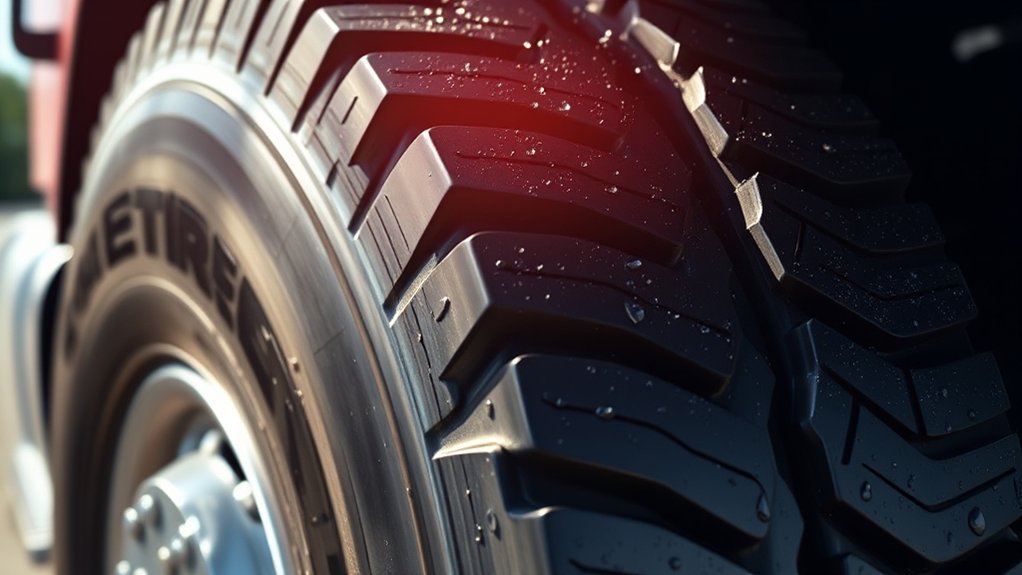
Tire shine is mostly an appearance product, but a good formula can also help keep sidewalls looking clean between washes. It can darken faded rubber, reduce a chalky look, and make dirt easier to rinse off during your next detail.
That does not mean tire shine replaces real tire maintenance. Your truck’s safety depends on tread depth, inflation pressure, load rating, tire age, alignment, and damage checks. The National Highway Traffic Safety Administration recommends regular tire pressure, tread, rotation, balance, and alignment checks because poor tire maintenance can lead to blowouts, tread separation, and uneven wear.
Note: Tire shine can make a healthy sidewall look better, but it cannot repair cracking, dry rot, bulges, exposed cords, punctures, or old tires. Replace or inspect damaged tires before you worry about shine.
Understanding Truck Tire Rubber and Sidewall Care
Truck tires use rubber compounds, reinforcing materials, sidewall additives, tread compounds, steel or fabric belts, and other layers designed to carry load and resist heat. The sidewall is the only place where tire shine belongs because it does not touch the road during normal driving.
Tire rubber also changes with time, heat, sunlight, storage conditions, and road use. NHTSA explains that tire aging happens when rubber and other tire components change over time due to service, storage, and environmental conditions. That is why a dressing should be mild, exterior-safe, and used as part of a broader tire-care routine.
What Safe Tire Shine Should Do
A safe tire shine should add the finish you want without leaving the tire greasy, sticky, or slippery. It should spread evenly on the sidewall, dry within the label’s stated time, and resist sling once you drive.
Look for clear label language such as “water-based,” “polymer-based,” “non-greasy,” “safe for exterior rubber,” or “low sling.” If the label warns against use on tires, motorcycle tires, pedals, brakes, or tread surfaces, follow that warning exactly.
What to Avoid
Avoid any tire dressing that feels oily after drying, attracts heavy dust, or slings onto the truck’s paint after a short drive. Be cautious with harsh solvent-heavy or petroleum-heavy formulas, especially if you apply tire shine often.
The U.S. Environmental Protection Agency explains that volatile organic compounds, or VOCs, can be emitted from many products that contain organic chemicals or solvents. A low-VOC or VOC-compliant label does not automatically make a product perfect, but it is a useful sign when you compare detailing products.
Water-Based vs. Solvent-Based Tire Shine: Which Is Safer?
Water-based tire shine is usually the better choice for routine truck tire care. It tends to leave a cleaner satin or medium-gloss finish, dries with less greasy residue, and is easier to control with a foam applicator.
Solvent-based or aerosol products may create a darker wet look and may last longer in rain, but they need more care. Some formulas can overspray, smell stronger, or leave residue if you apply too much. If you prefer a high-gloss product, use a light coat, keep it off the tread, and wipe away excess before driving.
| Type | Best For | Main Caution |
| Water-based spray or lotion | Regular maintenance and a natural satin finish | May need more frequent reapplication after rain or washing |
| Polymer or ceramic-style dressing | Longer-lasting shine and water resistance | Needs proper drying or curing time |
| Gel or foam dressing | Controlled application and deeper gloss | Too much product can look greasy and sling |
| Solvent-heavy aerosol | Fast high-gloss results | Higher overspray, odor, sling, and residue risk |
[Products Worth Considering]

Black Magic Tire Wet delivers a deep wet-look shine that makes tires appear dark, rich, and freshly detailed. Its long-lasting formula helps resist rain, dust, and road grime for weeks of glossy protection, not days. Apply by spraying onto clean, dry tires—no buffing or wiping required—with a low-sling design to reduce splatter on paint and wheels.
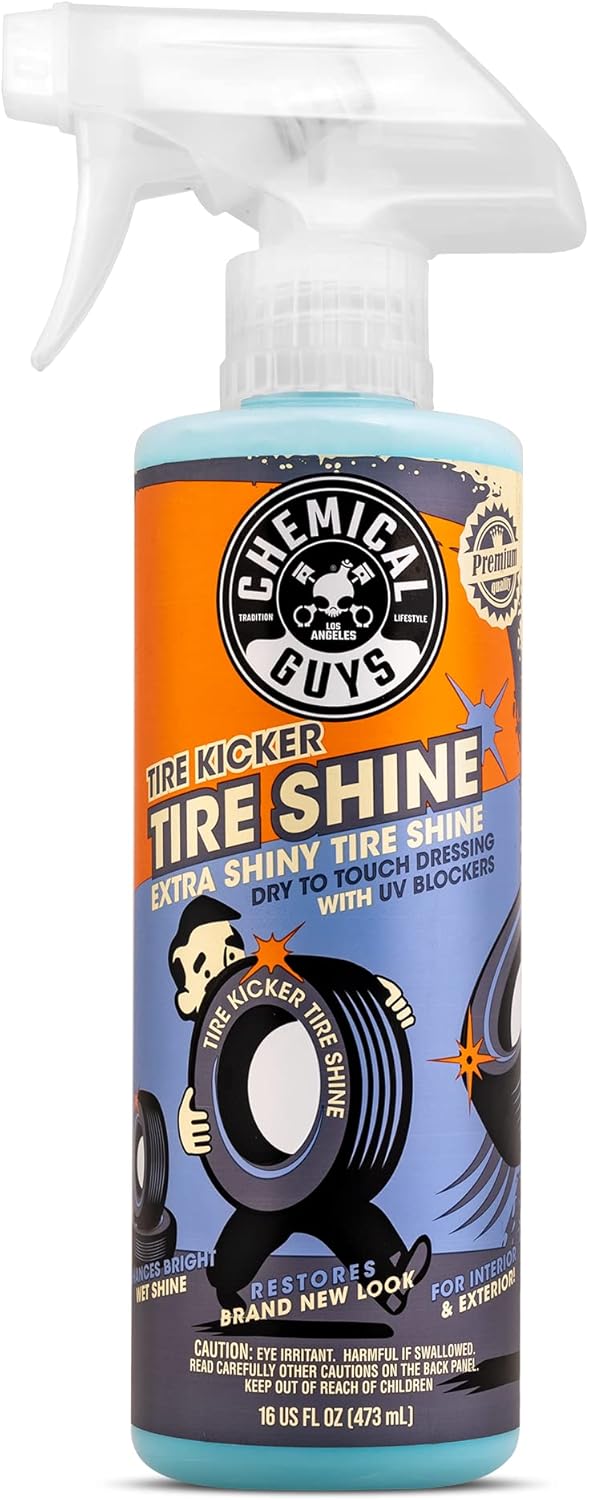
Chemical Guys Tire Kicker Sprayable Extra Glossy Tire Shine restores a deep, wet look on tires, rubber, vinyl, and plastic trim. It delivers a rich showroom shine that enhances color and luster while helping protect against fading, cracking, and discoloration. The spray application dries to the touch with a streak-free finish and no greasy sling, for fast results on cars, trucks, motorcycles, RVs, and boats.

Adam’s Pro Tire Hex Grip applicators are molded foam sponges designed for precise, even tire dressing application. The ergonomic grip helps you spread product without overapplying, reducing sling that can splash onto paint and helping keep your hands clean during wheel and trim detailing. They’re durable, washable, and reusable for repeated detailing sessions.
How to Avoid Damaging Your Truck Tires With Shine Products
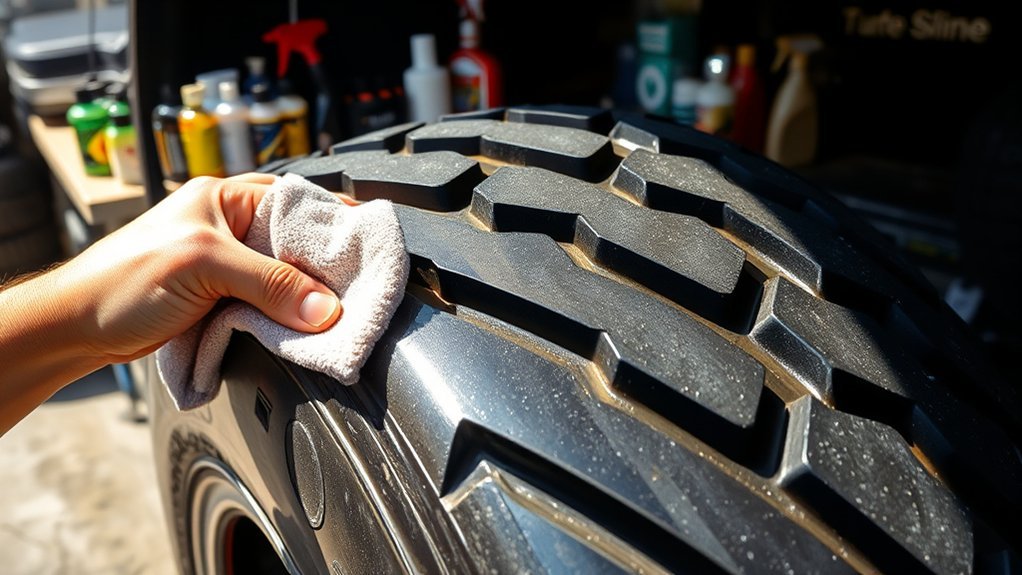
The biggest mistakes are choosing the wrong formula, applying too much product, or putting dressing where it does not belong. Keep tire shine on the sidewall only, and treat the product like a finishing step after the tire is already clean.
Warning: Never apply tire shine to the tread, brake rotors, brake calipers, pedals, floor mats, motorcycle tires, bicycle tires, or any surface that needs grip. Slick residue on a contact surface can reduce traction and create a safety risk.
Safe Product Checklist
- Choose a tire-sidewall product: Use a dressing made for exterior tire rubber, not a general household cleaner or interior protectant.
- Prefer water-based or polymer-based formulas: These are usually easier to control and less greasy for regular truck use.
- Read the warning label: Follow all use limits, drying times, and surface restrictions.
- Avoid heavy residue: Skip products that stay oily after drying or sling onto the body panels.
- Match the finish to your use: Satin looks cleaner for daily trucks; high gloss may need more careful wiping and drying.
When to Skip Tire Shine
Do not apply tire shine when the tire is wet, muddy, cracked, bulging, freshly repaired, or visibly damaged. You should also skip it before towing or hauling if you cannot let the product dry fully. A clean but untreated sidewall is better than a greasy one that slings onto your paint or traps dirt.
How to Apply Tire Shine Safely
Good application matters as much as the product you choose. A thin, even coat on clean rubber gives you a better finish and lowers the chance of sling.
- Wash the tires first: Use car wash soap, water, and a tire brush to remove dirt, old dressing, road film, and brake dust from the sidewalls.
- Rinse and dry completely: Tire shine bonds better to dry rubber. Water can dilute the product and cause streaks.
- Apply to an applicator, not directly to the tire: Spray or pour the product onto a foam pad when possible. This gives you more control and reduces overspray.
- Spread a thin coat on the sidewall: Work around raised lettering and grooves without touching the tread.
- Let it dry: Wait at least the label’s recommended drying time. Many products need 10 to 20 minutes, while some ceramic-style formulas may need longer.
- Wipe excess product: Use a microfiber towel to remove wet spots, drips, and buildup before driving.
Pro Tip: If your truck has aggressive all-terrain or mud-terrain sidewalls, apply dressing with a small foam block or detailing brush. It helps you reach raised lettering without flooding the tire.
Top Tire Shine Recommendations for Truck Safety and Aesthetics
The best tire shine for your truck depends on how you drive, where you park, and what finish you want. For most owners, a water-based or polymer-based dressing is the safest starting point because it is easy to apply, easy to wipe, and less likely to leave a greasy mess.
- Best for regular use: Choose a water-based tire dressing if you want a clean black finish without heavy gloss.
- Best for a longer-lasting look: Choose a polymer or ceramic-style dressing if you want stronger water resistance and you can follow the curing directions.
- Best for careful high-gloss use: Choose a gel or controlled spray if you want a wetter look, but apply lightly and wipe the excess.
- Best for work trucks: Choose a low-sling satin product that dries clean, because dusty jobsites and gravel roads can make greasy dressings look dirty fast.
Recent hands-on tire-shine testing from Road & Track highlighted water-based, polymer-based, aerosol, foam, and ceramic-style options. Use those rankings as product research, not as a guarantee that one product is best for every truck tire.
[Products Worth Considering]

Cristal Products Untouchable Tire Shine Spray delivers a deep, wet-look gloss that enhances your vehicle’s tires. It’s quick-drying and spreads smoothly for consistent, streak-free coverage, while forming a protective coating against UV rays, road grime, and weather. Suitable for all tire types, it helps restore dull, faded tires to a showroom-quality finish.
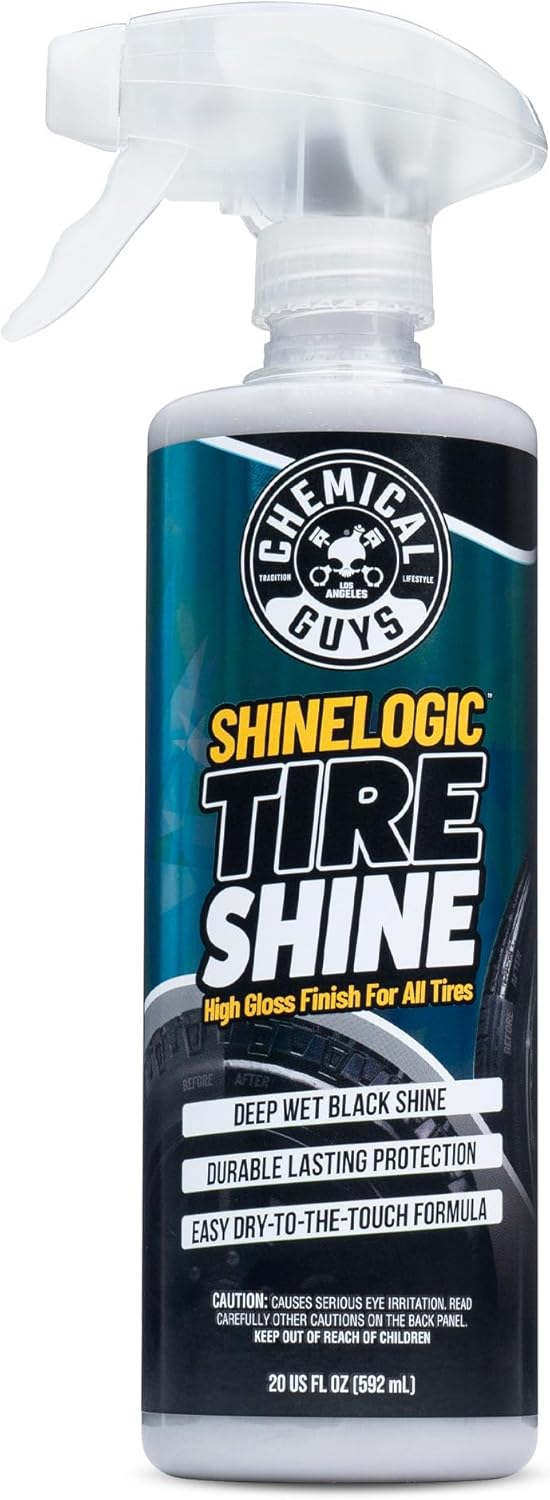
Chemical Guys ShineLogic Tire Shine delivers a deep wet black, high-shine finish for rubber tires with a sleek look. It’s designed for durable, one-step application with minimal drips, streaks, or runs, and it helps produce effortless, long-lasting shine. Choose aerosol or trigger spray for easy use on cars, trucks, motorcycles, RVs, and more.

P&S Dressed Tire Finish is a premium, water-based tire dressing that delivers a deep, rich high-gloss look without the greasy residue. Its polymer blend is designed to mimic the durability and shine of traditional solvent-based dressings while staying non-hazardous and eco-friendly. Apply with a brush or spray bottle for even coverage and a professional, factory-fresh finish.
Top Product Picks by Tire Shine Type
If you want named examples, start by matching the product type to your goal. Always confirm the current label before buying because formulas, warnings, and availability can change.
- Water-based shine: Chemical Guys Tire Kicker is commonly discussed as a water-based option for a clean dark finish.
- Polymer-based shine: CarGuys-style polymer dressings are useful when you want shine control from matte to gloss.
- Foam shine: Foam products can be convenient when you want quick coverage, but watch for overspray and wipe the edge of the tread.
- Ceramic-style shine: Ceramic or hybrid products may last longer, but they often need more drying or curing time.
- Aerosol shine: Aerosols can be fast and glossy, but they need careful spraying to avoid brakes, paint, wheels, and tread.
Do not choose a tire shine only because it is glossy. A safe finish is dry to the touch, evenly spread, and kept away from every surface that needs traction.
[Products Worth Considering]

The Chemical Guys Wonder Wave Durafoam tire shine applicator pads deliver even, streak-free coverage while helping reduce drips and mess. Their contoured wave design hugs tire sidewalls and holds the right amount of product for faster, cleaner application. Reusable and durable, these pads work with tire dressings, protectants, and exterior detailing products for trucks and SUVs.

This oesee 8-piece wheel care kit helps you clean, scrub, and dry wheels safely with purpose-built brushes and towels. The scratch-free microfiber wheel brush lifts brake dust and grime, while the stiff pro-grip tire brush removes tire browning and embedded dirt. A twist loop microfiber drying towel and an applicator help achieve a streak-free finish and cleaner, more even product application.

Black Magic Tire Wet delivers a wet, black, glossy finish with just one quick spray. Its weather and rinse-resistant formula helps maintain shine for weeks, not days, and dries quickly to reduce sling. A self-healing formula fills small scuffs to defend the look, leaving no white, powdery residue.
Essential Maintenance Tips for Truck Tires Beyond Shine
Tire shine can improve the look of your truck, but real tire safety comes from maintenance. NHTSA says proper tire pressure affects safety, durability, and fuel consumption, and it recommends checking tire pressure at least once a month when tires are cold.
NHTSA reported 511 motor vehicle traffic fatalities in tire-related crashes in 2024, which is why tire care should go beyond appearance.
- Check pressure monthly: Use the tire pressure listed on the driver-side door placard or owner’s manual, not the maximum pressure printed on the tire sidewall.
- Inspect tread depth: NHTSA says tires are not safe and should be replaced when tread reaches 2/32 inch.
- Look for damage: Replace or professionally inspect tires with cracks, bulges, cuts, exposed cords, or repeated air loss.
- Rotate as recommended: Follow your owner’s manual. If your vehicle manufacturer recommends it, NHTSA notes that tires are often rotated every 5,000 to 8,000 miles or sooner if uneven wear appears.
- Watch load and towing limits: Heavy loads increase heat and stress. Use tires with the correct size, load index, and inflation pressure for your truck.
What People Get Wrong About Tire Shine for Trucks
Many truck owners assume a shinier tire is a better-protected tire. That is not always true. A greasy high-gloss finish may attract dust, sling onto paint, or leave residue that makes the tire look worse after one drive.
Another common mistake is applying tire shine to wet or dirty rubber. Dirt blocks even coverage, and water can make the product streak. Clean, dry sidewalls give you the best result.
Some people also treat tire shine like a tire-health product. It is not. A dressing can improve appearance and may help repel some dirt, but it cannot fix low pressure, worn tread, alignment wear, old rubber, or structural damage.
Maintaining Tire Shine: Best Practices for Longevity
To keep tire shine looking good longer, use less product and focus on prep. Too much dressing is the main reason tires look greasy, collect dust, or sling onto body panels.
- Clean between applications: Do not keep layering new dressing over old residue.
- Use thin coats: One thin coat is safer and cleaner than one heavy coat.
- Dry before driving: Give the product enough time to set, then wipe any extra dressing.
- Reapply based on conditions: Rain, car washes, off-road use, road salt, and dust shorten the life of any dressing.
- Choose satin for daily driving: Satin finishes usually look cleaner longer on work trucks and off-road tires.
Frequently Asked Questions
What is the number one tire shine product?
There is no single number one tire shine for every truck. The best choice depends on whether you want a satin, glossy, long-lasting, low-sling, water-based, or ceramic-style finish. For most truck owners, a water-based or polymer-based dressing is the safest place to start.
What do dealerships use to make tires shiny?
Many dealerships use professional tire dressings that create a quick dark finish. Some use water-based products, while others use high-gloss sprays. The result depends more on cleaning, even application, and wiping excess product than on the dealership setting itself.
Can tire shine damage truck tires?
Tire shine can be safe when it is made for exterior rubber sidewalls and applied correctly. Problems usually come from harsh formulas, over-application, applying it to dirty or wet tires, or putting it on tread and brake surfaces.
How often should you apply tire shine?
Apply tire shine when the previous coat has worn off and the tire has been cleaned. For many trucks, that may be every one to three washes. Work trucks, off-road trucks, and trucks driven in rain, salt, or dust may need more frequent cleaning but not heavier product layers.
Should tire shine be used on all-terrain or mud-terrain tires?
Yes, you can use tire shine on all-terrain or mud-terrain sidewalls, but apply it carefully. Raised letters, lugs, and textured sidewalls can trap extra product, so use a small applicator and wipe drips before driving.
Conclusion
Tire shine products are safe for truck tires when you choose a mild sidewall-safe formula and apply it with control. For routine care, water-based and polymer-based dressings are usually the safest options because they are easier to spread, wipe, and dry without greasy buildup.
Use tire shine as a finishing touch, not a safety fix. Keep it off the tread and brakes, let it dry before driving, and give tire maintenance priority over appearance. Clean sidewalls look good, but correct pressure, healthy tread, proper rotation, and damage checks keep your truck safer on the road.
Sources
- National Highway Traffic Safety Administration: TireWise — tire pressure, tread depth, rotation, tire aging, and tire-related crash safety guidance.
- U.S. Environmental Protection Agency: What are VOCs? — VOC definition and solvent-related product context.
- U.S. Environmental Protection Agency: Safer Choice Label — safer chemical ingredient review, product performance, pH, packaging, and VOC restrictions.
- Road & Track: Best Tire Shines Tested — current product-testing context for water-based, polymer-based, foam, aerosol, and ceramic-style tire shine products.