
What Is Car Tire Made Of? Complete Guide & Everything You Need to Know
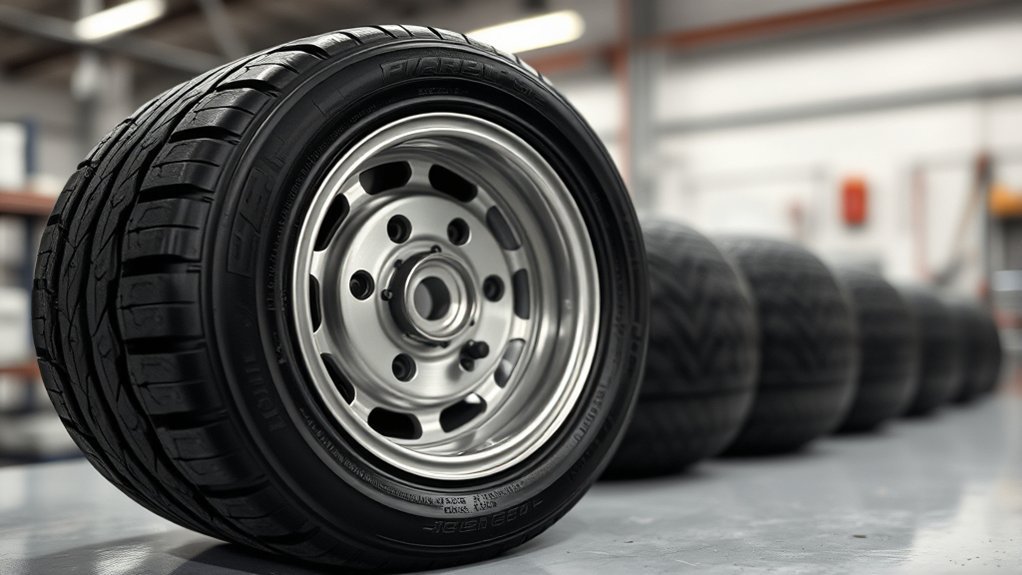
A car tire is a layered composite made from natural and synthetic rubber, steel cords, polyester, nylon, and additives such as carbon black and silica. You’ll also find a tread, sidewall, bead, and inner liner, each serving a specific job. These materials shape grip, rolling resistance, durability, and safety. Tire design also affects hydroplaning, wear, and recycling. Keep going, and you’ll see how each layer works in practice.
Key Takeaways
- Car tires are layered composite products made from natural rubber, synthetic rubber, steel, polyester, nylon, and reinforcing fillers.
- The main parts are the tread, sidewall, bead, and inner liner, each serving a specific structural and safety function.
- Tread compounds are engineered for grip, wear resistance, rolling efficiency, and weather performance.
- Material choices affect handling, comfort, fuel efficiency, heat resistance, and wet-road safety.
- Tires wear out over time and use, so proper maintenance and recycling are important for performance and environmental safety.
What Is a Car Tire Made Of?
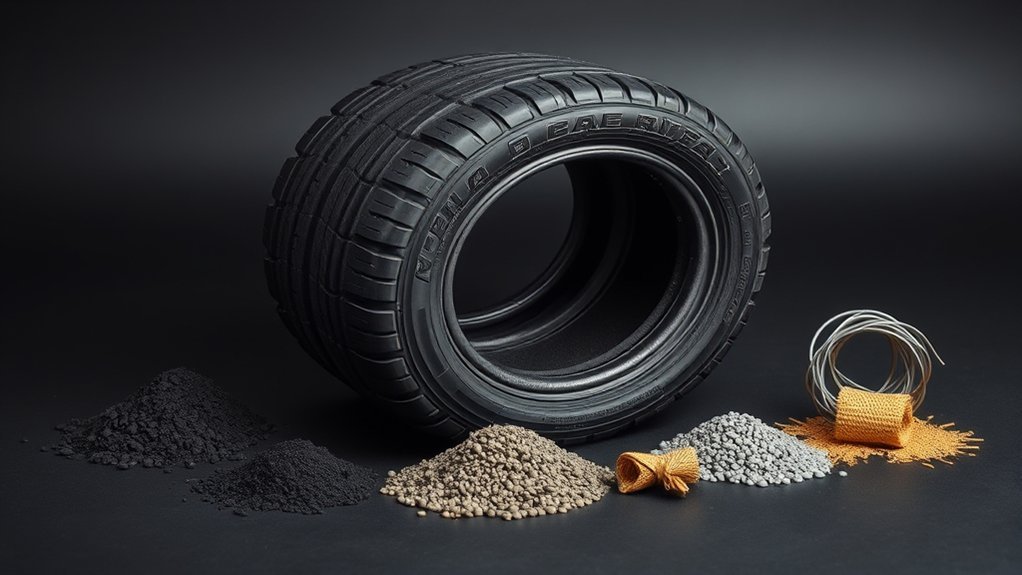
A car tire is a layered composite designed for strength, grip, and durability. You rely on a tire built from natural rubber and synthetic rubber, blended with up to 25 components and many compounds. In passenger tires, tire construction uses steel cords, polyester, and nylon to give the structure stability under load and speed. The tread uses specialized rubber compounds to improve traction and wear resistance, while the inner liner helps retain inflation pressure. You’ll also find fillers such as carbon black and silica, which make up about 25-30% of the rubber mix and sharpen performance characteristics by boosting durability, grip, and rolling efficiency. Each tire includes a bead core that locks to the wheel rim and a sidewall that shields against damage and weather. When you understand these materials, you can read the engineering behind your mobility and choose with more freedom. Additionally, a tire’s tread depth directly influences its longevity, similar to the 10/32 inches found in the Hankook Kinergy ST H735.
The Main Parts of a Tire
Every tire is built from four core parts that work together for safety and performance: the tread, sidewall, bead, and inner liner. On your passenger car, the tread is the surface that meets the road, and manufacturers mold it from natural and synthetic rubber compounds to give tires grip and resist wear. The sidewall surrounds the tread and shields the tire’s structure from cuts, flex, and impact while keeping the ride compliant. The bead uses steel wire to lock the pneumatic tire tightly to the wheel rim, so it stays seated under load and during cornering. Inside, the inner liner acts as an air seal, usually with butyl rubber, helping the tire retain pressure in tubeless designs. When you understand these parts, you can inspect your tires more precisely and make informed choices that support safe, independent driving. Additionally, the tread life of your tires can significantly affect both performance and safety.
How Tire Materials Affect Performance
Because tire performance depends on material choices, the rubber, reinforcement, and inner layers all play distinct roles in how your car drives. You get flexibility from natural rubber and synthetic blends, while the reinforcing material—steel belts and textile cords—keeps radial tires stable under load. The tread compound, often tuned with carbon black or silica, controls rolling resistance, wear, and traction, so you can choose a setup that matches your route and driving style. A softer compound can deliver good grip on wet or rough pavement, while a harder one usually lasts longer and runs cooler. Inside, the butyl-rubber inner liner helps hold air pressure, which supports fuel efficiency and consistent performance. Modern tire technology lets manufacturers balance comfort, handling, and durability through specific rubber recipes and tread patterns. That means your tires aren’t just parts; they’re engineered tools that help you move with more control and less wasted energy. Additionally, advancements in tire design, such as asymmetric tread patterns, enhance performance in various driving conditions.
Why Tire Design Matters for Safety
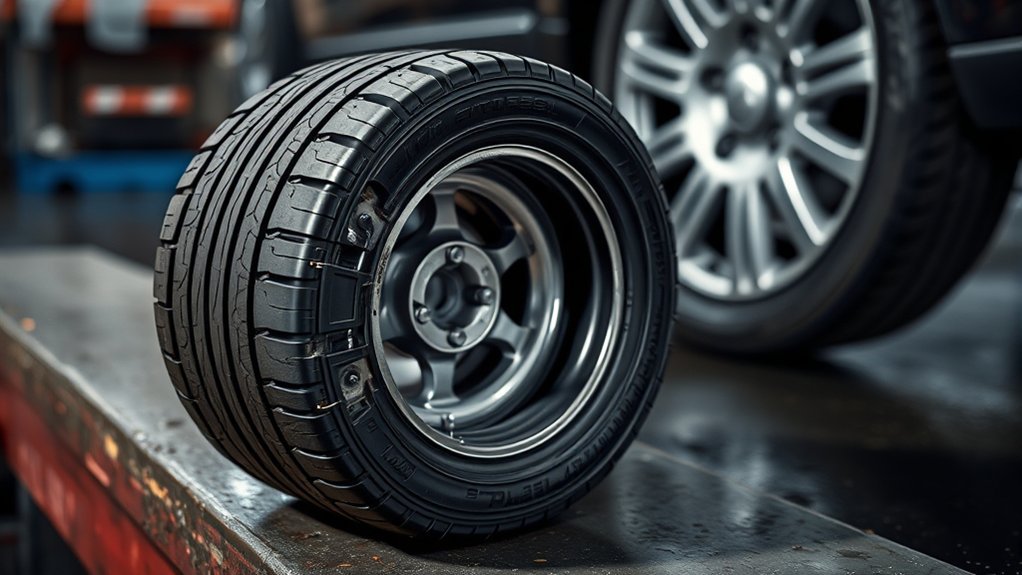
Tire design matters for safety because tread patterns, rubber compounds, and internal reinforcements work together to keep your vehicle stable and predictable. You get better traction when the tread pattern channels water away, reducing hydroplaning on wet roads. During tire manufacturing, engineers choose raw materials such as natural and synthetic rubber to balance grip, shock absorption, and heat resistance. That chemistry gives the tread stability to the tread blocks under braking, cornering, and acceleration. For you as a passenger, those choices affect control in emergency maneuvers and lower the chance of blowouts or loss of grip. Run-flat features can keep a tire usable after a puncture, giving you time to reach help. Efficient tire design also cuts rolling resistance, which can influence 5% to 15% of fuel use in passenger vehicles and improve control. High-strength constructions and advanced tread reduce tire-related fatalities by over 50% in recent analyses. Additionally, tires designed with aggressive tread patterns provide improved grip in challenging conditions like mud and snow.
How Tires Wear Out and Get Recycled
As tires roll, their tread gradually wears away from abrasion against the road surface, and your driving habits, vehicle load, inflation pressure, and rotation schedule all affect how fast that happens. In the tread area, heat, misalignment, and underinflation accelerate wear, so tire maintenance matters if you want a longer lifespan. Even when tread looks acceptable, most tires age out in about 6 to 10 years as rubber compounds harden and lose performance. When used tires can’t serve safely, the tire industry routes them into recycling tires streams. Mechanical recycling grinds them into granules for playground surfaces and asphalt, while pyrolysis can turn them into fuel and other products. About 30% of used tires are recycled; others become tire-derived fuel or similar applications. Don’t dump them casually: improper disposal creates environmental hazards, releases toxic chemicals, and clogs landfills. Choosing disciplined maintenance and responsible recovery keeps you free from waste and helps reclaim material value. Additionally, the proper tire maintenance can significantly extend tire life and improve overall vehicle performance.
Frequently Asked Questions
Are Car Tires 100% Rubber?
No, you don’t get 100% rubber tires. You get a tire composition of natural and synthetic rubber, plus carbon black, silica, steel, and textiles. The manufacturing process balances rubber types for tire durability, traction, and rolling resistance. You should consider performance factors, tire maintenance, environmental impact, and recycling options, because engineered materials make tires safer, longer-lasting, and more efficient under real driving conditions.
What Tires Are 100% Made in America?
A flag can roll on four black circles, and you’ll find 100% American-made options from Goodyear, Cooper, and Michelin’s U.S. plants. You’ll see American manufacturers using local sourcing, tight tire production controls, and strict quality standards under industry regulations. These brands support sustainable practices and match consumer preferences differently, so brand comparisons matter. If you want liberation through domestic choice, you can buy tires built and tested here.
Where Does the US Get Its Rubber for Tires?
You get U.S. tire rubber from natural rubber plantations in Southeast Asia, especially Thailand, Indonesia, and Malaysia, plus import sources in Latin America like Brazil and Guatemala. You also rely on synthetic rubber from petroleum-based feedstocks supplied by domestic producers and global markets. Rubber suppliers feed tire manufacturing with both materials, while sustainability practices push rubber alternatives such as guayule and dandelion to reduce dependence and expand your options.
Are Car Tires Made Out of Plastic?
No, you usually won’t find tires made mainly of plastic. You’ll see tire materials like natural rubber, synthetic rubber, steel, and textile cords in the tire composition, with only limited plastic usage in additives or special parts. That mix boosts tire performance and durability. You should also consider environmental impact and recycling options, since tire materials can be reclaimed, reused, or processed after wear, rather than discarded.
Conclusion
In the end, you can see that a car tire is more than black rubber; it’s a carefully engineered mix of rubber compounds, steel belts, fabric cords, and additives. Each layer affects grip, comfort, durability, and safety. As you drive, the tire flexes like a living hinge, helping it meet the road and protect your ride. When you understand how it’s built, you’re better prepared to maintain it and replace it on time.

Related Articles
What Does P Mean on a Tire? Load, Speed & Rating Guide
Motorists often miss what the “P” on a tire really means—discover the load, speed, and rating details that could change your choice.
Read More
What Does 245 Mean on a Tire? Load, Speed & Rating Guide
See what 245 really means on a tire—and why load, speed, and ratings could change everything you thought you knew.
Read More
What Does 110H Mean on a Tire? Load, Speed & Rating Guide
On a tire, 110H reveals load and speed limits, but the real-world impact may surprise you—keep reading to see why.
Read More