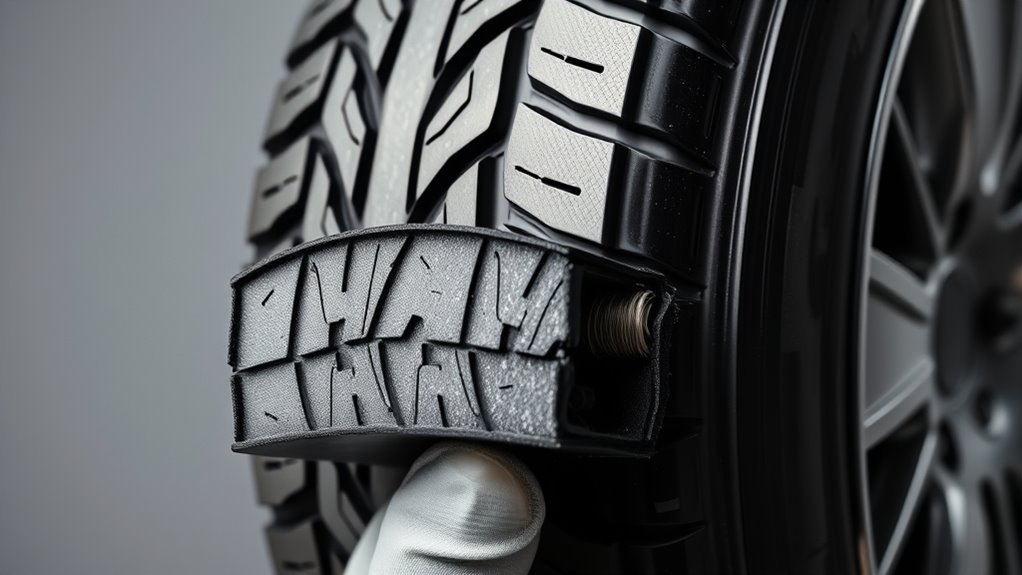
Your RAV4’s tires are not just rubber. They are layered, steel-belted radial tires made from natural and synthetic rubber compounds, steel belts, bead wire, textile cords, fillers such as carbon black and silica, and protective additives that help manage grip, wear, heat, air retention, and fuel efficiency. The exact recipe depends on the tire brand, size, speed rating, load rating, and whether the tire is built for all-season, winter, touring, highway, or all-terrain use.
Quick Answer
Toyota RAV4 tires are typically made from a blend of natural rubber, synthetic rubber, steel belts, steel bead wire, polyester or nylon body cords, carbon black, silica, oils, resins, sulfur, zinc oxide, antioxidants, and antiozonants. These materials work together to provide traction, load support, durability, ride comfort, and air retention.
Key Takeaways
- RAV4 tires use the same basic construction as modern passenger SUV radial tires: rubber compounds reinforced with steel and fabric.
- Natural rubber helps with tear and fatigue resistance, while synthetic rubber helps tune wear, rolling resistance, heat resistance, and wet traction.
- Steel belts stabilize the tread, and steel bead wire locks the tire securely to the wheel.
- Carbon black and silica reinforce the rubber; silica can also help reduce rolling resistance and improve wet grip.
- The best tire material mix for a RAV4 depends on how you drive: commuting, towing, AWD use, winter driving, or light trail use.
What RAV4 Owners Need to Know About Tire Materials
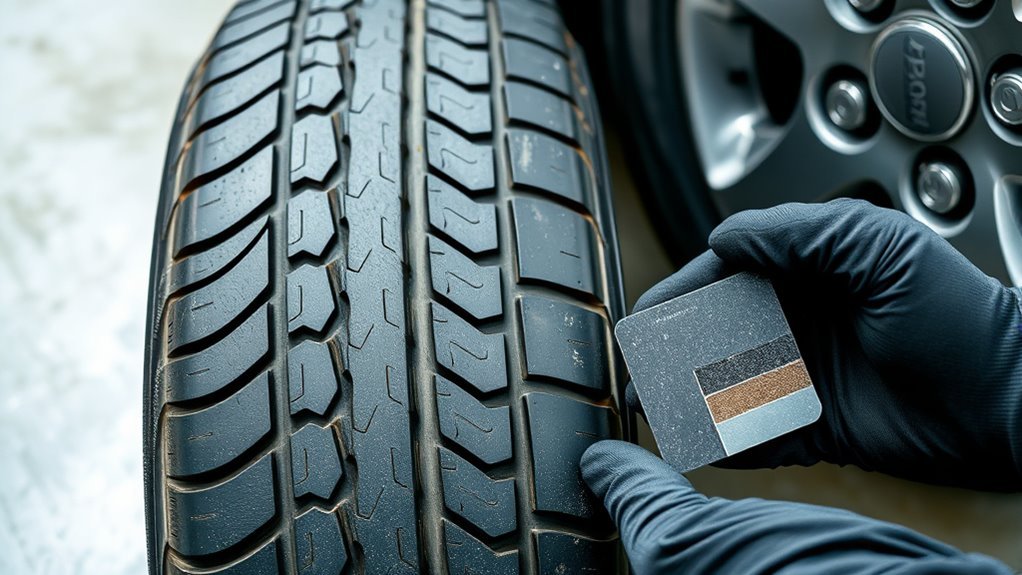
Although tires look like simple black rings, a RAV4 tire is a carefully engineered composite. According to the U.S. Tire Manufacturers Association, tires commonly include natural rubber, synthetic polymers, steel, textiles, carbon black, silica, antioxidants, antiozonants, sulfur, zinc oxide, oils, resins, and other processing materials.
For a RAV4 owner, the most important point is simple: the material mix affects how the tire grips, wears, carries weight, rides, resists heat, and uses energy. A fuel-efficient touring tire, a winter tire, and an all-terrain tire may fit the same RAV4 wheel, but their rubber compounds, tread patterns, sidewall stiffness, and reinforcement choices can feel very different on the road.
Note: Toyota does not use one single tire formula for every RAV4. Original-equipment and replacement tires vary by year, trim, market, wheel size, tire supplier, and package. Always match replacement tires to the size, load rating, speed rating, and cold inflation pressure shown on your driver-side door placard or in the owner’s manual.
Natural vs. Synthetic Rubber in RAV4 Tires
RAV4 tires use both natural rubber and synthetic rubber, but the exact proportions vary by tire model. Continental notes that one modern passenger tire example contains about 41% natural and synthetic rubber combined, along with fillers, reinforcing materials, plasticizers, curing chemicals, and anti-aging agents. That number is useful as a general example, not a fixed rule for every RAV4 tire.
Natural Rubber Benefits
Natural rubber is valued because it handles repeated flexing well. The U.S. Tire Manufacturers Association describes natural rubber as especially useful for tear resistance and fatigue-crack resistance. In real driving, that matters because a tire constantly bends as it rolls, carries load, hits bumps, and corners.
Natural rubber is often important in areas that need toughness and flexibility, such as sidewalls and certain internal compounds. It helps the tire absorb road impact, resist cracking from repeated stress, and maintain durability over thousands of heat cycles.
Synthetic Rubber Tradeoffs
Synthetic rubber gives tire engineers more control. Common synthetic polymers such as styrene-butadiene rubber and butadiene rubber are blended with natural rubber to tune rolling resistance, traction, treadwear, temperature behavior, and ride quality.
There is always a trade-off. A compound built for long tread life may not feel as soft in freezing weather. A high-grip performance compound may wear faster. A low-rolling-resistance compound may improve efficiency, but it still has to meet the tire maker’s traction and safety targets. That is why you should choose tires by use case, not just by size or price.
Pro Tip: If your RAV4 sees real winter conditions, prioritize the tire’s winter rating and rubber compound over aggressive looks. Winter tires use compounds designed to stay more flexible in cold weather, while many all-season tires harden as temperatures drop.
Steel Belts & Bead Cores for RAV4: What They Do
Steel is one of the key reasons a modern RAV4 tire can stay stable at highway speed while supporting the vehicle’s weight. The two most important steel areas are the steel belts under the tread and the bead wire at the wheel rim.
Steel Belt Function
Steel belts sit below the tread area in a radial tire. Their job is to stiffen the tread, help the tire keep its shape, improve handling, and support even wear. Continental explains that high-strength steel is used for tire belts and bead cores, while USTMA notes that belts under the tread stiffen the casing and improve wear performance and handling.
| Steel Belt Function | Effect on the Tire | Benefit for a RAV4 Driver |
|---|---|---|
| Tread support | Reduces tread squirm | More stable handling |
| Shape retention | Maintains a steadier footprint | More even wear |
| Strength under load | Limits deformation | Better control with passengers or cargo |
Bead Core Purpose
The bead core is the steel-wire hoop inside the tire bead. It anchors the tire to the wheel and helps create a secure fit at the rim. Continental Tire describes the bead as wrapped steel wire covered with rubber that seats the tire firmly on the wheel.
For a RAV4, that secure bead fit matters during cornering, braking, pothole impacts, and heavy-load driving. If the bead does not seat correctly, the tire can lose air, vibrate, or fail to seal properly.
Impact on Handling
Steel belts and bead cores are hidden, but you feel their work through steering response and stability. Steel belts help keep the tread flatter against the road, while the bead holds the tire tightly to the wheel. Together, they reduce unwanted movement inside the tire structure, which helps the RAV4 feel more predictable during lane changes, highway driving, and braking.
Warning: Never exceed the vehicle load limit or use tires with a lower load rating than Toyota specifies. Toyota warns that overloading can damage tires and reduce steering and braking ability, which can lead to a crash.
Textile Cords: Why Nylon, Polyester, and Aramid Matter to RAV4 Drivers
Textile cords form part of the tire’s internal support system. Depending on the tire, these reinforcing materials may include polyester, nylon, rayon, or aramid. USTMA explains that textile cords reinforce passenger tires, provide dimensional stability, help support vehicle weight, and help the tire keep its shape in different road conditions.
- Polyester: commonly used in body plies for strength, ride comfort, and shape stability.
- Nylon: often used where heat resistance, impact resistance, or cap-ply stability is needed.
- Aramid: a high-strength, lightweight fiber sometimes used in specialty tire designs.
- Rayon: used in some tire constructions for dimensional stability and strength.
For RAV4 drivers, these materials affect ride comfort, steering feel, high-speed stability, and durability. A tire with a softer casing may ride more comfortably, while a more reinforced tire may feel firmer but resist deformation better under cargo, towing, or rough-road use.
Fillers & Additives: Carbon Black, Silica, Antioxidants and Effects
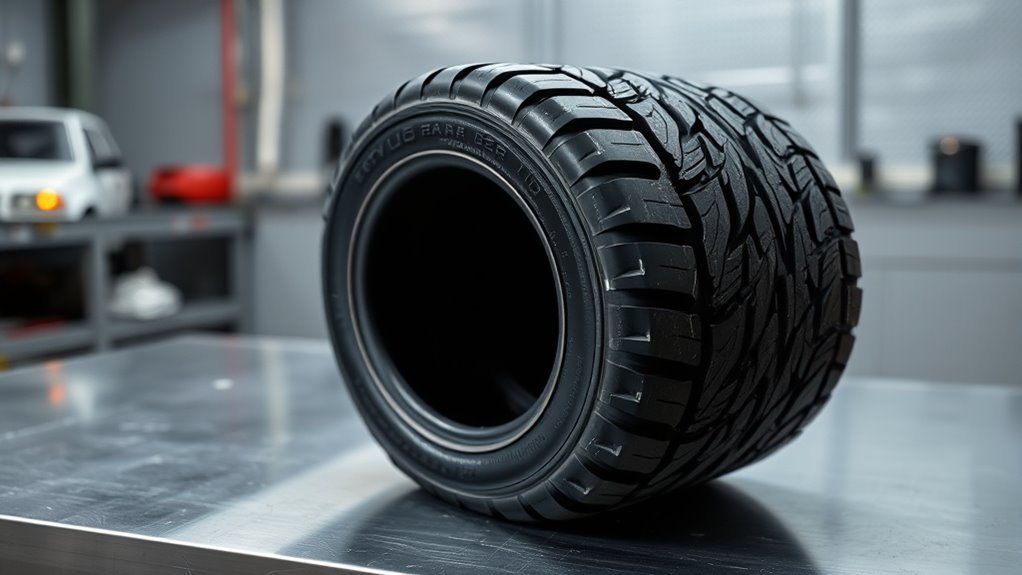
The rubber in a RAV4 tire is not plain rubber. It is mixed with fillers and additives that change how the compound behaves. Two of the most important fillers are carbon black and silica. USTMA notes that both carbon black and silica reinforce rubber and improve properties such as tear strength, tensile strength, abrasion resistance, wear performance, and traction. Silica can also improve rolling resistance.
| Additive or Filler | Primary Effect | Why It Matters |
|---|---|---|
| Carbon Black | Reinforces rubber and improves abrasion resistance | Supports tread life and durability |
| Silica | Improves rolling resistance and wet-traction tuning | Helps balance efficiency and grip |
| Antioxidants | Protect rubber from oxygen and heat aging | Helps slow cracking and degradation |
| Antiozonants | Protect against ozone cracking | Helps preserve sidewall condition |
| Sulfur and Zinc Oxide | Help cure and vulcanize rubber | Turns soft compounds into durable tire rubber |
The exact blend is where tire makers create their differences. One all-season tire may emphasize long wear and low noise. Another may use a more grip-focused compound. A winter tire may use a cold-weather compound and siped tread blocks to stay flexible and bite into snow.
Internal Structure: Inner Liner, Sidewall, and Cap Ply Explained
A RAV4 tire’s internal layers work together to hold air, support weight, protect the casing, and maintain shape at speed. The most important layers are the inner liner, body ply, sidewall, steel belts, cap ply, tread, and bead.
A tire is a layered safety component: the liner holds air, the plies carry load, the belts stabilize the tread, the sidewall protects the casing, and the bead locks everything to the wheel.
- Inner liner: usually made with halobutyl rubber, which helps make tubeless tires airtight.
- Body ply: fabric-reinforced rubber layer that helps support the vehicle and gives the tire shape.
- Sidewall: rubber compound that protects the body plies from abrasion, scuffs, weathering, and flex damage.
- Cap ply: often nylon-based; helps stabilize the belt package, especially at higher speeds.
- Tread: outer rubber compound and tread pattern that provide grip, water evacuation, wear resistance, and road contact.
- Bead: steel-wire hoop that anchors the tire to the rim.
How RAV4 Driving Conditions Shape Material Choice
The right tire material mix depends on how you use your RAV4. A daily commuter, a weekend trail driver, a winter driver, and a person who regularly carries cargo do not need the same tire priorities.
[Products Worth Considering]

Black Magic Tire Wet delivers a deep wet-look shine that makes tires appear dark, rich, and freshly detailed. Its long-lasting formula helps resist rain, dust, and road grime for weeks of glossy protection, not days. Apply by spraying onto clean, dry tires—no buffing or wiping required—with a low-sling design to reduce splatter on paint and wheels.

Measure tire tread depth quickly and accurately with this LUMITECO dial gauge that reads in 1/32" increments up to 14/32". The color-coded green/yellow/red zones make it easy to judge tire wear and know when replacement is needed. A rugged, compact design with a protective pouch helps keep the gauge ready for use on cars, trucks, motorcycles, and more.

Keep your tires properly inflated with this analog VONDIOR tire pressure gauge, designed for fast, easy readings without batteries. The swiveling, two-axis hose and large glow dial help you measure at any tire angle with instant visibility. Built with a protective rubber shield, it supports durable, low-maintenance use for cars and trucks.
Daily Driving and Fuel Efficiency
For commuting and highway driving, many RAV4 owners prefer touring or all-season tires with low road noise, moderate rolling resistance, and long treadwear. These tires often use balanced rubber compounds with silica and tread designs aimed at comfort, wet traction, and efficiency.
AWD and Mixed Weather
AWD helps distribute power, but it does not replace tire grip. For an AWD RAV4, consistent tread depth and matching tire size are especially important. A good all-season or all-weather tire should balance wet braking, hydroplane resistance, treadwear, and cold-weather performance.
Towing, Cargo, and Load Capacity
If you tow a small trailer or carry heavy cargo, pay close attention to the tire’s load index. Stronger internal construction and correct inflation help the tire carry weight without excessive heat buildup or sidewall flex. The tire sidewall and Toyota door placard are more important than guesswork here.
Winter Driving
Winter driving places special demands on rubber. Snow and ice traction depend on compound flexibility, tread depth, siping, and tread block design. A winter tire or severe-snow-service-rated tire can be a better match than a standard all-season tire if your RAV4 regularly sees freezing temperatures, snow, or ice.
Light Trails and Rough Roads
For gravel roads, campsites, and mild trail use, some RAV4 owners choose all-terrain tires with tougher sidewalls and more open tread patterns. These can improve cut resistance and loose-surface traction, but they may add noise, weight, and rolling resistance compared with highway tires.
How to Read RAV4 Tire Sidewall Clues
You cannot see the full material recipe from the outside, but the sidewall gives useful clues about construction and capability.
- Size: A code such as 225/65R17 means width, aspect ratio, radial construction, and wheel diameter.
- R: The “R” means radial construction, which is standard for modern RAV4 tires.
- Load index: This number tells how much weight the tire is rated to carry.
- Speed rating: This letter indicates the tire’s tested speed capability under controlled conditions, not a recommendation to drive fast.
- M+S: Means mud and snow by tread-geometry definition, but it is not the same as a true winter rating.
- Three-peak mountain snowflake: Indicates the tire meets a severe snow service performance standard.
- UTQG: Treadwear, traction, and temperature grades can help compare tires within broad categories, but they are not a complete performance test.
Note: The maximum PSI printed on a tire sidewall is not the normal inflation pressure for your RAV4. Use the cold tire pressure listed on the driver-side door placard or Toyota owner’s manual.
[Products Worth Considering]

Milton S-921 pencil tire pressure gauge helps you maintain optimal tire pressure for passenger cars with accurate readings in PSI and kPa. It features a built-in deflator valve for convenient pressure adjustments, plus a single chuck head and nylon indicator bar for easy use on the go. Built from durable plated brass and designed for reliable performance, it’s a practical road trip and cold-weather maintenance tool.
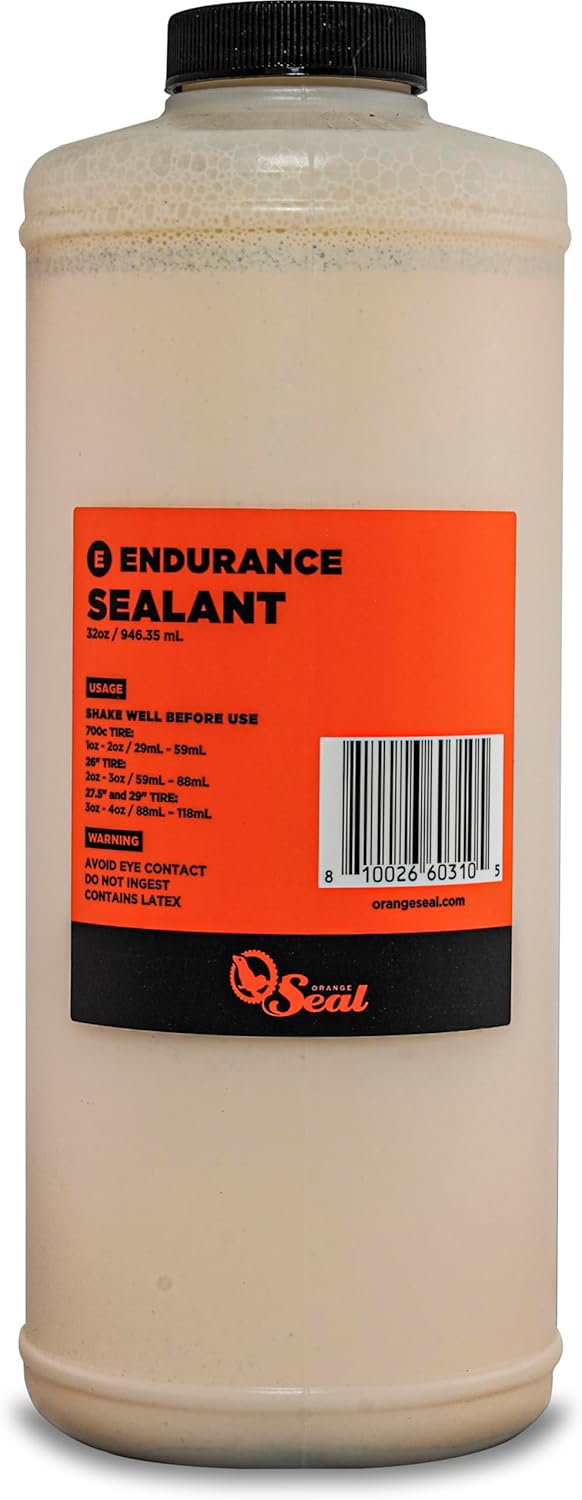
Orange Seal Endurance Formula delivers long-lasting latex protection with a durable sealant that can stay effective for 60–120 days between top-offs. It uses nanite particles to rapidly seal punctures up to 1/4" and slices up to 1/2", helping maintain reliable tubeless performance across MTB, road, CX, and gravel conditions. The biodegradable formula is engineered to work across major tubeless-ready and UST brands and a wide range of rubber compounds.

Accurately measure tire tread depth with a calibrated gauge marked from 0 to 1 inch in 1/32 inch increments. The color-coded bar helps you quickly identify tread condition ranges, supporting safe driving for trucks, motorcycles, automobiles, and passenger vehicles.
Choosing and Caring for RAV4 Tires Based on Composition
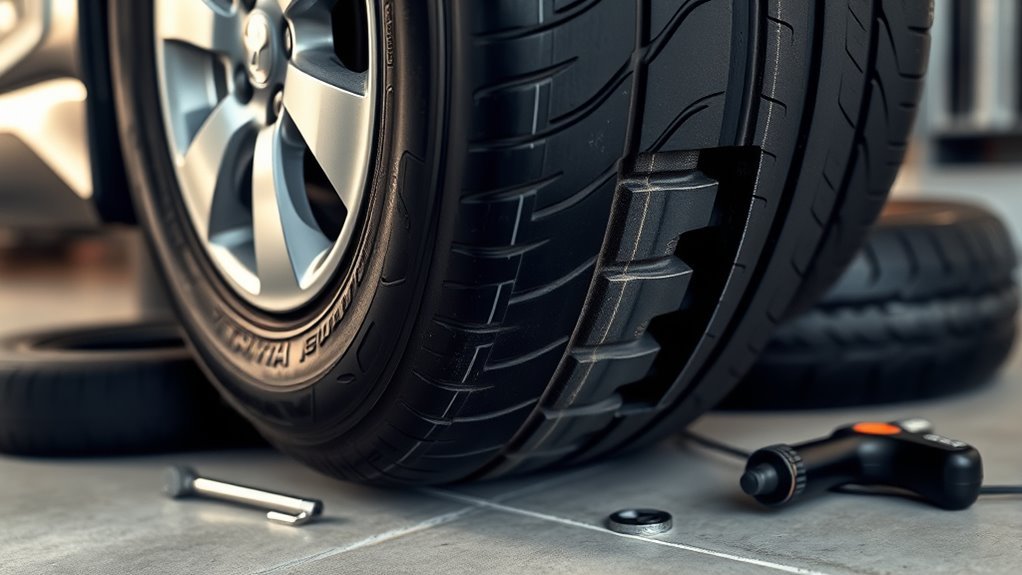
Because tire composition affects performance, you should choose RAV4 tires by matching the rubber compound, tread pattern, construction, and load rating to your actual driving. Do not buy only by brand name or price. Start with the correct size and rating, then choose the tire category that fits your use.
| Driving Need | Material or Design Priority | Best Tire Direction |
|---|---|---|
| Daily commuting | Balanced rubber compound, low noise, long wear | Touring or all-season |
| Rainy climate | Silica-rich tread, strong water channels | Wet-grip-focused all-season or all-weather |
| Snow and ice | Cold-flexible rubber and dense siping | Winter or severe-snow-rated all-weather |
| Cargo or towing | Correct load index and reinforced casing | Properly rated SUV/crossover tire |
| Gravel and light trails | Cut resistance and stronger tread blocks | Mild all-terrain |
To make those materials last, follow the basics that NHTSA and USTMA both emphasize: check tire pressure, inspect tread, rotate tires, watch alignment, and replace damaged or worn tires on time.
- Check pressure monthly: Measure when tires are cold, meaning the vehicle has been parked for at least three hours.
- Inspect tread depth: Replace tires when they reach 2/32 inch, and consider earlier replacement for wet or winter performance.
- Rotate on schedule: Rotation helps even out wear patterns and protects your investment.
- Watch alignment: Feathering, cupping, or one-edge wear can signal alignment, suspension, or inflation problems.
- Look for sidewall damage: Bulges, cracks, exposed cords, cuts, or repeated air loss should be inspected by a tire professional.
- Use matching tires: On AWD models, avoid mixing tire sizes, major tread depths, or very different tire models unless Toyota or a qualified tire professional confirms it is safe.
[Products Worth Considering]

The SAFELIFE dial tire tread depth gauge measures tread depth in 1/32 inch increments with clear, easy-to-read 2-inch dial face. Color zones using a traffic light system help you quickly judge whether tread is low, marginal, or ample for safer driving. Built with a durable zinc cast body and a metal detect probe for precise, comfortable use across cars, motorcycles, trucks, and buses.

Upgrade your wheels with MIKKUPPA M12x1.5 mag seat lug nuts built for secure, corrosion-resistant performance. These closed-end chrome lug nuts are a direct replacement for select Toyota models, including Camry, Corolla, RAV4, Sienna, Avalon, Highlander, Matrix, Venza, and Prius. Triple-chromium plating and cold-forged, heat-treated steel help deliver strength for daily driving and replacement needs.

Cristal Products Untouchable Tire Shine Spray delivers a deep, wet-look gloss that enhances your vehicle’s tires. It’s quick-drying and spreads smoothly for consistent, streak-free coverage, while forming a protective coating against UV rays, road grime, and weather. Suitable for all tire types, it helps restore dull, faded tires to a showroom-quality finish.
Frequently Asked Questions
What kind of tires does a RAV4 use?
Most Toyota RAV4 models use passenger SUV or crossover radial tires. Depending on year, trim, and package, they may come with all-season, all-weather, winter, touring, highway, or light all-terrain tires. Always match the replacement tire size, load index, speed rating, and pressure information shown on the driver-side door placard or in the Toyota owner’s manual.
Are RAV4 tires made of natural or synthetic rubber?
They use both. Natural rubber helps with tear and fatigue resistance, while synthetic rubber helps tire makers tune treadwear, heat resistance, rolling resistance, wet traction, and air retention. The exact blend varies by tire manufacturer and tire model.
Do RAV4 tires contain steel?
Yes. Modern RAV4 radial tires normally contain steel belts under the tread and steel bead wire at the rim. The belts help stabilize the tread and improve handling, while the bead wire anchors the tire securely to the wheel.
What material helps RAV4 tires hold air?
The inner liner helps a tubeless tire hold air. It is commonly made with halobutyl rubber, a synthetic rubber material that helps make the tire’s inner surface less permeable.
Does tire material affect RAV4 fuel economy?
Yes. Rubber compound, silica content, tread pattern, tire weight, inflation pressure, and rolling resistance all affect fuel economy. A low-rolling-resistance touring tire may help efficiency, while a heavier all-terrain tire may trade some efficiency for tougher tread and rough-road grip.
Which RAV4 tire material is best for winter?
For winter, the most important factor is a cold-weather rubber compound paired with proper tread siping and snow traction design. Look for tires with the three-peak mountain snowflake symbol if you regularly drive in snow, ice, or freezing temperatures.
Conclusion
Your RAV4’s tires are engineered multi-material components, not simple rubber donuts. Natural and synthetic rubbers provide the base behavior, steel belts and bead wire add strength, textile cords shape the casing, and fillers such as carbon black and silica tune grip, durability, wear, and rolling resistance. Choose tires by size, load rating, season, road conditions, and driving style, then maintain them with correct pressure, rotation, inspection, and alignment. That is how the tire’s materials keep doing their job mile after mile.
Sources
- U.S. Tire Manufacturers Association — Tires 101 — tire components, natural rubber, synthetic polymers, steel, textiles, fillers, antioxidants, and antiozonants.
- U.S. Tire Manufacturers Association — Tire Care Essentials — pressure, tread, rotation, alignment, and monthly tire-care guidance.
- National Highway Traffic Safety Administration — TireWise — tire safety ratings, tire maintenance, labeling, and consumer safety information.
- Continental Tires — Tire Components — rubber, fillers, reinforcing materials, tire composition example, steel, and textile reinforcement.
- Continental Tire — How to Build a Radial Tire — radial tire construction, inner liner, ply, steel belts, bead, vulcanization, and inspection.
- Toyota Owners — RAV4 Manuals and Warranties — official Toyota owner manual access for tire placard, tire pressure, load, and vehicle-specific guidance.