
How Tall Is a 245 75 R17 Tire? Exact Height, Width & Dimensions
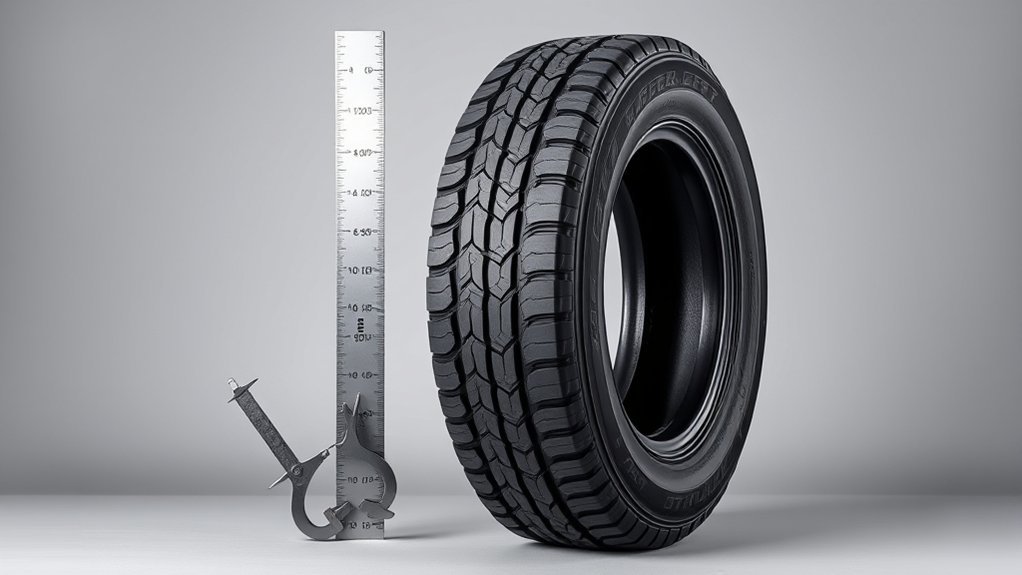
A 245/75R17 tire is about 31.5 inches tall, 9.6 inches wide, and has a sidewall height near 7.2 inches. You’re looking at a 245 mm width, a 75% aspect ratio, and a 17-inch wheel diameter, which gives it a circumference of about 98.9 inches per revolution. It typically fits 6.5- to 8.0-inch rims and suits trucks and SUVs. If you keep going, you’ll see how it compares and fits.
Key Takeaways
- A 245/75R17 tire is about 31.5 inches tall overall.
- Its width is about 9.6 inches, or 245 mm.
- The sidewall height is about 7.2 inches, based on the 75% aspect ratio.
- It fits a 17-inch wheel and typically needs a 6.5 to 8.0-inch rim width.
- Its circumference is about 98.9 inches per revolution, with slight variation by brand.
How Tall Is a 245/75R17 Tire?
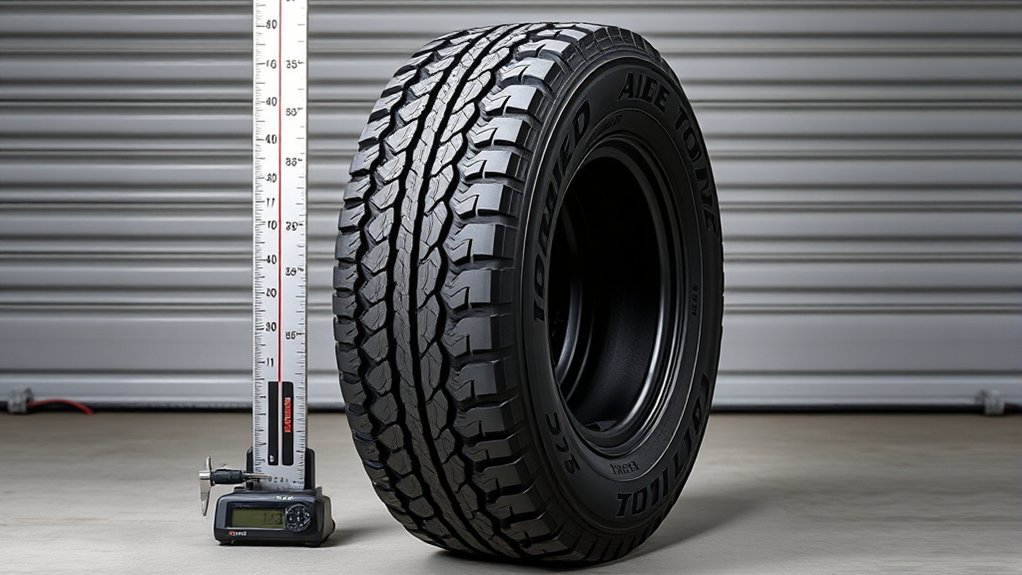
A 245/75R17 tire is about 31.5 inches tall overall, which is roughly 800 mm. That overall diameter gives you a clear tire size reference when you’re comparing fitment, ground clearance, and stance. You can also verify the sidewall height at about 7.2 inches, or 183.75 mm, because the 75% aspect ratio raises the tread above the rim with measurable efficiency. The tire’s width is about 9.6 inches, or 245 mm, so you’re working with a proportioned profile that balances load support and road contact. Since it fits a 17-inch wheel rim, you can pair it with many truck and SUV platforms without sacrificing structural compatibility. The overall diameter also drives practical performance: the tire rolls about 98.9 inches per revolution, or roughly 638 revolutions per mile. That means you can assess speedometer effects, gearing, and clearance with precision, not guesswork. Additionally, this tire size is commonly recommended for vehicles like the 2023 RAV4, ensuring optimal handling and traction in various driving conditions.
What Does 245/75R17 Mean?
245/75R17 breaks down into three key measurements that tell you exactly how the tire is built and what it fits. The 245 is the tire width in millimeters, so you’re looking at 245 mm, or about 9.65 inches across. The 75 is the aspect ratio, which means the sidewall height equals 75% of the width, giving you roughly 183.75 mm, or 7.23 inches. The R tells you the tire uses radial construction, the modern standard that supports efficient, stable performance. The 17 identifies the wheel rim diameter in inches, so this tire fits a 17-inch rim. When you read the code this way, you can judge fitment with more freedom and less guesswork. Together, these numbers help you understand the tire’s proportions, and they lead to an overall diameter of about 31.5 inches. Additionally, all-season tires like the Fullway HP108 are designed to perform well across various conditions, making them a practical choice for everyday driving.
245/75R17 Tire Width, Sidewall, and Rim Size
Measured across its tread, a 245/75R17 tire is about 9.6 inches wide, with a sidewall height of roughly 7.2 inches at 75% of that width. You can read these numbers as a direct geometry map: the width comes from the 245 mm section, while the sidewall height reflects the 75 aspect ratio. Because this tire is built for a 17-inch wheel, the diameter of the wheel sets the mounting standard, not the outside size. You should also check rim width, since the approved range runs from 6.5 to 8.0 inches. Stay inside that range, and you’ll preserve proper bead seating, load support, and handling stability. The tire’s total diameter lands near 31.5 inches, but its width and sidewall height are the key dimensions you manage when choosing fitment. For you, that means less guesswork and more control over your setup. Additionally, choosing all-terrain tires can enhance your vehicle’s performance across various terrains.
How Does 245/75R17 Compare to Similar Sizes?
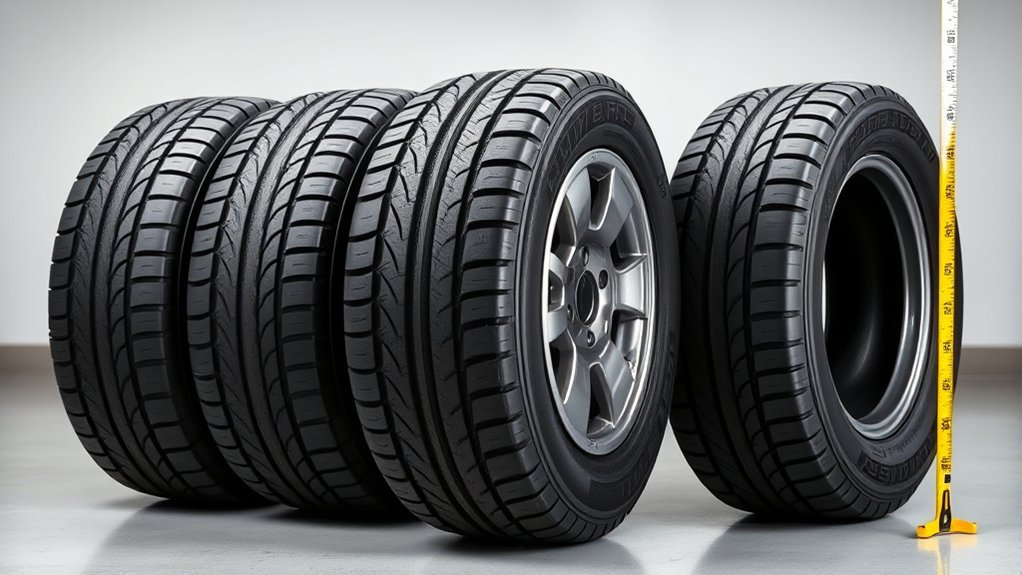
When you compare the 245/75R17 with nearby sizes, its 31.5-inch overall diameter stands out as slightly taller than a 245/70R17 at about 30.8 inches, a difference of roughly 3.1%. That extra size gives you a modest lift without pushing you far from factory geometry. Against a 255/75R17, you gain about 0.4 inch in height, or 1.9%, while keeping a very similar footprint. Compared with a 265/70R17, you’ll notice the 245/75R17 is 20 mm narrower, yet the diameter difference is negligible, so performance and fitment often stay close. The narrower width can reduce rubbing risk and sharpen steering feel. You also get an approved rim width range of 6.5 to 8.0 inches, matching many comparable options. With a typical load index of 112 or 113, this tire balances diameter, width, and load capacity for practical, liberated use. Additionally, considering treadwear warranties can help you gauge the expected lifespan of your tires.
What Vehicles Use a 245/75R17 Tire?
You’ll typically find a 245/75R17 tire on midsize trucks and body-on-frame SUVs that need both load capacity and off-road traction. Common fitments include the Jeep Wrangler (2007–2026), Ford F-150, and Chevrolet Silverado 2500 HD, among similar models. If your vehicle matches the required rim width of 6.5 to 8.0 inches, this size can deliver a practical balance of on-road comfort and truck-grade durability. These vehicles often benefit from dependable grip in various weather conditions, enhancing overall performance.
Common Vehicle Fitment
A 245/75R17 tire is commonly found on midsize trucks and body-on-frame SUVs, where its size and load rating support off-road use and everyday utility. For common vehicle fitment, you should verify 245/75R17 clearance against the wheel diameter and suspension travel before you buy.
- Jeep Wrangler, 2007-2026
- Jeep Gladiator, 2019-2026
- Ford F-150
- Chevrolet Silverado 2500 HD
You’ll usually want a rim width between 6.5 and 8.0 inches, with 7.0 inches as the standard measuring rim. That range helps you preserve stability and load capacity, which typically lands between 2,469 and 2,535 lbs per tire. Check full-lock steering and suspension compression; that’s how you keep fitment precise and maintain the freedom to move without rubbing.
Truck And SUV Use
Truck and SUV applications for a 245/75R17 tire are typically midsize pickups and body-on-frame SUVs that need a balanced mix of ground clearance, load capacity, and stability. You’ll see this size on a Jeep Wrangler (2007-2026), Ford F-150, Chevrolet Silverado 2500 HD, and Nissan Titan XD, where the tire’s 31.5-inch overall height supports off-road clearance without compromising road control. Each tire can carry about 2,469 to 2,535 lbs, so your truck can handle demanding payloads with confidence. The 6.5- to 8.0-inch rim range also gives you fitment flexibility across stock and upgraded wheel setups. If you want a tire that’s inches tall enough for authority but still precise on pavement, this size gives you a technically sound, freedom-oriented balance.
What Tire Pressure Works Best for 245/75R17?
You can start with 30 to 35 PSI for a 245/75R17 tire, then adjust it based on load, driving conditions, and the vehicle’s owner manual. A chalk test lets you verify whether the tread is contacting the road evenly, which helps you fine-tune pressure for your specific use. For highway driving, towing, or off-road use, you’ll often need different pressures to balance traction, ride quality, and tire wear. Additionally, low rolling resistance tires can further enhance fuel efficiency, making them a great choice for the Toyota RAV4.
Chalk Test Method
The chalk test method gives you a practical way to verify whether a 245/75R17 tire is inflated correctly: mark the tread with chalk, drive a short distance, and inspect how evenly the chalk wears away. Use it to tune tire pressure toward the manufacturer’s 30-35 PSI range and detect uneven wear before it compounds.
- Apply chalk across the tread shoulders and center.
- Drive straight on a clean surface for a short distance.
- Examine the wear pattern: even removal suggests balanced inflation.
- Adjust PSI in small steps, then retest.
When the chalk disappears uniformly, you’ve likely found a functional pressure setting. If the center wipes first, you’re probably overinflated; if the shoulders clear first, you’re likely underinflated. Regular checks keep you driving with control, efficiency, and less tire waste.
Pressure By Use
For most 245/75R17 tires, the best working pressure falls in the 30–35 PSI range, but the correct setting depends on your vehicle’s door-jamb placard, load, and driving conditions. You should treat that number as a starting point, not a command. When your tire pressure matches the placard, you get better fuel economy, steadier handling, and longer tread life. Because these tires have a diameter suited to trucks and SUVs, small PSI changes can alter response and wear. If you run underinflated, you’ll scrub the outer shoulders and waste energy; if you overinflate, you’ll stiffen the ride and raise blowout risk. Check pressure monthly and before trips, and adjust it to your load and driving habits for the most efficient, liberated performance.
Frequently Asked Questions
What Is the Height of a 245 75 Tire?
You’re looking at a tire that’s about 31.5 inches tall overall, based on standard tire specifications. You can estimate this by doubling the sidewall height and adding the rim diameter, which supports measurement accuracy and wheel compatibility. If you’re checking fitment, you’ll want to verify the exact rim size because the 245/75 profile can vary slightly by brand. That precision helps you choose freely and confidently.
How Tall Are 275/75/17?
A 275/75R17 stands tall like a mountain peak, measuring about 32.2 inches in diameter. You get roughly 10.8 inches of width and a 7.5-inch sidewall, so your tire specifications support solid size comparisons. These dimensions influence performance factors like gearing, speedometer accuracy, and load handling. When you choose this tire, you’re shaping your ride with precision, and you’re refusing one-size-fits-all limits.
How Tall Is a 245 45 17 in Inches?
A 245/45R17 tire is about 25.7 inches tall overall, and you can verify that through tire specifications. You’re looking at a 9.6-inch width and a 4.4-inch sidewall, which shapes your size comparison calculations. That lower profile can sharpen steering response, but it may reduce ride comfort, so you’ll notice a clear performance impact. Exact height can vary slightly by brand, so check the manufacturer’s data before you decide.
How Tall Is 245 70R17 in Inches?
A 245/70R17 tire is about 30.5 inches tall. You can use this figure like a compass, freeing you from guesswork. Its tire specifications show a 245 mm width, a 70% aspect ratio, and a 17-inch wheel fit. For size comparisons, the sidewall measures roughly 6.9 inches. You’ll get a precise, technical baseline that helps you choose confidently and move beyond manufacturer jargon with clarity.
Conclusion
So, when you size up a 245/75R17 tire, you’re looking at an overall diameter of about 32.5 inches, a width of 9.6 inches, and a sidewall height near 7.2 inches. That means each 1% change in pressure or load can subtly affect handling, wear, and clearance. You can use this size confidently if you match it to your vehicle’s specs, because the numbers don’t just fit—they define performance, stability, and fitment accuracy.

Related Articles
How Tall Is a 235 75 R15 Tire? Exact Height, Width & Dimensions
Overall, discover the exact height, width, and fitment details of a 235/75R15 tire before comparing it with other common sizes.
Read More
How Big Is a 315 Tire? Full Size Breakdown & Dimensions
Meta description: Measuring a 315 tire reveals surprising width, height, and wheel-fit secrets—see the full breakdown before you choose the wrong size.
Read More
How Big Is a 275 60R20 Tire? Full Size Breakdown & Dimensions
How big is a 275 60R20 tire? Discover its full dimensions and what that extra size means before you choose your next set.
Read More