Is It Free to Dismount a Tire? What Shops Charge & How to Save

You usually will not get a tire dismounted for free unless the shop bundles that labor into another paid service, such as new tire installation, flat repair, wheel refinishing, or a seasonal tire swap. A simple dismount-only job may be inexpensive at some shops, but the final price depends on your location, tire size, wheel type, TPMS parts, balancing, disposal, and whether the tire is being remounted.
Quick Answer
Tire dismounting is usually not free as a stand-alone service. Many shops charge per tire, while some waive or hide the dismounting labor inside a tire installation package, flat repair, or wheel service. Always ask for a written quote that separates dismounting, mounting, balancing, valve stems, TPMS parts, and disposal.
Key Takeaways
- A tire dismount is the removal of the tire from the wheel; it is different from mounting, balancing, or installing the wheel back on the vehicle.
- Stand-alone pricing varies by shop, but official retailer examples show tire service fees can range from low per-tire mounting charges to full installation packages.
- Discount Tire says mount-and-balance pricing for tires not purchased there depends on the store’s region, while tires purchased there include lifetime spin balancing with installation.
- A proper permanent flat repair usually requires removing the tire from the wheel so the inside can be inspected.
- Sidewall and shoulder damage, plug-only repairs, and punctures larger than 1/4 inch / 6 mm are not considered proper passenger/light-truck tire repairs by major industry guidance.
At a Glance
| Time Required | About 10–30 minutes per tire for a basic dismount/remount, longer for damaged beads, corrosion, run-flat tires, low-profile tires, or wheel refinishing work. |
| Difficulty | Moderate to high. Safe work requires a tire machine, bead breaker, approved lubricant, inflation equipment, and a trained technician. |
| Tools Needed | Tire changer, bead breaker, valve core tool, approved tire lubricant, air supply with gauge, wheel balancer if the tire is remounted, and TPMS tools when needed. |
| Cost | Often charged per tire. Current examples include Walmart’s $11 carry-in tire mounting and $18 tire installation package for Walmart-purchased tires, and Sam’s Club’s $20 per-tire Premium Tire Installation Package for most vehicles. Local shops and tire type can change the total. |
How Much to Dismount and Remount One Tire
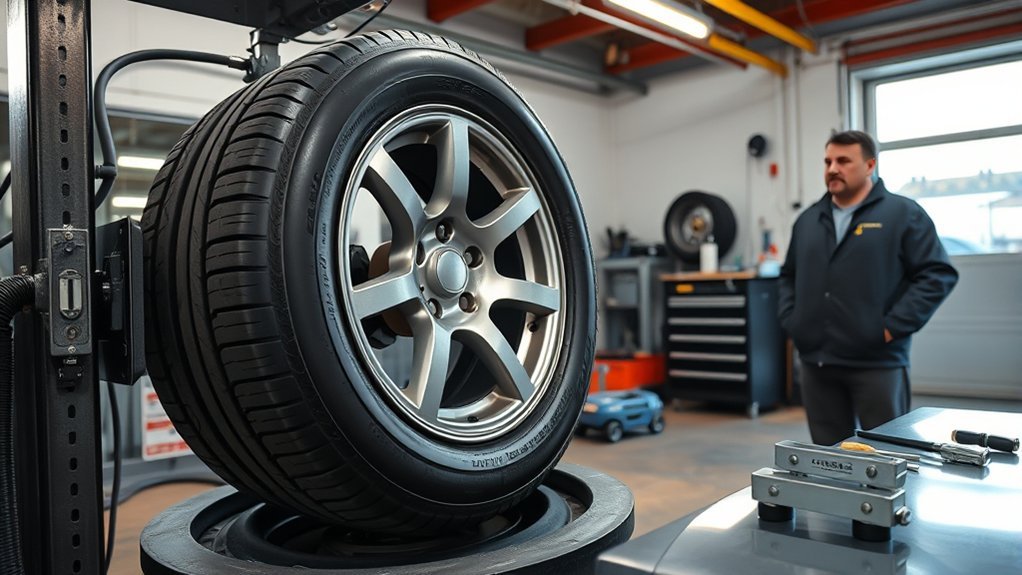
The price to dismount and remount one tire depends on what you are really asking the shop to do. A dismount-only job means the tire comes off the wheel. A remount means the tire goes back on the wheel. If the wheel goes back on the vehicle, you may also pay for installation labor, balancing, valve service, TPMS work, or disposal.
Use official retailer pricing as a reality check, not as a universal price. Walmart lists tire mounting for utility/trailer or carry-in tires at $11 per tire, a tire installation package for Walmart-purchased tires at $18 per tire, and flat tire repair at $15 per tire. Sam’s Club lists its Premium Tire Installation Package at $20 per tire for most vehicles. Discount Tire does not publish one nationwide price for every mount-and-balance job; it says the charge for tires not purchased through Discount Tire depends on the store’s region.
That means the safest estimate is a local written quote. Ask whether the number includes dismounting, remounting, balancing, new valve stems, TPMS rebuild kits, disposal, taxes, and shop fees. A low headline price can become more expensive if every small item is added later.
[Products Worth Considering]

This VEVOR tire bead breaker uses a slide-hammer impact and wedge tip to separate tire beads from rims quickly and efficiently without damaging hub surfaces. The long handle and sturdy steel construction help reduce user strain while providing reliable, portable tire changing for cars, trucks, and more. Ideal for home mechanics and repair shops handling multiple vehicle tire sizes.
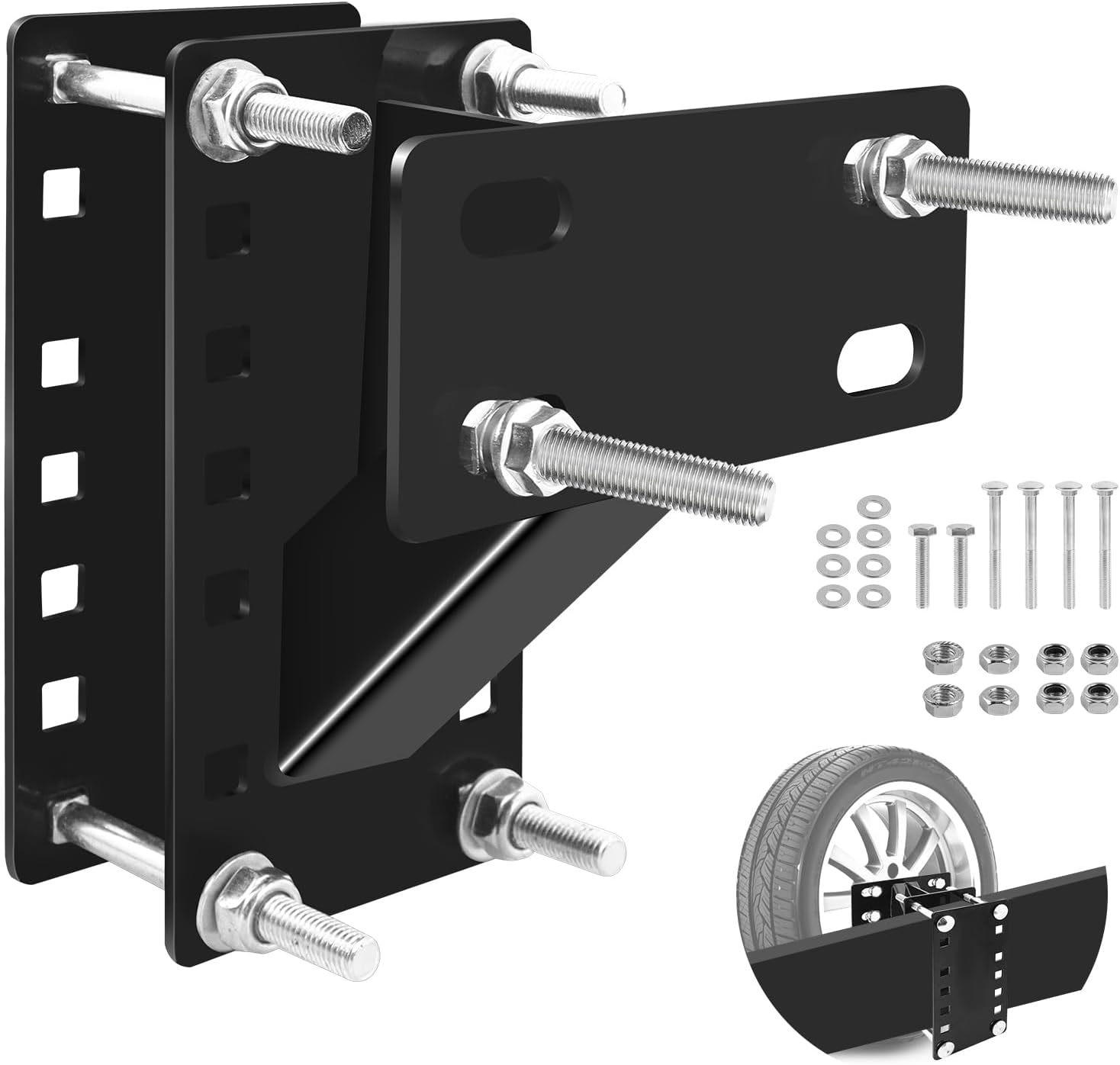
This universal spare tire mount carrier holder is built for utility trailers and boat trailers, offering a secure fit for 4, 5, and 6 lug wheels. It supports multiple bolt pattern sizes and a heavy-duty load capacity while resisting rust with a durable finish. The design allows easy installation and lets you choose the steel beam height for a better fit.

Camco Trailer Aid Plus tandem tire ramp lifts your trailer for quick, safe tire changes with ample clearance from its 5 1/2-inch lift. It helps you change a flat tire without unloading cargo, making roadside and routine maintenance more efficient. The heavy-duty, waterproof and rustproof polymer design supports up to 15,000 lb and is built for easy portability and storage.
Typical Tire Dismounting Labor Costs
Typical tire dismounting labor is usually a per-tire charge, but shops package it differently. Some independent tire shops quote only the removal labor. Larger retailers may include the removal of the old tire as part of a complete installation package when you buy new tires. Flat repair may also include dismounting because the tire has to come off the rim for inspection and repair.
Note: Do not compare prices unless the services match. “Dismount only,” “mount and balance,” “installation package,” and “flat repair” can mean different things at different shops.
| Service | What It Usually Means | Cost Notes |
| Dismount only | Remove tire from wheel. | May be a small labor-only charge, but many shops quote it only with another service. |
| Dismount and remount | Remove tire, then reinstall it on the wheel. | Balancing may or may not be included. |
| Mount and balance | Install tire on wheel and balance the wheel/tire assembly. | Often charged per tire, especially for carry-in tires. |
| Installation package | Bundle that may include mounting, balancing, valve stems, rotation benefits, and other services. | Best value only if you will use the included services. |
What Tire Dismounting Includes
Tire dismounting is the careful removal of a tire from a wheel rim. The basic job usually includes deflating the tire, removing the valve core, breaking the bead, lubricating the bead area when needed, and using a tire machine to lift the tire off the wheel without scratching the rim or damaging the valve area.
| Step | Purpose | Common Tool |
|---|---|---|
| Deflate | Remove air pressure before bead work | Valve core tool |
| Break bead | Separate tire bead from wheel seat | Bead breaker |
| Dismount | Lift the tire off the rim | Tire changer |
| Inspect | Check wheel, bead seat, valve, and tire interior | Light, gauge, hand tools |
| Finish | Prepare for repair, disposal, refinishing, or remounting | Visual check |
If the tire is going back on the wheel, ask whether the price includes balancing. A remounted tire can vibrate if the wheel/tire assembly is not balanced after service.
What Makes Tire Service Prices Vary
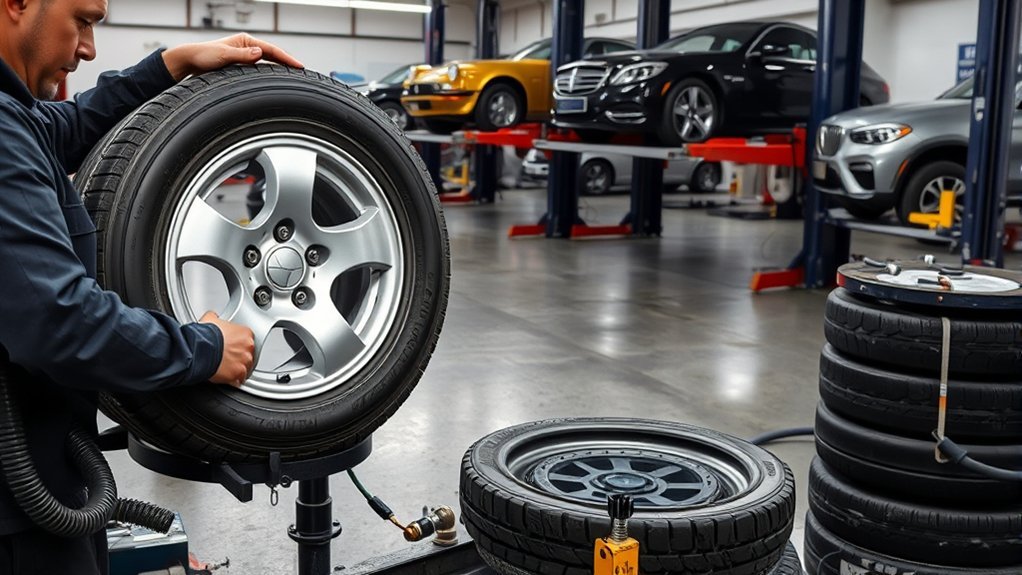
Tire service prices vary because shops are not always selling the same job. One quote may be for removal only, while another includes mounting, balancing, valve stems, rotation benefits, and flat repair coverage. The wheel and tire combination also matters.
- Location: Labor rates vary by city, region, and shop type.
- Tire size: Large SUV, truck, and performance tires often take more time.
- Wheel type: Painted, polished, aftermarket, or specialty wheels may need extra care.
- Low-profile tires: Short sidewalls can be harder to dismount without rim damage.
- Run-flat tires: Stiffer sidewalls can increase labor time and may require specialized equipment.
- TPMS service: Sensors, service kits, seals, and relearn procedures can add cost.
- Balancing: Standard balancing may be included; road-force balancing may cost more.
- Disposal or recycling: Old-tire disposal is often a separate per-tire fee.
- Corrosion or bead leaks: Rim cleaning and bead-seat work can increase labor.
Pro Tip: Ask for the “out-the-door” price per tire and the total for all tires. That one question catches taxes, valve stems, balancing, disposal, TPMS kits, and shop fees before the work starts.
When Tire Dismounting Is Needed for Flat Repair
A proper permanent flat repair usually requires dismounting the tire. The U.S. Tire Manufacturers Association says puncture repairs for passenger and light-truck tires must be performed by removing the tire from the rim/wheel assembly so the technician can inspect all damage. That matters because a tire can look repairable from the outside while having internal damage from being driven while flat or underinflated.
Do not treat a plug-only repair as the same thing as a proper internal repair. The Tire Industry Association says a plug by itself or a patch by itself is not an acceptable repair. A proper repair fills the puncture injury and seals the inner liner.
Warning: Replace the tire instead of repairing it if the damage is in the sidewall or shoulder, the puncture is larger than 1/4 inch / 6 mm, the tire has exposed cords, or the shop finds internal damage.
Why Powder Coating Raises the Cost
Powder coating raises the total cost because the tire usually has to come off before the wheel can be refinished. After coating, the tire has to be remounted, inflated, checked for leaks, and usually balanced again. You are paying for tire labor plus wheel-prep labor.
Coating Prep Labor
Wheel refinishing is not just a quick tire removal. The shop may need to clean the wheel, remove old weights, mask surfaces, prep the finish, cure the coating, and protect the bead seat so the tire seals correctly later. If there is corrosion or curb damage, wheel repair can add more time.
- Dismounting and remounting labor
- Wheel cleaning and surface preparation
- Valve stem or TPMS service
- Balancing after reassembly
- Leak check after inflation
Tire Removal For Coating
If you are having wheels powder coated, ask the refinisher whether tire removal, remounting, balancing, and valve or TPMS service are included. Some wheel-refinishing quotes cover only the coating work. Others include tire labor as a package. A written quote protects you from paying one shop to remove the tires and another shop to reinstall and balance them later.
How to Save on Tire Removal Fees
The best way to save money is to compare complete service packages, not just dismounting fees. A shop with a slightly higher per-tire price may be cheaper overall if it includes balancing, valve stems, rotations, or flat repair benefits you will actually use.
- Call at least three local shops and ask for the same service description.
- Ask whether the fee changes for run-flat, low-profile, oversized, or aftermarket wheels.
- Ask whether balancing is included after remounting.
- Ask whether new valve stems or TPMS service kits are included.
- Ask whether tire disposal or recycling is included.
- Time the work with a new tire purchase or seasonal promotion when possible.
If you are replacing tires, ask whether the shop waives separate dismounting labor because you are buying a full installation package. If you are only removing a tire from a loose wheel, ask for a loose-wheel price. Loose-wheel work can sometimes be cheaper because the shop does not have to lift the vehicle or reinstall the wheel.
When Shops Waive Dismounting Labor
Shops may waive or bundle dismounting labor when the work is part of a larger paid service. That does not always mean the labor is truly free; it may simply be included in the installation price.
[Products Worth Considering]

Universal magnetic jack pad with aluminum grooved design to protect vehicle pinch welds during lifting. Durable nylon pad inserts are upgraded and secured with screws to resist damage and keep in place. Designed to fit most single vehicle pinpoint welds for safer, stable jacking when changing tires, repairs, or performing oil changes.

This multi-function tire valve stem removal tool set makes it fast to remove, install, bleed, and clean valve cores for easier tire maintenance. It includes valve core removers, a 4-way spool tool, replacement valve caps, and spare cores to handle replacements and repairs with confidence. Universal compatibility suits cars, trucks, motorcycles, bicycles, and more for roadside convenience.
Promo Labor Waivers
Promotions are most common during seasonal tire changes, new tire purchases, membership events, or tire warranty service. A retailer may also include extra services with tires bought through that retailer. For example, Discount Tire says tires purchased there include lifetime spin balancing with upfront installation charges, and Sam’s Club lists several life-of-tire benefits in its Premium Tire Installation Package.
- New tire purchase bundles
- Seasonal tire swap promotions
- Membership tire-service packages
- Warranty-covered flat repairs
- Road-hazard coverage benefits
Package Deal Savings
Package deals can be a better value when you need more than one service. They are less useful if you only need one tire removed from one loose wheel. Before you approve the work, compare the full package total against a labor-only quote.
| Check | Action |
|---|---|
| Installation fee | Confirm whether old-tire dismounting is included. |
| New tires | Ask for a bundled tire-and-installation total. |
| Flat repair | Ask whether dismounting and internal inspection are included. |
| Membership or warranty | Check whether flat repair, balancing, or rotation is covered. |
| Written quote | Get the full out-the-door price before leaving the wheel or vehicle. |
How to Compare Local Tire Quotes
To compare local tire quotes, ask every shop the same questions. Otherwise, one shop may quote a basic dismount while another quotes a full mount-and-balance package.
- What is the price per tire and the total price?
- Is this for a loose wheel or a wheel installed on the vehicle?
- Does it include dismounting the old tire?
- Does it include remounting the same tire or a new tire?
- Does it include balancing?
- Does it include a new valve stem or TPMS service kit?
- Is disposal or recycling included?
- Are run-flat, low-profile, oversized, or aftermarket wheels extra?
- Is there a warranty on the work if the bead leaks afterward?
Once you have those answers, compare the final totals. The cheapest line item is not always the cheapest job.
What to Ask Before You Book

Before you book, ask the shop to describe exactly what happens to your tire and wheel. That is especially important if you are bringing in custom wheels, powder-coated wheels, run-flat tires, or a tire with a puncture.
- “Is this a dismount-only quote or a dismount-and-remount quote?”
- “Will the wheel be balanced after the tire is remounted?”
- “Will you replace the valve stem or TPMS service kit?”
- “Will you clean the bead seat if corrosion is found?”
- “Is disposal included if I am leaving the old tire?”
- “Do you charge extra for low-profile, run-flat, oversized, or aftermarket wheels?”
- “Can I get the total in writing before the work starts?”
Good shops answer these questions clearly. Vague answers are a sign to call another shop.
How Tires Are Reinstalled Safely
Safe reinstallation starts with inspection. The technician checks the wheel for cracks, bends, corrosion, old adhesive weights, damaged valve stems, and bead-seat problems. The tire is checked for sidewall damage, exposed cords, punctures, age cracking, and internal damage if it was driven low or flat.
Safe Remounting Steps
After inspection, the technician lubricates the beads with approved tire lubricant, positions the wheel correctly on the tire machine, and mounts the beads without pinching the sidewall or damaging the TPMS sensor. The tire is then inflated carefully until the beads seat. After seating, the tire is adjusted to the pressure listed on the vehicle placard or the service information for that vehicle.
- Inspect the wheel and tire before mounting.
- Use approved tire lubricant, not oil or random household products.
- Keep the bead centered and avoid forcing the tire over the rim.
- Watch the TPMS sensor and valve stem area.
- Inflate gradually and check that both beads seat evenly.
- Balance the assembly before reinstalling it on the vehicle.
Bead Seating And Inflation
Bead seating is one of the riskiest parts of tire service because compressed air stores energy. Passenger tire work should follow the tire machine manufacturer’s instructions and the shop’s safety procedures. For large-vehicle rim wheels, OSHA has specific rules for servicing single-piece and multi-piece rim wheels, including restraining devices or barriers in the situations covered by that standard.
Warning: Do not stand over a tire and wheel assembly while inflating it. If the bead will not seat normally, stop and have a trained tire technician inspect the tire, wheel, and equipment.
Can You Dismount a Tire Yourself?
You can dismount a tire yourself only if you have the right equipment and experience. For most drivers, paying a shop is safer and cheaper than risking rim damage, bead damage, TPMS damage, or injury from improper inflation.
DIY pry-bar methods can scratch wheels, tear beads, bend rims, and make the tire unsafe to reuse. They also do not solve balancing. If the tire is going back on a vehicle, it should be mounted and balanced properly.
A reasonable DIY limit is removing a wheel from the vehicle or changing to a mounted spare, if you know how to do that safely. Dismounting the rubber from the rim is a shop job for most people.
Frequently Asked Questions
What is the 3% tire rule?
The common 3% tire rule is a fitment guideline that says a replacement tire’s overall diameter should usually stay within about 3% of the original tire size. It is not a rule that says to replace tires after 3% tread wear. For AWD and 4WD vehicles, matching tire circumference and tread depth can be even stricter, so check the owner’s manual or ask the dealer before replacing only one tire.
How do you dismount a tire?
A technician deflates the tire, removes the valve core, breaks the bead away from the rim, lubricates the bead area if needed, and uses a tire changer to lift the tire off the wheel. The process looks simple, but it requires the right equipment to avoid rim, bead, valve, or TPMS damage.
How much does it cost to get tires mounted?
It depends on the shop and what is included. Walmart lists $11 per tire for carry-in tire mounting and $18 per tire for its tire installation package on Walmart-purchased tires. Sam’s Club lists $20 per tire for most vehicles under its Premium Tire Installation Package. Discount Tire says mount-and-balance charges for tires not purchased there vary by store region.
How long does it take to dismount a tire?
A basic dismount can take about 10–30 minutes per tire, depending on the shop, wheel design, tire condition, and whether the wheel is loose or still on the vehicle. Run-flat tires, low-profile tires, corrosion, bead leaks, or custom wheels can take longer.
Do you have to dismount a tire to patch it?
For a proper permanent repair, yes. USTMA guidance says the tire should be removed from the wheel so the inside can be inspected. That helps the technician find internal damage and apply the correct repair from the inside.
Is a plug-only tire repair safe?
A plug by itself is not considered an acceptable permanent repair by the Tire Industry Association. A proper repair fills the puncture injury and seals the inner liner. If the damage is in the shoulder or sidewall, the tire usually should be replaced instead of repaired.
Conclusion
So, is it free to dismount a tire? Usually not as a stand-alone service. Shops often charge per tire, but the fee may be bundled into a tire installation package, flat repair, seasonal swap, warranty service, or wheel refinishing job. The smart move is to ask for an itemized, out-the-door quote before the work starts.
For the cleanest comparison, ask whether the quote includes dismounting, remounting, balancing, valve stems, TPMS parts, disposal, taxes, and any extra charge for run-flat, low-profile, oversized, or custom wheels. If the tire is being repaired, make sure the shop removes it from the wheel for internal inspection and follows proper repair limits.
Sources
- Walmart Tire Installation Services — current posted examples for tire mounting, installation package, flat repair, valve stem, and rotation pricing.
- Discount Tire Mounting and Balancing — explains lifetime spin balancing for tires purchased through Discount Tire and regional pricing for tires bought elsewhere.
- Sam’s Club Premium Tire Installation Package — confirms $20 per tire for most vehicles and included installation-package services.
- U.S. Tire Manufacturers Association Tire Repair Basics — supports removing the tire from the wheel for complete inspection before repair.
- Tire Industry Association Tire Repair — supports plug/patch guidance, tread-area repair limits, and 1/4 inch / 6 mm puncture limit.
- NHTSA TireWise — supports tire safety, maintenance, pressure, tread, and consumer tire-care guidance.

Related Articles

Can You Leave a Flat Tire Overnight? Risks Explained
Given a flat tire overnight, hidden damage may be waiting—discover what happens before you make the wrong move.
Read More
Can You Rotate Tires Too Often? Ideal Intervals
Do you rotate tires too often, and what interval truly protects your tread?
Read More
Do You Need an Alignment After Rotating Tires?
Why you usually don’t need an alignment after rotating tires, and which warning signs mean it’s time to check your suspension.
Read More