
Why Toyota Hilux Tire Noise Varies by Tread Type
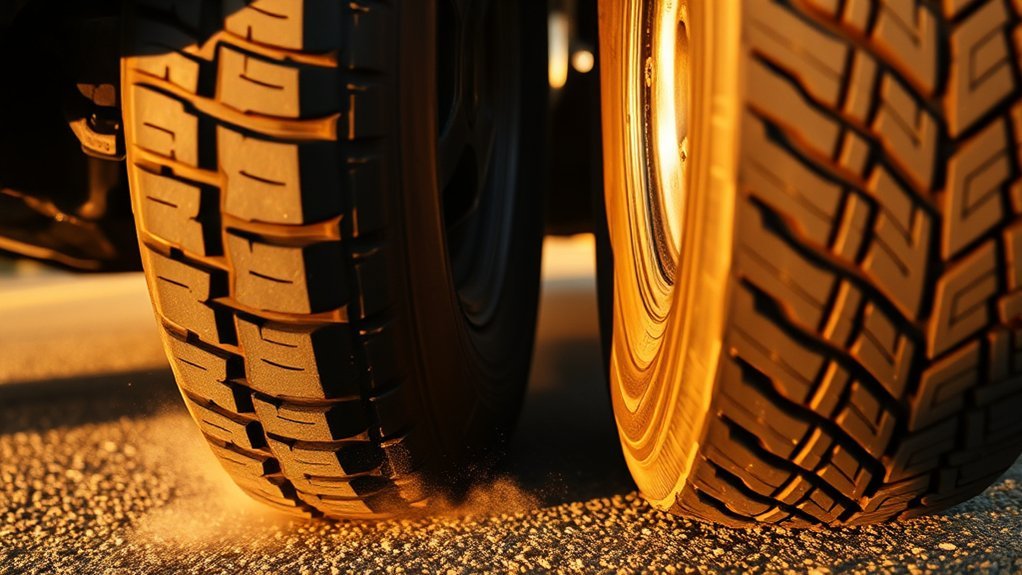
Tire noise in your Toyota Hilux is shaped mostly by tread design, tire condition, tire pressure, road surface, speed, and how the vehicle is loaded. Aggressive all-terrain and mud-terrain tires can sound louder on pavement because their larger tread blocks and wider voids move more air and hit the road more sharply. Highway and touring-style tires are usually quieter, but the right choice depends on how you actually use your Hilux.
Quick Answer
Tread type affects Toyota Hilux tire noise by changing how the tire contacts the road and how air moves through the tread. Highway-style tires with smaller, closely spaced blocks are usually quieter, while aggressive all-terrain and mud-terrain tires create more hum or roar, especially at highway speeds.
Key Takeaways
- The quietest Hilux tires are usually highway, touring, or mild all-terrain designs with smaller tread blocks and tighter spacing.
- Mud-terrain and aggressive all-terrain tires trade cabin quietness for off-road grip, mud clearing, and tougher appearance.
- Correct cold tire pressure, rotation, balancing, and alignment help prevent uneven wear noises such as humming, droning, or a “wah-wah” sound.
- External rolling-noise ratings can help compare tire models, but they do not perfectly predict cabin noise inside your Hilux.
At a Glance
| Time Required | 10–15 minutes for a basic pressure and tread check; 30–60 minutes for a shop inspection, balance, or alignment check. |
| Difficulty | Easy for pressure and visual checks; moderate to professional for balancing, alignment, suspension checks, or tire replacement. |
| Tools Needed | Tire-pressure gauge, tread-depth gauge or coin, flashlight, and your Hilux tire placard or owner information. |
| Cost | Free to low cost for checks; higher if you need balancing, alignment, suspension repair, or quieter replacement tires. |
Understanding Tire Noise: What Affects Sound Levels?
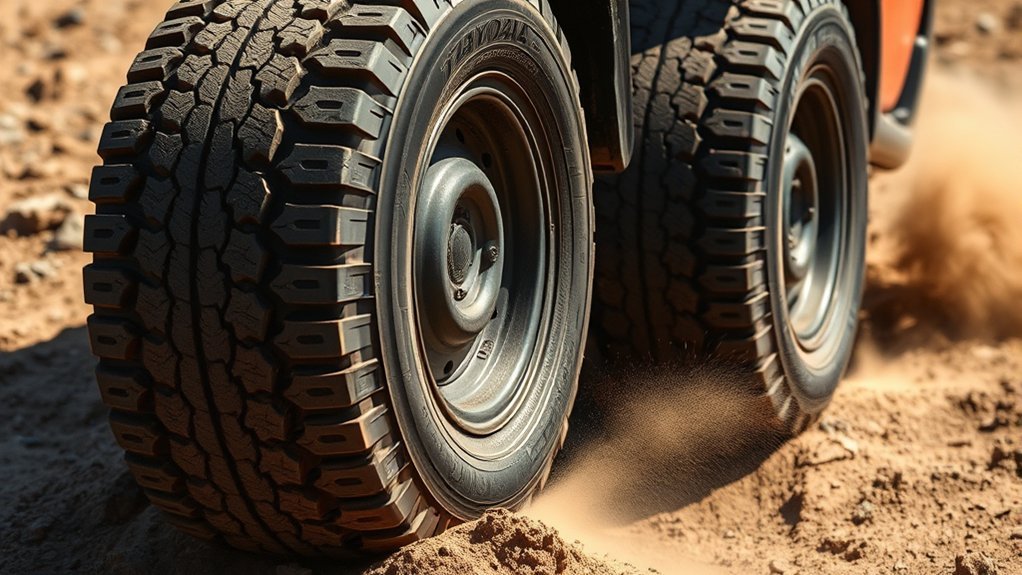
When a Hilux tire rolls, the tread blocks hit the road, air moves through the grooves, the tire casing vibrates, and the road surface feeds vibration back into the vehicle. Michelin explains that both road surface and tread pattern excite the tire across a wide frequency range, and the tire can either dampen or transmit that vibration into the vehicle cabin. Michelin’s tire noise and comfort guide describes this as a mix of mechanical and acoustic behavior.
That is why two tires in the same size can sound very different on the same Toyota Hilux. A road-focused highway tire may produce a soft hiss on smooth asphalt, while an aggressive mud-terrain tire may create a steady hum, roar, or drone on the same road.
The main tire-noise factors are:
- Tread pattern: Large, open blocks usually create more pattern noise than closely spaced, road-focused blocks.
- Tire category: Highway and touring tires are usually quieter than all-terrain or mud-terrain tires.
- Tire construction: Casing design, belts, sidewall stiffness, and some acoustic-foam technologies can affect cabin noise.
- Tire pressure: Incorrect pressure can create harshness, uneven contact, and irregular wear that increases noise.
- Wear pattern: Cupping, feathering, flat spots, or uneven tread depth often make a tire louder than it was when new.
- Road surface and speed: Coarse chip seal, rough concrete, and higher speeds make tire noise more noticeable.
Note: Tire noise ratings and tire reviews are helpful, but your actual Hilux cabin noise will also depend on trim level, load, tire size, road surface, and whether the tires are evenly worn.
[Products Worth Considering]

This multi-function tire valve stem removal tool set makes it fast to remove, install, bleed, and clean valve cores for easier tire maintenance. It includes valve core removers, a 4-way spool tool, replacement valve caps, and spare cores to handle replacements and repairs with confidence. Universal compatibility suits cars, trucks, motorcycles, bicycles, and more for roadside convenience.

The JACO FlowPro Tire Inflator measures, inflates, and airs down tires up to 100 PSI with battery-free operation and ±2% accuracy after calibration. It features a glowing pressure dial for night visibility, a heavy-duty steel build with a hybrid hose, and a precision push-to-inflate thumb trigger. The patented Lightning Air Chuck locks on for a secure seal, and the kit includes quick-connect hardware for easy inline use with your air compressor.
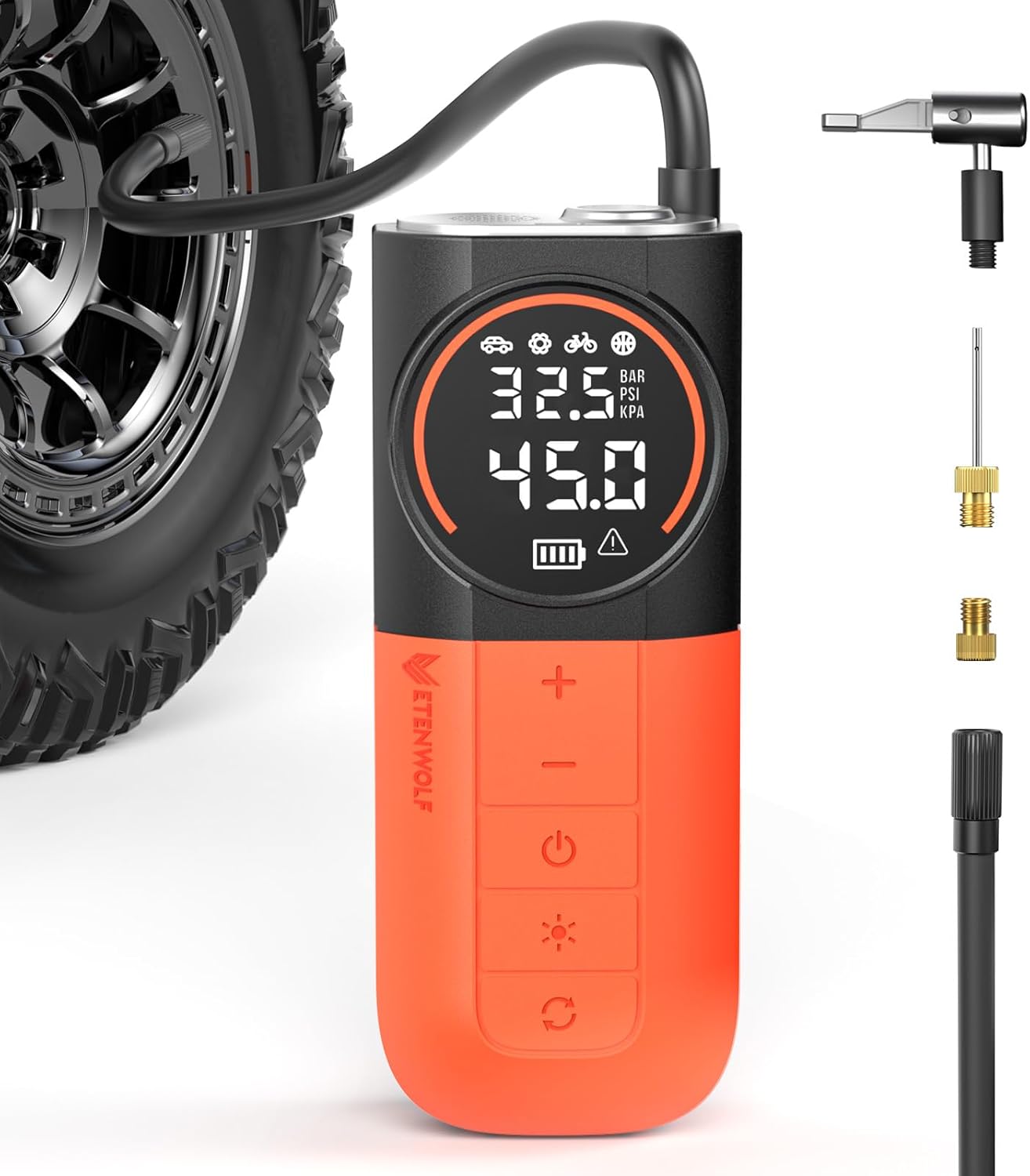
The ETENWOLF S1 cordless tire inflator delivers ultra-fast inflation with up to 160 PSI and a 20 L/min airflow for quicker tire top-offs. Its 5200mAh battery and cooling system support inflating many tires and sports balls on a single charge, while the digital pressure gauge and multi-unit display help you reach the right pressure accurately. With preset modes, pressure memory, an auto-stop feature, and an LED flashlight, it’s built for easy roadside and everyday use.
The Impact of Tire Tread Patterns on Noise Production
The tread pattern is one of the biggest differences you can feel and hear when changing tires on a Toyota Hilux. Tread blocks do not roll silently. They strike the road surface, flex, release trapped air, and create vibration. The more open and aggressive the pattern, the more likely you are to hear humming or roaring on pavement.
Types of Tread Patterns
Here is how common tread types usually compare for Hilux noise:
| Tire Type | Typical Noise Level | Best For | Trade-Off |
| Highway / touring | Lowest in most paved-road driving | Daily commuting, long highway trips, towing on sealed roads | Less off-road bite in mud, ruts, and loose terrain |
| Mild all-terrain | Low to moderate | Mixed city, highway, gravel, light trails | Not as quiet as a highway tire; not as aggressive as a mud tire |
| Aggressive all-terrain | Moderate to high | Frequent dirt, rocks, farm tracks, rough worksites | More hum on sealed roads, especially as the tire wears |
| Mud-terrain / off-road | Usually the loudest on pavement | Mud, deep ruts, loose tracks, off-road grip | More road noise, heavier feel, and often faster uneven-noise buildup if not rotated |
| Worn, cupped, or feathered tires | Unpredictable and often loud | No ideal use; inspection needed | Can point to alignment, balance, rotation, or suspension problems |
Noise Level Comparison
A quieter tread usually has smaller blocks, tighter spacing, and a pitch pattern designed to spread sound across different frequencies instead of creating one strong drone. Some premium tires also use internal foam or other acoustic features. Michelin says its acoustic technology uses special foam to help muffle road noise, while tread pattern design also plays a role in quieter tire behavior. Michelin Acoustic Technology is one example of this approach.
An aggressive off-road tread does the opposite by design. Its open voids help clear mud, bite into loose surfaces, and protect traction off-road. On sealed roads, those same features can create more air movement, vibration, and impact noise.
For a Hilux used mostly on highways, the quietest upgrade is usually not the toughest-looking tire. It is the tire that best matches your real driving: correct size, correct load rating, road-focused tread, and even wear.
Off-Road vs. Highway Tires
Off-road tires are not “bad” because they are louder. They are built for a different job. If your Hilux spends a lot of time on rocky tracks, mud, job sites, or remote trails, a louder all-terrain or mud-terrain tire may be worth the compromise. If your Hilux is mainly a daily driver, highway ute, or family tow vehicle, a quieter highway or mild all-terrain tire will usually be more comfortable.
- Choose highway tires if comfort, fuel economy, wet-road manners, and low cabin noise matter most.
- Choose mild all-terrain tires if you need gravel-road confidence but still spend most of your time on pavement.
- Choose aggressive all-terrain tires if you regularly drive rough tracks and accept more road hum.
- Choose mud-terrain tires only if you genuinely need mud and off-road traction more than quiet highway manners.
Pro Tip: If you want an all-terrain look without a loud cabin, compare mild all-terrain models with tighter center tread blocks instead of jumping straight to a mud-terrain pattern.
How Tire Compound Affects Noise Levels
Tire compound matters, but it should not be reduced to “soft equals quiet” and “hard equals loud.” The rubber compound, tread depth, sidewall stiffness, casing design, and intended tire category all work together. A comfort-focused highway tire may damp road vibration well, while a heavy-duty off-road tire may feel firmer and louder because it is built for strength and traction.
Rubber Hardness Impact
A tire that is designed for comfort can help absorb some small road vibrations. A tire built for heavy loads, puncture resistance, or off-road grip may have a stiffer feel and a more noticeable road sound. However, compound is only one part of the answer. The tread pattern and wear condition often make the biggest difference drivers hear inside a Hilux.
Think of compound this way:
- Comfort-focused compounds and casings can reduce harshness on paved roads.
- Heavy-duty light-truck constructions can feel firmer, especially when unloaded.
- Off-road compounds and deep tread blocks may create more block movement and pattern noise on sealed roads.
- Worn or aged rubber can become louder because the tread surface no longer contacts the road evenly.
Noise-Dampening Technologies
Some tires include acoustic foam, optimized pitch sequencing, or tread layouts designed to reduce specific frequencies. These technologies can help, but they are tire-model specific. Do not assume every premium tire or every tire that fits a Toyota Hilux has the same noise-reduction features.
If you are shopping for quieter Hilux tires, look for manufacturer notes about comfort, acoustic technology, road noise, and external rolling-noise ratings. In regions that use the EU tire label, tires are listed with an external rolling-noise class and measured value under Regulation (EU) 2020/740.
Note: External rolling-noise labels measure sound outside the vehicle. They are useful for comparing tires, but they do not guarantee the exact cabin noise you will hear inside a Hilux.
Effects of Tire Pressure on Noise Levels
Tire pressure affects how the tire sits on the road. Overinflation can make the ride harsher and may concentrate contact toward the center of the tread. Underinflation can create extra heat, shoulder wear, and a heavy, squirmy feel. Either condition can contribute to noise, uneven wear, and poor handling.
The safest approach is to use the recommended cold tire pressure on your Hilux tire placard or owner information, not the maximum pressure printed on the tire sidewall. NHTSA advises checking pressure when tires are cold and using the vehicle manufacturer’s recommended cold inflation pressure on the tire information placard or certification label. NHTSA’s tire safety guidance is a useful reference for this.
- Check pressure cold: Measure before driving, or after the vehicle has been parked long enough for tires to cool.
- Use the Hilux placard: Pressure can vary by tire size, load, model year, and market.
- Adjust for load only as recommended: A loaded work ute or towing setup may require different pressure than an unloaded daily driver.
- Recheck after large temperature changes: Seasonal changes can shift pressure and alter ride feel.
Warning: Do not lower tire pressure just to make road noise quieter on pavement. Underinflation can increase heat, wear, handling problems, and tire-failure risk. Use the recommended cold pressure for your Hilux and load.
Common Tire Noises in the Toyota Hilux
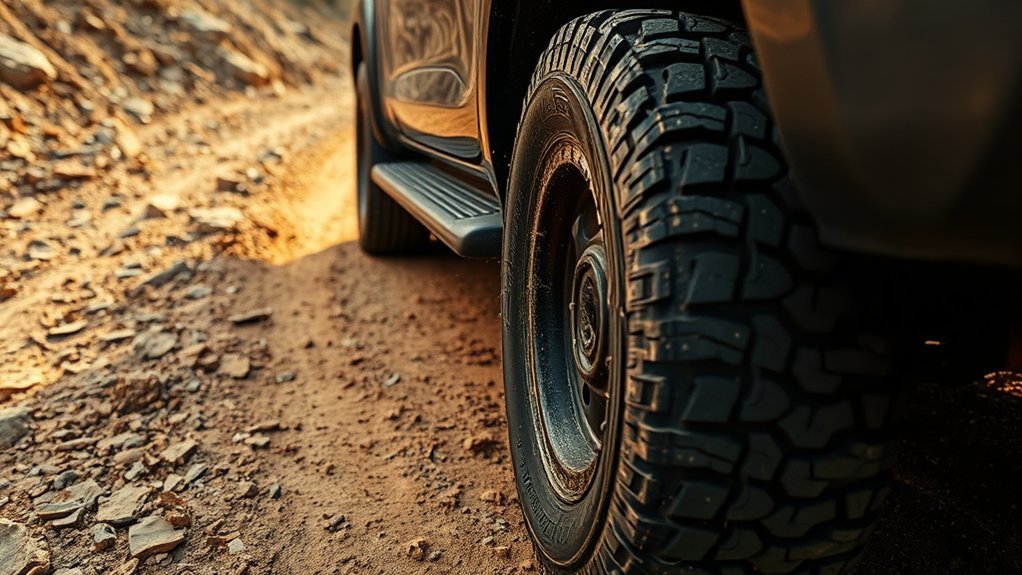
Not every tire noise means something is wrong. A steady hum from aggressive all-terrain tires may be normal. A new thump, vibration, or pulsing sound is different and should be checked. Use this guide to narrow down what you are hearing.
| Noise | Likely Cause | What To Do |
| Steady hum or roar that rises with speed | Aggressive tread, rough road surface, or normal all-terrain noise | Compare on smooth asphalt; inspect tread wear; consider a quieter tread next time. |
| Wah-wah, helicopter, or pulsing sound | Cupping, feathering, uneven wear, balance issue, worn shocks, or alignment problem | Have the tires, alignment, balance, and suspension checked. |
| Thump or bump once per wheel rotation | Flat spot, separated belt, embedded object, or tire damage | Stop and inspect safely. Do not ignore this noise before highway driving. |
| Squeal during turns or braking | Low pressure, hard cornering, worn tread, alignment, or brake-related noise | Check pressure and tread; inspect brakes if the sound is metallic or happens while braking. |
| Growl that changes while turning | Possible wheel bearing or driveline issue, not just tire tread | Have a mechanic inspect the vehicle rather than assuming the tires are the only cause. |
Bridgestone notes that irregular tire wear can often be prevented or reduced through maintenance such as checking pressure and having alignment checked when unusual wear appears. Bridgestone’s tread-wear guide is a helpful reference for spotting wear patterns.
What to Do When You Hear Tire Noise
Start by separating normal tread hum from a new or unsafe sound. A mud-terrain tire that has always hummed on the highway is different from a tire that suddenly thumps, vibrates, or makes the Hilux pull to one side.
- Notice when it happens: Does the noise appear at a certain speed, during turns, while braking, or only on rough roads?
- Check cold tire pressure: Use a gauge and match the Hilux placard or owner information.
- Inspect tread and sidewalls: Look for cupping, feathering, bulges, cuts, exposed cords, nails, stones, or uneven wear.
- Rotate and balance when needed: Follow the vehicle or tire maker’s maintenance interval. Rotation can help even out wear before it becomes noisy.
- Check alignment and suspension: If the tire has cupping, feathering, vibration, or rapid uneven wear, alignment or suspension may be part of the problem.
- Get urgent help for severe symptoms: Do not keep driving at highway speed if there is a strong vibration, visible tire damage, rapid air loss, or a repeating thump.
Warning: A new thump, bulge, exposed cord, sudden vibration, or pressure warning is not just a comfort issue. Inspect the tire safely and use professional help before continuing a long or high-speed trip.
Tips for Reducing Tire Noise in Your Hilux
Reducing tire noise starts with choosing the right tire for the way you drive. A Toyota Hilux used for commuting and towing on sealed roads does not need the same tread as a Hilux used for mud, rocks, and remote tracks.
- Match the tire to your driving: Choose highway or mild all-terrain tires if you spend most time on pavement.
- Keep the correct size and load rating: Do not choose a tire that is under-rated for your Hilux, accessories, payload, or towing use. Toyota Australia notes that HiLux specifications and fitment details vary by grade and should be confirmed for the exact vehicle. Toyota Australia’s HiLux specifications are a useful starting point.
- Use correct cold pressure: Avoid both underinflation and overinflation.
- Rotate tires on schedule: This helps prevent uneven wear that turns into drone or pulsing noise.
- Balance the wheels: Imbalance can create vibration and uneven tread wear.
- Fix alignment problems early: Feathered edges or one-sided wear can make tires noisy and shorten tire life.
- Avoid unnecessary upsizing: Wider, heavier, more aggressive tires can add noise and harshness.
- Compare tire reviews carefully: Look for comments from ute, pickup, or 4×4 owners, not only sedan or SUV reviews.
[Products Worth Considering]

This portable cordless tire inflator delivers fast, efficient inflation for cars, motorcycles, bikes, and sports balls with a digital pressure gauge. Use the one-click PSI preset with auto shut-off for accurate, hands-free topping to your target pressure up to 150 PSI. It’s compact and rechargeable with a built-in emergency LED light plus valve adapters and accessories for quick, ready-to-go use.

This portable cordless tire inflator delivers up to 160 PSI with fast 17 L/min airflow to help you quickly top up tires and get back on the road. It features dual power mode, running on a 21V rechargeable battery or a 12V DC adapter for convenient roadside use. An automatic shut-off with digital pressure gauge helps prevent overinflation, and a built-in LED light improves visibility in low-light conditions.
How Road Conditions Affect Tire Noise
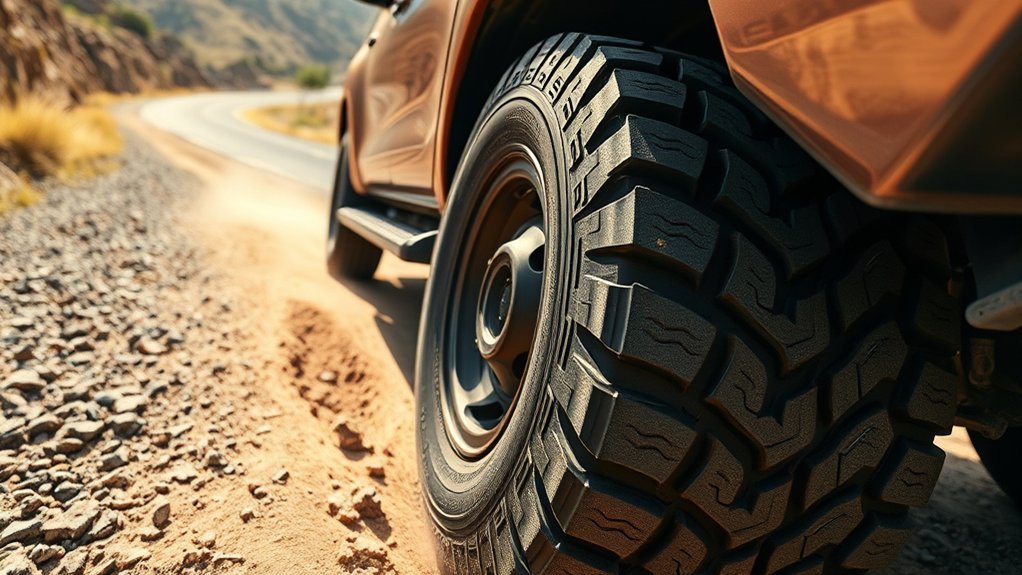
The same Hilux tire can sound quiet on one road and loud on another. Smooth asphalt usually produces less harsh tire noise than coarse chip seal, worn concrete, or rough gravel. Wet roads can also change the sound because water is pushed through the tread grooves.
Speed matters too. At higher speeds, tire-road interaction often becomes one of the most noticeable parts of vehicle noise. Research summaries on tire-pavement interaction note that this noise becomes especially important as speed rises, because the tire and pavement surface are constantly exciting each other.
- Smooth asphalt: Usually the quietest sealed-road surface.
- Coarse chip seal: Often creates a louder hiss or roar.
- Concrete with joints: Can add slap, thump, or rhythmic sound.
- Gravel roads: Add impact noise from stones plus tread vibration.
- Wet roads: Can create sloshing, hiss, and water-pumping noise.
Vehicle Features That Impact Tire Noise
Your Hilux itself also affects how much tire noise reaches the cabin. Sound insulation, body style, tire size, suspension setup, accessories, load, and tray or canopy configuration can all change what you hear.
A lightly loaded ute with stiff light-truck tires may feel harsher than the same vehicle carrying a moderate load. A Hilux with larger wheels and lower-profile tires may also transmit more road texture than a setup with more sidewall. Suspension condition matters as well, because worn shocks can allow tire bounce and cupping, which often creates a pulsing tire noise.
Vehicle-related factors include:
- Cabin insulation: Higher trims and better insulation can reduce perceived cabin noise.
- Wheel and tire size: Bigger or wider tires can increase road contact and sound.
- Suspension condition: Worn shocks, bushings, or alignment problems can cause irregular tire wear.
- Load and accessories: Bull bars, trays, canopies, roof racks, and towing loads can change overall noise and vibration.
- Driveline or wheel-bearing issues: Some noises blamed on tires may actually come from mechanical parts.
How to Choose Quieter Tires for a Toyota Hilux
When shopping for quieter Hilux tires, do not rely on tread appearance alone. A tough-looking tire may be louder than you expect, and a quiet-looking tire may not have the load rating or durability you need.
- Define your driving split: Estimate how much of your driving is highway, city, gravel, towing, worksite, sand, mud, and rock.
- Keep the correct size and load rating: Use the Hilux placard, owner information, and tire-shop guidance for your model and load.
- Choose the mildest tread that can do the job: If you rarely drive mud, skip mud-terrain tires.
- Check external noise information: Where available, compare rolling-noise values and classes, but remember they are outside-the-vehicle measurements.
- Read owner reviews by vehicle type: Prioritize feedback from Hilux, ute, pickup, and 4×4 owners.
- Ask about rotation and alignment: A quiet tire can become loud quickly if it wears unevenly.
Pro Tip: For many Hilux owners, a mild all-terrain tire is the best compromise: quieter than a mud-terrain tire, tougher-looking than a highway tire, and capable enough for gravel, campsites, and light tracks.
Frequently Asked Questions
Why do my tires sound different on different roads?
Different road surfaces excite the tread in different ways. Smooth asphalt usually sounds softer, while coarse chip seal, rough concrete, gravel, and wet roads can make the same Hilux tires sound louder. Tire wear and speed also change the sound.
What tire tread pattern is the quietest for a Toyota Hilux?
A highway or touring-style tread is usually the quietest choice for a Hilux used mostly on paved roads. Look for smaller, closely spaced tread blocks, comfort-focused design, correct load rating, and good owner reviews for road noise.
Are all-terrain tires always noisy on a Hilux?
No. Mild all-terrain tires can be reasonably quiet, especially when new and properly maintained. Aggressive all-terrain and mud-terrain tires are more likely to hum or roar because they use larger tread blocks and wider grooves for off-road grip.
Can tire pressure reduce Hilux tire noise?
Correct tire pressure can help prevent harshness and uneven wear, both of which can increase noise. Use the recommended cold pressure on your Hilux tire placard or owner information. Do not underinflate tires just to make them feel softer.
Why did my Hilux tires get louder as they wore down?
Tires can get louder as tread blocks wear unevenly, cup, feather, or develop flat spots. Alignment problems, imbalance, worn shocks, incorrect pressure, and missed rotations can all make wear noise worse.
Conclusion
Tire tread type has a major effect on Toyota Hilux tire noise, but it is not the only factor. Highway and touring-style tires are usually quieter on sealed roads, while aggressive all-terrain and mud-terrain tires create more hum or roar because they are built for traction and durability off-road. For the quietest practical setup, choose the mildest tread that matches your driving, keep the correct cold pressure, rotate and balance tires on schedule, and inspect uneven wear before it turns into a loud or unsafe problem.
Sources
- NHTSA Tire Safety — cold tire pressure, placard guidance, and tire safety basics.
- Michelin Tire Digest: Noise and Comfort — how road surface, tread pattern, and tire vibration affect noise.
- Michelin Acoustic Technology — example of foam and tread design used to reduce tire noise.
- Regulation (EU) 2020/740 — tire-label information including external rolling-noise classes and values.
- Toyota Australia HiLux Specifications — current HiLux grade and specification context.
- Bridgestone Tire Tread Wear Causes — irregular wear, pressure, and alignment maintenance guidance.

Related Articles
Toyota Hilux Run-Flat Tires: What You Need to Know
Take control of your safety with Toyota Hilux run-flat tires; discover their benefits and hidden costs that could change your driving experience forever.
Read More
Effects of Underinflated Tires on the Toyota Hilux
Inadequate tire pressure in your Toyota Hilux can lead to serious safety issues and costly repairs; discover how to avoid these pitfalls.
Read More
The Risks of Overinflating Toyota Hilux Tires
Overinflating your Toyota Hilux tires can lead to dangerous blowouts and uneven wear, but understanding the risks is crucial for your safety.
Read More