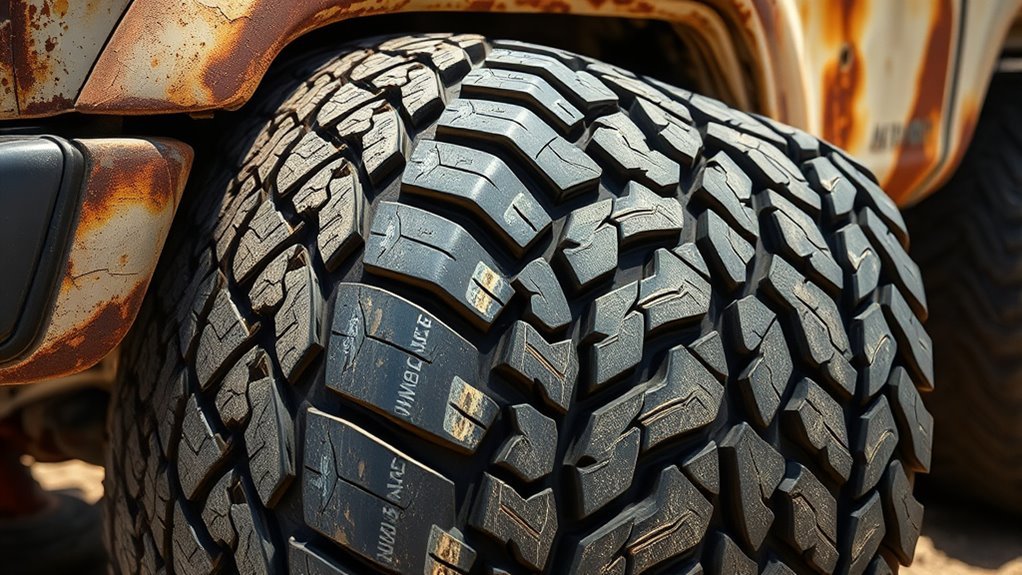
Your 4Runner tires can become unsafe from age, damage, heat, sunlight, low pressure, or hard off-road use even when the tread still looks decent. The safest approach is to check the DOT Tire Identification Number, inspect the tread and sidewalls every month, and start planning replacement once tires reach about six years old. Replace them sooner if you see cracks, bulges, exposed cords, repeated pressure loss, vibration, or poor wet-road grip.
Quick Answer
Replace Toyota 4Runner tires when tread reaches 2/32 inch, when cracks or sidewall damage appear, or when the DOT date shows the tire is old enough that age is a safety concern. Many tire and vehicle manufacturers recommend replacement somewhere in the six-to-10-year range regardless of tread, so six years is the smart time to inspect closely and plan replacement.
Key Takeaways
- The DOT/TIN date code tells you the tire’s manufacture week and year; the final four digits are the key date code.
- Age matters even if tread remains because rubber and internal tire components change over time.
- Inspect all five tires on a 4Runner, including the spare, because spares often age out before they wear out.
- Replace immediately for bulges, deep cracks, exposed cords, tread separation, repeated pressure loss, or vibration.
- Off-road driving, heat, sun exposure, underinflation, and heavy loads can shorten tire life.
At a Glance
| Time Required | 10–15 minutes for a driveway check; longer if you inspect the spare underneath the vehicle |
| Difficulty | Easy for basic checks; see a tire professional for cracks, vibration, repairs, or age concerns |
| Tools Needed | Flashlight, tire pressure gauge, tread depth gauge or penny, gloves, phone camera for DOT code photos |
| Cost | Free for inspection; replacement cost depends on size, load rating, tire type, and installation |
When Your 4Runner Tires Are Too Old: The Real Age Rule
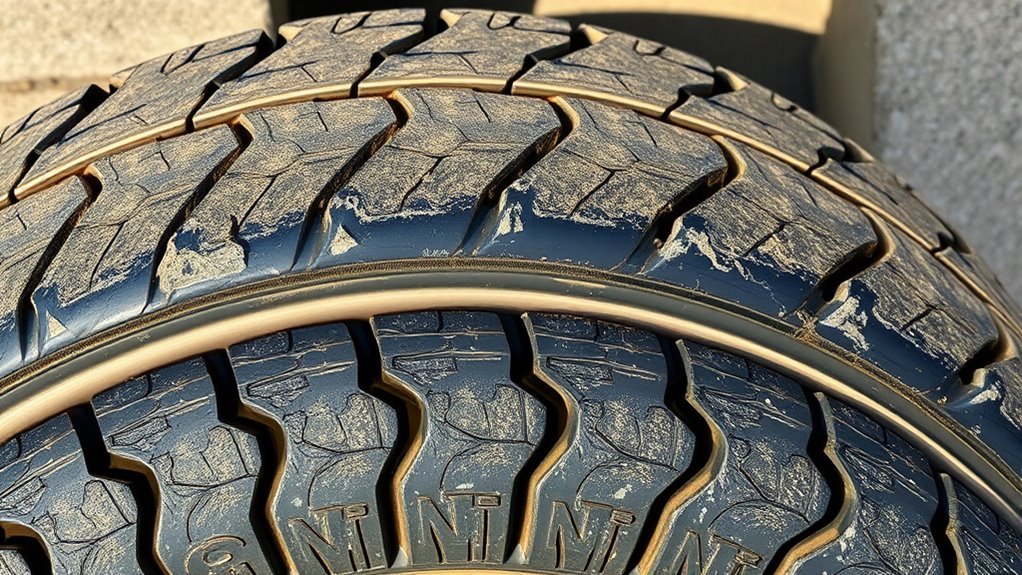
There is no single law that makes every 4Runner tire “expire” on its sixth birthday. Still, six years from the tire’s manufacture date is a smart safety checkpoint. That is when you should inspect more carefully, check the spare, review how the tires have been stored and used, and plan replacement if there is any doubt.
The reason is simple: tire aging is not the same as tread wear. Tread depth tells you how much rubber remains on the road surface. Age tells you how long the tire’s rubber, belts, sidewall, and internal materials have been exposed to heat, oxygen, flexing, sunlight, moisture, and storage conditions.
Warning: Do not keep driving on a tire with a bulge, exposed cord, tread separation, deep sidewall cracking, repeated pressure loss, or vibration that started suddenly. Install the spare if it is safe to use and have the tire inspected by a qualified tire professional.
| Tire Condition | What To Do |
| Under 6 years old, good tread, no cracks, holds pressure | Continue monthly checks and rotate according to your owner’s manual or tire shop guidance. |
| About 6 years old | Inspect closely, include the spare, and start budgeting for replacement, especially if the 4Runner is parked outside or used off-road. |
| 6–10 years old | Have a tire professional inspect them and replace sooner if there is damage, poor traction, pressure loss, or heavy off-road use. |
| 10 years old or older | Replace unless your tire and vehicle manufacturer guidance says otherwise. For safety, most owners should not rely on 10-year-old tires for daily driving or trail use. |
| Any age with bulges, cords, separation, deep cracks, or sudden vibration | Stop using the tire for normal driving and get it inspected or replaced. |
How to Check Your Tire’s Manufacture Date
The fastest way to know your tire’s true age is to read the DOT Tire Identification Number, often called the TIN. The date code is the final four numbers in the sequence. Federal tire identification rules define this four-digit date code as the week and year of manufacture.
Locating the DOT Code
Look for the letters DOT on the tire sidewall. The full code may appear on only one side of the tire, so you may need to check the inner sidewall or turn the steering wheel to see the front tires clearly.
- Park on level ground and set the parking brake.
- Use a flashlight to scan both sidewalls if needed.
- Find the DOT/TIN string molded into the rubber.
- Read the final four digits of the code.
- Photograph the code so you do not have to crawl around the tire next time.
Decoding Manufacture Date
The final four digits show the production week and year. The first two digits are the week of the year. The last two digits are the year.
For example, a tire code ending in 2319 means the tire was made in the 23rd week of 2019. A code ending in 0424 means the tire was made in the fourth week of 2024.
Pro Tip: Check the spare tire’s DOT date at the same time. Many 4Runner owners replace four road tires and forget the spare, even though the spare is aging too.
Understanding Tire Age
Tire age starts on the manufacture date, not the day you bought the tire and not the day it was installed. That matters when a tire sat in a warehouse, on a shop rack, or on a spare carrier before you used it.
Age alone is not the only replacement trigger, but it belongs in every tire check. Use this simple rule: date, tread, damage, pressure, and performance. If one of those areas looks questionable, take the tire seriously.
Why Tread Depth Hides the Real Danger
Tread depth is important, but it does not tell the whole story. A tire can have deep tread and still be unsafe from age, sidewall cracking, impact damage, belt separation, or internal deterioration.
The legal minimum tread depth in many places is 2/32 inch, and NHTSA says tires are not safe and should be replaced when the tread is worn down to 2/32 inch. For a heavy SUV like a 4Runner, especially one driven in rain, snow, gravel, or mud, waiting until the last legal minimum can leave you with poor stopping and poor traction.
Check tread at least once a month. Use a tread depth gauge for the most accurate reading. If you use the penny test, place the penny into the tread with Lincoln’s head upside down. If you can see the top of Lincoln’s head, the tire is at or below the common replacement point.
Note: Treadwear bars are late-stage indicators. For wet roads, winter travel, towing, and off-road driving, many 4Runner owners replace earlier for better control.
Spot Dry Rot and Cracking Before They Fail
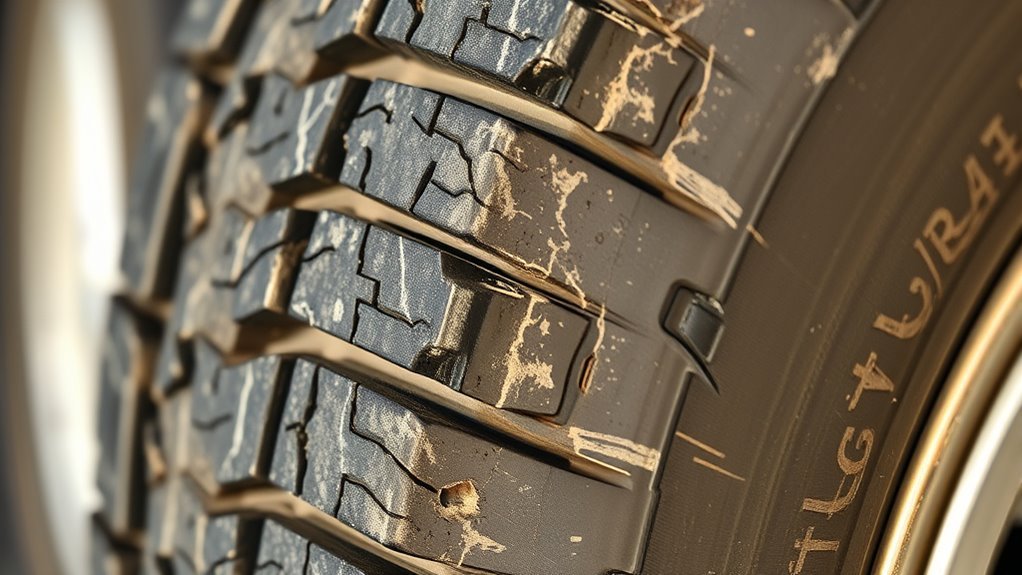
Dry rot and cracking are warning signs that the rubber is losing flexibility. Light cosmetic surface checking can look minor, but deeper cracks, cracks that spread around the sidewall, or cracks that open when the sidewall flexes deserve professional inspection.
Use this monthly 4Runner tire checklist:
- Sidewalls: Look for cracks, cuts, bulges, bubbles, scrapes, and impact damage.
- Tread face: Look for nails, chunks, uneven wear, exposed cords, cupping, or tread separation.
- Pressure: Check all tires cold, including the spare, with a real tire gauge.
- Age: Confirm the DOT date code for every tire.
- Performance: Pay attention to vibration, pulling, noise, slow leaks, or reduced wet traction.
Newer 4Runners have TPMS, but TPMS is not a replacement for tire maintenance. It warns when pressure is significantly low; it does not measure tread depth, tire age, dry rot, or sidewall damage.
Garage vs. Street: Where You Park Matters
Where you park your 4Runner affects how quickly the tires age. NHTSA notes that sunlight, warmer climate, poor storage, and poor maintenance can all contribute to tire aging. Parking in a garage or shaded area can reduce UV exposure and temperature swings, but it does not stop aging completely.
Indoor Storage Benefits
Indoor storage helps protect tires from direct sunlight, standing water, road grime, and daily heat cycles. If your 4Runner sits for long periods, move it occasionally or follow a tire professional’s storage guidance to reduce flat spotting and pressure loss.
A garage-kept tire can still age out. Do not assume “stored indoors” means “safe forever.” Check the DOT date and inspect the tire just like you would on a street-parked vehicle.
Sun Exposure Risks
Street parking exposes tires to UV light, heat, ozone, water, and debris. On a 4Runner parked outside every day, inspect the outer sidewalls carefully because they get the most sunlight. Also check the side facing the curb because curb rash can hide cuts and scrapes.
Climate Control Impact
A cool, dry, shaded storage area is better for tires than heat, sunlight, and moisture. If you store a second set of tires, keep them away from motors, solvents, petroleum products, and direct sunlight. Store mounted tires according to tire-shop guidance and check pressure before reinstalling them.
Off-Road Harder? Replace Your 4Runner Tires Sooner
Trail use can age and damage tires faster than normal commuting. Rocks, ruts, aired-down driving, heavy loads, sharp gravel, and sidewall flex can all add stress that a simple mileage estimate does not capture.
After off-road trips, inspect the tires before highway driving. Look for sidewall slices, missing tread chunks, bead damage, punctures, and bulges. A tire that survives the trail may still be risky at highway speed if the sidewall or internal structure was damaged.
4Runner owners should also pay attention to tire type. A passenger-rated highway tire may ride smoothly on pavement, while an LT all-terrain tire may offer stronger construction for towing, hauling, and trail use. Always match tire size, load rating, speed rating, and inflation guidance to your specific 4Runner, wheel setup, and driving needs.
[Products Worth Considering]

Monitor tire tread wear with a smart, color-coded depth gauge that shows clear condition ranges at a glance. The bar is range marked for fast, easy readings, helping you maintain safer traction and performance. Each gauge is portable with a pocket clip, and the set includes 20 units for daily use and sharing.

Accurately measure tire tread depth with a calibrated gauge marked from 0 to 1 inch in 1/32 inch increments. The color-coded bar helps you quickly identify tread condition ranges, supporting safe driving for trucks, motorcycles, automobiles, and passenger vehicles.

The SAFELIFE dial tire tread depth gauge measures tread depth in 1/32 inch increments with clear, easy-to-read 2-inch dial face. Color zones using a traffic light system help you quickly judge whether tread is low, marginal, or ample for safer driving. Built with a durable zinc cast body and a metal detect probe for precise, comfortable use across cars, motorcycles, trucks, and buses.
Don’t Forget the Spare Tire
The spare is easy to ignore because it may never touch the road. That is exactly why it can become a problem. A spare can be old, underinflated, cracked, or unusable when you need it most.
Check the spare every month when you check the four road tires. Confirm:
- The DOT date code is not beyond a safe age range.
- The tire holds the correct pressure.
- The sidewall is not cracked or weathered.
- The tread is not damaged or separated.
- The jack, lug wrench, wheel lock key, and lowering mechanism work.
A full-size spare may look like the other tires, but it still ages. A temporary spare has speed and distance limits; follow the instructions printed on the spare and in your owner’s manual.
[Products Worth Considering]

Measure tyre tread depth precisely with a digital gauge that reads in both MM and inches, helping you monitor safe driving conditions. The large LCD screen is easy to operate, and the compact tool fits for cars, trucks, and motorcycles. It provides high accuracy with a 0-25.4mm range and includes a 1-year warranty for added peace of mind.

Measure tire tread depth quickly and accurately with this LUMITECO dial gauge that reads in 1/32" increments up to 14/32". The color-coded green/yellow/red zones make it easy to judge tire wear and know when replacement is needed. A rugged, compact design with a protective pouch helps keep the gauge ready for use on cars, trucks, motorcycles, and more.

The Airmoto portable tire inflator quickly and accurately fills car, truck, SUV, motorcycle, and bicycle tires up to 120 PSI with auto shut-off when your target pressure is reached. Its large LCD, multi-unit pressure display, and digital gauge make it easy to dial in settings and verify readings, while the built-in LED flashlight helps in low light. The included polyurethane hard carrying case and storage mesh pocket keep the inflator and accessories protected and organized.
Blowout Risk: What Pushing Too Long Can Look Like
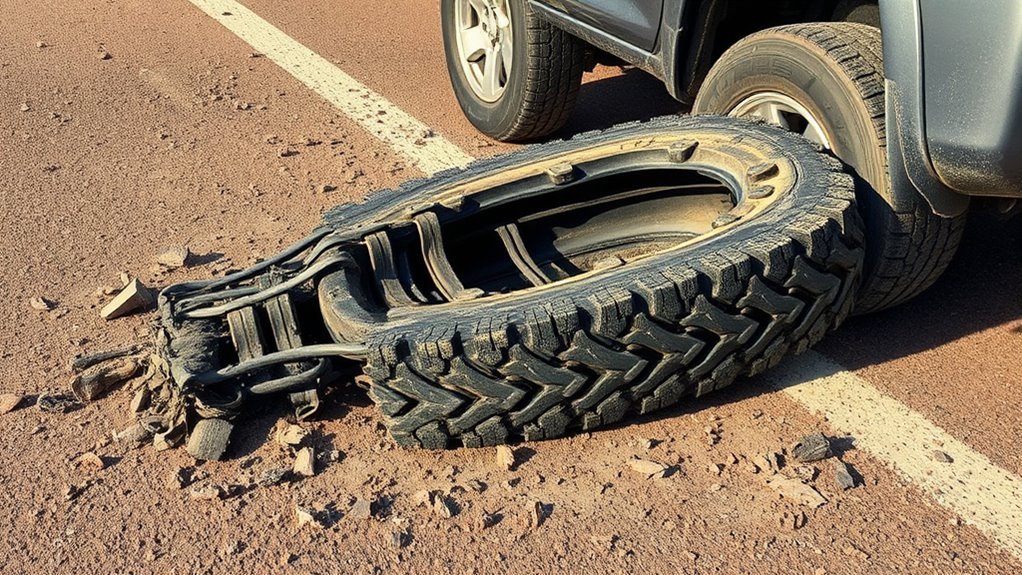
An aging tire does not always give an obvious warning before it loses pressure, separates, or fails. That is why tire age, pressure, tread, and damage checks matter before long highway drives and remote trail trips.
NHTSA reported 511 fatalities in tire-related crashes in 2024. Tire maintenance is not just about getting more miles from a set of tires; it is part of crash prevention.
If a tire blows out, do not slam on the brakes. Hold the steering wheel with both hands, keep the vehicle as stable as possible, gradually release the accelerator, correct your steering, slow down, and pull off the road when it is safe.
Buy New Tires Without Getting Old Stock
When buying new 4Runner tires, check the DOT date code before installation. You do not need to panic if a tire is a few months old, but you should know what you are buying. If a tire is already one or two years old, ask about storage, warranty timing, and whether a fresher set is available.
[Products Worth Considering]

The Milton S-693 straight foot dual head air chuck is designed for accurate tire pressure checks and quick, secure valve-core engagement with lock-on threads on both ends. With a 1/4" FNPT connection and a maximum 150 PSI rating, it’s built for use on inner duals and common vehicle tires, including trucks and RVs.

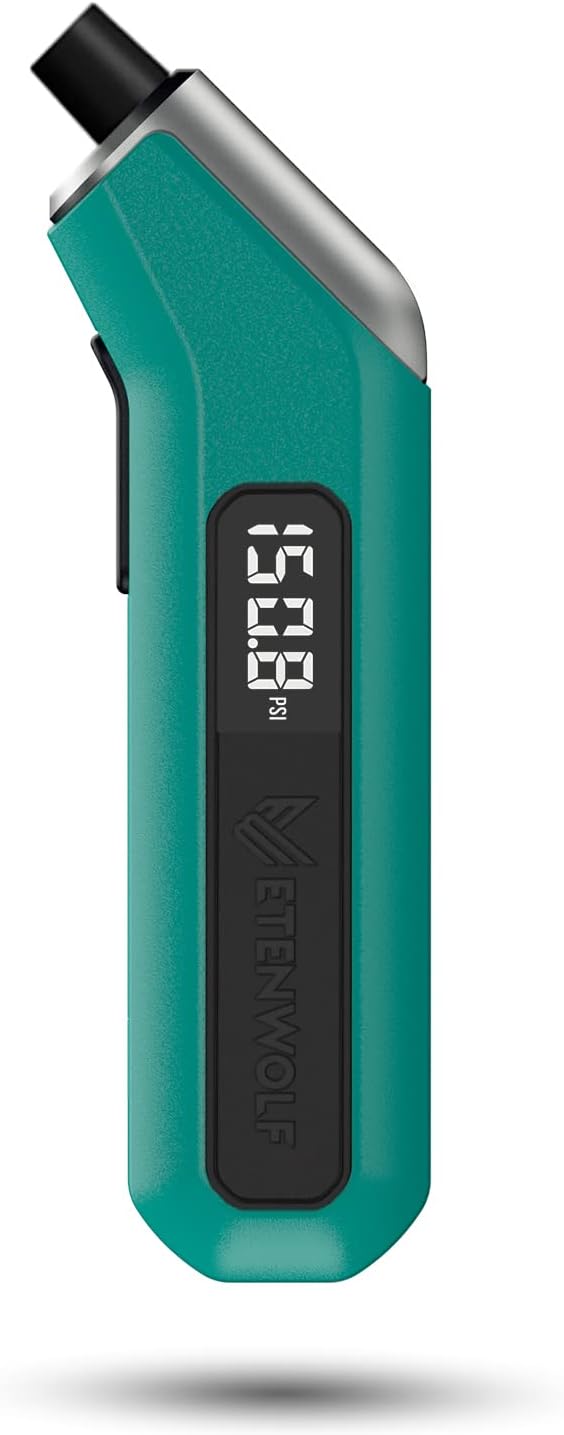
ETENWOLF’s tire pressure gauge helps you quickly and accurately check tire PSI across cars, trucks, motorcycles, bikes, and more. It’s manually calibrated to ANSI B40.1 Grade A for reliable readings, includes a large glow dial for easy nighttime viewing, and features a 360-degree swivel chuck for use at any valve angle. The gauge also works consistently in extreme hot or cold weather.

This tire inflator with pressure gauge delivers long-lasting performance with a durable rubber-protected gauge and sturdy build. The longer hose and 360 swivel air chuck help you seal the valve securely and keep your hands free while measuring, inflating, or deflating. It’s battery-free for reliable use and provides ±2 PSI accuracy in the mid-range for most typical tires, with universal compatibility for 1/4 NPT compressor outputs.
Check Manufacture Date
Before paying, find the date code on each tire. Do not check only one tire in the set. Mixed production dates are common, and one tire may be much older than the others.
Use this buying checklist:
- Confirm all four tires match in size, load rating, and type.
- Check the DOT date code on every tire.
- Ask whether the tire warranty starts at purchase or manufacture.
- Inspect sidewalls for cracks, discoloration, flat spotting, or damage.
- Make sure the shop replaces valve stems or services TPMS as needed.
- Keep the receipt and record the starting tread depth and installation mileage.
Verify Storage Conditions
| Storage Factor | What You Want |
|---|---|
| Temperature | Cool, stable storage |
| Moisture | Dry storage away from standing water |
| Light exposure | No direct sunlight |
| Chemicals | Away from oil, fuel, solvents, and ozone sources |
| Inventory handling | Clean stock with no cracks, deformation, or visible damage |
Inspect Physical Condition
Even “new” tires should be inspected before installation. Look for sidewall cracks, bead damage, flat spots, cuts, punctures, or odd discoloration. If anything looks wrong, ask for another tire before it goes on your 4Runner.
Sell or Repurpose 4Runner Tires With Tread Left
If your tires still have tread but are too old for your 4Runner, be careful. A tire that you would not trust on your own SUV should not be sold to another driver as a safe road tire.
Used tire resale may be reasonable only when the tires are within a safe age range, have usable tread, hold air, and show no cracks, bulges, puncture damage, exposed cords, or irregular wear. Be honest about the DOT date and condition.
| Application | Best Use | Safety Requirement |
|---|---|---|
| Road-use resale | Only tires you would trust on-road | Safe age, good tread, no damage, holds air |
| Trail-only spare use | Low-speed emergency or property use | No sidewall cracking, bulges, or separation |
| Landscaping or planters | Non-road reuse | Clean, stable, placed where it will not collect standing water |
| Recycling | Best option for unsafe tires | Use a tire retailer, recycler, or local waste program |
If a tire is cracked, very old, separated, or damaged, recycle it instead of reselling it for road use. EPA data shows tire rubber is a major part of rubber waste, and tire recycling keeps usable material out of landfills.
Track Tire Age and Plan Your Next Replacement
The best time to plan tire replacement is before a trip, not after a warning sign on the highway. Build a simple tire log for your 4Runner and update it during oil changes or seasonal maintenance.
- Photograph every DOT date code the day the tires are installed.
- Record installation mileage and starting tread depth.
- Check pressure monthly when tires are cold, including the spare.
- Measure tread depth quarterly or before long road trips.
- Rotate on schedule according to the owner’s manual, tire pattern, and shop guidance.
- Inspect after trail use before returning to highway speed.
- Set a six-year reminder from the DOT manufacture date, not the purchase date.
Your 4Runner’s capability depends on the small contact patches where the tires meet the road or trail. Treat tire age as part of maintenance, not as an afterthought.
Frequently Asked Questions
When should I replace Toyota 4Runner tires?
Replace 4Runner tires when tread reaches 2/32 inch, when damage appears, when they no longer hold pressure, or when age becomes a concern. Six years from the DOT manufacture date is a smart inspection and replacement-planning point; many owners should replace before 10 years even if tread remains.
Do 4Runner tires expire after six years?
Not in the sense of a universal legal expiration date. Six years is better treated as a serious inspection point. Tire age, storage, climate, off-road use, pressure history, and visible condition all matter.
How do I read the DOT date code on a tire?
Find the DOT/TIN code on the tire sidewall and read the final four digits. The first two digits show the week of manufacture, and the last two digits show the year. For example, 2319 means the tire was made in the 23rd week of 2019.
Should I replace tires with good tread but sidewall cracks?
Yes, if the cracks are deep, spreading, or located on the sidewall, have the tire inspected immediately and be ready to replace it. Tread depth does not cancel out sidewall damage or age-related cracking.
Does the spare tire age even if I never use it?
Yes. A spare tire ages from time, heat, storage conditions, and exposure. Check its DOT date, pressure, tread, and sidewall condition every month with the other tires.
Conclusion
You cannot judge a 4Runner tire by tread depth alone. Check the DOT date, inspect for cracking and damage, measure tread, verify cold pressure, and include the spare. Start planning carefully at six years from the manufacture date, and replace sooner if the tire shows damage, loses pressure, vibrates, or performs poorly. A 4Runner is only as dependable as the tires carrying it.
Sources
- NHTSA TireWise — tire aging, monthly maintenance, tread depth, TPMS limits, tire-related crash fatalities, and blowout guidance
- eCFR 49 CFR 574.5 — Tire Identification Number and four-digit manufacture date code requirements
- Colorado Department of Transportation Passenger Vehicle Traction and Chain Laws — example of winter traction tread-depth requirements
- U.S. EPA Rubber and Leather Material-Specific Data — tire rubber recycling and waste data