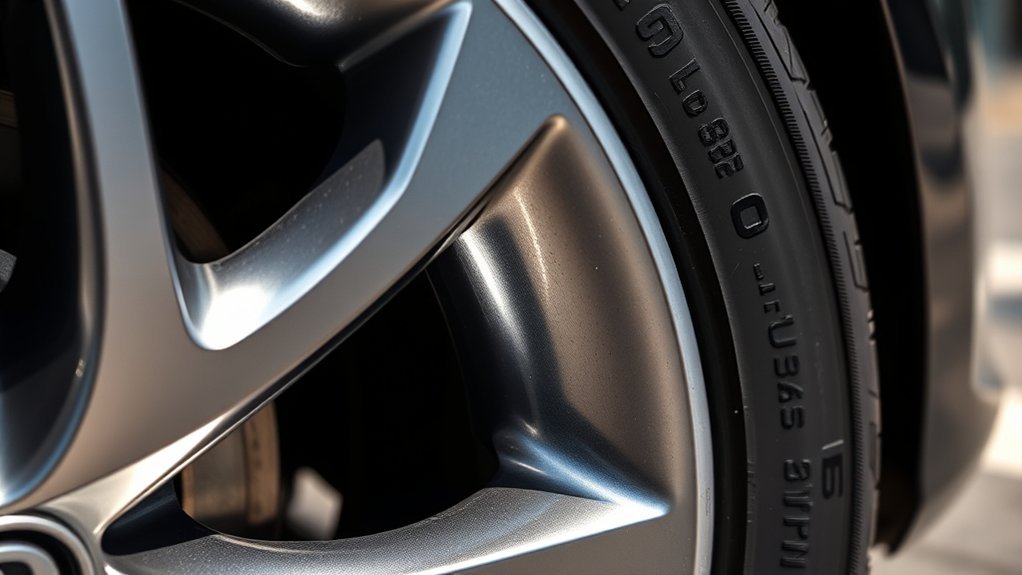
The Toyota Camry XSE uses a sporty low-profile tire setup, but the exact tire marking can vary by model year, market, wheel package, and replacement brand. For the U.S. 2025 Toyota Camry XSE, common public spec listings show P235/40VR19, which is often shortened to 235/40R19. Always confirm your own car by checking the Tire and Loading Information label on the driver-side doorjamb before buying tires.
Quick Answer
Most U.S. 2025 Toyota Camry XSE models use P235/40VR19 tires on 19-inch wheels. In everyday shopping, you will usually see this written as 235/40R19. Use the driver-door tire label, not the tire sidewall, for the correct size and cold tire pressure for your specific Camry.
Key Takeaways
- The Camry XSE tire size is commonly listed as P235/40VR19, or simply 235/40R19.
- Toyota confirms the 2025 XSE comes with 19-inch alloy wheels, but your doorjamb label is still the final fitment source.
- Check tire pressure cold, at least once a month, and do not rely on TPMS as your only maintenance check.
- When replacing tires, match the size, load rating, speed rating, and overall diameter recommended for your car.
At a Glance
| Time Required | 5 minutes to verify size and pressure; 30–60 minutes for a tire shop to install a set |
| Difficulty | Easy for checking size and pressure; professional installation recommended for replacement |
| Tools Needed | Tire pressure gauge, tread-depth gauge or penny, flashlight, and your driver-door tire label |
| Cost | Pressure check is usually free; replacement tire cost varies by brand, warranty, season, and installation fees |
Decoding Toyota Camry XSE Tire Size Numbers
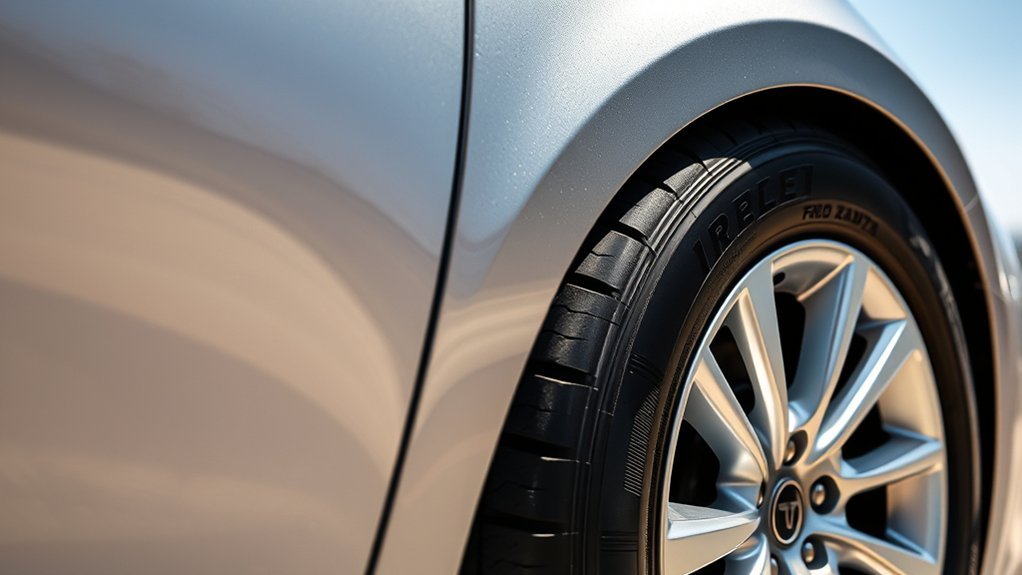
The common Camry XSE tire marking P235/40VR19 tells you more than just the tire’s size. The P means passenger-vehicle tire. The 235 is the section width in millimeters. The 40 is the aspect ratio, meaning the sidewall height is 40% of the tire width. The V is the speed category shown in some tire-size formats. The R means radial construction, and 19 means the tire fits a 19-inch wheel.
If you see the size written as 235/40R19, it is usually the same basic size without the passenger prefix and speed category shown in the middle. When shopping, also check the service description after the tire size, such as the load index and speed rating, because those affect whether the tire is appropriate for your Camry.
Warning: Do not choose replacement tires by size alone. The tire must also meet the correct load rating, speed rating, wheel fitment, and pressure requirements shown for your vehicle.
OEM Toyota Camry XSE Tire Size
For the U.S. 2025 Toyota Camry XSE, public trim specifications list P235/40VR19 tires on the front and rear. Toyota’s official 2025 Camry release also confirms that the XSE comes with range-topping 19-inch black and smoke gray-finished alloy wheels. For current model-year shopping, Toyota notes that equipment can vary by region and availability, so the safest source is still your own doorjamb label and owner’s manual.
| Model / trim context | Common tire size | What to verify |
| 2025 Toyota Camry XSE, U.S. listing | P235/40VR19, often sold as 235/40R19 | Doorjamb label, owner’s manual, load index, speed rating, and wheel package |
| Other Camry trims | May use 16-inch or 18-inch tire sizes | Do not assume an LE, SE, or XLE uses the same tire as an XSE |
The easiest way to confirm your Camry’s OEM size is to open the driver door and read the Tire and Loading Information label. The National Highway Traffic Safety Administration says that label, along with the owner’s manual, is where you should look for the correct tire size and cold inflation pressure.
Note: The maximum pressure molded into a tire sidewall is not the same thing as Toyota’s recommended cold tire pressure. Use the vehicle label or owner’s manual.
Essential Maintenance Tips for Prolonging Tire Life
Your Camry XSE’s low-profile 19-inch tires can deliver crisp steering and a sporty look, but they also make regular maintenance important. A few minutes each month can help prevent uneven wear, poor fuel economy, vibration, and tire damage.
[Products Worth Considering]

Replace your worn or missing TPMS sensors with pre-programmed, direct-fit sensors for compatible Ford, Lincoln, and select Mazda models. Each sensor comes ready to activate with a scan tool, helping restore accurate tire pressure monitoring and trouble-free installation. Built with a long-life CR2032 battery and tested before factory release, this set provides dependable performance with a one-year warranty.

Keep your tires properly inflated with this analog VONDIOR tire pressure gauge, designed for fast, easy readings without batteries. The swiveling, two-axis hose and large glow dial help you measure at any tire angle with instant visibility. Built with a protective rubber shield, it supports durable, low-maintenance use for cars and trucks.
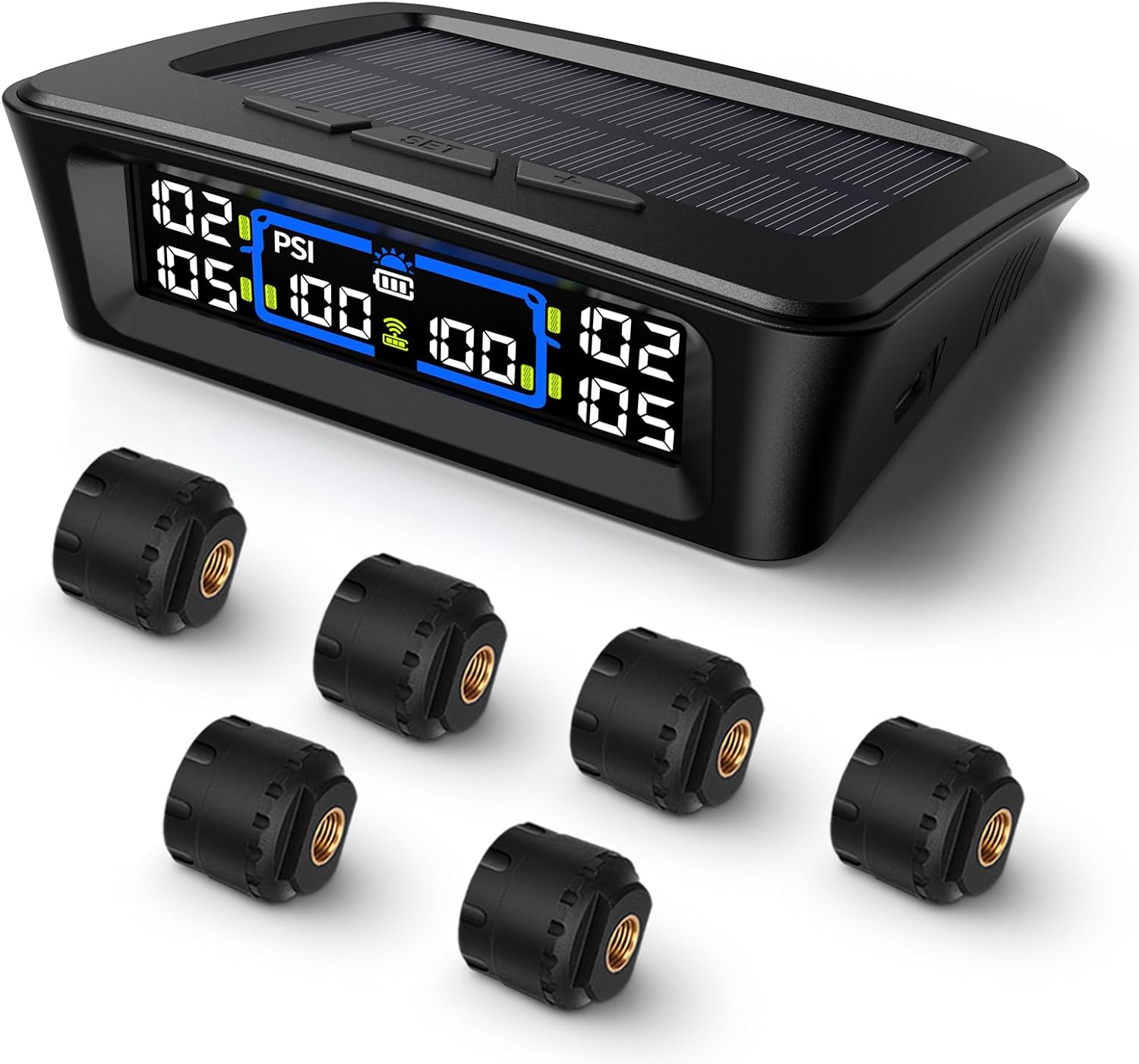
The Tymate TM12 RV TPMS delivers real-time tire pressure and temperature monitoring with a stable 433Hz display for safer long-distance driving. It supports simultaneous monitoring across vehicle and trailer zones, includes six alarm modes for pressure, temperature, leakage, battery, and signal loss, and features easy DIY installation with auto calibration. Power is supplied via USB-C charging or solar recharging, with a wide 0–144 PSI range and up to 50 ft signal coverage for RVs and towable trailers.
Regular Pressure Checks
Check all four tires when they are cold, meaning the car has been parked for at least three hours or driven only a very short distance. Use the cold tire pressure on the driver-side label. Many Camry XSE owners will see a pressure near 35 psi, but the label on your own vehicle is the number that matters.
Check pressure at least once a month and before long trips. A Tire Pressure Monitoring System can warn you when a tire is significantly underinflated, but it does not replace a manual gauge check. If the TPMS light comes on, inspect the tires and adjust pressure as soon as possible.
Tire Rotation Schedule
Follow the Toyota maintenance schedule for your exact Camry. As a general tire-care guideline, NHTSA says that if rotation is recommended by the manufacturer, tires are commonly rotated every 5,000 to 8,000 miles or sooner if uneven wear appears. Rotation helps reduce irregular wear and can help the tires last longer.
Because tire rotation patterns can vary by drivetrain, tire type, and whether the tires are directional, ask your Toyota dealer or tire shop to use the correct pattern for your specific Camry XSE.
Tread Depth, Damage, and Alignment
Inspect tread depth at the same time you check pressure. Tires should be replaced when the tread is worn to 2/32 inch. Also look for cracks, bulges, exposed cords, punctures, cupping, or one-sided wear. Uneven wear can point to low pressure, bad alignment, worn suspension parts, or an out-of-balance wheel.
Pro Tip: If your Camry pulls to one side, vibrates at highway speed, or wears one tire edge faster than the other, get the alignment and balance checked before installing a new set of tires.
Top Tire Brands for Toyota Camry XSE
Good tire choices for a Toyota Camry XSE depend on how and where you drive. Toyota Tire Center works with major brands such as BFGoodrich, Bridgestone, Dunlop, Goodyear, Michelin, Yokohama, and others. For the XSE’s 19-inch setup, focus less on brand hype and more on the right tire category.
[Products Worth Considering]

The Topeak SmartGauge D2 delivers precise digital tire pressure readings for bikes, motorcycles, and sports equipment up to 250 psi (17 bar). Its rotating SmartHead works with both Presta and Schrader valves, so you can check pressure quickly without adapters. The LCD display makes it easy to read results in psi, bar, or kg/cm² with an included CR2032 battery for immediate use.

Monitor tire tread wear with a smart, color-coded depth gauge that shows clear condition ranges at a glance. The bar is range marked for fast, easy readings, helping you maintain safer traction and performance. Each gauge is portable with a pocket clip, and the set includes 20 units for daily use and sharing.

Replace worn or malfunctioning GM TPMS sensors with this 433MHz pre-programmed sensor set designed for compatibility with many Chevrolet, Buick, GMC, and Cadillac models. It includes guidance for proper OBDII relearning/pairing after installation and supports reliable long-term operation with a high-performance CR2032 battery. Quality tested for durability and performance to help restore accurate tire pressure monitoring.
Popular Tire Brands
| Driving priority | What to look for | Common brand examples |
| Quiet commuting | Touring all-season tire with low road noise and strong treadwear warranty | Michelin, Bridgestone, Continental, Goodyear |
| Sporty handling | Performance all-season or summer tire with sharp steering response | Michelin, Continental, Pirelli, Bridgestone |
| Rain and wet roads | Strong wet traction rating, good hydroplaning resistance, and fresh tread depth | Continental, Michelin, Goodyear, Bridgestone |
| Snow and ice | Dedicated winter tire if you regularly drive in freezing temperatures, deep snow, or ice | Bridgestone, Michelin, Continental, Yokohama |
Performance Tire Recommendations
The Camry XSE has a sportier suspension tune than comfort-focused trims, so a quality performance all-season tire is usually the best balance for daily driving. It can preserve responsive steering while still giving you year-round usability in mild climates.
If you live somewhere with real winter weather, do not expect a sporty all-season tire to perform like a dedicated winter tire on snow or ice. NHTSA notes that winter tires are more effective than all-season tires in deep snow, while summer tires are warm-weather tires and are not designed for freezing conditions, snow, or ice.
Choosing Aftermarket Tires for Your Camry XSE
Aftermarket tires can work well on a Camry XSE, but only if they match the vehicle’s fitment needs. Use this checklist before buying:
- Match the size: Start with the size on the driver-door label. For many U.S. 2025 XSE models, that means P235/40VR19 or 235/40R19.
- Match or exceed the load rating: Do not install a tire with a lower load rating than Toyota specifies.
- Use an appropriate speed rating: Replacement tires should meet the rating specified for your vehicle and driving conditions.
- Keep the rolling diameter close: A common rule of thumb is to stay within about 3% of the original overall diameter, but Toyota-approved sizes and professional fitment advice matter more than a generic calculator.
- Confirm wheel width and offset: Do not assume every 19-inch wheel fits. Wheel width, offset, brake clearance, and hub fitment all matter.
- Replace in proper sets: For balanced handling, replace tires in sets of four when possible, especially if tires are worn unevenly.
Warning: A tire that “fits the rim” can still be unsafe if the load rating, speed rating, overall diameter, or pressure requirement is wrong for your Camry.
[Products Worth Considering]

Measure tyre tread depth precisely with a digital gauge that reads in both MM and inches, helping you monitor safe driving conditions. The large LCD screen is easy to operate, and the compact tool fits for cars, trucks, and motorcycles. It provides high accuracy with a 0-25.4mm range and includes a 1-year warranty for added peace of mind.

These universal tire valve stem caps help protect valve cores from dust, debris, and moisture while helping maintain stable tire pressure. The corrosion-resistant metal construction and sealed design provide reliable protection in road grime, mud, and winter conditions. Twist-on installation makes them quick to fit on cars, SUVs, trucks, and motorcycles.

Steelman white tire marking crayons provide high-contrast, semi-permanent marks for repairing and inspecting tires and equipment. They write on wet or dry, smooth or coarse surfaces including rubber, metal, glass, and wood, making them ideal for puncture location and damage outlining. The lead- and zinc-free crayons resist weather and fading yet wipe away when you no longer need the marks.
The Importance of Tire Pressure Monitoring in 2025 Models
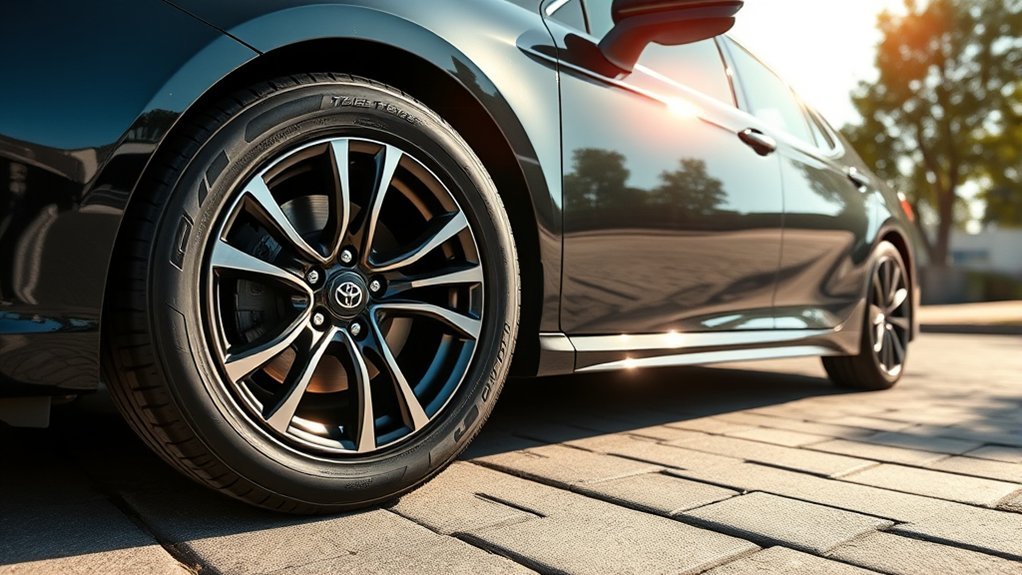
The Tire Pressure Monitoring System, or TPMS, is a safety aid that warns you when tire pressure drops below an acceptable level. It is useful, but it is not a replacement for checking the tires yourself. NHTSA says underinflated tires can be difficult to detect visually, so monthly checks with an accurate tire gauge are still recommended.
If the TPMS light stays on, check all tires as soon as possible and inflate them to the cold pressure shown on your vehicle label. If the light flashes and then stays on, the system may have a fault and should be inspected by a qualified technician.
NHTSA reported 511 traffic fatalities in tire-related crashes in 2024, which is a reminder that tire pressure, tread depth, and tire condition are safety issues—not just maintenance chores.
Frequently Asked Questions
What tires come on a Toyota Camry XSE?
Most U.S. 2025 Toyota Camry XSE models are listed with P235/40VR19 tires, often written as 235/40R19. Toyota also confirms the 2025 XSE uses 19-inch alloy wheels. Verify your own car on the driver-door tire label before ordering.
What is my OEM Toyota Camry XSE tire size?
For a U.S. 2025 Camry XSE, the common OEM size is P235/40VR19. The best way to confirm is to check the Tire and Loading Information label on the driver-side doorjamb or the owner’s manual for your exact vehicle.
What tire pressure should I use for a Camry XSE?
Use the cold tire pressure printed on your driver-door label. Many owners may see a value around 35 psi, but the label on your car is the authority. Do not use the maximum pressure molded into the tire sidewall as your normal inflation target.
Can I use a different tire size on my Camry XSE?
Only use an alternate size if it is approved for your vehicle and keeps the correct load rating, speed rating, wheel clearance, and overall diameter. If you are not sure, ask a Toyota dealer or qualified tire shop before buying.
How often should I rotate Toyota Camry XSE tires?
Follow the maintenance schedule for your exact Camry. As a general guideline, if rotation is recommended, many tires are rotated every 5,000 to 8,000 miles or sooner if uneven wear appears.
Conclusion
For most U.S. 2025 Toyota Camry XSE owners, the key tire size to know is P235/40VR19, commonly sold as 235/40R19. That size pairs with the XSE’s 19-inch wheel setup and gives the car its sporty stance and steering feel. Before replacing tires, confirm the size, pressure, load rating, and speed rating on your driver-door label or owner’s manual. Then choose a tire that matches your driving style, climate, and safety needs.
Sources
- Toyota USA Newsroom — 2025 Toyota Camry release — backs the 2025 Camry model context and XSE 19-inch alloy wheel information.
- Toyota.com — Current Camry specifications — backs current-model specification caveats and Toyota’s regional/equipment availability language.
- NHTSA TireWise — backs tire-size label guidance, cold tire pressure checks, tread-depth safety, tire rotation, and TPMS limitations.
- Toyota Tire Center — backs Toyota dealer tire-service context and major tire-brand availability.
- Cars.com — 2025 Toyota Camry XSE specifications — backs the public P235/40VR19 tire-size listing for the 2025 Camry XSE.