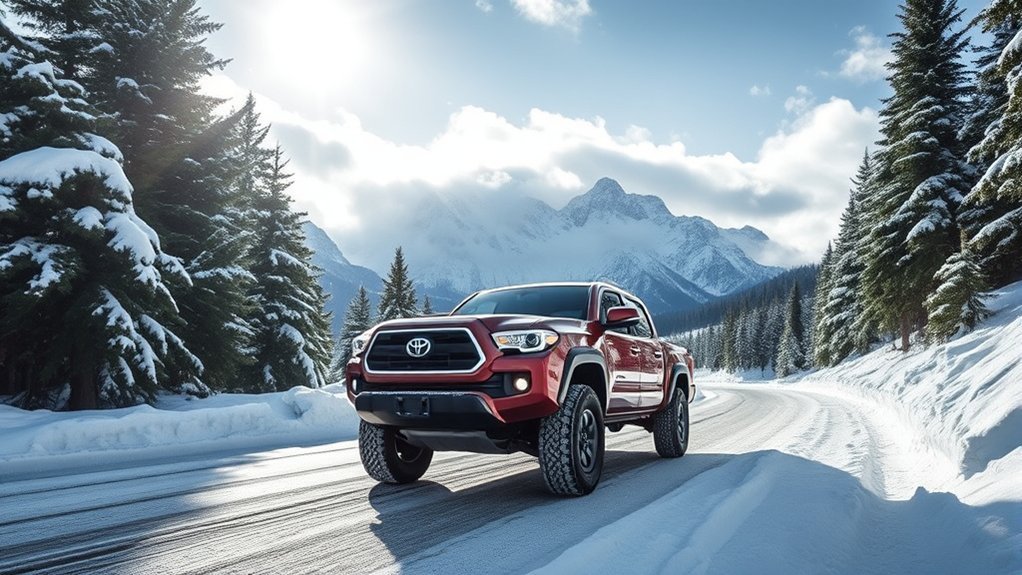
A Toyota Tacoma can handle winter roads well when it has the right tires, weight, speed, and driver judgment, but 4WD does not make it exempt from every chain rule. Snow chains or approved traction devices may be required by posted signs, local law, or road conditions, especially on icy mountain passes. The safest answer is simple: check your Tacoma owner’s manual, match the chains to your exact tire size, and follow the signs before you enter a chain-control area.
Quick Answer
You may need snow chains on a Toyota Tacoma when posted chain-control signs, R3 rules, severe ice, or deep packed snow require them. In many Tacoma applications, chains go on the rear tires only, but always follow your owner’s manual and chain maker’s fit instructions first.
Key Takeaways
- A 4WD Tacoma may be allowed through some R2-style chain controls with proper snow-tread tires, but it may still need to carry chains or approved traction devices.
- For many Tacomas, Toyota’s general guidance is to use chains or cables on the rear wheels, but your owner’s manual and tire size decide what is safe.
- Never buy chains by vehicle name alone. Match them to the tire size printed on the sidewall, then test-fit them before a storm.
- Drive slowly with chains, retighten them after a short distance, and remove them when you reach clear pavement.
At a Glance
| Time Required | 10–20 minutes the first time; faster after driveway practice |
| Difficulty | Easy to moderate, depending on chain style, weather, and wheel-well clearance |
| Tools Needed | Correctly sized chains or approved traction devices, gloves, flashlight or headlamp, kneeling pad, tensioners if required, and your owner’s manual |
| Cost | Usually about $60–$250+ per pair, depending on chain type, size, and brand |
When Do You Need Snow Chains on a Tacoma?
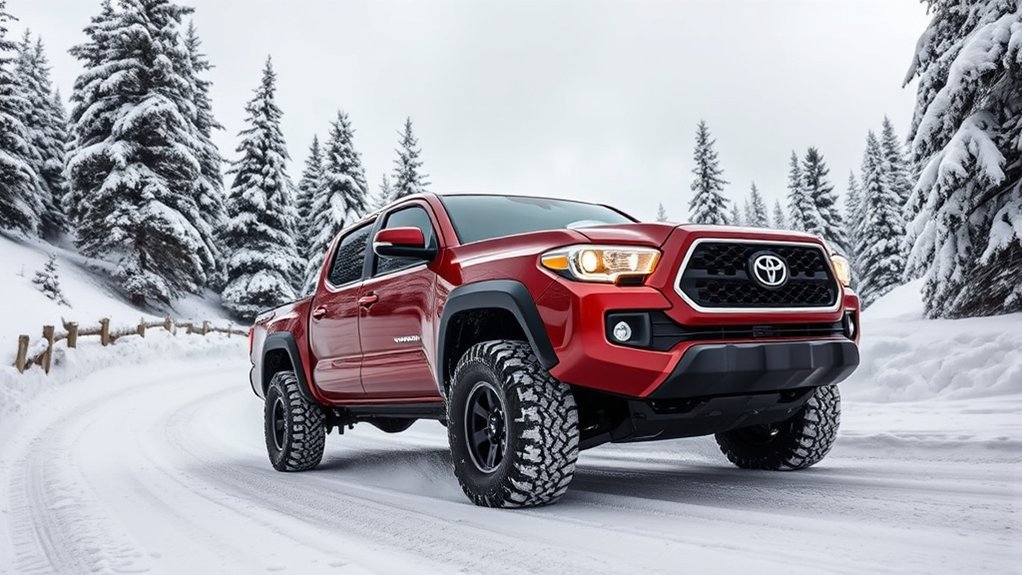
You need snow chains on a Tacoma when the law, road signs, or the road surface says you need more traction than your tires can safely provide. This usually happens on steep mountain roads, packed snow, polished ice, or during chain-control periods.
In California, Caltrans chain controls use R1, R2, and R3 requirement levels. Under R2, chains or traction devices are required on most vehicles, but four-wheel-drive and all-wheel-drive vehicles with snow-tread tires on all four wheels may be allowed through while carrying traction devices. Under R3, chains or traction devices are required on all vehicles with no exceptions.
Note: “Carry chains” and “install chains” are not the same thing. A 4WD Tacoma may only need to carry chains in some chain-control areas, but it must have them installed when signs, officers, or the active chain law require installation.
You should also consider chains before they are legally required if your Tacoma is sliding, struggling to climb, or losing braking control on compact snow or ice. Four-wheel drive helps the truck move, but it does not shorten stopping distance on slick roads by itself.
Which Tires Get Chains on a Toyota Tacoma?
For a Tacoma, the safest rule is to follow your owner’s manual first. Toyota’s general customer-service guidance says tire chains or cables are installed on the drive wheels, and on 4WD/AWD vehicles they are generally used on the rear wheels. Check your exact model year, trim, tire size, and manual before installing chains on any Tacoma.
Many Tacoma manuals and fit guides warn against front-wheel chain use because the front suspension, steering, brake lines, and wheel wells can have limited clearance. If a chain rubs, snaps, or contacts brake components, it can damage the truck and create a safety risk.
Warning: Do not install chains on the front tires just because you want more steering grip. Use the chain location approved by your Tacoma owner’s manual and the chain manufacturer. If the manual says rear only, treat that as the rule.
Check Your Tacoma’s Tire Size and Chain Clearance
Do not buy snow chains by searching only for “Toyota Tacoma chains.” Tacoma tire sizes vary by model year, trim, wheel package, and aftermarket upgrades. Read the tire size printed on your tire sidewall, such as 245/70R17, 265/70R17, 265/65R18, or another size, then match that exact size to the chain manufacturer’s fit chart.
Before winter travel, test-fit the chains at home on dry pavement. Make sure the chains clear the fender liner, suspension, struts, brake lines, mud flaps, and any aftermarket wheel or tire changes. AAA recommends choosing correctly sized chains, maintaining proper tire inflation, and pre-fitting chains before you need them in bad weather.
- Factory tires: Still check the owner’s manual and sidewall size. Factory equipment can differ by trim.
- Oversized tires: Be extra careful. Larger tires reduce clearance and may require low-clearance cables, snow socks, or a different approved traction device.
- Lifted or modified trucks: A lift does not automatically create chain clearance around brake lines, steering parts, or fenders.
- 265/70R18 and other larger sizes: Some Tacoma fitments may have chain restrictions. Confirm in the manual before buying.
Pro Tip: Keep the chain bag, gloves, flashlight, and a small tarp together behind the seat or in a dry storage bin. You do not want to unpack loose, tangled chains for the first time in a storm.
[Products Worth Considering]
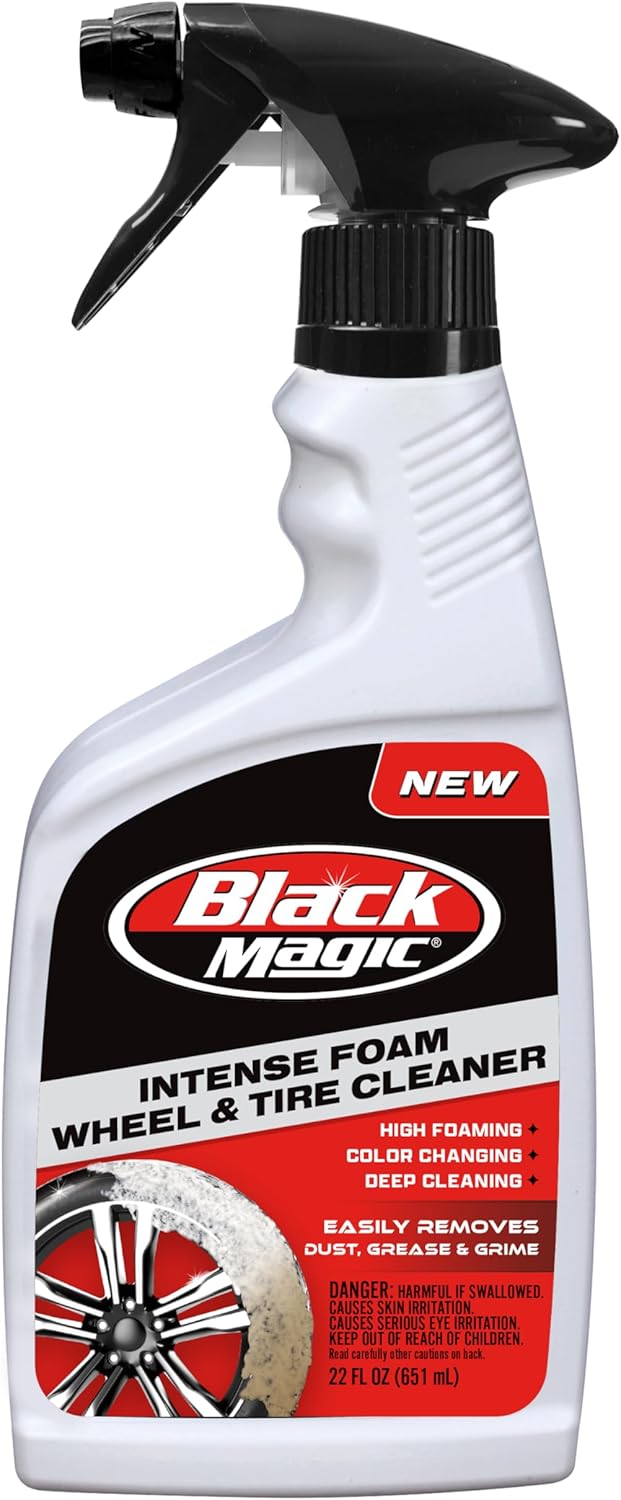
Black Magic Intense Foam Wheel & Tire Cleaner uses a high-foaming action to lift away dirt, grime, and brake dust without scrubbing. The color-changing formula helps show contaminants being dissolved as foam turns from white to brown. Safe for all wheel types and even wheel wells, it leaves a like-new, slick finish with a fresh cherry scent.

These aluminum alloy tire valve stem caps with an O-ring seal help protect valve stems from corrosion while adding a clean, stylish look to your vehicle. The universal fit works across cars, trucks, motorcycles, bicycles, and more, making them an easy upgrade for everyday driving and off-road use. Installation is quick, and the included four-pack keeps all your tires dressed and protected.

The SAFELIFE dial tire tread depth gauge measures tread depth in 1/32 inch increments with clear, easy-to-read 2-inch dial face. Color zones using a traffic light system help you quickly judge whether tread is low, marginal, or ample for safer driving. Built with a durable zinc cast body and a metal detect probe for precise, comfortable use across cars, motorcycles, trucks, and buses.
Factors That Determine the Need for Snow Chains
Snow chains are not needed for every snowy drive. They are most useful when tires alone cannot bite into the surface. Use these factors to decide whether chains should be carried, installed, or left in the truck:
- Posted chain controls: Signs and officers override general advice. If chains or approved traction devices are required, install them where directed.
- Road surface: Chains help most on packed snow, steep grades, and ice. They should be removed on clear pavement unless the chain-control area still requires them.
- Tire condition: Worn all-season tires are a poor substitute for winter-rated tires. Check tread depth, pressure, sidewall condition, and age before winter trips.
- Tire rating: M+S, M/S, M&S, three-peak mountain snowflake, and all-weather markings can matter for chain-law compliance, depending on the state.
- Truck setup: Tire size, wheel offset, lift kits, mud flaps, and aftermarket bumpers can affect chain clearance.
- Load and trailer use: Carrying cargo or towing changes traction and braking. Some states have separate rules for trailers.
If you often drive to ski areas, remote trailheads, or high-elevation passes, carry properly sized chains even when you expect your Tacoma’s 4WD system and tires to do most of the work.
What Do You Need to Know About Local Chain Regulations?
Local chain laws can change by state, highway, elevation, storm severity, and even by mile marker. Always check the state DOT page before driving into winter conditions, then obey posted signs on the road.
In California, Caltrans says R1 and R2 are the most common conditions, and that highways are often closed before R3 is imposed. Caltrans also states that four-wheel-drive and all-wheel-drive vehicles must carry traction devices in chain-control areas when using the R2 snow-tread tire exception.
In Colorado, the Colorado Department of Transportation says traction and chain laws can be implemented when weather conditions require them. Under the passenger vehicle chain law, every vehicle must have chains or an approved alternative traction device. The Colorado State Patrol also notes that 4WD/AWD vehicles can comply with traction-law requirements using qualifying winter-rated tires with at least 3/16 inch of tread depth, or by using chains or approved ATDs.
Warning: Chain-control signs are legal instructions, not suggestions. In some areas, ignoring them can lead to citations, fines, being turned around, or causing a closure if your truck gets stuck.
Installing Chains on Your Tacoma: A Step-by-Step Guide
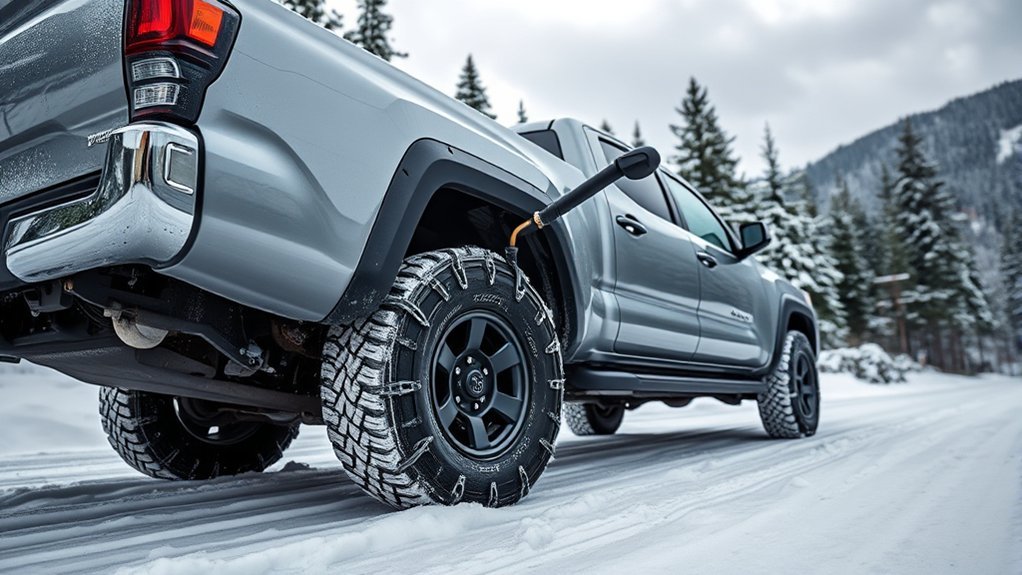
Installing snow chains on your Toyota Tacoma is easier if you practice once before the weather turns ugly. Use the instructions that came with your specific chain set, then follow this general process.
Most chain problems happen because the chains are the wrong size, installed loosely, or driven too fast. Fit them before the trip, retighten them after a short roll, and keep your speed low.
- Pull completely off the road. Use a safe turnout or chain-up area. Do not stop in a traffic lane.
- Confirm the correct tires. For many Tacomas this means the rear tires, but verify your owner’s manual first.
- Untangle and inspect the chains. Look for broken links, twisted cross-chains, damaged cables, or missing tensioners.
- Lay the chains out flat. Keep hooks, cams, or sharp ends facing away from the tire sidewall according to the chain instructions.
- Drape the chain over the tire. Center it across the tread so both sides hang evenly.
- Connect the inside fastener first. Then connect the outside fastener and remove as much slack as the design allows.
- Add tensioners if required. Some chains are self-tensioning; others need rubber tensioners or built-in cams.
- Roll forward slowly. Move the truck a short distance, then stop safely and retighten. Many chain instructions call for a check after about 100–200 feet or a short slow roll.
- Drive gently. Avoid hard throttle, hard braking, sharp turns, and high speed.
- Remove chains on clear pavement. When you pass the end of chain control or reach clear roads, pull off safely and remove them to avoid damage.
Caltrans notes that chain-control speed limits are commonly 25 or 30 mph. Also follow the lower of the posted speed limit and the chain manufacturer’s maximum speed.
[Products Worth Considering]

This car emergency kit keeps essential roadside tools organized in a durable, portable bag so you can respond quickly during common driving emergencies. It includes battery jumper cables, a bright LED headlight, first aid supplies, a tire pressure gauge, and safety essentials like gloves and an emergency poncho. Designed for trunk or storage use, it helps you be prepared for dead batteries, minor malfunctions, and unexpected roadside issues.

Upgrade your 2024-2026 Tesla Model 3 Highland with REEVAA all-weather mud flaps designed for seamless fit along the original body lines. The set of four delivers strong splash protection against mud, gravel, and road debris while using OEM-grade durable materials. Installation is non-destructive with original hole positions and snap-in clips, and the aerodynamic design helps minimize impact on efficiency.

This professional wheel and rim brush kit makes it easy to lift brake dust, grime, and dirt from wheels and tires without scratching finishes. The brushes feature soft, metal-free wool heads and a flexible 360-degree rim brush design for reaching hard-to-clean areas. Includes multiple brush types plus accessories for thorough car, motorcycle, and general vehicle detailing.
Troubleshooting: Chain Noise, Rubbing, and Poor Fit
A light clicking sound can be normal, but loud banging, heavy vibration, or steering interference means you should stop safely and inspect the chains immediately.
- The chain hits the fender or suspension: Remove it and do not keep driving. The chain may be the wrong size or the tire may not have enough clearance.
- The chain feels loose: Retighten it and confirm the tensioner is installed correctly.
- The truck still slides: Slow down, increase following distance, avoid sudden inputs, and consider turning around if conditions exceed your tire and chain setup.
- A cross-chain breaks: Stop safely and remove or repair the chain according to the manufacturer’s instructions. Do not drive with a broken chain whipping inside the wheel well.
- ABS or traction control feels different: Drive smoothly. Chains can change how traction systems respond on snow and ice.
Snow Tires, 4WD, Sandbags, and Other Traction Options
Snow chains are one tool, not the whole winter-driving plan. A Tacoma with 4WD and worn tires can still struggle. A Tacoma with quality winter-rated tires, proper tire pressure, good tread depth, and a careful driver may handle many snowy roads without installing chains until the law or conditions require them.
Snow tires or severe-snow-rated all-weather tires can improve cold-weather grip, but they do not replace chains when a chain law is active. Approved alternative traction devices, such as certain cable chains or textile traction devices, may be accepted in some states. Check the state DOT’s approved list before relying on them.
Adding weight to the bed can help some rear-wheel traction situations, but it is not a substitute for winter tires or chains. If you add weight, secure it so it cannot slide, and remember that extra weight can increase stopping distance.
The National Highway Traffic Safety Administration also recommends winter preparation such as checking tire pressure, inspecting tread and sidewalls, carrying a snow shovel, ice scraper, abrasive material, jumper cables, flashlight, warning devices, blankets, water, food, and a phone charger.
[Products Worth Considering]

These universal tire valve stem caps help protect valve cores from dust, debris, and moisture while helping maintain stable tire pressure. The corrosion-resistant metal construction and sealed design provide reliable protection in road grime, mud, and winter conditions. Twist-on installation makes them quick to fit on cars, SUVs, trucks, and motorcycles.

ETENWOLF T300 is a calibrated digital tire pressure gauge for accurate readings from 3 to 200 PSI across light and heavy-duty vehicles. It includes thermal compensation for reliable performance in extreme cold or heat, with an auto shut-off to extend battery life and an LED for easier reading. The sturdy design supports rugged everyday use, making it ideal for pickups, RVs, and industrial applications.
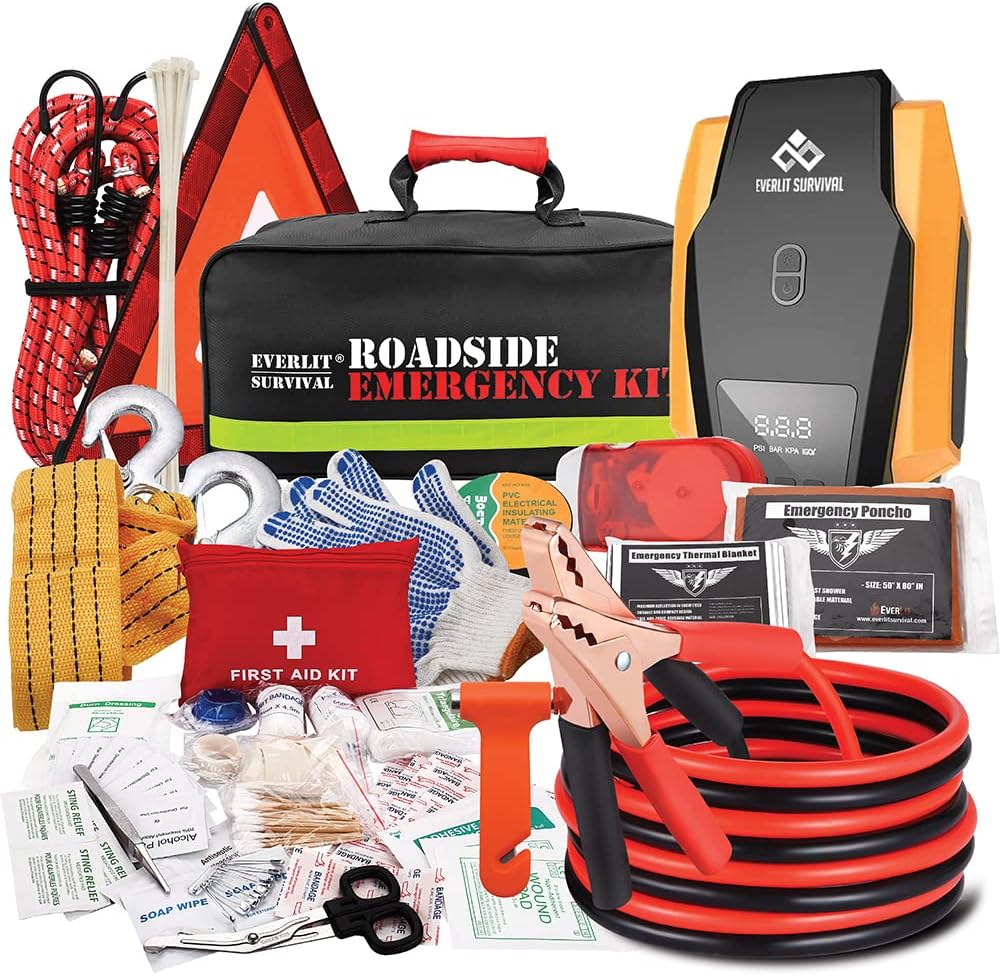
The Everlit Road Guardian emergency kit is designed for roadside breakdowns, combining essential safety gear and roadside tools in one compact bag. It includes a digital 12V auto tire inflator with preset and auto shutoff, plus 12-foot 8-gauge jumper cables to get you moving again. You also get a full 108-piece first aid kit, reflective warning tools, safety gloves, and emergency convenience items for safer travel.
Real-Life Experiences and Community Recommendations
Tacoma owners often report that good all-terrain or winter-rated tires handle light snow well, especially with 4WD engaged. That does not mean chains are unnecessary. Mountain conditions change quickly, and a shaded icy grade can defeat tires that felt fine a few miles earlier.
The best community advice is practical: practice installing chains in the driveway, carry them where you can reach them, check clearance if you run larger tires, and do not wait until you are stuck in the lane to learn how they work. If you travel through places like the Sierra Nevada, the Rockies, or high-elevation passes, being prepared matters more than proving your Tacoma can “make it.”
Frequently Asked Questions
Do Tacomas handle well in snow?
Yes, a Tacoma can handle snow well when it has proper tires, enough tread, correct tire pressure, 4WD used correctly, and a cautious driver. However, 4WD mainly helps you get moving. It does not eliminate the need for traction, braking distance, chains, or winter-rated tires on slick roads.
Do I need snow chains if my Tacoma is 4×4?
You may. In some R2-style chain-control areas, a 4WD Tacoma with proper snow-tread tires may only need to carry chains. In stricter conditions, such as R3 or a passenger vehicle chain law, chains or approved traction devices may be required even for 4WD vehicles.
Do you need snow chains on all 4 tires or just 2?
For many Toyota Tacomas, chains are installed on the rear tires only, but your owner’s manual is the final authority. Do not install chains on all four tires unless the manual and chain manufacturer both allow it and you have verified clearance.
Can I use snow socks instead of chains on a Tacoma?
Sometimes. Snow socks or other alternative traction devices may be allowed in some states or chain-control areas, but approval depends on the state, road, and active restriction. Check your state DOT’s approved traction-device list before relying on socks.
How fast can I drive a Tacoma with snow chains?
Drive slowly. Many chain-control areas use 25 or 30 mph limits, and many chain manufacturers set a maximum around 30 mph. Follow the lower limit, avoid hard acceleration, and stop if you hear banging or feel strong vibration.
Should I test-fit Tacoma snow chains before a trip?
Yes. Test-fitting is one of the best ways to avoid buying the wrong chain size or discovering a clearance problem during a storm. Practice on dry pavement, confirm the chain does not hit suspension or brake parts, and repack the chains neatly.
Conclusion
Snow chains are not always required on a Toyota Tacoma, but they are worth carrying when you drive into mountain snow, chain-control zones, or remote winter roads. The key is to use them correctly: match the chains to your exact tire size, follow your Tacoma owner’s manual for placement, install them only when conditions or signs call for them, drive slowly, and remove them on clear pavement. With the right tires, legal preparation, and a practiced chain setup, your Tacoma is far better prepared for winter travel.
Sources
- Toyota Customer Service — Which tires do I put snow chains/cables on? — supports vehicle-specific chain-placement guidance.
- Caltrans — Chain Controls / Chain Installation — supports R1/R2/R3 chain-control rules, speed guidance, and safe chain installation/removal practices.
- Colorado Department of Transportation — Passenger Vehicle Traction and Chain Laws — supports Colorado traction-law and passenger vehicle chain-law requirements.
- Colorado State Patrol — Chain Law Information — supports 4WD/AWD traction-law compliance options and chain-law details.
- AAA Oregon/Idaho — Winter Prep: Traction Devices and Snow Tires — supports chain sizing, pre-fitting, Class S clearance, retightening, and removal guidance.
- NHTSA — Winter Weather Driving Tips — supports winter tire checks, vehicle preparation, and emergency-supply recommendations.