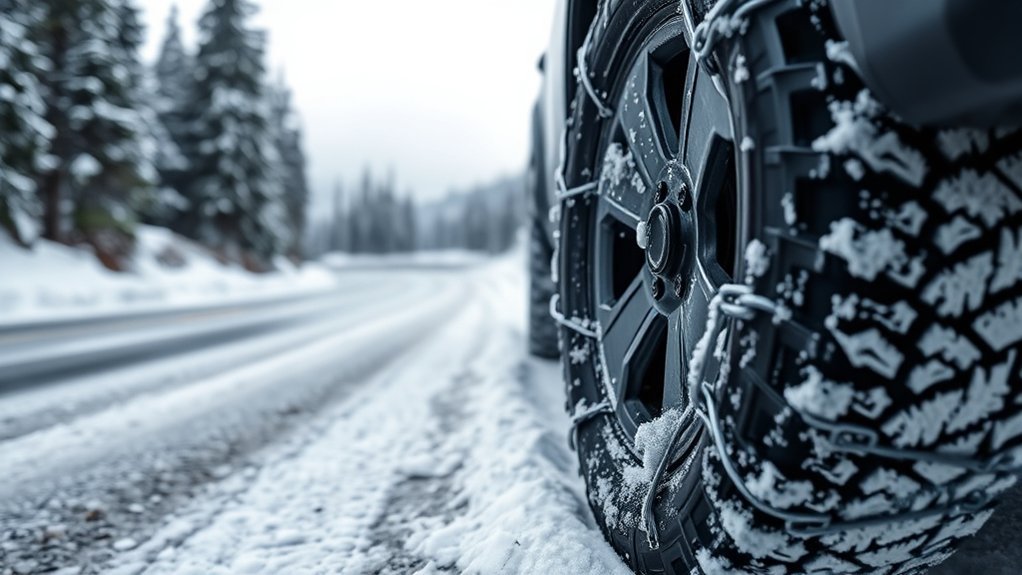
Tire chains are removable traction devices that wrap around your tires to help your vehicle grip snow, packed snow, and ice. They are most useful in mountain passes, chain-control areas, steep winter roads, and storms where regular tires may not have enough bite. They also require slow driving, correct fit, and careful removal once the road is clear.
Quick Answer
Tire chains are traction devices fitted around tires to improve grip on snow and ice. Use them when posted chain laws require them, when roads are steep or icy, or when your tires cannot maintain traction. Install them on the correct drive tires, drive slowly, and remove them on clear pavement.
Key Takeaways
- Tire chains improve traction by giving the tire a rough metal or cable surface that can bite into snow and ice.
- Use chains only when road conditions or posted chain-control signs call for them.
- Check your owner’s manual before buying chains because some vehicles require low-clearance traction devices.
- Install chains on the correct drive tires, then retighten them after a short roll so they do not slap, loosen, or damage the vehicle.
- Drive slowly with chains, often around 25–30 mph or less, and remove them as soon as you reach clear pavement.
At a Glance
| Time Required | 10–30 minutes for a first-time roadside install; faster after practice |
| Difficulty | Moderate the first time; easier if you test-fit them at home |
| Tools Needed | Correct-size chains, gloves, flashlight/headlamp, kneeling mat, tensioners if required, and a storage bag |
| Cost | Often about $50–$200+ to buy, depending on tire size and chain type; rentals vary by location |
What Are Tire Chains?
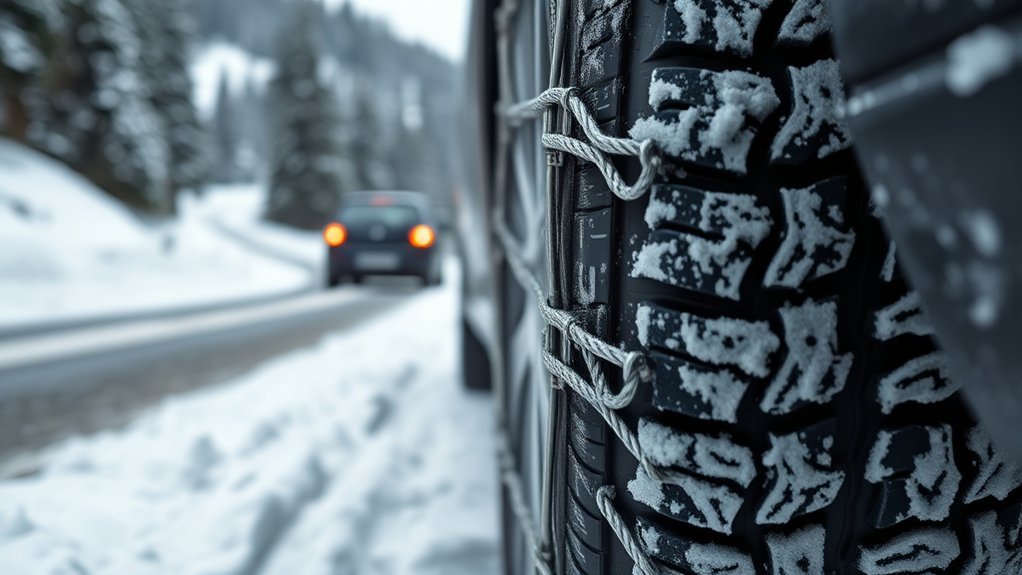
Tire chains, sometimes called snow chains, are traction devices you fit around a tire tread. Traditional chains use steel links, while lighter designs may use cables or textile traction socks. Their job is simple: create extra biting edges between the tire and the slippery road surface.
You normally use tire chains as temporary equipment, not as all-season tire replacements. They are helpful when snow or ice is deep enough that regular tires, all-season tires, or even winter tires may struggle to maintain grip.
The most important rule is fit. Chains must match your tire size, vehicle clearance, and drivetrain. A chain that is too loose can slap the wheel well, damage brake lines, scratch wheels, or break while moving. A chain that is too bulky for your vehicle can rub suspension or body parts.
Warning: Always check your owner’s manual before buying or installing tire chains. Some vehicles cannot use standard link chains and require low-clearance chains, cable chains, or another approved traction device.
Why Tire Chains Work on Snow and Ice
Tire chains work because they add hard edges and open spaces around the tire tread. Those edges dig into compacted snow and rough ice, while the open spaces help the tire avoid spinning on a smooth layer of snow or slush.
Chains Add Biting Edges
Rubber tires can slide when the road surface is glazed, packed, or polished. Chain links and cables create raised contact points that help the tire bite instead of skating across the surface. This improves starting, low-speed climbing, braking, and steering control.
Chains Help Most on Packed Snow
Chains are especially useful on packed snow because the links can dig into the snow layer and give the tire something to push against. On smooth glare ice, they still help, but they do not make the road safe at normal speeds. You still need gentle steering, gentle braking, and extra following distance.
| Surface | How Chains Help | Driver Caution |
|---|---|---|
| Packed snow | Links dig in and improve traction | Accelerate and brake gently |
| Ice | Metal edges add bite | Slow down more than usual |
| Slush | Extra edges help reduce spinning | Avoid sudden lane changes |
| Clear pavement | Little or no benefit | Remove chains to prevent damage |
Winter traction is not just about getting moving. The National Highway Traffic Safety Administration warns that slick or snow-covered roads make it harder to control or stop a vehicle, so drivers should slow down and increase following distance.
When to Use Tire Chains
Use tire chains when the road is covered in snow or ice, when you are climbing or descending steep winter roads, or when signs say chains are required. Chains are common in mountain passes, national parks, ski routes, and storm-prone highways where chain-control zones can change quickly.
In California chain-control areas, for example, Caltrans says drivers must stop and install chains when posted signs require them, and the chain-control speed limit is commonly 25 or 30 mph. In Sequoia and Kings Canyon National Parks, the National Park Service says all vehicles, including AWD and 4WD vehicles, must carry chains or cables when entering active chain-control zones.
Colorado uses traction and chain laws differently. When the Passenger Vehicle Chain Law is active, every vehicle must have chains or an approved alternative traction device. The lesson is simple: do not rely on a general rule from one state. Check the transportation department or park road page for the road you will actually drive.
Note: Chain laws can change during the same trip. You may enter a mountain area without installing chains, then need them later if a storm moves in or temperatures drop.
[Products Worth Considering]
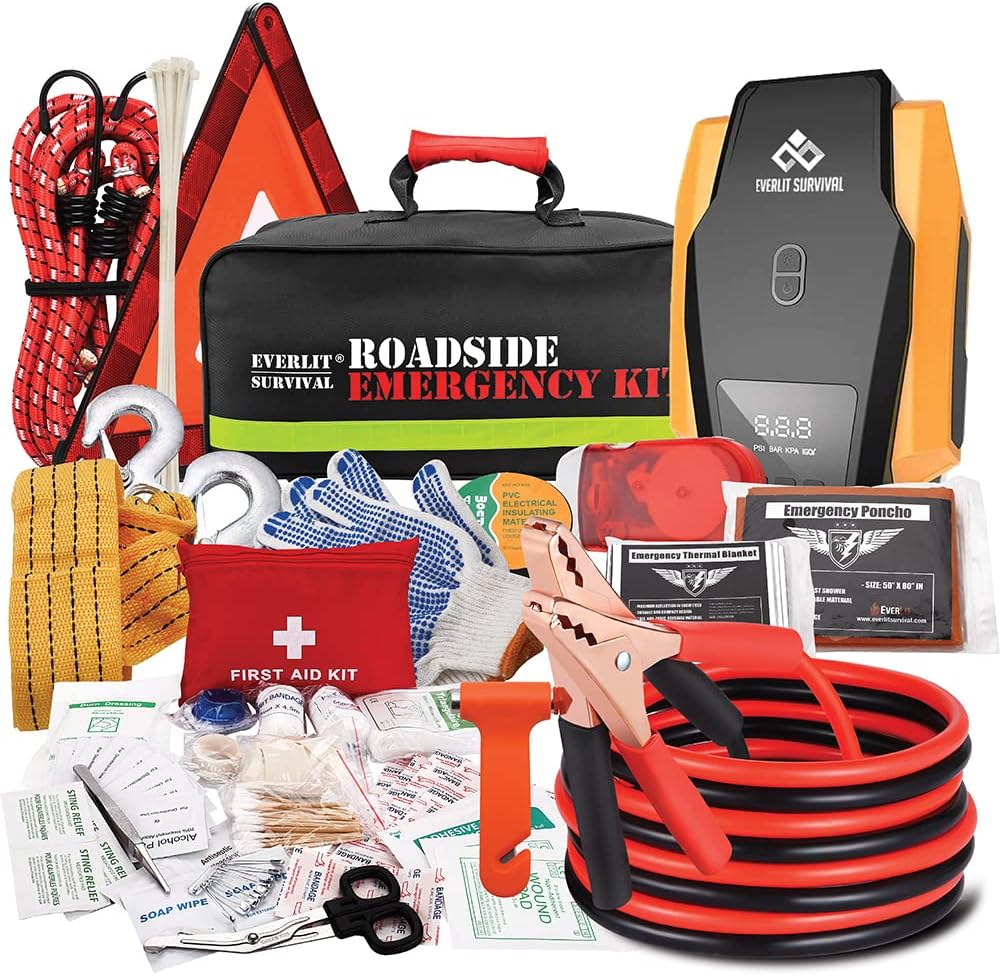
The Everlit Road Guardian emergency kit is designed for roadside breakdowns, combining essential safety gear and roadside tools in one compact bag. It includes a digital 12V auto tire inflator with preset and auto shutoff, plus 12-foot 8-gauge jumper cables to get you moving again. You also get a full 108-piece first aid kit, reflective warning tools, safety gloves, and emergency convenience items for safer travel.

Milton S-921 pencil tire pressure gauge helps you maintain optimal tire pressure for passenger cars with accurate readings in PSI and kPa. It features a built-in deflator valve for convenient pressure adjustments, plus a single chuck head and nylon indicator bar for easy use on the go. Built from durable plated brass and designed for reliable performance, it’s a practical road trip and cold-weather maintenance tool.

This 1/2-inch drive breaker bar delivers powerful leverage for loosening and tightening stubborn lug nuts and automotive fasteners. The 180-degree flex head helps you reach tight spaces at the angle you need, making tire and brake jobs easier. A spring-loaded ball detent design holds 1/2-inch sockets securely while the chrome-moly head provides durable strength for everyday use.
How to Choose the Right Tire Chains
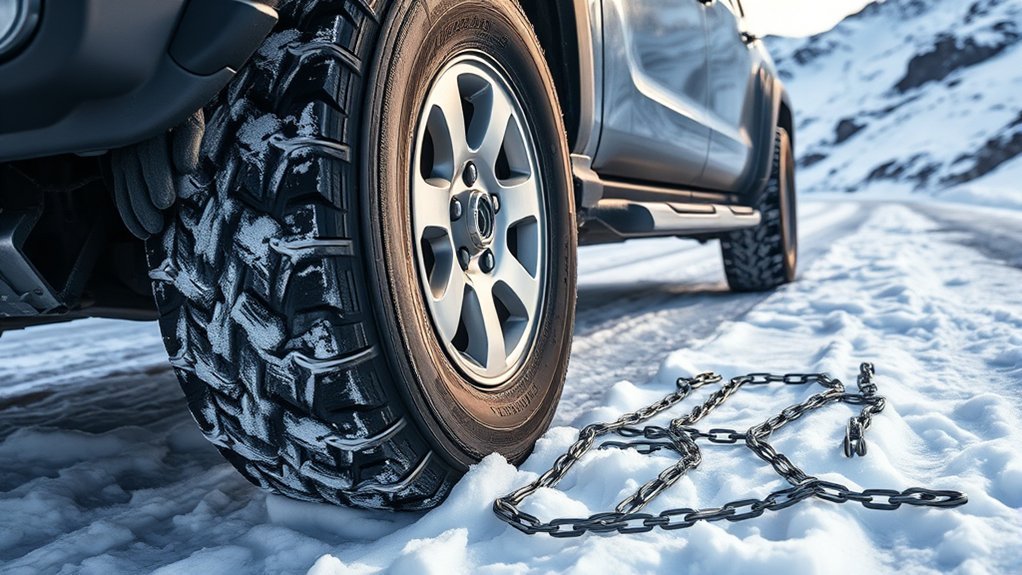
Choosing the right tire chains starts with the tire size printed on your tire sidewall. It usually looks like a code, such as 225/65R17 or 265/70R16. Match that exact size to the chain manufacturer’s fit chart, then confirm that your vehicle has enough clearance.
[Products Worth Considering]

Replace worn tires quickly with this universal 4.80/4.00-8 tire and inner tube set designed for wheelbarrows and outdoor utility carts. The ribbed tread helps reduce turf damage while the natural rubber construction supports longer service life. Compatible with 15.5-inch outer diameter, 4-inch width, and 8-inch rim diameter wheels, it uses a straight TR-13 valve stem for easy installation. For best results, inflate with a manual pump and do not exceed 25 PSI.

Monitor tire tread wear with a smart, color-coded depth gauge that shows clear condition ranges at a glance. The bar is range marked for fast, easy readings, helping you maintain safer traction and performance. Each gauge is portable with a pocket clip, and the set includes 20 units for daily use and sharing.

Secure your parked vehicle quickly with AFA Tooling 4T rubber wheel chocks in a 4-pack for two dual-wheel sets. The ribbed design and textured base grip fast without pounding, so you can chock tires on trailers, RVs, ATVs, and work vehicles with confidence. EZ rustproof handles with rope ties keep the pair together for easy placement and removal, while nylon-reinforced rubber stands up to dirt, ice, salt, and harsh weather.
Check Tire Size and Clearance
Do not buy chains by vehicle model alone. Tire size, aftermarket wheels, tire upgrades, and suspension changes can all affect fit. Look for clearance around the fender, brake lines, struts, control arms, and inner wheel well. If your owner’s manual says to use only low-clearance traction devices, do not use bulky ladder-style chains.
Choose the Right Chain Type
| Type | Best For | Watch Out For |
|---|---|---|
| Link chains | Strong bite in snow and ice | May need more clearance and can ride rougher |
| Cable chains | Lighter use and tighter wheel wells | Usually less aggressive than link chains |
| Textile snow socks | Low-clearance vehicles and emergency use where approved | Can wear quickly on pavement and may not be legal everywhere |
| Diamond-pattern chains | Smoother traction and better side grip than basic ladder chains | Can cost more |
| Automatic chains | Commercial trucks and specialty fleet vehicles | Not common for normal passenger vehicles |
Match Chains to Your Driving
If you only need chains for an occasional ski trip or mountain pass, a simple cable or link chain may be enough. If you drive in severe winter conditions often, invest in easier-installing chains with good tensioners. If your vehicle has limited clearance, prioritize the owner’s manual over price.
Pro Tip: Test-fit new chains at home before your trip. It is much easier to learn the hooks, latches, and tensioners in a driveway than on the shoulder of a snowy road.
Where to Install Tire Chains
Install chains where the vehicle maker, chain maker, and road authority tell you to install them. If those sources differ, follow posted chain-control instructions and your owner’s manual first.
| Vehicle Type | Common Chain Placement | Important Note |
|---|---|---|
| Front-wheel drive | Front tires | Front tires handle both power and steering. |
| Rear-wheel drive | Rear tires | Extra caution is needed when braking and steering downhill. |
| AWD or 4WD | Owner’s manual; often one drive axle or all four tires | All four can improve balance, but some vehicles specify a preferred axle. |
| Towing a trailer | Vehicle drive axle, and sometimes trailer axle if brakes are fitted | Rules vary by state and chain-control level. |
How to Install Tire Chains Safely
Install tire chains before you are stuck, not after. Pull completely out of the traffic lane into a chain-up area, turnout, parking lot, or other safe flat spot. Turn on hazard lights, set the parking brake, and keep passengers away from traffic.
Prep Your Vehicle
- Check the tire size and confirm the chains are for that exact size.
- Read the chain manufacturer’s instructions before you leave home.
- Untangle the chains and inspect for broken links, worn cables, missing hooks, or damaged tensioners.
- Lay the chains flat so the gripping side faces the road and sharp hooks do not face the tire sidewall.
- Keep gloves, a flashlight, and a small kneeling mat in the chain bag.
Position and Secure Chains
Most manual chains install by draping or laying the chain around the tire, connecting the inside fastener, connecting the outside fastener, centering the chain on the tread, and tightening it. Some designs require you to drive forward a short distance to complete the connection. Follow your chain’s instructions exactly.
| Step | Action | Goal |
|---|---|---|
| 1 | Lay out and untwist the chain | Avoid tangles and uneven tension |
| 2 | Center it over the tire tread | Keep traction even across the tire |
| 3 | Connect inside and outside fasteners | Secure the chain around the tire |
| 4 | Tighten or add the tensioner if required | Reduce slap and looseness |
| 5 | Roll forward slowly and recheck | Confirm the chain is seated correctly |
Drive and Retighten
After installation, drive forward slowly for a short distance, then pull over safely and retighten the chains. Many chain guides recommend a short first-roll check because chains can settle into the tire tread after moving. If the chain is loose, twisted, rubbing, or hitting the wheel well, fix it before continuing.
How to Drive Safely With Tire Chains
Driving with chains feels different. The ride is louder and rougher, steering response changes, and braking still takes extra distance. Keep your speed low, avoid sudden moves, and stay alert for chain noise.
- Follow the chain manufacturer’s speed limit and posted chain-control speed limit.
- Expect many chain-control areas to limit speed to about 25–30 mph.
- Accelerate slowly so the tires do not spin inside the chains.
- Brake early and gently to avoid skidding.
- Leave extra following distance.
- Avoid dry pavement whenever possible.
- Do not use cruise control on snowy or icy roads.
- Pull over safely if you hear loud slapping, scraping, or repeated banging.
Warning: Never keep driving with a broken or loose chain. A loose chain can damage tires, wheels, brake lines, fenders, and suspension parts.
When to Remove Tire Chains
Remove chains as soon as you are back on clear pavement or after you pass the end of a chain-control zone and can pull off safely. Do not stop in a traffic lane to remove them. Driving on bare pavement with chains can wear out the chains, damage the road surface, reduce handling, and create unnecessary vibration.
After removal, shake off packed snow, place the chains in a bag or bin, and clean them when you get home. If they were exposed to road salt, rinse them, dry them completely, and inspect each link or cable before storing them.
Common Tire Chain Problems and Fixes
| Problem | Likely Cause | Fix |
|---|---|---|
| Slapping noise | Chain is loose or off-center | Pull over safely, recenter, and retighten. |
| Rubbing wheel well | Wrong size or not enough clearance | Remove and use the correct low-clearance device. |
| Heavy vibration | Uneven tension or broken cross link | Stop, inspect, repair, or remove the chain. |
| Vehicle still slides | Too much speed, glare ice, or poor tires | Slow down, increase following distance, or wait for safer conditions. |
| Chain will not fit | Wrong tire size or tangled chain | Do not force it. Check the tire size and chain chart. |
Tire Chains vs. Snow Tires and Cables
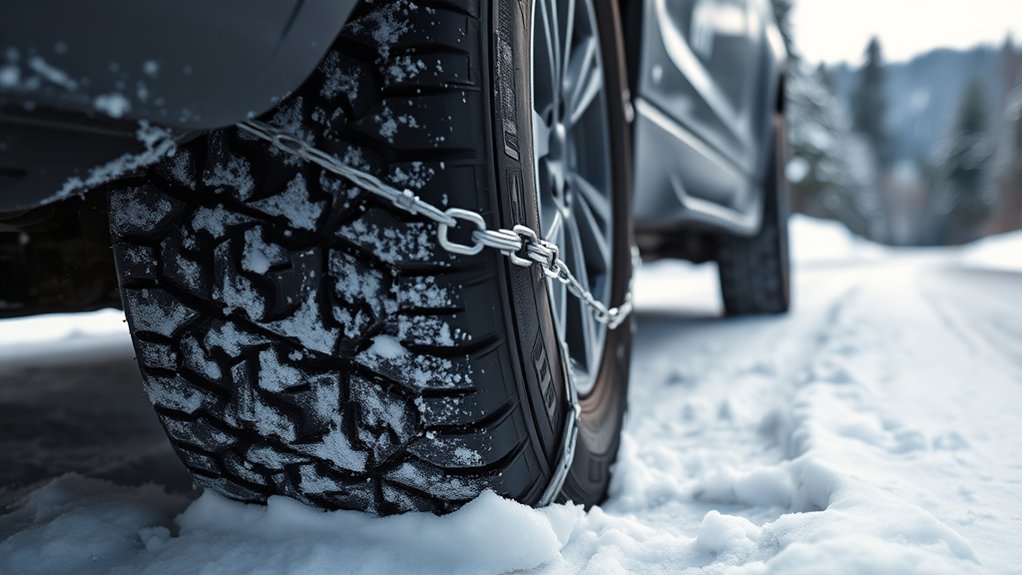
Tire chains, winter tires, and cable chains solve different winter-driving problems. The right choice depends on how often you drive in snow, how severe the roads are, and what the law requires where you travel.
| Option | Best Use | Main Limitation |
|---|---|---|
| Tire chains | Steep roads, packed snow, ice, chain-law areas | Slow speed, rough ride, remove on clear pavement |
| Cable chains | Lighter snow use and some low-clearance vehicles | Usually less aggressive traction than link chains |
| Winter tires | Regular cold-weather driving, snow, slush, and winter rain | May still need chains where chain laws require them |
| Textile snow socks | Emergency traction and tight-clearance vehicles where approved | Wear faster on pavement and may not meet every chain law |
If you drive in cold weather all season, winter tires are usually the better daily solution. If you only need emergency traction for mountain routes or posted chain controls, tire chains are a practical tool to carry. In the harshest conditions, you may need both winter tires and chains.
[Products Worth Considering]

This car emergency kit keeps essential roadside tools organized in a durable, portable bag so you can respond quickly during common driving emergencies. It includes battery jumper cables, a bright LED headlight, first aid supplies, a tire pressure gauge, and safety essentials like gloves and an emergency poncho. Designed for trunk or storage use, it helps you be prepared for dead batteries, minor malfunctions, and unexpected roadside issues.

TIRESHIELD PRO RV tire covers in a set of four deliver year-round protection against UV rays, cracking, fading, water, and snow. The StormLock-System helps keep the covers securely fastened through high wind, while heavy-duty, double-stitched construction supports long-lasting performance. Designed for universal fit, they’re intended for RV, camper, truck, car, and trailer tires within the 26–28.75 inch diameter range, with easy wipe-clean care and storage in the included bag.
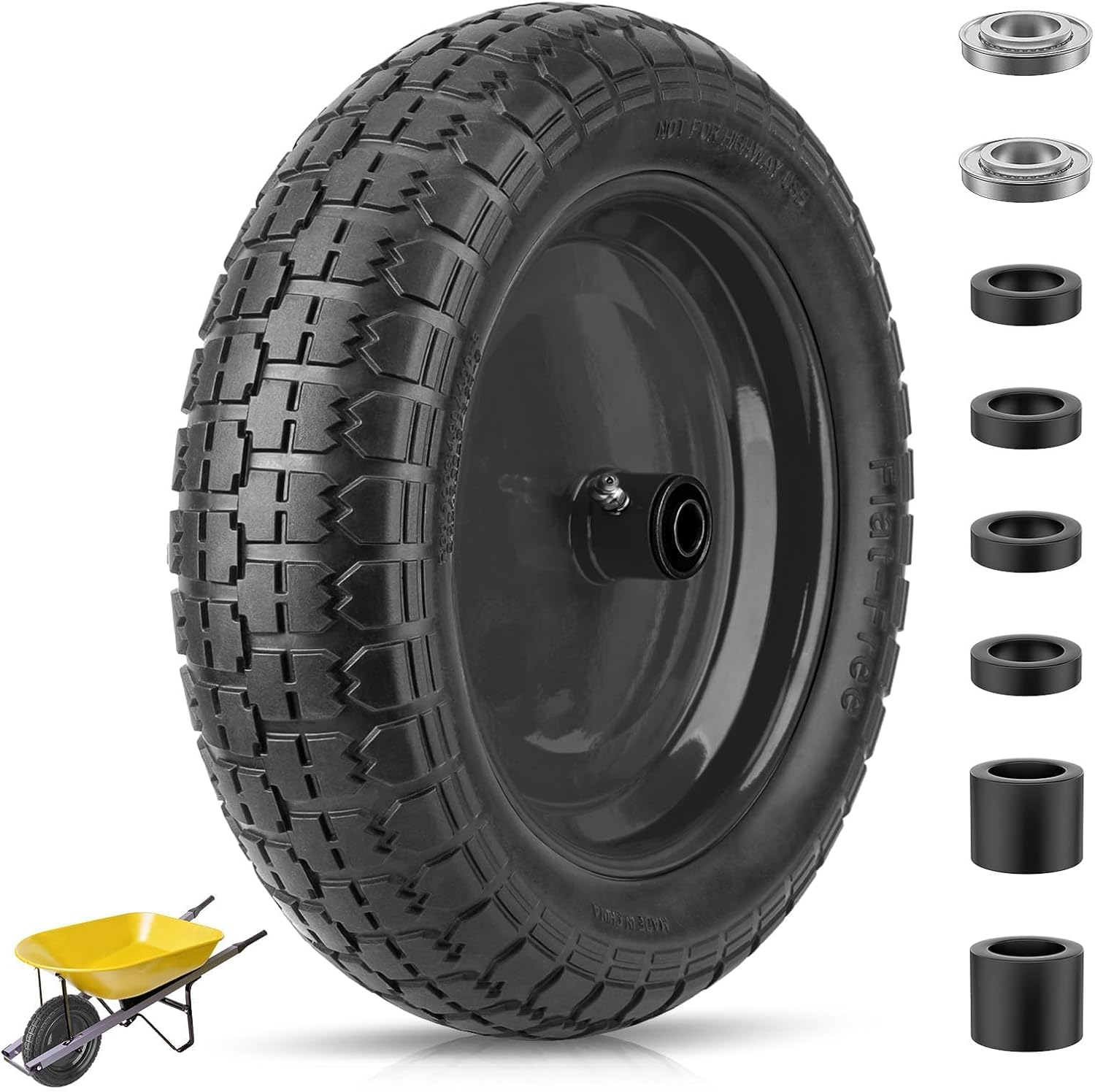
This flat-free TICONN wheelbarrow tire features durable polyurethane foam construction that never needs inflation, helping prevent punctures and reducing maintenance on rough outdoor terrain. With a 300 lb max load capacity and stable steel rim design, it supports safer transport for yard work and hauling tasks. An adapter kit with ball bearings and nylon spacers is included for easier fit and customization across common wheelbarrow and cart axle setups.
Frequently Asked Questions
How fast can you drive with chains on?
You should usually drive no faster than the chain manufacturer’s limit and the posted chain-control speed limit. In many chain-control areas, that means about 25–30 mph or less. If the road is icy, visibility is poor, or the chains feel unstable, slow down more.
Do tire chains damage tires?
Tire chains can damage tires if they are the wrong size, installed loosely, driven too fast, or used on clear pavement. Correctly fitted chains used at low speed on snow or ice should not damage healthy tires during normal short-term use.
Do I need chains for Sequoia?
If you mean a Toyota Sequoia SUV, check the owner’s manual for approved chain type, tire size, and axle placement. If you mean Sequoia and Kings Canyon National Parks, the National Park Service says all vehicles, including AWD and 4WD vehicles, must carry chains or cables when entering active chain-control zones.
Do you need chains on all four tires or just two?
Many vehicles use chains on the drive tires only: front tires for front-wheel drive and rear tires for rear-wheel drive. AWD and 4WD vehicles depend on the owner’s manual, chain type, and local rules. Some situations call for one axle; others may recommend or require all four tires for better balance.
Can you drive on pavement with tire chains?
Avoid driving on clear pavement with tire chains. A short transition may be unavoidable, but chains are meant for snow and ice. Remove them once the road is clear and you can pull off safely.
Are cable chains as good as regular tire chains?
Cable chains are lighter and can be easier to fit on some low-clearance vehicles, but traditional link chains usually provide stronger bite in severe snow or ice. The best choice depends on your vehicle clearance, tire size, road conditions, and local chain-law approval.
Do AWD or 4WD vehicles still need chains?
Yes, sometimes. AWD and 4WD help you get moving, but they do not guarantee braking or steering grip on ice. Chain-control signs may still require you to carry or install chains, even if your vehicle has AWD or 4WD.
Conclusion
Tire chains are a smart winter safety tool when snow, ice, steep grades, or chain-control laws make extra traction necessary. They are not a license to drive fast, and they are not a substitute for good winter tires, safe speed, or careful judgment. Choose chains that fit your exact tire size and vehicle clearance, practice before your trip, install them on the correct tires, retighten after a short roll, and remove them once the pavement is clear.
Sources
- Caltrans — Chain Controls / Chain Installation — chain-control signs, speed limits, removal guidance, and California chain requirement levels
- Caltrans — Chain Requirements — drive-axle placement, AWD/4WD placement guidance, and California chain-control details
- National Park Service — Winter Driving & Tire Chains, Sequoia & Kings Canyon — park chain-control rules, 25 mph guidance, and chain-carry requirements
- Colorado Department of Transportation — Passenger Vehicle Traction and Chain Laws — traction law and passenger vehicle chain law examples
- NHTSA — Winter Weather Driving Tips — winter driving safety, slowing down, following distance, and vehicle preparation
- AAA Oregon/Idaho — Winter Prep: Traction Devices and Snow Tires — chain sizing, installation, retightening, clearance, and removal guidance