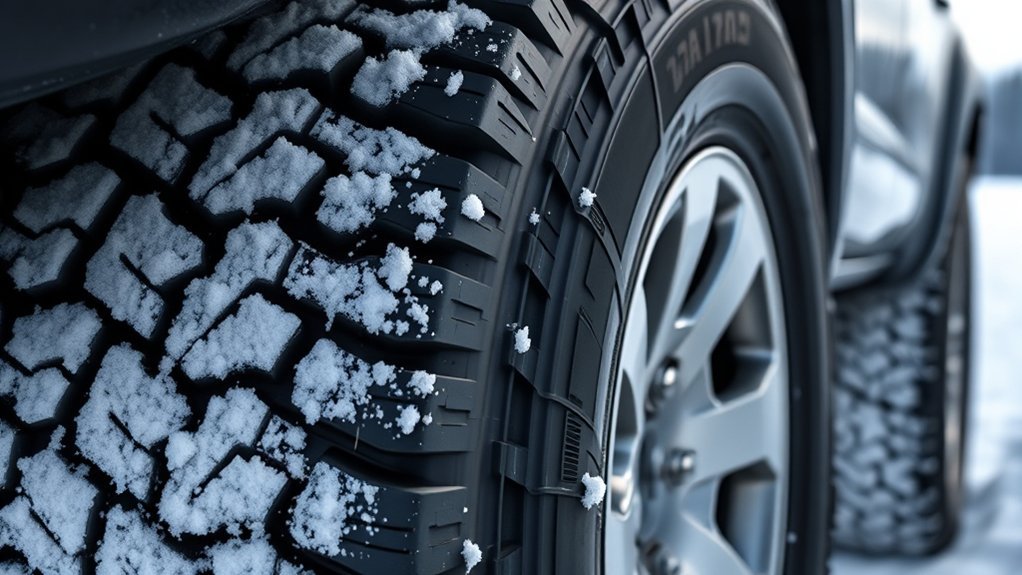
Choosing winter tires for a Toyota Tacoma is not just about buying the most aggressive-looking tread. The safest choice depends on where you drive, how often you see ice, whether you use 4WD, and whether you need true winter braking or year-round all-terrain durability. For most Tacoma owners, the best setup is either a dedicated winter tire for heavy snow and ice or a 3PMSF-rated all-terrain tire for mixed winter driving.
Quick Answer
For regular snow and ice, a dedicated winter tire such as the Bridgestone Blizzak IcePeak, Bridgestone Blizzak DM-V2, Michelin X-Ice Snow+, or Dunlop Winter Maxx SJ8 is the safest choice for a Tacoma. For mixed highway, trail, and occasional snow use, choose a 3PMSF-rated all-terrain tire such as the BFGoodrich All-Terrain T/A KO3 or KO2, Falken Wildpeak A/T3W, or Toyo Open Country A/T III.
Key Takeaways
- Choose dedicated winter tires if your Tacoma regularly sees packed snow, black ice, freezing rain, mountain passes, or long winter commutes.
- Choose 3PMSF-rated all-terrain tires if you need one tire for mild winter roads, dirt, gravel, camping, and occasional snow.
- Do not treat 4WD as a substitute for winter tires. Four-wheel drive helps you get moving, but tires do the stopping and turning.
- Always match your Tacoma’s tire size, load index, speed rating, and cold PSI to the door placard or owner’s manual.
- Before buying Toyo Open Country A/T III tires, check Toyo’s current recall page and verify the DOT/size details with the seller.
Choosing the Right Tires for Snow and Ice on Your Tacoma
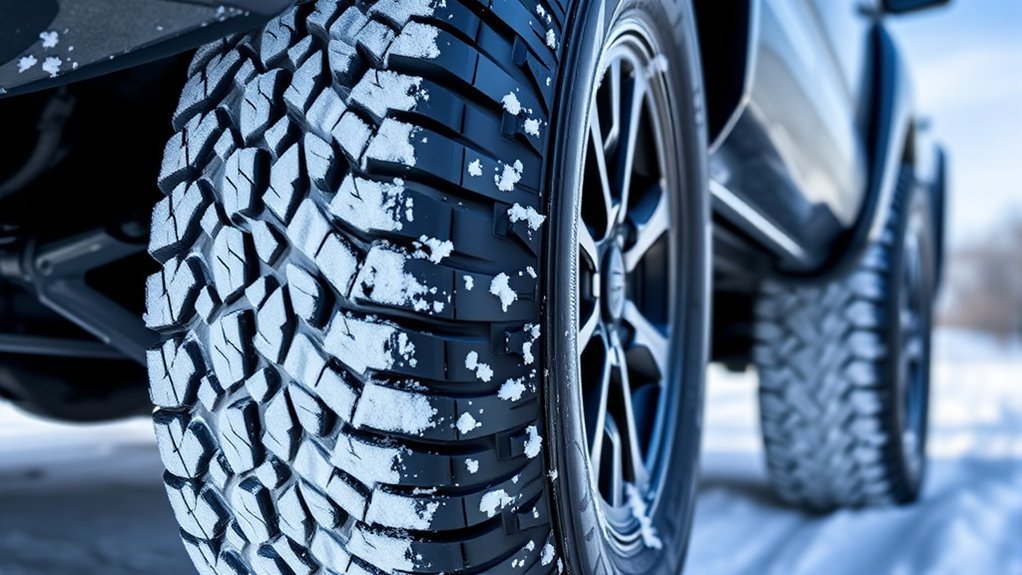
The right Tacoma winter tire depends on the worst road you expect to drive, not the best road. A tire that feels fine on cold pavement can struggle on black ice, and an aggressive mud-terrain tire can pack with snow or slide on frozen intersections.
If your winter driving includes frequent ice, freezing rain, steep driveways, ski trips, or unplowed roads, start with a dedicated winter tire. If your winter is mostly cold rain, occasional snow, gravel roads, and light trail use, a 3PMSF-rated all-terrain tire can be a practical compromise.
Warning: Never install only two winter tires on a Tacoma. Use four matching tires with similar tread depth, construction, size, and load rating. Mixing winter tires with all-season or all-terrain tires can create unstable handling, especially when braking or turning on ice.
Winter Tires vs. All-Terrain Tires for a Tacoma
A dedicated winter tire is built for cold-weather traction. It uses a softer compound, dense siping, and tread blocks designed to grip snow, slush, and ice. An all-terrain tire is built for durability across pavement, gravel, dirt, and mild snow. Some all-terrain tires carry the Three-Peak Mountain Snowflake symbol, but that does not automatically make them equal to a true winter tire on glare ice.
| Tire Type | Best For | Trade-Off |
|---|---|---|
| Dedicated winter tire | Ice, packed snow, slush, mountain roads, freezing temperatures | Should be removed when weather warms; not ideal for off-road rocks or year-round use |
| 3PMSF all-terrain tire | Occasional snow, gravel, camping, dirt roads, mixed use | Usually weaker than winter tires on ice and cold-weather braking |
| Standard all-season tire | Mild climates with light cold rain and rare snow | Not the best choice for repeated snow, ice, or mountain winter driving |
| Mud-terrain tire | Mud, rocks, off-road use, deep loose terrain | Can be loud, heavy, and less predictable on ice unless specifically winter-rated |
[Products Worth Considering]

Monitor tire tread wear with a smart, color-coded depth gauge that shows clear condition ranges at a glance. The bar is range marked for fast, easy readings, helping you maintain safer traction and performance. Each gauge is portable with a pocket clip, and the set includes 20 units for daily use and sharing.

These aluminum alloy tire valve stem caps with an O-ring seal help protect valve stems from corrosion while adding a clean, stylish look to your vehicle. The universal fit works across cars, trucks, motorcycles, bicycles, and more, making them an easy upgrade for everyday driving and off-road use. Installation is quick, and the included four-pack keeps all your tires dressed and protected.

Steelman white tire marking crayons provide high-contrast, semi-permanent marks for repairing and inspecting tires and equipment. They write on wet or dry, smooth or coarse surfaces including rubber, metal, glass, and wood, making them ideal for puncture location and damage outlining. The lead- and zinc-free crayons resist weather and fading yet wipe away when you no longer need the marks.
Best Dedicated Winter Tires for Toyota Tacoma Snow and Ice
If safety on ice matters more than off-road toughness, start here. A Tacoma is heavier than a small car, and winter braking depends heavily on the tire compound and tread design. Check each model in your exact Tacoma tire size before buying.
| Tire | Best Use | Why It Fits a Tacoma |
|---|---|---|
| Bridgestone Blizzak IcePeak | Updated Blizzak option for snow and ice | Bridgestone launched IcePeak in 2026 with an optimized winter compound based on proven Blizzak WS90 and DM-V2 technology. Check Tacoma fitment availability before ordering. |
| Bridgestone Blizzak DM-V2 | SUV/light-truck winter driving | A well-known studless winter tire for SUVs, CUVs, and light trucks. It remains worth considering where available in the correct Tacoma size. |
| Michelin X-Ice Snow+ | Long winter commutes and cold highway driving | Michelin positions X-Ice Snow+ for braking across ice, snow, wet, and dry winter conditions using its FLEX-ICE 3.0 tread compound. |
| Dunlop Winter Maxx SJ8 | Value-focused SUV and light-truck winter setup | Designed for SUVs and crossovers, with silica compound, 3D sipes, and directional tread for snow, ice, wet roads, and cold conditions. |
Pro Tip: If you plan to keep your Tacoma for several winters, consider a second set of winter wheels. A dedicated winter wheel-and-tire setup makes seasonal swaps faster and helps protect your main wheels from salt and winter road damage.
[Products Worth Considering]

Keep your tires properly inflated with this analog VONDIOR tire pressure gauge, designed for fast, easy readings without batteries. The swiveling, two-axis hose and large glow dial help you measure at any tire angle with instant visibility. Built with a protective rubber shield, it supports durable, low-maintenance use for cars and trucks.
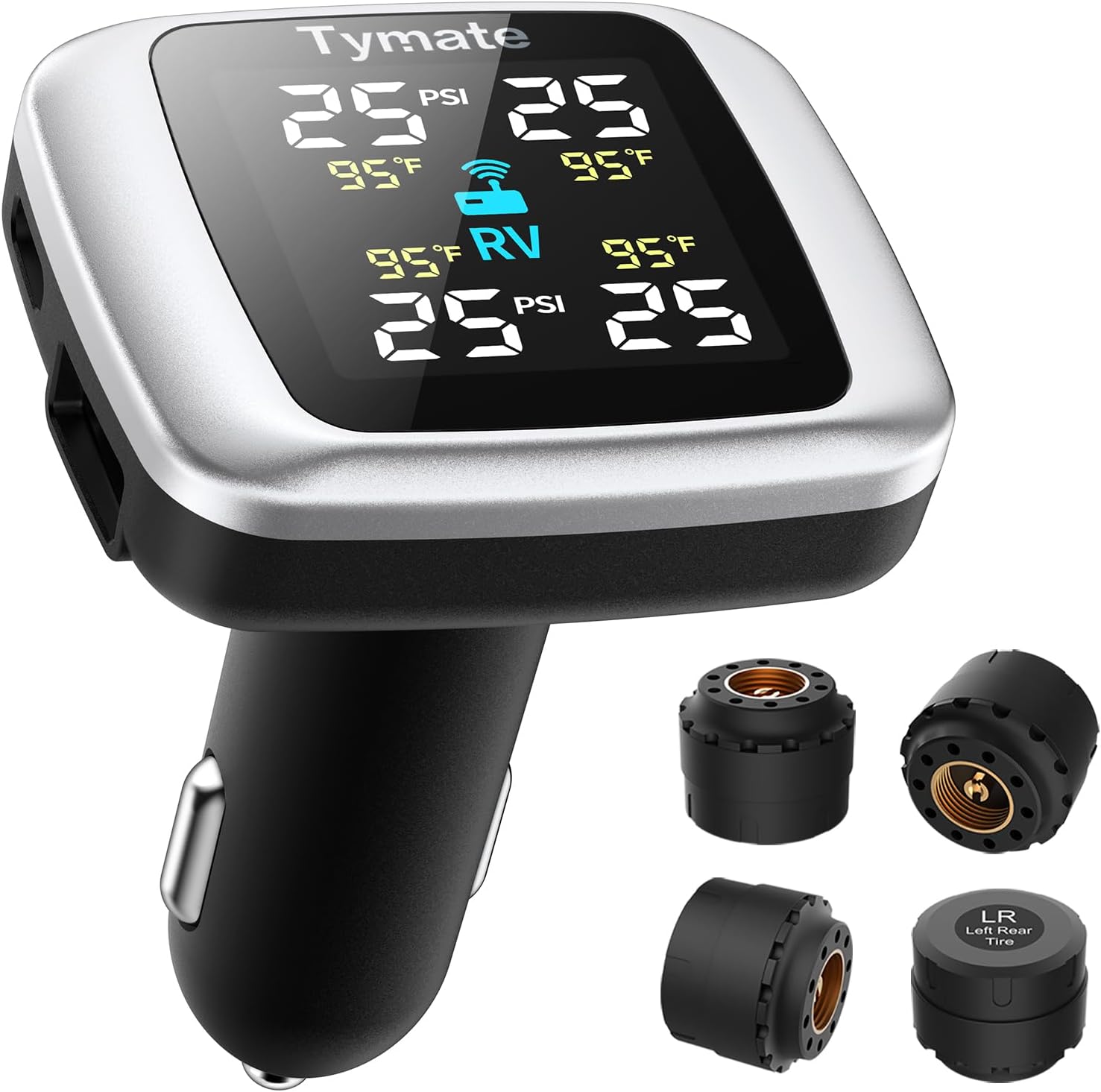
Tymate TM7 is a wireless tire pressure monitoring system that delivers real-time pressure and temperature readings for safer driving. It includes four external sensors, a bright color LCD display with adjustable backlight, and six alarm modes for high/low pressure, fast leakage, high temperature, and sensor signal or battery issues. The system covers a wide 0–144 PSI range and plugs into your vehicle’s cigarette lighter socket for quick DIY setup.

Measure tire tread depth quickly and accurately with this LUMITECO dial gauge that reads in 1/32" increments up to 14/32". The color-coded green/yellow/red zones make it easy to judge tire wear and know when replacement is needed. A rugged, compact design with a protective pouch helps keep the gauge ready for use on cars, trucks, motorcycles, and more.
Top Performance Features to Look for in Winter Tires
When comparing winter tires for a Tacoma, do not judge by tread aggression alone. Look for the features that improve braking, turning, and control in real winter conditions.
- Three-Peak Mountain Snowflake rating: This symbol means the tire meets severe snow-service requirements. It is useful, but it is not a full ice-braking guarantee.
- Dense siping: Small cuts in the tread create biting edges that help grip packed snow and slick surfaces.
- Cold-flexible rubber compound: Winter tires stay more flexible in freezing temperatures than many all-season or off-road tires.
- Open tread channels: Grooves help move slush and water away from the contact patch.
- Correct load rating: A Tacoma tire must support the truck, passengers, cargo, accessories, and tongue weight if towing.
- Predictable highway manners: A good winter tire should stop and turn confidently, not just dig through deep snow.
Best All-Terrain Tires for Winter Driving
All-terrain tires make sense if your Tacoma is a daily driver, camping truck, overland build, or work truck that sees dirt and gravel along with winter roads. For snow use, prioritize all-terrain tires carrying the Three-Peak Mountain Snowflake symbol.
[Products Worth Considering]

Upgrade your Toyota’s wheels with durable aluminum alloy valve stem caps that help protect valve cores from corrosion and direct exposure to road grime, clay, water, and snow. Rubber rings improve sealing to help prevent air leakage and maintain stable tire pressure for safer driving. These caps are easy to install or remove without tools and add a unique, stylish look to your car.

The SAFELIFE dial tire tread depth gauge measures tread depth in 1/32 inch increments with clear, easy-to-read 2-inch dial face. Color zones using a traffic light system help you quickly judge whether tread is low, marginal, or ample for safer driving. Built with a durable zinc cast body and a metal detect probe for precise, comfortable use across cars, motorcycles, trucks, and buses.

These universal tire valve stem caps help protect valve cores from dust, debris, and moisture while helping maintain stable tire pressure. The corrosion-resistant metal construction and sealed design provide reliable protection in road grime, mud, and winter conditions. Twist-on installation makes them quick to fit on cars, SUVs, trucks, and motorcycles.
Key Features to Consider
For a winter-capable Tacoma all-terrain tire, look for 3PMSF certification, strong wet traction, deep siping, enough void area to clear snow, and a size that matches your Tacoma without rubbing. If you drive more ice than dirt, choose a winter tire instead of a rugged-looking all-terrain.
Note: The Three-Peak Mountain Snowflake symbol is helpful for snow traction, but it does not mean every 3PMSF all-terrain tire will brake like a dedicated winter tire on polished ice.
Top Tire Recommendations
| Tire | Best For | Winter Notes |
|---|---|---|
| BFGoodrich All-Terrain T/A KO3 | Balanced all-terrain use with updated design | KO3 is the newer successor to KO2 and is 3PMSF-rated in available fitments. Check your Tacoma size because the rollout has been phased. |
| BFGoodrich All-Terrain T/A KO2 | Proven off-road and winter-capable all-terrain use | Still a popular 3PMSF-rated option, especially where KO3 is not available in the desired size. |
| Falken Wildpeak A/T3W | Quiet all-terrain driving with good snow capability | Known for a winter-friendly all-terrain design and 3PMSF certification. Confirm availability because newer Falken lines may replace some fitments. |
| Toyo Open Country A/T III | Mixed road, trail, and snow use | A strong all-terrain option, but buyers should check Toyo’s current recall campaign page and verify that their exact size and DOT code are not affected. |
| Toyo Open Country R/T Trail | Deeper snow and rugged-terrain use | Better for loose snow and dirt than polished ice. Choose carefully if winter braking is your top concern. |
| Nitto Ridge Grappler | Rugged looks and off-road traction | Useful for off-road conditions, but not the first choice for icy commuting unless winter performance is verified in your exact size. |
Performance Comparisons in Snow
For packed snow and ice, dedicated winter tires usually give the most secure braking and steering. For loose snow on trails or unplowed roads, a 3PMSF all-terrain tire with deeper voids can work well, especially when paired with careful throttle use and proper tire pressure.
The mistake is choosing a tire only because it looks aggressive. Some aggressive tires have large tread blocks but fewer biting edges, which can reduce control on ice. A Tacoma used for winter commuting should prioritize braking and steering grip before appearance.
Why Snow Tires Are a Must for Your Tacoma
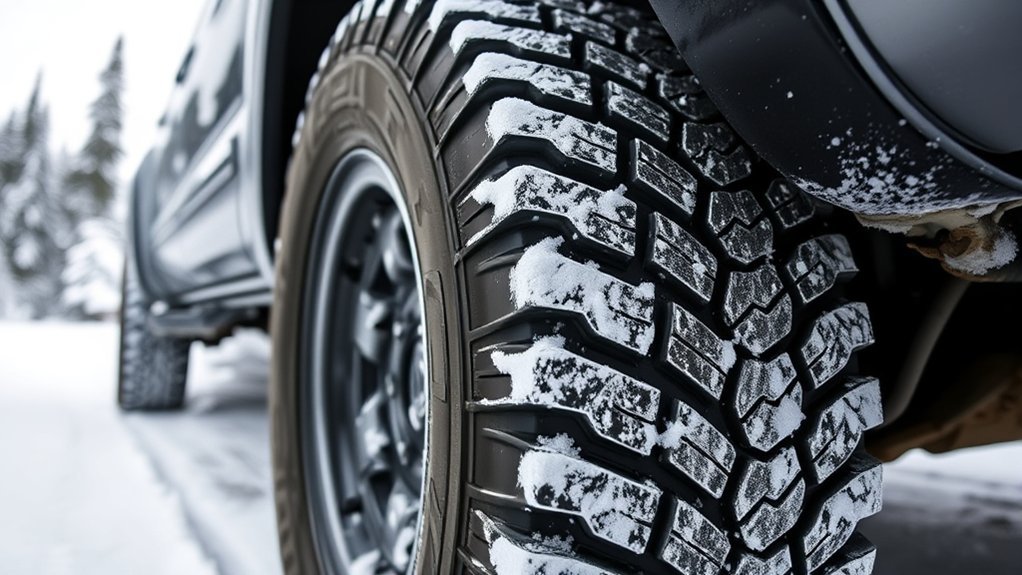
A Toyota Tacoma can be good in snow when it has the right tires, sensible speed, and appropriate drive mode. Four-wheel drive helps the truck move forward, but it does not magically improve braking on ice. Your tires still determine how much grip you have when stopping, cornering, and avoiding hazards.
The best winter upgrade for a Tacoma is not more throttle or a more aggressive tire pattern. It is a tire compound and tread design that can stay flexible, bite into snow, and maintain control in freezing conditions.
If your Tacoma is used in a snowy region every winter, dedicated winter tires are worth the extra seasonal swap. If you only see a few storms per year, a severe-snow-rated all-terrain tire may be enough, but it should still be driven with extra space and slower speeds on ice.
Real-World User Feedback on Tacoma Winter Tires
Owner feedback is useful, but it should not be treated like a controlled tire test. Tacoma drivers often praise tires such as the Falken Wildpeak A/T3W, BFGoodrich KO2, BFGoodrich KO3, and Toyo Open Country A/T III for mixed winter and off-road use. However, results vary by tire size, tread depth, road temperature, vehicle weight, suspension setup, and driving style.
When reading reviews, look for details that match your use case. A review from a driver on dry Colorado highways may not apply to a Tacoma owner dealing with icy Wisconsin intersections or steep, wet Pacific Northwest forest roads.
What Tire Ratings Mean for Winter Performance
The most important winter tire marking to understand is the Three-Peak Mountain Snowflake symbol. It tells you the tire met a defined severe-snow traction requirement. This is useful when comparing all-terrain and all-weather tires, but it does not replace dedicated winter-tire testing for ice braking, wet braking, and cold-weather handling.
- 3PMSF: Good sign for snow traction; not a complete ice-performance guarantee.
- M+S: Means mud and snow by tread geometry, but it is a weaker winter indicator than 3PMSF.
- Load index: Must meet or exceed what your Tacoma requires.
- Speed rating: Must be appropriate for your vehicle and driving conditions.
- LT vs. P-metric: LT tires can be tougher for loads and trails but may ride firmer and weigh more.
Tacoma Fitment Checklist Before You Buy
Before buying winter tires, confirm the basics. This prevents rubbing, poor handling, TPMS issues, and unsafe load capacity.
| Tire size | Start with the size on your driver-door tire placard or Toyota owner’s manual. Modified trucks may need extra clearance checks. |
| Cold PSI | Use the vehicle placard pressure, not the maximum pressure printed on the tire sidewall. |
| Load rating | Match the load index to the truck’s needs, especially if you tow, haul tools, run a camper shell, or carry recovery gear. |
| Wheel size | Many Tacoma owners prefer smaller winter wheels with taller sidewalls, but brake clearance and fitment must be verified. |
| Chains and studs | Check your owner’s manual, local laws, and clearance before using chains, cables, or studded tires. |
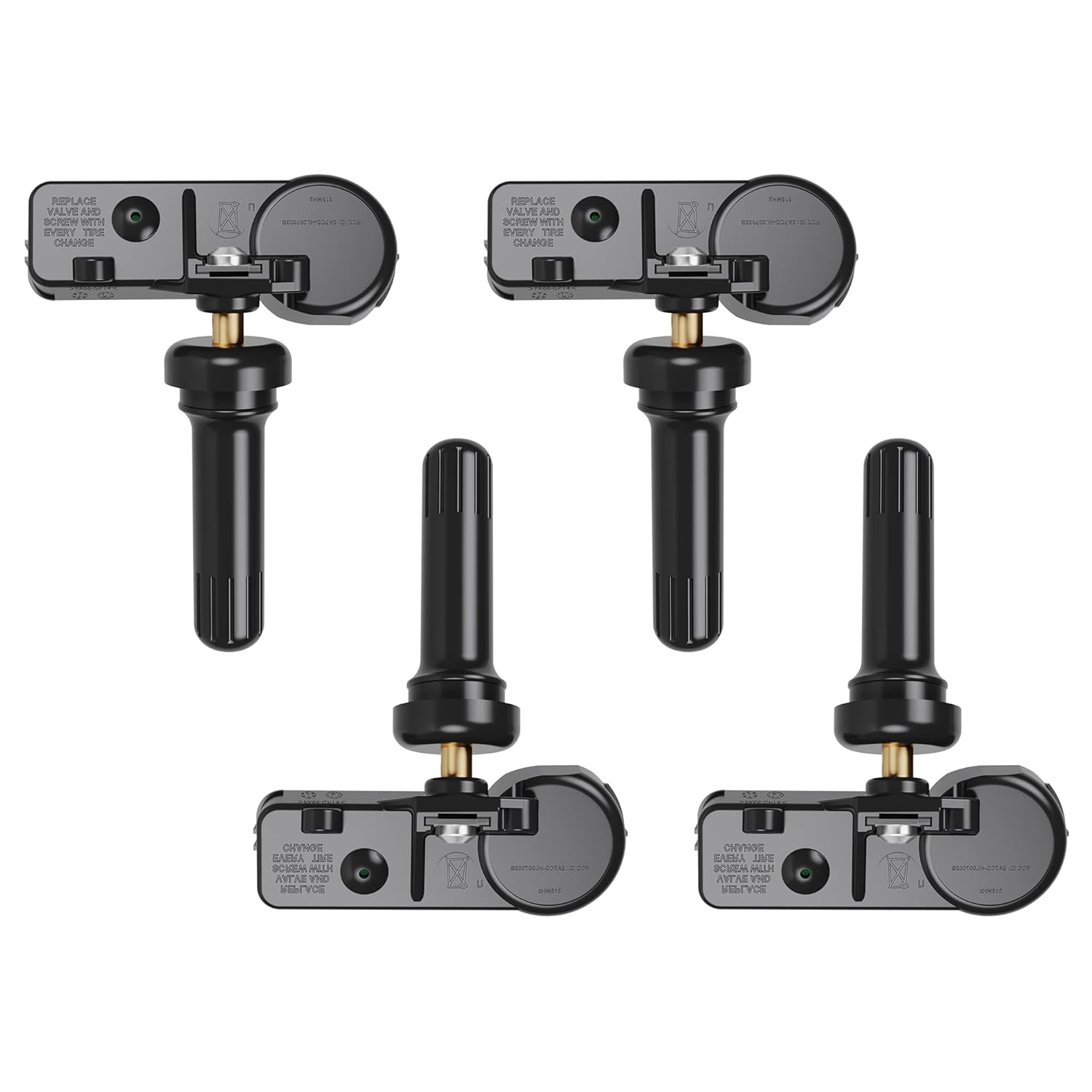
| TPMS | A second wheel set may need compatible TPMS sensors and programming. |
Maintenance Tips for Winter Tire Longevity
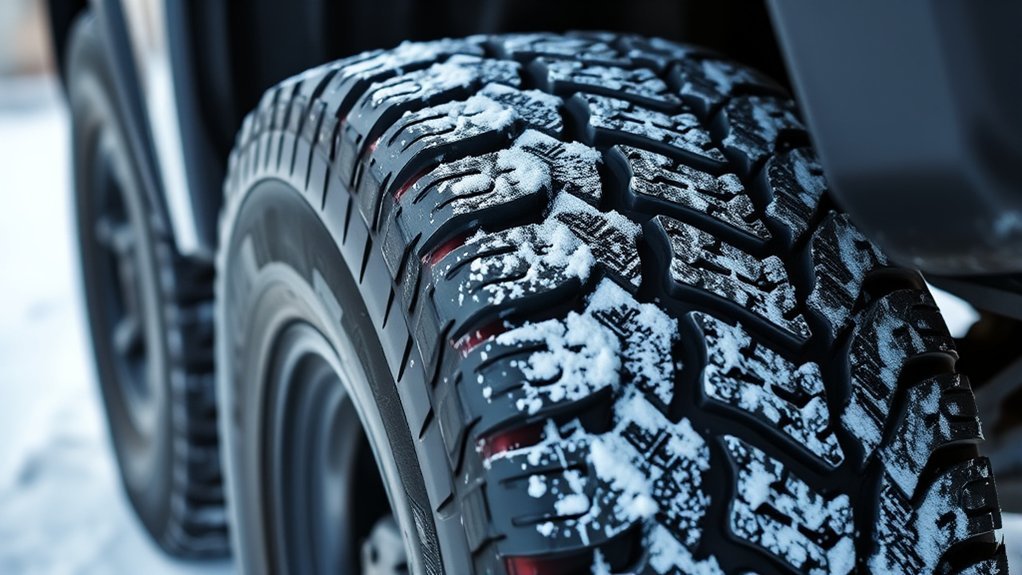
Winter tires work best when they are maintained consistently. Cold temperatures, potholes, road salt, and heavy loads can all shorten tire life if you ignore pressure, tread depth, and rotation.
Proper Tire Pressure
Check tire pressure at least monthly and before long winter trips. Measure pressure when the tires are cold, ideally before driving or after the truck has been parked for several hours. Use the Tacoma’s door placard or owner’s manual for the correct cold PSI.
Cold weather lowers tire pressure, so a tire that was correct in fall may be underinflated during a winter cold snap. Underinflation can reduce stability, increase wear, and hurt fuel economy.
Regular Tread Inspections
Inspect tread depth, tread wear, and sidewalls often. For winter performance, do not wait until the tire reaches the legal minimum. Snow and slush traction can decline well before a tire looks completely worn out.
Watch for uneven wear, cuts, punctures, bulges, cracking, or vibration. If one tire is wearing faster than the others, check alignment, suspension, inflation, and rotation history.
Seasonal Tire Rotation
Rotate winter tires according to the tire maker’s and Toyota’s guidance. A common interval is around every 5,000 to 7,500 miles, but your driving style, load, and tire type can change that interval. Mark each tire’s position when removing a seasonal set so the next rotation is easy.
Off-Season Storage
Store winter tires in a cool, dry, shaded place away from direct sun, petroleum products, and electric motors. Clean off salt and grime before storage. If the tires are mounted on wheels, they can usually be stacked carefully; unmounted tires are often stored upright and rotated periodically.
Signs It’s Time to Replace Your Winter Tires
Replace winter tires when they no longer have enough tread for snow, show sidewall damage, develop cracking, or lose grip compared with previous seasons. Age matters too. Rubber hardens over time even when tread depth looks acceptable.
- Low tread depth: Winter performance drops as grooves and sipes wear down.
- Visible cracking: Cracks can indicate aged or weathered rubber.
- Uneven wear: Cupping, feathering, or one-sided wear can reduce grip and point to alignment or suspension problems.
- Longer stopping distances: If the truck slides more than it used to, inspect the tires immediately.
- Old DOT date: If the tires are many years old, have a tire professional inspect them even if the tread looks usable.
Frequently Asked Questions
Are Toyota Tacomas good in snow and ice?
Yes, a Tacoma can be good in snow when it has the right tires, careful throttle control, and the correct drive mode. Four-wheel drive helps traction when accelerating, but it does not replace winter tires for braking and steering on ice.
Do I need snow tires if my Tacoma has 4WD?
You should use dedicated winter tires if you regularly drive on ice, packed snow, freezing rain, or mountain roads. Four-wheel drive helps the Tacoma move, but tire grip controls stopping distance and steering.
Are all-terrain tires good enough for Tacoma winter driving?
A 3PMSF-rated all-terrain tire can be good enough for mild or occasional winter conditions, especially if you also drive gravel or trails. For frequent ice, steep roads, or long winter commutes, dedicated winter tires are safer.
What does 3PMSF mean on a Tacoma tire?
3PMSF stands for Three-Peak Mountain Snowflake. It means the tire meets a severe-snow traction requirement. It is stronger winter evidence than an M+S marking, but it does not guarantee the same ice braking as a dedicated winter tire.
Can I put larger winter tires on my Tacoma?
Sometimes, but larger tires can rub, change speedometer readings, add weight, affect braking, and reduce chain clearance. For winter safety, correct fitment and load rating matter more than maximum tire size.
When should I install winter tires on a Tacoma?
Install winter tires before the first major storm and when temperatures are consistently cold enough for winter compounds to help. Many tire makers use about 45°F as the practical changeover point for winter tire planning.
Conclusion
The best Toyota Tacoma tire for snow and ice depends on how severe your winter driving really is. For regular ice, packed snow, and mountain travel, choose dedicated winter tires such as the Bridgestone Blizzak IcePeak, Blizzak DM-V2, Michelin X-Ice Snow+, or Dunlop Winter Maxx SJ8. For mixed trail, highway, and occasional snow use, a 3PMSF-rated all-terrain tire such as the BFGoodrich KO3, BFGoodrich KO2, Falken Wildpeak A/T3W, or Toyo Open Country A/T III can be a practical choice.
Whatever tire you choose, confirm the correct Tacoma size, load rating, speed rating, cold PSI, TPMS setup, and chain clearance before installation. A good winter tire helps, but safe winter driving still depends on slower speeds, longer following distance, and smooth braking and steering.
Sources
- NHTSA TireWise tire safety guidance — supports cold tire pressure, tire inspection, tread, and tire safety guidance.
- Toyota Tacoma owner manuals and warranties — supports checking the owner’s manual and vehicle-specific tire information.
- BFGoodrich KO3 launch update — supports the 2026 KO3 rollout and relationship to KO2.
- Bridgestone Blizzak IcePeak launch — supports the 2026 IcePeak update and winter-compound information.
- Michelin X-Ice Snow+ product page — supports X-Ice Snow+ winter braking and FLEX-ICE 3.0 compound details.
- Toyo Tires recall campaign page — supports the recommendation to check current Open Country A/T III recall information before buying.