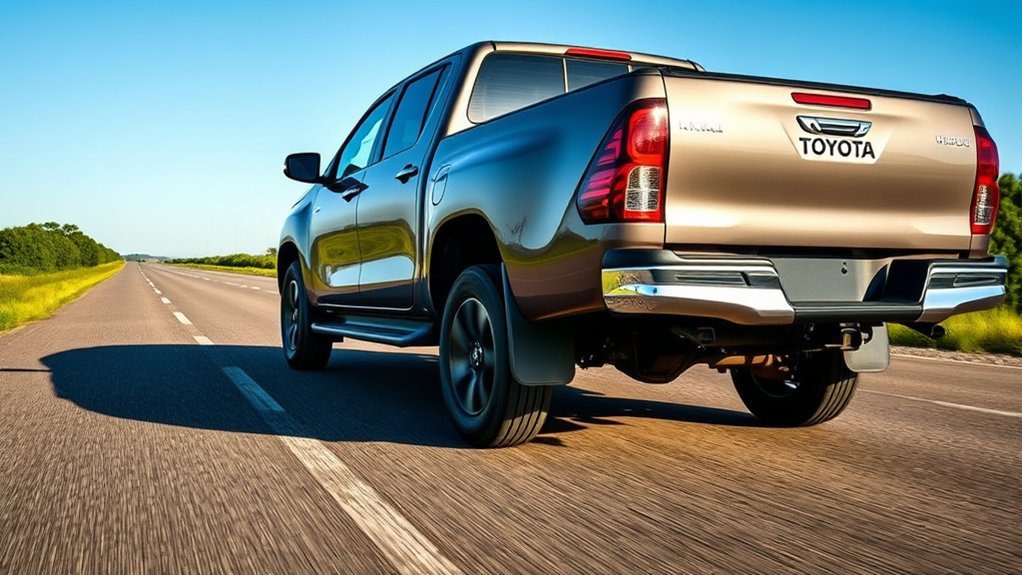
Tire choice can affect your Toyota Hilux’s fuel efficiency, but the best tire is not simply the lightest one. The right choice balances rolling resistance, tread pattern, tire size, load rating, road noise, wet grip, and the kind of driving you actually do. Before buying any replacement tire, check your Hilux’s tire placard or owner’s manual first, then compare tires in the same size and load rating.
Quick Answer
Yes, tire choice can improve Toyota Hilux fuel economy, mainly through lower rolling resistance, correct tire pressure, OE-size fitment, and avoiding unnecessarily heavy or aggressive tread designs. Expect modest real-world gains, not guaranteed huge MPG jumps. Safety, load rating, and traction should always come before fuel savings.
Key Takeaways
- Choose the correct OE tire size, load index, and speed rating before thinking about MPG.
- Highway-terrain and low-rolling-resistance-style tires usually save more fuel than mud-terrain or oversized all-terrain tires.
- Tire weight matters, but only compare tires in the same size and load construction.
- Cold tire pressure, wheel alignment, rotation, and smooth driving often make a bigger MPG difference than brand choice alone.
- Do not install a tire with lower load-carrying capacity than the Toyota-approved size.
At a Glance
| Time Required | 20–30 minutes to check the placard, compare tire specs, and review pressure requirements |
| Difficulty | Easy for basic checks; consult a tire professional if changing size, load range, or wheel diameter |
| Tools Needed | Tire pressure gauge, owner’s manual, door-jamb tire placard, tire spec sheet, and tread-depth gauge |
| Cost | $0 for pressure and fitment checks; tire cost varies by size, load range, brand, and tread type |
The Impact of Tire Choice on Fuel Efficiency
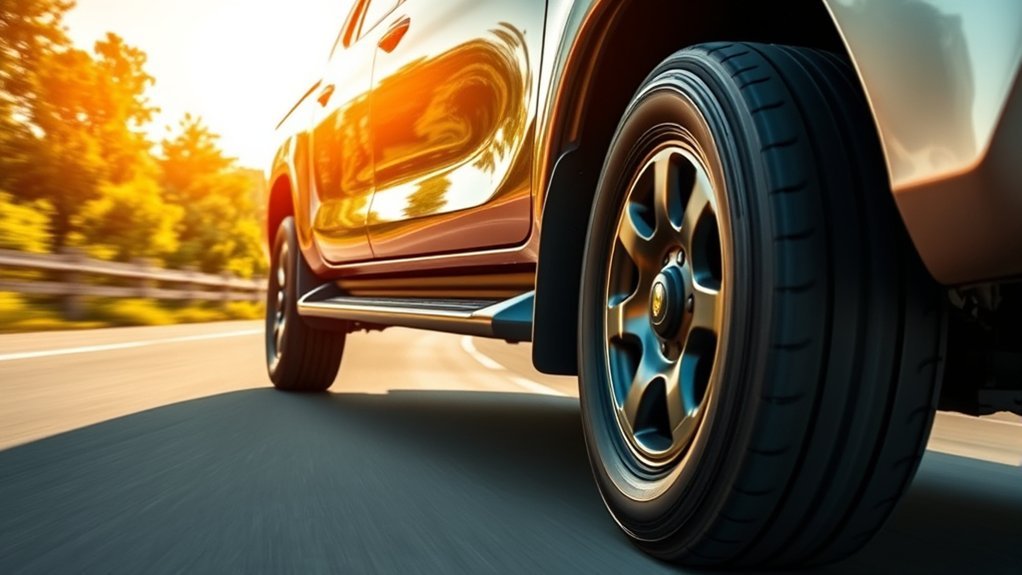
Tires affect fuel economy because they change how much energy your Hilux needs to roll, accelerate, climb, brake, and hold speed. The biggest tire-related factors are rolling resistance, tread pattern, overall diameter, air pressure, load rating, and tire weight.
For daily commuting and highway use, a mild highway-terrain tire or an efficiency-focused tire in the correct Hilux size usually gives better fuel economy than a heavy mud-terrain tire. For mixed worksite, farm, trail, or gravel use, a lighter all-terrain tire can be a good compromise, but it should still match your required load index and speed rating.
Toyota UK technical specifications list current Hilux wheel and tyre fitments such as 265/65R17 and 265/60R18 on different trims. Your market, model year, body style, and trim may differ, so use your own vehicle placard as the final authority.
Warning: Never choose a replacement tire with a smaller size or lower load-carrying capacity than the Toyota-approved tire at the specified placard pressure. The wrong tire can affect braking, handling, towing stability, insurance compliance, and tire life.
What You Need to Know About Low Rolling Resistance Tires
Low rolling resistance (LRR) tires are designed to waste less energy as the tire rolls. That can improve fuel economy, but the result depends on the exact tire, road surface, vehicle weight, driving speed, and inflation pressure.
Some tire makers publish efficiency claims for specific tire lines. For example, Michelin Canada says the MICHELIN Energy Saver A/S can be up to 8% more fuel-efficient than standard tires. That is useful as an example of efficiency tire technology, but you should not assume that a passenger-car efficiency tire is suitable for a Hilux. Always confirm size, load index, speed rating, and intended vehicle type.
[Products Worth Considering]

Measure tire tread depth quickly and accurately with this LUMITECO dial gauge that reads in 1/32" increments up to 14/32". The color-coded green/yellow/red zones make it easy to judge tire wear and know when replacement is needed. A rugged, compact design with a protective pouch helps keep the gauge ready for use on cars, trucks, motorcycles, and more.

Keep your tires properly inflated with this analog VONDIOR tire pressure gauge, designed for fast, easy readings without batteries. The swiveling, two-axis hose and large glow dial help you measure at any tire angle with instant visibility. Built with a protective rubber shield, it supports durable, low-maintenance use for cars and trucks.

Monitor tire tread wear with a smart, color-coded depth gauge that shows clear condition ranges at a glance. The bar is range marked for fast, easy readings, helping you maintain safer traction and performance. Each gauge is portable with a pocket clip, and the set includes 20 units for daily use and sharing.
Fuel Economy Benefits
LRR technology can help most on steady road driving where rolling resistance is a large part of the fuel-use picture. The benefit is usually smaller off-road, while towing, or with heavy payloads because engine load, aerodynamics, tire deformation, and terrain become more important.
The safest way to think about MPG gains is this: efficient tires can help, but they are only one part of the system. Cold tire pressure, wheel alignment, smooth throttle use, speed control, and reducing unnecessary weight can equal or exceed the savings from switching tire models.
Safety Considerations
Do not buy a tire only because it promises lower rolling resistance. NHTSA’s tire-efficiency work treats tire choice as a balance between fuel efficiency, wet traction, treadwear, and safety. A tire that saves a small amount of fuel but has poor wet grip, low load capacity, or the wrong construction is not a good Hilux tire.
Also remember that “LRR” does not automatically mean “bad traction.” Modern tire compounds can reduce rolling resistance while keeping solid wet performance, but you still need to compare wet braking, temperature rating, treadwear, warranty, and owner feedback for the exact tire size you plan to buy.
The Role of Tire Weight in Performance and MPG
Tire weight affects rotating mass. A lighter tire in the same size and load rating can make the Hilux feel more responsive, especially in stop-and-go driving. However, tire weight should not be compared across different sizes, wheel diameters, or load ranges because construction changes the result.
For example, an LT all-terrain tire is often heavier than a passenger-metric or XL tire because it is built for higher load and tougher use. That extra strength may be exactly what you need for towing, carrying tools, or rough tracks. The goal is not “lightest at any cost.” The goal is the lightest suitable tire that still meets Toyota’s fitment, load, speed, and terrain requirements.
Pro Tip: When comparing tire weight, compare the same tire size, same load range, and same service description. A 265/65R17 XL tire and an LT265/65R17 Load Range E tire are not the same even if the size looks similar.
Acceleration, Braking, and Ride Feel
Less rotating mass can help throttle response and reduce the effort needed to accelerate. But braking distance is not decided by weight alone. Wet grip, tread compound, tread depth, road surface, tire pressure, brake condition, and vehicle load are all important.
If your Hilux is used mostly on paved roads, a less aggressive highway-terrain or mild all-terrain tire can often feel smoother and quieter than a chunky mud-terrain tire. If you regularly drive on rutted tracks, gravel, construction sites, or wet grass, you may decide that extra tread depth and stronger construction are worth a small MPG penalty.
Off-Road Performance Benefits
For off-road driving, tire choice is about traction, sidewall durability, self-cleaning tread, puncture resistance, and load capacity. A tire such as the Nitto Terra Grappler G3 is positioned as an all-terrain light-truck tire with a limited treadwear warranty of up to 70,000 miles for hard metric sizes and 55,000 miles for LT/flotation sizes. That does not make it a pure fuel-saving tire, but it can be considered if you need all-terrain capability and the correct Hilux fitment is available.
Fuel Efficiency: Comparing Tire Types
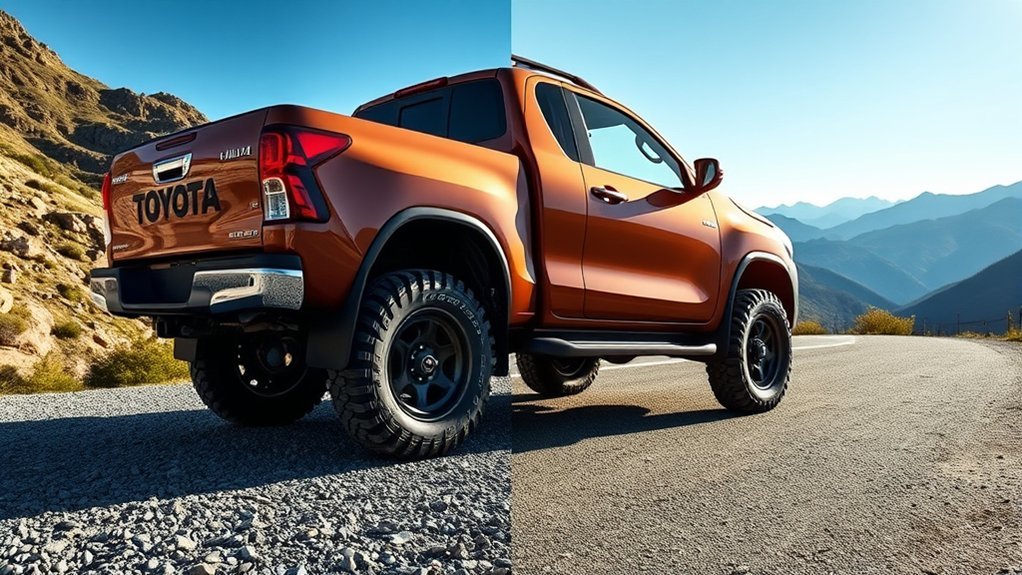
The most fuel-efficient tire for a Hilux depends on how the truck is used. A tire that saves fuel on the highway may not be the best choice for mud, towing, construction work, or rocky trails.
| Tire Type | Fuel Economy Effect | Best For | Watch Out For |
|---|---|---|---|
| Highway-terrain | Usually best for MPG and road noise | Commuting, highway driving, light loads | Less bite in mud or rough tracks |
| Mild all-terrain | Moderate MPG impact if kept near OE size | Mixed road, gravel, farm tracks, worksites | Can be heavier than highway tires |
| Aggressive all-terrain | Usually lower MPG than highway tires | More off-road grip and stronger tread blocks | Noise, weight, rolling resistance |
| Mud-terrain | Typically worst for MPG on pavement | Mud, deep ruts, severe off-road use | Wet-road grip, noise, treadwear, fuel use |
| Oversized tires | Often reduces MPG due to weight, diameter, and gearing changes | Ground clearance and appearance | Speedometer error, rubbing, drivetrain load |
How to Choose Fuel-Efficient Tires for a Toyota Hilux
Use this checklist before buying new tires:
- Read the tire placard first. Confirm the OE size, cold inflation pressure, load requirements, and spare-tire information.
- Stay close to the approved diameter. Bigger tires can change gearing, increase rolling mass, and reduce MPG.
- Match or exceed the required load index. This is especially important if you tow, haul tools, carry passengers, or drive rough roads.
- Choose the tread for your real driving. Highway use favors highway-terrain or mild all-terrain tires; mud and rocks require more aggressive tread.
- Compare tire weight only after size and load match. A lighter tire is useful only if it is still strong enough for the job.
- Check wet traction and reviews. Fuel savings should not come at the expense of wet braking confidence.
- Maintain the tire after installation. Check cold pressure monthly, rotate on schedule, and align the wheels if wear becomes uneven.
Note: Do not use the maximum pressure printed on the tire sidewall as your normal driving pressure. Use the Toyota-recommended cold inflation pressure shown on the vehicle placard or in the owner’s manual.
[Products Worth Considering]

These aluminum alloy tire valve stem caps with an O-ring seal help protect valve stems from corrosion while adding a clean, stylish look to your vehicle. The universal fit works across cars, trucks, motorcycles, bicycles, and more, making them an easy upgrade for everyday driving and off-road use. Installation is quick, and the included four-pack keeps all your tires dressed and protected.

AstroAI’s heavy-duty digital tire pressure gauge delivers quick, accurate readings with 0.1 increments and a secure valve-stem seal. It features a green backlit LCD and built-in flashlight for easy use in low light, plus an ergonomic non-slip stainless-steel design. The wide 0–230 PSI range works across common vehicle tires, with unit selection and an auto shut-off to save battery.

The SAFELIFE dial tire tread depth gauge measures tread depth in 1/32 inch increments with clear, easy-to-read 2-inch dial face. Color zones using a traffic light system help you quickly judge whether tread is low, marginal, or ample for safer driving. Built with a durable zinc cast body and a metal detect probe for precise, comfortable use across cars, motorcycles, trucks, and buses.
Driving Habits That Maximize Fuel Efficiency
Even the best tire cannot overcome wasteful driving habits. The U.S. Department of Energy’s fuel-saving guidance says aggressive driving can lower gas mileage by 33% at highway speeds and 5% around town. It also says keeping tires inflated to the proper pressure can improve mileage by 0.6% on average and up to 3% in some cases.
Speed also matters. Fuel economy usually drops quickly above 50 mph, and the DOE estimates a 7%–14% fuel-economy benefit from observing speed limits in that range. Cruise control can help on highways because it keeps speed steady, but the 7%–14% figure is tied to speed control, not cruise control by itself.
Weight matters too. Carrying unnecessary cargo can reduce fuel economy by around 1% for every extra 100 pounds, depending on the vehicle. For a Hilux, remove tools, recovery gear, roof racks, and cargo boxes when you do not need them.
A fuel-efficient Hilux setup is usually a combination of correct tire size, sensible tread choice, proper cold pressure, good alignment, lighter unnecessary cargo, and smoother driving.
Troubleshooting Poor MPG After Changing Tires
If your Hilux’s fuel economy dropped after fitting new tires, check these common causes before blaming the brand:
- Pressure is low: Check pressure when the tires are cold, not after a highway run.
- New tires are larger: A taller tire changes gearing and can make the speedometer and odometer read differently.
- Tread is more aggressive: Chunky all-terrain or mud-terrain tread usually adds drag and road noise.
- Load range changed: LT tires can be heavier and stiffer than passenger-metric or XL tires.
- Alignment is off: New tires can expose existing alignment problems through uneven wear or a pulling steering wheel.
- Break-in period: Some tires feel different during the first few hundred miles as mold-release residue wears away and tread settles.
- Driving changed: Bigger or more aggressive tires sometimes encourage faster acceleration or more off-road use, which affects MPG.
Making the Right Tire Selection for Your Toyota Hilux
The best fuel-efficient Hilux tire is the one that fits correctly, carries the right load, suits your terrain, and keeps rolling resistance reasonable. If your Hilux spends most of its life on pavement, prioritize OE size, highway comfort, wet braking, lower rolling resistance, and quiet tread. If your Hilux works hard off-road, choose a durable all-terrain tire and accept a modest MPG tradeoff for grip and protection.
For towing and heavy loads, do not chase fuel economy at the expense of load capacity. A stronger tire can be heavier, but it may be the safer and more durable choice. If you are changing wheel diameter, tire width, load range, or overall tire diameter, ask a qualified tire professional to confirm clearance, pressure, load rating, and compatibility with your Hilux’s drivetrain.
[Products Worth Considering]

ETENWOLF’s tire pressure gauge helps you quickly and accurately check tire PSI across cars, trucks, motorcycles, bikes, and more. It’s manually calibrated to ANSI B40.1 Grade A for reliable readings, includes a large glow dial for easy nighttime viewing, and features a 360-degree swivel chuck for use at any valve angle. The gauge also works consistently in extreme hot or cold weather.

Accurately measure tire tread depth with a calibrated gauge marked from 0 to 1 inch in 1/32 inch increments. The color-coded bar helps you quickly identify tread condition ranges, supporting safe driving for trucks, motorcycles, automobiles, and passenger vehicles.

Upgrade your Toyota’s wheels with durable aluminum alloy valve stem caps that help protect valve cores from corrosion and direct exposure to road grime, clay, water, and snow. Rubber rings improve sealing to help prevent air leakage and maintain stable tire pressure for safer driving. These caps are easy to install or remove without tools and add a unique, stylish look to your car.
Frequently Asked Questions
How do I get better fuel economy on a Toyota Hilux?
Use the correct tire size, keep tires inflated to the Toyota-recommended cold pressure, avoid oversized or overly aggressive tread unless needed, remove unnecessary weight, drive smoothly, and keep the wheels aligned. Tire choice helps, but pressure and driving habits are just as important.
Are low rolling resistance tires safe for a Hilux?
They can be safe if they are the correct size, load rating, speed rating, and vehicle type for your Hilux. Do not use a tire just because it is efficient. Check wet traction, load capacity, pressure requirements, and whether it is suitable for a pickup that may tow or carry cargo.
Do bigger tires reduce Hilux fuel economy?
Usually, yes. Bigger tires often add weight, increase rolling resistance, change gearing, and create speedometer error. They may improve ground clearance, but they usually cost fuel on pavement.
Is the Nitto Terra Grappler G3 good for fuel economy?
The Terra Grappler G3 is an all-terrain tire, not a dedicated fuel-economy tire. It may be a good compromise if you need mixed road and off-road capability, but fuel economy depends on the exact size, load range, pressure, tread, and how it compares with your current tire.
Which Toyota Hilux is most fuel-efficient?
It depends on market, model year, body style, drivetrain, transmission, and trim. Do not rely on a universal 2.4L or 2.8L answer. Check the official fuel-consumption data for your local Hilux model and exact configuration.
What tire pressure should I use for better MPG?
Use the Toyota-recommended cold tire pressure on the door placard or in the owner’s manual. Do not inflate to the sidewall maximum unless the vehicle manufacturer specifically instructs it for your load condition.
Conclusion
Choosing the right tires for your Toyota Hilux can improve fuel efficiency, but the smartest choice is balanced. Start with the Toyota-approved size, load rating, and cold pressure. Then choose the least aggressive tread that still matches your driving needs. A highway-terrain tire may be best for road MPG, while a mild all-terrain tire can be a better compromise for mixed use. Keep the tires properly inflated, aligned, and rotated, and you will get the best mix of economy, safety, and long-term performance.
Sources
- Toyota UK Hilux Technical Specifications — Hilux engine, WLTP fuel-consumption, wheel, and tyre data.
- U.S. Department of Energy Fuel Economy: Gas-Saving Tips — tire pressure, speed, driving habits, and excess weight fuel-economy guidance.
- NHTSA TireWise — tire safety, tire care, and consumer tire information.
- U.S. Tire Manufacturers Association Tire Care and Safety Guide — replacement tire, placard, load, speed rating, and tire-mixing guidance.
- Nitto Terra Grappler G3 — manufacturer information and limited treadwear warranty details.
- Michelin Energy Saver A/S — manufacturer information for an efficiency-focused tire line.