
Disclosure: As an Amazon Associate I earn from qualifying purchases.
Choosing the right winter tire can make cold-weather driving more predictable on snow, slush, wet pavement, and ice. The three tires below cover different vehicle needs: the Nokian Tyres Hakkapeliitta 10 shown here is a studded passenger-car winter tire, the Pirelli Scorpion Winter 2 is aimed at SUVs, and the Dunlop Winter Maxx SJ8 is designed for CUVs, SUVs, and compatible light trucks.
This guide helps you compare studded and studless winter tires while paying close attention to tire size, load index, speed rating, vehicle type, and local stud regulations. These products are not interchangeable simply because they are all winter tires, so always confirm exact fitment before ordering.
Disclosure: This article contains Amazon affiliate links. If you buy through a qualifying link, we may earn a commission at no extra cost to you.
Quick Verdict
Best for severe ice: Nokian Tyres Hakkapeliitta 10 if your passenger car uses the listed size and studded tires are legal where you drive.
Best for performance SUVs: Pirelli Scorpion Winter 2 for drivers who want a studless SUV winter tire with strong snow and wet-road design features.
Best for CUVs, SUVs, and compatible light trucks: Dunlop Winter Maxx SJ8 for a balanced studless winter setup with a directional tread and cold-weather compound.
Fitment Note: Do not choose a tire based only on the model name or wheel diameter. Match the complete tire size, load index, speed rating, wheel specifications, and vehicle-manufacturer requirements. A tire that fits one SUV, car, or light truck may be unsuitable for another.
Products Worth Considering

Steelman white tire marking crayons provide high-contrast, semi-permanent marks for repairing and inspecting tires and equipment. They write on wet or dry, smooth or coarse surfaces including rubber, metal, glass, and wood, making them ideal for puncture location and damage outlining. The lead- and zinc-free crayons resist weather and fading yet wipe away when you no longer need the marks.

The 22800 wheel stud installer makes replacing wheel studs quick and secure, saving time and effort during tire service. It uses a ratchet or impact wrench to pull new studs firmly into place, helping when existing studs are too long. Compatible with most automotive wheels and light-duty truck wheel studs, it’s designed for easy, tool-assisted installation.

These M14x1.5 closed-end chrome lug nuts are a one-piece replacement designed for secure fitment on compatible GM, Ford, and select Chrysler/Dodge models. Featuring a 60-degree conical seat and anti-rust chrome plating, they help resist corrosion and maintain a bright look for everyday driving. Built for long-term durability, they include OEM-style part references and are backed by 12 months of support.
Top Picks
|
Category |
Product |
Best For |
|---|---|---|
|
🏆 Best for Severe Ice |
Passenger cars requiring 205/55R16 94T XL |
|
|
🎯 Best for Performance SUVs |
SUVs requiring 235/60R18 107V XL |
|
|
💰 Best Balanced Studless Pick |
Compatible CUVs, SUVs, and light trucks using 225/65R17 102R |
Selection Criteria
Winter-tire performance depends on much more than aggressive-looking tread. For this comparison, the most important factors are intended vehicle type, snow and ice traction design, studded versus studless construction, cold-weather compound technology, siping, water and slush evacuation, and everyday ride characteristics.
Fitment is equally important. You should confirm the complete tire size plus the required load index and speed rating instead of assuming that any winter tire with the correct wheel diameter will work. Passenger-car, SUV, CUV, and light-truck applications can require different specifications even when the tires look similar.
We also considered practical buying concerns such as stud restrictions, seasonal installation, directional-tread rotation requirements, road noise, storage, and how clearly each tire solves a specific winter-driving problem.
Nokian Hakkapeliitta 10

Best for Passenger-car drivers who regularly encounter hard-packed snow or ice and can legally use studded winter tires.
The Hakkapeliitta 10 shown here is a 205/55R16 94T XL studded winter tire intended for passenger-car applications. Its main advantage is the studded design, which is aimed at drivers who prioritize traction on icy winter surfaces over the quieter road manners of a studless tire.
Check Price on AmazonNokian uses two stud types and a stud-positioning strategy intended to balance longitudinal and lateral grip. That makes this the most specialized ice-focused option in the comparison. The tradeoff is that studded-tire rules vary by location, and studs are unnecessary for many drivers who mainly encounter plowed, wet, or lightly snow-covered roads.
Why You’ll Like It
- Studded design focused on demanding ice and packed-snow conditions
- Double Stud Technology uses different stud placement for braking, acceleration, and lateral grip
- Cold-weather tire design intended to remain effective in severe winter conditions
- Factory-prepared stud configuration avoids choosing an aftermarket stud pattern yourself
Who Should Buy This?
Consider it if your passenger car is approved for 205/55R16 94T XL tires, you routinely drive on icy roads, and local regulations allow studded winter tires.
Who Should Avoid This?
Skip this exact tire if you are shopping for a typical pickup or larger SUV fitment, if your vehicle requires a different load or speed specification, or if studs are prohibited or unnecessary in your area.
|
Pros |
Cons |
|---|---|
|
✅ Studded design prioritizes ice traction |
❌ Studded tires are restricted or prohibited in some locations |
|
✅ Stud positioning supports both straight-line and lateral grip |
❌ Studs generally add more pavement noise than comparable studless winter tires |
|
✅ Exact 205/55R16 94T XL specification is clearly identifiable |
❌ This exact size is a passenger-car fitment, not a general truck tire |
Long-Term Cost Benefits
A dedicated winter set lets you keep winter-focused rubber off the vehicle during warm weather and avoids putting unnecessary warm-season wear on it. Actual tire life depends heavily on mileage, road surface, inflation, alignment, rotation practices, and storage.
Return on Investment
The value here is specialized winter capability rather than a guaranteed financial return. It makes the most sense when severe ice is common enough to justify a dedicated studded set.
Seasonal Benefits
This tire is intended for winter use. Reinstall your warm-season or appropriate all-season set when winter conditions end rather than running the studded tire year-round.
Situational Benefits
|
Situation |
Why It May Fit |
|---|---|
|
Frequent Icy Roads |
The studded design is specifically intended to add mechanical bite on icy winter surfaces. |
|
Cold Rural Driving |
A dedicated severe-winter design can suit areas where packed snow and ice remain on roads for long periods. |
|
Winter Trips |
The tire can suit compatible passenger cars traveling regularly into colder, icier regions. |
|
Mostly Wet or Cleared Roads |
A studless winter tire may be the more practical choice when bare ice is uncommon. |
Safety Features
The key design feature is Nokian’s stud arrangement, which uses stud positioning intended to support both longitudinal and lateral winter grip. As with any tire, available traction still depends on road conditions, speed, tire pressure, tread condition, and driver inputs.
Durability
Winter-tire durability depends strongly on correct pressure, alignment, seasonal mileage, rotation where permitted, and avoiding warm-weather use. Inspect tread and stud condition before each winter season.
Problem Solving
This is the most specialized option here for drivers whose main problem is persistent ice rather than simply occasional snowfall.
Storage & Use
Store the tires in a cool, dry, clean location away from direct sunlight, excessive heat, and ozone-producing equipment. Mark their previous wheel positions if you plan to rotate them according to the vehicle and tire manufacturer’s guidance.
Key Benefits
- Purpose-built studded winter design
- Double-stud approach for different traction demands
- Clear 205/55R16 94T XL passenger-car specification
- Strong choice when severe ice is the primary buying concern
Best for: Passenger-car drivers who regularly encounter hard-packed snow or ice and can legally use studded winter tires.
Pirelli Scorpion Winter 2

Best for Compatible performance SUVs that need a studless winter tire for snow, slush, wet roads, and cold-weather highway driving.
The Scorpion Winter 2 shown here is a 235/60R18 107V XL winter tire designed for SUVs. Its staggered V-shaped tread, snow-retention features, grooves, and 3D sipes are built around a mix of snow performance, wet-road control, and winter comfort.
Check Price on AmazonThis makes it a better match than the Nokian for SUV drivers who do not need studs. It is also a 3PMSF-marked winter tire. However, the 235/60R18 size and 107V XL service description still need to match your vehicle requirements before you order.
Why You’ll Like It
- Developed specifically for SUV winter use
- 3PMSF winter designation
- V-shaped tread and snow-retention edges support snow traction
- Groove design is intended to move water and slush away efficiently
- 3D sipes support braking and tread-block control
Who Should Buy This?
Choose it if you drive a compatible SUV using 235/60R18 107V XL tires and want a premium studless winter setup for a mixture of snow, wet pavement, and highway use.
Who Should Avoid This?
Do not choose this exact tire for a vehicle that requires another size or service description. Drivers who spend most of the winter on severe bare ice may also prefer a legally permitted studded option designed specifically for that condition.
|
Pros |
Cons |
|---|---|
|
✅ Designed specifically for SUV winter use |
❌ Studless construction cannot provide the same mechanical ice bite as studs |
|
✅ 3PMSF winter designation |
❌ Directional tread affects permitted rotation patterns |
|
✅ Wet-road and aquaplaning-focused groove design |
❌ Exact 235/60R18 107V XL fitment will not suit every SUV |
|
✅ Snow-retention edges and 3D sipes |
Long-Term Cost Benefits
Using a dedicated winter set prevents warm-season tires from accumulating winter mileage and lets you select a tread and compound designed around cold conditions. Actual total tire cost depends on mileage, installation, storage, wear, and replacement intervals.
Return on Investment
The reason to choose this tire is its winter-specific SUV design and balanced snow/wet-road capability, not a guaranteed financial saving.
Seasonal Benefits
The Scorpion Winter 2 is intended for cold-season use. A seasonal tire change helps keep winter-focused rubber from being used unnecessarily in warmer weather.
Situational Benefits
|
Situation |
Why It May Fit |
|---|---|
|
Snowy SUV Commute |
Its winter-specific tread combines snow edges, sipes, and directional grooves. |
|
Wet Winter Highways |
The tread geometry is designed to move water through the grooves and manage wet conditions. |
|
Performance SUV Use |
The tire is positioned specifically for high-performance SUV winter driving. |
|
Mixed Snow and Slush |
Its snow-retention and water-evacuation features address changing winter surfaces without using studs. |
Safety Features
Important design elements include the 3PMSF winter designation, staggered V-shaped tread, 3D sipes, snow-retention edges, and grooves designed to improve water evacuation. These features do not replace appropriate speed, following distance, or correct tire pressure in winter weather.
Durability
Seasonal longevity depends on alignment, pressure, rotation according to the directional pattern, driving conditions, and storage. Check tread condition before each winter season.
Problem Solving
This tire suits SUV drivers who want one studless winter design to address snow, slush, wet roads, and cold-weather highway use without moving to a studded setup.
Storage & Use
When removed for the warm season, store the tires in a cool, dry location away from direct sunlight, excessive heat, and ozone-producing equipment.
Key Benefits
- Winter tire designed specifically for SUVs
- 235/60R18 107V XL specification
- 3PMSF designation
- V-shaped directional tread with snow-retention features
- Wet-road and water-evacuation-focused design
Best for: Compatible performance SUVs that need a studless winter tire for snow, slush, wet roads, and cold-weather highway driving.
Dunlop Winter Maxx SJ8

Best for Compatible CUVs, SUVs, and light trucks needing a balanced studless winter tire in the listed 225/65R17 102R size.
The Winter Maxx SJ8 is the broadest vehicle-category match in this roundup because Dunlop designs the model for CUVs, SUVs, and light trucks. The 225/65R17 version shown here carries a 102R service description, so that exact specification still needs to satisfy your vehicle’s requirements.
Check Price on AmazonDunlop uses a Nano-Fit silica compound designed to stay flexible in cold conditions, 3D sipes for additional biting edges, and a directional tread pattern with T-Shape grooves. The directional pattern is an important correction from the original comparison table, which incorrectly described this tire as non-directional.
Products Worth Considering

The Kurgo Seasonal Tire Tote helps protect your car interior, clothes, and garage from tire grime, brake dust, and residue during seasonal tire changes. Its universal design fits most passenger tires between 22" and 31" in diameter, making storage and transport simpler with less mess. Built for rugged, repeated use, it’s machine washable for easy care and comes with a lifetime warranty.

Milton S-921 pencil tire pressure gauge helps you maintain optimal tire pressure for passenger cars with accurate readings in PSI and kPa. It features a built-in deflator valve for convenient pressure adjustments, plus a single chuck head and nylon indicator bar for easy use on the go. Built from durable plated brass and designed for reliable performance, it’s a practical road trip and cold-weather maintenance tool.

Check tire pressure with the Milton S-925 pencil gauge built for trucks, RVs, and bicycles. It features a single-head chuck with a built-in deflator valve, and it displays readings in both PSI and kPa for convenient use. The gauge is designed for accurate, repeatable pressure checks within its working range.
Why You’ll Like It
- Designed for CUV, SUV, and light-truck applications
- Nano-Fit silica compound for cold-weather flexibility
- 3D sipes create additional biting edges
- Directional tread and T-Shape grooves help manage snow and water
- Variable Array tread technology is designed to reduce pattern noise
Who Should Buy This?
It is a strong candidate if your CUV, SUV, or light truck is approved for the 225/65R17 102R specification and you want studless winter traction without the restrictions and extra pavement noise associated with studs.
Who Should Avoid This?
Do not buy this exact size if it does not match your vehicle requirements. Drivers dealing primarily with persistent bare ice may also want to compare legally permitted studded options before deciding.
|
Pros |
Cons |
|---|---|
|
✅ Intended for CUVs, SUVs, and compatible light trucks |
❌ Studless construction offers less mechanical bite than studs on severe bare ice |
|
✅ Nano-Fit silica compound remains flexible in cold weather |
❌ Directional tread limits rotation patterns |
|
✅ 3D sipes and T-Shape grooves support winter traction |
❌ 225/65R17 102R is not appropriate for every SUV or light truck |
|
✅ Variable Array technology is designed to reduce tread-pattern noise |
Long-Term Cost Benefits
A dedicated winter set allows you to use cold-weather-focused tread during winter and return to a suitable warm-season set afterward. How long the tires last depends on driving conditions, inflation, alignment, rotation, storage, and annual mileage.
Return on Investment
The practical value is its combination of winter-specific traction features and broad CUV/SUV/light-truck positioning. It should be chosen for fit and winter-driving needs rather than any promised financial return.
Seasonal Benefits
The Nano-Fit compound, sipes, and directional snow-and-water-management features are intended specifically for cold-weather use. Switch back to an appropriate warm-season tire when winter ends.
Situational Benefits
|
Situation |
Why It May Fit |
|---|---|
|
CUV or SUV Winter Commute |
The studless winter tread is designed for common snow, slush, wet, and cold-road conditions. |
|
Compatible Light-Truck Use |
Dunlop includes light trucks in the model’s intended application, but the exact load and size requirements still need verification. |
|
Wet Winter Highway |
The directional tread and grooves are designed to move water away from the footprint. |
|
Snow-Covered Roads |
3D sipes and T-Shape grooves add biting edges and snow-focused tread features. |
Safety Features
The Nano-Fit silica compound, 3D sipes, directional tread, and T-Shape grooves are the core winter-traction features. Correct tire pressure, sufficient tread depth, appropriate speed, and increased following distance remain essential.
Durability
Check tread condition, pressure, alignment, and manufacturing information before installation. Because the tire is directional, follow the correct mounting direction and permitted rotation pattern.
Problem Solving
This tire addresses the needs of drivers who want a studless winter option for a compatible CUV, SUV, or light truck without focusing exclusively on severe-ice performance.
Storage & Use
Store removed tires in a cool, dry location protected from sunlight, excessive heat, chemicals, and ozone-producing equipment. Keep track of their previous wheel positions if you plan to rotate them during the next installation.
Key Benefits
- Designed for CUVs, SUVs, and light trucks
- 225/65R17 102R specification
- Nano-Fit silica cold-weather compound
- 3D sipes for additional biting edges
- Directional tread with T-Shape grooves
Best for: Compatible CUVs, SUVs, and light trucks needing a balanced studless winter tire in the listed 225/65R17 102R size.
Before You Buy
- Check the full size: Match width, aspect ratio, construction, and wheel diameter.
- Check the load index: The tire must meet the vehicle manufacturer’s load requirements.
- Check the speed rating: Confirm the required winter-tire specification for your vehicle and market.
- Confirm vehicle category: A passenger-car tire, SUV tire, and light-truck-capable tire are not automatically interchangeable.
- Check stud laws: Studded-tire rules vary by state, province, and country.
- Check rotation requirements: Directional tires need to remain oriented in the correct direction of travel.
- Inspect current listing details: Retailer availability, included quantity, production date, and seller details can change.
FAQ
Studded or Studless: Which Is Right?
Studded tires make the most sense when you regularly drive on severe ice and local law permits them. In this comparison, the Nokian Hakkapeliitta 10 is the specialized studded option. The Pirelli Scorpion Winter 2 and Dunlop Winter Maxx SJ8 are studless alternatives designed around snow, slush, cold pavement, and wet winter conditions.
If your roads are usually plowed and you spend significant time on bare pavement, a quality studless winter tire may offer the more practical balance. If persistent hard ice is the main concern, legal studded tires deserve consideration.
Will All Three Tires Fit the Same Vehicle?
No. They are different sizes and are aimed at different vehicle categories. The Nokian shown is 205/55R16 94T XL and is positioned as a passenger-car winter tire. The Pirelli shown is 235/60R18 107V XL for SUVs. The Dunlop shown is 225/65R17 102R from a model line intended for CUVs, SUVs, and light trucks.
Always use your vehicle’s tire-information placard, owner’s manual, or manufacturer-approved fitment data before buying.
What Does 3PMSF Mean?
The Three-Peak Mountain Snowflake marking identifies a tire that meets the applicable severe-snow traction performance requirement. It is useful when comparing winter-capable tires, but it does not mean every 3PMSF tire performs identically on ice, deep snow, slush, wet pavement, or dry roads.
Are Winter Tires Only for Snow?
No. Winter tires also use compounds and tread designs intended for cold conditions. Depending on the model, they may include features aimed at ice, slush, wet-road drainage, or cold dry pavement in addition to snow traction.
How Do I Maintain and Store Winter Tires?
Keep tires inflated to the vehicle manufacturer’s recommended pressure, inspect tread and damage regularly, and follow the correct rotation pattern. Directional tires must remain mounted in the intended direction of travel.
During the off-season, store tires in a cool, dry, clean location away from direct sunlight, excessive heat, chemicals, and ozone-producing equipment. Inspect each tire again before reinstalling it for the next winter.
Should I Buy Separate Winter Wheels?
A dedicated winter wheel set can make seasonal changes simpler and reduces the number of times the tires themselves need to be mounted and dismounted. However, the wheels must have the correct diameter, width, offset, bolt pattern, center-bore requirements, brake clearance, load capability, and any required tire-pressure-monitoring hardware for your vehicle.
How the Three Options Compare
Your choice should start with fitment rather than ranking. Choose the Nokian Hakkapeliitta 10 if you have a compatible passenger car and severe ice makes a legal studded tire worthwhile. Choose the Pirelli Scorpion Winter 2 if your compatible SUV needs a premium studless winter tire focused on snow and wet-road performance. Choose the Dunlop Winter Maxx SJ8 if you have a compatible CUV, SUV, or light truck and want a balanced studless winter design.
Wrapping Up
There is no single winner for every vehicle because these three tires serve different applications. The Nokian Hakkapeliitta 10 is the specialized studded choice for a compatible passenger car facing serious ice. The Pirelli Scorpion Winter 2 suits compatible SUVs that need a studless winter tire with snow and wet-road-focused features. The Dunlop Winter Maxx SJ8 covers compatible CUVs, SUVs, and light trucks with a directional studless winter design.
Before purchasing, confirm the complete OEM-approved tire specification and local winter-tire rules. Correct fitment matters more than a generic “best winter tire” ranking.
| Nokian Tyres Hakkapeliitta 10 205/55 R 16 94T XL Studded Winter Tire | Pirelli Scorpion Winter 2 Winter 235/60R18 107V XL Passenger Tire | Dunlop Winter Maxx SJ8 225/65R17 102R | |
|---|---|---|---|
|
|
|
|
|
| Vehicle Focus | Passenger car | SUV | CUV, SUV, compatible light truck |
| Size | 205/55R16 | 235/60R18 | 225/65R17 |
| Load / Speed | 94T XL | 107V XL | 102R |
| Stud Type | Studded | Studless | Studless |
| Tread Direction | Check product specifications for exact mounting requirements | Directional | Directional |
| Best For | Severe ice with a compatible passenger car | Snow and wet winter roads with a compatible SUV | Balanced winter use with a compatible CUV, SUV, or light truck |
| Check Price on Amazon | Check Price on Amazon | Check Price on Amazon |
This roundup is reader-supported. When you click through qualifying affiliate links, we may earn a referral commission at no extra cost to you.
Products Worth Considering

Add style while helping protect your tire valve stems with handmade crystal rhinestone caps and a durable plastic insert. These caps resist corrosion and help keep out rain, snow, and muddy water, extending tire life. Textured non-slip design makes them easy to grip for quick install and removal when checking tire pressure.
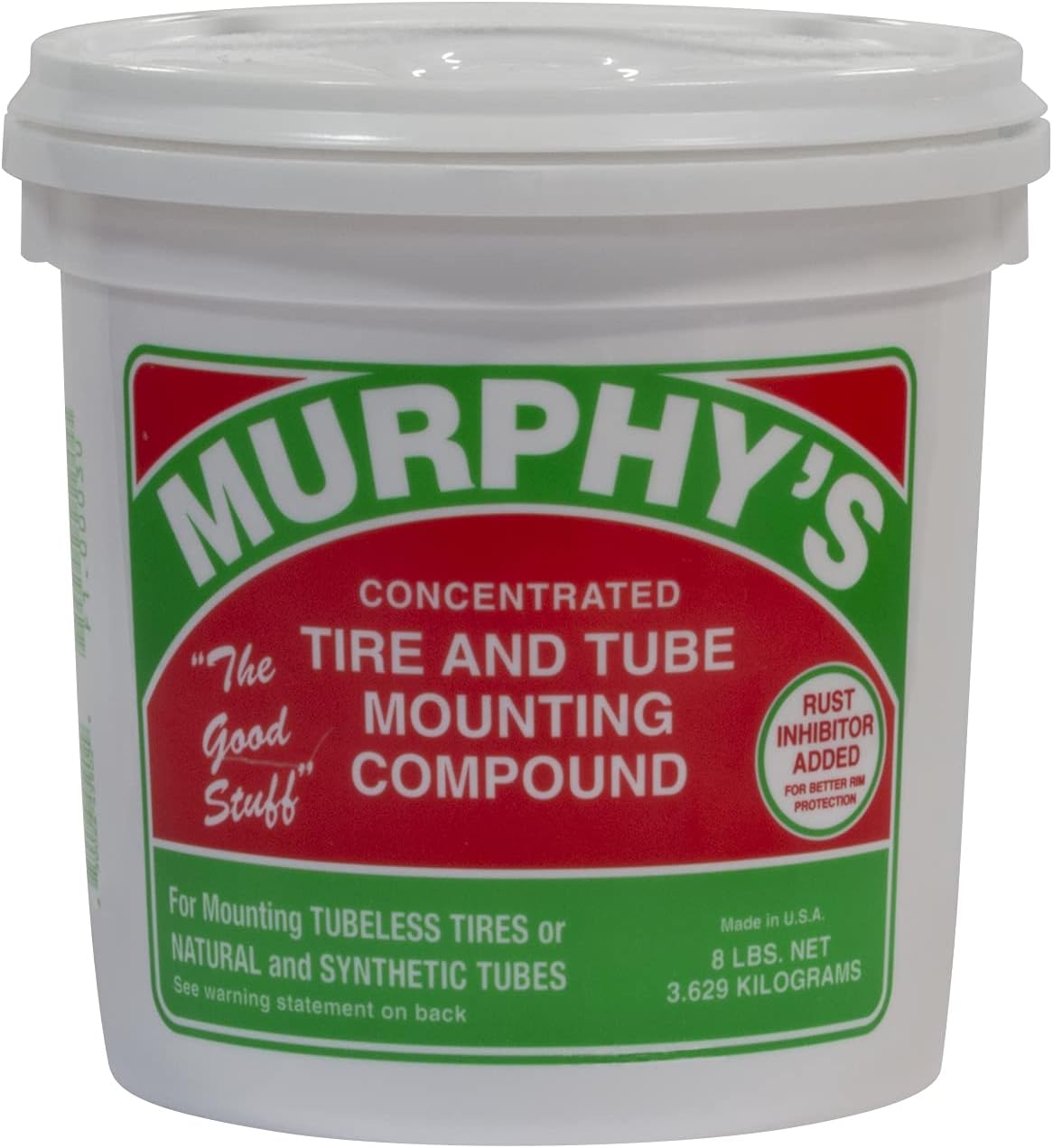
A concentrated tire and tube mounting compound designed to help simplify mounting rubber tires and tubes on passenger, semi truck, construction, and OTR applications. Its ultra-thick formula packs beads effectively and includes rust inhibitors to help protect against corrosion during use.

This 2-pack closed-flow locking air chuck set delivers controlled airflow only when the valve stem is held in place, helping prevent leaks during inflation. Made for heavy-duty use with a 300 PSI maximum rating, it features a brass body for corrosion resistance and long service life. The 1/4" FNPT connection and quick-plug compatibility make it convenient for use with Schrader valve systems and common truck, RV, and auto air compressors.