Your Toyota Camry’s tire speed rating tells you the maximum sustained speed a tire achieved under controlled laboratory testing. It also helps you choose a replacement tire with the correct construction and heat capability. The right rating depends on your Camry’s model year, trim, wheel size, and original equipment specification, so you should verify it rather than rely on a generic Camry recommendation.
Quick Answer
Choose a Toyota Camry tire with the same speed rating as the original specification, or a higher rating when the tire size and load index also match. Read the final letter in the tire’s service description, such as the V in 235/45R18 94V. Never treat that rating as a recommended driving speed.
Key Takeaways
- Camry tire speed ratings vary by year, trim, drivetrain, wheel size, and market.
- The speed symbol normally appears after the load index, such as 94V.
- Use a replacement rating that meets or exceeds Toyota’s original requirement, unless Toyota or the tire manufacturer approves a specific exception.
- Speed rating does not measure wet grip, braking distance, tread life, ride quality, or legal road speed.
- For balanced handling, avoid mixing tire specifications and replace all four tires together when practical.
What Is a Tire Speed Rating and Why It Matters
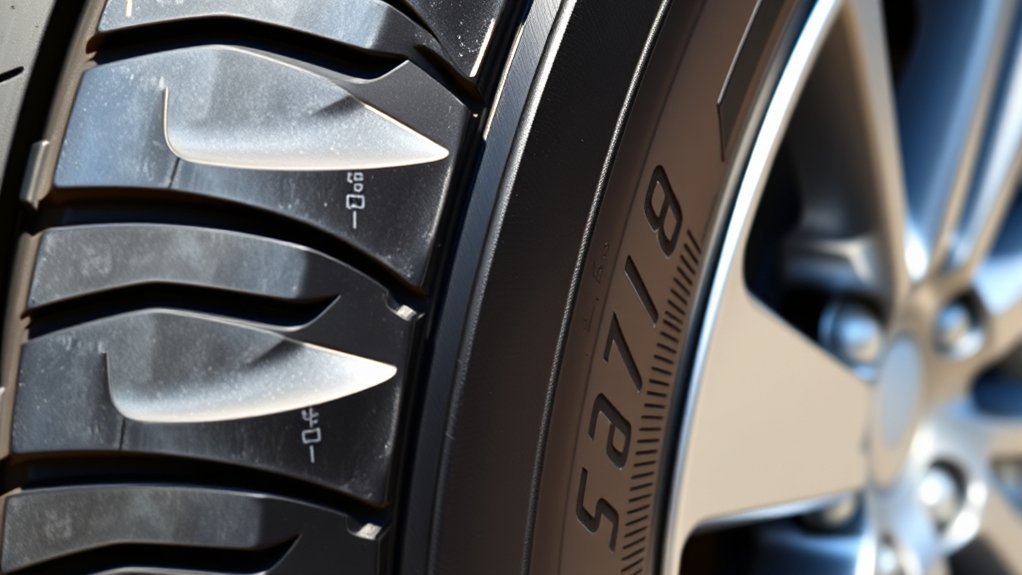
A tire speed rating is a letter that represents a tested maximum sustained speed under specified laboratory conditions. Common passenger-car ratings include S, T, H, V, W, and Y. The rating assumes the tire is correctly inflated, not overloaded, free from damage, and used within the tire manufacturer’s conditions.
The rating matters because tires built for different performance levels may use different internal constructions, rubber compounds, and heat-control features. Installing a tire below the vehicle manufacturer’s required rating can reduce the safety margin Toyota intended for the car.
Warning: A speed rating is not permission to drive at that speed. Road conditions, tire pressure, vehicle load, tire wear, repairs, heat, and local speed laws can make a much lower speed unsafe.
A tire’s speed symbol describes laboratory-tested capability, not a recommended cruising speed.
Understanding the Tire Speed Rating System
The system is not a simple A-to-Z ladder. Some letters are unused, and H appears out of alphabetical order because of the rating system’s history. You should use an established chart rather than guessing that the next letter always means the next speed step.
Most modern passenger tires show the speed symbol at the end of the service description. In 235/45R18 94V:
- 235 is the tire width in millimeters.
- 45 is the aspect ratio.
- R means radial construction.
- 18 is the wheel diameter in inches.
- 94 is the load index.
- V is the speed rating.
The load index and speed rating work together. A tire with a suitable speed symbol but an insufficient load index is not an acceptable replacement.
How to Locate Your Toyota Camry’s Tire Speed Rating
Start by reading the full size and service description on the current tire sidewall. However, do not assume a used Camry still has the correct tires. A previous owner may have installed a different size, load index, or speed rating.
Use these sources to confirm the original requirement:
- Your model-year owner’s manual: Use Toyota’s official manual and warranty portal and select the exact year and model.
- The tire and loading label: Check the driver-side door edge or door pillar for the original tire size and recommended cold pressure. The label may not display the speed rating as a separate item.
- Toyota or a qualified tire professional: Provide the VIN, model year, trim, drivetrain, and wheel size when the original specification is unclear.
- The original equipment tire specification: Compare the complete size, load index, speed symbol, and any required construction markings.
Pro Tip: Photograph the sidewall code and the driver-door tire label before shopping. This reduces mistakes when comparing several Camry trims that use different wheel and tire packages.
The National Highway Traffic Safety Administration recommends using the owner’s manual or the driver-side tire and loading label to confirm the correct tire size. For speed rating, verify the complete original equipment specification rather than relying only on the placard.
Common Tire Speed Ratings
[Products Worth Considering]

Upgrade your Toyota’s wheels with durable aluminum alloy valve stem caps that help protect valve cores from corrosion and direct exposure to road grime, clay, water, and snow. Rubber rings improve sealing to help prevent air leakage and maintain stable tire pressure for safer driving. These caps are easy to install or remove without tools and add a unique, stylish look to your car.

Monitor tire tread wear with a smart, color-coded depth gauge that shows clear condition ranges at a glance. The bar is range marked for fast, easy readings, helping you maintain safer traction and performance. Each gauge is portable with a pocket clip, and the set includes 20 units for daily use and sharing.

Steelman white tire marking crayons provide high-contrast, semi-permanent marks for repairing and inspecting tires and equipment. They write on wet or dry, smooth or coarse surfaces including rubber, metal, glass, and wood, making them ideal for puncture location and damage outlining. The lead- and zinc-free crayons resist weather and fading yet wipe away when you no longer need the marks.
Speed Rating Chart
The table below lists common passenger-tire symbols. These values match the current Michelin speed rating chart. Your Camry may not use every rating shown.
| Speed Rating | Maximum Test Speed (mph) | Maximum Test Speed (km/h) |
|---|---|---|
| Q | 99 mph | 160 km/h |
| R | 106 mph | 170 km/h |
| S | 112 mph | 180 km/h |
| T | 118 mph | 190 km/h |
| U | 124 mph | 200 km/h |
| H | 130 mph | 210 km/h |
| V | 149 mph | 240 km/h |
| W | 168 mph | 270 km/h |
| Y | 186 mph | 300 km/h |
| (Y) | Above 186 mph | Above 300 km/h |
What ZR, W, Y, and (Y) Mean
ZR needs extra explanation because it does not provide one precise modern maximum speed by itself. A ZR marking within the tire size traditionally indicates capability above 149 mph. The service description normally adds W or Y to show the more specific tested limit.
- ZR with W: Up to 168 mph under the applicable test conditions.
- ZR with Y: Up to 186 mph under the applicable test conditions.
- ZR with (Y): Approved for speeds above 186 mph under the tire manufacturer’s stated conditions.
This distinction corrects the common but incomplete statement that “Z means over 149 mph.” Always read the entire size and service description.
[Products Worth Considering]

Measure tire tread depth quickly and accurately with this LUMITECO dial gauge that reads in 1/32" increments up to 14/32". The color-coded green/yellow/red zones make it easy to judge tire wear and know when replacement is needed. A rugged, compact design with a protective pouch helps keep the gauge ready for use on cars, trucks, motorcycles, and more.

These aluminum alloy tire valve stem caps with an O-ring seal help protect valve stems from corrosion while adding a clean, stylish look to your vehicle. The universal fit works across cars, trucks, motorcycles, bicycles, and more, making them an easy upgrade for everyday driving and off-road use. Installation is quick, and the included four-pack keeps all your tires dressed and protected.

Measure tyre tread depth precisely with a digital gauge that reads in both MM and inches, helping you monitor safe driving conditions. The large LCD screen is easy to operate, and the compact tool fits for cars, trucks, and motorcycles. It provides high accuracy with a 0-25.4mm range and includes a 1-year warranty for added peace of mind.
Why Matching Tire Size, Load Index, and Speed Rating Matters
Why the Original Specification Is the Baseline
A suitable replacement tire must meet several requirements at the same time. The U.S. Tire Manufacturers Association advises using the size, load index, and speed rating recommended by the vehicle or tire manufacturer.
- Tire size affects clearance, gearing, speedometer behavior, and compatibility with the wheel.
- Load index determines how much weight the tire can support under its rated conditions.
- Speed rating represents tested sustained-speed capability and heat performance.
- Tire type and construction affect wet grip, snow performance, steering response, noise, and comfort.
A higher speed rating is normally acceptable only when the replacement tire also has the correct size, sufficient load capacity, suitable construction, and an approved fitment. A higher letter does not correct an incorrect size or insufficient load index.
How Tire Speed Ratings Affect Performance and Safety
Higher-rated tires are often engineered with construction and materials intended to manage more heat and remain stable during higher-speed testing. That can support sharper steering response or firmer handling, but the rating alone does not guarantee better grip or shorter stopping distances.
Handling and Steering Response
Some H-, V-, W-, or Y-rated tires have stiffer sidewalls or performance-focused tread designs. They may feel more responsive than a touring tire with a lower speed rating. However, two tires with the same rating can behave very differently because tread pattern, compound, casing design, tire pressure, temperature, and vehicle setup also matter.
Ride Comfort, Noise, and Tread Life
A higher-rated tire may ride more firmly, but it is not automatically harsher. It also does not automatically wear faster. Comfort, noise, rolling resistance, and tread life depend on the complete tire design, not just the speed symbol. Compare the tire manufacturer’s intended use, warranty, test data, and owner feedback instead of choosing by letter alone.
Speed Rating Is Not the UTQG Temperature Grade
Do not confuse the speed symbol with the U.S. Uniform Tire Quality Grading temperature grade. UTQG temperature grades use A, B, or C to describe heat resistance in a separate government-specified test. The speed rating appears in the service description and uses a different system.
Does a Lower Speed Rating Reduce Acceleration?
The rating does not electronically limit your Camry’s acceleration or engine output. A lower-than-required rating creates a tire suitability and safety problem, not an acceleration limiter. The vehicle can still accelerate beyond what is appropriate for the tire, which is one reason you should not downgrade below the specified rating.
Is It Okay to Mix Tire Speed Ratings?
For normal use, avoid mixing speed ratings. The best setup uses four tires with matching size, load index, speed rating, construction, tread pattern, and similar tread depth, unless Toyota specifies a different factory fitment.
If all four tires meet or exceed the original minimum rating but use different designs, the car can still have uneven steering, wet grip, breakaway behavior, or ride quality. Keep identical tires on the same axle and ask a qualified tire professional to evaluate the complete setup.
If a tire is below Toyota’s required speed rating, replace it rather than treating it as a permanent solution. Do not rely on a universal rule that a lower-rated tire always belongs on the front. Camry drivetrain and fitment details vary, and tire placement also depends on tread depth, tire type, and manufacturer guidance.
Note: When replacing only two tires, USTMA recommends installing the new pair on the rear axle to improve rear grip and reduce the risk of oversteer on wet roads. Follow Toyota’s model-specific instructions when they differ.
Temporary Spares and Winter Tires
A compact temporary spare is a special exception. Follow the speed and distance limits printed on the spare and in the Camry owner’s manual. Some winter-tire applications may allow a lower speed rating when specifically approved, but rules and labeling requirements vary by country. Confirm the fitment with Toyota and the tire manufacturer before using that exception.
Maintenance Tips for Tires With High Speed Ratings

A high speed rating cannot protect a tire that is underinflated, overloaded, damaged, or badly worn. Use the same careful maintenance you would apply to any safety-critical tire:
- Check pressure when the tires are cold. Use the pressure on the driver-door tire label, not the maximum pressure molded on the tire sidewall.
- Inspect all four tires. Look for cuts, cracks, bulges, exposed cords, punctures, uneven wear, and objects in the tread.
- Rotate on the correct schedule. Follow the exact Toyota maintenance guide for your model year and drivetrain. Toyota notes that rotation frequency and pattern are vehicle-specific in its tire rotation guide.
- Correct alignment and balance problems. Vibration, pulling, or uneven wear can signal a problem that shortens tire life and reduces stability.
- Respect load limits. Passenger weight, cargo, and sustained speed all add heat and stress.
- Check tire age and recalls. Read the full DOT tire identification number and use NHTSA resources to check for recalls.
- Ask about repaired tires. A repair may affect the tire manufacturer’s high-speed guidance, so do not assume the original capability remains unchanged.
Do not inflate a tire to the maximum sidewall pressure simply because it has a high speed rating. The vehicle label provides the normal cold inflation specification for the original fitment.
Where to Find Quality Tires for Your Toyota Camry
You can buy Camry tires from a Toyota dealer, a tire manufacturer’s authorized retailer, a reputable local tire shop, or a trusted online tire seller that provides professional installation. The seller matters less than the accuracy of the fitment and the quality of the installation.
Before purchasing, confirm:
- The exact tire size, load index, and speed rating for your Camry.
- Whether the tire is all-season, summer, winter, touring, or performance-focused.
- The tire’s manufacturing date, warranty terms, and recall status.
- Installation costs, balancing, valve service, disposal fees, and alignment recommendations.
- Whether two-tire replacement or mixing with your remaining tires is appropriate.
Avoid choosing a tire only because it has the highest speed rating or the lowest advertised price. The best choice is the tire that meets Toyota’s specification and suits your weather, driving conditions, comfort preference, and budget.
[Products Worth Considering]
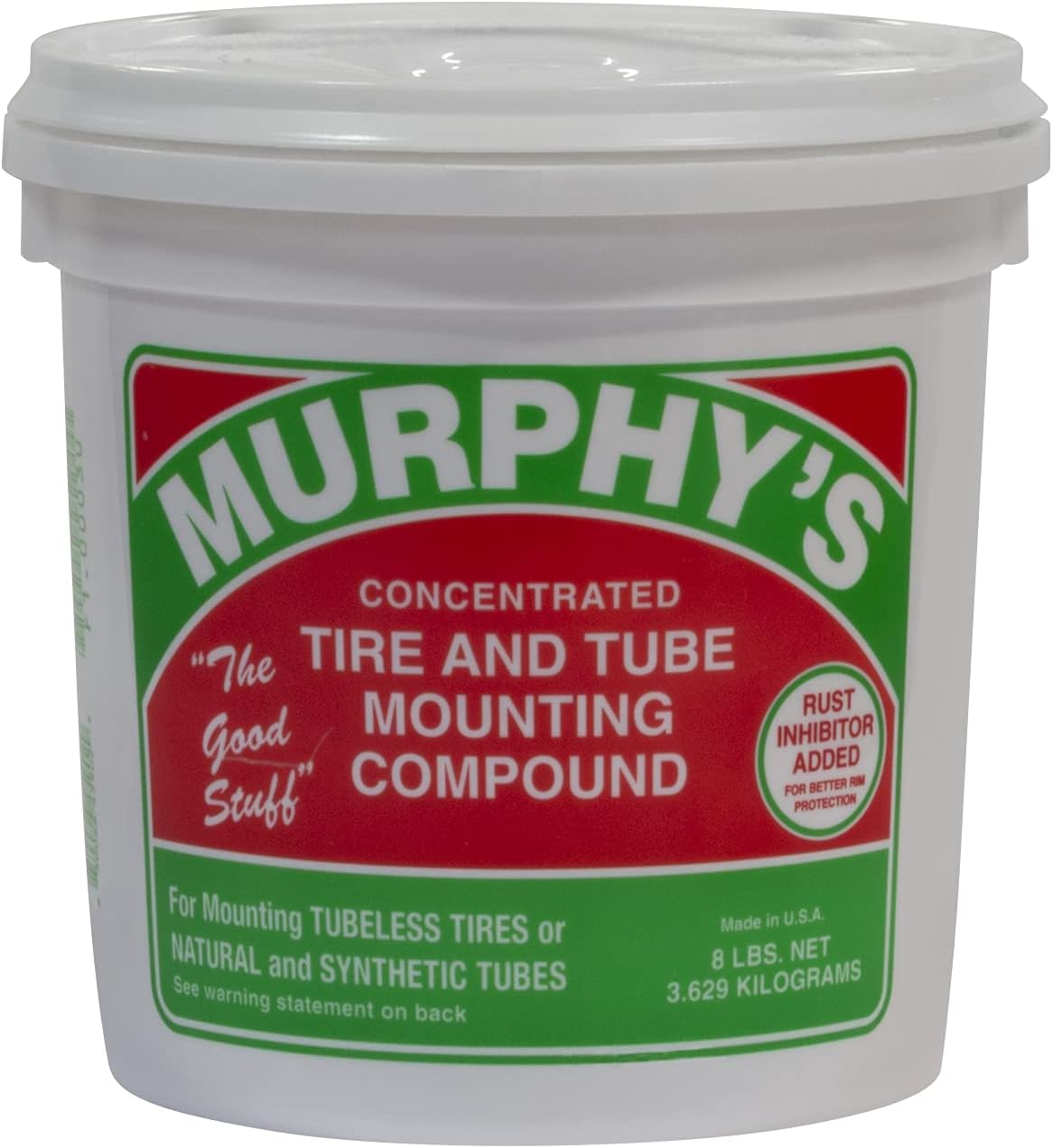
A concentrated tire and tube mounting compound designed to help simplify mounting rubber tires and tubes on passenger, semi truck, construction, and OTR applications. Its ultra-thick formula packs beads effectively and includes rust inhibitors to help protect against corrosion during use.

Adam’s Pro Tire Hex Grip applicators are molded foam sponges designed for precise, even tire dressing application. The ergonomic grip helps you spread product without overapplying, reducing sling that can splash onto paint and helping keep your hands clean during wheel and trim detailing. They’re durable, washable, and reusable for repeated detailing sessions.

The Trivd Frol 1/2" air impact wrench delivers high performance torque up to 1500 ft-lbs with a twin hammer impact mechanism for strong, balanced blows. It features an ergonomic grip, compact lightweight design, and quick-stop control with 3 forward speeds up to 8000 RPM plus a reverse speed. Built for demanding automotive repair and tire shop work, the rear exhaust helps keep debris away from the surface.
Frequently Asked Questions
How do I read a tire speed rating chart?
Find the final letter in the tire’s service description, then match it to the chart. For example, V in 235/45R18 94V corresponds to 149 mph under the applicable laboratory test conditions. Also verify the size and load index.
Is a W speed rating good for a Toyota Camry?
A W-rated tire is suitable only when its size, load index, construction, and fitment are correct. W means a maximum test speed of 168 mph, but it is not automatically better for comfort, tread life, wet grip, or value.
Can I install a higher speed rating than Toyota specifies?
Usually, yes, provided the tire also matches the approved size, meets or exceeds the required load index, fits the wheel, and suits the vehicle. Confirm the complete fitment rather than upgrading the speed symbol alone.
Can I use a lower speed rating on my Camry?
Do not use a lower rating unless Toyota and the tire manufacturer approve a specific application, such as certain winter-tire setups. A lower rating can fall below the performance specification intended for the vehicle.
Does the speed rating show the legal speed limit?
No. It is a tire test classification, not a road-speed recommendation. You must follow posted laws and reduce speed for weather, traffic, tire condition, pressure, load, and other driving risks.
Why is H out of alphabetical order?
H is placed between U and V by speed capability even though it is earlier in the alphabet. It remains in that position because of the historical development of the rating system.
Conclusion
Your Toyota Camry needs more than a tire with a familiar letter on the sidewall. Confirm the exact model-year specification, then match the tire size, load index, speed rating, construction, and intended use. A higher rating can be acceptable, but it is not automatically a better tire. Correct inflation, even tread, proper placement, and regular inspection remain essential for safe performance.
Sources
- Toyota Owners Manuals and Warranties — model-year manuals and vehicle-specific specifications.
- NHTSA TireWise — tire labels, pressure, maintenance, recalls, and replacement basics.
- U.S. Tire Manufacturers Association: Replacing Tires — replacement size, load index, speed rating, and two-tire placement guidance.
- Michelin Speed Rating Chart — passenger-tire speed symbols and corresponding test speeds.
- Continental: Mixing Tires — matching tire specifications and handling considerations.
- Toyota Tire Rotation Guide — model-specific rotation frequency and pattern guidance.