
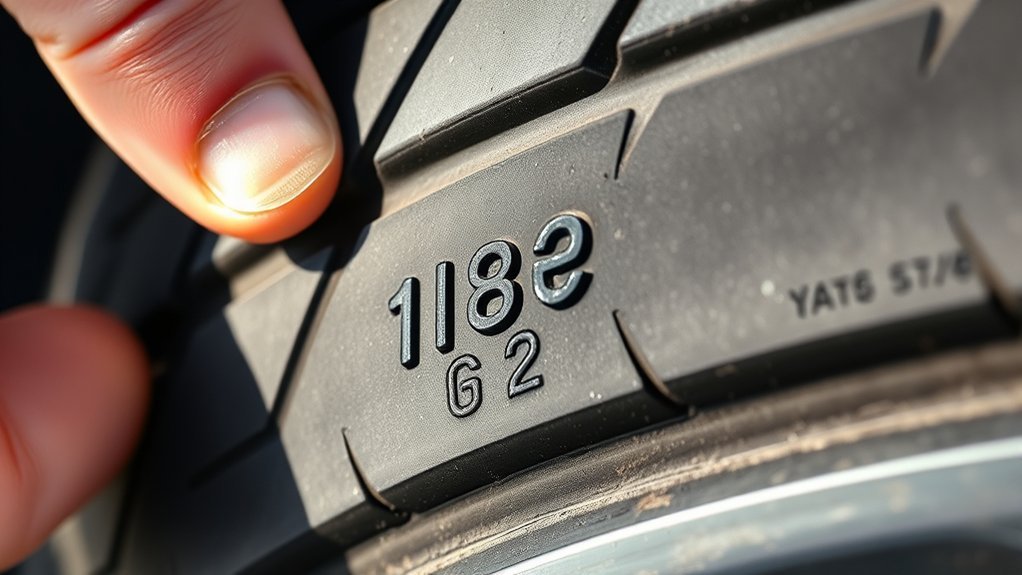
To find tire width from the sidewall numbers, look for the first three-digit number in the tire size code. In a size like P225/70R16, the width is 225 millimeters. That number is the tire’s nominal section width from sidewall to sidewall, not the exact tread width. You should still read the full size code before buying, because aspect ratio, wheel diameter, load index, speed rating, rim width, and vehicle clearance all affect safe fitment.
Quick Answer
The tire width is the first three-digit number in the size code on the sidewall. In P225/70R16, the tire is 225 mm wide. The next number, 70, is the aspect ratio, and R16 means the tire fits a 16-inch wheel.
Key Takeaways
- The first three digits in a metric tire size show the tire width in millimeters.
- In P225/70R16, the tire width is 225 mm.
- The width number is nominal section width, not the exact tread width you see touching the road.
- Always compare the sidewall size with the owner’s manual, doorjamb placard, and approved wheel size before changing tires.
- Wider tires may improve dry grip, but they can also affect steering feel, clearance, fuel economy, ride comfort, and wet-road behavior.
At a Glance
| Time Required | 1–3 minutes |
| Difficulty | Easy |
| Tools Needed | Flashlight and your tire sidewall, owner’s manual, or driver-door tire placard |
| Cost | $0 |
Decode Tire Width From Sidewall Numbers
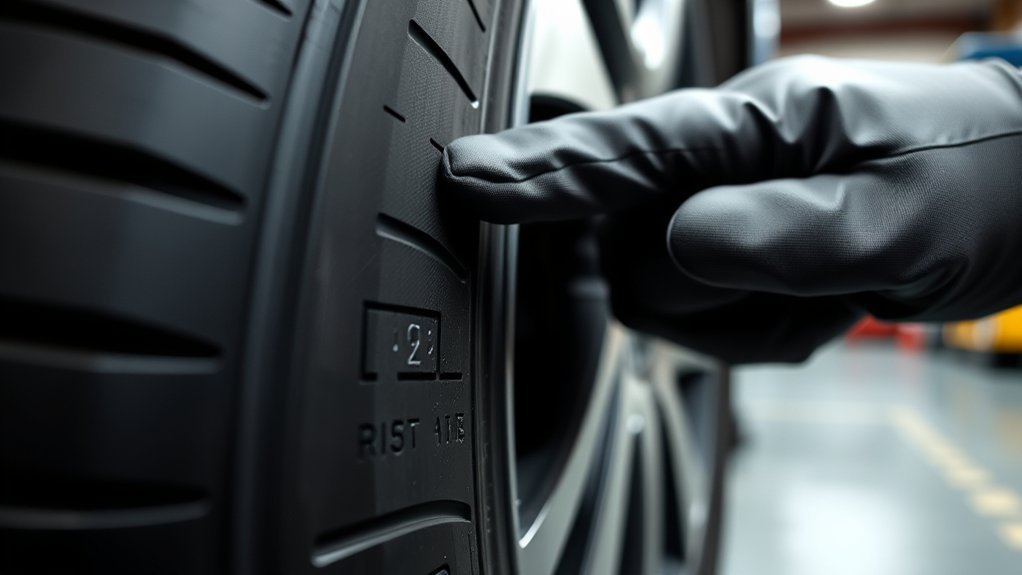
The first three-digit number on your tire’s sidewall tells you the tire width in millimeters. For example, the “225” in P225/70R16 means the tire has a nominal section width of 225 mm. You can use that number to read sidewall markings fast and identify the width before comparing tire options.
This number is not the same as the tread width. It is the tire’s section width, which means the distance across the mounted and inflated tire from one sidewall to the other. The tread that touches the road can be narrower than the section width, depending on the tire design, rim width, and inflation pressure.
Note: A tire marked 225 mm may not measure exactly 225 mm with a ruler after installation. Actual measured width can change slightly based on rim width, air pressure, tire construction, and brand.
If you compare 225 mm and 255 mm tires, the 255 tire is wider. A wider option can add grip in some conditions, but it may also change steering feel, fuel efficiency, wet-road behavior, and clearance. Always compare tire specifications against your vehicle’s approved tire sizes before you buy. If you are comparing tire choices for specific Toyota models, understanding all-season tire benefits can help you weigh year-round performance needs.
Read the Full Tire Size Code
Once you find the width number, read the entire tire size code. Tire width is only one part of the fitment. The aspect ratio, construction type, wheel diameter, load index, and speed rating all matter.
| Sidewall Code Part | Example | Meaning |
| Vehicle class | P | Passenger-vehicle tire. Some tires may start with LT, ST, or no letter. |
| Width | 225 | Nominal section width in millimeters. |
| Aspect ratio | 70 | Sidewall height is 70% of the tire width. |
| Construction | R | Radial construction. |
| Wheel diameter | 16 | The tire fits a 16-inch wheel. |
For a size like P225/70R16, you should read it as: passenger tire, 225 mm wide, sidewall height equal to 70% of the width, radial construction, and 16-inch wheel diameter. You should also check the load index and speed rating that appear after the size code on many tires.
For more detailed manufacturer guidance on reading tire size markings, you can review Continental’s tire size guide. If you are comparing replacement tires, UTQG ratings can also help you compare treadwear, traction, and temperature grades, but UTQG is separate from the tire-width number.
Find Tire Width in 4 Steps
- Look at the tire sidewall. Find the large size code molded into the rubber, such as P225/70R16, 235/55R18, or LT265/70R17.
- Find the first three-digit number. In standard metric passenger and light-truck tire sizes, that number is the tire width in millimeters.
- Confirm the full size. Check the aspect ratio, wheel diameter, load index, and speed rating so you do not choose width alone.
- Match the vehicle specs. Compare the size with the driver-door placard, owner’s manual, and tire manufacturer’s approved rim-width range.
Pro Tip: If the tire on the vehicle is not the factory size, the sidewall may only tell you what is installed now. Check the doorjamb placard or owner’s manual to confirm the original approved size.
Convert Tire Width From Millimeters to Inches
Tire width is usually shown in millimeters, but you can convert it to inches when you want a rough comparison. Divide the millimeter width by 25.4.
- 225 mm ÷ 25.4 = 8.86 inches
- 235 mm ÷ 25.4 = 9.25 inches
- 285 mm ÷ 25.4 = 11.22 inches
This conversion helps you picture the width, but do not use it as the only fitment check. Tire sizing is based on approved tire and wheel combinations, not just a simple inch measurement.
What Tire Width Means for Fit and Performance
Tire width affects how your vehicle fits and performs on the road. You read it from the sidewall numbers, then use it to judge fitment, handling, stability, and traction. A wider tire may add dry-road grip and cornering feedback, but it can also increase rolling resistance, reduce fuel efficiency, create more road noise, and make steering feel heavier. In wet conditions, a wider tire is not automatically better because tread design, rubber compound, water evacuation, and tire pressure also matter.
Tire width is useful only when it fits the wheel, clears the vehicle, carries the correct load, and keeps the overall tire diameter within a safe range.
- Wider tire: may add grip and stability, but can affect steering and efficiency.
- Narrower tire: may improve ride comfort and rolling efficiency, but can reduce grip depending on conditions.
- Correct fitment: protects clearance, load capacity, handling, and safety systems.
- Proper rim width: helps the tire keep the shape its maker designed.
When you match tire width to your setup, you keep the car responsive without sacrificing safety. If you drive in mixed weather, considering reliable wet and dry traction is also important.
Warning: Do not install a tire width just because it physically fits. The tire must match the vehicle’s approved size range, rim-width range, load index, speed rating, and clearance. An unsupported tire size can affect braking, steering, stability control, and tire wear.
[Products Worth Considering]

Black Magic Tire Wet delivers a deep wet-look shine that makes tires appear dark, rich, and freshly detailed. Its long-lasting formula helps resist rain, dust, and road grime for weeks of glossy protection, not days. Apply by spraying onto clean, dry tires—no buffing or wiping required—with a low-sling design to reduce splatter on paint and wheels.

Keep your tires properly inflated with this analog VONDIOR tire pressure gauge, designed for fast, easy readings without batteries. The swiveling, two-axis hose and large glow dial help you measure at any tire angle with instant visibility. Built with a protective rubber shield, it supports durable, low-maintenance use for cars and trucks.

Measure tire tread depth quickly and accurately with this LUMITECO dial gauge that reads in 1/32" increments up to 14/32". The color-coded green/yellow/red zones make it easy to judge tire wear and know when replacement is needed. A rugged, compact design with a protective pouch helps keep the gauge ready for use on cars, trucks, motorcycles, and more.
Match Tire Width to Wheel Size
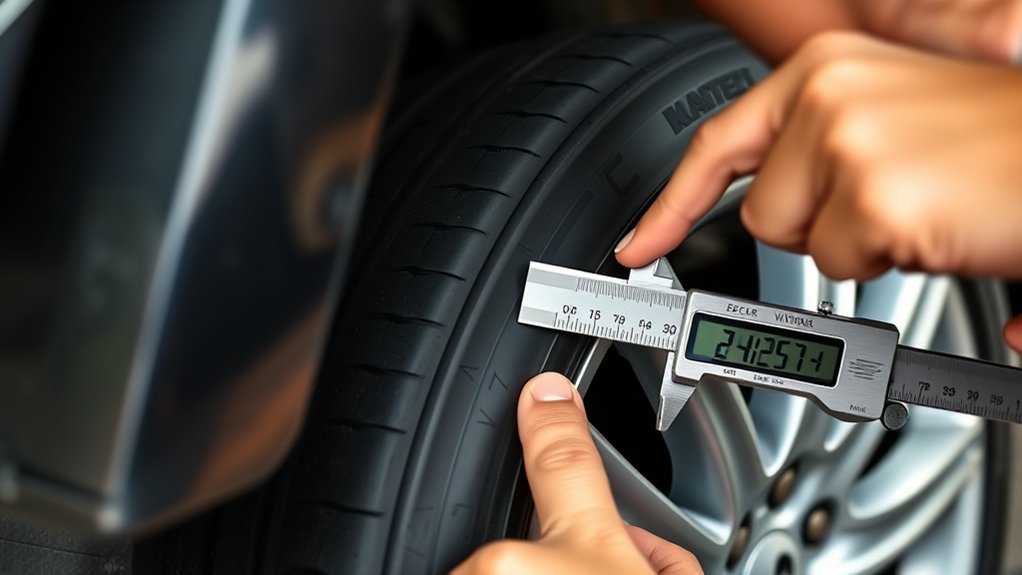
To match tire width to wheel size, start with the first three-digit number on the sidewall, then check the approved rim-width range for that exact tire size. The width number tells you the tire’s nominal section width, but it does not tell you every wheel that tire can safely use.
A rim that is too narrow can pinch the tire and change the tread shape. A rim that is too wide can stretch the sidewalls and reduce bead support. Either problem can hurt ride quality, steering response, wear, and safety. For performance vehicles, trucks, and plus-size wheel changes, the safe range becomes even more important because small changes can affect fender clearance, suspension clearance, and overall diameter.
Do not rely on a universal rule such as “one inch narrower.” Check the vehicle documentation, tire manufacturer specifications, and wheel manufacturer specifications. The federal tire selection and rim guidance in 49 CFR 571.110 also shows why tire and rim information is treated as a safety item, not a styling detail. If you compare models, the UTQG rating can provide extra context on tread life and traction grades.
[Products Worth Considering]

This 3-piece wheel and tire brush set makes it easy to clean light, medium, and heavy dirt from wheels, rims, tires, and exterior surfaces. It includes both soft and stiff bristle options for gentle scrubbing and tough grime removal, helping lift brake dust and road buildup. The long-handle design supports comfortable cleaning across cars, trucks, SUVs, RVs, motorcycles, and more, with simple care instructions to restore brush shape.

Replace worn or missing TPMS sensors with a pre-programmed 4-pack designed for compatible GM vehicles. These 315MHz sensors provide real-time tire pressure monitoring and alert you if pressure is too high, too low, or if a rapid air leak occurs. Most installations are ready with minimal relearn effort after mounting, helping improve safety and driving confidence.

These aluminum alloy tire valve stem caps with an O-ring seal help protect valve stems from corrosion while adding a clean, stylish look to your vehicle. The universal fit works across cars, trucks, motorcycles, bicycles, and more, making them an easy upgrade for everyday driving and off-road use. Installation is quick, and the included four-pack keeps all your tires dressed and protected.
Choose the Right Tire Width for Your Vehicle
Choosing the right tire width starts with the sidewall code, but it should end with your vehicle’s approved tire size. The correct size is usually listed on the tire information placard on the driver’s door jamb, in the owner’s manual, or in the vehicle documentation. You can also check the tire manufacturer’s data for the correct rim-width range.
- Check the owner’s manual for the recommended tire size, load index, and speed rating.
- Read the doorjamb placard to verify the factory tire size and tire pressure.
- Keep the aspect ratio and overall diameter in range if you change width.
- Confirm rim width and clearance before ordering wider tires.
- Recheck speedometer accuracy when changing overall tire diameter.
If you want a wider tire for appearance or grip, compare the full size, not just the first number. For example, moving from 225/60R17 to 235/60R17 changes both width and sidewall height because the aspect ratio is a percentage of the width. That can slightly change overall diameter, gearing, speedometer reading, and clearance. The right tire width gives you predictable response, safer grip, and honest road feel. You can also compare different tire options to see how width, tread design, and tire category affect comfort and performance.
[Products Worth Considering]

Adam’s Pro Tire Hex Grip applicators are molded foam sponges designed for precise, even tire dressing application. The ergonomic grip helps you spread product without overapplying, reducing sling that can splash onto paint and helping keep your hands clean during wheel and trim detailing. They’re durable, washable, and reusable for repeated detailing sessions.

Vigorder rubber cement glue delivers superior adhesion and cures quickly within about 30 seconds for seamless rubber bonding. Once cured, it helps provide a strong, durable, waterproof seal that holds up to vehicle weight, pressure, and heat. Suitable for cars, motorcycles, trucks, bicycles, and off-road tires, it’s designed for emergency patch and maintenance repairs.

Monitor tire tread wear with a smart, color-coded depth gauge that shows clear condition ranges at a glance. The bar is range marked for fast, easy readings, helping you maintain safer traction and performance. Each gauge is portable with a pocket clip, and the set includes 20 units for daily use and sharing.
Watch for Non-Standard Tire Size Formats
Most passenger-car tires use a metric format like 225/50R17. Some light-truck and off-road tires use a flotation format, such as 31×10.50R15LT. In that format, the first number is the overall tire diameter in inches, the second number is the section width in inches, and the final number is the wheel diameter in inches.
That means 31×10.50R15LT is not 31 mm wide. It is about 31 inches tall, about 10.50 inches wide, and made for a 15-inch wheel. If your tire code uses an “x” format, decode it differently or ask a tire shop to confirm before buying.
Frequently Asked Questions
How do I tell what width my tires are?
Read the first three-digit number in the tire size code on the sidewall. In 225/50R16, the tire width is 225 mm. That number is nominal section width, so also check the aspect ratio, wheel diameter, load index, speed rating, rim compatibility, and vehicle placard before buying replacements.
Which tire is wider, a 50 or 55?
Neither number tells you tire width. In a size like 225/50R17 or 225/55R17, the 50 or 55 is the aspect ratio. It tells you sidewall height as a percentage of width. To compare width, look at the first number. A 225/50R17 and 225/55R17 are both 225 mm wide, but the 55 has a taller sidewall.
Is 285 the height or width of a tire?
In a standard metric tire size such as 285/70R17, 285 is the tire width in millimeters. The height is calculated from the aspect ratio. In this example, the sidewall height is 70% of 285 mm, not 285 mm.
Is a 225 or 235 tire wider?
A 235 tire is wider than a 225 tire by 10 mm in nominal section width. That does not automatically mean it is the better choice. You still need to confirm wheel width, clearance, load index, speed rating, and overall diameter.
Can I use a wider tire than the factory size?
Sometimes, but only if the wider tire is approved for your wheel and vehicle. Check the owner’s manual, doorjamb placard, tire manufacturer specs, rim-width range, and clearance around the fenders, suspension, and brakes. A wider tire can also change steering feel, speedometer accuracy, fuel economy, and wet-weather performance.
Conclusion
Now that you can decode the sidewall numbers, you can find tire width with confidence. Look for the first three-digit number in the size code, read it as millimeters, and remember that it describes nominal section width. Then check the full tire size, wheel diameter, load index, speed rating, doorjamb placard, and approved rim-width range. The right number on the sidewall only matters when it matches the right tire for your vehicle.
Sources
- Continental Tires Tire Size Guide — backs up tire size decoding, width, aspect ratio, wheel diameter, and where to find tire-size information.
- National Highway Traffic Safety Administration Tire Safety — supports the safety importance of proper tire selection, tire condition, and tire information checks.
- 49 CFR 571.110 Tire Selection and Rims — supports the safety role of tire and rim information for passenger vehicles.
