
Canadian Tire is one of Canada’s best-known retail groups, combining automotive products, tools, home goods, sporting goods, workwear, financial services, gas bars, and loyalty rewards under one national brand family. It began as a Toronto tire and garage business in 1922 and has grown into a major Canadian retail network built around practical, everyday needs.
Quick Answer
Canadian Tire is a Canadian retail company known for automotive parts, tools, home products, outdoor gear, sporting goods, owned brands, Triangle Rewards, and Canadian Tire Bank. Its wider network includes banners such as Canadian Tire, SportChek, Mark’s, Party City, PartSource, Pro Hockey Life, and gas bars.
Key Takeaways
- Canadian Tire started in 1922 as a tire and garage business founded by brothers A.J. and J.W. Billes.
- The company now operates through a broad Canadian retail network that includes Canadian Tire stores, SportChek, Mark’s, Party City, PartSource, Pro Hockey Life, and gas bars.
- Owned brands such as Mastercraft, MotoMaster, NOMA, Paderno, Canvas, Woods, and Dakota help Canadian Tire compete on value and recognition.
- Triangle Rewards connects shopping across several banners and lets members collect and redeem Canadian Tire Money.
- Canadian Tire Bank supports the company’s credit-card, rewards, financing, deposit, and insurance ecosystem.
What Is Canadian Tire?

Canadian Tire Corporation is a Canadian retail and financial-services company built around everyday categories such as automotive, tools, home, outdoor living, sports, seasonal products, workwear, and financial services. The company’s own description emphasizes a national retail network, financial services, and e-commerce capabilities, rather than just tires.
The name can be misleading if you are new to the brand. Canadian Tire still has deep automotive roots, but its stores also sell kitchenware, cleaning products, small appliances, patio furniture, camping gear, bicycles, hockey equipment, work boots, clothing, and seasonal goods. That broad mix is why many Canadians think of it as a practical one-stop store for home, car, garage, yard, and weekend needs.
Note: Canadian Tire is not just one store format. The wider company includes multiple retail banners, a loyalty program, petroleum locations, owned brands, and Canadian Tire Bank.
Canadian Tire at a Glance
| Founded | 1922 in Toronto by brothers A.J. and J.W. Billes |
| Core retail identity | Automotive, tools, home, outdoor, sports, seasonal, workwear, and everyday essentials |
| Major banners | Canadian Tire, PartSource, Party City, Pro Hockey Life, SportChek, Sports Experts, Atmosphere, Mark’s, L’Équipeur, and gas bars |
| Loyalty program | Triangle Rewards and Canadian Tire Money |
| Financial arm | Canadian Tire Bank, which supports credit cards, financing, deposits, insurance, and rewards-linked products |
How Canadian Tire Started in 1922
Canadian Tire began in 1922 when brothers A.J. and J.W. Billes started a small garage and tire business in Toronto. The company’s early growth came from a clear promise: sell practical automotive products to drivers who needed dependable service, fair pricing, and confidence in what they were buying.
In 1927, the business became Canadian Tire Corporation Limited. By the late 1920s, catalogues, price lists, and road maps helped it reach customers beyond one shop floor. In 1934, the company opened its first associate dealership, a model that later became one of the most important parts of Canadian Tire’s national growth.
That early mix of automotive specialization, mail-order reach, local operators, and practical pricing helped Canadian Tire become more than a tire seller. It became a retail system built around Canadian drivers, homeowners, DIY shoppers, and families preparing for seasonal needs.
Canadian Tire Stores and Formats
Canadian Tire’s retail footprint is broader than a single big-box store. According to the company’s 2025 Annual Information Form, the corporation operates through several divisions and banners, including Canadian Tire stores, PartSource, Party City, Pro Hockey Life, SportChek, Sports Experts, Atmosphere, Mark’s, L’Équipeur, petroleum locations, and financial services.
[Products Worth Considering]

Replace worn tires quickly with this universal 4.80/4.00-8 tire and inner tube set designed for wheelbarrows and outdoor utility carts. The ribbed tread helps reduce turf damage while the natural rubber construction supports longer service life. Compatible with 15.5-inch outer diameter, 4-inch width, and 8-inch rim diameter wheels, it uses a straight TR-13 valve stem for easy installation. For best results, inflate with a manual pump and do not exceed 25 PSI.

This roadside assistance kit helps drivers and passengers in urgent situations after an accident or breakdown, providing practical support while waiting for help. It includes a lightweight, compact tire inflator for fast inflation of standard vehicle tires, plus reinforced jumper cable protection for safer handling. Ideal for winter weather, road trips, camping, and travel, with everything stowed neatly in a trunk bag.

The Topeak SmartGauge D2 delivers precise digital tire pressure readings for bikes, motorcycles, and sports equipment up to 250 psi (17 bar). Its rotating SmartHead works with both Presta and Schrader valves, so you can check pressure quickly without adapters. The LCD display makes it easy to read results in psi, bar, or kg/cm² with an included CR2032 battery for immediate use.
Store Formats
The main Canadian Tire store is still the center of the company’s identity. These stores focus on automotive, fixing, living, playing, seasonal, and gardening categories. Other banners extend the company into sports retail, workwear, party goods, hockey equipment, auto parts, and fuel.
| Format | Main focus |
| Canadian Tire stores | Automotive, tools, home, outdoor, seasonal, and everyday goods |
| PartSource | Automotive parts and accessories |
| SportChek, Sports Experts, Atmosphere, Pro Hockey Life | Sports equipment, apparel, footwear, outdoor gear, and hockey products |
| Mark’s and L’Équipeur | Workwear, footwear, casual clothing, and safety gear |
| Party City | Party supplies, costumes, balloons, and seasonal event goods |
| Gas bars and EV charging | Fuel, convenience, loyalty rewards, and selected EV charging locations |
Flagship and Modernized Locations
Canadian Tire has continued to modernize stores with improved layouts, digital tools, better pickup options, and more visible product presentation. These upgrades matter because the company sells a wide product mix, and shoppers often need to compare sizes, parts, tools, seasonal items, and owned-brand alternatives in person.
Newer store concepts also support omnichannel shopping. A customer may research a product online, check local inventory, collect Triangle Rewards offers, then pick up the item in store. That blend of digital browsing and local store access is a key reason Canadian Tire remains competitive in a retail market shaped by e-commerce.
Associate Dealerships
One distinctive part of Canadian Tire’s model is the associate dealer system. Many Canadian Tire stores are operated by independent dealers under the Canadian Tire brand. Dealers manage local store operations while the corporation supports the brand, supply chain, owned products, national marketing, e-commerce systems, and loyalty program.
This model helps Canadian Tire stay national and local at the same time. A store can reflect local demand, weather, driving habits, seasonal needs, and community buying patterns while still looking and operating like part of a consistent Canadian brand.
Canadian Tire House Brands

Owned brands are one of Canadian Tire’s biggest competitive advantages. The company’s Consumer Brands Division includes well-known names such as Mastercraft, MotoMaster, NOMA, Canvas, Paderno, Woods, Dakota, Outbound, Raleigh, Sherwood, WindRiver, and others.
These brands help Canadian Tire serve customers who want practical products without always paying premium national-brand prices. Mastercraft covers many tools and workshop needs. MotoMaster is closely tied to automotive products. NOMA is familiar in home and seasonal categories. Paderno strengthens kitchenware. Woods supports camping and outdoor living. Dakota and WindRiver support workwear and casual clothing through Mark’s.
Pro Tip: When comparing Canadian Tire products, check whether an item is an owned brand. Owned brands can offer good value, but you should still compare warranty terms, materials, reviews, and replacement-part availability.
[Products Worth Considering]

Steelman white tire marking crayons provide high-contrast, semi-permanent marks for repairing and inspecting tires and equipment. They write on wet or dry, smooth or coarse surfaces including rubber, metal, glass, and wood, making them ideal for puncture location and damage outlining. The lead- and zinc-free crayons resist weather and fading yet wipe away when you no longer need the marks.
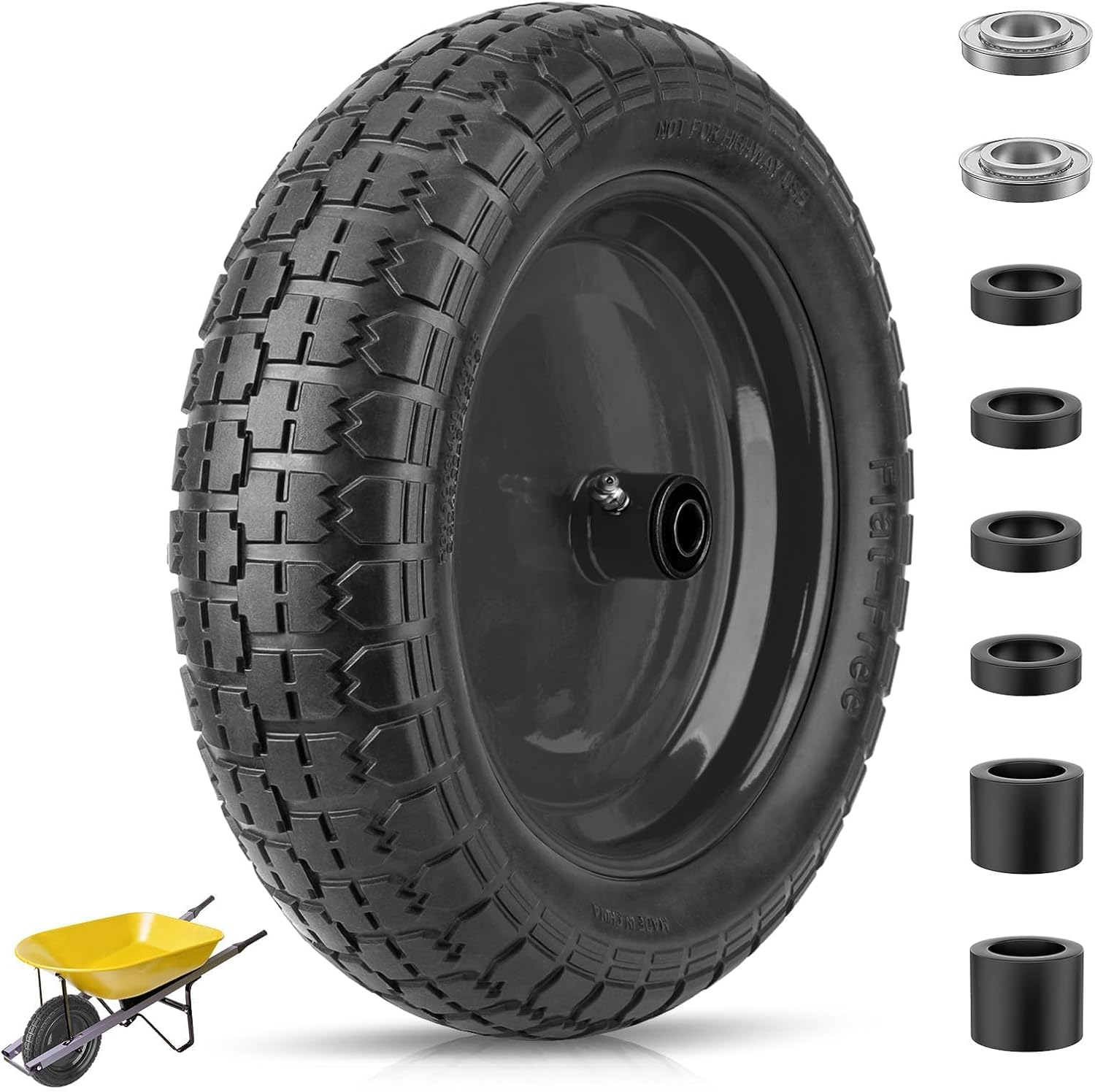
This flat-free TICONN wheelbarrow tire features durable polyurethane foam construction that never needs inflation, helping prevent punctures and reducing maintenance on rough outdoor terrain. With a 300 lb max load capacity and stable steel rim design, it supports safer transport for yard work and hauling tasks. An adapter kit with ball bearings and nylon spacers is included for easier fit and customization across common wheelbarrow and cart axle setups.

Replace worn wheelbarrow, mower, or hand truck inner tubes with the TICONN 4.80/4.00-8 tube designed for 8-inch rims. Built from 100% natural rubber, it helps improve durability, impact absorption, and air retention while supporting self-sealing leak protection. The TR-13 straight valve stem makes it a straightforward fit for common yard equipment wheels.
How Triangle Rewards Works
Triangle Rewards is Canadian Tire’s loyalty program. Members collect Canadian Tire Money on eligible purchases and redeem it later at participating banners. The program connects Canadian Tire, SportChek, Mark’s, Party City, Pro Hockey Life, Atmosphere, Sports Experts, selected partner offers, and Canadian Tire Bank credit cards.
The program also uses personalized weekly offers, app-based activation, bonus events, and partner rewards. For frequent shoppers, the main benefit is simple: spending within the Canadian Tire network can generate rewards that reduce the cost of later purchases.
Triangle Rewards is also valuable to Canadian Tire because it gives the company a clearer view of customer habits across multiple banners. That helps the retailer personalize offers, plan inventory, promote seasonal categories, and strengthen repeat shopping.
Canadian Tire Bank and Financial Services
Canadian Tire Bank is the company’s financial-services arm. It supports Triangle-branded credit cards, retail financing, deposit products, insurance products, and rewards-linked spending. The company’s 2025 Annual Information Form describes Canadian Tire Bank as a federally regulated Schedule I bank and a major credit-card issuer in Canada.
An important update is that Canadian Tire repurchased Scotiabank’s 20% interest in Canadian Tire Bank in 2023. That means Canadian Tire retained full ownership of the bank after the earlier partnership ended. This is a key freshness point because older articles may still mention Scotiabank’s stake without explaining the current ownership.
Note: Credit-card rewards, financing terms, rates, fees, eligibility rules, and partner offers can change. Always review the current official card and rewards terms before applying or making a purchase decision.
[Products Worth Considering]
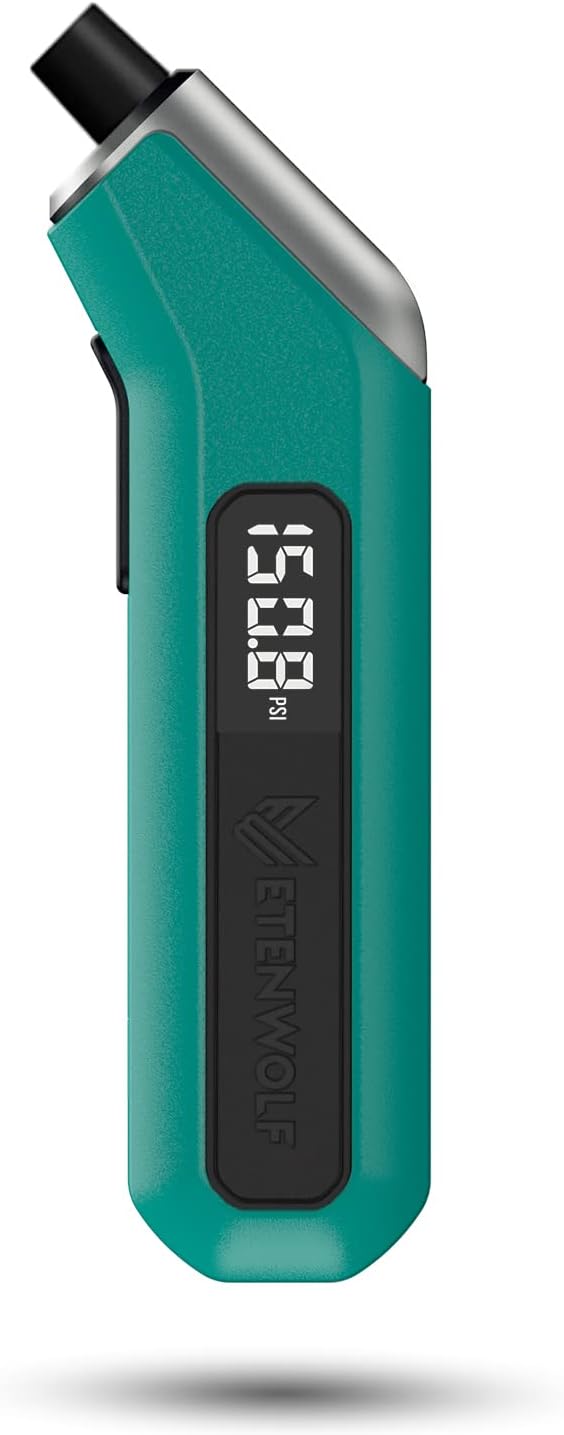
ETENWOLF T300 is a calibrated digital tire pressure gauge designed for reliable readings across low and high pressure ranges. It includes thermal compensation for stable performance in extreme cold or heat, an LED light for visibility, and an auto shut-off to help preserve battery life. Ideal for pickups, RVs, and heavy-duty vehicles, it delivers accurate PSI measurements with sturdy durability.

Protect your Tesla during lifting with durable rubber jack pads designed to cushion pressure and help safeguard the battery and chassis. The non-slip, plug-and-play puck set fits Tesla Model 3/Y/X/S for safe, secure jacking. Each pack includes a portable storage case for cleaner trunk organization.

This car emergency kit keeps essential roadside tools organized in a durable, portable bag so you can respond quickly during common driving emergencies. It includes battery jumper cables, a bright LED headlight, first aid supplies, a tire pressure gauge, and safety essentials like gloves and an emergency poncho. Designed for trunk or storage use, it helps you be prepared for dead batteries, minor malfunctions, and unexpected roadside issues.
Why Canadian Tire Failed in the U.S.

Canadian Tire has been highly successful in Canada, but its U.S. expansion attempts did not work the same way. The company tried to enter the American market through White Stores in the 1980s and later through Auto Source in the 1990s. Both efforts struggled against strong U.S. competitors, different shopping habits, weaker brand recognition, and the challenge of transferring a Canadian retail model into a larger, more crowded market.
The lesson is not that Canadian Tire lacked a strong business model. The lesson is that a retail format shaped by Canadian communities, Canadian seasons, Canadian loyalty habits, and local dealer relationships does not automatically translate to another country. In Canada, the brand had history, trust, and relevance. In the U.S., it had to compete without the same emotional connection or local advantage.
Canadian Tire’s Marketing and Sponsorships
Canadian Tire’s marketing works because it connects the brand to practical Canadian life. Campaigns often focus on winter driving, home repairs, hockey, camping, gardening, holiday preparation, and seasonal change. That gives the company a strong local identity instead of a generic retail message.
Canadian Tire Money is also part of the brand’s marketing power. For many Canadians, it is not just a rewards system. It is a familiar symbol of shopping at Canadian Tire. Triangle Rewards modernized that idea with digital accounts, app offers, partner rewards, and credit-card integration.
Canadian Tire’s strongest brand advantage is not only its product range. It is the way the company connects cars, homes, seasons, sports, rewards, and local communities into one familiar Canadian retail habit.
Why Canadian Tire Still Matters Today
Canadian Tire still matters because it sits at the intersection of several everyday needs. A customer can buy windshield wipers, a snow shovel, hockey tape, motor oil, patio furniture, a frying pan, work boots, camping gear, and a car battery within the same corporate network. That practical range gives the brand resilience across seasons and economic cycles.
Nationwide Retail Presence
The company’s retail network reaches major cities, suburbs, small towns, and local communities across Canada. That reach matters in a country where weather, distance, driving, seasonal preparation, and home maintenance often shape buying decisions.
Canadian Tire also benefits from physical stores at a time when many retailers are trying to balance online convenience with in-person service. For automotive products, tools, sports equipment, footwear, and seasonal goods, many shoppers still want to see, compare, pick up, or return items locally.
Trusted Canadian Brand
Canadian Tire has more than a century of brand recognition in Canada. Its trust comes from repeated use: drivers buying parts, homeowners buying tools, families preparing for winter, workers buying boots, and sports shoppers replacing gear. The brand is familiar because it appears in ordinary routines, not only in major purchases.
Its owned brands also reinforce that trust. When shoppers have used Mastercraft tools, MotoMaster automotive products, or NOMA household goods for years, they are more likely to return to the same store network for similar needs.
Recent Changes to Know
Canadian Tire continues to invest in modernization. Its recent corporate strategy, called True North, focuses on growth, better operations, digital improvement, owned brands, and stronger customer relationships. The company has also invested in distribution, store renewal, loyalty data, digital channels, and supply-chain improvements.
The company’s acquisition of Hudson’s Bay Company intellectual property assets in 2025 also shows how Canadian Tire continues to look for brand and retail opportunities beyond its original tire-and-garage identity. That does not change what Canadian Tire is best known for, but it does show that the company is still evolving.
Frequently Asked Questions
What is Canadian Tire famous for?
Canadian Tire is famous for automotive products, tools, home goods, outdoor equipment, seasonal products, sporting goods, owned brands, Canadian Tire Money, and Triangle Rewards. It is also known for being a distinctly Canadian retail brand with stores and services connected to everyday life in Canada.
What is the equivalent of Canadian Tire in the United States?
There is no perfect U.S. equivalent. Canadian Tire is closest to a mix of AutoZone, Ace Hardware, Home Depot, Dick’s Sporting Goods, and a general seasonal retailer. Its unique mix of automotive, home, tools, sports, rewards, owned brands, and local Canadian identity makes it hard to match with one American chain.
Is Canadian Tire like Walmart?
Canadian Tire is similar to Walmart in that both sell many everyday products, but the focus is different. Walmart is stronger in groceries and general merchandise. Canadian Tire is more specialized in automotive, tools, home improvement, outdoor living, sports, seasonal goods, owned brands, and loyalty rewards.
Is Canadian Tire owned by the USA?
No. Canadian Tire is a Canadian company headquartered in Canada and listed on the Toronto Stock Exchange. It has tried U.S. expansion in the past, but its main business, brand strength, store network, and customer loyalty remain centered in Canada.
How does Triangle Rewards work?
Triangle Rewards lets members collect Canadian Tire Money on eligible purchases and redeem it later at participating stores and partners. The program also offers personalized deals, app-based offers, bonus events, and additional earn rates through Triangle credit cards.
How many Canadian Tire stores are there?
Canadian Tire’s wider retail network includes over 1,600 retail locations across its banners. The exact count depends on whether you are counting only Canadian Tire stores or the full corporate network, which also includes banners such as SportChek, Mark’s, PartSource, Party City, Pro Hockey Life, and gas bars.
Conclusion
Canadian Tire is more than a tire store. It is a Canadian retail network, owned-brand platform, loyalty system, financial-services business, and community-focused brand built around practical needs. Its strongest position remains in Canada, where its history, store access, Triangle Rewards, automotive roots, house brands, and seasonal relevance keep it part of everyday shopping life.
Sources
- Canadian Tire Corporation — About Us — company overview, retail network, financial services, and e-commerce context
- Canadian Tire Corporation — Corporate Home — founders, national brand positioning, and retail network statement
- Canadian Tire Corporation 2025 Annual Information Form — current store network, divisions, Triangle Rewards scale, credit-card holders, Canadian Tire Bank, and strategy details
- Canadian Tire Consumer Brands Division — owned-brand strategy and examples such as Mastercraft and MotoMaster
- Triangle Rewards — loyalty program, Canadian Tire Money, rewards partners, offers, and redemption details