
Mastercraft can be a good tire brand if you want a value-focused tire for normal commuting, family cars, crossovers, SUVs, and light trucks. It is not a premium performance brand, so the right choice depends on your tire size, climate, load needs, and how often you drive in heavy rain, snow, or rough conditions.
Quick Answer
Yes, Mastercraft is a good budget tire brand for everyday driving, especially if you want fair tread life, simple model choices, and lower pricing than many premium brands. It is best for practical drivers, not for people who need top-tier wet grip, track-level handling, or the longest premium mileage warranty.
Key Takeaways
- Mastercraft is a Cooper-backed tire brand under the Goodyear corporate family.
- It fits budget-minded drivers who want dependable daily performance without premium tire pricing.
- Current Mastercraft treadwear warranties vary by model, with many listed between 40,000 and 70,000 miles.
- Model choice matters. A Stratus AS, Courser Trail, Glacier Trex, and Courser HXT are built for different uses.
- For the best results, match the tire to your vehicle size, load rating, climate, and maintenance habits.
Is Mastercraft a Good Tire Brand?
Yes, Mastercraft tires are generally good if you want a practical, affordable tire for regular road use. The brand is positioned as a value choice, and Mastercraft says its tires are owned and backed by Cooper. The Mastercraft website is also part of The Goodyear Tire & Rubber Company’s current tire-brand family.
That does not mean every Mastercraft tire will perform like a top Michelin, Goodyear, Bridgestone, or Continental model. Mastercraft is better understood as a strong budget-to-midrange option. You buy it for everyday stability, acceptable comfort, useful warranty coverage, and lower cost, not for maximum wet braking, luxury ride refinement, or high-performance cornering.
Note: A tire brand can be good overall while still having weaker and stronger models. Always compare the exact tire model, size, load index, speed rating, UTQG rating, and warranty before buying.
How to Judge Mastercraft Tires Before You Buy
The best way to judge Mastercraft is to compare each model against your real driving needs. Start with your vehicle owner’s manual or driver-door tire placard, then confirm the correct tire size, load index, speed rating, and service type. A tire that fits a sedan may not be right for a loaded SUV, towing setup, or winter route.
Use these checks before you buy:
- Vehicle fit: Match the factory tire size, load index, and speed rating unless a qualified tire shop confirms another fitment.
- Driving climate: Choose all-season tires for mild mixed weather, all-weather or winter tires for regular snow, and all-terrain tires for gravel or light trail use.
- Wet traction: Look at the UTQG traction grade on passenger tires, but remember that real wet-road performance also depends on tread design, compound, tread depth, and tire age.
- Warranty terms: Read the mileage warranty and exclusions before purchase. Road hazards, misuse, poor alignment, and missed rotations are often not covered.
- Dealer support: Buy from a retailer that can document installation, balance, alignment checks, and rotation history.
Who Makes Mastercraft Tires?
Mastercraft tires are a Cooper-backed brand sold through the Mastercraft tire network. Mastercraft’s own About page says the brand is owned and backed by Cooper, and the current Mastercraft site footer identifies The Goodyear Tire & Rubber Company. That gives the brand more support than an unknown private-label tire with little public information.
What That Means for Buyers
For you, that corporate backing mainly matters in three ways: product availability, warranty handling, and dealer support. You still need to evaluate the exact tire model. Corporate ownership does not automatically make every tire best in class, but it does give Mastercraft a stronger base than many no-name budget tires.
Where Mastercraft Tires Are Made
Manufacturing location can vary by tire line, size, and production batch. The most reliable way to check where a specific tire was made is to inspect the sidewall and DOT tire identification code on the tire you plan to buy. If country of origin matters to you, ask the dealer to confirm it before installation.
How Mastercraft Tires Perform on the Road
On the road, Mastercraft tires usually aim for balanced daily performance rather than elite grip. For normal commuting, errands, highway trips, and family use, the right Mastercraft model can feel stable and predictable. The Stratus AS, for example, is described by Mastercraft as an all-season tire for cars and CUVs, built for miles, traction, and economy.
You should expect the best results when the tires are properly inflated, rotated, balanced, and aligned. If your current tires are old, unevenly worn, mismatched, or underinflated, even a value tire can feel like a big upgrade. If you are replacing a high-end performance tire, however, Mastercraft may feel less sharp in fast cornering, panic braking, and heavy rain.
Dry Handling
In dry conditions, most Mastercraft all-season and highway models are built for steady, predictable control. They are suitable for normal speeds, daily commuting, and long highway drives. Drivers who want very sharp steering response should compare Mastercraft against performance-focused alternatives.
Wet Handling
Wet performance depends heavily on tread depth and water evacuation. A newer Mastercraft tire with healthy tread can manage normal rain well, but it should not be treated as a substitute for a premium rain-focused tire if you drive often in heavy storms. The National Highway Traffic Safety Administration explains that UTQG traction grades rate a tire’s ability to stop on wet pavement, with AA as the highest grade and C as the lowest.
Ride Comfort and Noise
Mastercraft tires are usually aimed at comfort-minded daily drivers. Highway and touring models should feel smoother than aggressive all-terrain or mud-terrain tires. Noise can still vary by road surface, tire size, tread pattern, vehicle insulation, and tire wear.
Mastercraft Tires for Rain and Snow
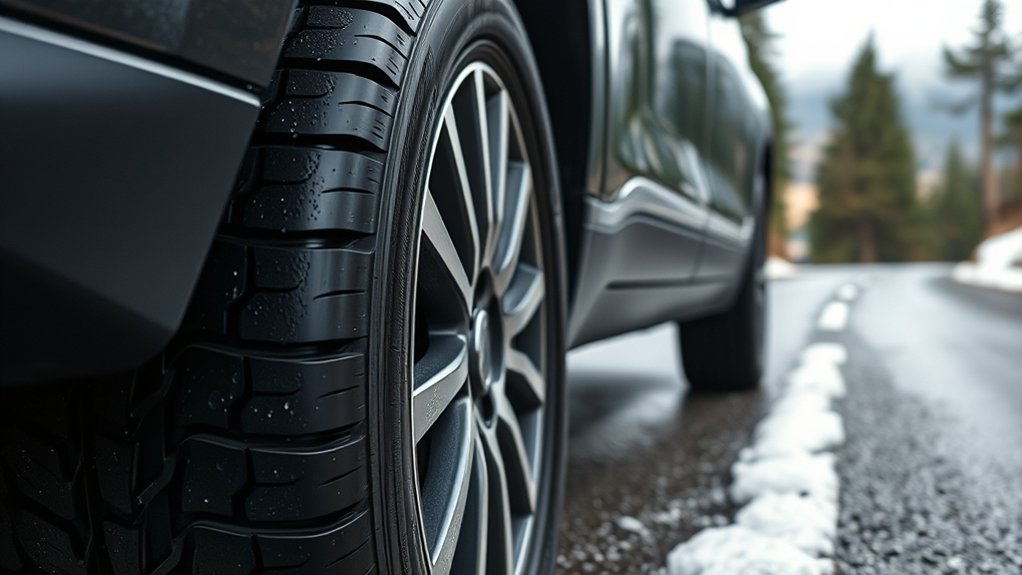
For rain and light winter driving, Mastercraft’s all-season tires can be a reasonable choice when they are properly maintained. If you regularly drive on packed snow, ice, mountain roads, or unplowed rural roads, look at a dedicated winter model instead of relying only on a standard all-season tire.
The Glacier Trex is Mastercraft’s practical winter tire for passenger vehicles and is described as stud-capable for added ice traction where studs are legal. The Glacier MSR is a winter truck and SUV tire described by Mastercraft as severe-weather rated.
Warning: Do not judge snow safety by brand name alone. Use tires that match your climate, install winter tires as a full set of four, and replace tires when tread depth, age, cracking, bulges, or damage make them unsafe.
Mastercraft Tire Life, Warranty, and Rotation
Mastercraft tire life depends on the model, vehicle, road surface, alignment, inflation, rotation, load, and driving style. The official Mastercraft tire warranty lists treadwear coverage for many current replacement tires, with model-specific coverage ranging from 40,000 to 70,000 miles.
Examples from Mastercraft’s warranty page include the Courser Quest at 70,000 miles, Courser Trail at 60,000 miles, Courser Trail HD at 55,000 miles, Stratus AS at 50,000 miles, and Avenger G/T at 40,000 miles. These numbers are warranty limits, not a promise that every driver will reach that mileage.
| Model | Best Fit | Listed Treadwear Warranty |
| Courser Quest | SUV and light truck touring | 70,000 miles |
| Courser Trail | SUVs and trucks with light trail use | 60,000 miles |
| Stratus AS | Cars and CUVs | 50,000 miles |
| Courser HXT | Highway truck and SUV use | 50,000 miles, with exclusions for some commercial sizes |
| Avenger G/T | Classic style and performance look | 40,000 miles |
Rotation and Maintenance
Mastercraft says treadwear warranty eligibility requires rotation records and rotation at least every 8,000 miles. NHTSA also advises drivers to follow the vehicle owner’s manual and, when recommended by the vehicle manufacturer, rotate tires every 5,000 to 8,000 miles or sooner if uneven wear appears.
Check pressure at least once a month when tires are cold, inspect tread depth, and look for cracks, cuts, bulges, punctures, or uneven wear. NHTSA says tires are not safe and should be replaced when tread is worn to 2/32 inch.
Best Mastercraft Tires by Use Case
The best Mastercraft tire depends on where and how you drive. Use this as a starting point, then confirm fitment with your vehicle tire placard and a tire dealer.
| Use Case | Mastercraft Model to Consider | Why It Fits |
| Daily car or CUV commuting | Stratus AS | Simple all-season design for miles, traction, and economy. |
| SUV and truck highway use | Courser HXT | Built for highway stability, comfort, and light truck use. |
| Light trail, gravel, and rugged SUV use | Courser Trail | Offers a tougher appearance and durable performance for light adventure use. |
| Winter car or CUV driving | Glacier Trex | Dedicated winter design with stud-capable construction where legal. |
| Winter truck or SUV driving | Glacier MSR | Winter truck and SUV tire designed for dry, wet, and snowy surfaces. |
Mastercraft vs Michelin, Cooper, Goodyear, and Kumho
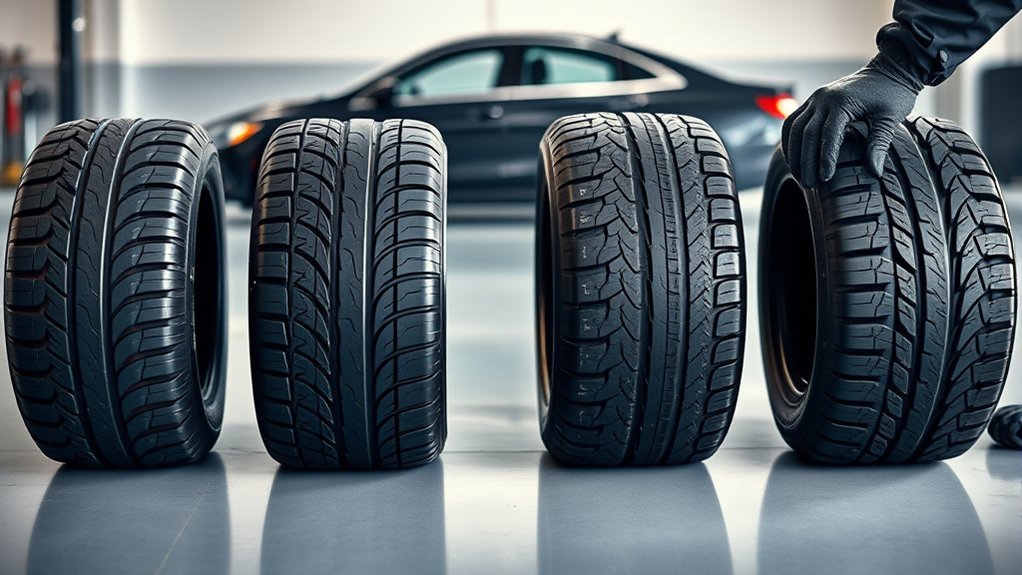
Mastercraft is best compared by tire model, not by brand name alone. A budget touring tire should not be judged against a premium ultra-high-performance tire. Still, there are useful differences in how the brands are usually positioned.
| Brand | Typical Strength | Best Buyer |
| Mastercraft | Value pricing, practical daily performance, useful warranty coverage. | Drivers who want dependable tires without premium cost. |
| Michelin | Premium ride, strong engineering, broad high-end model range. | Drivers who prioritize top refinement and are comfortable paying more. |
| Goodyear | Large product range, premium options, strong national availability. | Drivers who want broader choices from budget to premium. |
| Cooper | Strong midrange identity and many truck/SUV choices. | Drivers who want a step up in model selection while staying value-minded. |
| Kumho | Competitive value range with many passenger and SUV options. | Drivers comparing affordable alternatives model by model. |
If the price difference is small, compare the exact tire models by warranty, wet traction, snow rating, road-noise reviews, and retailer support. If the price gap is large, Mastercraft can make sense for daily driving when you do not need premium-tier performance.
Should You Buy Mastercraft Tires?
You should consider Mastercraft tires if you want affordable, established-brand tires for normal driving. They make the most sense for commuters, family vehicles, older vehicles, secondary cars, budget-conscious SUV owners, and light truck drivers who want solid value.
Mastercraft may not be your best choice if you drive aggressively, tow heavy loads often, need maximum wet braking, live in severe winter weather without dedicated winter tires, or expect luxury-level quietness. In those cases, compare premium or specialty tires before choosing.
Pro Tip: Before buying, ask the shop for the out-the-door price, warranty mileage, road-hazard options, rotation requirements, installation date, DOT date code, and whether the tire is returnable under a satisfaction guarantee.
Frequently Asked Questions
Who are Mastercraft tires made by?
Mastercraft is a Cooper-backed tire brand. Mastercraft’s own About page says the brand is owned and backed by Cooper, and the current site is part of The Goodyear Tire & Rubber Company family.
Are Mastercraft tires reliable?
Mastercraft tires can be reliable for normal driving when you choose the right model and maintain them well. Reliability depends on proper inflation, rotation, alignment, load rating, tread depth, and driving conditions.
Which tire is better, Goodyear or Mastercraft?
Goodyear is usually the better choice if you want a wider model range, more premium options, and stronger high-end performance. Mastercraft is usually better if your priority is lower cost and dependable daily use.
How long do Mastercraft tires last?
Many current Mastercraft treadwear warranties range from 40,000 to 70,000 miles, depending on the model. Actual life depends on tire care, road conditions, driving habits, alignment, load, and whether rotations are recorded.
Are Mastercraft tires good in snow?
Some Mastercraft all-season tires can handle light winter conditions, but regular snow and ice call for a dedicated winter model such as Glacier Trex or Glacier MSR. Use a full set of four winter tires for balanced handling.
Are there any tire brands to avoid?
Avoid tires from brands with unclear safety information, poor warranty support, limited size data, weak dealer backing, or no trustworthy reviews. Also avoid used tires when you cannot verify their age, repairs, storage history, or internal condition.
Conclusion
Mastercraft is a good tire brand for drivers who want dependable value, not premium bragging rights. Its strongest appeal is simple: you can get an established, Cooper-backed tire at a lower price than many premium options. Choose carefully by model, keep your tires inflated and rotated, and use winter tires when your climate demands them. If you want maximum wet grip, luxury quietness, or performance handling, compare premium models before you buy.
Sources
- Mastercraft Tires About Us — backs up Cooper ownership/backing and brand positioning.
- Mastercraft Tire Warranty Information — backs up treadwear warranty ranges, rotation-record requirements, exclusions, and service-life guidance.
- Mastercraft Stratus AS — backs up Stratus AS positioning for cars and CUVs.
- Mastercraft Glacier Trex — backs up winter-tire and stud-capable claims.
- Mastercraft Glacier MSR — backs up winter truck/SUV and severe-weather positioning.
- NHTSA TireWise Tire Safety — backs up UTQG, tread depth, tire pressure, rotation, and tire-safety maintenance guidance.

