A Complete Guide to Winter Tires for the Honda Accord
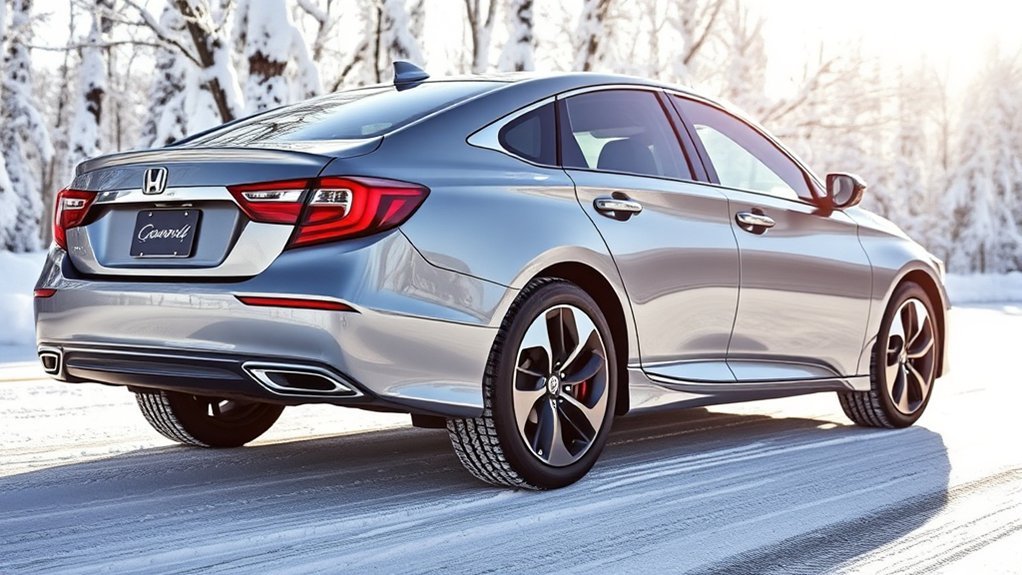
If you own a Honda Accord, winter tires are vital for safety and performance in cold conditions. They provide superior traction, control, and shorter stopping distances on snow and ice. Look for tires with the M+S or Three Peak Mountain Snowflake symbol for ideal winter readiness. Choosing the right size and maintaining your tires is essential for maximum grip. Want to know the best tire options and maintenance tips? There’s more to discover!
Why Winter Tires Matter for Your Honda Accord
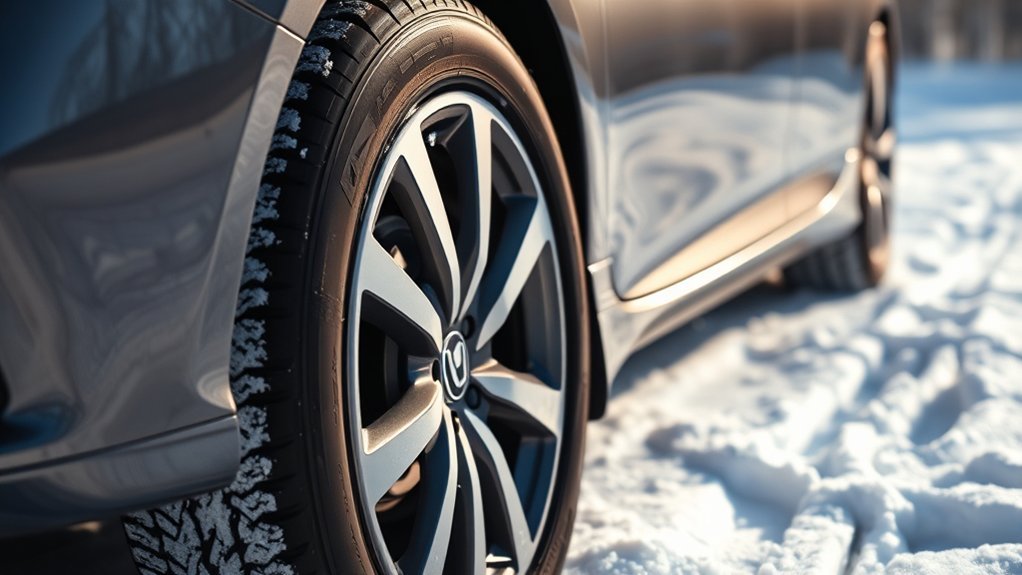
When winter arrives, having the right tires on your Honda Accord can make all the difference in maintaining safety and performance. Winter tires aren’t just a good idea; they’re essential for enhanced traction and control in cold temperatures. Their specialized rubber compounds stay flexible, providing better grip on snow and ice. With deep, aggressive tread patterns, these tires considerably reduce stopping distances, helping you avoid accidents when roads get slippery.
Installing winter tires on all four wheels maximizes your vehicle’s stability and handling, allowing you to navigate winter conditions with confidence. Plus, look for the M+S symbol or the Three Peak Mountain Snowflake certification to guarantee you’re equipped for moderate to severe winter weather. Don’t forget about tire storage—when the season ends, store your winter tires properly to prolong their life. Mastering winter driving techniques becomes much easier when you’re equipped with the right tires, as winter tires significantly enhance traction on icy surfaces.
Essential Features to Consider When Choosing Winter Tires
When choosing winter tires for your Honda Accord, you’ll want to focus on tread design variations and rubber compound flexibility. A deep, aggressive tread pattern enhances grip on snow and ice, while specialized rubber stays flexible in cold temperatures for better handling. These features are essential for ensuring your safety and performance during winter driving conditions. Additionally, selecting tires with improved snow traction can significantly enhance your driving experience in adverse weather.
Tread Design Variations
Choosing the right tread design for your winter tires can greatly enhance your driving experience in harsh conditions. Understanding tread pattern innovations is essential for peak performance. Here are some key features to take into account:
- Directional Tread Patterns: V-shaped grooves channel slush and water away, boosting traction.
- Siping Advantages: Thin slits in the tread increase biting edges, improving grip and reducing stopping distances.
- Variable Tread Depth: Deeper grooves evacuate snow, while shallower areas guarantee better road contact.
Rubber Compound Flexibility
Understanding rubber compound flexibility is essential for selecting winter tires that perform best in frigid conditions. Winter tires utilize specialized rubber compounds that stay flexible, enhancing grip on icy roads. For instance, the FleX-Ice compound in the Michelin X-Ice Xi3 guarantees peak performance even in extreme cold. This flexibility not only boosts rubber elasticity benefits but also extends winter tire lifespan.
| Feature | Description |
|---|---|
| Rubber Flexibility | Maintains grip in low temperatures |
| Pliability | Conforms to road surfaces for better traction |
| Stopping Distance | Shorter on ice compared to all-season tires |
| Hydroplaning Resistance | Advanced tread designs minimize risks |
| Overall Performance | Enhances braking and handling in winter conditions |
Understanding Winter Tire Ratings and Performance
Winter tires are vital for steering through harsh conditions, especially if you’re driving a Honda Accord in snowy or icy weather. Understanding their ratings and performance can greatly enhance your winter driving experience. Look for the “Three Peak Mountain Snowflake” symbol; it indicates the tire meets rigorous criteria for severe winter conditions.
- Specialized rubber compounds guarantee flexibility in low temperatures, boosting traction control.
- Deeper grooves and sipes channel snow and slush, reducing hydroplaning risks.
- Shorter stopping distances on icy roads help lower accident chances. Additionally, tires with the 3PMSF rating provide superior traction on snow-covered roads, ensuring enhanced safety during winter driving.
Maintaining proper tire pressure is essential, as it affects grip and handling. Winter tires provide peak contact with the road, allowing for better control in adverse conditions. By choosing the right winter tires, you empower yourself to navigate winter roads confidently, promoting safety and liberation in your driving experience.
Top Winter Tire Recommendations for the Honda Accord
When winter hits, choosing the right tires for your Honda Accord is essential for safety and performance. Let’s explore some top winter tire recommendations that offer unique features to enhance your driving experience in snowy conditions. From superior grip to treadwear warranties, you’ll find options that suit your needs perfectly. Additionally, it’s crucial to consider tires with proven winter compounds to optimize performance in harsh conditions.
Recommended Winter Tires
Choosing the right winter tires for your Honda Accord can make a world of difference in handling and safety during the colder months. Here are some top recommendations that enhance tire performance and driving safety:
- Bridgestone Blizzak WS90: Ideal for icy conditions with EdgePerformance Technology.
- Michelin X-Ice Xi3: Offers a flexible FleX-Ice compound and a 40,000-mile treadwear warranty.
- Continental WinterContact TS 850P: Features an asymmetric tread pattern for superior traction in severe winter conditions.
Selecting any of these options will guarantee you enjoy a smooth, safe drive, giving you the freedom to navigate winter’s challenges with confidence. Your Honda Accord deserves tires that enhance both its performance and your driving experience.
Tire Features Comparison
Selecting the right winter tire for your Honda Accord not only enhances your vehicle’s performance but also boosts your confidence on icy roads. The Bridgestone Blizzak WS90 excels in extreme conditions with its EdgePerformance Technology, while the Michelin X-Ice Xi3 offers a flexible FleX-Ice compound and a reliable 40,000-mile treadwear warranty. For superior traction, consider the General Altimax Arctic 12, which features a studdable design. The Firestone Winterforce 2 handles snow and slush effectively, though it lacks a treadwear warranty. Finally, the Continental WinterContact TS 850P uses an asymmetric tread pattern for outstanding durability and traction. Choosing any of these options will greatly enhance your winter safety and overall driving experience.
Choosing the Right Size for Winter Tires
While it might be tempting to grab any set of winter tires, it’s crucial to guarantee you’re choosing the right size for your Honda Accord. Always refer to your owner’s manual for the recommended tire size, ensuring compatibility with your vehicle’s specifications. Common winter tire sizes range from 14 to 19 inches, depending on your model year and trim level.
- Select winter tires with the same tire size and load range as your originals.
- Pay attention to the aspect ratio and diameter, as these affect performance and ride quality.
- Install winter tires on all four wheels for maximum traction and stability. Additionally, using winter tires enhances safety and braking distances in snowy conditions.
When Should You Put Winter Tires on Your Accord?
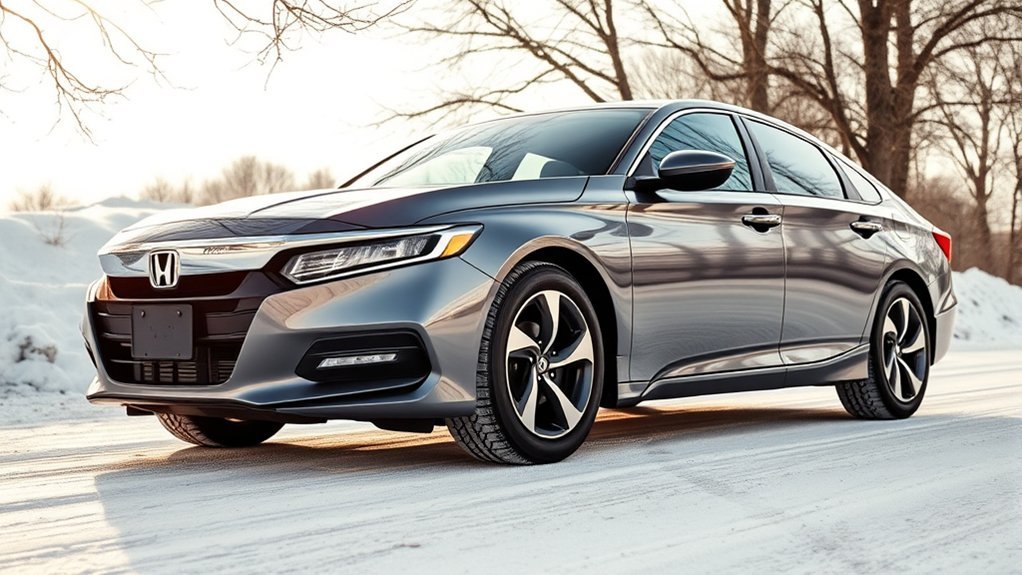
You should put winter tires on your Honda Accord when temperatures consistently drop below 45°F (7°C). Ideally, aim to switch them out by late fall, around October to November, based on your local weather patterns. If snow or ice is on the horizon, don’t wait—make the change early to enhance your vehicle’s grip and safety. Proper tire size and pressure are crucial for optimizing performance and ensuring safety during winter driving conditions.
Optimal Temperature Thresholds
As temperatures consistently drop below 45°F (7°C), it’s time to contemplate switching to winter tires for your Honda Accord. These tires excel in cold conditions, maintaining flexibility for better traction. To guarantee your safety and vehicle performance, consider these points:
- Install winter tires before significant snowfall to avoid last-minute rushes.
- Monitor local temperature fluctuations; winter tires are most effective at or below freezing (32°F or 0°C).
- Proper tire storage is essential; keep your winter tires in a cool, dry place when not in use.
Local Weather Patterns
When considering local weather patterns, it’s essential to know the right time to change to winter tires on your Honda Accord. In Colorado, you should shift when temperatures consistently drop below 45°F, as standard tires lose grip in colder conditions. Aim to install winter tires before the first significant snowfall, typically around October to November. This guarantees peak performance during the inevitable snowy days. The Colorado Department of Transportation recommends using winter tires or chains in mountainous areas where road conditions can be unpredictable. A good rule of thumb is to have them on by Halloween and keep them until Easter, adapting to your local climate and snowfall patterns. Look for the Three Peak Mountain Snowflake symbol for assurance in severe conditions.
Tire Maintenance Tips for Optimal Winter Performance
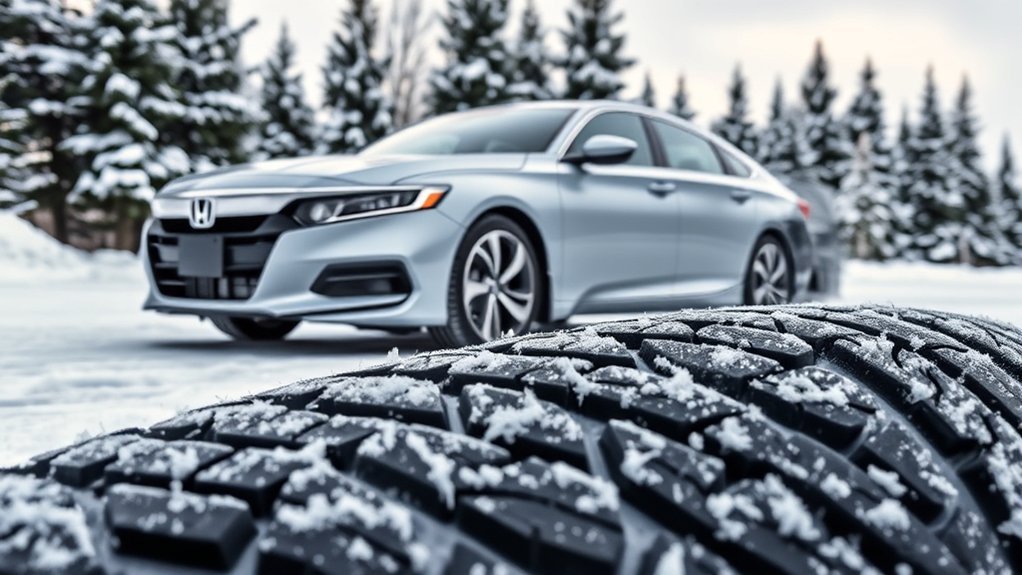
To guarantee your Honda Accord performs at its best in winter conditions, regular tire maintenance is essential. Keeping your tires in top shape guarantees safety and peak performance on icy roads. Here are some key tips:
- Check tire pressure: Cold temperatures can drop pressure by 1 psi for every 10°F decrease, impacting traction.
- Monitor tread depth: Use the penny test to guarantee you have at least 6/32 inches; this helps maintain grip on snow and ice.
- Rotate tires regularly: Every 6,000 to 8,000 miles, rotating your winter tires promotes even wear, extending their lifespan. Additionally, rotating tires helps minimize uneven wear and preserves handling, which is crucial for winter driving.
Inspect your tires for damage or uneven wear, as this can signal alignment issues that compromise winter performance. By staying proactive with maintenance, you’ll enhance your Honda Accord’s handling and safety throughout the cold months.
How to Install Tire Chains on Your Accord Safely
Proper tire maintenance sets the stage for tackling winter conditions, but sometimes, you’ll need an extra layer of protection. Installing tire chains on your Honda Accord can enhance traction, but safety is key. Always install chains only on the front tires to guarantee maximum control on slippery surfaces. Choose the right size, like the SCC Radial Chain SC1036, to avoid damage to brake lines or suspension.
Follow the manufacturer’s installation tips closely, making sure the chains are tight and securely positioned to prevent any contact with your vehicle’s components. Once installed, drive slowly and cautiously, as tire chains can affect handling and braking performance. Additionally, always check local statutes for chain laws to ensure compliance while driving in winter conditions.
Before each use, inspect the chains for wear and proper installation to guarantee tire chain safety. With these steps, you’ll navigate winter roads with confidence and peace of mind.
Legal Requirements for Winter Tires in Your Area
Understanding the legal requirements for winter tires in your area is essential, especially if you want to avoid fines and guarantee your safety on icy roads. Many regions mandate the use of winter tires or chains, particularly in mountainous zones or during severe weather. Ignoring these tire regulations can lead to penalties and might impact your insurance.
- Check local compliance: Laws can differ by state or municipality.
- Look for M+S or Three Peak Mountain Snowflake symbols: These indicate superior winter performance.
- Be aware of seasonal mandates: Some areas require winter tires during specific months or adverse conditions. Additionally, be informed about chain mandates that may apply to your location, as they can dictate when and where chains are required for legal compliance.
Comparing Winter Tires and All-Season Tires: What’s Best?
While knowing the legal requirements for winter tires is important, choosing the right type of tire for your Honda Accord can greatly impact your driving experience in winter weather. Winter tires, like the Michelin X-Ice Xi3, use specialized compounds and tread patterns that excel on snow and ice, reducing stopping distances by up to 30%. They channel snow and slush effectively, minimizing hydroplaning risks—something all-season tires struggle with.
On the other hand, all-season tires, such as the Hankook Kinergy PT (H737), offer versatility for various conditions but may falter in severe winter weather due to harder rubber compounds. While they typically provide longer tread wear, winter tires guarantee better control and traction when you need it most. Remember to regularly check tire pressure, as proper inflation is key for maximizing performance, especially in cold months. Choosing the right winter tire can significantly enhance your vehicle’s handling in icy conditions. Choose wisely, and drive confidently through winter’s challenges!
Frequently Asked Questions
Can I Mix Winter Tires With All-Season Tires on My Accord?
You shouldn’t mix winter tires with all-season tires on your Accord. Doing so compromises tire performance and safety considerations, especially in harsh conditions. For best handling and traction, stick to matching tire types.
How Long Do Winter Tires Typically Last?
Winter tires usually last about 30,000 to 50,000 miles, depending on your driving habits. Keep an eye on tread wear; proper maintenance can enhance tire performance and help you enjoy those winter drives more safely.
Are Winter Tires Noisy on Dry Roads?
Yes, winter tires can be noisier on dry roads compared to all-season tires. This tire noise often arises from their tread design, which optimizes grip in cold conditions but may not suit warmer road conditions.
Do I Need Winter Tires for Mild Winter Climates?
If you’re in a mild winter climate, winter tires can still enhance tire performance. Notably, studies show they outperform all-season tires by up to 30% in cold conditions. Climate considerations matter—don’t underestimate their benefits!
Can I Store Winter Tires in My Garage?
Yes, you can store winter tires in your garage! Just guarantee proper tire storage by keeping them off the ground and organizing your space to prevent damage. This way, you’ll keep your garage tidy and efficient.
Conclusion
In summary, equipping your Honda Accord with winter tires is like giving it a superhero cape for the chilly months. You’ll enhance safety, improve handling, and tackle icy roads with confidence. Remember, choosing the right tires, maintaining them properly, and knowing the legal requirements are essential steps. With the right preparation, you can conquer winter’s worst while enjoying a smooth ride. Don’t underestimate the difference winter tires can make—your Accord will thank you!

Related Articles
Honda Accord Snow Tires: How They Work and When to Use Them
Maximize your Honda Accord's winter performance with snow tires designed for icy conditions—discover when to switch and how they enhance your safety.
Read More
Honda Accord Tire Load Ratings for Passenger Use
Learn crucial tire load ratings for your Honda Accord and discover how they impact safety and performance—don't risk your ride!
Read More
Commuter vs Performance Tires on the Honda Accord
Navigating the choice between commuter and performance tires for your Honda Accord can transform your driving experience—discover which option suits you best.
Read More