
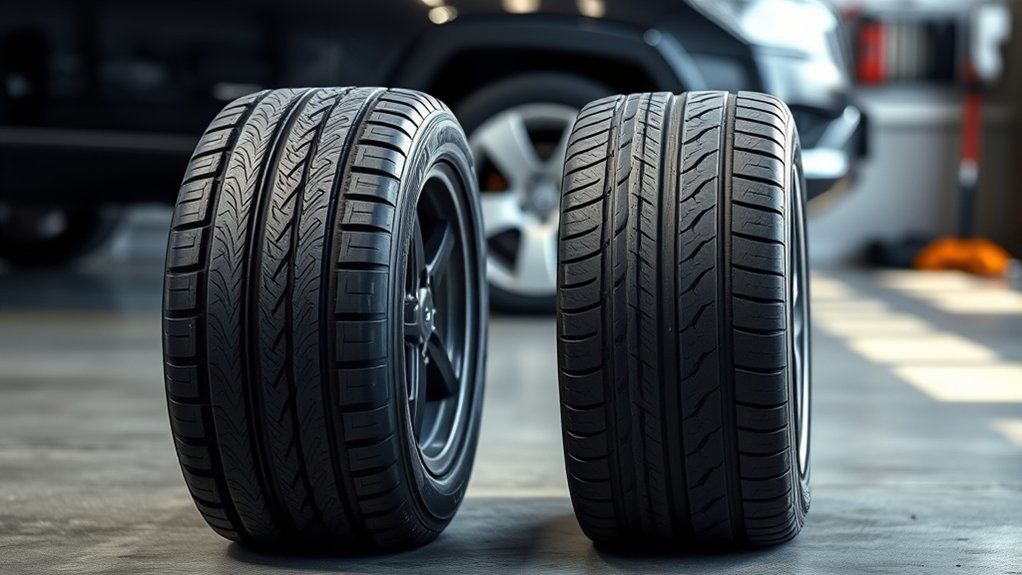
To compare tires the right way, start with the tire that fits your vehicle, then compare how each option performs in the weather, roads, and driving style you actually face. Brand reputation helps, but it should never replace the basics: tire size, load index, speed rating, treadwear, wet grip, snow rating, noise, comfort, warranty, and total installed cost.
Quick Answer
To pick the better tire, first match your vehicle’s required size, load index, speed rating, and cold tire pressure. Then compare tire type, wet and dry test results, 3PMSF snow rating, treadwear, noise, ride comfort, warranty, manufacture date, and total installed price. The best tire is the one that fits your vehicle and your driving conditions.
Key Takeaways
- Start with the vehicle placard or owner’s manual so the tire size, load index, speed rating, and pressure match your vehicle.
- Compare tires within the same category, because a winter tire, summer tire, all-season tire, and all-terrain tire are built for different jobs.
- Use independent tire tests and owner reviews to compare wet braking, dry handling, snow traction, noise, comfort, and wear.
- Treat UTQG treadwear, traction, and temperature grades as helpful comparison tools, not absolute promises.
- For real winter use, look for the 3PMSF symbol, but choose dedicated winter tires for severe snow, ice, and long periods below freezing.
At a Glance
| Time Required | 10–20 minutes to compare specs, ratings, prices, and test results |
| Difficulty | Easy once you know which tire specs matter |
| Tools Needed | Vehicle placard or owner’s manual, tire pressure gauge, tread depth gauge, and access to tire test results |
| Cost | Free to compare; tire gauges usually cost little, while tire and installation prices vary by size, type, and brand |
How to Compare Tires
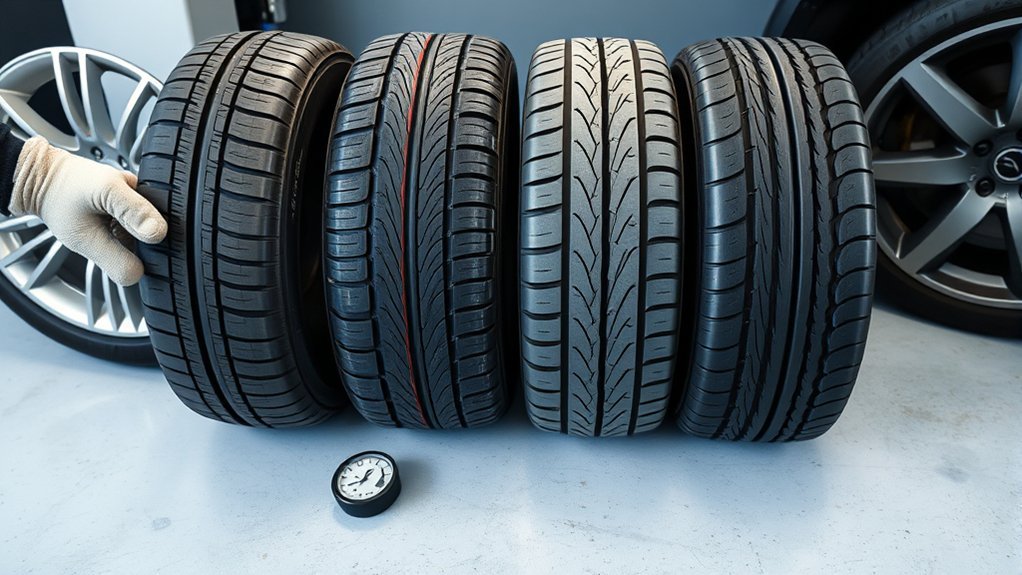
When you compare tires, do it in the right order. Fit and safety come first. Performance, comfort, warranty, and price come after that. A tire with great reviews is still the wrong tire if it does not match your vehicle’s required size, load rating, and speed rating.
- Find your required tire size. Check the Tire and Loading Information Label on the driver’s door edge or door post, or check the owner’s manual. Do not rely only on the size currently mounted on the vehicle, especially if you bought the car used.
- Match the load index and speed rating. Choose a tire that meets or exceeds the vehicle manufacturer’s requirement unless your owner’s manual or a qualified tire professional gives a different approved option.
- Choose the right tire category. Compare all-season with all-season, winter with winter, all-terrain with all-terrain, and performance with performance. Cross-category comparisons can be misleading.
- Compare test results. Look for wet braking, dry braking, hydroplaning resistance, snow traction, ride comfort, noise, and handling tests in the same size or a close size.
- Check treadwear and warranty. A longer treadwear warranty can help value, but warranty terms, rotation records, alignment, pressure, and driving style all affect real tread life.
- Check the DOT date code. New tires can sit in storage. The last four digits of the DOT Tire Identification Number show the week and year the tire was made.
- Compare total installed cost. Include mounting, balancing, valve stems or TPMS service, disposal fees, alignment if needed, road-hazard coverage, and taxes.
Warning: Never choose a tire with a lower load index or speed rating than your vehicle requires unless the tire maker, vehicle maker, or a qualified tire professional confirms it is an approved fitment. The wrong rating can affect load capacity, heat buildup, handling, and safety.
Which Tire Specs Matter Most?
The most important tire specs are the ones that confirm fit, safety, and real-world performance. Start with size, load index, and speed rating. Then compare UTQG treadwear, traction, temperature, weather rating, tread pattern, rubber compound, noise, warranty, and price.
Size, Load, and Speed
A tire size such as 235/65R17 tells you the section width, sidewall aspect ratio, construction type, and wheel diameter. The service description after the size, such as 104T, tells you the load index and speed rating. The load index is the tire’s maximum load capacity when properly inflated, while the speed rating shows the tire’s tested maximum speed capability under proper conditions.
For example, a 94 load index corresponds to 1,477 pounds per tire, and a T speed rating corresponds to 118 mph. Those numbers are useful, but you should still choose the rating your vehicle requires, not the highest or cheapest option available. You can verify load and speed meanings with detailed charts from Tire Rack’s load index guide and Tire Rack’s speed rating guide.
Treadwear, Traction, and Temperature
The U.S. Uniform Tire Quality Grading System helps shoppers compare many passenger tires by treadwear, traction, and temperature resistance. These grades are useful, but they do not tell the whole story.
| Spec | What it tells you | Important limit |
|---|---|---|
| Treadwear rating | Relative wear rate under controlled testing | Not a mileage guarantee |
| Traction grade | Straight-line wet braking grip, graded AA, A, B, or C | Does not measure cornering traction |
| Temperature grade | Heat resistance, graded A, B, or C | Assumes proper inflation and loading |
Note: UTQG grades are best for comparing similar passenger tires. They do not replace independent wet, dry, snow, comfort, noise, and wear tests, and they do not apply to every tire type in the same way.
Weather Rating and Use
Weather rating matters because rubber compound and tread design change how a tire performs in heat, rain, snow, and cold. A summer tire can feel excellent on warm dry pavement but is not built for freezing temperatures, snow, or ice. A winter tire can grip snow and ice well but may wear quickly or feel soft in warm weather. All-season tires are built for convenience, while all-weather tires usually add stronger snow capability.
| Tire type | Best for | Main tradeoff |
|---|---|---|
| All-season | Mild year-round driving | Limited severe snow and ice grip |
| All-weather | Drivers who want one tire with better light-snow ability | Still not equal to dedicated winter tires in severe winter conditions |
| Summer | Warm-weather wet and dry performance | Not for freezing temperatures, snow, or ice |
| Winter | Snow, ice, slush, and cold weather | Faster wear and softer handling in warm weather |
| All-terrain | SUVs and trucks that split time between road and light trail use | Can add road noise, weight, and rolling resistance |
| Performance | Sharper steering, cornering, and braking response | Often shorter tread life and higher cost |
If winter performance matters, look for the Three-Peak Mountain Snowflake symbol, also called 3PMSF. This mark means the tire has met a snow-traction performance threshold, but it does not mean the tire has been fully tested for ice braking, snow cornering, or every winter condition.
How Tires Perform in Dry, Wet, and Snow
Dry grip, wet grip, and snow grip come from different design choices. A tire that excels in one area can give up performance in another. That is why you should compare test results across the conditions you drive in most, not just the highest overall score.
[Products Worth Considering]

Keep your tires properly inflated with this analog VONDIOR tire pressure gauge, designed for fast, easy readings without batteries. The swiveling, two-axis hose and large glow dial help you measure at any tire angle with instant visibility. Built with a protective rubber shield, it supports durable, low-maintenance use for cars and trucks.

Measure tire tread depth quickly and accurately with this LUMITECO dial gauge that reads in 1/32" increments up to 14/32". The color-coded green/yellow/red zones make it easy to judge tire wear and know when replacement is needed. A rugged, compact design with a protective pouch helps keep the gauge ready for use on cars, trucks, motorcycles, and more.

Monitor tire tread wear with a smart, color-coded depth gauge that shows clear condition ranges at a glance. The bar is range marked for fast, easy readings, helping you maintain safer traction and performance. Each gauge is portable with a pocket clip, and the set includes 20 units for daily use and sharing.
Dry Road Grip
Dry-road performance depends on tread pattern, rubber compound, sidewall stiffness, contact patch, and tire category. Summer and performance tires usually feel sharper in warm dry conditions because they are built for steering response and braking grip. Touring all-season tires usually trade some sharpness for smoother ride, lower noise, and longer wear.
- For commuting: choose stable braking, predictable steering, and good tread life.
- For sporty driving: prioritize dry handling, steering feel, and braking tests.
- For heavy vehicles: check load rating, heat resistance, and stability before chasing grip.
- For long highway trips: comfort, noise, and straight-line stability matter as much as cornering.
Wet and Snow Traction
Wet traction depends on how quickly the tread evacuates water and how well the compound grips wet pavement. Deep circumferential grooves, lateral channels, and dense siping can improve water evacuation and biting edges, but the actual result depends on the full tire design.
For snow, the 3PMSF mark is helpful, especially when comparing all-weather or winter-capable tires. Still, a 3PMSF all-weather tire is not automatically equal to a dedicated winter tire. If you regularly drive in deep snow, packed snow, mountain passes, untreated roads, or icy conditions, dedicated winter tires remain the safer comparison point.
Pro Tip: Compare wet braking and hydroplaning tests before dry cornering scores if you live in a rainy climate. A few extra feet of wet stopping distance can matter more in daily driving than a slightly sharper steering feel.
What Tire Noise and Comfort Really Mean
Tire noise and comfort are not the same thing. Noise is what you hear; comfort is what you feel through the seat, steering wheel, and cabin. A tire can be quiet but firm, or comfortable but slightly louder on coarse pavement.
In Europe, tire labels include external rolling noise in dB(A), along with rolling resistance and wet grip. That exterior noise rating is useful, but it is not the same as cabin noise. Cabin noise depends on the vehicle, road surface, wheel size, tire construction, tread pattern, and even tire wear.
- Touring tires usually focus on quietness and smooth ride.
- All-terrain tires can create more tread hum, especially as they wear.
- Performance tires may feel firmer because they prioritize response.
- Incorrect inflation or poor alignment can make almost any tire louder and harsher.
How Tread Life and Rolling Resistance Affect Value
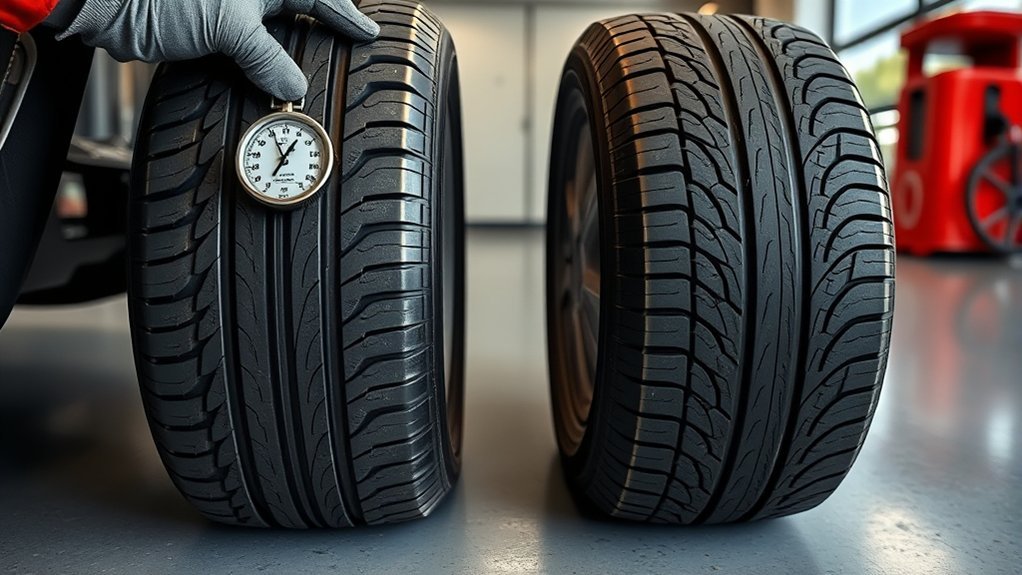
Value is not just the price on the tire rack. A cheaper tire can cost more over time if it wears quickly, uses more fuel, rides poorly, or needs replacement sooner. A more expensive tire can be the better value if it lasts longer, performs better in rain, and keeps its grip as it wears.
| Metric | What You Gain | What to Check |
|---|---|---|
| Tread life | Fewer replacements | Warranty terms, UTQG rating, owner reviews, alignment history |
| Rolling resistance | Potential fuel or EV range savings | Fuel-efficiency tests, wet grip, tire pressure requirements |
| Total installed price | A realistic cost comparison | Mounting, balancing, TPMS service, disposal, taxes, road-hazard coverage |
Lower rolling resistance can improve efficiency, but it should not be judged alone. The safer value choice balances fuel economy with wet grip, braking, tread life, comfort, and correct fit.
The NHTSA TireWise guide notes that tire design, materials, tread design, inflation pressure, load, and road conditions all influence rolling resistance. That is why pressure checks and rotation are part of value, not just maintenance.
[Products Worth Considering]

The SAFELIFE dial tire tread depth gauge measures tread depth in 1/32 inch increments with clear, easy-to-read 2-inch dial face. Color zones using a traffic light system help you quickly judge whether tread is low, marginal, or ample for safer driving. Built with a durable zinc cast body and a metal detect probe for precise, comfortable use across cars, motorcycles, trucks, and buses.

Milton S-921 pencil tire pressure gauge helps you maintain optimal tire pressure for passenger cars with accurate readings in PSI and kPa. It features a built-in deflator valve for convenient pressure adjustments, plus a single chuck head and nylon indicator bar for easy use on the go. Built from durable plated brass and designed for reliable performance, it’s a practical road trip and cold-weather maintenance tool.

Accurately measure tire tread depth with a calibrated gauge marked from 0 to 1 inch in 1/32 inch increments. The color-coded bar helps you quickly identify tread condition ranges, supporting safe driving for trucks, motorcycles, automobiles, and passenger vehicles.
Best Tires by Driving Style
The best tire depends on how you drive and where you drive. Instead of asking which brand is best, ask which tire category and model fits your use case.
| Driving style | Prioritize | Best tire direction |
|---|---|---|
| Daily commuting | Wet braking, comfort, noise, tread life | Touring all-season or all-weather |
| High-mileage highway driving | Stability, treadwear warranty, low noise, efficiency | Grand touring or highway all-season |
| Spirited driving | Steering response, dry and wet grip, braking | Performance all-season or summer performance |
| Snowbelt driving | Snow braking, ice grip, cold-weather compound | Dedicated winter tire or 3PMSF all-weather for milder winter use |
| SUV or truck use | Load capacity, stability, durability, terrain needs | Highway terrain, all-terrain, or light-truck-rated tire as required |
[Products Worth Considering]

ETENWOLF’s tire pressure gauge helps you quickly and accurately check tire PSI across cars, trucks, motorcycles, bikes, and more. It’s manually calibrated to ANSI B40.1 Grade A for reliable readings, includes a large glow dial for easy nighttime viewing, and features a 360-degree swivel chuck for use at any valve angle. The gauge also works consistently in extreme hot or cold weather.

This tire inflator with pressure gauge delivers long-lasting performance with a durable rubber-protected gauge and sturdy build. The longer hose and 360 swivel air chuck help you seal the valve securely and keep your hands free while measuring, inflating, or deflating. It’s battery-free for reliable use and provides ±2 PSI accuracy in the mid-range for most typical tires, with universal compatibility for 1/4 NPT compressor outputs.

Measure tyre tread depth precisely with a digital gauge that reads in both MM and inches, helping you monitor safe driving conditions. The large LCD screen is easy to operate, and the compact tool fits for cars, trucks, and motorcycles. It provides high accuracy with a 0-25.4mm range and includes a 1-year warranty for added peace of mind.
How Tire Tests Help You Choose
Tire tests help you see differences that a sidewall label cannot show. A good test report can reveal how tires compare in wet braking, dry braking, steering feel, ride quality, road noise, snow traction, and rolling resistance. Owner reviews add long-term context, especially for wear, noise after miles, and real-world comfort.
Use test results carefully. The best test is one that compares tires in the same category, in the same or similar size, on the same vehicle, and under controlled conditions. A tire that wins a performance-sedan test may not be the best choice for a compact SUV, pickup, minivan, or EV.
- Compare tires in the same category and similar size.
- Give extra weight to wet braking and hydroplaning if you drive in rain.
- Give extra weight to snow and ice tests if you drive in winter conditions.
- Check recent tests because tire models and compounds change over time.
- Read owner reviews for wear, noise, and comfort after thousands of miles.
For current comparison data, start with independent test databases such as Tire Rack test results, then compare those findings with manufacturer specifications and owner feedback.
Common Tire Buying Mistakes to Avoid
A few tire-buying mistakes can cost you money and reduce safety. Most happen when shoppers focus only on brand or price instead of fit, condition, and real performance.
- Buying the wrong size: Always check the vehicle placard or owner’s manual first.
- Ignoring load index: A tire must be able to carry the vehicle’s required load when properly inflated.
- Ignoring tire age: Check the DOT date code, especially on discounted or stored tires.
- Trusting tread alone: Rubber ages, and tires can become unsafe even if they still have tread.
- Mixing tire types: Avoid mixing winter, summer, all-season, or all-terrain tires unless the vehicle maker allows it.
- Skipping alignment checks: Uneven wear can destroy new tires quickly.
- Comparing only warranty miles: Warranty coverage depends on maintenance, rotation records, alignment, and claim rules.
- Buying standard all-season tires for severe winter: Choose 3PMSF all-weather or dedicated winter tires based on your conditions.
Note: NHTSA recommends checking tire pressure when tires are cold and using the vehicle manufacturer’s recommended pressure, not the maximum pressure printed on the tire sidewall.
Frequently Asked Questions
Which brand of tire is the best?
There is no single best tire brand for every vehicle or driver. Michelin, Bridgestone, Continental, Goodyear, Pirelli, Nokian, and other major brands all make strong tires in specific categories. The better question is which tire model performs best in your size, climate, vehicle type, and budget.
What is the #1 rated tire?
There is no universal #1 rated tire. Ratings change by tire category, test source, vehicle, road condition, size, and scoring method. A top-rated all-weather touring tire may not be the best winter tire, summer tire, all-terrain tire, or performance tire. Check current test results in the exact category you need.
Which is a better tire, Firestone or Michelin?
Michelin often competes strongly in premium touring, performance, and all-weather categories, while Firestone can offer solid value in many everyday applications. Compare the exact tire models, not just the brand names. Look at wet braking, tread life, comfort, warranty, price, and whether the tire is available in the correct size and rating for your vehicle.
Which brand tires last the longest?
Long tread life depends more on the specific tire model, vehicle alignment, tire pressure, rotation schedule, driving style, road surface, and climate than brand alone. Compare UTQG treadwear ratings, treadwear warranty, owner reviews, and long-term test data. Then maintain the tires with correct inflation, rotation, balancing, and alignment.
Is 3PMSF better than M+S?
Yes, 3PMSF is more meaningful for snow traction because it is tied to a snow-performance test threshold. M+S is mainly based on tread geometry and does not guarantee the same level of measured snow performance. However, 3PMSF still does not mean the tire equals a dedicated winter tire in ice, deep snow, or severe winter driving.
Should I replace all four tires at once?
Replacing all four tires together is usually best for balanced handling, braking, and traction. If you replace only two tires, the safer choice on many vehicles is to install the newer tires on the rear axle to reduce the risk of oversteer in wet conditions. Always follow your owner’s manual, especially for all-wheel-drive vehicles, because mismatched tread depth can damage drivetrain components.
Conclusion
You can compare tire specs all day, but the best tire is still the one that matches your vehicle, climate, driving style, and budget. Start with fit and safety: size, load index, speed rating, pressure, tread depth, and tire age. Then compare wet grip, dry handling, snow rating, noise, comfort, tread life, warranty, and total installed price.
Do not buy only by brand, price, or a single rating. A smart tire comparison uses the vehicle placard, official safety guidance, independent test results, and real owner feedback together. That is how you choose a tire that feels right, lasts well, and keeps your vehicle safer in the conditions you actually drive.
Sources
- NHTSA Tire Safety Ratings and Awareness — tire size, pressure, aging, UTQG, maintenance, and safety guidance
- NHTSA Consumer Guide to Uniform Tire Quality Grading — treadwear, traction, and temperature grade definitions and limits
- Tire Rack Load Index Guide — load index definitions and load-capacity chart
- Tire Rack Speed Rating Guide — speed rating meanings and chart
- Tire Rack 3PMSF Guide — 3PMSF snow-rating meaning and limitations
- European Commission Tyres Product Information — rolling resistance, wet grip, external rolling noise, and snow/ice label information

