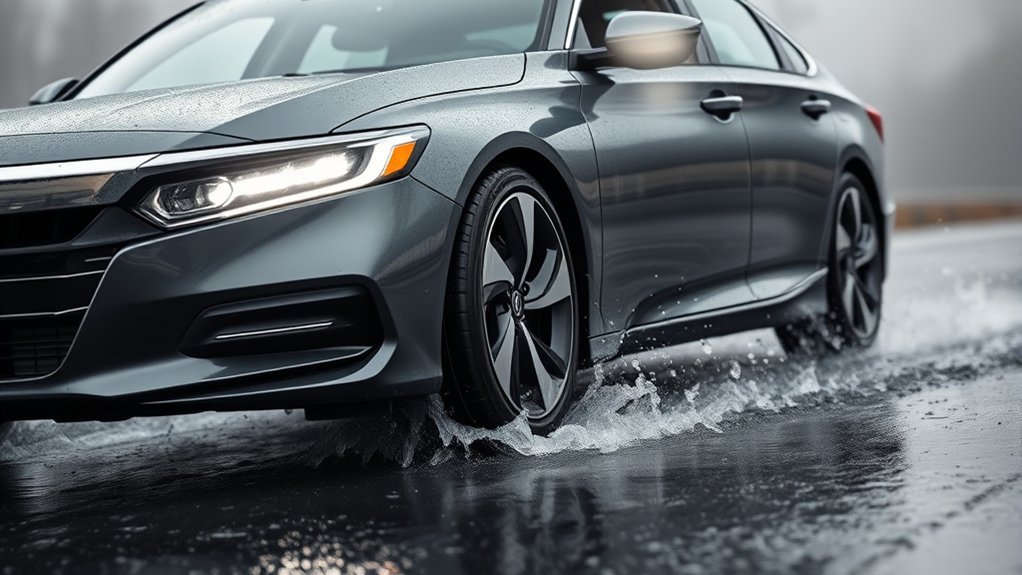
All-weather tires can be a smart upgrade for Honda Accord owners who drive through rain, cold mornings, and occasional snow but do not want to swap between summer and winter tires every season. The right set can improve wet-road confidence, add usable snow traction, and keep the Accord’s comfortable daily-drive feel. The key is choosing a tire that matches your exact Accord tire size, climate, and driving style.
Quick Answer
All-weather tires are worth considering for a Honda Accord if you want one tire for wet roads, cold weather, and light-to-moderate snow. Look for the Three Peak Mountain Snowflake symbol, confirm the correct Accord tire size on the door-jamb placard, and choose dedicated winter tires if you often drive on ice or deep snow.
Key Takeaways
- All-weather tires are different from standard all-season tires because the best ones carry the 3PMSF winter-traction symbol.
- They work best for Accord drivers in areas with rain, cold temperatures, and occasional snow—not constant ice or heavy mountain snow.
- Always match your Accord’s tire size, load index, speed rating, and cold tire pressure to the driver’s door-jamb placard or owner’s manual.
- Good candidates include premium 3PMSF touring tires such as the Pirelli Cinturato WeatherActive and Michelin CrossClimate2.
At a Glance
| Time Required | 10 minutes for a monthly pressure and tread check; longer if comparing tire models |
| Difficulty | Easy for basic checks; moderate for choosing between tire models |
| Tools Needed | Tire-pressure gauge, tread-depth gauge, and your Accord’s driver-side door-jamb placard or owner’s manual |
| Cost | $0–$15 for basic checking tools; tire cost varies by size, brand, installation, and warranty |
Understanding All-Weather Tires: What You Need to Know

All-weather tires sit between standard all-season tires and dedicated winter tires. They are built for daily driving in dry and wet weather, but the better ones also carry the Three Peak Mountain Snowflake, or 3PMSF, symbol. That symbol means the tire meets an industry snow-traction requirement, which is why all-weather tires can be more useful than basic all-season tires when temperatures drop.
For example, the Pirelli Cinturato WeatherActive is backed by a 60,000-mile treadwear warranty and is designed for year-round wet, snow, and mixed-temperature performance. Tire Rack also describes it as a grand touring all-season tire with confident dry, wet, and light-snow capability, while noting an important limit: non-winter 3PMSF tires still do not match dedicated winter tires in all harsh winter conditions.
Note: “All-weather” does not mean “unstoppable in winter.” It means one tire can handle more cold-weather and snow duty than a basic all-season tire, but heavy ice, deep snow, and steep mountain roads may still call for dedicated winter tires.
All-Weather vs. All-Season vs. Winter Tires
| Tire Type | Best For | Main Tradeoff |
|---|---|---|
| Standard all-season | Mild climates, dry roads, rain, and occasional cool weather | Usually weaker snow and cold-weather grip than 3PMSF all-weather tires |
| All-weather | Rain, cold temperatures, slush, and light-to-moderate snow | May have slightly more road noise or rolling resistance than some comfort-focused all-season tires |
| Dedicated winter | Frequent ice, deep snow, mountain roads, and long winter seasons | Not ideal for warm-weather use and requires seasonal swapping |
Key Benefits of All-Weather Tires for Honda Accord Owners
Honda Accord owners usually care about comfort, predictable handling, fuel economy, and low maintenance. All-weather tires can support those priorities when the weather changes quickly.
Enhanced Year-Round Performance
A good all-weather tire gives the Accord more year-round flexibility than a basic all-season tire. On dry highways, it should still feel stable and quiet enough for commuting. In rain, the tread pattern and siping help move water away from the contact patch. In cold weather and light snow, the 3PMSF rating adds confidence that a regular all-season tire may not provide.
Versatile Weather Adaptability
The biggest convenience is not having to schedule seasonal tire changes in moderate climates. If your winter driving usually means cold rain, slush, or occasional snow instead of months of ice, an all-weather tire can be a practical one-set solution.
| Driving Condition | All-Weather Tire Benefit |
|---|---|
| Rain | Improved water evacuation and wet-road grip versus worn or budget tires |
| Cold mornings | Compound designed to stay more useful across a wider temperature range |
| Light snow or slush | 3PMSF-rated options offer better snow traction than many standard all-season tires |
| Heavy ice or deep snow | Use dedicated winter tires when conditions are severe or winter laws require them |
Is an All-Weather Tire Right for Your Accord?
All-weather tires make the most sense when your Accord is a daily driver and you want fewer tire decisions during the year. They are less ideal if your area has long stretches of ice, unplowed roads, or winter mountain passes.
| Choose All-Weather Tires If… | Consider Another Tire If… |
|---|---|
| You drive in rain, cold, and occasional snow. | You drive on ice or deep snow for much of winter. |
| You want one set of tires year-round. | You already own separate winter wheels and tires. |
| You value wet braking and cold-weather confidence. | You prioritize the quietest possible highway ride above all else. |
| You live in a four-season area with moderate snowfall. | Local winter rules require dedicated winter tires or specific equipment. |
Best All-Weather Tires for Your Honda Accord
The best all-weather tire for your Honda Accord depends on size, budget, climate, and driving style. Before buying, confirm your tire size on the driver’s door-jamb placard. Many recent Accords use sizes such as 225/50R17 or 235/40R19, but trim and model year matter.
- Pirelli Cinturato WeatherActive: A strong choice for Accord drivers who want a premium touring feel, 3PMSF snow capability, and a 60,000-mile treadwear warranty.
- Michelin CrossClimate2: A premium all-weather-style option with 3PMSF certification and a 60,000-mile mileage warranty according to Michelin.
- Standard all-season alternative: If you rarely see snow, a long-wearing all-season tire such as the Hankook Kinergy PT may still be worth comparing, but it should not be treated as the same category as a 3PMSF all-weather tire.
Pro Tip: Do not shop by tire name alone. Confirm size, load index, speed rating, warranty, 3PMSF symbol, and installer availability before ordering.
[Products Worth Considering]

Steelman white tire marking crayons provide high-contrast, semi-permanent marks for repairing and inspecting tires and equipment. They write on wet or dry, smooth or coarse surfaces including rubber, metal, glass, and wood, making them ideal for puncture location and damage outlining. The lead- and zinc-free crayons resist weather and fading yet wipe away when you no longer need the marks.

Monitor tire tread wear with a smart, color-coded depth gauge that shows clear condition ranges at a glance. The bar is range marked for fast, easy readings, helping you maintain safer traction and performance. Each gauge is portable with a pocket clip, and the set includes 20 units for daily use and sharing.

Measure tire tread depth quickly and accurately with this LUMITECO dial gauge that reads in 1/32" increments up to 14/32". The color-coded green/yellow/red zones make it easy to judge tire wear and know when replacement is needed. A rugged, compact design with a protective pouch helps keep the gauge ready for use on cars, trucks, motorcycles, and more.
Honda Accord Tire Size and Pressure Check
Your Accord’s tire information label is the final authority. Honda’s official specifications show why a one-size-fits-all pressure recommendation is risky. For example, the 2024 Accord with 225/50R17 tires lists 33 psi front and 32 psi rear, while the 2024 Accord Hybrid with 235/40R19 tires lists 35 psi front and 32 psi rear.
| Example Accord Fitment | Tire Size | Cold Pressure Example |
|---|---|---|
| 2024 Accord specifications | 225/50R17 94V | Front 33 psi / Rear 32 psi |
| 2024 Accord Hybrid, 17-inch models | 225/50R17 94V | Front 33 psi / Rear 32 psi |
| 2024 Accord Hybrid, 19-inch models | 235/40R19 96V | Front 35 psi / Rear 32 psi |
Use those numbers only as examples for the listed models. Your exact Accord may differ by year, trim, wheel package, market, and replacement tire size. The safest rule is simple: use the cold tire pressure printed on your own vehicle’s door-jamb label, not the maximum pressure molded into the tire sidewall.
Comparing All-Weather Tire Features
When comparing all-weather tires for a Honda Accord, focus on real-world features instead of marketing scores. The most useful features are the 3PMSF symbol, wet braking reputation, treadwear warranty, comfort, noise control, and availability in your exact size.
| Feature | Why It Matters on an Accord |
|---|---|
| 3PMSF symbol | Confirms the tire meets a snow-traction requirement beyond basic M+S labeling. |
| Correct size and load rating | Keeps handling, braking, TPMS function, and load capacity within the vehicle’s intended range. |
| Wet braking and hydroplaning resistance | Important because many Accord drivers spend more time in rain than snow. |
| Road noise and ride comfort | The Accord is a quiet sedan, so a noisy tire can be noticeable on highway commutes. |
| Warranty | A longer treadwear warranty can improve value, but it does not guarantee equal performance in every climate. |
[Products Worth Considering]

Accurately measure tire tread depth with a calibrated gauge marked from 0 to 1 inch in 1/32 inch increments. The color-coded bar helps you quickly identify tread condition ranges, supporting safe driving for trucks, motorcycles, automobiles, and passenger vehicles.

Keep your tires properly inflated with this analog VONDIOR tire pressure gauge, designed for fast, easy readings without batteries. The swiveling, two-axis hose and large glow dial help you measure at any tire angle with instant visibility. Built with a protective rubber shield, it supports durable, low-maintenance use for cars and trucks.

The 22800 wheel stud installer makes replacing wheel studs quick and secure, saving time and effort during tire service. It uses a ratchet or impact wrench to pull new studs firmly into place, helping when existing studs are too long. Compatible with most automotive wheels and light-duty truck wheel studs, it’s designed for easy, tool-assisted installation.
How All-Weather Tires Enhance Safety in Various Conditions
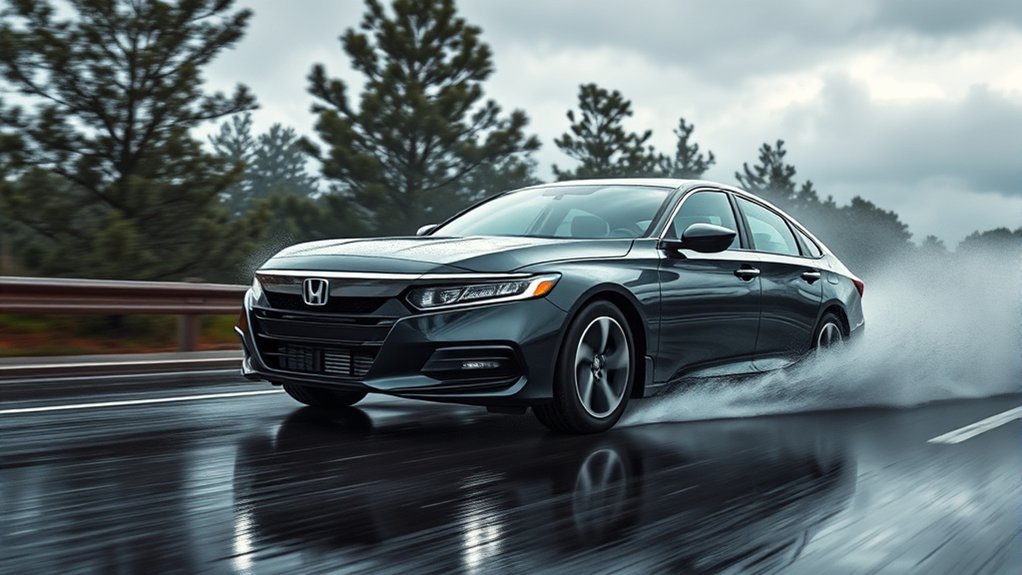
Tires are the only part of your Accord that touches the road, so tire condition matters as much as tire category. NHTSA’s TireWise guidance emphasizes that proper inflation, tread depth, rotation, and alignment all affect safety, durability, and fuel consumption.
NHTSA reported 511 deaths in tire-related crashes in 2024, which is a strong reminder that tire maintenance is a safety issue, not just a comfort issue.
Enhanced Traction Control
On a front-wheel-drive sedan like the Honda Accord, a quality all-weather tire can help the front tires grip more predictably during acceleration, cornering, and braking. That matters most in cold rain, slush, and light snow, where a worn or low-quality tire can lose grip quickly.
Improved Wet Performance
All-weather tires usually use grooves, sipes, and directional or asymmetric tread designs to help move water away from the tire. This can reduce hydroplaning risk when the tread is healthy and the tire is properly inflated.
- Check tire pressure when the tires are cold.
- Replace tires that show bulges, exposed cords, deep cuts, or repeated air loss.
- Slow down in heavy rain because no tire can overcome standing water at unsafe speeds.
Winter Readiness Benefits
The 3PMSF symbol is the key winter-readiness signal to look for. It does not make the tire equal to a dedicated winter tire, but it does show the tire was designed to deliver added snow traction compared with many basic all-season tires.
Warning: If your Accord regularly faces black ice, steep snowy roads, or deep unplowed snow, choose dedicated winter tires instead of relying only on all-weather tires.
How to Keep Your All-Weather Tires in Top Shape
Good all-weather tires still need basic maintenance. Without it, you lose the traction, fuel-efficiency, and tread-life benefits you paid for.
- Check pressure monthly: Use a gauge when the tires are cold. Honda and NHTSA both advise checking regularly because tires can lose air over time.
- Use the door-jamb placard: The correct PSI is the vehicle manufacturer’s cold pressure, not the maximum pressure printed on the tire sidewall.
- Rotate on schedule: Follow your Accord owner’s manual. If the manufacturer recommends rotation, NHTSA notes a common range of 5,000 to 8,000 miles or sooner if uneven wear appears.
- Inspect tread depth: Check tread at least monthly when checking pressure.
- Watch for uneven wear: Cupping, feathering, or one-edge wear can point to alignment, balance, suspension, or inflation problems.
Signs It’s Time to Replace Your All-Weather Tires
Do not wait until your Accord feels unsafe. Tire wear usually builds slowly, and drivers often adapt without noticing how much braking and wet grip have declined.
Tread Depth Inspection
NHTSA says tires are not safe and should be replaced when tread is worn down to 2/32 inch. You can check with a tread-depth gauge, built-in wear bars, or the penny test. If you can see the top of Lincoln’s head when a penny is inserted upside down into the tread, replacement is due.
For an all-weather tire, it is smart to plan replacement before the legal minimum if wet or snow performance has clearly dropped. The 2/32-inch mark is the emergency line, not a comfort target.
Uneven Wear Patterns
Uneven wear can make even a premium all-weather tire perform poorly. If one shoulder wears faster than the other, the Accord may need an alignment. If the tire has vibration or patchy wear, it may need balancing or inspection. If all four tires wear quickly in the center or shoulders, pressure habits may be the problem.
Note: Replace any tire with visible cords, sidewall bulges, deep cracking, or repeated pressure loss even if the tread depth still looks acceptable.
Choosing the Right All-Weather Tire for Your Driving Style
Start with your climate, then narrow by tire size and priorities. A highway commuter may value quiet ride and long treadwear. A driver in a rainy area may prioritize wet braking. A driver who sees snow several times each winter should prioritize 3PMSF traction and cold-weather reviews.
- Daily commuter: Choose a touring all-weather tire with strong comfort, noise, and treadwear ratings.
- Rain-heavy climate: Prioritize wet braking, hydroplaning resistance, and tread depth retention.
- Cold-weather driver: Look for 3PMSF and reviews from drivers in similar climates.
- Budget-focused buyer: Compare the full installed price, warranty, expected tread life, and fuel-economy tradeoff—not just the tire’s sticker price.
[Products Worth Considering]

The SAFELIFE dial tire tread depth gauge measures tread depth in 1/32 inch increments with clear, easy-to-read 2-inch dial face. Color zones using a traffic light system help you quickly judge whether tread is low, marginal, or ample for safer driving. Built with a durable zinc cast body and a metal detect probe for precise, comfortable use across cars, motorcycles, trucks, and buses.

The Big Rig Defense Tire Thumper is a truck tire pressure checker that lets you quickly check multiple tires by giving them a firm whack. Listen for a reassuring thump and feel the stick bounce when a tire is fully inflated, helping you get back on the road safely. It features a comfortable, glove-friendly handle and a secure wrist strap for confident use on busy routes.

Milton S-921 pencil tire pressure gauge helps you maintain optimal tire pressure for passenger cars with accurate readings in PSI and kPa. It features a built-in deflator valve for convenient pressure adjustments, plus a single chuck head and nylon indicator bar for easy use on the go. Built from durable plated brass and designed for reliable performance, it’s a practical road trip and cold-weather maintenance tool.
The Impact of All-Weather Tires on Fuel Efficiency

All-weather tires can affect fuel economy because tread design, rubber compound, and rolling resistance all matter. Some all-weather tires may use more energy than low-rolling-resistance touring tires, while others are engineered to balance traction and efficiency.
The easiest way to protect fuel economy is maintenance. NHTSA notes that proper tire pressure affects fuel consumption, and tire design can influence rolling resistance. For Accord owners, that means the best fuel-saving move is not just choosing a good tire—it is keeping it properly inflated, aligned, and rotated.
What Users Say About All-Weather Tires for the Accord
Owner feedback on all-weather tires usually follows a pattern. Drivers like the convenience of one set of tires, the added confidence in rain and light snow, and the reduced hassle of seasonal swaps. The most common tradeoffs are price, possible road-noise differences, and the fact that all-weather tires still cannot replace true winter tires in severe conditions.
Before buying, read reviews from drivers using the same tire size as your Accord. A tire can feel different in 225/50R17 than it does in 235/40R19 because wheel diameter, sidewall height, and vehicle trim all affect ride quality.
Frequently Asked Questions
How effective are all-weather tires on a Honda Accord?
All-weather tires can be very effective on a Honda Accord for rain, cold weather, slush, and light-to-moderate snow. They are most useful when they carry the 3PMSF symbol. For frequent ice or deep snow, dedicated winter tires are still the safer choice.
Are all-weather tires the same as all-season tires?
No. Many all-weather tires are technically built as all-season touring tires, but the important difference is winter capability. A true all-weather choice usually carries the Three Peak Mountain Snowflake symbol, while many standard all-season tires do not.
What tire size does my Honda Accord need?
Check the driver’s door-jamb placard first. Recent Accord models commonly use sizes such as 225/50R17 or 235/40R19, but the correct size depends on model year, trim, wheel package, and market.
What PSI should I use with all-weather tires on an Accord?
Use the cold tire pressure on your Accord’s door-jamb placard or owner’s manual. Do not assume one PSI fits every Accord. For example, official 2024 Honda specifications list different pressures for 225/50R17 and 235/40R19 fitments.
How often should I rotate all-weather tires?
Follow your Honda owner’s manual and the tire manufacturer’s warranty requirements. As a general maintenance reference, NHTSA notes that if rotation is recommended by the vehicle manufacturer, tires are often rotated every 5,000 to 8,000 miles or sooner if uneven wear appears.
When should I replace all-weather tires?
Replace tires immediately at 2/32 inch tread depth, or sooner if wet or snow traction has declined. Also replace tires with bulges, sidewall cracks, exposed cords, deep cuts, or repeated air loss.
Conclusion
All-weather tires can be a strong match for the Honda Accord when you want one set of tires for rain, cold weather, and occasional snow. They add winter readiness beyond many standard all-season tires while keeping the convenience and comfort Accord owners expect. Just choose carefully: confirm your exact tire size, look for the 3PMSF symbol, follow Honda’s cold tire-pressure guidance, and use dedicated winter tires if your driving conditions are truly severe.
Sources
- Pirelli Cinturato WeatherActive — warranty, tread design, and all-weather performance claims.
- Tire Rack: Pirelli Cinturato WeatherActive — 3PMSF explanation, light-snow suitability, and winter-tire limitation.
- Honda 2024 Accord Specifications — official 225/50R17 tire size and cold pressure example.
- Honda 2024 Accord Hybrid Specifications — official 225/50R17 and 235/40R19 tire size and pressure examples.
- NHTSA TireWise — tire pressure, tread depth, rotation, fuel economy, and tire-safety guidance.
- Michelin CrossClimate2 — 3PMSF certification and 60,000-mile warranty details.