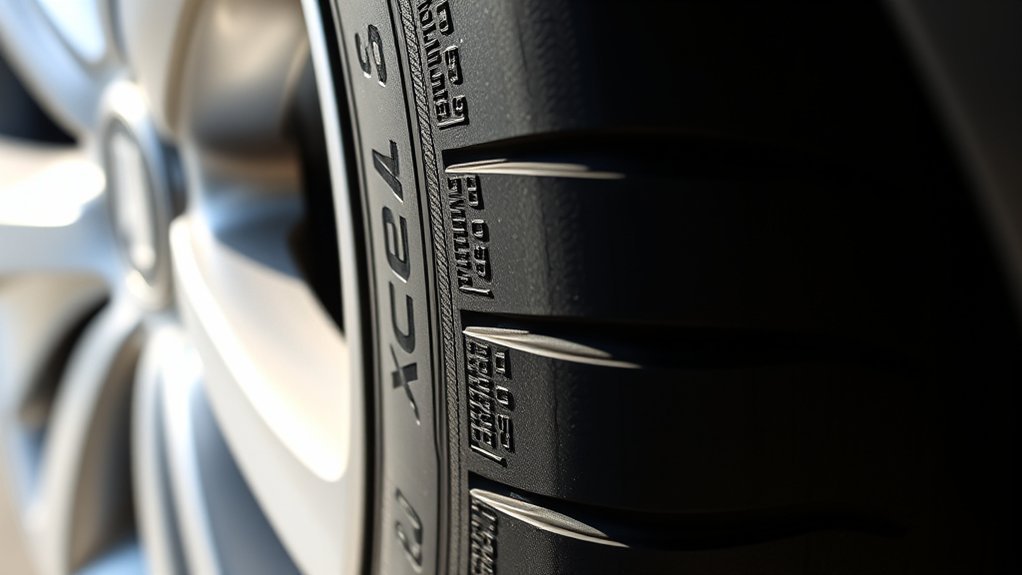
Choosing tires for a Honda Accord is not just about matching the rim size. You also need the correct tire load rating, which tells you how much weight each tire can safely carry. The safest rule is simple: match or exceed the load index and service description specified for your exact Accord year, trim, and tire size.
Quick Answer
The right Honda Accord tire load rating is the load index shown on your Tire and Loading Information label, owner’s manual, or original tire service description. Do not use a lower load index than required. A 91 tire carries 1,356 lbs, while a 93 tire carries 1,433 lbs, but the correct number depends on your specific Accord.
Key Takeaways
- Use the tire size, cold tire pressure, and load information on the driver’s doorjamb label as your first reference.
- A higher load index is usually acceptable if the tire also matches the required size, speed rating, rim fitment, and vehicle recommendations.
- Never install tires with a lower load index than your Accord requires, especially if you carry passengers, luggage, or heavy cargo.
- Do not use the maximum pressure printed on the tire sidewall as your normal tire pressure; use the Honda-recommended cold pressure.
At a Glance
| Time Required | 5–10 minutes to check your label and tire sidewalls |
| Difficulty | Easy |
| Tools Needed | Tire pressure gauge, flashlight, and your owner’s manual if available |
| Cost | Free to check; tire replacement cost depends on size, brand, and tire type |
Understanding Tire Load Ratings for the Honda Accord
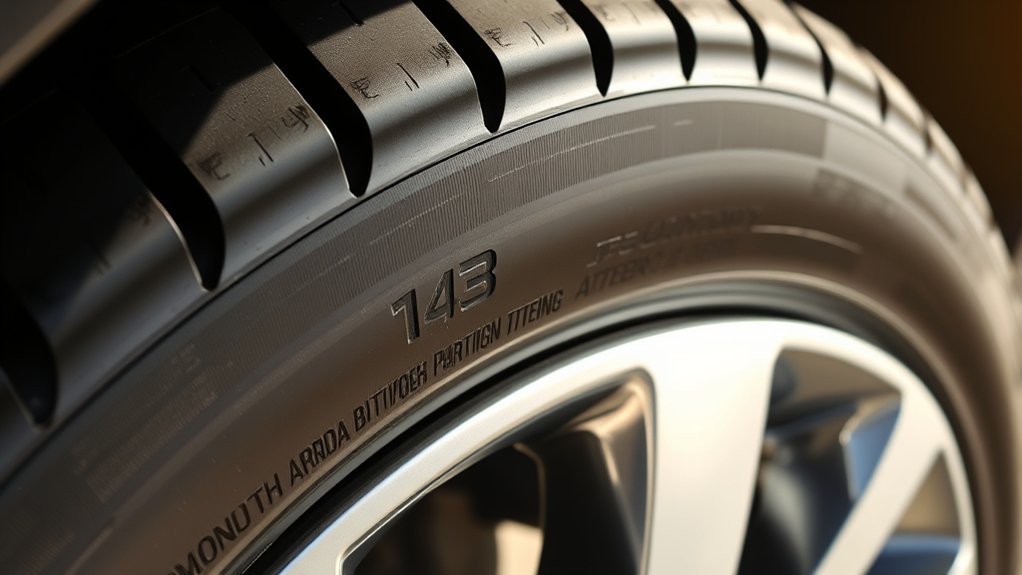
A tire load rating, also called a load index, is the number in the tire’s service description that tells you the tire’s maximum load-carrying capacity. For example, in a tire marked 215/50R17 93V, the number 93 is the load index and the letter V is the speed rating.
For a Honda Accord, there is no single load index that applies to every year, trim, and wheel package. Some Accord tires may use a 91 load index, while others may require 93 or another rating. The correct answer comes from your vehicle’s Tire and Loading Information label, owner’s manual, and original tire service description.
Note: If your doorjamb label lists only tire size and pressure, check the original tire sidewall, owner’s manual, or a trusted tire fitment database for the full service description, including load index and speed rating.
Where to Find the Correct Honda Accord Tire Load Rating
Start with the label on the driver’s side doorjamb or door edge. This label is the most important reference because it is tied to your specific vehicle configuration. It normally lists the original tire size, recommended cold tire pressure, seating capacity, and the maximum combined weight of occupants and cargo.
Use this order when checking your Accord:
- Open the driver’s door and find the Tire and Loading Information label.
- Write down the tire size listed for the front and rear tires.
- Check whether the label includes a load index and speed rating next to the tire size.
- Compare that information with the service description on your current tire sidewall.
- When buying replacements, choose tires that match the required size and meet or exceed the required load index.
Warning: Do not install tires with a lower load index than your Accord requires. A lower-rated tire can reduce reserve load capacity and may overheat or fail when the vehicle is fully loaded, underinflated, or driven at highway speeds.
How to Read Tire Load Ratings on Your Honda Accord
The load rating is part of the tire’s service description. Look near the tire size on the sidewall. A common format looks like this:
Example: 215/50R17 93V
| Part | Meaning |
|---|---|
| 215 | Tire width in millimeters |
| 50 | Aspect ratio, or sidewall height as a percentage of width |
| R17 | Radial tire for a 17-inch wheel |
| 93 | Load index: 1,433 lbs per tire |
| V | Speed rating |
Understanding the Differences Between Load Ratings
Small load-index changes can matter. A tire with a 91 load index carries 1,356 lbs, while a 93 load index carries 1,433 lbs. That is a 77-lb difference per tire, or 308 lbs across four tires. The difference is not automatically dangerous by itself; it becomes a problem when the lower number is below what your Accord requires.
| Load Index | Maximum Load Per Tire | What It Means |
|---|---|---|
| 91 | 1,356 lbs | Acceptable only if it matches or exceeds your Accord’s required service description. |
| 92 | 1,389 lbs | Slightly more capacity than 91, but still must match your vehicle requirement. |
| 93 | 1,433 lbs | Common on some 17-inch passenger-car fitments. |
| 94 | 1,477 lbs | Higher capacity, but ride feel and availability may vary by tire model. |
| 95 | 1,521 lbs | Often seen on some XL or higher-capacity passenger tires. |
Load Index vs. Load Range vs. Speed Rating
These tire terms are related, but they are not the same thing:
- Load index is the number that tells you the tire’s maximum weight capacity.
- Load range describes a tire’s construction and inflation/load category, more commonly discussed with light-truck tires.
- Speed rating is the letter after the load index, such as H, V, or W. It does not replace load capacity.
For most Honda Accord owners, the key number to check is the load index. The speed rating also matters, but a higher speed rating does not make up for a load index that is too low.
Risks of Using Tires With Lower Load Ratings
Using a tire below the required load index reduces the tire’s safety margin. This is especially risky when the car is full of passengers, the trunk is loaded, the tires are underinflated, or the vehicle is driven for long distances in hot weather.
Lower-than-required load capacity can contribute to:
- Excess heat buildup in the tire
- Reduced handling stability when the vehicle is loaded
- Longer stopping distances in emergency situations
- Greater risk of tire damage or failure
- Uneven wear if pressure and alignment are also neglected
A tire with a higher load index can carry more weight, but only the correct tire size, pressure, service description, and vehicle capacity together make the setup safe.
[Products Worth Considering]

Milton S-921 pencil tire pressure gauge helps you maintain optimal tire pressure for passenger cars with accurate readings in PSI and kPa. It features a built-in deflator valve for convenient pressure adjustments, plus a single chuck head and nylon indicator bar for easy use on the go. Built from durable plated brass and designed for reliable performance, it’s a practical road trip and cold-weather maintenance tool.

The SAFELIFE dial tire tread depth gauge measures tread depth in 1/32 inch increments with clear, easy-to-read 2-inch dial face. Color zones using a traffic light system help you quickly judge whether tread is low, marginal, or ample for safer driving. Built with a durable zinc cast body and a metal detect probe for precise, comfortable use across cars, motorcycles, trucks, and buses.

Measure tire tread depth quickly and accurately with this LUMITECO dial gauge that reads in 1/32" increments up to 14/32". The color-coded green/yellow/red zones make it easy to judge tire wear and know when replacement is needed. A rugged, compact design with a protective pouch helps keep the gauge ready for use on cars, trucks, motorcycles, and more.
How to Calculate Load Capacity for Your Honda Accord
Your Accord’s load capacity is not calculated by adding up the maximum load printed on all four tires. Use the vehicle label first. The label statement usually says something like: “The combined weight of occupants and cargo should never exceed…”
Here is the safe way to check your available cargo capacity:
- Find the combined occupant-and-cargo weight limit on the Tire and Loading Information label.
- Add the weight of the driver and passengers.
- Subtract that passenger weight from the label’s total limit.
- The result is the approximate remaining cargo capacity.
- Keep heavy cargo low and evenly distributed, and do not exceed the label limit.
Example: If your label says the combined weight of occupants and cargo should never exceed 850 lbs, and the people in the car weigh 600 lbs total, you have about 250 lbs left for luggage and cargo. Your exact number may be different, so always use your own label.
Pro Tip: When replacing all four tires, take a photo of your doorjamb label and a photo of your current tire sidewall before shopping. This helps you compare size, load index, speed rating, and pressure recommendations accurately.
Best Load Ratings for Various Honda Accord Models
The best load rating for your Honda Accord is the one specified for your exact vehicle and wheel/tire package. Do not choose replacement tires based only on another Accord owner’s tire size, because different years and trims can use different wheels, tire sizes, and service descriptions.
Use these rules when comparing tires:
- Choose the same tire size listed on the label unless you are using an approved alternate size.
- Meet or exceed the original load index.
- Meet or exceed the required speed rating unless a qualified tire professional confirms a safe seasonal exception, such as certain winter tire fitments.
- Use the Honda-recommended cold tire pressure, not the maximum pressure printed on the tire sidewall.
- Replace tires in matching sets when possible, especially across the same axle.
[Products Worth Considering]

Monitor tire tread wear with a smart, color-coded depth gauge that shows clear condition ranges at a glance. The bar is range marked for fast, easy readings, helping you maintain safer traction and performance. Each gauge is portable with a pocket clip, and the set includes 20 units for daily use and sharing.

These aluminum alloy tire valve stem caps protect the valve core from corrosion and help prevent air leakage for more stable tire pressure. The rubber ring design helps support a secure, safe seal while adding a stylish look to your Honda wheels. Easy to install by hand, these caps are ideal for everyday driving and weather exposure.

Accurately measure tire tread depth with a calibrated gauge marked from 0 to 1 inch in 1/32 inch increments. The color-coded bar helps you quickly identify tread condition ranges, supporting safe driving for trucks, motorcycles, automobiles, and passenger vehicles.
How Tire Load Ratings Influence Tire Pressure and Safety
Load rating and tire pressure work together. A tire’s load index assumes the tire is used within its approved pressure and application. If the tire is underinflated, it may not safely carry the load expected of it, even if the load index number looks correct.
Check your Accord’s tire pressure at least monthly when the tires are cold. “Cold” means the car has been parked for at least three hours or has been driven only a short distance at low speed. Also check pressure before long highway trips, before carrying heavy cargo, and when temperatures change sharply.
Warning: The pressure molded on the tire sidewall is not your normal driving pressure. It is a tire limit. Use the cold tire pressure listed by Honda on the Tire and Loading Information label unless a qualified tire professional gives vehicle-specific guidance.
Best Practices for Maintaining Your Tires and Load Ratings
Good tire maintenance protects the load capacity your tires were designed to provide. Even a correctly rated tire can become unsafe if it is underinflated, worn out, damaged, or overloaded.
- Check pressure monthly: Include the spare if your Accord has one.
- Inspect tread depth: Replace tires when tread is worn to 2/32 inch, or sooner if traction is poor.
- Look for damage: Bulges, cuts, cracks, exposed cords, or repeated pressure loss mean the tire needs professional inspection.
- Rotate tires on schedule: Follow the owner’s manual; many vehicles use a 5,000–8,000 mile rotation interval when recommended.
- Watch the TPMS light: A tire pressure warning means you should check pressure with a gauge as soon as it is safe.
- Do not overload the car: Stay within the combined occupant-and-cargo limit on the label.
Replacement Tire Checklist for a Honda Accord
Before buying replacement tires, confirm every item below:
- The tire size matches the driver’s doorjamb label or an approved alternate size.
- The load index meets or exceeds the original requirement.
- The speed rating is appropriate for the vehicle and driving conditions.
- The tire type fits your climate: all-season, summer, winter, or touring.
- The tire is compatible with your wheel width and diameter.
- The new tire’s age is reasonable based on the DOT date code.
- The installer sets pressure to the vehicle’s cold tire pressure specification.
- The tires are balanced, mounted correctly, and checked for leaks.
[Products Worth Considering]

AstroAI’s digital tire pressure gauge inflates and measures with high accuracy, reading within 1% and supporting four pressure units from 3 to 250 PSI. The heavy-duty brass air chuck locks securely on valve stems, while the 19.7-inch stainless braided hose and 360° rotatable dial improve comfort and control for faster single-hand operation. Battery-saver behavior and an integrated flashlight add convenience and safety for everyday roadside and garage use.

The Topeak SmartGauge D2 delivers precise digital tire pressure readings for bikes, motorcycles, and sports equipment up to 250 psi (17 bar). Its rotating SmartHead works with both Presta and Schrader valves, so you can check pressure quickly without adapters. The LCD display makes it easy to read results in psi, bar, or kg/cm² with an included CR2032 battery for immediate use.

The 22800 wheel stud installer makes replacing wheel studs quick and secure, saving time and effort during tire service. It uses a ratchet or impact wrench to pull new studs firmly into place, helping when existing studs are too long. Compatible with most automotive wheels and light-duty truck wheel studs, it’s designed for easy, tool-assisted installation.
Frequently Asked Questions
What load rating should I use on a Honda Accord?
Use the load index listed for your exact tire size and vehicle configuration. Start with the Tire and Loading Information label on the driver’s doorjamb, then confirm the full service description in the owner’s manual, on the original tire sidewall, or with a qualified tire professional.
Can I use a 91 load index tire instead of a 93?
Only use a 91 load index if it meets or exceeds the requirement for your specific Accord tire size and service description. If your vehicle requires 93, do not downgrade to 91. A 91 tire carries 1,356 lbs, while a 93 tire carries 1,433 lbs.
Is a higher load index better?
A higher load index can provide more load capacity, but it is not automatically better. The tire still needs to match the correct size, wheel fitment, speed rating, tire type, and pressure recommendation. Some higher-capacity tires may feel firmer or change ride comfort.
Does tire pressure increase load rating?
You should not try to fix an under-rated tire by adding extra air. Use the vehicle manufacturer’s recommended cold tire pressure. Overinflating can reduce ride quality, affect handling, and cause uneven wear.
Where is the Honda Accord Tire and Loading Information label?
It is usually on the driver’s side doorjamb or door edge. Open the driver’s door and look for a label that lists tire size, cold tire pressure, seating capacity, and the combined weight limit for occupants and cargo.
Conclusion
The safest Honda Accord tire load rating is not a universal number. It is the load index and service description required for your exact Accord. Check the driver’s doorjamb label, confirm the tire sidewall markings, and choose replacement tires that meet or exceed the original requirement. When in doubt, use the placard, owner’s manual, and a qualified tire professional as your final guide.
Sources
- NHTSA TireWise Tire Safety — tire size, Tire and Loading Information label, pressure checks, tread, rotation, blowouts, and TPMS guidance.
- 49 CFR 571.110 Tire Selection and Rims — federal tire load limits, placard requirements, vehicle capacity weight, tire size, pressure, and optional load index/speed rating label information.
- Tire Rack Load Index Guide — load index definitions and load-index capacity values including 91, 92, 93, 94, and 95.