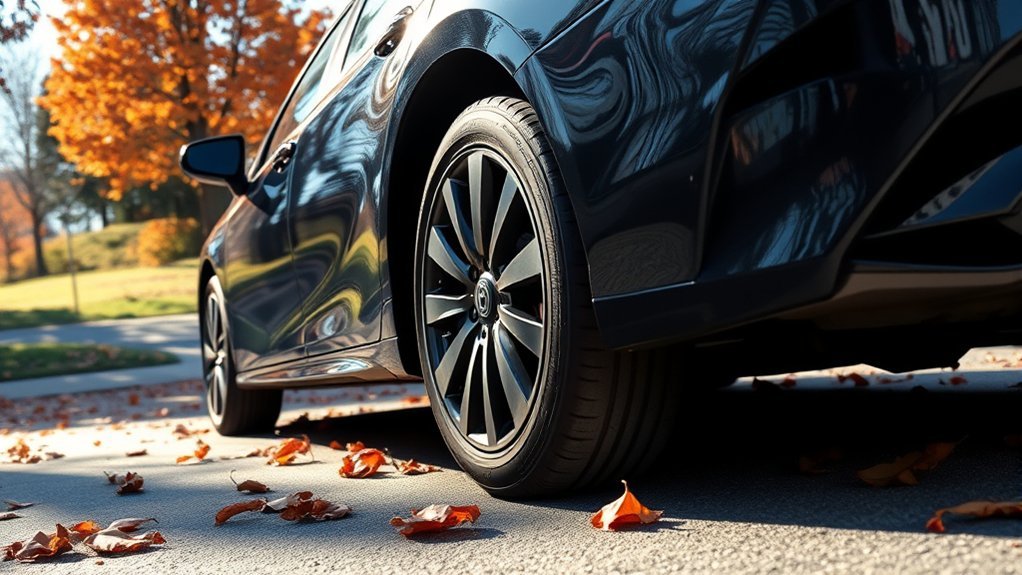
Winter tires can improve your Toyota Camry’s grip, braking, and steering when cold weather arrives, but you should not wait for heavy snow before installing them. The better timing signal is sustained temperature. You also need the correct tire size, adequate tread, four matching tires, and the right inflation pressure for your specific Camry.
Quick Answer
Install winter tires on your Toyota Camry when daily temperatures consistently fall near or below 45°F (7°C), even if snow has not arrived. Use four matching winter tires in the size specified on the driver-door placard. Aim to begin the season with about 6/32 inch (4.8 mm) of tread and avoid snow use below 5/32 inch (4 mm).
Key Takeaways
- Use sustained temperatures around 45°F (7°C), not the first snowfall alone, to plan your tire change.
- Confirm the correct size and cold inflation pressure on your Camry’s driver-door placard or model-year owner’s manual.
- Install four compatible winter tires. Mixing winter and all-season tires can create an unstable front-to-rear grip balance.
- Look for the Three-Peak Mountain Snowflake symbol for verified severe-snow traction performance.
- Check tread, pressure, damage, and uneven wear throughout winter, then remove the tires when warmer temperatures return consistently.
When to Install Winter Tires on Your Toyota Camry

A practical rule is to arrange the change when daily temperatures remain near or below 45°F (7°C). Winter tires use rubber compounds designed to stay flexible in sustained cold, while summer and many all-season tires become less effective as temperatures fall.
You may need to install them earlier if your forecast includes overnight frost, freezing rain, mountain travel, or an approaching winter storm. Local laws can also require winter-rated tires during specific dates, so check the rules for every region where you regularly drive.
Consider booking the change when any of these conditions apply:
- Daytime temperatures are regularly near or below 45°F (7°C).
- Overnight frost or black ice is becoming common.
- Snow, freezing rain, or a sharp cold front is in the forecast.
- You regularly travel through higher elevations or colder rural areas.
- Your local winter-tire deadline is approaching.
- Your current tires lack enough tread for snow and slush.
Note: The 45°F rule is a planning guideline, not a guarantee that every all-season tire becomes unsafe at the same exact temperature. Tire model, age, tread depth, road surface, precipitation, and driving style also affect traction.
[Products Worth Considering]
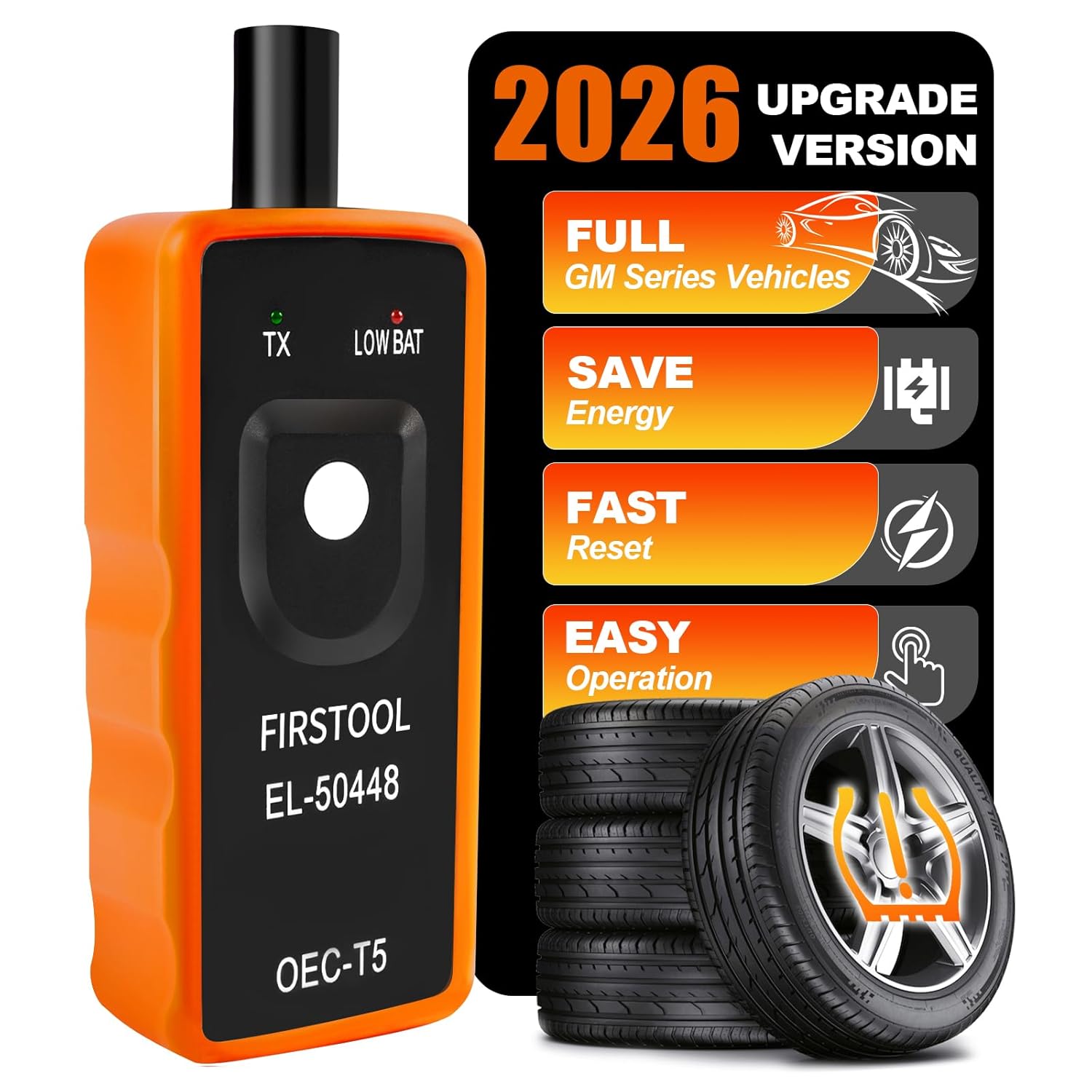
This TPMS relearn tool helps you quickly activate, match, and reset GM tire pressure sensors to keep the vehicle monitoring system working properly. It clears tire pressure alarms and dashboard warning lights after sensor replacement or tire rotation, and supports learning for common 315/433 MHz TPMS sensors. Designed for simple one-button operation, it can help you avoid unnecessary trips to repair shops.

Monitor tire tread wear with a smart, color-coded depth gauge that shows clear condition ranges at a glance. The bar is range marked for fast, easy readings, helping you maintain safer traction and performance. Each gauge is portable with a pocket clip, and the set includes 20 units for daily use and sharing.

Measure tire tread depth quickly and accurately with this LUMITECO dial gauge that reads in 1/32" increments up to 14/32". The color-coded green/yellow/red zones make it easy to judge tire wear and know when replacement is needed. A rugged, compact design with a protective pouch helps keep the gauge ready for use on cars, trucks, motorcycles, and more.
Why Temperature Matters More Than the First Snowfall
Winter tires are designed for cold roads as well as snow. Their compounds remain more flexible in low temperatures, helping the tread conform to the pavement and maintain useful grip during braking, acceleration, and cornering.
Temperature affects several parts of winter tire performance:
- Rubber flexibility: Winter compounds remain more pliable in sustained cold than typical summer compounds.
- Braking and steering: Better cold-weather grip can improve vehicle response on dry, wet, snowy, slushy, or icy pavement.
- Tire pressure: Pressure falls as the air becomes colder, so a tire that was correctly inflated in mild weather may become underinflated after a temperature drop.
- Tire wear: Winter compounds may wear faster and feel less precise when driven for long periods in warm weather.
Transport Canada advises that all-season and summer tires begin losing elasticity below 7°C, while winter tires retain flexibility and grip at lower temperatures.
Installing winter tires before the first major storm also gives you time to check their pressure, balance, tread depth, and TPMS operation before road conditions become difficult.
How Winter Tires Improve Camry Safety and Performance
A Toyota Camry depends on four small tire contact patches for braking, steering, and acceleration. Winter tires can improve those functions through cold-weather rubber compounds, deeper grooves, and numerous small tread cuts called sipes.
These design features serve different purposes:
- Sipes create additional biting edges for packed snow and slippery surfaces.
- Deeper grooves help move snow, slush, and water away from the contact area.
- Winter compounds remain flexible enough to conform to cold pavement.
- Snow-oriented tread patterns improve traction compared with tires designed mainly for warm or mild conditions.
Winter tires can shorten stopping distances in controlled cold-weather tests, but no single distance applies to every Camry. Results change with speed, road surface, tire model, temperature, tread depth, and driver input. You must still reduce speed and leave more following distance on snow and ice.
Warning: Install winter tires on all four wheels. Using them only on the front of a front-wheel-drive Camry may improve acceleration while leaving the rear with less cornering grip. That imbalance can increase the chance of oversteer and loss of control.
[Products Worth Considering]

Upgrade your Toyota’s wheels with durable aluminum alloy valve stem caps that help protect valve cores from corrosion and direct exposure to road grime, clay, water, and snow. Rubber rings improve sealing to help prevent air leakage and maintain stable tire pressure for safer driving. These caps are easy to install or remove without tools and add a unique, stylish look to your car.

Milton S-921 pencil tire pressure gauge helps you maintain optimal tire pressure for passenger cars with accurate readings in PSI and kPa. It features a built-in deflator valve for convenient pressure adjustments, plus a single chuck head and nylon indicator bar for easy use on the go. Built from durable plated brass and designed for reliable performance, it’s a practical road trip and cold-weather maintenance tool.

These universal tire valve stem caps help protect valve cores from dust, debris, and moisture while helping maintain stable tire pressure. The corrosion-resistant metal construction and sealed design provide reliable protection in road grime, mud, and winter conditions. Twist-on installation makes them quick to fit on cars, SUVs, trucks, and motorcycles.
How to Choose Winter Tires for a Toyota Camry

Choosing winter tires for a Camry requires more than finding a product labeled for cold weather. Tire sizes and requirements can vary by model year, trim, wheel size, drivetrain, and market.
The safest winter setup matches your Camry’s required size and load capacity while using four compatible tires with adequate tread and a recognized severe-snow rating.
[Products Worth Considering]

The Kurgo Seasonal Tire Tote helps protect your car interior, clothes, and garage from tire grime, brake dust, and residue during seasonal tire changes. Its universal design fits most passenger tires between 22" and 31" in diameter, making storage and transport simpler with less mess. Built for rugged, repeated use, it’s machine washable for easy care and comes with a lifetime warranty.

Steelman white tire marking crayons provide high-contrast, semi-permanent marks for repairing and inspecting tires and equipment. They write on wet or dry, smooth or coarse surfaces including rubber, metal, glass, and wood, making them ideal for puncture location and damage outlining. The lead- and zinc-free crayons resist weather and fading yet wipe away when you no longer need the marks.

This professional wheel and rim brush kit makes it easy to lift brake dust, grime, and dirt from wheels and tires without scratching finishes. The brushes feature soft, metal-free wool heads and a flexible 360-degree rim brush design for reaching hard-to-clean areas. Includes multiple brush types plus accessories for thorough car, motorcycle, and general vehicle detailing.
Verify the Correct Camry Tire Size
Check the Tire and Loading Information label on the driver-side doorjamb. It lists the original tire size and recommended cold inflation pressure. You can also verify the requirements in the Toyota owner’s manual for your exact model year.
Do not choose a tire only because another Camry uses the same wheel diameter. The tire must have an approved size, sufficient load capacity, suitable construction, and a compatible speed rating. Ask a qualified tire professional to confirm any alternate winter wheel or tire size.
Look for the Three-Peak Mountain Snowflake Symbol
Choose tires marked with the Three-Peak Mountain Snowflake, or 3PMSF, symbol. According to Transport Canada, this marking identifies tires that meet defined snow-traction performance requirements for severe snow conditions.
An M+S, M/S, or Mud and Snow marking may appear on all-season tires, but it does not by itself indicate the same severe-snow testing as the 3PMSF symbol.
Match All Four Tires
Use four tires of the same model, size, construction, and similar tread depth whenever possible. Mixing different winter patterns or combining winter tires with all-season tires can produce unpredictable braking and cornering behavior.
This recommendation also applies to an AWD Camry. All-wheel drive can help the vehicle accelerate, but it does not replace the tire grip needed for braking and turning.
Choose Studless or Studded Tires Carefully
Studless winter tires are suitable for most drivers and work on cold pavement, snow, slush, and ice. Studded tires can add mechanical grip on certain icy surfaces, but they may create more noise, affect dry-road behavior, and damage pavement.
Check local regulations before purchasing or installing studded tires. Some locations restrict their dates, roads, or use entirely.
Consider Wheels and TPMS Sensors
A separate winter wheel set can make seasonal changes easier and may protect more expensive original wheels from salt and road damage. However, the wheel must have the correct diameter, width, offset, bolt pattern, load rating, and brake clearance.
If the winter wheels use different tire-pressure sensors, the Camry may need sensor registration, programming, or relearning. Confirm the procedure for your model year before installation.
How Much Winter Tire Tread Do You Need?
Tread-depth advice should distinguish between a legal wear limit and useful snow performance. In the United States, passenger-tire wear bars are generally set at 2/32 inch, but a tire can lose much of its deep-snow ability before reaching that point.
For winter driving:
- About 6/32 inch (4.8 mm): A sensible beginning-of-season target when regular snow driving is expected. The Québec government recommends at least this depth during winter.
- About 5/32 inch (4 mm): A practical lower boundary for snow use. Transport Canada advises against using winter tires below this depth on snow-covered roads.
- 2/32 inch (1.6 mm): The common U.S. treadwear-indicator level, but not a suitable target for dependable winter traction.
Measure several grooves across each tire because wear may be uneven. Replace or professionally inspect the set if you find exposed cords, sidewall bulges, deep cracks, punctures, irregular wear, or repeated pressure loss.
Preparing Your Camry for the Tire Change
Before installing the winter set, complete this checklist:
- Confirm the size and cold pressure on the driver-door placard.
- Measure tread depth across all four tires.
- Inspect the tread and sidewalls for cracks, bulges, cuts, punctures, and uneven wear.
- Check each tire’s direction-of-rotation arrow or inside/outside marking.
- Confirm that all four tires are compatible and have similar remaining tread.
- Inspect the wheels for bends, cracks, corrosion, or damaged mounting surfaces.
- Confirm that TPMS sensors are fitted and compatible if required.
- Have the wheels properly mounted, torqued, and balanced.
- Recheck wheel-nut torque if the installer or owner’s manual specifies a follow-up check.
Ask for an alignment inspection if your old tires show feathering, one-sided wear, or rapid wear. Alignment will not restore damaged tread, but correcting it can help protect the new set.
Maintaining Winter Tires: Key Tips
Check Cold Tire Pressure Regularly
Measure pressure when the tires are cold, meaning the Camry has been parked long enough for the tires to cool. Use the pressure on the driver-door placard, not the maximum pressure molded into the tire sidewall.
The National Highway Traffic Safety Administration recommends checking tire pressure at least monthly. Check it again after a major temperature drop and before a long trip.
Inspect Tread and Damage
Measure the tread in several locations and watch for uneven wear. Have a tire professional inspect cracks, bulges, exposed material, vibration, pulling, repeated air loss, or impact damage from potholes.
A TPMS warning means at least one tire may be significantly underinflated, but a warning light does not replace manual pressure checks.
Rotate and Balance the Tires
Follow the rotation interval and pattern in your Camry’s maintenance guide and the tire manufacturer’s instructions. NHTSA gives a general range of 5,000 to 8,000 miles when rotation is recommended, but the correct schedule can vary.
Directional tires must remain on their correct rotational path unless they are remounted. Staggered front and rear tire sizes may also limit rotation options.
Remove Winter Tires When Warm Weather Returns
Switch back to suitable all-season or summer tires when daily temperatures remain consistently above approximately 45°F (7°C) and winter conditions have ended. Keeping winter tires on hot pavement can accelerate wear and reduce warm-weather precision.
Do not remove them solely because of one warm afternoon. Check the extended forecast, overnight temperatures, travel plans, and any local seasonal requirements.
Store the Off-Season Set Correctly
Before storage, wash away salt, mud, and brake dust, remove stones from the tread, and let the tires dry completely. Mark each tire’s previous position so the set can be rotated correctly next season.
According to Michelin’s tire-storage guidance, tires should be kept indoors in a clean, cool, dry, and dark location away from direct sunlight, heat, fuels, solvents, and ozone-producing equipment.
- Tires mounted on wheels: Stack them horizontally or hang them using a suitable wheel-storage system.
- Unmounted tires: Store them upright rather than hanging or stacking them for long periods.
- Protection: Place clean, dry tires in individual tire bags or covers where practical.
Pro Tip: Book your autumn installation before the first major freeze. Tire shops often become busiest after the first snowfall, when waiting several extra days may leave you driving on unsuitable tires.
Frequently Asked Questions
At what temperature should winter tires be put on?
Plan to install them when daily temperatures consistently fall near or below 45°F (7°C). You may need to act sooner when frost, freezing rain, mountain travel, or a legal deadline is expected.
Is mid-October too early for winter tires?
It depends on your climate. Mid-October can be appropriate where sustained cold, overnight frost, mountain travel, or an early legal deadline is likely. In a warmer area, use the temperature forecast rather than the calendar alone.
Do I need four winter tires on a front-wheel-drive Camry?
Yes. Installing only two can create a large traction difference between the front and rear axles. Four compatible winter tires provide more balanced braking, steering, and cornering behavior.
Does an AWD Toyota Camry still need winter tires?
AWD can improve acceleration, but it cannot create tire grip during braking or cornering. Four winter tires can still provide a significant advantage on cold, snowy, slushy, and icy roads.
Is an M+S marking enough for severe winter driving?
Not necessarily. M+S describes a tread category, while the Three-Peak Mountain Snowflake symbol identifies a tire that has met a defined severe-snow traction test. Look for 3PMSF when regular snow driving is expected.
When should I remove winter tires in spring?
Remove them when daily temperatures stay consistently above approximately 45°F (7°C), winter road conditions have ended, and local seasonal requirements allow the change.
Conclusion
Install winter tires on your Toyota Camry before sustained temperatures fall much below 45°F (7°C), rather than waiting for the first heavy snowfall. Confirm the exact size and cold pressure for your model year, use four compatible 3PMSF-marked tires, and begin the season with enough tread for the conditions you expect.
Winter tires improve available grip, but they cannot overcome excessive speed or short following distances. Continue checking pressure, tread, damage, and weather throughout the season, then switch back when warmer temperatures return consistently.
Sources
- Transport Canada: Using Winter Tires — supports the 7°C guidance, 3PMSF marking, four-tire installation, tread depth, and cold-pressure checks.
- Michelin: When to Switch Winter Tires — supports the approximately 45°F installation and removal guideline.
- NHTSA TireWise — supports driver-door placard sizing, cold inflation pressure, tread inspection, and rotation guidance.
- Toyota Owners Manuals and Warranties — provides model-year-specific tire, pressure, winter driving, chain, and TPMS instructions.
- Gouvernement du Québec: Winter Tire Requirements — supports the 4.8 mm winter tread recommendation and illustrates jurisdiction-specific tire rules.
- Michelin: Storing Tires — supports cleaning, positioning, and cool, dry, dark off-season storage.