
Understanding tire temperature ratings helps you choose safer, longer-lasting tires for your Toyota RAV4. The rating is part of the UTQG tire label and shows how well a tire resists heat buildup under controlled lab testing. For everyday RAV4 driving, the goal is simple: pick a tire that matches your speed, load, climate, and maintenance habits.
Quick Answer
For most RAV4 owners, a Temperature A tire is the best choice because it offers the highest UTQG heat-resistance grade. Temperature B can work for normal driving if it fits your tire size and load needs, while Temperature C meets the minimum passenger-tire level but gives less heat-resistance margin.
Key Takeaways
- Temperature A is the highest UTQG temperature grade and gives the strongest heat-resistance margin.
- The temperature grade is not the same as the tire’s speed rating; always check both before buying tires.
- Heat buildup gets worse with underinflation, overloading, high speed, hot weather, worn tread, and long highway trips.
- You can usually find the grade on the tire sidewall as part of the UTQG marking, such as TREADWEAR 500 TRACTION A TEMPERATURE A.
What Tire Temperature Ratings Mean
Tire temperature ratings are part of the Uniform Tire Quality Grading standards, usually called UTQG. UTQG compares passenger tires in three areas: treadwear, traction, and temperature resistance.
The temperature grade tells you how well a tire resists heat generation and dissipates heat when tested on a specified indoor laboratory test wheel. The grades are:
| Temperature Grade | Meaning | RAV4 Takeaway |
|---|---|---|
| A | Highest heat-resistance grade in UTQG testing. | Best heat-resistance margin for highway driving, hot climates, heavy cargo, and long trips. |
| B | Higher than the minimum required level, but below A. | Acceptable for many normal driving needs if the tire also matches your size, load index, and speed rating. |
| C | Minimum temperature-performance level for passenger tires covered by the standard. | Less heat-resistance margin; not ideal if you regularly drive in high heat, carry heavy loads, or take long highway trips. |
Warning: A temperature grade assumes the tire is properly inflated and not overloaded. Excessive speed, underinflation, or too much weight can cause heat buildup and possible tire failure, even on a tire with a strong temperature grade.
How to Pick the Best Tire Temperature Rating for Your Driving Style
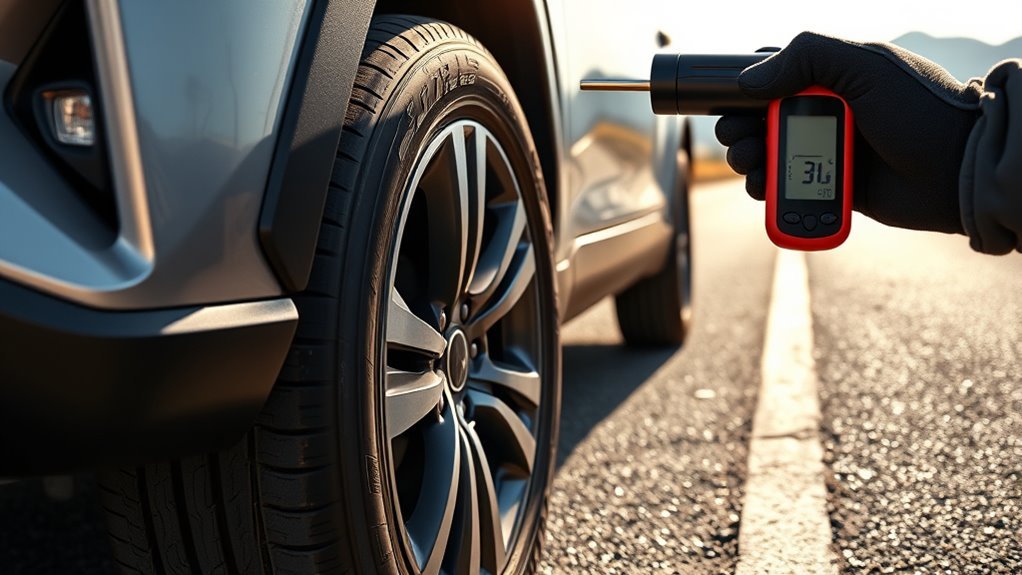
To match your RAV4 tires to your driving style, start with your real-world conditions. Temperature A is the safest all-around target for most RAV4 owners because it provides the highest UTQG heat-resistance grade. That extra margin can help during long highway trips, summer driving, steep grades, or cargo-heavy travel.
Temperature B tires may still be a practical choice for normal commuting, school runs, short trips, and moderate climates, as long as the tire also meets the RAV4’s required size, load index, speed rating, and pressure requirements. Temperature C tires meet the minimum level in the UTQG system, but they offer less heat-resistance margin and are usually not the best pick for demanding use.
[Products Worth Considering]

Monitor tire tread wear with a smart, color-coded depth gauge that shows clear condition ranges at a glance. The bar is range marked for fast, easy readings, helping you maintain safer traction and performance. Each gauge is portable with a pocket clip, and the set includes 20 units for daily use and sharing.

The SAFELIFE dial tire tread depth gauge measures tread depth in 1/32 inch increments with clear, easy-to-read 2-inch dial face. Color zones using a traffic light system help you quickly judge whether tread is low, marginal, or ample for safer driving. Built with a durable zinc cast body and a metal detect probe for precise, comfortable use across cars, motorcycles, trucks, and buses.

Measure tire tread depth quickly and accurately with this LUMITECO dial gauge that reads in 1/32" increments up to 14/32". The color-coded green/yellow/red zones make it easy to judge tire wear and know when replacement is needed. A rugged, compact design with a protective pouch helps keep the gauge ready for use on cars, trucks, motorcycles, and more.
Choose Temperature A If
- You regularly drive on highways for long distances.
- You live where summer road temperatures get very hot.
- You carry passengers, luggage, tools, sports gear, or other cargo often.
- You drive in hilly or mountainous areas.
- You want the strongest heat-resistance margin available in the UTQG temperature scale.
Temperature B May Be Fine If
- You mostly drive around town or on moderate-speed routes.
- You do not overload the vehicle.
- You keep tire pressure checked and maintained.
- The tire has the correct RAV4 size, load index, and speed rating.
Be Cautious With Temperature C
Temperature C is the lowest UTQG temperature grade. It should not be your first choice if you regularly drive in hot weather, travel at sustained highway speeds, or load your RAV4 heavily. For most replacement tire shoppers, A or B gives a better safety margin.
Temperature Rating vs. Speed Rating: Do Not Mix Them Up
A tire’s temperature rating and speed rating are related to heat and speed, but they are not the same thing. The UTQG temperature grade comes from a controlled laboratory heat-resistance test. The tire’s speed rating is a separate code, such as H, V, or W, that appears in the tire service description.
For a RAV4, you should check both:
- Temperature grade: Look for the UTQG marking, such as Temperature A.
- Speed rating: Look at the tire size and service description, such as 225/65R17 102H.
- Load index: Make sure the tire can carry the weight required for your RAV4.
- Vehicle placard: Use the tire size and pressure shown on the driver-side door placard or owner’s manual.
Note: UTQG grades are useful for comparison, but they do not replace the Toyota tire placard, owner’s manual, tire load index, speed rating, or professional tire fitment advice.
[Products Worth Considering]

Steelman white tire marking crayons provide high-contrast, semi-permanent marks for repairing and inspecting tires and equipment. They write on wet or dry, smooth or coarse surfaces including rubber, metal, glass, and wood, making them ideal for puncture location and damage outlining. The lead- and zinc-free crayons resist weather and fading yet wipe away when you no longer need the marks.
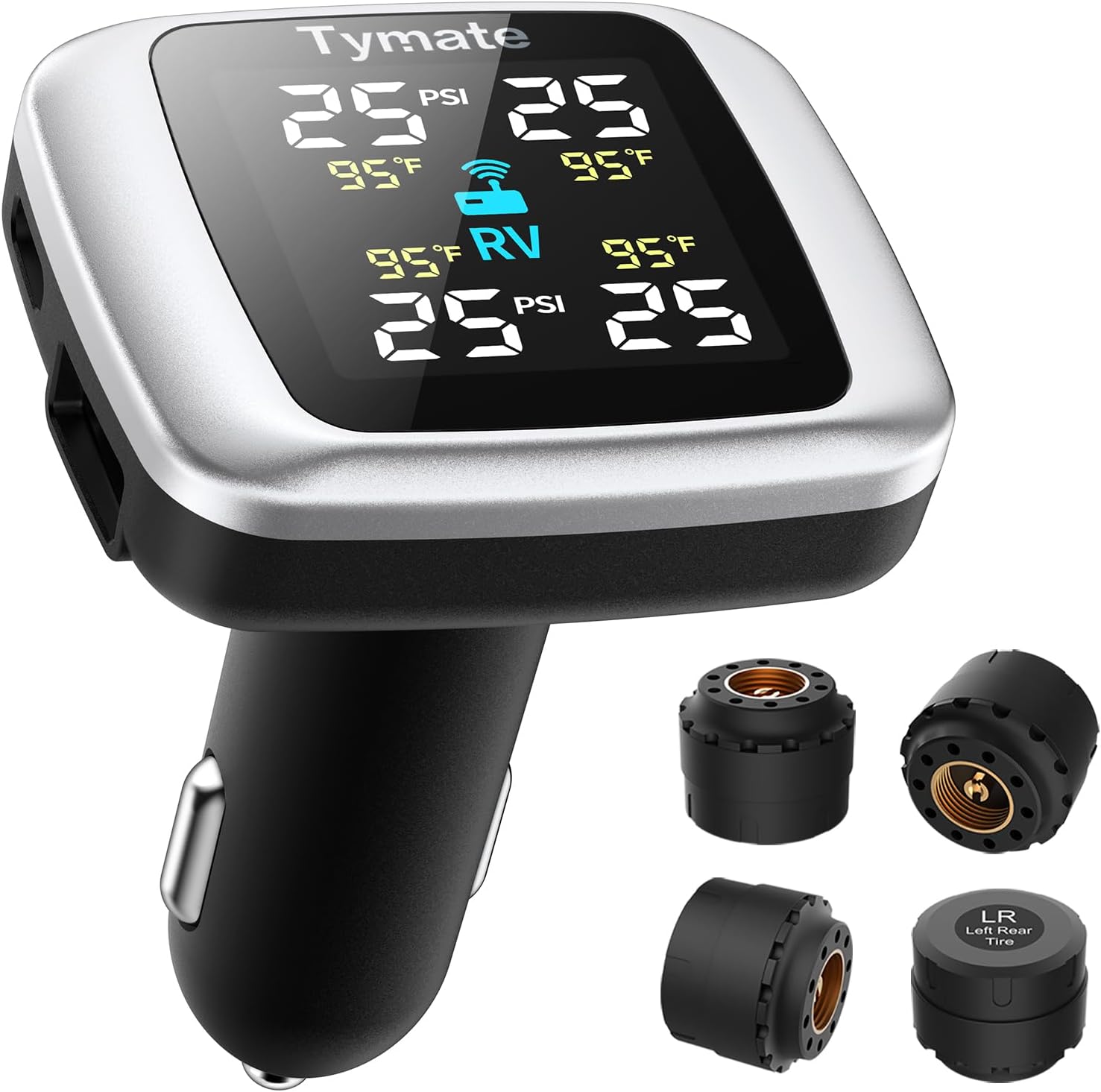
Tymate TM7 is a wireless tire pressure monitoring system that delivers real-time pressure and temperature readings for safer driving. It includes four external sensors, a bright color LCD display with adjustable backlight, and six alarm modes for high/low pressure, fast leakage, high temperature, and sensor signal or battery issues. The system covers a wide 0–144 PSI range and plugs into your vehicle’s cigarette lighter socket for quick DIY setup.

Accurately measure tire tread depth with a calibrated gauge marked from 0 to 1 inch in 1/32 inch increments. The color-coded bar helps you quickly identify tread condition ranges, supporting safe driving for trucks, motorcycles, automobiles, and passenger vehicles.
How Tire Temperature Ratings Affect RAV4 Performance
Your RAV4’s tires flex every time they roll. That flexing creates heat. When heat builds up faster than the tire can release it, tread wear can increase and the tire’s internal materials can weaken. The UTQG temperature grade helps you compare how well a tire handles that heat under standardized testing.
Temperature ratings can affect your RAV4 in several ways:
- Safety margin: Higher heat resistance helps reduce the risk of heat-related tire damage when the tire is properly inflated and not overloaded.
- Tread life: Excessive heat can shorten tire life by stressing rubber compounds and internal materials.
- Highway confidence: Long, steady highway drives create more sustained heat than short local trips.
- Loaded driving: Extra passengers and cargo increase tire work, which can increase heat buildup.
- Hot-weather performance: Summer pavement can add more heat stress, especially if pressure is low.
The best tire temperature rating is not a substitute for maintenance. Even a Temperature A tire can overheat if it is underinflated, overloaded, damaged, or driven beyond its limits.
Practical Scenarios for Different Tire Temperature Ratings
Use your driving pattern to decide how much heat-resistance margin you need. Here are common RAV4 scenarios:
Daily Commuting
If you mostly drive to work, school, errands, and local appointments, Temperature A is still ideal, but Temperature B can be reasonable when the tire meets all Toyota fitment requirements. Keep pressure checked, because underinflation is one of the easiest ways to create excess heat.
Summer Highway Trips
For long road trips, hot climates, and steady highway driving, choose Temperature A when possible. Sustained speed and hot pavement can raise tire temperature, especially when the vehicle is full of people and luggage.
Mountain Roads and Heavy Cargo
Climbs, curves, braking, and added weight make tires work harder. A Temperature A tire gives you more heat-resistance margin. Also check your RAV4’s payload limits and never exceed the tire or vehicle load rating.
Cooler-Climate City Driving
Cooler weather and lower speeds reduce heat stress, but that does not make the rating irrelevant. A or B is still a stronger choice than C for most owners because driving conditions can change quickly with road trips, cargo, or seasonal heat.
Where to Find Tire Temperature Ratings on Your RAV4
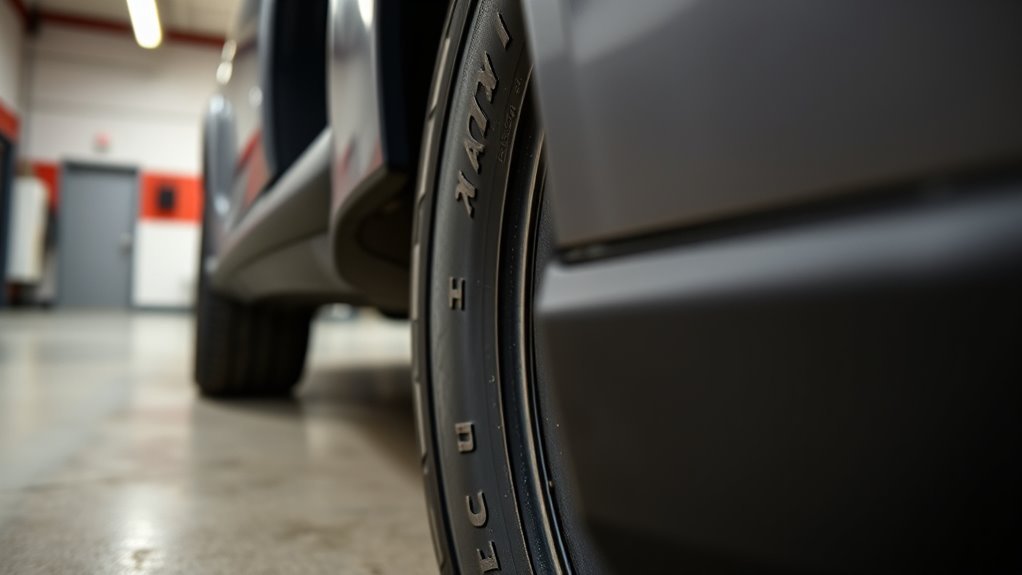
You can usually find the tire temperature rating on the tire sidewall as part of the UTQG information. Look for wording similar to:
TREADWEAR 500 TRACTION A TEMPERATURE A
The exact numbers and letters vary by tire model. Toyota’s owner information explains that quality grades, where applicable, can be found on the tire sidewall between the tread shoulder and maximum section width.
Check the Tire Sidewall
Look around the outer sidewall for the UTQG block. The temperature grade will be a letter: A, B, or C. If the tire is dirty, wipe the sidewall first so the molded letters are easier to read.
Check the New Tire Label
When buying new tires, the UTQG grades may also appear on the tread label or product page. Compare the temperature grade before you buy, not after the tires are installed.
Check the Owner’s Manual and Door Placard
The owner’s manual and driver-side door placard help you confirm tire size and cold inflation pressure. They may not list the exact UTQG grade of your current replacement tire, so use them together with the tire sidewall.
Pro Tip: Take a clear photo of each tire sidewall before shopping. That makes it easier to compare your current size, load index, speed rating, DOT date code, and UTQG temperature grade.
Top Myths About Tire Temperature Ratings Debunked
Myth: All RAV4 Tires Have the Same Temperature Rating
They do not. Replacement tires in the same RAV4 size can have different UTQG grades, treadwear ratings, traction grades, speed ratings, and load indexes. Always compare the actual tire model you plan to buy.
Myth: Temperature Rating Only Matters for Sports Cars
Heat resistance matters for crossovers too. A RAV4 may not be a sports car, but highway speed, summer heat, cargo, underinflation, and long trips can still create tire heat.
Myth: Temperature A Means the Tire Can Be Ignored
Temperature A is helpful, but it is not magic. A tire still needs the right pressure, proper rotation, enough tread, correct alignment, and regular inspection.
Myth: Temperature Rating Is the Only Grade That Matters
No single tire grade tells the whole story. Compare temperature rating, traction grade, treadwear grade, tire size, load index, speed rating, warranty, wet-road performance, winter needs, and road-noise reviews.
Maintaining Your RAV4 Tires for Optimal Temperature Management
The best way to manage tire heat is to keep your tires in the condition the manufacturer intended. Heat problems often come from avoidable issues such as low pressure, overloading, worn tread, or hidden damage.
- Check tire pressure monthly and before long trips. Use the cold pressure listed on the RAV4’s driver-side door placard, not the maximum pressure molded on the tire.
- Inspect tread depth and replace tires when they are worn, uneven, cracked, bulging, or damaged.
- Rotate tires on schedule according to your maintenance guide or tire manufacturer’s recommendation.
- Do not overload the vehicle. Extra weight makes tires flex more, which can increase heat.
- Slow down when conditions are demanding. High speed, high heat, and heavy loads are a bad combination.
- Replace mismatched or improper tires. A tire that does not meet the right size, load index, or speed rating is not a good fit, even if its temperature grade looks acceptable.
RAV4 Tire Temperature Rating Buying Checklist
Before choosing replacement tires, run through this simple checklist:
- Confirm the correct tire size on the driver-side door placard.
- Choose a tire with the correct or better load index for your RAV4.
- Choose the correct speed rating for your vehicle and driving needs.
- Look for Temperature A when available, especially for hot climates or highway driving.
- Compare wet traction, treadwear, road noise, comfort, and warranty.
- Check the tire’s date code so you are not buying old stock.
- Have the tires installed, balanced, and inflated by a qualified shop.
[Products Worth Considering]

The Airmoto portable tire inflator quickly and accurately fills car, truck, SUV, motorcycle, and bicycle tires up to 120 PSI with auto shut-off when your target pressure is reached. Its large LCD, multi-unit pressure display, and digital gauge make it easy to dial in settings and verify readings, while the built-in LED flashlight helps in low light. The included polyurethane hard carrying case and storage mesh pocket keep the inflator and accessories protected and organized.

The Milton S-693-12 straight foot dual head air chuck provides extended 12-inch reach for efficiently inflating inner dual tires on trucks and semi trucks. It has 1/4" female NPT threading and locks securely onto valve core threads for reliable sealing up to 150 PSI. Designed for use on an air line with a cushioned grip handle for comfortable operation.

These universal tire valve stem caps help protect valve cores from dust, debris, and moisture while helping maintain stable tire pressure. The corrosion-resistant metal construction and sealed design provide reliable protection in road grime, mud, and winter conditions. Twist-on installation makes them quick to fit on cars, SUVs, trucks, and motorcycles.
Frequently Asked Questions
How important is the temperature rating on RAV4 tires?
It is important because it shows how well a tire resists heat buildup under UTQG testing. For most RAV4 owners, Temperature A is the best target because it gives the highest heat-resistance margin, especially for highway driving, hot weather, and loaded trips.
Is Temperature A always better than Temperature B?
For heat resistance, yes, Temperature A is the highest UTQG temperature grade. However, you should not choose a tire by temperature grade alone. The tire also needs the correct size, load index, speed rating, traction performance, and driving-condition fit.
Does the temperature grade replace the tire speed rating?
No. The UTQG temperature grade and the tire speed rating are separate. Temperature grade compares heat resistance in a laboratory test, while speed rating is part of the tire’s service description. Check both before buying replacement tires.
Where is the temperature rating printed on a tire?
It is usually molded into the tire sidewall as part of the UTQG marking. Look for a line similar to “Treadwear 500 Traction A Temperature A.” On new tires, the grade may also appear on the tread label or product listing.
Can low tire pressure affect tire temperature?
Yes. Low pressure makes a tire flex more, which can create extra heat. That is why tire pressure should be checked when the tires are cold and adjusted to the pressure listed on the RAV4’s door placard.
Conclusion
For a Toyota RAV4, the safest tire temperature-rating strategy is to choose a tire that fits your vehicle correctly and gives you enough heat-resistance margin for your driving habits. Temperature A is the strongest UTQG temperature grade and is the best all-around target for hot climates, highway use, heavy cargo, and long trips. Still, rating alone is not enough. Keep your tires properly inflated, avoid overloading, inspect them often, and replace them when wear or damage appears.
Sources
- Electronic Code of Federal Regulations: 49 CFR § 575.104 — UTQG tire grading standards, temperature grade definitions, and required tire-label wording.
- NHTSA Consumer Guide to Uniform Tire Quality Grading — consumer explanation of treadwear, traction, and temperature grades.
- NHTSA TireWise — tire safety, tire maintenance, tire labeling, and consumer tire information.
- Toyota RAV4 Owner’s Manual: Tires — Toyota tire inspection, replacement, rotation, and owner-maintenance guidance.
- NHTSA Tire Safety Brochure — tire pressure, load limits, inspections, and tire-failure prevention guidance.