
Which Load Range Should Your RAV4 Use?
By Editorial Team · Last updated: July 8, 2026
What’s in This Article
- Which Load Range Should Your RAV4 Use?
- Load Range: What It Is and Why It Matters
- Load-Range Letters (C, D, E, F, XL): Capacity & PSI
- How to Read Load Index and Load Range on Your Tire
- OEM RAV4 Load Ranges: What They Mean in Practice
- Choosing Load Range for Towing, Cargo, and Passengers
- Upsizing to Load Range E or XL on a RAV4: Real Tradeoffs
- How Load Range Changes RAV4 Tire Pressure & Safety
- Common Mistakes Matching Load Range to Vehicle Specs
- When to Consult a Pro and Quick Pre-Buy Checklist
- Frequently Asked Questions
- Conclusion
- References
Your RAV4 should use tires that match or exceed the load index on the driver-side Tire and Loading Information label or the owner’s manual. The load range letter matters, but the load index tells you the rated weight each tire can carry at the right pressure. For normal driving, most RAV4 owners should choose an OEM-size passenger tire in Standard Load or XL construction. Use LT Load Range E only when a qualified tire professional confirms the tire size, wheel rating, pressure limit, and driving load all support it.
Quick Answer
Most Toyota RAV4 drivers should choose tires that match or exceed the load index on the driver-side door placard or owner’s manual. Many RAV4 setups use passenger-car tires, and XL can add load margin without the weight and stiffness of many LT tires. For towing or frequent heavy cargo, choose a higher load index only when the tire size, wheel rating, pressure limit, and vehicle placard support it.
Key Takeaways
- Match or exceed the OEM load index listed on your RAV4 placard or owner’s manual.
- Use load index for actual per-tire capacity, not the load-range letter alone.
- Check tire pressure when you add passengers, cargo, or trailer tongue weight.
- Avoid Load Range E tires unless your wheel, tire size, and use case support them.
- Ask a tire professional before mixing load ratings, replacing only two tires, or towing near the vehicle limit.
| RAV4 Use Case | Best Starting Point | What To Verify |
|---|---|---|
| Daily commuting | OEM-size SL tire with the placard load index or higher | Door placard size, load index, speed rating, and cold PSI |
| Full passengers or frequent cargo | OEM-size tire with a higher load index when available | Payload, axle loading, tire pressure guidance, and wheel rating |
| Towing near vehicle limits | Professional load calculation before changing tire construction | Tow rating, payload, tongue weight, axle limits, and tire capacity |
| Rough roads or heavier tire build | XL passenger tire before considering LT Load Range E | Ride comfort, tire weight, pressure limits, and wheel compatibility |
Your RAV4 should use tires with a load index that meets or exceeds the number on the vehicle placard. You’ll usually find that placard on the driver-side door jamb. The owner’s manual can also list approved tire sizes, pressure, and load details.
RAV4 tire sizes vary by trim, model year, market, and wheel package, so the placard beats any general chart. Check the size, load index, speed rating, and cold inflation pressure on your own vehicle before you buy.
For normal driving, choose a standard load or extra load passenger tire that meets the OEM rating. For towing or frequent heavy cargo, focus on a higher load index first. Load Range E tires can carry more in many LT sizes, but they can ride harder, weigh more, and may not suit your RAV4 wheels or tire size.
Warning: Never install tires with a lower load index than your RAV4 placard requires.
[Products Worth Considering]
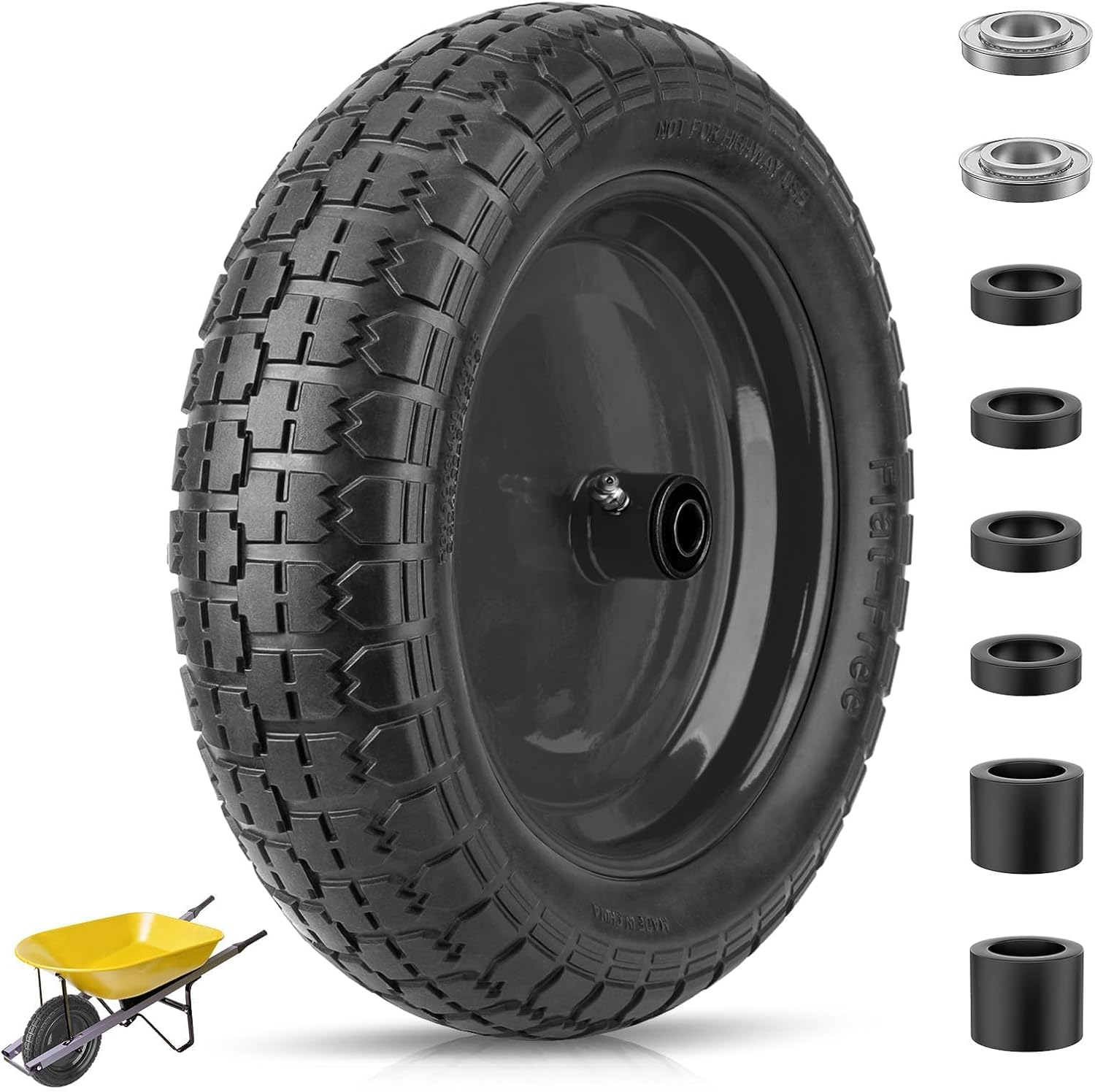
This flat-free TICONN wheelbarrow tire features durable polyurethane foam construction that never needs inflation, helping prevent punctures and reducing maintenance on rough outdoor terrain. With a 300 lb max load capacity and stable steel rim design, it supports safer transport for yard work and hauling tasks. An adapter kit with ball bearings and nylon spacers is included for easier fit and customization across common wheelbarrow and cart axle setups.

Keep your tires properly inflated with this analog VONDIOR tire pressure gauge, designed for fast, easy readings without batteries. The swiveling, two-axis hose and large glow dial help you measure at any tire angle with instant visibility. Built with a protective rubber shield, it supports durable, low-maintenance use for cars and trucks.

Steelman white tire marking crayons provide high-contrast, semi-permanent marks for repairing and inspecting tires and equipment. They write on wet or dry, smooth or coarse surfaces including rubber, metal, glass, and wood, making them ideal for puncture location and damage outlining. The lead- and zinc-free crayons resist weather and fading yet wipe away when you no longer need the marks.
Load Range: What It Is and Why It Matters
Load range describes a tire’s strength class and pressure capability. It does not replace the load index, which tells you the rated load each tire can carry at the proper pressure.
You should use both values when choosing tires. The load index gives you the weight rating. The load range helps explain the tire’s construction and the air pressure range it can safely handle.
Match tire load index, tire size, and inflation pressure to your RAV4 placard before you compare stronger tire options.
- Check the original equipment tire size and load index on the vehicle placard.
- Read the sidewall load index on any replacement tire you plan to buy.
- Choose higher-rated tires only when they fit the vehicle, wheel, and pressure needs.
- Check pressure often because a tire needs proper inflation to carry its rated load.
Load-Range Letters (C, D, E, F, XL): Capacity & PSI
Load-range letters help describe tire construction and maximum inflation pressure. C, D, E, and F often appear on light-truck tires, while XL means extra load on passenger tires. The exact load capacity still depends on tire size and load index.
Passenger tires usually use Standard Load (SL) or Extra Load (XL). XL tires can handle more pressure than SL tires in the same size, which can raise their load capacity. Many RAV4 owners who want more margin should compare XL passenger tires before jumping to LT Load Range E tires.
Light-truck load ranges can support much higher pressures in the right size. For example, many Load Range E LT tires list a maximum pressure of 80 psi. That number does not mean your RAV4 should run 80 psi, and your wheel must also support the pressure.
Note: Always follow the RAV4 placard pressure for normal use unless a tire professional gives you a load-based adjustment.
How to Read Load Index and Load Range on Your Tire
Look at the tire sidewall after the tire size. A code such as 225/65R17 102H includes the load index, which is 102 in this example. The letter after it is the speed rating, not the load range.
Some tires also show SL, XL, or an LT load range such as Load Range C, D, or E. The load index maps to a per-tire weight rating. For example, load index 99 equals 1,709 pounds, 100 equals 1,764 pounds, 101 equals 1,819 pounds, and 102 equals 1,874 pounds.
- Find the tire size and load index on the sidewall.
- Compare the load index with the vehicle placard.
- Check whether the tire uses SL, XL, or LT construction.
- Choose a replacement tire with the same or higher load index.
OEM RAV4 Load Ranges: What They Mean in Practice
OEM RAV4 tire ratings give you a safety margin for the vehicle’s design load. Toyota selects tire size, load index, speed rating, and pressure to match ride quality, handling, braking, and load capacity. Your replacement tires should preserve that balance.
Do not downrate below the OEM load index to save money or improve ride comfort. A lower-rated tire can heat up faster under load and may reduce stability when you carry passengers or cargo. It can also create a mismatch with the vehicle’s safety systems and handling design.
If you want more load margin, compare tires with a higher load index in the same approved size. Make sure the tire still fits the wheel, clears the suspension, and matches the pressure rating your setup can handle.
Choosing Load Range for Towing, Cargo, and Passengers
When you tow or haul heavy cargo, your tires must handle the vehicle load plus any added tongue weight. The safest choice starts with your RAV4 towing rating, payload rating, tire placard, and axle load limits. Tire upgrades cannot raise the vehicle’s official payload or tow rating.
Weight distribution matters. Passengers, cargo, and trailer tongue weight can shift load toward one axle. That shift can make one pair of tires work much harder than the average vehicle weight suggests.
[Products Worth Considering]

Milton S-921 pencil tire pressure gauge helps you maintain optimal tire pressure for passenger cars with accurate readings in PSI and kPa. It features a built-in deflator valve for convenient pressure adjustments, plus a single chuck head and nylon indicator bar for easy use on the go. Built from durable plated brass and designed for reliable performance, it’s a practical road trip and cold-weather maintenance tool.

This professional wheel and rim cleaning brush set lifts brake dust, grime, and dirt with soft, scratch-free microfiber and synthetic wool fibers. The rim brush bends up to 360 degrees for easy access to hard-to-reach areas around spokes, lips, and faces. Ideal for thorough cleaning of car, truck, motorcycle, bicycle, RV, and more wheel and tire surfaces.

These aluminum alloy tire valve stem caps protect the valve core from corrosion and help prevent air leakage for more stable tire pressure. The rubber ring design helps support a secure, safe seal while adding a stylish look to your Honda wheels. Easy to install by hand, these caps are ideal for everyday driving and weather exposure.
Towing Capacity Match
Match tire capacity to your RAV4’s approved towing setup. Some RAV4 models have lower tow ratings, while certain trims and packages can tow more. Check your manual before you assume a number.
- Verify your model’s tow rating and payload rating.
- Add passengers, cargo, and trailer tongue weight.
- Compare the expected load with tire and axle limits.
- Set tire pressure according to the placard or professional load guidance.
Cargo Weight Distribution
Cargo placement changes how much weight each axle carries. Heavy items should sit low, secure, and as close to the center of the vehicle as possible. Poor cargo placement can hurt braking, steering, and tire wear.
Never estimate tire needs by dividing total vehicle weight by four and stopping there. Axle balance, passengers, cargo location, and trailer tongue weight all change the load on each tire. Use conservative ratings when you often travel near payload limits.
Passenger Load Considerations
Passengers add weight quickly, especially when you also pack luggage or gear. A tire that works fine during solo commuting may have less margin during a full road trip. Check pressure before long drives and when temperatures change.
- Check the placard load index before buying tires.
- Choose a higher load index for regular heavy use when available.
- Keep all four tires matched in size, type, and rating.
- Balance cargo before you drive.
Upsizing to Load Range E or XL on a RAV4: Real Tradeoffs
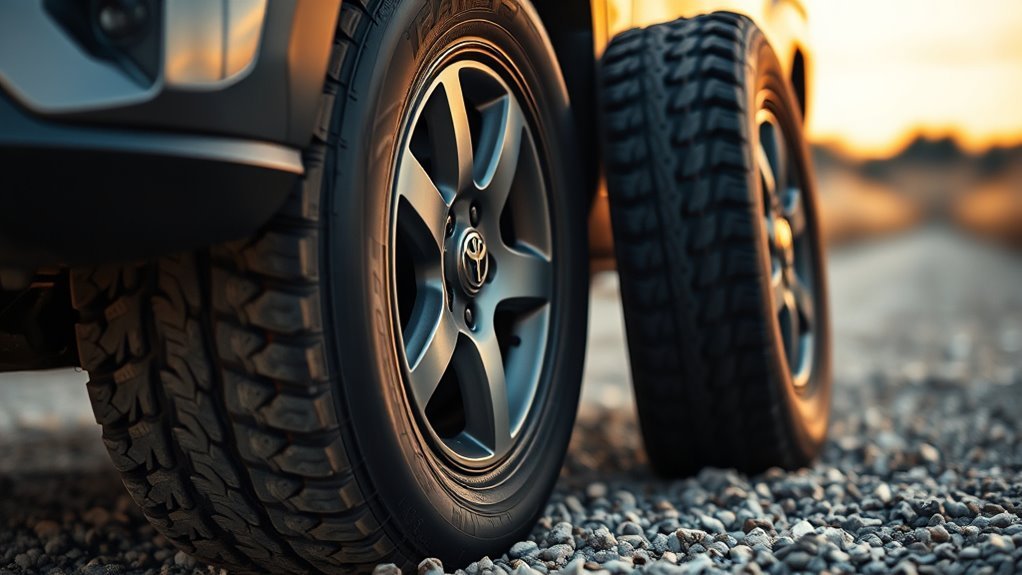
Upsizing to XL or Load Range E can add load margin, but each option has tradeoffs. XL passenger tires often suit RAV4 owners who want a stronger tire in an approved size. They may keep better ride comfort than many LT tires.
Load Range E tires can feel firm because they use stronger construction and higher pressure capability. They may also add weight, which can affect ride comfort, steering feel, braking response, and fuel economy. The exact effect depends on tire size, tread pattern, and vehicle setup.
Choose stronger tires because your load use calls for them, not because the higher letter looks tougher. If you mostly drive unloaded, a correct OEM-rated passenger tire often gives the best balance of comfort, safety, and cost.
Pro tip: Compare XL tires in the OEM size before choosing an LT tire for a RAV4.
[Products Worth Considering]

ETENWOLF T300 is a calibrated digital tire pressure gauge for accurate readings from 3 to 200 PSI across light and heavy-duty vehicles. It includes thermal compensation for reliable performance in extreme cold or heat, with an auto shut-off to extend battery life and an LED for easier reading. The sturdy design supports rugged everyday use, making it ideal for pickups, RVs, and industrial applications.

This tire inflator with pressure gauge delivers long-lasting performance with a durable rubber-protected gauge and sturdy build. The longer hose and 360 swivel air chuck help you seal the valve securely and keep your hands free while measuring, inflating, or deflating. It’s battery-free for reliable use and provides ±2 PSI accuracy in the mid-range for most typical tires, with universal compatibility for 1/4 NPT compressor outputs.
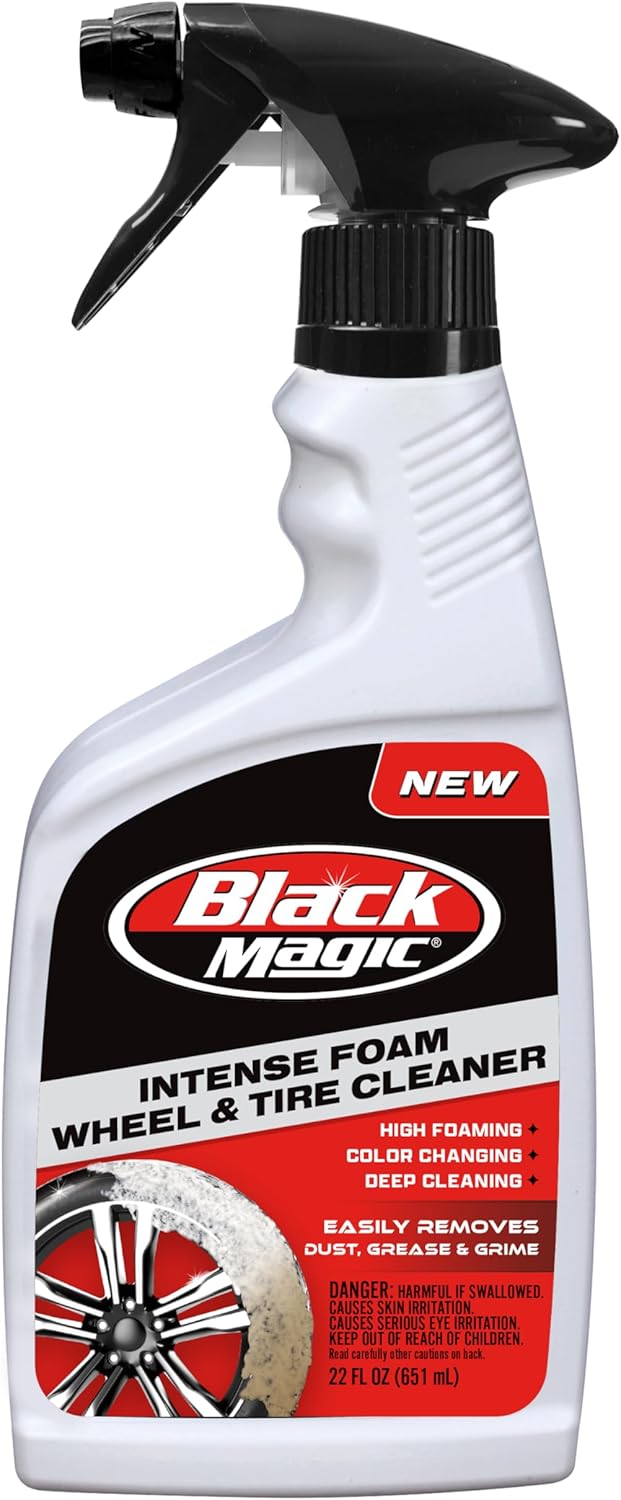
Black Magic Intense Foam Wheel & Tire Cleaner uses a high-foaming action to lift away dirt, grime, and brake dust without scrubbing. The color-changing formula helps show contaminants being dissolved as foam turns from white to brown. Safe for all wheel types and even wheel wells, it leaves a like-new, slick finish with a fresh cherry scent.
How Load Range Changes RAV4 Tire Pressure & Safety
Load range affects the maximum pressure a tire can handle. It does not automatically change the pressure your RAV4 should use. The driver-side placard remains the starting point for normal driving pressure.
Underinflation causes heat buildup and can damage the tire under load. Overinflation can reduce ride comfort and may reduce the tire’s contact patch. Use a reliable gauge and check pressure when tires are cold.
- Use the placard pressure for normal daily driving.
- Check the tire sidewall for maximum pressure, not recommended pressure.
- Ask a tire professional before using higher pressure for heavy loads.
- Recheck pressure before towing, long trips, or major cargo changes.
Common Mistakes Matching Load Range to Vehicle Specs
The most common mistake is buying tires with a lower load index than the RAV4 requires. That choice cuts into the safety margin Toyota built into the vehicle. It can also lead to heat, wear, and handling problems under load.
Another mistake is focusing on the load-range letter while ignoring the load index. A higher letter does not help if the tire size, wheel rating, or pressure setup does not suit the vehicle. You need the full fitment picture.
- Don’t choose a lower load index than the placard lists.
- Don’t mix SL, XL, and LT tires unless a professional confirms compatibility.
- Don’t assume Load Range E improves every RAV4 setup.
- Don’t use sidewall maximum pressure as your normal driving pressure.
When to Consult a Pro and Quick Pre-Buy Checklist
Call a tire professional when you tow, carry heavy cargo, replace only two tires, change wheel size, or consider LT tires. A pro can compare the tire rating, wheel rating, pressure needs, and vehicle placard. That advice can prevent fitment and handling problems.
When To Call
Get help when you feel unsure about load range or tire pressure. You should also ask before mixing old and new tires on all-wheel-drive models. Matching tires helps protect traction, handling, and drivetrain behavior.
- Verify the OEM size, load index, and speed rating.
- Confirm the replacement tire meets or exceeds the placard rating.
- Ask whether two-tire replacement will affect AWD balance.
- Get a written recommendation for towing or heavy cargo use.
What To Inspect
Start with the tire sidewall and the RAV4 placard. Confirm the load index, tire size, speed rating, construction type, and maximum pressure. All four tires should match unless a professional confirms a safe alternative.
| Item | Action |
|---|---|
| Load index | Verify the number equals or exceeds OEM spec |
| Load range | Confirm SL, XL, or LT construction suits the vehicle |
| Consistency | Make sure all tires match for safe handling and wear |
Pre-Purchase Paperwork
Bring clear details when you shop for tires. Your vehicle information and planned use help a tire professional recommend the right rating. Photos of your placard and current tire sidewalls can save time.
- Owner’s manual or placard specs and vehicle identification number
- Sidewall photos showing tire size, load index, and load range
- Normal driving, towing, passenger, and cargo details
- Warranty terms and seasonal tire pressure plan
Frequently Asked Questions
What Happens if I Exceed the Load Range?
You increase the risk of tire overheating, sidewall damage, blowouts, poor handling, and uneven wear. Reduce cargo, correct tire pressure, or choose tires with a proper load index before you drive under heavy load.
How Do I Choose the Right Tire Load Range?
Start with the RAV4 placard, then match the tire size and load index. Choose a higher load index only when the tire fits your wheels, pressure needs, and driving use.
Is Load Range E Too Much for a RAV4?
Load Range E can be too stiff or heavy for many RAV4 drivers. It may make sense only for specific approved sizes, heavy-duty use, and wheels that support the pressure and load.
Are XL Tires a Good Choice for a RAV4?
XL tires can be a good choice when they meet the OEM size and load needs. They often provide more load capacity than standard load passenger tires while keeping a more comfortable ride than many LT tires.
Can Tires Increase My RAV4 Towing Capacity?
No. Stronger tires can add tire load margin, but they do not raise Toyota’s official towing, payload, axle, or brake ratings. Always stay within the vehicle limits listed for your model.
Where Do I Find My RAV4 Load Index?
Check the Tire and Loading Information label on the driver-side door jamb first. Then compare that label with the load index printed after the tire size on the sidewall.
Should I Use the Tire Sidewall PSI or Door Placard PSI?
Use the door placard or owner’s manual for normal cold tire pressure. The sidewall number is a maximum pressure, not the recommended daily pressure for your RAV4.
Conclusion
The safest RAV4 tire load range is the one that matches the vehicle placard, fits the wheel, and supports your real driving load. Check the load index before you compare tread design, price, or brand. If you tow or carry heavy cargo, ask a tire professional to verify the full setup. A few minutes of checking can give you a safer ride and fewer tire problems later.
References
- Toyota Owner’s Manuals and Warranty Guides — Toyota
- Tires — National Highway Traffic Safety Administration
- Tire Basics — U.S. Tire Manufacturers Association

