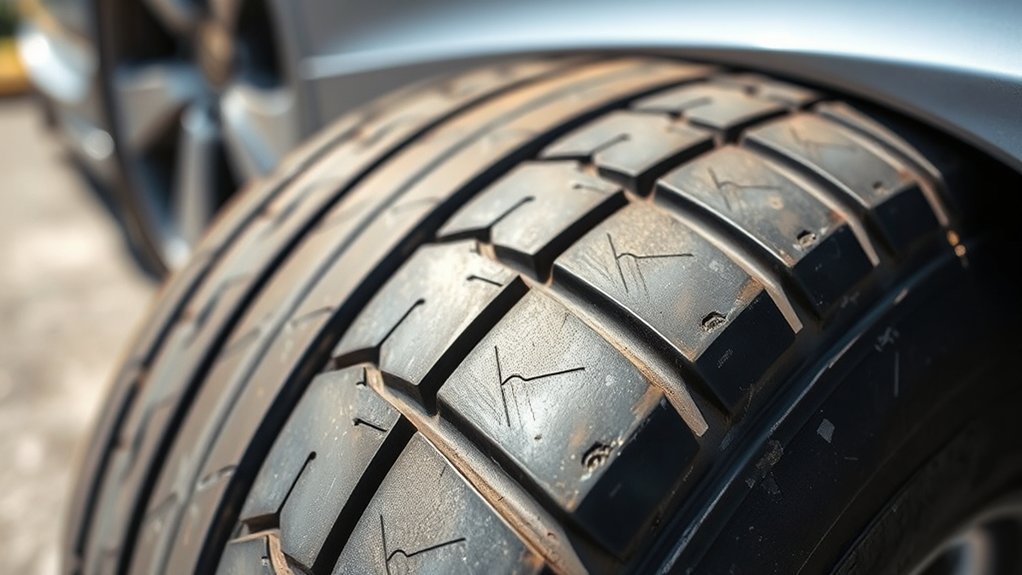
Your Honda Accord tires need replacing when the tread is too shallow, the sidewall is damaged, the tire is too old, or the wear pattern shows a pressure, alignment, or suspension problem. A five-minute inspection can help you spot these risks before they affect braking, steering, fuel economy, or highway safety.
Quick Answer
Replace your Honda Accord tires if the tread reaches 2/32 inch, the penny test shows the top of Lincoln’s head, the wear bars are flush, the sidewall has cracks or bulges, cords are exposed, pressure keeps dropping, or the tires are six to ten years old.
Key Takeaways
- Replace tires immediately at 2/32 inch tread depth, when wear bars are flush, or when the penny test shows Lincoln’s full head.
- Bulges, sidewall cracks, exposed cords, deep cuts, or repeated pressure loss mean the tire needs professional inspection or replacement.
- Uneven wear often points to low pressure, overinflation, poor alignment, worn suspension parts, or missed rotations.
- Check the DOT Tire Identification Number because old tires can become unsafe even when the tread still looks usable.
- Use the pressure listed on the driver-side tire label or owner’s manual, not the maximum PSI molded on the tire sidewall.
At a Glance
| Time Required | 5 to 10 minutes for a basic inspection |
| Difficulty | Easy for basic checks; professional inspection recommended for damage, vibration, or severe uneven wear |
| Tools Needed | Tread depth gauge, penny, tire pressure gauge, flashlight, and your Accord’s tire label or owner’s manual |
| Cost | Usually free for inspection; replacement cost depends on tire size, brand, installation, balancing, and alignment needs |
Visible Tire Damage Signals Replacement Needs
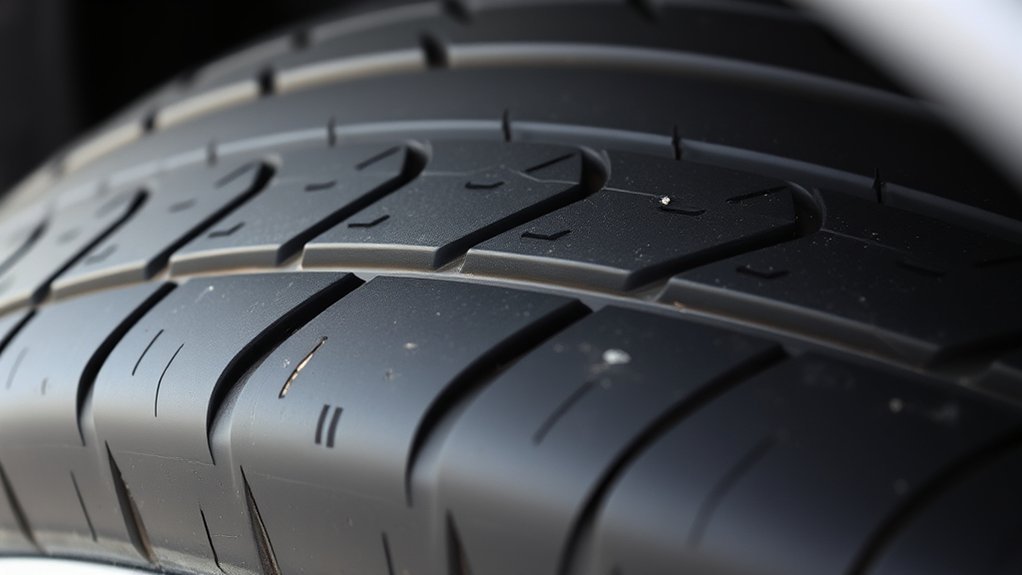
Visible damage is one of the clearest signs that your Honda Accord tires may need replacing. Walk around the car and inspect each tire’s tread, shoulder, and sidewall. Use a flashlight if the car is parked in shade or inside a garage.
Look for cuts, cracks, bulges, blisters, exposed cords, missing chunks of rubber, or objects stuck in the tread. Any bulge or blister means the tire structure may be weakened. That tire should not be ignored because it can fail suddenly at speed.
Warning: Do not keep driving normally on a tire with a sidewall bulge, exposed cords, deep cracking, or a cut that reaches the tire body. Install the spare if safe to do so, or contact roadside assistance or a qualified tire shop.
Sidewall damage is especially serious. A shallow puncture in the tread area may be repairable, but sidewall punctures, shoulder damage, and bubbles usually call for replacement. If the tire keeps losing air after you refill it, have it checked before your next longer drive.
Damage can also develop after pothole hits, curb impacts, or driving on a flat tire. If you notice vibration, pulling, thumping, or a steering-wheel shake after an impact, inspect the tire and wheel right away.
Regular tire rotations can also make hidden wear easier to spot. If you want a deeper refresher on how rotation affects wear, this guide on regular tire rotations explains why consistent maintenance matters.
Worn Tire Treads Indicate Safety Risks
Tread depth matters because the grooves help move water away from the contact patch. When the tread gets too shallow, your Accord has less grip on wet roads and takes longer to stop.
The National Highway Traffic Safety Administration says tires are not safe and should be replaced when the tread reaches 2/32 inch. NHTSA also recommends checking tread at least once a month when you check tire pressure.
How to Check Tread Depth
Use these checks on all four tires, and test several grooves across each tire:
- Tread depth gauge: This is the most accurate simple tool. Insert it into the main tread groove and read the depth in 32nds of an inch.
- Penny test: Place a penny into the tread with Lincoln’s head upside down and facing you. If you can see the top of Lincoln’s head, replace the tire.
- Wear bars: Look for raised bars inside the tread grooves. When the tread is level with those bars, the tire is worn out.
- Wet-road planning: If your tires are near 4/32 inch and you drive often in rain, start planning replacement before they reach the legal minimum.
NHTSA reported 511 traffic fatalities in tire-related crashes in 2024, which is a strong reminder that tire condition is a safety issue, not just a maintenance detail.
Do not check only one tire and assume the rest are fine. Front-wheel-drive vehicles like many Honda Accord models can wear front tires faster because the front tires handle steering, braking load, and driving force. Check the inner and outer tread edges too, not just the center.
Maintaining tire pressure also helps your tread wear evenly and last longer.
Uneven Tire Wear Signals Issues
Uneven tire wear can mean the tire itself is near the end of its life, but it often points to another problem on your Accord. Replacing the tire without fixing the cause can make the new tire wear out early too.
Common Uneven Wear Patterns
- Both outer edges worn: The tire may be underinflated, overloaded, or driven too long with low pressure.
- Center tread worn faster: The tire may be overinflated or mismatched to the wheel or load conditions.
- One edge worn more: The alignment may be off, or a suspension part may be worn.
- Cupping or scalloping: The tire may be bouncing from worn shocks, struts, wheel imbalance, or suspension looseness.
- Feathered tread: The tire may have toe-alignment wear, which can also cause road noise.
If one tire is much more worn than the others, measure tread depth on all four tires and book an inspection. Ask the shop to check alignment, balance, tire pressure, and suspension parts before installing new tires.
Pro Tip: Rotate tires about every 5,000 to 8,000 miles if your owner’s manual or Maintenance Minder recommends it. Rotate sooner if uneven wear appears.
Incorrect inflation can create uneven wear quickly. Check your Accord’s pressure when the tires are cold, meaning the car has been parked for at least three hours. Use the PSI on the Tire and Loading Information Label on the driver-side doorjamb or in the owner’s manual, not the maximum pressure printed on the tire sidewall.
For more inspection habits, this guide on maintaining proper tire pressure covers basic tire checks that apply to many passenger vehicles.
Check Tire Pressure and TPMS Warnings
Low tire pressure is hard to spot by eye. A tire can look normal and still be dangerously underinflated. Use a tire pressure gauge at least once a month and before long trips.
Check all four tires plus the spare if your Accord has one. If the pressure is low, add the missing PSI and recheck. If one tire keeps losing pressure, do not just keep refilling it. Have the tire inspected for a nail, valve-stem leak, bead leak, wheel damage, or hidden puncture.
Your Accord’s Tire Pressure Monitoring System can help, but it is not a substitute for manual checks. NHTSA explains that TPMS warnings appear when a tire is significantly underinflated, and a flashing warning followed by a solid light can signal a system malfunction.
Note: If the TPMS light comes on during a cold morning and later turns off, check pressure anyway. Cold air can drop tire pressure enough to trigger a warning.
[Products Worth Considering]

Measure tire tread depth quickly and accurately with this LUMITECO dial gauge that reads in 1/32" increments up to 14/32". The color-coded green/yellow/red zones make it easy to judge tire wear and know when replacement is needed. A rugged, compact design with a protective pouch helps keep the gauge ready for use on cars, trucks, motorcycles, and more.

The SAFELIFE dial tire tread depth gauge measures tread depth in 1/32 inch increments with clear, easy-to-read 2-inch dial face. Color zones using a traffic light system help you quickly judge whether tread is low, marginal, or ample for safer driving. Built with a durable zinc cast body and a metal detect probe for precise, comfortable use across cars, motorcycles, trucks, and buses.

Monitor tire tread wear with a smart, color-coded depth gauge that shows clear condition ranges at a glance. The bar is range marked for fast, easy readings, helping you maintain safer traction and performance. Each gauge is portable with a pocket clip, and the set includes 20 units for daily use and sharing.
Age of Tires: When Replacement Is Necessary
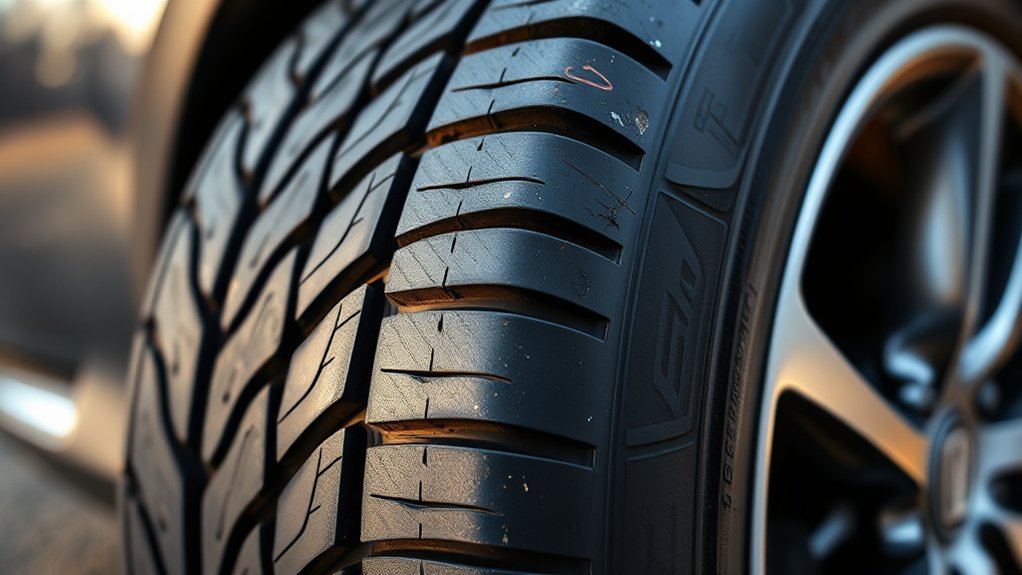
Tire age matters even when the tread still looks good. Rubber and internal tire materials change over time because of heat, sunlight, storage conditions, road use, and maintenance history.
NHTSA says some vehicle and tire manufacturers recommend replacing tires that are six to ten years old, regardless of treadwear. That does not mean every tire fails at the same age, but it does mean old tires deserve close attention.
How to Read the DOT Date Code
Find the DOT Tire Identification Number on the tire sidewall. The last four digits show the week and year the tire was made. For example, a code ending in 2319 means the tire was made in the 23rd week of 2019.
Check both sides of the tire because the full code may appear on only one side. If your tires are six years old, inspect them more often and ask a tire professional for advice. If they are near ten years old, replacement is usually the safer plan even if the tread appears acceptable.
Look for age indicators like fine sidewall cracks, dry-looking rubber, vibration, noise, or pressure loss. This guide on regular inspections explains more about tire date codes and age limits.
Next Steps After Identifying Tire Issues
Once you find a tire issue, match the action to the risk. Some issues need immediate replacement, while others call for diagnosis before you buy new tires.
[Products Worth Considering]

Accurately measure tire tread depth with a calibrated gauge marked from 0 to 1 inch in 1/32 inch increments. The color-coded bar helps you quickly identify tread condition ranges, supporting safe driving for trucks, motorcycles, automobiles, and passenger vehicles.

Keep your tires properly inflated with this analog VONDIOR tire pressure gauge, designed for fast, easy readings without batteries. The swiveling, two-axis hose and large glow dial help you measure at any tire angle with instant visibility. Built with a protective rubber shield, it supports durable, low-maintenance use for cars and trucks.

The TYAMATE TM8 solar-powered wireless TPMS delivers real-time tire pressure and temperature monitoring with six alarm modes for safer driving. A vibrant color LCD display shows readings clearly while windshield mounting keeps it hands-free and easy to read. With a wide 0–87 PSI range, strong 433.92 MHz signal transmission, and quick sensor pairing, it’s ideal for RV, sedan, SUV, MPV, and truck use.
Replace the Tire Now If You See These Signs
- Tread depth is 2/32 inch or lower.
- The wear bars are flush with the surrounding tread.
- The penny test shows the top of Lincoln’s head.
- The sidewall has a bulge, bubble, deep cut, or exposed cords.
- The tire has a sidewall puncture or shoulder damage.
- The tire loses air repeatedly after inflation.
- The tire is too old for safe service based on its DOT date and condition.
Inspect Before Replacing If the Wear Is Uneven
If the tread is wearing unevenly, ask for an alignment and suspension check. New tires should be balanced when installed. A wheel alignment can also help prevent your Accord from pulling to one side and can reduce early tire wear.
When you buy replacement tires, choose the correct size and load rating from the Tire and Loading Information Label or your Honda owner’s manual. If you change tire size, confirm the fit with a qualified tire shop because size changes can affect clearance, speedometer accuracy, handling, and load capacity.
When replacing only two tires, ask the tire shop where they should go for your specific setup. Many shops install the better pair on the rear axle for stability in wet conditions, but your tire type, drivetrain, and wear levels matter.
Finally, check whether your tire has an open recall. Tire recalls can affect safety, and the NHTSA recall lookup is the official place to start.
To promote even wear after replacement, continue to rotate tires every 5,000–7,500 miles when your owner’s manual or service reminder supports that interval.
What to Do If a Tire Blows Out
If a tire blows out while driving, stay calm and focus on control. Grip the steering wheel with both hands. Do not slam on the brakes or jerk the steering wheel.
Ease off the accelerator gradually, keep the car pointed where you want it to go, and slow down only after the vehicle feels stable. Pull off the road when it is safe. Turn on the hazard lights and call for help if you cannot change the tire safely.
[Products Worth Considering]
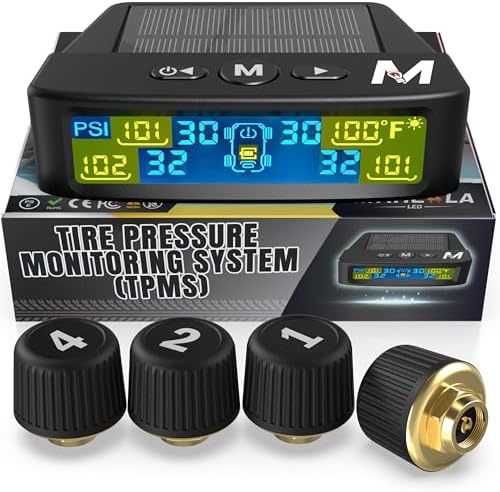
Marcala’s TPMS set of four sensors helps you monitor tire pressure and temperature in real time while driving, with updates every second. The bright color LCD uses auto-dimming for easy viewing, powered by dual solar and USB charging, and offers six alarm modes. Built for trailers, RVs, campers, trucks, and towing setups, the sensors support monitoring 1-4 wheels up to 98 PSI with IP67 waterproof protection.

Get precise tire readings with the ETENWOLF T300 Plus digital gauge, calibrated to ANSI B40.7 Grade 2A for reliable accuracy. It measures across a wide 3–200 PSI range and includes thermal compensation for dependable performance from extreme cold to heat. The bright LED display, LED illumination, and replaceable AAA batteries make it easy to check pressures quickly, even in low light.
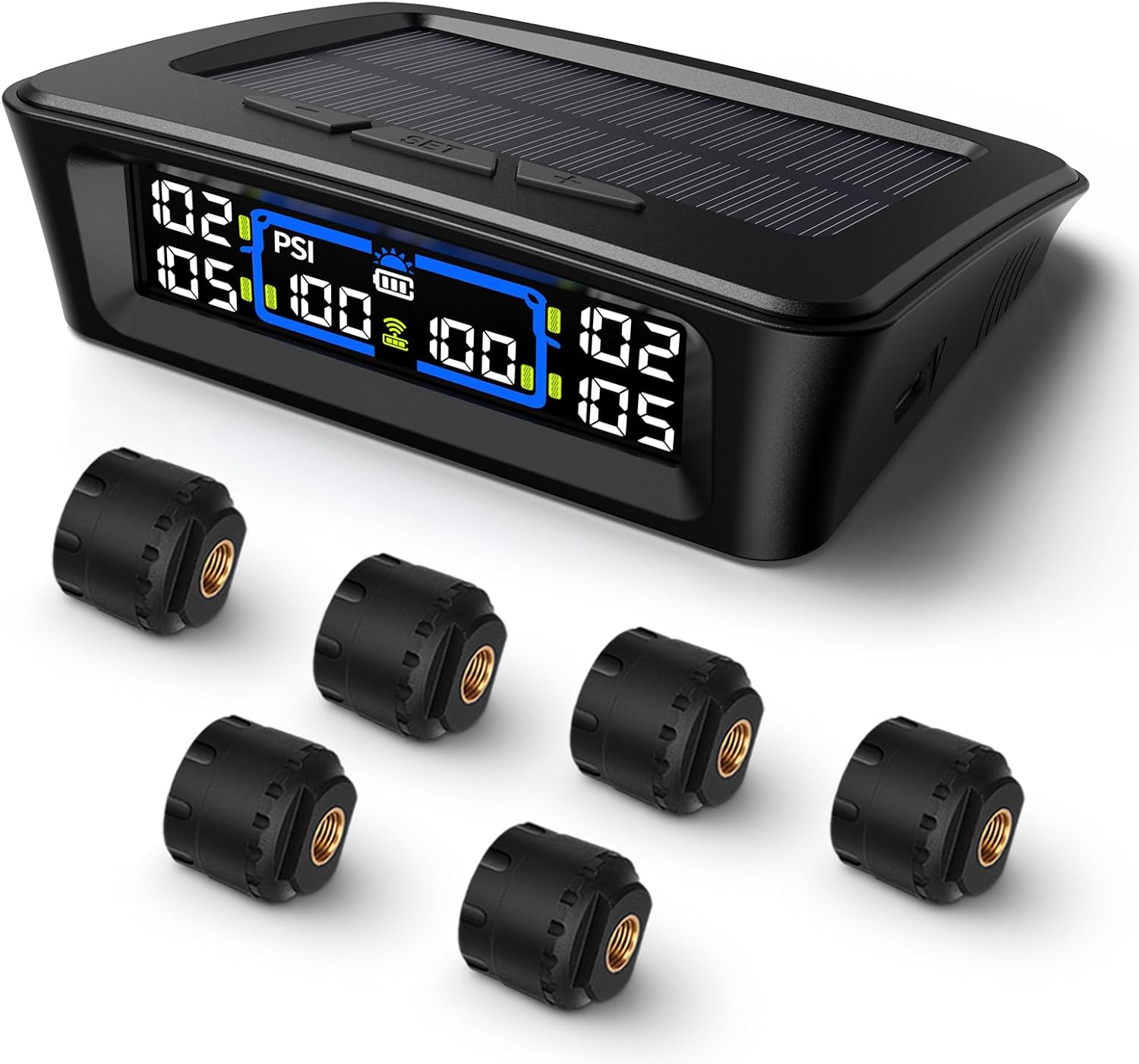
The Tymate TM12 RV TPMS delivers real-time tire pressure and temperature monitoring with a stable 433Hz display for safer long-distance driving. It supports simultaneous monitoring across vehicle and trailer zones, includes six alarm modes for pressure, temperature, leakage, battery, and signal loss, and features easy DIY installation with auto calibration. Power is supplied via USB-C charging or solar recharging, with a wide 0–144 PSI range and up to 50 ft signal coverage for RVs and towable trailers.
Frequently Asked Questions
How many miles do Honda Accord tires last?
Many Honda Accord tires last about 25,000 to 50,000 miles, but that range is not a guarantee. Tire model, treadwear rating, road surface, climate, pressure, alignment, rotation habits, and driving style all affect tire life. Replace tires based on condition, tread depth, age, and damage, not mileage alone.
At what tread depth should I replace Honda Accord tires?
Replace them at 2/32 inch or when the treadwear bars are flush with the tread. If you drive often in rain, start shopping earlier, around 4/32 inch, because wet traction drops as tread gets shallow.
Is the penny test enough to check my tires?
The penny test is a useful quick check, but a tread depth gauge is better because it gives an exact reading. Use the penny test for a fast warning sign, then confirm with a gauge if the tread looks close to worn out.
Should I replace all four Honda Accord tires at once?
Replace all four if they are all worn, old, damaged, mismatched, or close in tread depth. If only two need replacement, ask the tire shop where to install the new pair for your tire type and driving conditions. Matching brand, model, size, speed rating, and load rating helps preserve predictable handling.
Can I drive with the TPMS light on?
You should stop in a safe place and check tire pressure as soon as possible. A TPMS light means at least one tire may be significantly underinflated. If the warning flashes and then stays on, the TPMS system may have a malfunction and needs service.
Do old tires need replacing if the tread still looks good?
Yes, they may. Tire rubber ages over time, even on cars driven lightly. Check the DOT date code and ask a tire professional to inspect any tire that is six years old or older. Tires near ten years old are usually due for replacement regardless of tread depth.
Conclusion
Replace your Honda Accord tires when tread depth reaches 2/32 inch, wear bars are flush, the penny test fails, sidewall damage appears, pressure loss continues, or the tires are too old for safe service. Also treat uneven wear as a warning sign, because alignment, pressure, balance, or suspension problems can ruin new tires quickly.
NHTSA’s current tire safety data shows why these checks matter: 511 people died in tire-related crashes in 2024, and only 19 percent of consumers properly inflate their tires. A monthly pressure and tread check is simple, but it can make your Accord safer, smoother, and more predictable on the road.
Sources
- NHTSA TireWise: Tire Safety Ratings and Awareness — tread depth, penny test, tire pressure, rotation, TPMS, tire aging, and 2024 tire-related crash data.
- NHTSA Recalls — official recall lookup for vehicle and tire safety recalls.
- Honda Owner’s Manuals — official Honda manual lookup for tire size, pressure label guidance, Maintenance Minder details, and model-specific instructions.
- FuelEconomy.gov Vehicle Maintenance — tire inflation and maintenance guidance related to fuel economy.