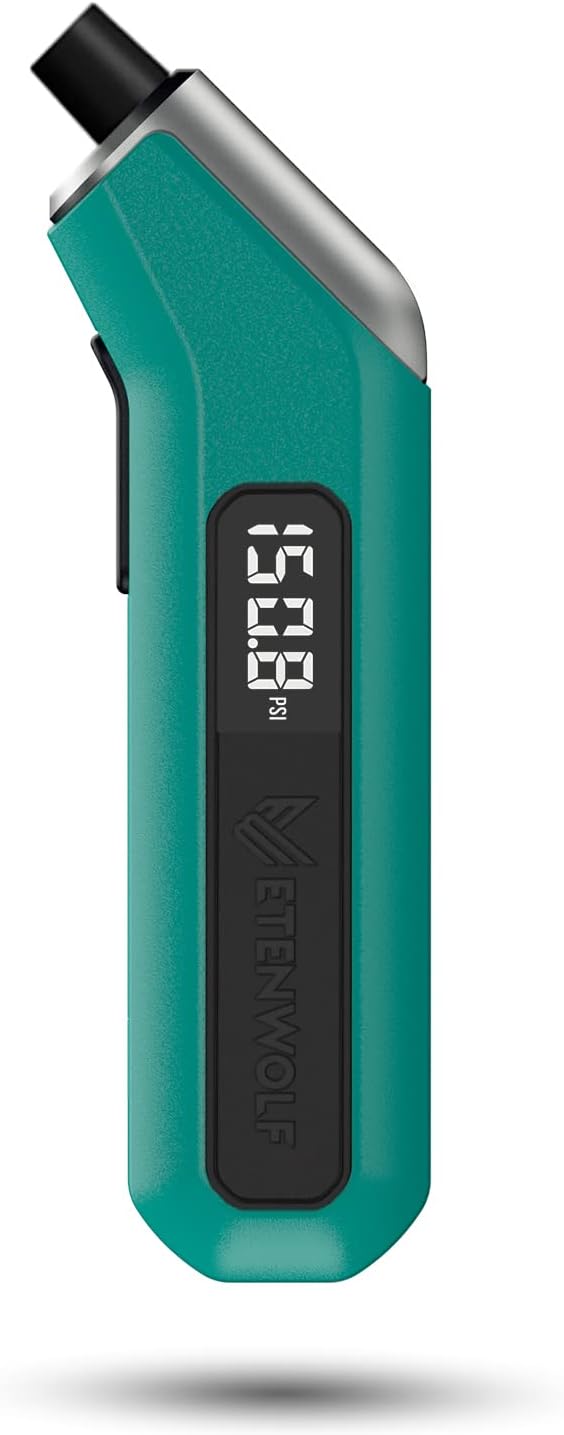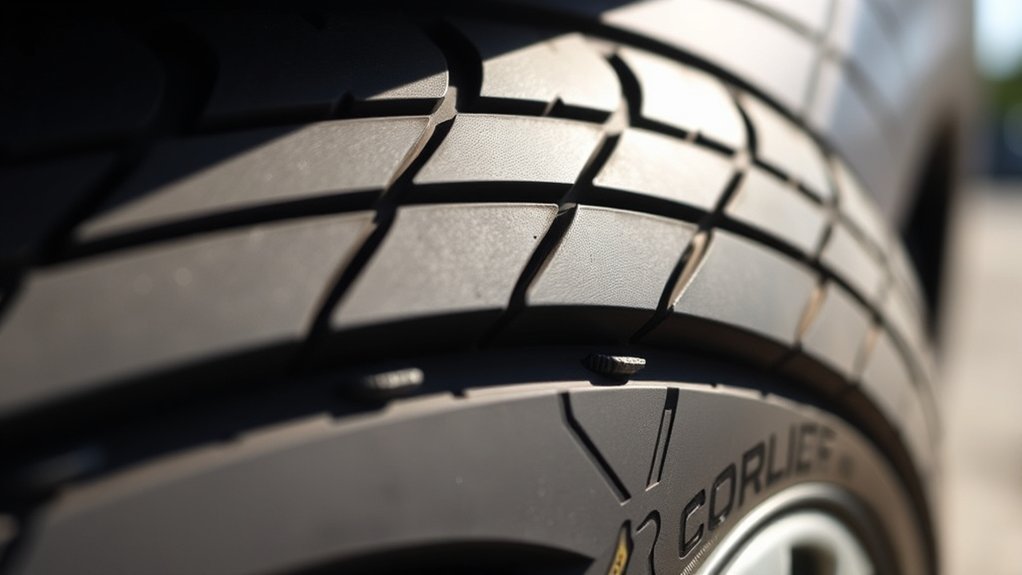
Reading tire wear indicators on your Honda Accord is a quick safety check that combines three things: tread depth, built-in tread wear bars, and the wear pattern across each tire. A few minutes with a penny, a tire-pressure gauge, and a flashlight can tell you whether the tires look healthy, need pressure adjustment, need rotation or alignment, or should be replaced.
Quick Answer
To read Honda Accord tire wear indicators, look inside the tread grooves for raised wear bars. If the tread is level with those bars, replace the tire. Also check tread depth with a penny or gauge, inspect all four tires for uneven wear, and confirm cold tire pressure using the driver-side door placard.
Key Takeaways
- Tread wear bars are raised strips in the grooves; when the tread is flush with them, the tire is worn out.
- If a penny shows the top of Lincoln’s head, the tread is at or below 2/32 inch and the tire should be replaced.
- Center wear often points to overinflation; both-edge wear often points to underinflation; one-edge or feathered wear often points to alignment or suspension issues.
- Check pressure when tires are cold and use the pressure listed on the Accord’s driver-side door placard, not the maximum pressure on the tire sidewall.
- Honda Accord TPMS behavior varies by model year and trim, so use the dashboard warning as a prompt to check every tire with a gauge.
At a Glance
| Time Required | 10–15 minutes for all four tires |
| Difficulty | Easy; no mechanical experience needed for the visual check |
| Tools Needed | Tire-pressure gauge, penny or tread-depth gauge, flashlight, gloves, and a notepad or phone photo for comparing tires |
| Cost | $0 with a penny; about $5–$15 for a basic pressure or tread-depth gauge |
Identifying Common Causes of Uneven Tire Wear
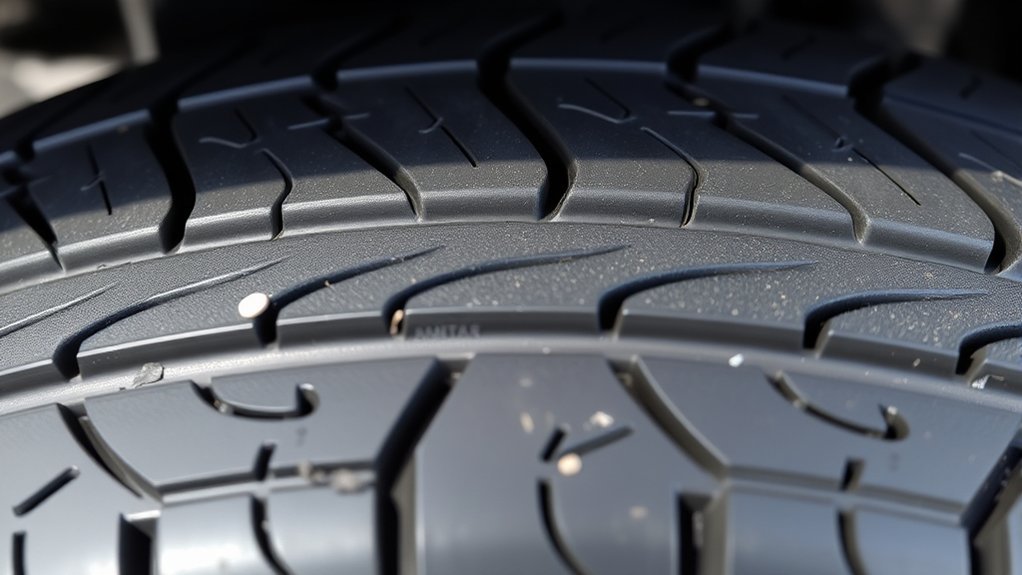
Uneven tire wear is not just a cosmetic issue. It can reduce wet traction, make the Accord pull to one side, create vibration, shorten tire life, and point to pressure, rotation, alignment, balancing, or suspension problems. Treat wear patterns as clues, not final proof, because more than one issue can create similar tire damage.
Start by checking all four tires in good light. Look across the full tread width, then look at the inner and outer shoulders. Run your hand lightly over the tread surface only when the vehicle is parked, the tire is cool, and there are no sharp objects visible.
Warning: Do not keep driving on a tire with exposed cords, a sidewall bulge, a deep cut, sudden vibration, or rapid air loss. Install the spare if your Accord has one, use roadside assistance if needed, and have the tire inspected by a qualified tire professional.
Common Tire Wear Patterns
| Wear Pattern | What It Often Means | What To Do Next |
| Center tread worn more than both shoulders | Possible overinflation or long-term pressure mismatch | Set cold pressure to the driver-door placard value and monitor wear. |
| Both outer shoulders worn | Possible underinflation, heavy loading, or aggressive cornering | Check pressure cold, inspect for leaks, and avoid overloading the vehicle. |
| One inner or outer edge worn | Possible camber, toe, worn suspension part, or impact damage | Schedule an alignment and suspension inspection. |
| Feathered tread blocks | Often related to toe alignment or worn steering/suspension parts | Have alignment checked, especially if the steering wheel is off-center. |
| Cupping or scalloped dips | Possible worn shocks/struts, imbalance, or loose suspension components | Ask for suspension, balance, and wheel/tire inspection. |
| Tread level with wear bars | Tire is worn to its built-in replacement indicator | Replace the tire rather than trying to rotate the problem away. |
Importance of Regular Inspections
Check your Accord’s tires at least once a month and before long trips. The National Highway Traffic Safety Administration recommends regular tire-pressure and tread checks because poor tire maintenance can contribute to flats, blowouts, and tread separation.
Monthly checks matter because tire pressure changes with temperature, slow leaks are easy to miss, and the Accord’s TPMS warning may not appear until a tire is significantly underinflated. A pressure gauge gives you more precise information than a dashboard light.
Understanding Tire Wear Indicators and Patterns
Tire wear indicators, also called tread wear bars, are small raised rubber bars molded across the grooves of the tire. They are not separate parts and do not need to be installed. As the tire wears down, the surrounding tread gets closer to the height of these bars.
When the tread surface becomes level with the bars, the tire is at the end of its usable tread life and should be replaced. The common replacement threshold is 2/32 inch, and the NHTSA penny-test guidance uses that same threshold.
How to Spot Tread Wear Bars on Your Tires
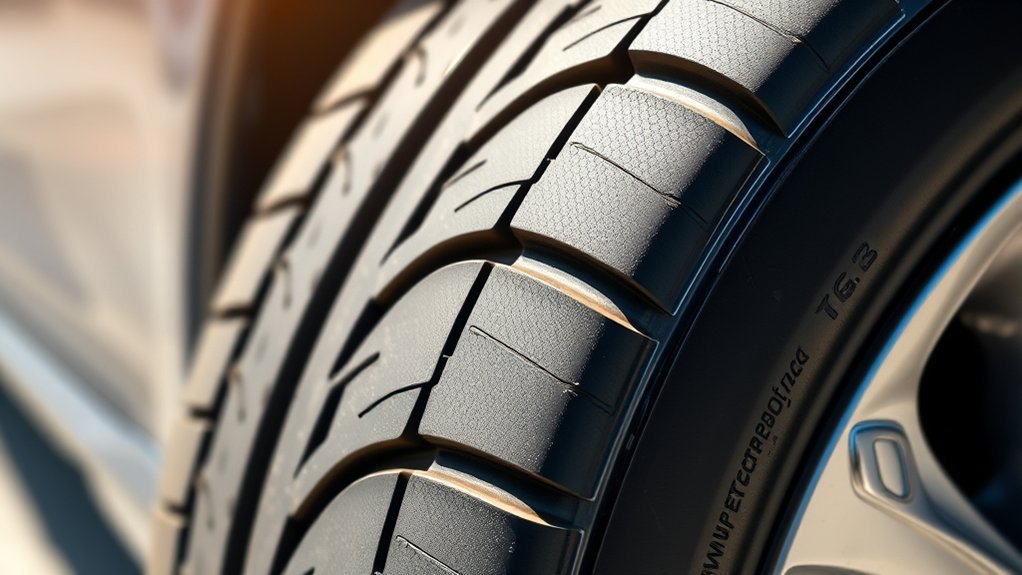
To find the wear bars, turn the steering wheel to one side so you can see more of the front tire tread. Look inside the main grooves for small rubber bridges that run across the groove from one tread block to the next. Many tires also have small sidewall marks, such as “TWI” or a triangle, pointing toward the wear-bar locations.
- Look in several grooves: Wear bars may be easier to see in the center channels than near the shoulder.
- Check all four tires: One tire can be worn out even when the others still look usable.
- Use a flashlight: Shadows inside the groove can hide the bars.
- Compare inner and outer edges: Turned front wheels make inner-edge wear easier to see.
- Replace when flush: If the tread is level with a wear bar, the tire has reached the replacement point.
Using the Penny Test to Check Tread Depth
The penny test is simple: place a penny into a tread groove with Lincoln’s head upside down and facing you. If you can see the top of Lincoln’s head, the tread is too shallow and the tire should be replaced.
Conducting the Test
- Park on a flat surface and set the parking brake.
- Check the tires when they are cool, not immediately after highway driving.
- Insert the penny into the deepest-looking groove first.
- Repeat the test in the center, inner edge, and outer edge of each tire.
- Write down or photograph the worst reading for each tire.
Pro Tip: A tread-depth gauge is more accurate than a penny and is inexpensive. Use the penny test for a quick screen, then confirm questionable tires with a gauge or a tire shop inspection.
Interpreting Results Accurately
If the tread is at or below 2/32 inch, replace the tire. If one spot fails the penny test but another spot passes, treat the tire as unsafe because uneven wear means the lowest area controls safety. Wet-road traction can decline before the tire reaches the wear bars, so do not wait for hydroplaning, vibration, or poor braking to confirm a problem.
Tires are the only part of your Accord that touch the road, so tread depth, pressure, and wear pattern all affect stopping, steering, and stability.
Diagnosing Center and Edge Tire Wear
Center and edge wear are two of the easiest patterns to spot, but they still need context. Before assuming the tire is bad, check cold tire pressure and compare it with the tire and loading information label on the driver-side doorjamb.
Center wear usually means the center of the tread has carried more load than the shoulders. Overinflation is a common cause, but tire design, heavy highway use, and delayed rotation can also contribute.
Both-edge wear usually means the shoulders have carried more load than the center. Underinflation is the common cause, but overloading, hard cornering, or long-term neglected rotation can make it worse.
One-edge wear is different. If only the inside or outside shoulder is worn, think alignment, camber, toe, bent parts, or worn suspension rather than simple pressure alone.
The Importance of Tire Pressure for Even Wear
Proper tire pressure helps your Honda Accord ride, steer, brake, and wear evenly. The correct pressure is the cold tire pressure listed on the vehicle placard or owner information, not the maximum pressure printed on the tire sidewall. NHTSA recommends checking tire pressure at least monthly and when the tires are cold, meaning the car has been parked for about three hours or more.
[Products Worth Considering]

The SAFELIFE dial tire tread depth gauge measures tread depth in 1/32 inch increments with clear, easy-to-read 2-inch dial face. Color zones using a traffic light system help you quickly judge whether tread is low, marginal, or ample for safer driving. Built with a durable zinc cast body and a metal detect probe for precise, comfortable use across cars, motorcycles, trucks, and buses.

Monitor tire tread wear with a smart, color-coded depth gauge that shows clear condition ranges at a glance. The bar is range marked for fast, easy readings, helping you maintain safer traction and performance. Each gauge is portable with a pocket clip, and the set includes 20 units for daily use and sharing.

Measure tire tread depth quickly and accurately with this LUMITECO dial gauge that reads in 1/32" increments up to 14/32". The color-coded green/yellow/red zones make it easy to judge tire wear and know when replacement is needed. A rugged, compact design with a protective pouch helps keep the gauge ready for use on cars, trucks, motorcycles, and more.
Proper Inflation Levels
Use a quality tire-pressure gauge and check all four tires. If your Accord has a spare tire, check it too. Add or release air only to match the placard pressure for the tire’s current position. Some vehicles use different front and rear pressures, so read the label carefully.
Note: Do not bleed air from a hot tire just because the pressure reads high after driving. Driving warms the tire and raises pressure. Recheck and adjust when the tire is cold.
Impact on Tire Longevity
Underinflated tires flex more and can build excessive heat. Overinflated tires are more vulnerable to impact damage and can wear the center tread faster. Proper pressure helps the tread contact the road more evenly, which can extend tire life when combined with regular rotation and alignment correction when needed.
Safety and Handling Stability
Low pressure can reduce fuel economy, increase heat, hurt handling, and shorten tread life. If the steering feels heavy, the Accord pulls to one side, or the TPMS light comes on, slow down, avoid hard cornering, and check pressure as soon as it is safe.
How Honda Accord TPMS Affects Tire Wear Checks
Honda Accord TPMS behavior depends on model year and trim. Many recent Accord systems use indirect monitoring: instead of directly measuring pressure in each tire, the system compares wheel and tire rotational characteristics while you drive. On some newer models and displays, the warning message may indicate a specific tire position when one tire is significantly underinflated, but this is not available on every model.
That means the safest habit is simple: when the TPMS light appears, check every tire with a gauge. Do not rely on the light to catch overinflation, slow uneven wear, or every early-stage pressure problem.
On applicable Accords, TPMS calibration is required after adjusting pressure, rotating tires, or replacing one or more tires. Honda’s current owner information for Accord tire rotation also notes that TPMS calibration is needed after rotation on models with that system. Use your exact owner’s manual or driver information interface for the calibration steps.
When to Get Professional Inspections and Alignments
Get a professional inspection if you see uneven wear that keeps returning after pressure correction and rotation. You should also schedule an alignment or suspension check if the Accord pulls to one side, the steering wheel is off-center, the tire has feathered or one-edge wear, or you recently hit a pothole, curb, or road debris.
- Vibration at speed: Possible balance issue, tire damage, bent wheel, or suspension wear.
- Pulling on a straight road: Possible alignment issue, pressure mismatch, brake drag, or tire problem.
- Cupped tread: Possible worn shocks/struts, imbalance, or loose components.
- Rapid inner-edge wear: Possible camber/toe issue or worn suspension part.
- Repeated pressure loss: Possible puncture, valve-stem leak, wheel corrosion, or bead leak.
[Products Worth Considering]

Keep your tires properly inflated with this analog VONDIOR tire pressure gauge, designed for fast, easy readings without batteries. The swiveling, two-axis hose and large glow dial help you measure at any tire angle with instant visibility. Built with a protective rubber shield, it supports durable, low-maintenance use for cars and trucks.

Steelman white tire marking crayons provide high-contrast, semi-permanent marks for repairing and inspecting tires and equipment. They write on wet or dry, smooth or coarse surfaces including rubber, metal, glass, and wood, making them ideal for puncture location and damage outlining. The lead- and zinc-free crayons resist weather and fading yet wipe away when you no longer need the marks.

Accurately measure tire tread depth with a calibrated gauge marked from 0 to 1 inch in 1/32 inch increments. The color-coded bar helps you quickly identify tread condition ranges, supporting safe driving for trucks, motorcycles, automobiles, and passenger vehicles.
Should You Replace or Repair Your Tires?
Replace the tire if the tread is level with the wear bars, the penny test shows the top of Lincoln’s head, cords are visible, the sidewall is damaged, the tire has a bulge, or uneven wear has reached an unsafe depth. Do not try to solve a worn-out tire with rotation or air pressure.
A puncture repair may be possible when the damage is small and located in the repairable tread area, but the tire must be removed from the wheel and inspected from the inside by a qualified tire professional. Sidewall damage, shoulder damage, run-flat damage after pressure loss, and structural damage are not routine plug-and-go repairs.
[Products Worth Considering]

This heavy-duty tire pressure gauge combines measurement, inflation, and deflation in one compact tool for quick roadside and garage use. Its dual-head chuck helps reach inner and outer dual-wheel positions, while the clear indicator bar makes readings easy to see. Built for durability, it supports a wide pressure range and works across cars, trucks, RVs, SUVs, and motorcycles.

This universal wheel alignment tool helps you accurately restore tire tilt angles after tire or suspension repairs using an adjustable camber gauge. It features a powerful magnetic base that firmly attaches to brake rotors for stationary, slip-free readings, improving consistency during measurement. Built from durable PC plastic, it resists wear and corrosion and is compact enough for car, truck, RV, and motorcycle alignment tasks.

Milton S-921 pencil tire pressure gauge helps you maintain optimal tire pressure for passenger cars with accurate readings in PSI and kPa. It features a built-in deflator valve for convenient pressure adjustments, plus a single chuck head and nylon indicator bar for easy use on the go. Built from durable plated brass and designed for reliable performance, it’s a practical road trip and cold-weather maintenance tool.
Tips for Maintaining Tire Health and Extending Lifespan

A simple routine can prevent most avoidable tire wear problems:
- Check pressure monthly: Use the cold pressure on the driver-side door placard.
- Inspect tread monthly: Look for wear bars, cuts, cracks, nails, bulges, and uneven wear.
- Rotate on schedule: Follow the Accord’s Maintenance Minder or owner information. If no vehicle guidance is available, many tire manufacturers recommend rotation around every 5,000 miles.
- Calibrate TPMS when required: On applicable Honda Accord models, recalibrate after adjusting pressure, rotating tires, or replacing tires.
- Balance when needed: Balance new tires and investigate vibration rather than ignoring it.
- Check alignment after impacts: A pothole or curb hit can change alignment even if the tire still holds air.
- Avoid overloading: Extra weight increases heat and wear. Follow the vehicle load information on the placard and owner’s manual.
What Inside Tire Wear Indicates About Your Alignment?
Inside tire wear often points to an alignment problem, especially excessive negative camber or incorrect toe. It can also come from worn control-arm bushings, worn ball joints, worn struts, bent suspension parts, or repeated hard cornering. Because the inside edge is harder to see, this type of wear can become severe before the tire looks bad from the outside.
To check inside wear on the front tires, park safely, turn the steering wheel left or right, and inspect the inner shoulder with a flashlight. For rear tires, look from behind the vehicle or ask a tire shop to raise the car. If the inner edge is much lower than the rest of the tread, schedule an alignment and suspension inspection before installing new tires. New tires can wear quickly if the root cause is not fixed.
Frequently Asked Questions
Does the Honda Accord tell you which tire is low?
It depends on the model year, trim, and display. Some newer Accord materials show tire-position messaging when one tire is significantly underinflated, while many Honda systems still require you to check each tire manually. Treat the TPMS light as a warning to check all tires with a pressure gauge.
Is a 700 treadwear rating good?
A 700 UTQG treadwear grade is high compared with many passenger tires, but it is not a mileage promise. Treadwear grades are relative ratings, and real tire life still depends on tire type, alignment, inflation, rotation, road surface, climate, and driving style.
Is 7/32 tread depth good or bad?
A 7/32-inch tread depth is generally usable and well above the 2/32-inch replacement point. Still, check all four tires, because one tire or one edge can be much lower than the rest. Uneven 7/32 readings may still point to rotation, alignment, or pressure problems.
Where are the tire wear bars on a Honda Accord?
They are inside the tire’s main tread grooves, running across the groove as small raised rubber bars. Many tires have sidewall marks, such as “TWI” or small triangles, that point toward the wear-bar locations.
Can uneven tire wear be fixed?
The cause may be fixable, but the worn tread usually cannot be restored. Correct the pressure, rotation, alignment, balance, or suspension problem first, then replace any tire that is below safe tread depth or has structural damage.
How often should Honda Accord tires be rotated?
Follow your Accord’s Maintenance Minder or owner information first. Honda’s Accord owner information says rotation helps distribute wear evenly, and many tire manufacturers recommend about every 5,000 miles when the vehicle maker does not provide a specific interval.
Conclusion
Reading Honda Accord tire wear indicators is a practical safety habit: find the wear bars, check tread depth, compare wear patterns, and confirm cold tire pressure. If the tread is flush with the wear bars, the penny test fails, or you see bulges, cords, vibration, or severe uneven wear, replace or inspect the tire immediately. For the longest tire life, keep pressure correct, rotate on schedule, calibrate TPMS when required, and fix alignment or suspension problems before they ruin the next set of tires.
Sources
- NHTSA TireWise — tire pressure, tread care, tire safety, TPMS basics, and UTQG rating context.
- NHTSA Summer Driving & Road Trip Tips — monthly cold tire-pressure checks, 2/32-inch tread guidance, and penny-test instructions.
- Honda 2025 Accord Tire Rotation Owner Information — Accord tire rotation guidance and TPMS calibration note after rotation.
- Honda 2023 Accord TPMS Owner Guide — Accord TPMS operation, tire-position messaging notes, and calibration requirements for applicable models.
- Bridgestone Tire Maintenance, Safety and Warranty Manual hosted by Honda Owners — visual wear checks, rotation guidance, inflation warnings, and tire safety cautions.