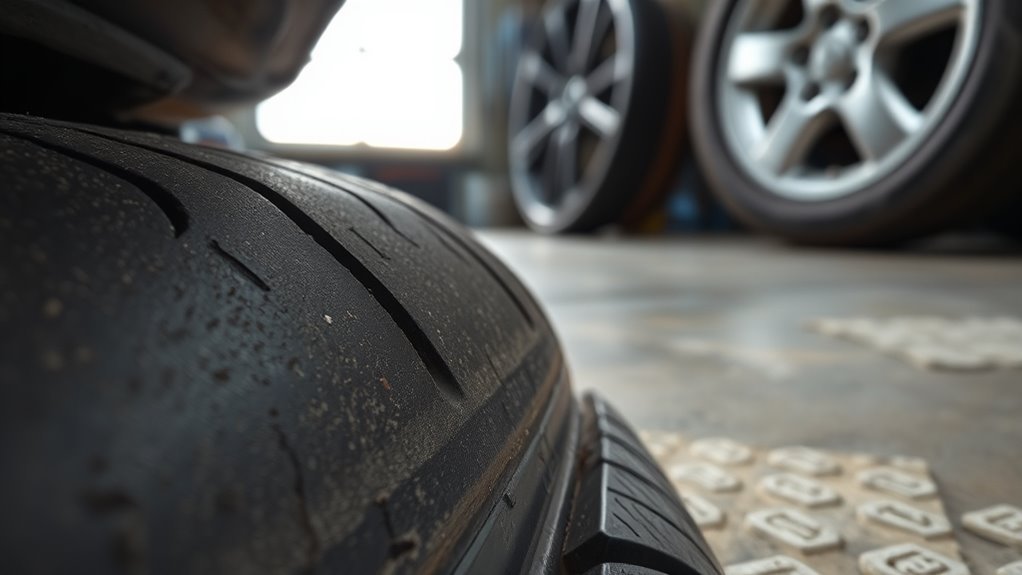
Check the DOT TIN on your tire sidewall. The last four digits show the week and year it was made. For example, 1018 means the 10th week of 2018. You should replace tires when they are about six years old. Never use them beyond ten years, and always follow your manufacturer’s specific guidelines. Aging rubber causes dry rot, sidewall cracks, and tread separation. This severely increases your risk of a blowout. Proper storage and regular inspections can help slow aging and catch damage early. Keep reading for more guidance on inspecting, storing, and handling tires.
Quick Answer
- Find the DOT code on the sidewall to see the week and year your tire was made.
- Most manufacturers recommend replacing tires every six years.
- Never use tires older than ten years, even if the tread looks brand new.
- Older tires are prone to dry rot and tread separation, which can cause severe blowouts.
Read the DOT TIN: Find Your Tire’s Week & Year

Look for the DOT Tire Identification Number (TIN) embossed on the tire sidewall. The last four digits tell you the exact week and year it was manufactured. For instance, “1018” means the tire was made during the 10th week of 2018. This TIN encodes the tire size, manufacturer, and production date. Focus on those final four digits. The first two indicate the week, and the last two indicate the year. Older tires made before 2000 use a different format with three digits, but you should never drive on tires that old. Regularly checking the DOT TIN gives you clear manufacturing details. This helps you replace tires before age undermines your safety. Inspect each tire’s sidewall in good lighting. Record the numbers and compare them to recommended service intervals. Routine checks of the DOT TIN reduce risk and keep you safer on the road.
Quick Rule: Are My Tires Too Old to Drive?
Check the last four digits of the DOT TIN to find the week and year your tire was made. If a tire is six years old or older, plan to replace it. This applies even if the tread looks perfectly fine, because rubber degrades over time. Tires over ten years old are hazardous and should be removed from service immediately.
Check The DOT Date
Look at the last four digits of the DOT Tire Identification Number on the sidewall. These numbers tell you the week and year the tire was made. For example, 0814 means the 8th week of 2014. Use this date to judge the tire’s overall age. Record the manufacture date and compare it to the current year. Regular inspections protect your safety on the road. Tires degrade with time, even if they aren’t driven often. Knowing their true age helps you make smart maintenance decisions. If your tires are older than the safe window, prioritize replacement and professional inspection. Keep records for each tire. Check these dates whenever you rotate, buy, or service your vehicle.
Replace By Six Years
If your tire is six years old based on its DOT date, replace it. Do this even if the tread still looks deep. Rubber degrades internally over time. Most manufacturers advise a six-year service life to reduce the risk of a blowout. Many drivers forget that tires can expire while sitting unused. Follow your vehicle manufacturer’s guidance and general safety standards. Sticking to the six-year replacement rule limits your risk from unseen internal breakdown. Schedule replacements proactively to stay safe. If you have tires older than six years, inspect them frequently. Regular checks can’t always reveal hidden aging, so plan on replacing them soon.
Why Tire Age Matters: Dry Rot, Tread Separation, Grip Loss
By the time a tire is six years old, you should check it regularly for signs of dry rot. Look for surface cracks, sidewall crazing, or brittle rubber. Rubber compounds degrade over time, even if the tread depth looks fine. Aging also raises the risk of tread separation. This happens when the tread rips away from the tire body. It can cause a sudden loss of control and lead to severe accidents. Regular visual inspections are essential. Replace tires that show any cracking or separation to maintain proper grip and braking performance.
[Products Worth Considering]

Measure tire tread depth quickly and accurately with this LUMITECO dial gauge that reads in 1/32" increments up to 14/32". The color-coded green/yellow/red zones make it easy to judge tire wear and know when replacement is needed. A rugged, compact design with a protective pouch helps keep the gauge ready for use on cars, trucks, motorcycles, and more.

The SAFELIFE dial tire tread depth gauge measures tread depth in 1/32 inch increments with clear, easy-to-read 2-inch dial face. Color zones using a traffic light system help you quickly judge whether tread is low, marginal, or ample for safer driving. Built with a durable zinc cast body and a metal detect probe for precise, comfortable use across cars, motorcycles, trucks, and buses.

Measure tyre tread depth precisely with a digital gauge that reads in both MM and inches, helping you monitor safe driving conditions. The large LCD screen is easy to operate, and the compact tool fits for cars, trucks, and motorcycles. It provides high accuracy with a 0-25.4mm range and includes a 1-year warranty for added peace of mind.
Dry Rot Signs
Cracks in the rubber are the clearest warning that a tire’s structural integrity is failing. Inspect any tire older than six years closely. You’ll spot dry rot as surface fissures on the sidewalls or between the tread blocks. These cracks compromise the rubber’s elasticity and reduce your grip on the road. They also significantly raise your blowout risk. Adopt a consistent tire maintenance routine to prevent dry rot. Store unused tires away from direct sunlight, rotate them regularly, and keep them clean. Treat the tire’s age as a strict safety limit, not just a suggestion.
- Surface cracks on sidewalls and shoulders
- Small split lines between tread blocks
- Hardened, non-flexible rubber to the touch
- Embedded discoloration or chalky patches
Tread Separation Risk
When a tire ages past six years, the rubber and internal bonding agents start to break down. This creates a much higher risk of tread separation. This dangerous failure occurs when the tread peels completely away from the casing, often triggering a blowout. Treat aging tires as a serious safety hazard. Dry rot creates cracks that weaken the tire’s internal adhesion. Studies show that older tires have a significantly higher chance of catastrophic failure. As grip declines with age, your stopping distances lengthen and hydroplaning risk goes up. Watch for warning signs like cracks, bulges, or uneven tread during routine inspections. Timely replacement is the best way to keep your vehicle safe.
Tread Depth vs. Tire Age
Many drivers mistakenly believe that good tread means a tire is perfectly safe. While tread depth is crucial for traction in wet or snowy conditions, it does not tell the whole story. A ten-year-old tire with full tread is still incredibly dangerous. The internal rubber compounds dry out and weaken over time, regardless of mileage. Never judge a tire’s safety based on tread wear alone. Always check the DOT date code to verify the actual age of the rubber.
When to Replace: Manufacturer Guidance vs. NHTSA Rules
Manufacturers typically advise you to replace tires at around six years because rubber compounds age. The National Highway Traffic Safety Administration (NHTSA) gives a broader maximum window of six to ten years. You should follow the specific guidance for your tire model. Use manufacturer recommendations as your primary baseline. These timelines reflect actual tested rubber life and internal construction. The NHTSA’s range aligns with broader safety standards, but it defers to specific maker data. If your tire’s DOT code shows it is over six years old, inspect it frequently. Replace it if the manufacturer’s guidelines or the physical condition warrants it. Always choose safety over marginal savings.
- Check the DOT code to confirm manufacture week and year.
- Use manufacturer recommendations when they’re stricter than NHTSA’s range.
- Inspect tires over six years for cracking, discoloration, or deformation.
- Replace any tire that fails maker or NHTSA-aligned safety standards.
[Products Worth Considering]

Accurately measure tire tread depth with a calibrated gauge marked from 0 to 1 inch in 1/32 inch increments. The color-coded bar helps you quickly identify tread condition ranges, supporting safe driving for trucks, motorcycles, automobiles, and passenger vehicles.

Monitor tire tread wear with a smart, color-coded depth gauge that shows clear condition ranges at a glance. The bar is range marked for fast, easy readings, helping you maintain safer traction and performance. Each gauge is portable with a pocket clip, and the set includes 20 units for daily use and sharing.

Vigorder rubber cement glue delivers superior adhesion and cures quickly within about 30 seconds for seamless rubber bonding. Once cured, it helps provide a strong, durable, waterproof seal that holds up to vehicle weight, pressure, and heat. Suitable for cars, motorcycles, trucks, bicycles, and off-road tires, it’s designed for emergency patch and maintenance repairs.
How Storage, Heat & Use Shorten Tire Life (And What to Do)
Heat, UV light, and ozone speed up the breakdown of rubber compounds. Storing tires in a cool, dark place will noticeably slow aging and reduce the risk of dry rot. Keep them away from electric motors or other ozone sources. Use proper storage techniques to extend their usable life. Keep tires upright, rather than stacked, to avoid deformities and mechanical stress. Maintain about 20 psi during storage to prevent rubber memory while keeping the beads seated. Rotate stored sets periodically and inspect them for cracking, bulges, or hardening.
Heat exposure and aggressive driving accelerate compound wear. If you drive in harsh conditions, you will need more frequent tire maintenance and earlier replacements. Keep stored tires off concrete floors by using pallets or rubber mats. Cover them completely to block UV rays. Following these simple steps gives you better control over tire longevity and performance. Regular checks and conservative driving are the best path to safer, longer-lasting tires.
[Products Worth Considering]

Upgrade your vehicle’s tire protection with these stylish, corrosion-resistant valve stem caps designed for Mercedes Benz AMG applications. The durable one-time die-cast construction and electroplated finish help resist oxidation and wear. A simple screw-in installation keeps moisture and debris out to maintain valve integrity.
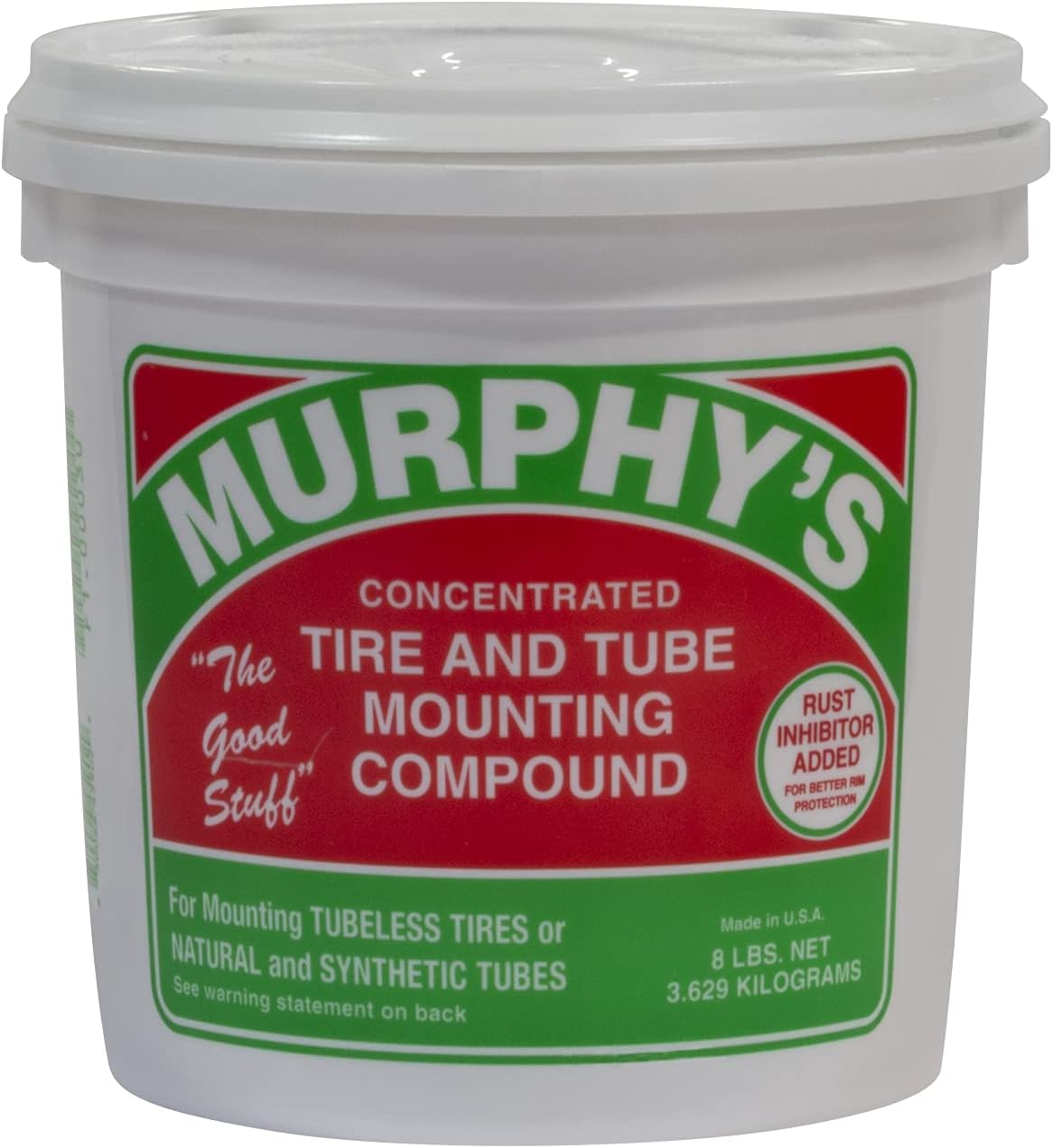
A concentrated tire and tube mounting compound designed to help simplify mounting rubber tires and tubes on passenger, semi truck, construction, and OTR applications. Its ultra-thick formula packs beads effectively and includes rust inhibitors to help protect against corrosion during use.

The Continental Grand Prix 5000 is an allround road bike tire engineered for faster rolling, improved ride comfort, and enhanced puncture protection. It features a Vectran Breaker cut-protection layer, Lazer Grip micro-profile tread for confident cornering control, and Active Comfort Technology to damp vibration for smoother rides. BlackChili compound optimizes grip and speed for everyday performance and long-lasting confidence.
After a Tire Failure: Safety Steps, Reporting, and Liability Options
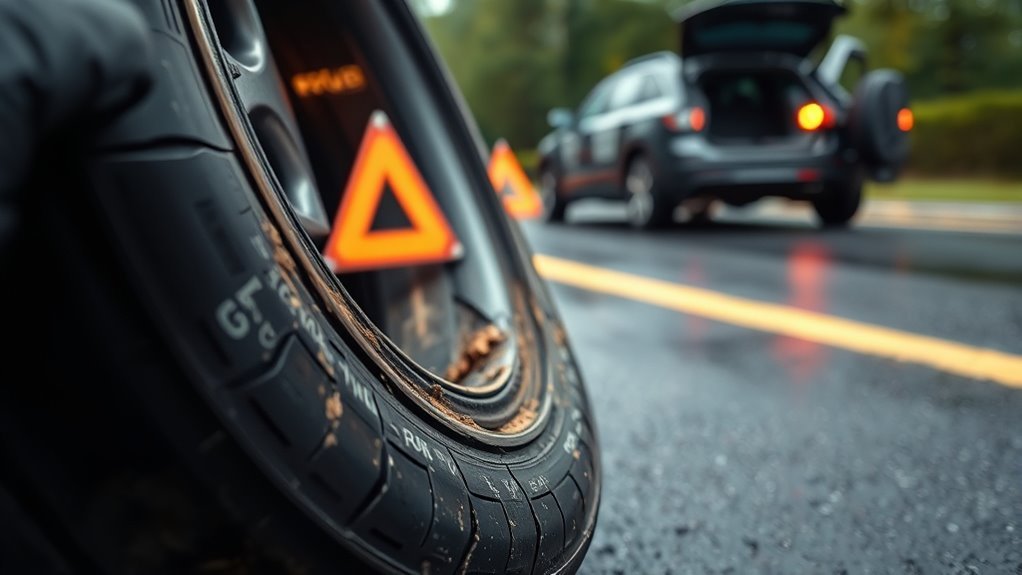
If a tire fails while you are driving, pull safely off the road as soon as traffic allows. Turn on your hazard lights and set your parking brake. Once the vehicle is secure, assess any injuries and move passengers safely away from traffic. Document the failure thoroughly. Take photos of the damaged tire, valve stem, wheel, and road surface. Be sure to capture the DOT date code to link the tire’s age to the failure. Report hazards to local authorities to warn other drivers and create an official record. Preserve the evidence by keeping the damaged tire if you plan to pursue an insurance claim.
- Photograph the tire, rim, and surrounding scene, and record the DOT date code.
- Call emergency services if anyone’s injured or the tire debris blocks traffic.
- Notify your insurer and ask about coverage before altering evidence.
- Consult a lawyer if a defect or seller negligence might explain the failure.
Good tire maintenance protects your safety on the road and strengthens any potential liability claims.
Frequently Asked Questions
How Old Can Tires Get Before They Are Unsafe?
You should replace tires when they are six to ten years old. Most manufacturers advise replacing them at six years for optimal safety. Official safety standards generally set ten years as the absolute maximum limit. Always monitor your tire lifespan and inspect aging rubber regularly.
Is a Tire From 2017 Still Good?
It depends on the current year, but generally, a tire from 2017 is well past its prime. In 2026, a 2017 tire is nine years old. This approaches the absolute maximum safety limit for tire longevity. Inspect it closely for cracks and tread wear. Given its age, you should strongly consider replacing it to ensure your safety on the road.
Conclusion
Check your DOT code today. If the numbers show your tires are older than six years, plan to replace them. If they are over ten years old, they are a serious safety hazard. Following manufacturer guidance helps prevent dry rot, tread separation, and grip loss. Store your seasonal tires in a cool, dry place and inspect them often. If you do experience a failure, document the scene, report it, and keep the tire for potential claims. Don’t gamble with old rubber. Worn tires won’t wait, and neither should your safety.