
Choosing tires for your Honda Accord in a wet climate comes down to more than picking a familiar brand. The right tire needs to fit your exact Accord size, carry the correct load and speed ratings, move water away from the contact patch, and keep enough tread depth to brake and steer safely when roads are soaked.
Quick Answer
For most Honda Accord drivers in rainy or coastal climates, choose a premium grand-touring all-season or all-weather tire in the exact size listed on the door placard. Prioritize strong wet braking, wide water-evacuation grooves, an AA or A UTQG traction grade, correct pressure, and healthy tread depth.
Key Takeaways
- Use your Accord’s Tire and Loading Information Label or owner’s manual for the correct tire size, load index, speed rating, and cold tire pressure.
- For wet climates, shop for tires with strong wet-braking results, deep circumferential grooves, lateral channels, and a wet traction grade of AA or A when available.
- NHTSA says tires are not safe once tread reaches 2/32 inch, but rainy-climate drivers should start shopping earlier if tread is approaching 4/32 inch.
- Check pressure and tread monthly, rotate according to your owner’s manual, and inspect for cracks, bulges, vibration, or uneven wear before rainy season.
At a Glance
| Time Required | 10–15 minutes to inspect your current tires; 30–60 minutes to compare replacement options |
| Difficulty | Easy for inspection; moderate for comparing tire specs and test data |
| Tools Needed | Tire pressure gauge, tread depth gauge or penny/quarter, flashlight, and your Accord’s door placard or owner’s manual |
| Cost | Inspection is free; replacement cost varies by tire size, brand, installation, road-hazard coverage, and alignment needs |
Why Tire Choice Matters in Wet Conditions

Rain reduces the tire’s ability to stay in direct contact with the pavement. When water builds up faster than the tread can move it away, the tire can ride on a film of water instead of gripping the road. That is the basic hydroplaning risk you are trying to reduce.
A good wet-weather tire for a Honda Accord should do three jobs well: evacuate water, maintain flexible grip on damp pavement, and stop predictably when the road surface changes from dry to wet. NHTSA’s tire guidance explains that tread provides the gripping action that helps keep a vehicle from slipping and sliding, especially on wet or icy roads.
Your Accord also matters because it is a front-wheel-drive sedan in many model years and trims. The front tires handle much of the steering, braking, and drive force, so worn front tread or low pressure can quickly show up as longer stops, vague steering, or wheelspin during rainy starts.
Warning: Even the best rain-focused tire cannot make deep standing water safe. Slow down in heavy rain, avoid sudden steering and braking, and do not use tire quality as a reason to drive through flooded lanes.
Best Tire Type for a Honda Accord in a Wet Climate
For most Accord owners, the best choice is a high-quality touring all-season or all-weather tire, not an extreme performance tire or a bargain tire with little wet-braking data. The right category depends on your climate:
- Grand-touring all-season tires: Best for mild rainy climates where you want quiet ride quality, good tread life, wet braking, and daily comfort.
- All-weather tires: Best if your wet climate also gets cold mornings, slush, or occasional snow. Many carry the Three-Peak Mountain Snowflake marking, but they can be slightly louder or less fuel-efficient than milder touring tires.
- Summer performance tires: Best for warm, rainy climates and sporty driving. They can grip well in rain when temperatures are warm, but they are not for freezing temperatures, snow, or ice.
- Winter tires: Best if you regularly drive in cold rain, snow, or ice. Cold-weather rubber can matter more than “all-season” labeling when temperatures stay low.
If you live in a place like the Pacific Northwest, coastal California, the Gulf Coast, or the Southeast, your ideal tire may not be the same. Warm heavy rain favors strong water evacuation and wet braking. Cold wet roads favor compounds that stay flexible at lower temperatures.
[Products Worth Considering]

Keep your tires properly inflated with this analog VONDIOR tire pressure gauge, designed for fast, easy readings without batteries. The swiveling, two-axis hose and large glow dial help you measure at any tire angle with instant visibility. Built with a protective rubber shield, it supports durable, low-maintenance use for cars and trucks.

Monitor tire tread wear with a smart, color-coded depth gauge that shows clear condition ranges at a glance. The bar is range marked for fast, easy readings, helping you maintain safer traction and performance. Each gauge is portable with a pocket clip, and the set includes 20 units for daily use and sharing.

The SAFELIFE dial tire tread depth gauge measures tread depth in 1/32 inch increments with clear, easy-to-read 2-inch dial face. Color zones using a traffic light system help you quickly judge whether tread is low, marginal, or ample for safer driving. Built with a durable zinc cast body and a metal detect probe for precise, comfortable use across cars, motorcycles, trucks, and buses.
What Makes All-Season and All-Weather Tires Effective in Wet Weather?
All-season and all-weather tires work in rain because of their tread pattern, rubber compound, and ability to keep enough contact with the road as water moves underneath the tire. But not every all-season tire is equally good in wet braking, so compare real specs and tests before buying.
Tread Design Features
Look for deep circumferential grooves that run around the tire, lateral channels that push water outward, and enough siping to create biting edges on slick pavement. A symmetrical or asymmetric tread can both work well, but the important question is whether the tire has published wet-braking or wet-handling performance in its category.
Water Evacuation Mechanisms
Water evacuation is the tire’s ability to move water away from the contact patch. Wider grooves and open channels usually help, but tread depth is just as important. As tread wears down, the grooves hold less water, which is why a tire that felt secure when new can feel nervous in heavy rain later in its life.
Enhanced Grip Performance
Wet grip also depends on the compound. Many modern touring tires use silica-enhanced rubber to balance wet braking, tread life, and rolling resistance. That balance matters on a Honda Accord because most drivers want a tire that is safe in rain without creating harsh ride quality, excessive noise, or poor fuel economy.
Pro Tip: When comparing two tires, do not rely only on treadwear mileage. A long warranty is helpful, but wet stopping distance, traction grade, and tread design matter more for rainy-season safety.
Do You Really Need Specialized Wet-Weather Tires?
Most Honda Accord drivers do not need a rare “rain-only” tire. A premium all-season, all-weather, or warm-climate summer tire is usually the better fit because it balances wet traction with daily comfort, tread life, and availability in Accord sizes.
You should consider a more rain-focused or all-weather tire if you frequently drive in heavy highway rain, live where standing water is common, or have a long commute on fast roads. You should also consider winter tires if your wet climate often stays near freezing, because cold pavement can reduce grip even when there is no snow on the ground.
The key is to buy for your real conditions. A tire that is great for dry sporty handling may not be the best choice for daily rain. A very cheap all-season tire may look fine on paper but lack the wet-braking performance you want for emergency stops.
Essential Features of Effective Wet-Weather Tires

When shopping for Honda Accord tires in a wet climate, compare these features before you compare price:
| Feature | Why It Matters in Rain | What to Look For |
|---|---|---|
| Wet traction grade | Shows wet-pavement stopping performance under the UTQG system | AA or A when available |
| Groove depth and channels | Helps move water away from the contact patch | Wide circumferential grooves and lateral evacuation channels |
| Compound | Affects braking, cornering, cold flexibility, and tread life | Modern silica-rich all-season, all-weather, or summer compound for your climate |
| Tread depth | Worn grooves evacuate less water | Replace at 2/32 inch; consider shopping around 4/32 inch if rainy season is coming |
| Ride and noise | Accord drivers often value comfort for commuting | Touring or grand-touring design with good owner feedback |
The Uniform Tire Quality Grading traction grade is useful, but it is not the whole story. It does not replace independent wet-braking tests, owner feedback in your climate, or checking that the tire is available in the correct Accord size.
What Role Does Tread Design Play in Wet Performance?
Tread design is one of the biggest differences between a tire that feels stable in rain and one that feels nervous. The tread is not just decoration; it is the system that creates edges, moves water, and keeps rubber touching the road.
Tread Patterns Explained
Touring all-season tires often use a balanced tread pattern to reduce noise while still providing wet grip. All-weather tires may use more aggressive V-shaped or directional patterns to move water and slush. Performance tires may use larger tread blocks for steering response, but they still need enough grooves to handle rain safely.
Water Evacuation Channels
Wide channels are especially important for highway rain because speed increases how quickly water reaches the tire. If the tread cannot move that water away fast enough, the tire loses direct contact with the road. That is why tread depth, tire pressure, and speed all matter together.
Grip and Stability Factors
Grip is not only about the tread pattern. A tire also needs the right pressure, even wear, and enough compound flexibility for the temperature. Underinflation can make a tire run hot, wear unevenly, and respond poorly. Overinflation can reduce ride comfort and may concentrate wear in the center of the tread.
How to Choose the Right Tire Size and Rating for Your Accord
Honda Accord tire sizes vary by model year and trim, so do not assume that another Accord owner’s tire size is correct for your car. Before buying, open the driver’s door and read the Tire and Loading Information Label. You can also check the owner’s manual.
- Match the tire size: Use the size listed on the placard or an approved alternate size from a trusted tire professional.
- Match or exceed the load index: The tire must safely carry the vehicle’s weight.
- Use the proper speed rating: Do not downgrade below what Honda specifies for your trim without professional guidance.
- Use the placard pressure: The correct cold pressure is the vehicle manufacturer’s recommended pressure, not the maximum pressure printed on the tire sidewall.
- Avoid mixing tire types: Mixing old and new tires, different tread patterns, or different categories can reduce predictable handling in rain.
Note: If you replace only two tires, ask the installer where they should go. Many tire safety experts recommend putting the newer pair on the rear axle to help reduce oversteer on wet roads.
Which Tire Brands Excel in Wet Weather?
Several major tire brands make strong wet-weather options for sedans like the Honda Accord. Instead of choosing by brand alone, compare the exact tire model in your exact size. One Michelin tire can perform very differently from another Michelin tire, and the same is true for Continental, Bridgestone, Goodyear, General, Cooper, Pirelli, Yokohama, and other brands.
Here are source-backed examples worth comparing if they are available in your Accord’s size:
| Tire Model | Best Fit | Wet-Climate Strength | Watch-Out |
|---|---|---|---|
| Michelin CrossClimate2 | Drivers who want rain performance plus occasional cold-weather capability | Michelin lists excellent wet and dry braking, all-season use, 3PMSF marking, and a 60,000-mile warranty | May cost more and may feel different from a quiet touring tire |
| Continental PureContact LS | Accord drivers who want comfort, wet braking, and long touring tread life | Continental lists shorter stopping distances on wet roads, low road noise, and a 70K limited warranty | Better for light snow than severe winter conditions |
| General AltiMAX RT45 | Value-focused daily drivers who still want a reputable touring tire | General lists reliable braking on wet roads, responsive wet/dry handling, and up to a 75K limited warranty | Not as aggressive as some all-weather tires for slush or winter use |
Other models from Bridgestone, Goodyear, Pirelli, Cooper, Yokohama, and Hankook may also be excellent choices in the right Accord size. The safer approach is to compare wet braking, tread life, ride noise, warranty, and current owner feedback instead of buying the cheapest tire that fits.
[Products Worth Considering]

Measure tire tread depth quickly and accurately with this LUMITECO dial gauge that reads in 1/32" increments up to 14/32". The color-coded green/yellow/red zones make it easy to judge tire wear and know when replacement is needed. A rugged, compact design with a protective pouch helps keep the gauge ready for use on cars, trucks, motorcycles, and more.

Measure tyre tread depth precisely with a digital gauge that reads in both MM and inches, helping you monitor safe driving conditions. The large LCD screen is easy to operate, and the compact tool fits for cars, trucks, and motorcycles. It provides high accuracy with a 0-25.4mm range and includes a 1-year warranty for added peace of mind.
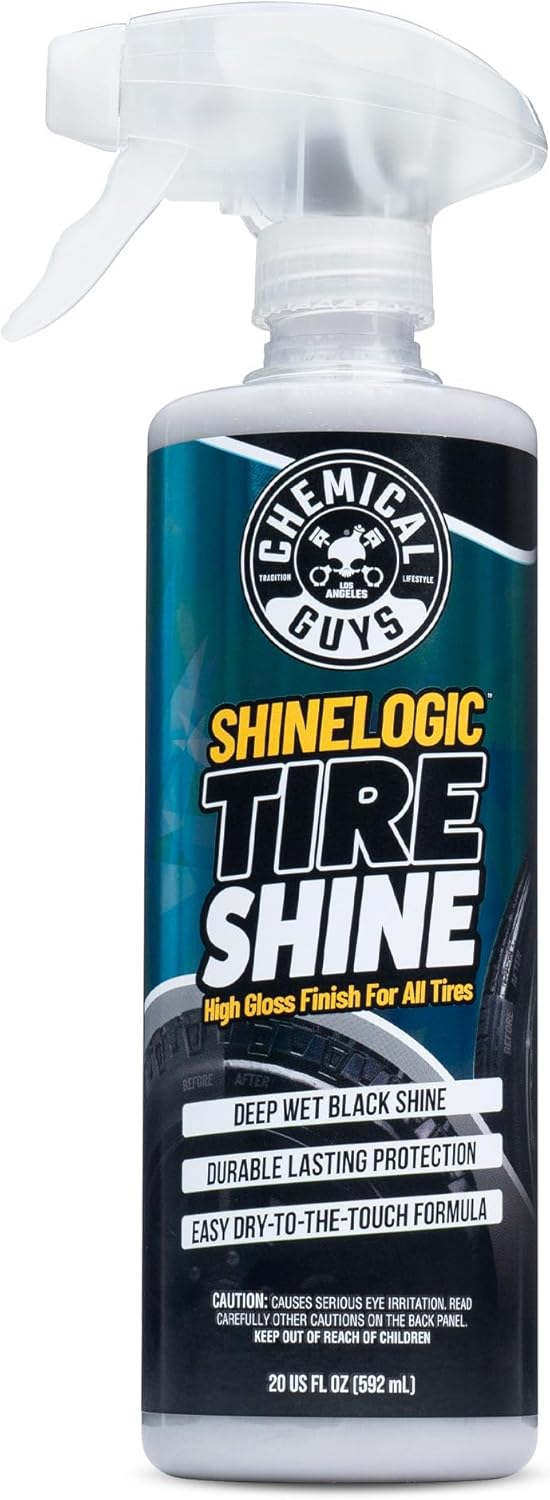
Chemical Guys ShineLogic Tire Shine delivers a deep wet black, high-shine finish for rubber tires with a sleek look. It’s designed for durable, one-step application with minimal drips, streaks, or runs, and it helps produce effortless, long-lasting shine. Choose aerosol or trigger spray for easy use on cars, trucks, motorcycles, RVs, and more.
Maintenance Tips for Optimal Tire Performance in Wet Climates
The best wet-weather tire will not perform well if it is underinflated, worn unevenly, or too old. Make these checks part of your monthly routine:
- Check cold tire pressure monthly: Use the pressure listed on your Accord’s door placard or owner’s manual. Check before driving or after the car has been parked for at least three hours.
- Inspect tread depth monthly: NHTSA says tires should be replaced when tread reaches 2/32 inch. In wet climates, start planning replacement earlier if tread is near 4/32 inch before the rainy season.
- Rotate on schedule: Follow your owner’s manual. If Honda recommends rotation for your setup, many vehicles use an interval in the 5,000–8,000 mile range.
- Watch for uneven wear: Feathering, one-edge wear, cupping, or vibration may point to alignment, balance, suspension, or inflation problems.
- Check age and damage: Look for cracks, cuts, bulges, exposed cords, punctures, or repeated pressure loss. Use the DOT date code to identify tire age.
Proper inflation also helps fuel economy. FuelEconomy.gov notes that keeping tires properly inflated can improve gas mileage and that underinflated tires can lower fuel economy.
When to Replace Tires Before Rainy Season
Do not wait until the first major storm to think about replacement. Rainy-season tire shopping should begin when you see any of these signs:
- Tread is at or below 2/32 inch.
- Tread is near 4/32 inch and heavy rain season is approaching.
- The tire has cracks, bulges, cuts, exposed cords, or repeated air loss.
- The car pulls, vibrates, or feels unstable in rain.
- The treadwear indicators are flush with the tread.
- The tire is six or more years old and the manufacturer recommends inspection or replacement based on age.
- You cannot confirm the tire’s age, history, or repair quality.
As tires age, rubber and internal components change over time due to service, storage, heat, sunlight, and maintenance conditions. NHTSA notes that some vehicle and tire manufacturers recommend replacing tires that are six to 10 years old regardless of treadwear, so check your tire maker’s guidance and do not ignore age just because the tread still looks decent.
Top Tire Recommendations for Your Honda Accord in Wet Conditions
The best tire for your Accord depends on year, trim, wheel size, climate, and budget. Use this decision guide before narrowing your shortlist:
| Your Priority | Best Tire Category | Models to Compare |
|---|---|---|
| Heavy rain plus occasional cold weather | All-weather touring | Michelin CrossClimate2 and similar 3PMSF all-weather options |
| Quiet commute and strong wet braking | Premium grand-touring all-season | Continental PureContact LS and comparable premium touring tires |
| Value and long tread life | Reputable touring all-season | General AltiMAX RT45 and similar established touring models |
| Warm climate and sporty handling | Summer or performance all-season | Compare wet-braking tests carefully; avoid summer tires if freezing temperatures are possible |
Before checkout, confirm the tire size, load index, speed rating, production date, warranty terms, installation cost, alignment needs, and whether road-hazard coverage is worth it for your roads.
[Products Worth Considering]

Accurately measure tire tread depth with a calibrated gauge marked from 0 to 1 inch in 1/32 inch increments. The color-coded bar helps you quickly identify tread condition ranges, supporting safe driving for trucks, motorcycles, automobiles, and passenger vehicles.

Milton S-921 pencil tire pressure gauge helps you maintain optimal tire pressure for passenger cars with accurate readings in PSI and kPa. It features a built-in deflator valve for convenient pressure adjustments, plus a single chuck head and nylon indicator bar for easy use on the go. Built from durable plated brass and designed for reliable performance, it’s a practical road trip and cold-weather maintenance tool.

Steelman white tire marking crayons provide high-contrast, semi-permanent marks for repairing and inspecting tires and equipment. They write on wet or dry, smooth or coarse surfaces including rubber, metal, glass, and wood, making them ideal for puncture location and damage outlining. The lead- and zinc-free crayons resist weather and fading yet wipe away when you no longer need the marks.
Rainy-Season Tire Inspection Checklist
Use this checklist before the wettest part of the year:
- Read the door placard: Confirm tire size and cold pressure.
- Measure tread depth: Check several spots across each tire, not just the center.
- Look for uneven wear: One-edge wear can signal alignment problems that reduce wet-road stability.
- Check tire age: Find the DOT Tire Identification Number and read the last four digits for week and year of manufacture.
- Inspect sidewalls: Replace tires with cracks, bulges, exposed cords, or damage.
- Check pressure when cold: Include the spare if your Accord has one.
- Schedule rotation or alignment: Do this before new rainy-season tires wear unevenly.
- Drive smoothly: Gentle acceleration, wider following distance, and earlier braking help any tire perform better in rain.
Frequently Asked Questions
How do I know when to replace my Honda Accord tires?
Replace them when tread reaches 2/32 inch, when treadwear indicators are flush, or when you see cracks, bulges, exposed cords, repeated air loss, vibration, or serious uneven wear. In rainy climates, start shopping earlier if tread is near 4/32 inch before storm season.
Can tire pressure affect wet-weather performance?
Yes. Low pressure can cause heat, uneven wear, sluggish response, and poor fuel economy. Check tire pressure monthly when tires are cold and use the pressure listed on your Accord’s door placard or owner’s manual.
What is the ideal tread depth for wet conditions?
Tires should be replaced by 2/32 inch, but that is a minimum safety threshold. For wet climates, consider replacing earlier if your tires are approaching 4/32 inch and rainy season is about to begin.
Do tire brands vary in wet performance?
Yes, but the exact tire model matters more than the brand name. Compare wet braking, UTQG traction grade, tread design, owner feedback, and whether the tire is available in the correct Accord size and rating.
How can I improve traction on wet roads?
Keep tires properly inflated, replace worn tread early, rotate on schedule, fix alignment issues, slow down in heavy rain, avoid abrupt steering or braking, and leave more distance between your Accord and the vehicle ahead.
Are all-weather tires better than all-season tires for rain?
Sometimes. All-weather tires can be a strong choice if your rain comes with cold temperatures or occasional slush. In mild climates, a premium grand-touring all-season tire may be quieter, smoother, and just as practical for daily wet-road driving.
Should I buy summer tires for a wet climate?
Summer tires can work well in warm rain, especially for sporty driving, but they are not designed for freezing temperatures, snow, or ice. If your wet climate gets cold, choose all-weather or winter tires instead.
Can I replace only two tires before rainy season?
You can, but matching all four tires is best for predictable wet handling. If replacing only two, ask the installer where the new pair should go and avoid mixing different tire categories or significantly different tread depths.
Conclusion
Choosing tires for your Honda Accord in a wet climate is really about making a safe, specific match: the right size and rating for your car, the right tire category for your weather, and enough tread depth to move water away when rain gets heavy. A premium touring all-season or all-weather tire is the best starting point for most Accord drivers, but maintenance is just as important as the tire you buy. Check pressure, inspect tread, replace worn or aging tires before storm season, and drive smoothly when the road is wet.
Sources
- NHTSA TireWise tire safety guidance — tire pressure, tread depth, tire age, tire size, UTQG traction grades, and maintenance basics
- FuelEconomy.gov: Keeping Your Vehicle in Shape — tire inflation and fuel economy guidance
- Michelin CrossClimate2 product page — all-season/all-weather positioning, wet braking claims, 3PMSF marking, and warranty details
- Continental PureContact LS product page — wet-road stopping claims, touring tire positioning, and warranty details
- General AltiMAX RT45 product page — wet braking, all-season touring positioning, and warranty details