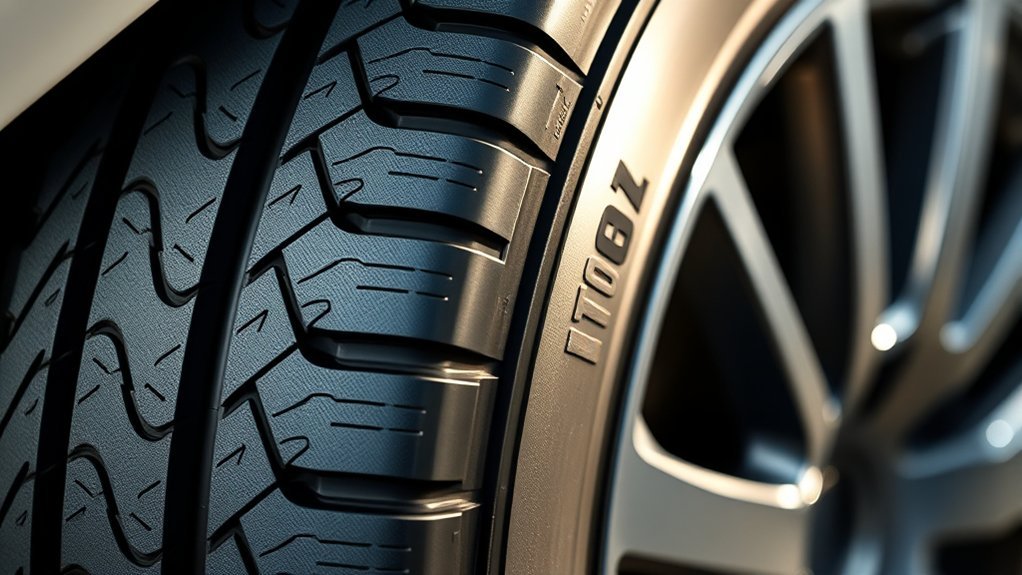
Understanding UTQG ratings can help you compare replacement tires for your Honda Accord, but these ratings are only one part of the buying decision. Before you choose a tire, confirm your Accord’s exact tire size, load index, speed rating, and cold tire pressure on the driver-door label or owner’s manual. Then use UTQG to compare treadwear, wet braking, and heat resistance among tires that already fit your car correctly.
Quick Answer
For most Honda Accord daily drivers, a good UTQG target is a treadwear rating around 400 or higher, traction A or AA, and temperature A. Still, UTQG does not replace the correct tire size, load index, speed rating, tire type, pressure, or real-world test reviews.
Key Takeaways
- Treadwear is a relative wear rating, not a guaranteed mileage promise.
- Traction AA or A is best for wet straight-line braking, but it does not measure cornering, acceleration, snow grip, or hydroplaning resistance.
- Temperature A is the strongest heat-resistance grade, but proper inflation and load still matter.
- For a Honda Accord, confirm the door-jamb tire label first, then compare UTQG ratings among tires with the correct size, load index, speed rating, and category.
At a Glance
| Time Required | 5 to 10 minutes to check your tire label, read a sidewall, and compare two tire options. |
| Difficulty | Easy. The hardest part is not over-trusting the treadwear number. |
| Tools Needed | Flashlight, tire-pressure gauge, driver-door tire label, tire sidewall, and the tire product page. |
| Cost | Free to check. Replacement tire cost depends on size, brand, category, warranty, and installation. |
What Is the UTQG System and Why Does It Matter for Your Honda Accord?
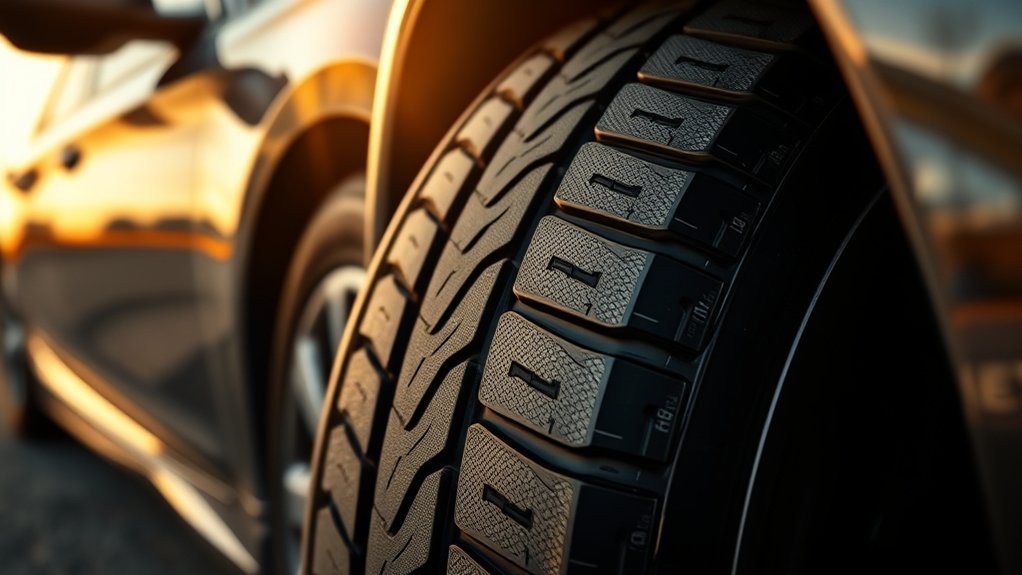
UTQG ratings, short for Uniform Tire Quality Grading, are U.S. tire-quality grades for passenger-car tires. They compare three things: treadwear, traction, and temperature resistance. On a tire, the code often looks like this:
Example: Treadwear 500 Traction A Temperature A means the tire has a relative treadwear grade of 500, an A wet straight-line braking grade, and an A heat-resistance grade.
For a Honda Accord, UTQG matters because most Accord owners want a balanced tire: long enough tread life for commuting, strong wet braking for rain, and stable heat resistance for highway driving. However, UTQG should never be the first filter. Start with the tire size and specifications Honda lists for your exact car, then use UTQG to narrow the choices.
Note: UTQG is a comparison system. It does not certify that a tire is the best choice for your Accord, and it does not replace correct fitment, tire condition, inflation pressure, or professional installation.
Check Honda Accord Tire Size Before You Compare UTQG Ratings
Before shopping by UTQG, open the driver’s door and read the Tire and Loading Information Label. Honda says this label lists the original tire sizes for the front, rear, and spare, along with the proper cold tire pressure.
Also check the tire sidewall for the current size, load index, and speed symbol. Honda explains that replacement tires should be the same size, and the sidewall code also includes the load index specifications and speed symbol. If your Accord has aftermarket wheels or a non-stock tire size, ask a qualified tire professional to confirm the correct load rating, speed rating, and pressure before buying.
[Products Worth Considering]

The Tymate TM2 RV tire pressure monitoring system keeps you informed with a color LCD display, automatic backlight, and solar charging for dependable operation. It supports up to 10 tire positions with four pre-paired sensors, while offering multiple alarm modes for fast leak detection, pressure extremes, temperature alerts, and low-signal warnings. Built-in monitoring uses accurate readings and reliable 433.92MHz communication to help protect your RV, trailer, truck, or SUV.

Keep your tires properly inflated with this analog VONDIOR tire pressure gauge, designed for fast, easy readings without batteries. The swiveling, two-axis hose and large glow dial help you measure at any tire angle with instant visibility. Built with a protective rubber shield, it supports durable, low-maintenance use for cars and trucks.

Measure tire tread depth quickly and accurately with this LUMITECO dial gauge that reads in 1/32" increments up to 14/32". The color-coded green/yellow/red zones make it easy to judge tire wear and know when replacement is needed. A rugged, compact design with a protective pouch helps keep the gauge ready for use on cars, trucks, motorcycles, and more.
Best Order for Choosing Accord Tires
- Match the tire size shown on your Accord’s driver-door label or verified fitment source.
- Meet or exceed the original load index and speed rating unless Honda or a tire professional confirms another safe option.
- Choose the right tire category, such as touring all-season, grand touring, performance all-season, summer, or winter.
- Compare UTQG ratings among tires that already fit correctly.
- Review warranty terms and real-world testing before making the final choice.
How to Decode Treadwear Ratings for Better Longevity
The treadwear rating is a comparative number. A tire graded 300 is designed to wear longer than a tire graded 100 under controlled government-course testing, but that does not mean you are guaranteed three times the mileage in real driving. Your real-world mileage still depends on alignment, pressure, rotation, road surface, climate, load, and driving style.
| Treadwear Range | Practical Meaning | Best Fit |
| Under 300 | Usually prioritizes grip or performance over tread life. | Sporty driving, summer tires, or performance-focused setups. |
| 300 to 500 | Balanced wear, comfort, and grip for many daily drivers. | Most Honda Accord commuters and mixed city/highway use. |
| 500+ | Often built for longer wear, especially in touring all-season tires. | High-mileage commuting, ride comfort, and lower replacement frequency. |
For a typical Honda Accord used for commuting, a treadwear rating of 400 or higher is a sensible starting point. If you drive aggressively or want sharper handling, you may accept a lower treadwear number in exchange for stronger grip.
Pro Tip: Compare treadwear ratings most closely within the same tire category. A 600-rated touring all-season tire and a 300-rated performance tire are built for different priorities, so the higher number is not automatically the better choice.
[Products Worth Considering]

The Continental Grand Prix 5000 is an allround road bike tire engineered for faster rolling, improved ride comfort, and enhanced puncture protection. It features a Vectran Breaker cut-protection layer, Lazer Grip micro-profile tread for confident cornering control, and Active Comfort Technology to damp vibration for smoother rides. BlackChili compound optimizes grip and speed for everyday performance and long-lasting confidence.

The SAFELIFE dial tire tread depth gauge measures tread depth in 1/32 inch increments with clear, easy-to-read 2-inch dial face. Color zones using a traffic light system help you quickly judge whether tread is low, marginal, or ample for safer driving. Built with a durable zinc cast body and a metal detect probe for precise, comfortable use across cars, motorcycles, trucks, and buses.

Monitor tire tread wear with a smart, color-coded depth gauge that shows clear condition ranges at a glance. The bar is range marked for fast, easy readings, helping you maintain safer traction and performance. Each gauge is portable with a pocket clip, and the set includes 20 units for daily use and sharing.
How Traction Ratings Impact Safety in Wet Weather
UTQG traction ratings are graded from highest to lowest as AA, A, B, and C. They represent how well a tire stops on wet pavement under controlled straight-ahead braking tests on specified asphalt and concrete surfaces.
| Traction Grade | Meaning | Accord Buying Advice |
| AA | Highest wet straight-line braking grade. | Excellent target if you drive often in rain. |
| A | Strong wet braking grade and common on quality all-season tires. | Good minimum target for most Accord owners. |
| B | Lower wet braking performance than A or AA. | Consider only if the tire has strong independent test results for your conditions. |
| C | Lowest UTQG traction grade. | Avoid for daily wet-road driving unless there is a very specific reason. |
Warning: UTQG traction does not measure cornering, hydroplaning resistance, acceleration, dry grip, snow grip, or ice grip. A tire with a high traction grade can still hydroplane if speed, water depth, tread design, or tread depth is unfavorable.
For most Honda Accord drivers, choose at least an A traction grade. If you live where rain is frequent, an AA traction grade is worth considering, especially if the tire also fits your needs for comfort, noise, tread life, and warranty.
Why Temperature Ratings Matter for Your Tire Choices

Tire temperature ratings are graded A, B, or C, with A being the highest. This grade reflects the tire’s ability to resist and dissipate heat when tested under controlled conditions on an indoor laboratory wheel.
Heat matters because sustained high temperature can weaken tire materials, shorten tire life, and contribute to tire failure. That is especially relevant for highway driving, hot climates, heavy loads, and underinflated tires.
Warning: A temperature grade is not the same as a speed rating. It also assumes the tire is properly inflated and not overloaded. Always use the correct cold PSI and stay within your Accord’s load limits.
For a Honda Accord used on highways, a Temperature A rating is the best target. A B-rated tire may still be legal and usable, but if the choice is close, the A-rated tire gives you the stronger heat-resistance grade.
What UTQG Ratings Do Not Tell You
UTQG is helpful, but it leaves out several factors that matter in everyday driving. It does not tell you:
- Whether the tire fits your Accord’s wheels and load requirements.
- Whether the tire has the correct speed symbol for your vehicle and driving.
- How quiet or comfortable the tire will feel.
- How well it resists hydroplaning in deep water.
- How it performs in snow, ice, or freezing temperatures.
- How it corners during emergency maneuvers.
- How quickly it stops on dry pavement.
- How efficiently it rolls for fuel economy.
- How strong the manufacturer’s warranty terms are.
That is why UTQG works best as a second-stage comparison tool. First, narrow the tire list to safe, correct-fit options. Then use treadwear, traction, and temperature grades to compare the remaining choices.
How to Choose Good UTQG Ratings for Your Honda Accord
For a balanced Honda Accord tire, start with these practical targets:
- Treadwear: 400 or higher for most daily drivers who want longer wear.
- Traction: A or AA for wet straight-line braking.
- Temperature: A for the strongest heat-resistance grade.
- Tire category: Touring all-season for comfort and wear, performance all-season for sharper handling, summer tires for warm-weather grip, and winter tires for snow and ice.
If you commute mostly on highways, prioritize treadwear, temperature resistance, road noise, and warranty. If you drive in heavy rain, put more weight on a high traction grade and independent wet-braking tests. If you want sporty steering, expect some tradeoff in treadwear.
[Products Worth Considering]

The Topeak SmartGauge D2 delivers precise digital tire pressure readings for bikes, motorcycles, and sports equipment up to 250 psi (17 bar). Its rotating SmartHead works with both Presta and Schrader valves, so you can check pressure quickly without adapters. The LCD display makes it easy to read results in psi, bar, or kg/cm² with an included CR2032 battery for immediate use.
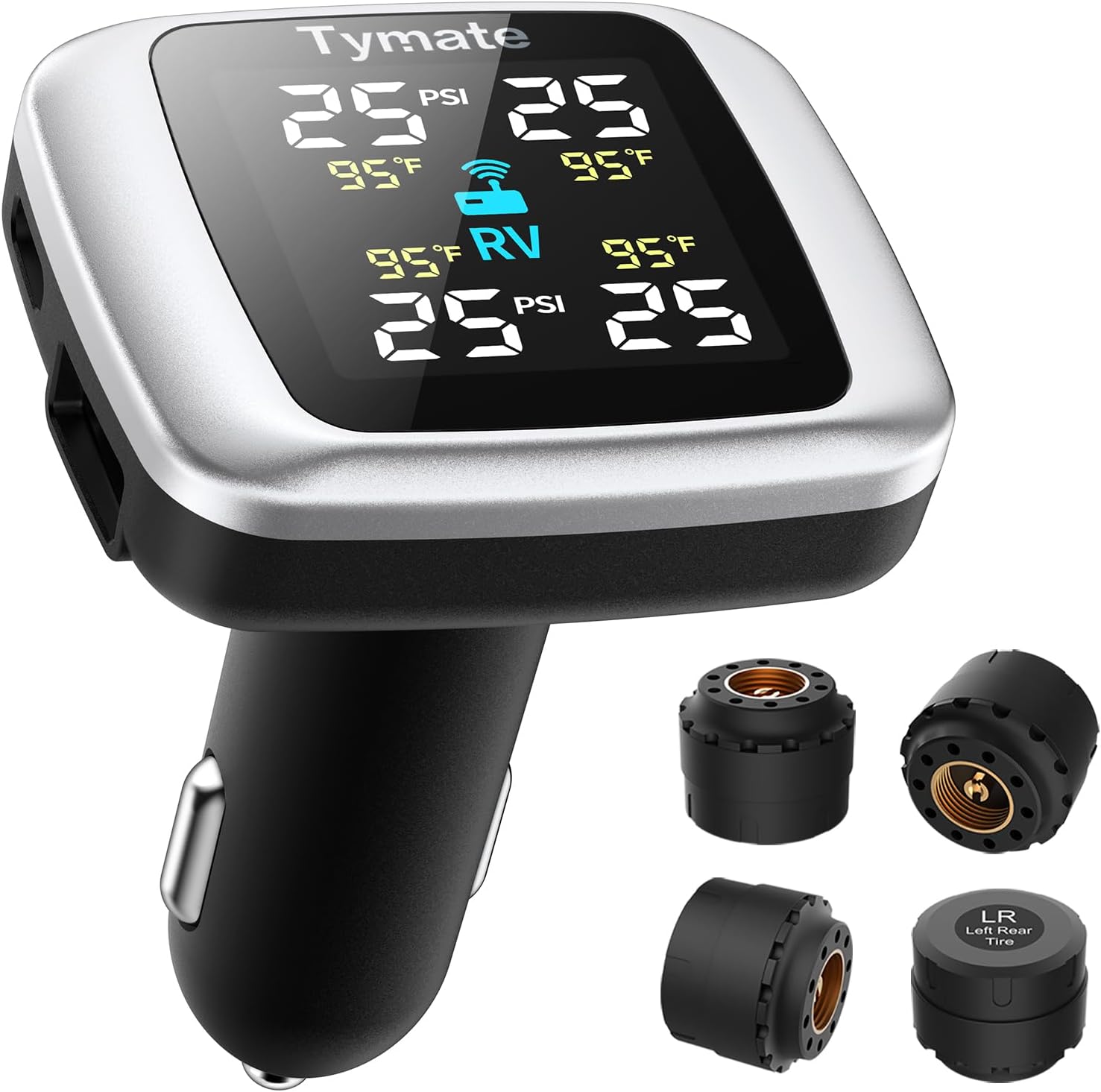
Tymate TM7 is a wireless tire pressure monitoring system that delivers real-time pressure and temperature readings for safer driving. It includes four external sensors, a bright color LCD display with adjustable backlight, and six alarm modes for high/low pressure, fast leakage, high temperature, and sensor signal or battery issues. The system covers a wide 0–144 PSI range and plugs into your vehicle’s cigarette lighter socket for quick DIY setup.
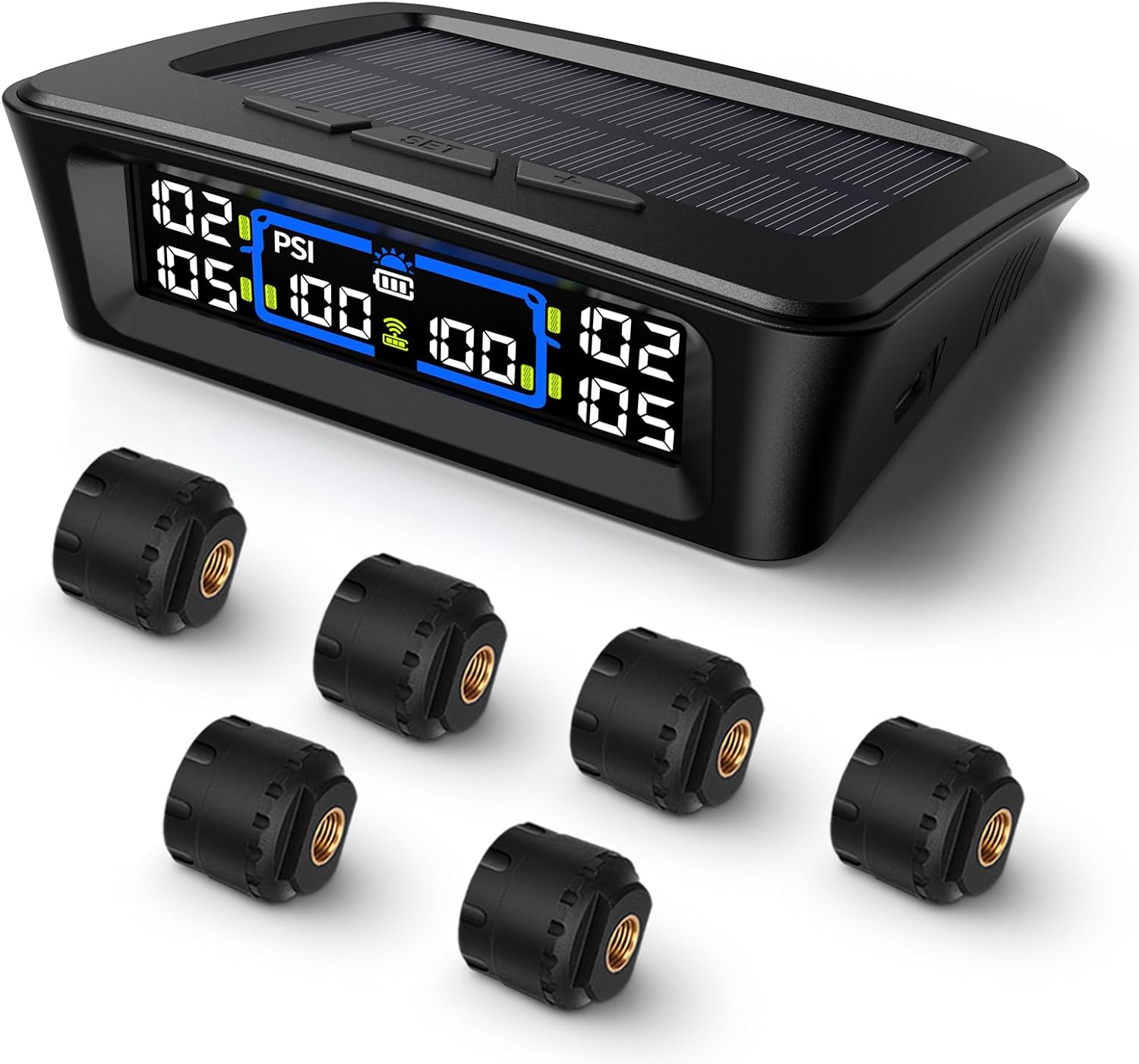
The Tymate TM12 RV TPMS delivers real-time tire pressure and temperature monitoring with a stable 433Hz display for safer long-distance driving. It supports simultaneous monitoring across vehicle and trailer zones, includes six alarm modes for pressure, temperature, leakage, battery, and signal loss, and features easy DIY installation with auto calibration. Power is supplied via USB-C charging or solar recharging, with a wide 0–144 PSI range and up to 50 ft signal coverage for RVs and towable trailers.
Simple Buyer Formula
A strong everyday tire choice for many Accord owners looks like this:
Correct Accord size + proper load index + proper speed rating + all-season or touring category + treadwear 400+ + traction A/AA + temperature A + clear mileage warranty.
How to Locate and Interpret UTQG Codes on Your Tires
To find the UTQG code, inspect the outer sidewall of the tire. Honda notes that DOT quality grades can be found, where applicable, on the sidewall between the tread shoulder and maximum section width. You may see the code near other tire sidewall markings, such as size, load index, speed symbol, DOT Tire Identification Number, and maximum pressure.
Locating UTQG Codes
- Park safely and turn the steering wheel if needed so the front tire sidewall is easier to read.
- Use a flashlight and look for the words “Treadwear,” “Traction,” and “Temperature.”
- Read the full line, such as “Treadwear 500 Traction A Temperature A.”
- Check both the tire and product page if the sidewall is dirty or hard to read.
Interpreting UTQG Ratings
Use the three ratings together. A tire with Treadwear 700 Traction B Temperature B may last a long time but may not be the best wet-weather choice. A tire with Treadwear 300 Traction AA Temperature A may grip well but wear faster. The best choice depends on your Accord, your climate, and how you drive.
Do All Honda Accord Tires Come With UTQG Ratings?
Most U.S. passenger replacement tires that fit a Honda Accord will show UTQG ratings where the rule applies. But not every tire type is required to display them. Federal UTQG rules exclude several categories, including winter-type snow tires, temporary-use spare tires, deep-tread tires, tires with nominal rim diameters of 12 inches or less, and limited-production tires.
That means a winter tire or temporary spare may not have the same UTQG marking as your regular all-season tires. This does not automatically make the tire unsafe; it means the tire falls outside the normal UTQG comparison system.
Also remember that ply rating, load index, and speed rating are separate from UTQG. UTQG helps compare wear, wet braking, and heat resistance. It does not tell you how much weight the tire can carry or whether it matches your Accord’s required speed symbol.
How Manufacturer Warranties Enhance Your Tire Choices

Manufacturer warranties can help you compare tire value, but they should not replace UTQG or independent testing. Many tire lines include limited mileage warranties, but the mileage and coverage rules vary by brand, tire line, original-equipment status, rotation history, alignment condition, and maintenance records.
When comparing Honda Accord tires, look at both the UTQG treadwear number and the warranty. A tire with a moderate treadwear rating but a strong mileage warranty may still be a better value than a high-treadwear tire with weak warranty terms. Long warranties can add confidence, but only if you follow the required maintenance schedule.
Note: Keep tire-rotation receipts, alignment records, and pressure-maintenance habits. Many mileage warranty claims depend on proof that the tires were maintained correctly.
Real-World Insights on UTQG Ratings and Driver Experiences
Real-world tire life can be better or worse than the UTQG number suggests. An Accord used for smooth highway commuting may get more life from a tire than an Accord driven on rough city streets with hard braking and poor alignment. Climate also matters: heat, cold, rain, and road texture can all change how a tire wears.
Real-World Tire Performance
Use UTQG as a starting point, then confirm the tire’s real behavior through professional reviews, owner feedback, and your own driving needs. Pay special attention to:
- Wet braking if you drive in frequent rain.
- Noise and comfort if your Accord is mostly a commuter car.
- Steering response if you prefer a sportier feel.
- Warranty and rotation requirements if long tread life is your priority.
- Snow and ice ratings if you drive in winter conditions.
Personal Driving Experiences
Many Accord owners will be happiest with a touring or grand-touring all-season tire that balances treadwear, wet traction, low noise, and ride comfort. Drivers who want sharper response may prefer performance all-season or summer tires, but those often trade some tread life for grip. If you drive in real winter weather, do not rely on UTQG traction grades to judge snow or ice performance; shop for dedicated winter tires or all-weather tires designed for that use.
Frequently Asked Questions
Can I mix tires with different UTQG ratings on my Accord?
Avoid mixing tire models, sizes, types, load indexes, or speed ratings unless a qualified tire professional confirms the setup is safe. The UTQG difference itself is not the main issue; mismatched tire size, type, tread pattern, or construction can affect handling, braking, wear, and TPMS behavior. For best results, use the same brand, model, size, and type on all four positions.
How often should I check my tire UTQG ratings?
UTQG ratings do not change as the tire wears, so you mainly check them when buying or comparing tires. For safety, check tire pressure monthly when the tires are cold, inspect tread depth and sidewalls regularly, and rotate the tires according to your maintenance schedule.
Do UTQG ratings vary by tire brand?
Yes. UTQG ratings are assigned under federal rules, but treadwear numbers are most useful when comparing similar tires, especially within the same brand or tire category. A high treadwear number from one brand does not automatically mean it will outlast every lower-rated tire from another brand in your driving conditions.
Are UTQG ratings the only factor in tire selection?
No. For a Honda Accord, UTQG comes after correct size, load index, speed rating, tire type, climate needs, price, warranty, and independent tire-test results. UTQG is useful, but it does not measure comfort, road noise, fuel economy, snow traction, hydroplaning resistance, or cornering grip.
What happens if my tires do not meet strong UTQG ratings?
A lower UTQG rating does not automatically mean the tire is unsafe, but it may signal shorter tread life, weaker wet straight-line braking, or lower heat resistance compared with higher-graded options. If your tire has a low traction or temperature grade, compare it carefully against safer alternatives that still fit your Accord correctly.
What is a good UTQG rating for Honda Accord tires?
For most daily-driven Accords, look for a treadwear rating around 400 or higher, traction A or AA, and temperature A. Performance-focused drivers may choose lower treadwear for better grip, while high-mileage commuters may prefer touring tires with higher treadwear and a strong mileage warranty.
Do winter tires have UTQG ratings?
Many winter-type snow tires are exempt from UTQG requirements, so they may not show the same treadwear, traction, and temperature grades as regular passenger all-season tires. Judge winter tires by winter performance testing, snow/ice capability, fitment, and manufacturer specifications instead.
Is AA traction worth it for an Accord?
AA traction is worth considering if you drive often in rain or want the highest UTQG wet straight-line braking grade. An A-rated tire can still be a strong choice, especially if it performs well in independent wet-braking tests and has better comfort, noise, treadwear, or warranty for your needs.
Conclusion
Choosing tires for your Honda Accord is easier when you treat UTQG as a comparison tool, not a complete buying guide. A strong everyday target is treadwear 400 or higher, traction A or AA, and temperature A, but those ratings only matter after you confirm the correct tire size, load index, speed rating, tire type, and cold pressure. Check the door-jamb label, compare the full tire specs, read warranty terms, and keep up with inflation, rotations, and alignment so your tires perform as well as possible in real driving.
Sources
- NHTSA TireWise: Tire Safety Ratings and Awareness — supports UTQG overview, treadwear, traction, temperature, and tire-maintenance guidance.
- 49 CFR § 575.104 Uniform Tire Quality Grading Standards — supports legal UTQG scope, exemptions, grade format, traction thresholds, and temperature test language.
- NHTSA Consumer Guide to Uniform Tire Quality Grading — supports plain-language explanations and warnings for treadwear, traction, and temperature grades.
- Honda Accord Tire and Loading Information Label — supports checking the driver-door label for original tire size and proper cold pressure.
- Honda Accord DOT Tire Quality Grading — supports Honda-specific UTQG sidewall location and DOT quality-grade explanations.
- Michelin Warranty Information — supports the point that mileage warranties vary by tire line and warranty terms.