
Traction Grades Explained: AA, A, B & C Tire Guide
What’s in This Article
- Who This Guide Is For: Explainer and Buying Help
- Tire Traction Ratings: What AA, A, B, and C Mean
- How NHTSA Tests Traction Grades
- What Traction Grades Do Not Measure
- Limits of Traction Grades in Real Driving
- Traction Grades and Wet-Road Braking
- Which Traction Grade to Choose: Use-Case Guide
- Where to Find Traction Markings on Your Tires
- Keep Traction: Pressure, Tread Depth, and Rotation
- Shopping: Balance Traction With Treadwear and Temperature
- Quick Checklist for Vancouver-Style Wet Conditions
- Frequently Asked Questions
Wet roads leave less room for error, and tire choice can change how much grip you have when you brake. Uniform Tire Quality Grading (UTQG) traction grades, AA, A, B, and C, compare a tire’s wet braking traction under controlled test conditions. This guide explains what the grades mean, what they don’t measure, and how you can use them when you shop for tires.
Quick Answer
UTQG traction grades rank a tire’s straight-line wet braking traction from AA to C. AA gives the highest grade, followed by A, B, and C. Use AA or A if you often drive in rain, but don’t treat the grade as a snow, ice, cornering, or hydroplaning rating.
Key Takeaways
- Choose AA for the highest UTQG wet traction grade.
- Choose A for strong wet braking performance in daily driving.
- Use B only when wet-road risk stays low and your budget limits options.
- Avoid relying on UTQG traction grades for snow, ice, dry handling, or tread life.
- Keep pressure, tread depth, rotation, and alignment in good shape to preserve grip.
Who This Guide Is For: Explainer and Buying Help
This guide helps drivers, fleet managers, and tire shoppers understand UTQG traction ratings and compare tires with less guesswork. You’ll learn how AA, A, B, and C grades relate to wet-road braking traction, how the test works, and where to find sidewall markings.
You can use this information to match tires to your vehicle, routes, and local weather. Check the sidewall for UTQG markings, compare tires in the same category, and maintain your tires so they keep as much grip as possible.

Upgrade your wheelbarrow, garden wagon, hand truck, or trolley with solid flat-free 13 inch replacement tires designed to avoid punctures and eliminate inflation time. Built...
Tire Traction Ratings: What AA, A, B, and C Mean
You should read AA, A, B, and C as wet braking traction grades. A higher grade means the tire produced stronger straight-line wet traction in the UTQG test.
These grades help you compare tires, but they don’t describe every safety factor. Tread pattern, rubber compound, tire age, tread depth, pressure, load, and road surface all affect real-world stopping distance.
Wet Braking Performance
Wet pavement lowers tire-road friction, so the traction grade gives you a quick way to compare wet braking grip. AA marks the highest grade, A marks strong performance, B marks moderate performance, and C marks the lowest grade allowed under the system.
Prioritize AA or A if you often drive in rain or on slick pavement. Consider B only for mild, mostly dry driving. Avoid C when you need a larger safety margin in wet weather.
Grip Test Methods
The UTQG traction test uses a skid trailer on wet asphalt and wet concrete. Testers measure the tire’s locked-wheel coefficient of friction under controlled conditions, then assign a grade from AA to C.
The test controls speed, water, load, and surface type so buyers can compare tires more fairly. You still need correct pressure and safe tread depth to keep that rated traction useful on the road.
How NHTSA Tests Traction Grades
The National Highway Traffic Safety Administration (NHTSA) defines UTQG traction grades in federal tire labeling rules. The test measures a tire’s wet traction on specified asphalt and concrete surfaces at 40 mph.
According to the federal UTQG rule, AA-rated tires must exceed the highest wet-friction thresholds. A, B, and C grades follow lower threshold ranges. This makes the grade useful for comparison, not for predicting your exact stopping distance.
Note: UTQG traction grades apply to straight-line wet braking traction, not dry grip, cornering grip, snow traction, or ride comfort.
What Traction Grades Do Not Measure
UTQG traction grades don’t measure every type of grip. They don’t rate snow traction, ice traction, hydroplaning resistance, dry handling, cornering force, noise, comfort, or tread life.
They also don’t replace the other UTQG ratings. Treadwear estimates relative wear life, while temperature grades rate heat resistance under test conditions. Compare all three ratings before you buy.
Limits of Traction Grades in Real Driving
UTQG traction grades come from controlled wet tests, so they won’t match every road you drive on. Your vehicle’s weight, load, speed, and braking inputs can change stopping distance even with AA-rated tires.
Temperature, tread wear, tire age, and uneven pavement can also reduce grip. Treat the grade as a comparison tool, not a promise of a fixed stopping distance.
Controlled Test vs. Reality
Traction grades use set speeds, surfaces, and test conditions. Real roads add puddles, oil, gravel, worn pavement, uneven shoulders, and sudden turns.
Use the grade as one part of your tire choice. You should also check tire size, load rating, speed rating, tread design, and the tire maker’s intended use.
Vehicle and Load Variability
Your vehicle changes how tire grip feels. Extra passengers, cargo, and towing can shift weight and increase braking demand.
Weight transfer during braking also changes the load on each tire. Heavier vehicles or uneven loads may need higher-quality wet traction to keep a useful safety margin.
Environmental and Road Factors
Rain, standing water, snow, ice, and road texture can all reduce effective grip. Asphalt and concrete also behave differently when wet.
Tire pressure, tread depth, alignment, and wear often matter as much as the printed grade. Slow down in heavy rain, increase following distance, and use smooth steering and braking inputs.
Warning: A high UTQG traction grade does not make a tire safe for winter roads unless the tire also carries the proper winter or all-weather markings.
Traction Grades and Wet-Road Braking
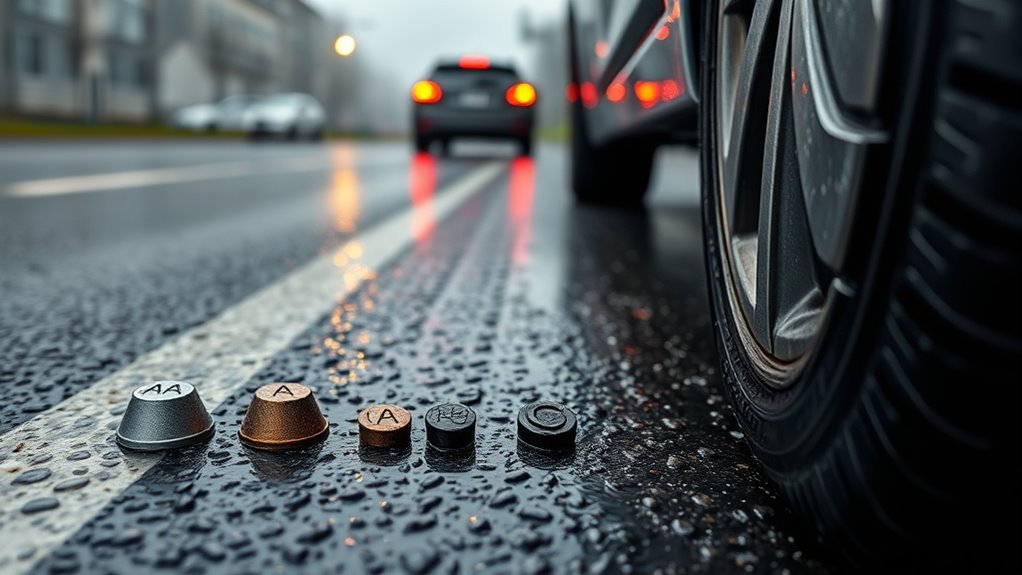
Because wet braking can vary by tire, you should give traction grades real weight when you drive in rain. AA-rated tires produced the strongest wet-friction results in the UTQG test, followed by A, B, and C.
Higher grades can support shorter wet stops when other factors stay equal. Your actual result still depends on tread depth, pressure, vehicle load, brakes, road surface, and speed.
| Traction Grade | Wet Braking Traction | Best Use |
|---|---|---|
| AA | Highest | Frequent rain and higher safety margins |
| A | Strong | Daily driving with wet-road exposure |
| B | Moderate | Mostly dry routes and lower speeds |
| C | Lowest UTQG grade | Limited wet-weather use |
Which Traction Grade to Choose: Use-Case Guide
Choose a traction grade based on your normal roads, weather, and driving style. A-grade tires often balance wet braking, cost, and daily comfort. AA-rated tires make sense when you want the highest wet traction grade.
Daily Commuting Needs
For daily commuting in wet climates, choose the highest traction grade that fits your budget and vehicle. AA gives you the highest UTQG wet traction grade, while A works well for many city and highway routes.
B-rated tires may suit mostly dry areas with light rain. C-rated tires leave less room for error when roads often stay wet.
Performance Driving Demands
Performance driving places more demand on tires, especially during hard braking and fast cornering. Choose AA-rated tires when wet braking grip matters most.
A-rated tires can work for spirited street driving if you accept some tradeoff in peak wet traction. Avoid B and C grades for aggressive driving in wet conditions.
- Choose AA for the highest UTQG wet traction grade.
- Use A for mixed daily and spirited street driving.
- Avoid B and C for aggressive wet-road driving.
- Prioritize compound, tread design, and tire category over looks.
- Match your choice to your vehicle and driving intensity.
Winter and Wet Conditions
Wet roads and winter roads need different tire traits. UTQG traction grades help you compare wet braking, but they don’t prove a tire can grip snow or ice.
For rain, choose AA or A when possible. For snow, look for a tire with the three-peak mountain snowflake symbol or the winter rating your climate requires.
| Grade | Rain Suitability | Winter Note |
|---|---|---|
| AA | Best UTQG wet traction | Check winter marking separately |
| A | Strong wet traction | Check winter marking separately |
| B | Moderate wet traction | Not a winter rating |
| C | Lowest UTQG grade | Not a winter rating |
Where to Find Traction Markings on Your Tires
Most tires show the UTQG traction grade on the outer sidewall near treadwear and temperature markings. Look for a line that includes treadwear, traction, and temperature, such as “Treadwear 500 Traction A Temperature A.”
If the marking has worn down or you can’t find it, check the tire maker’s specification page for the exact model. Some tire types, including certain winter tires and light-truck tires, may not follow the same UTQG labeling rules.
- Outer sidewall: Look for the UTQG traction letter.
- Near treadwear and temperature codes: Check the grouped markings.
- Stamped model name: Use it to confirm the tire specs.
- Worn sidewall: Search the manufacturer’s tire page.
- Maintenance log: Record the grade during tire checks.
Use these steps to confirm wet-condition capability before you compare tire options.
Keep Traction: Pressure, Tread Depth, and Rotation
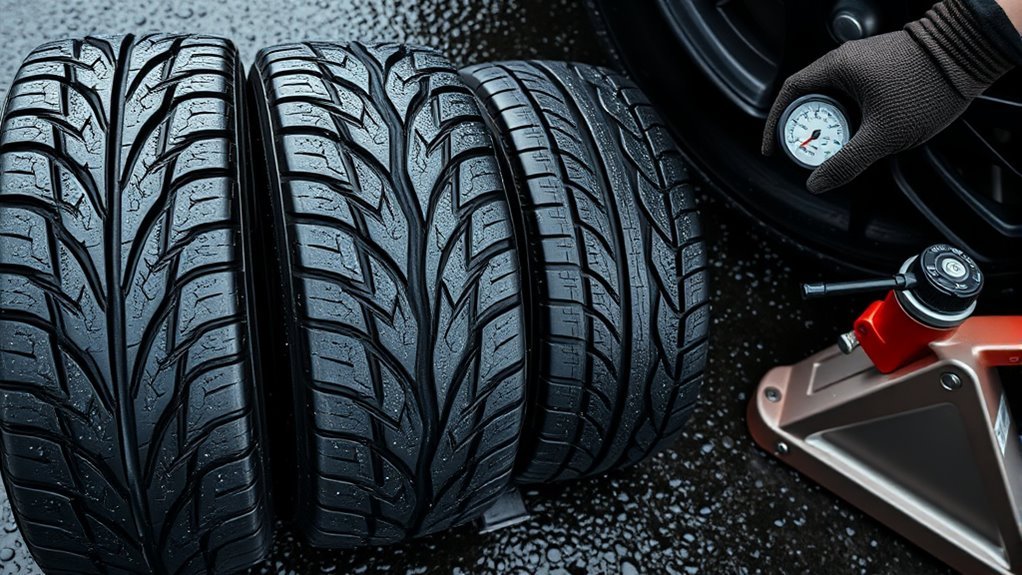
After you verify a tire’s UTQG traction grade, protect that grip with routine care. Check tire pressure at least monthly and before long trips, using the pressure on your vehicle placard.
Measure tread depth often. Replace tires when they reach 2/32 inch, and consider earlier replacement if you drive often in heavy rain. Rotate tires on the schedule in your owner’s manual to even out wear.
Check alignment when you see uneven wear or feel pulling, vibration, or poor tracking. Clean out embedded stones and inspect for cuts, bubbles, or sidewall damage.
Shopping: Balance Traction With Treadwear and Temperature
Because tires must handle wet grip, wear, and heat, compare all UTQG ratings before you buy. Traction grades show wet braking traction. Treadwear grades compare expected wear under test conditions. Temperature grades show heat resistance.
Pick AA or A if wet braking matters most. Also compare the tire’s category, warranty, load index, speed rating, noise, comfort, and reviews from drivers with similar vehicles.
- Prioritize AA or A for frequent wet driving.
- Balance high traction with a treadwear grade that fits your mileage needs.
- Check the temperature grade for sustained highway driving.
- Plan pressure checks and rotation before uneven wear starts.
- Match the tire to local weather and driving style.
Quick Checklist for Vancouver-Style Wet Conditions
Use this checklist if you drive where rain stays common for much of the year. Choose AA-rated tires when possible, or A-rated tires when you want a strong daily-driving balance.
- Check tread depth monthly so grooves can move water away from the contact patch.
- Maintain the pressure listed on the vehicle placard.
- Rotate tires according to your owner’s manual or tire shop schedule.
- Inspect for cuts, embedded debris, bubbles, and uneven wear.
- Slow down in heavy rain and increase following distance.
- Use winter-rated tires when snow or ice becomes part of your normal driving.
Frequently Asked Questions
Is Traction A or AA Better?
AA is better for UTQG wet traction. It marks the highest grade in the system, while A still indicates strong wet braking traction for many daily drivers.
What Does AA Mean on Tires?
AA means the tire earned the highest UTQG traction grade in the wet traction test. It does not mean the tire has the best snow grip, longest tread life, or strongest cornering grip.
What Do A and B Mean on Tires?
A means the tire earned a strong wet traction grade. B means the tire met a lower wet traction range, so you should expect less wet braking grip than an A-rated tire when other factors stay similar.
Which Traction Grade Signifies the Best Traction: A, AA, C, or AAA?
AA signifies the best UTQG traction grade. AAA is not a UTQG traction grade for passenger tires.
Do UTQG Traction Grades Apply to Snow or Ice?
No. UTQG traction grades compare wet braking traction on specified test surfaces. For snow or ice, look for winter tire markings and choose a tire built for your climate.
Use Traction Grades With the Rest of Your Tire Check
You should choose AA or A if you often drive on wet roads and want a stronger safety margin. Use the grade as a measured comparison, then check treadwear, temperature rating, tire type, size, load rating, and winter markings when needed.
Your next step is simple: read the sidewall before you buy, then keep pressure, tread depth, and rotation on schedule. Good tire care helps turn a strong lab rating into safer, more predictable wet-road control.
References
- Tires — National Highway Traffic Safety Administration
- 49 CFR § 575.104, Uniform Tire Quality Grading Standards — Electronic Code of Federal Regulations
- Tire Safety — National Highway Traffic Safety Administration

Related Articles
What Does THE P Stand For on a Tire? Full Meaning Explained
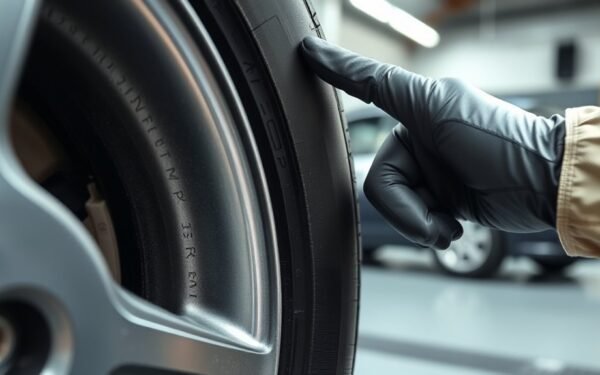
I’ll explain what the “P” on a tire really means and why it could change how you choose your next set.
Read More
How to Use a Tubeless Tire Repair Kit: Complete Field Guide
Learn how to fix tubeless tire punctures fast with the right kit, because one small mistake can leave you stranded on the trail.
Read More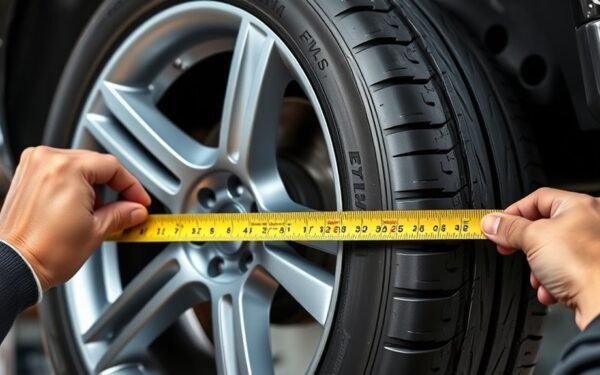
How to Tell a Tire’s Diameter: Easy Guide to Reading Tire Size
Want to decode tire sidewall numbers and find the right diameter, but wonder what those hidden digits really mean?
Read More