UTQG ratings help you compare tires for your Toyota RAV4 by looking at three things: expected treadwear, wet straight-line braking traction, and heat resistance. They are useful, but they are not a complete tire-buying score. The best tire choice still depends on your RAV4’s correct tire size, load rating, speed rating, weather, road conditions, driving style, and the tire information placard on the driver’s door jamb.
Quick Answer
UTQG ratings help you choose RAV4 tires by comparing treadwear, wet braking traction, and temperature resistance. Use them to narrow your options, but do not treat them as mileage guarantees or full safety ratings. Always match Toyota’s recommended tire size, load rating, speed rating, and tire pressure first.
Key Takeaways
- A higher treadwear number means longer wear in the UTQG test, not a guaranteed number of miles.
- Traction grades run from AA to C and measure wet straight-line braking, not snow grip, cornering, or hydroplaning resistance.
- Temperature grades run from A to C and show heat resistance when the tire is properly inflated and not overloaded.
- For a RAV4, UTQG should be used after you confirm tire size, load index, speed rating, and tire pressure from your owner’s manual or door placard.
At a Glance
| Time Required | 10–15 minutes to compare tire labels and specs |
| Difficulty | Easy |
| Tools Needed | RAV4 owner’s manual, driver-door tire placard, tire sidewall or retailer specs |
| Cost | Free to compare; tire prices vary by brand, size, and performance category |
Why Understanding UTQG Ratings Is Crucial for Your RAV4
When you shop for Toyota RAV4 tires, UTQG ratings give you a quick way to compare tire performance in three areas: treadwear, traction, and temperature resistance. The system is called Uniform Tire Quality Grading, and the ratings are shown on the sidewall of many passenger tires sold in the United States.
These ratings are helpful because the RAV4 is often used in mixed driving: daily commuting, highway trips, rainy roads, school runs, light gravel, and weekend travel. A tire that wears well but has weak wet braking may not be ideal if you drive in heavy rain. A tire with excellent traction but a low treadwear grade may feel great but wear faster than expected.
Note: UTQG is a comparison tool, not a full tire recommendation. Before comparing ratings, confirm the correct tire size, load index, speed rating, and inflation pressure from your RAV4 owner’s manual or the Tire and Loading Information Label on the driver’s side door area.
Breaking Down the UTQG Ratings: Treadwear, Traction, and Temperature
A typical UTQG marking looks like this:
Treadwear 500 Traction A Temperature A
Each part tells you something different:
| UTQG Part | What It Means | How to Use It for a RAV4 |
|---|---|---|
| Treadwear | A comparative wear rating based on controlled testing. | Use it to compare likely tire life, especially between tires from the same brand. |
| Traction | Wet straight-line braking grade: AA, A, B, or C. | Prioritize A or AA if you drive often in rain or on wet pavement. |
| Temperature | Heat resistance grade: A, B, or C. | Look for A or B for highway driving, hot climates, and loaded trips. |
Under federal rules, UTQG is designed to help consumers make informed choices by comparing treadwear, traction, and temperature resistance. It does not replace the Federal Motor Vehicle Safety Standards that passenger tires must meet, and it does not measure every real-world performance factor.
The Impact of Treadwear Ratings on Your Driving Experience
The treadwear grade is the number in a UTQG rating. A tire marked 500 is expected to wear five times as well as a control tire graded 100 in the government-specified test. That sounds simple, but there is an important catch: the number is comparative, not a mileage promise.
For example, a tire with a 600 treadwear grade should generally last longer than a tire with a 300 grade under similar testing conditions. But that does not mean the 600-rated tire will automatically last twice as many miles on your RAV4. Real tire life depends on:
- Driving style, including hard braking, fast cornering, and quick acceleration
- Road surface, potholes, gravel, heat, and climate
- Wheel alignment and tire balance
- Rotation schedule
- Proper inflation pressure
- Vehicle load and towing or cargo habits
Pro Tip: Use treadwear ratings mainly to compare tires in the same category and, when possible, from the same manufacturer. Brand-to-brand comparisons can be less precise because manufacturers perform or arrange the UTQG tests and report the grades.
Understanding Traction Ratings: How They Impact Safety in Wet Conditions
Traction ratings are especially important if you drive your RAV4 in rainy weather. The grades run from highest to lowest: AA, A, B, and C. They measure a tire’s ability to stop on wet pavement under controlled straight-line braking tests on asphalt and concrete.
According to NHTSA tire safety information, a higher traction grade should allow shorter wet-road stopping distances than a lower grade. NHTSA also notes that many current tire lines are rated A, while a smaller share are rated AA. For a RAV4, choosing A or AA traction is a smart baseline if wet roads are common where you live.
Warning: UTQG traction does not measure cornering traction, snow grip, ice braking, hydroplaning resistance, or off-road grip. If you drive in snow, look for winter tires or all-weather tires with the Three-Peak Mountain Snowflake symbol where appropriate.
[Products Worth Considering]

The Airmoto portable tire inflator quickly and accurately fills car, truck, SUV, motorcycle, and bicycle tires up to 120 PSI with auto shut-off when your target pressure is reached. Its large LCD, multi-unit pressure display, and digital gauge make it easy to dial in settings and verify readings, while the built-in LED flashlight helps in low light. The included polyurethane hard carrying case and storage mesh pocket keep the inflator and accessories protected and organized.

These universal tire valve stem caps help protect valve cores from dust, debris, and moisture while helping maintain stable tire pressure. The corrosion-resistant metal construction and sealed design provide reliable protection in road grime, mud, and winter conditions. Twist-on installation makes them quick to fit on cars, SUVs, trucks, and motorcycles.
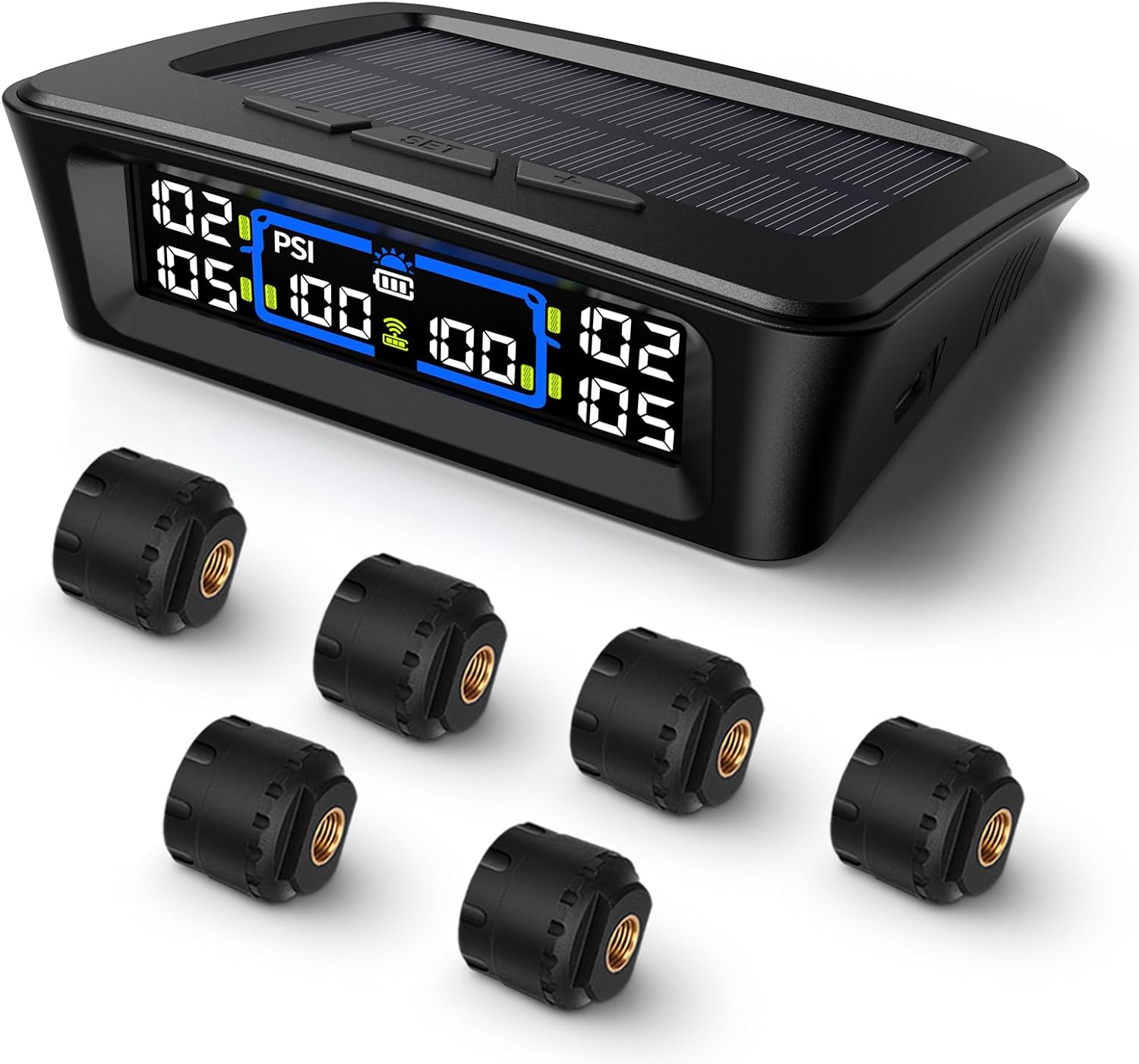
The Tymate TM12 RV TPMS delivers real-time tire pressure and temperature monitoring with a stable 433Hz display for safer long-distance driving. It supports simultaneous monitoring across vehicle and trailer zones, includes six alarm modes for pressure, temperature, leakage, battery, and signal loss, and features easy DIY installation with auto calibration. Power is supplied via USB-C charging or solar recharging, with a wide 0–144 PSI range and up to 50 ft signal coverage for RVs and towable trailers.
UTQG Temperature Ratings: Ensuring Tire Durability
The temperature grade shows how well a tire resists and dissipates heat under controlled laboratory testing. The grades are A, B, and C, with A being the highest.
This matters because heat is one of the main enemies of tire durability. Long highway drives, hot pavement, low tire pressure, excessive speed, and heavy loads can all increase heat buildup. A tire with better temperature resistance is better equipped to handle those stresses, but only when it is used correctly.
The federal UTQG regulation explains that the temperature grade is established for a tire that is properly inflated and not overloaded. That point is crucial for RAV4 owners who carry passengers, luggage, roof cargo, bikes, or camping gear.
How to Read and Interpret UTQG Ratings on Tires
You can usually find UTQG information on the tire sidewall between the tread shoulder and maximum section width. It may appear near other markings such as tire size, load index, speed rating, DOT code, and maximum pressure.
Understanding Treadwear Grades
Use treadwear as a relative guide. A higher number generally means longer expected wear in the UTQG test. For many RAV4 shoppers, a treadwear grade around 500 or higher can be attractive for commuting and long-distance driving, but it should not be the only factor.
A tire with a lower treadwear number may still be the better choice if it offers stronger wet traction, lower road noise, better ride comfort, or improved all-weather performance. That tradeoff is common in tire design.
Interpreting Traction Ratings
For most RAV4 drivers, traction grades are simple to prioritize: choose A or AA when possible. A B-rated tire may still be legal and usable, but it may not stop as quickly on wet pavement as a higher-rated option. A C rating is the minimum UTQG traction grade and should be approached carefully, especially if your area sees frequent rain.
Reading Temperature Grades
A temperature grade of A gives the strongest heat-resistance rating. A B grade can still be acceptable for many normal driving situations. A C grade meets the minimum requirement for passenger tires, but it may not be the best fit for frequent highway travel, hot climates, or heavily loaded road trips.
What UTQG Does Not Tell You
UTQG is useful, but it leaves out several things that matter on a Toyota RAV4. Before buying tires, also check:
- Tire size: Match the size listed on your RAV4’s tire placard or owner’s manual.
- Load index: The tire must be rated to carry the vehicle safely.
- Speed rating: Match or exceed Toyota’s recommended rating unless a tire professional confirms a safe alternative.
- Seasonal performance: UTQG does not measure snow or ice grip.
- Ride comfort and noise: A tire can have strong UTQG grades and still be louder or firmer than you prefer.
- Fuel economy: Rolling resistance is not part of UTQG.
- Warranty: Mileage warranties, road hazard coverage, and tread-life guarantees are separate from UTQG.
Also remember that some tire types, including deep-tread winter-type snow tires and temporary spares, are excluded from UTQG requirements. That is why a dedicated winter tire may not show the same UTQG label as an all-season touring tire.
How to Choose Tires Based on UTQG Ratings
Use UTQG as one step in a complete tire-shopping process. For a Toyota RAV4, this order works well:
- Start with Toyota’s requirements. Check the owner’s manual or driver-door tire placard for size, pressure, and load information. Toyota’s digital owner resources also provide tire inflation guidance for current models.
- Choose the right tire category. Most RAV4 owners compare all-season, touring, highway, all-weather, or winter tires depending on climate and driving needs.
- Set a traction baseline. For wet climates, aim for A or AA traction.
- Compare treadwear carefully. Higher treadwear can mean longer wear, but balance it against wet grip, comfort, noise, and braking performance.
- Check temperature grade. Choose A or B for confidence on highway trips and in warm climates.
- Read real owner feedback. Look for RAV4-specific reviews when possible, especially comments about road noise, ride feel, winter use, and tread life.
- Confirm warranty and return policy. A mileage warranty may give a clearer expectation of tire life than UTQG alone.
[Products Worth Considering]

Keep your tires properly inflated with this analog VONDIOR tire pressure gauge, designed for fast, easy readings without batteries. The swiveling, two-axis hose and large glow dial help you measure at any tire angle with instant visibility. Built with a protective rubber shield, it supports durable, low-maintenance use for cars and trucks.

Monitor tire tread wear with a smart, color-coded depth gauge that shows clear condition ranges at a glance. The bar is range marked for fast, easy readings, helping you maintain safer traction and performance. Each gauge is portable with a pocket clip, and the set includes 20 units for daily use and sharing.

These aluminum alloy tire valve stem caps with an O-ring seal help protect valve stems from corrosion while adding a clean, stylish look to your vehicle. The universal fit works across cars, trucks, motorcycles, bicycles, and more, making them an easy upgrade for everyday driving and off-road use. Installation is quick, and the included four-pack keeps all your tires dressed and protected.
Simple RAV4 UTQG Shopping Examples
| Driving Situation | UTQG Priority | Why It Matters |
|---|---|---|
| Daily commuting in mild weather | Higher treadwear, A traction, A or B temperature | Balances long life, safe wet braking, and normal highway durability. |
| Frequent rain | AA or A traction first | Wet stopping distance matters more than a slightly higher treadwear number. |
| Hot climate or long road trips | Temperature A plus correct tire pressure | Heat buildup can shorten tire life and raise failure risk. |
| Snowy winters | Do not rely on UTQG alone | Look for winter or all-weather snow ratings because UTQG does not grade snow or ice traction. |
Common Myths About UTQG Ratings Debunked
Myth 1: Higher Treadwear Always Means More Real-World Miles
A higher treadwear grade is a good sign, but it does not guarantee a specific mileage result. Your tire life can change dramatically based on alignment, inflation, tire rotation, climate, road surface, and driving style.
Myth 2: Higher Grades Automatically Mean the Safest Tire
Higher UTQG grades can be helpful, but safety is broader than UTQG. A tire must also match your RAV4’s size and load requirements, perform well in your climate, and be maintained correctly. A high treadwear tire with weak wet grip may not be the safest choice for rainy roads.
Myth 3: UTQG Measures All-Weather Performance
UTQG traction measures wet straight-line braking only. It does not grade snow, ice, slush, mud, off-road traction, or cornering grip. For winter driving, look beyond UTQG and consider tires designed for winter or all-weather use.
Myth 4: Temperature Grade Replaces Speed Rating
Temperature grade and speed rating are not the same thing. Temperature grade is about heat resistance in UTQG testing. Speed rating is a separate tire specification that indicates the maximum speed capability under specified conditions. Always choose a tire with the correct speed rating for your RAV4.
Tips for Maintaining Your RAV4 Tires for Optimal Performance
Even the best UTQG-rated tire will underperform if it is poorly maintained. To get the most from your RAV4 tires, focus on simple habits:
- Check tire pressure regularly. Use the pressure shown on the driver-door placard, not the maximum pressure printed on the tire sidewall.
- Rotate tires on schedule. Many drivers rotate every 5,000 to 7,500 miles, but follow your owner’s manual and tire warranty requirements.
- Inspect tread depth. Replace tires before they become unsafe. The legal minimum in many places is 2/32 inch, but wet performance can decline before that point.
- Watch for uneven wear. Cupping, edge wear, or one tire wearing faster than the others can point to alignment, balance, suspension, or inflation issues.
- Do not overload the vehicle. Extra cargo, roof loads, and passengers add stress and heat to tires.
- Recheck after impacts. Potholes, curbs, and road debris can damage tires or knock alignment out of spec.
Note: Proper inflation is one of the easiest ways to protect tire life, handling, braking, and fuel economy. NHTSA notes that poor tire maintenance, including underinflation and missed rotations, can lead to flats, blowouts, and tread separation.
[Products Worth Considering]

Accurately measure tire tread depth with a calibrated gauge marked from 0 to 1 inch in 1/32 inch increments. The color-coded bar helps you quickly identify tread condition ranges, supporting safe driving for trucks, motorcycles, automobiles, and passenger vehicles.

Upgrade your Toyota’s wheels with durable aluminum alloy valve stem caps that help protect valve cores from corrosion and direct exposure to road grime, clay, water, and snow. Rubber rings improve sealing to help prevent air leakage and maintain stable tire pressure for safer driving. These caps are easy to install or remove without tools and add a unique, stylish look to your car.

The SAFELIFE dial tire tread depth gauge measures tread depth in 1/32 inch increments with clear, easy-to-read 2-inch dial face. Color zones using a traffic light system help you quickly judge whether tread is low, marginal, or ample for safer driving. Built with a durable zinc cast body and a metal detect probe for precise, comfortable use across cars, motorcycles, trucks, and buses.
Frequently Asked Questions
What is a good UTQG treadwear rating for a Toyota RAV4?
For many RAV4 drivers, a treadwear rating around 500 or higher is a strong starting point for daily driving and long tire life. However, do not choose by treadwear alone. Wet traction, temperature grade, tire size, load index, speed rating, road noise, comfort, and seasonal performance matter too.
What does 480 AA mean on UTQG tires?
A tire marked with treadwear 480 and traction AA has a 480 comparative treadwear grade and the highest UTQG wet straight-line braking traction grade. You should still check the temperature grade, which is listed separately as A, B, or C.
How many miles is a 700 treadwear tire good for?
A 700 treadwear tire does not guarantee a fixed mileage number. It means the tire performed seven times as well as the UTQG control tire in the treadwear test. Real-world mileage depends on driving habits, inflation, rotation, alignment, climate, road surfaces, and vehicle load.
Should I buy the tire with the highest UTQG rating?
Not always. The highest treadwear rating may not give you the best wet braking, quietest ride, best winter grip, or most comfortable feel. Choose the tire that best matches your RAV4’s specs, your climate, your driving style, and your safety priorities.
Does UTQG tell me if a tire is good in snow?
No. UTQG does not rate snow or ice traction. If you drive your RAV4 in winter conditions, compare winter tires or all-weather tires and look for the Three-Peak Mountain Snowflake symbol when snow performance is important.
Where do I find the UTQG rating on a tire?
Look on the tire sidewall for wording such as “Treadwear 500 Traction A Temperature A.” If you are shopping online, the UTQG rating is usually listed in the tire specifications section.
Conclusion
UTQG ratings can make tire shopping for your Toyota RAV4 much easier. Treadwear helps you compare expected wear, traction helps you judge wet braking ability, and temperature grade shows heat resistance. The smartest choice is to use UTQG alongside Toyota’s required tire size, load rating, speed rating, pressure guidance, your climate, and your real driving needs. When those pieces line up, you get tires that are safer, longer-lasting, and better suited to the way you actually use your RAV4.
Sources
- NHTSA Tire Safety Ratings and Awareness — explains UTQG, tire sidewall ratings, wet traction grades, temperature grades, and tire maintenance safety.
- NHTSA Consumer Guide to Uniform Tire Quality Grading — defines treadwear, traction, and temperature ratings and explains key limitations.
- 49 CFR § 575.104 Uniform Tire Quality Grading Standards — official federal regulation for UTQG requirements and tire grade explanations.
- Toyota Owners Manual: Tire Inflation Pressure — supports using Toyota owner resources and the vehicle placard for tire inflation guidance.
- Tire Rack UTQG Standards Guide — provides practical tire-shopping context for interpreting UTQG ratings.