
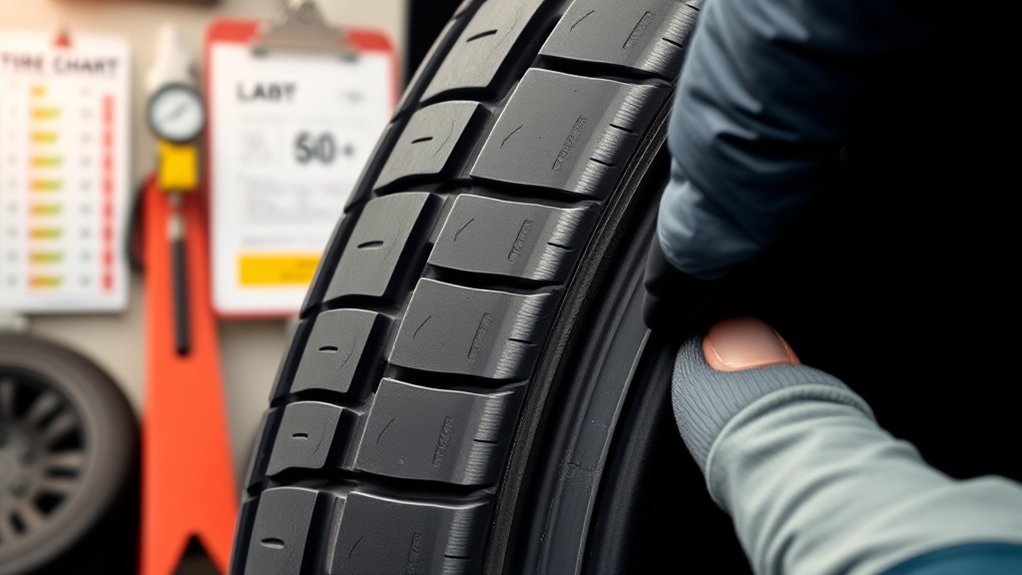
A temperature A tire rating means the tire earned the highest UTQG temperature grade for resisting heat buildup and dissipating heat during a controlled laboratory test. It is a useful safety clue, especially for highway driving, heavy loads, and hot weather, but it does not replace the tire’s speed rating, load index, proper inflation pressure, or your vehicle’s tire placard.
Quick Answer
A Temperature A tire has the highest UTQG heat-resistance grade. It passed a tougher controlled test than B or C tires, so it is better at handling heat buildup. Still, it is not a speed-rating permission, and it only applies when the tire is properly inflated and not overloaded.
Key Takeaways
- Temperature A is the highest UTQG temperature grade for passenger tires.
- The grade measures heat resistance in a controlled test, not a maximum tire temperature in degrees Fahrenheit.
- A is generally associated with better high-speed heat performance than B or C, but your tire’s separate speed rating still matters.
- Underinflation, overloading, and excessive speed can still overheat and damage an A-rated tire.
- You can find the grade on the sidewall near the UTQG code, usually written like Treadwear 500 Traction A Temperature A.
What Does Temperature A Mean on a Tire?
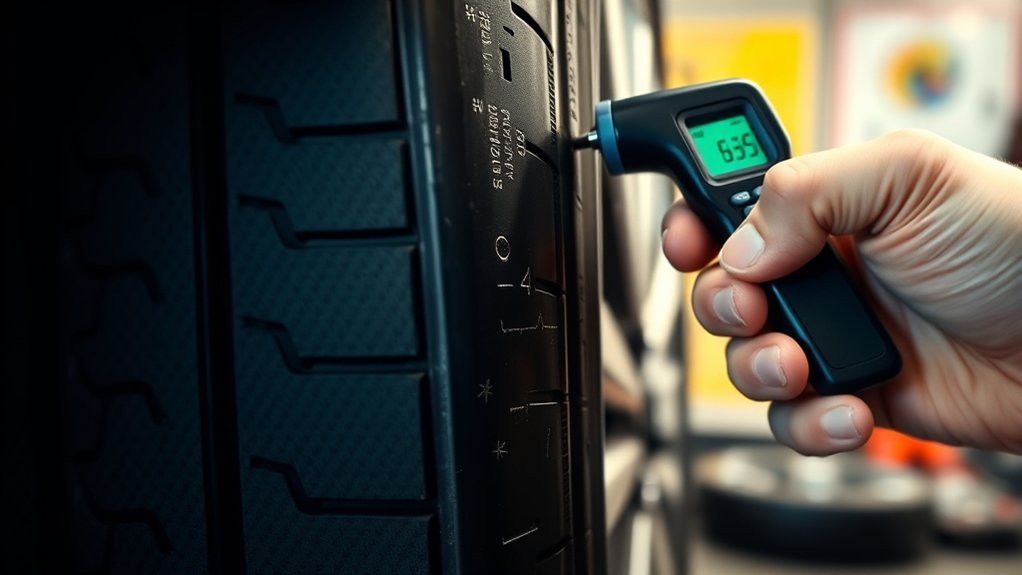
Temperature A means the tire received the highest temperature-resistance grade under the U.S. Uniform Tire Quality Grading standards. The grade shows how well the tire resists heat generation and dissipates heat when tested on a specified indoor laboratory wheel.
That matters because heat is one of a tire’s biggest enemies. Sustained high temperature can weaken tire materials, shorten tire life, and increase the chance of sudden failure. A Temperature A grade gives you more heat margin than B or C, especially when you drive long highway distances, carry cargo, or face hot road conditions.
Do not read Temperature A as a promise that the tire can be driven at any speed. You still need to check the tire’s speed symbol, load index, size, age, condition, and inflation pressure. A good tire choice also depends on the vehicle and the driving conditions. For example, an everyday all-season tire such as the Fullway HP108 may be marketed for stable road use, but you should still confirm the actual UTQG, load index, and speed rating printed on the tire you buy.
Warning: A Temperature A grade does not protect a tire from poor maintenance. Excessive speed, low pressure, and overloading can cause heat buildup and possible tire failure even on a high-grade tire.
How A, B, and C Tire Temperature Ratings Compare
UTQG temperature grades run from A to C, with A being the highest. The grade is not measured as a simple “safe up to this many degrees Fahrenheit” number. It is based on whether the tire can complete controlled laboratory test stages without visible failure or loss of required pressure.
Temperature Ratings at a Glance
| Temperature Grade | Common Test-Speed Explanation | Best Fit |
| A | Highest grade; commonly explained as heat performance above 115 mph in the UTQG test context. | Highway driving, hotter climates, heavier loads, and drivers who want the most heat margin. |
| B | Middle grade; commonly explained as 100 to 115 mph in the UTQG test context. | Normal daily driving when the tire also meets the correct size, load, and speed requirements. |
| C | Lowest listed grade; represents the minimum required level for many passenger tires. | Light-duty use only when the tire is otherwise correct for the vehicle and driving conditions. |
An A-rated tire gives you the strongest UTQG temperature grade. A B-rated tire may still be fine for many commuter vehicles if it matches the vehicle’s required size, load index, and speed rating. A C-rated tire meets the lowest listed temperature grade, so it is not the best match for hard highway use, hot climates, or frequent heavy loads.
Temperature grade is only one part of the tire picture. Traction, treadwear, tread pattern, compound, and tire type still affect safety. If you drive on rough trails or loose surfaces, for example, good traction and the right tire category can matter just as much as the temperature grade.
What Temperature A Does Not Mean
Temperature A is helpful, but it is often misunderstood. It does not mean the tire is immune to blowouts. It does not mean the tire can safely carry more weight than its load index allows. It does not mean you can ignore low pressure, road damage, tire age, or the vehicle manufacturer’s tire placard.
It also does not replace the tire’s speed rating. The UTQG temperature grade and the speed symbol are different markings. The temperature grade tells you about heat resistance in the UTQG system. The speed rating tells you the maximum sustained speed capability assigned to that specific tire under its own test standard.
Note: If the tire’s speed rating, load index, or size does not match your vehicle’s requirements, a Temperature A grade does not make it the right tire.
How Load and Speed Ratings Affect Temperature
Tire heat rises when the tire flexes more. Three common causes are too much load, too little air pressure, and too much speed. When these stack together, the tire’s internal materials work harder and heat builds faster.
Load Increases Heat
A tire carrying more weight flexes more as it rolls. More flex creates more internal friction, and that creates more heat. This is why your tire’s load index matters. The load index tells you how much weight the tire can carry when it is properly inflated.
If you haul cargo, carry passengers, or tow, do not judge the tire by Temperature A alone. Confirm the correct tire size and load rating on your vehicle’s tire placard or owner’s manual. Understanding tire load ratings is especially important before choosing replacement tires for SUVs, crossovers, vans, or towing setups.
Speed Raises Temperature
Higher speed means the tire flexes and recovers more times per minute. That repeated movement creates heat. A Temperature A grade shows stronger resistance to heat buildup in the UTQG system, but it does not override your tire’s speed rating or local speed laws.
Speed also affects efficiency and tire stress. Lower rolling resistance can help fuel economy, but it should never come before proper size, load capacity, speed rating, traction, and inflation pressure.
Why A-Rated Tires Handle Heat Better
A-rated tires usually use construction and compounds that manage heat better under the UTQG temperature test. That can include tread design, casing structure, belt materials, rubber formulation, and the tire’s ability to hold its shape under load.
[Products Worth Considering]

Milton S-921 pencil tire pressure gauge helps you maintain optimal tire pressure for passenger cars with accurate readings in PSI and kPa. It features a built-in deflator valve for convenient pressure adjustments, plus a single chuck head and nylon indicator bar for easy use on the go. Built from durable plated brass and designed for reliable performance, it’s a practical road trip and cold-weather maintenance tool.
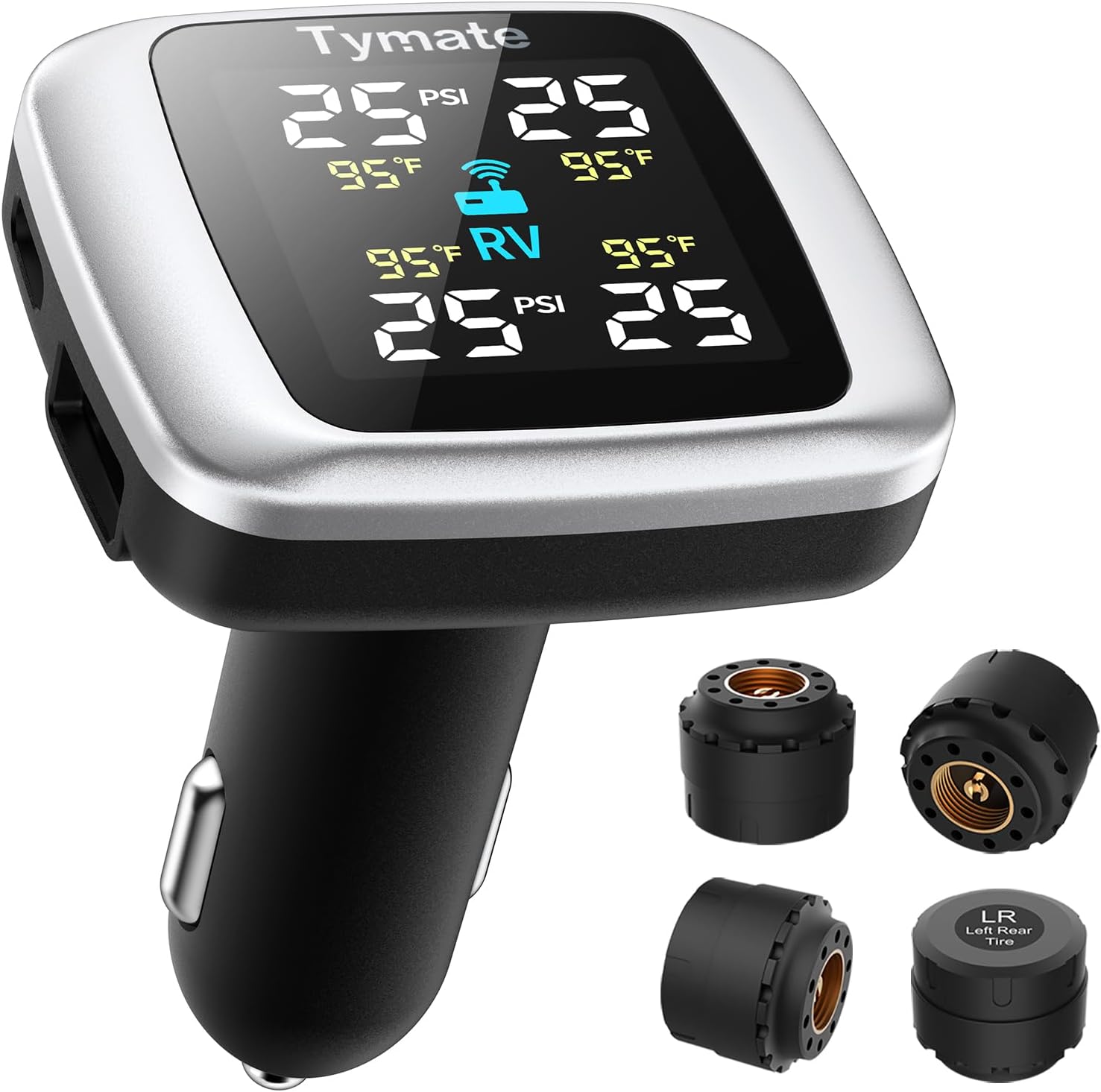
Tymate TM7 is a wireless tire pressure monitoring system that delivers real-time pressure and temperature readings for safer driving. It includes four external sensors, a bright color LCD display with adjustable backlight, and six alarm modes for high/low pressure, fast leakage, high temperature, and sensor signal or battery issues. The system covers a wide 0–144 PSI range and plugs into your vehicle’s cigarette lighter socket for quick DIY setup.

The Tymate TM12 RV TPMS delivers real-time tire pressure and temperature monitoring with a stable 433Hz display for safer long-distance driving. It supports simultaneous monitoring across vehicle and trailer zones, includes six alarm modes for pressure, temperature, leakage, battery, and signal loss, and features easy DIY installation with auto calibration. Power is supplied via USB-C charging or solar recharging, with a wide 0–144 PSI range and up to 50 ft signal coverage for RVs and towable trailers.
Higher Heat Resistance
Heat resistance matters because tire rubber and internal materials can weaken when they stay too hot for too long. A Temperature A grade means the tire passed the highest listed UTQG temperature stage. That gives you a stronger safety margin than a lower grade when all other tire requirements are also correct.
Temperature grade is one part of UTQG ratings, along with treadwear and traction. You should read all three together instead of choosing by one letter.
Lower Operating Risk
A Temperature A tire can reduce heat-related risk compared with a lower temperature grade, but only when used correctly. The practical goal is not to drive faster. The goal is to keep the tire working within its design limits on long drives, hot pavement, or loaded trips.
- Use the correct pressure: Check cold pressure at least monthly and before long trips.
- Respect the load limit: Do not exceed the tire load index or vehicle payload rating.
- Watch tire condition: Replace tires with bulges, cuts, exposed cords, sidewall cracking, or severe uneven wear.
When Tire Temperature Rating Matters Most
The temperature rating matters most when your tires are more likely to run hot. That includes long highway trips, hot weather, repeated high-speed driving, heavier cargo, and towing. In these situations, the extra heat margin of a Temperature A tire can be valuable.
It also matters if you often drive in areas where pavement temperatures get high. Hot pavement, high vehicle weight, and low pressure can combine quickly. That is why proper maintenance is still the main safety step. The National Highway Traffic Safety Administration recommends checking tire pressure when tires are cold and using the vehicle’s Tire and Loading Information Label or owner’s manual for the correct pressure.
NHTSA’s TireWise data reports that 62% of current tires are rated Temperature A, 34% are rated B, and 4% are rated C.
How to Find the Temperature Rating on the Sidewall
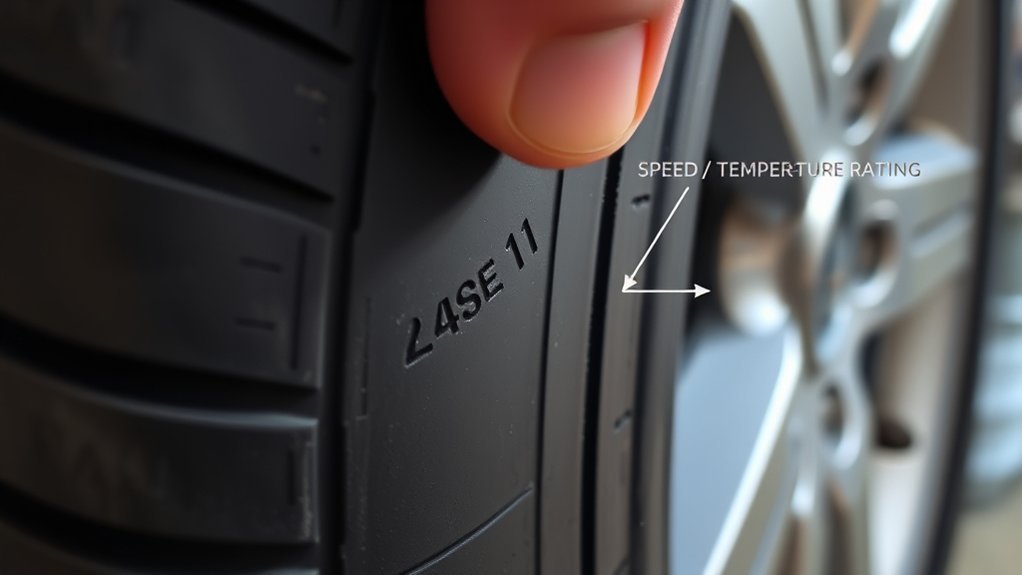
To check a tire’s temperature rating, look for the UTQG code molded into the sidewall. On many passenger tires, it appears near the outer shoulder area and uses a format like this:
Treadwear 500 Traction A Temperature A
- Find “UTQG” or the three-part rating line on the tire sidewall.
- Read the treadwear number, which compares expected wear under controlled testing.
- Read the traction grade, usually AA, A, B, or C.
- Read the temperature grade, which will be A, B, or C.
- Check the load index and speed symbol separately, usually in the tire size line, such as 225/60R18 100H.
Pro Tip: Take a clear photo of your tire sidewall before shopping. It helps you compare the UTQG grade, tire size, load index, speed rating, and DOT date code without guessing at the store or online.
Remember that not every tire type is required to show UTQG grades. The NHTSA Consumer Guide to Uniform Tire Quality Grading covers comparative grades for passenger car tires but excludes some categories, such as deep-tread winter-type snow tires, temporary spares, and tires with nominal rim diameters of 12 inches or less. Tire sellers also commonly note that many light-truck, winter, trailer, and temporary spare tires may not show UTQG grades.
Sidewall markings also affect tire performance in ways beyond temperature. Always compare the full tire code, not just one letter.
Is a Temperature A Tire Worth It?
Yes, a Temperature A tire is usually worth choosing when the price, size, load index, speed rating, and tire type also fit your vehicle. It gives you the strongest UTQG heat-resistance grade, which is useful for hot climates, highway driving, and heavier use.
That said, do not buy by temperature grade alone. A Temperature B tire from a reputable line may be a better fit than a Temperature A tire that has the wrong size, weaker wet traction, the wrong speed rating, or poor suitability for your climate. For many drivers, premium all-season tires with the right full specification will be safer than a random A-rated tire chosen only for one grade.
[Products Worth Considering]
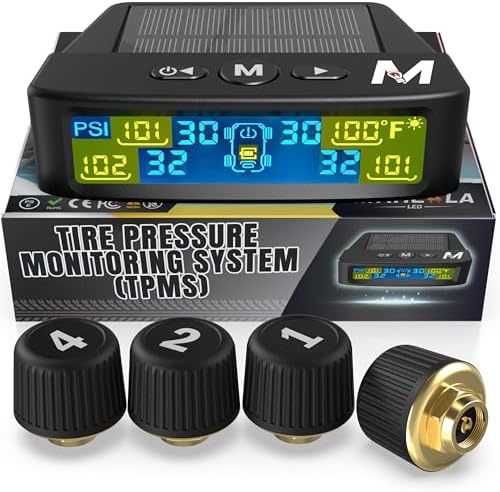
Marcala’s TPMS set of four sensors helps you monitor tire pressure and temperature in real time while driving, with updates every second. The bright color LCD uses auto-dimming for easy viewing, powered by dual solar and USB charging, and offers six alarm modes. Built for trailers, RVs, campers, trucks, and towing setups, the sensors support monitoring 1-4 wheels up to 98 PSI with IP67 waterproof protection.

Keep your tires properly inflated with this analog VONDIOR tire pressure gauge, designed for fast, easy readings without batteries. The swiveling, two-axis hose and large glow dial help you measure at any tire angle with instant visibility. Built with a protective rubber shield, it supports durable, low-maintenance use for cars and trucks.

The Big Rig Defense Tire Thumper is a truck tire pressure checker that lets you quickly check multiple tires by giving them a firm whack. Listen for a reassuring thump and feel the stick bounce when a tire is fully inflated, helping you get back on the road safely. It features a comfortable, glove-friendly handle and a secure wrist strap for confident use on busy routes.
What to Do If Your Tire Is Temperature B or C
If your tire is Temperature B, do not panic. Many B-rated tires are suitable for normal driving if they match your vehicle’s required size, load index, and speed rating. You should be more cautious if you often drive long distances at highway speeds, carry heavy loads, or live in a very hot climate.
If your tire is Temperature C, review the tire more carefully. A C grade is the lowest UTQG temperature grade, so it gives you less heat margin than A or B. If you tow, carry heavy loads, or drive long highway distances, consider upgrading to a tire with stronger temperature resistance and the correct full specification for your vehicle.
Temperature A vs. Traction Rating, Speed Rating, and Load Index
Several sidewall ratings can look similar, but they do different jobs:
- Temperature grade: A, B, or C under UTQG; it measures heat resistance and heat dissipation in a controlled test.
- Traction grade: AA, A, B, or C under UTQG; it measures straight-line wet braking traction under controlled conditions.
- Speed rating: A separate letter, such as T, H, V, or W; it relates to the tire’s maximum sustained speed capability.
- Load index: A number, such as 100 or 104; it shows how much weight the tire can carry when properly inflated.
- Treadwear grade: A number, such as 500; it compares treadwear under UTQG test conditions.
The safest choice is the tire that matches your vehicle’s required size, load rating, speed rating, driving conditions, and maintenance habits. Temperature A is a plus, not a shortcut.
[Products Worth Considering]

The TYAMATE TM8 solar-powered wireless TPMS delivers real-time tire pressure and temperature monitoring with six alarm modes for safer driving. A vibrant color LCD display shows readings clearly while windshield mounting keeps it hands-free and easy to read. With a wide 0–87 PSI range, strong 433.92 MHz signal transmission, and quick sensor pairing, it’s ideal for RV, sedan, SUV, MPV, and truck use.

Replace worn or malfunctioning GM TPMS sensors with this 433MHz pre-programmed sensor set designed for compatibility with many Chevrolet, Buick, GMC, and Cadillac models. It includes guidance for proper OBDII relearning/pairing after installation and supports reliable long-term operation with a high-performance CR2032 battery. Quality tested for durability and performance to help restore accurate tire pressure monitoring.

Replace your worn or missing TPMS sensors with pre-programmed, direct-fit sensors for compatible Ford, Lincoln, and select Mazda models. Each sensor comes ready to activate with a scan tool, helping restore accurate tire pressure monitoring and trouble-free installation. Built with a long-life CR2032 battery and tested before factory release, this set provides dependable performance with a one-year warranty.
Frequently Asked Questions
Is tire traction A or B better?
Traction A is better than traction B under the UTQG traction system. It means the tire achieved a higher wet straight-line braking grade on controlled asphalt and concrete test surfaces. However, the traction grade does not measure dry braking, cornering, hydroplaning resistance, snow grip, or ice grip.
Is tire temperature better, AA or A?
For temperature, A is the highest grade. AA is not a temperature grade; it belongs to the UTQG traction rating. So a tire can have traction AA and temperature A, but you will not see temperature AA under the UTQG system.
What is the difference between Grade A and Grade B tires?
For temperature, Grade A means the tire reached a higher heat-resistance level than Grade B in the UTQG test. That can be helpful for hot weather, long highway driving, and heavier use. Still, you should compare the tire’s size, load index, speed rating, traction grade, treadwear, and intended use before buying.
Do I need to add air to my tire when the temperature drops?
Often, yes. Cold weather can lower tire pressure, and low pressure increases heat buildup, wear, and failure risk. Check pressure when the tires are cold, meaning the vehicle has been parked for at least three hours. Use the pressure on the driver-side door placard or owner’s manual, not the maximum pressure printed on the tire sidewall.
Does TPMS mean I can skip tire pressure checks?
No. A tire pressure monitoring system warns you when pressure is significantly low, but it is not a replacement for regular tire maintenance. Check all tires, including the spare if your vehicle has one, at least once a month and before long trips.
Conclusion
A Temperature A tire gives you the highest UTQG heat-resistance grade, so it is a smart choice if you want extra heat margin for highway use, warmer climates, or heavier loads. The key is to use the rating correctly. Temperature A does not replace the tire’s speed rating, load index, size, pressure requirement, or overall condition. Check the UTQG code on the sidewall, follow the vehicle placard, and keep your tires properly inflated so the rating can actually help you.
Sources
- 49 CFR § 575.104 — Uniform tire quality grading standards — backs the official UTQG temperature definition, test framework, and safety warning.
- NHTSA TireWise — backs tire maintenance guidance, current tire-rating percentages, and tire-safety facts.
- NHTSA Consumer Guide to Uniform Tire Quality Grading — backs the updated 2024 UTQG consumer guide and tire-category exclusions.
- Tire Rack UTQG Standards Explainer — backs the consumer-friendly A/B/C temperature speed-range explanation and UTQG limitations.
