Tire load ratings tell you how much weight each tire can safely carry when it is the correct size, installed on the right vehicle, and inflated properly. Matching that rating to your vehicle matters because tires that are overloaded or under-rated can overheat, wear quickly, handle poorly, and fail suddenly. The safest replacement choice is the tire size, load index, speed rating, and cold inflation pressure listed on your vehicle placard or in the owner’s manual.
Quick Answer
A tire load rating is the maximum weight one tire can support when properly inflated. Find it as the load index near the tire size, such as the “91” in 205/55R17 91V, then match or exceed the rating listed on your vehicle placard or owner’s manual.
Key Takeaways
- The load index is a code that converts to a maximum weight capacity per tire.
- Always use tires that meet or exceed the size, load rating, and speed rating specified by the vehicle manufacturer.
- Higher load-rated tires do not increase your vehicle’s legal payload, GVWR, or towing capacity.
- Correct cold tire pressure is essential because a tire only carries its rated load when inflated properly.
- Overloading, underinflation, worn tread, and tire damage all raise the risk of heat buildup, poor handling, and tire failure.
At a Glance
| Time Required | 5–10 minutes |
| Difficulty | Easy |
| Tools Needed | Vehicle placard or owner’s manual, tire sidewall, load index chart, tire pressure gauge |
| Cost | Free, unless you need a pressure gauge or replacement tires |
What Is a Tire Load Rating and Where to Find It on the Sidewall

A tire load rating tells you the maximum weight one tire can support when it is used correctly and inflated to the proper pressure. On most passenger tires, this appears as a two- or three-digit load index next to the speed rating. For example, in 205/55R17 91V, the number 91 is the load index and the letter V is the speed rating.
According to NHTSA tire safety guidance, your vehicle’s tire information placard and certification label include important tire and load information, including recommended tire size, cold inflation pressure, vehicle capacity weight, and gross axle weight ratings. These labels are commonly found on the driver-side door edge, door post, glove-box door, or trunk lid.
You may also see a separate “maximum load” statement on the tire sidewall. That marking lists the maximum load the tire can carry at a specified pressure. Do not use the tire’s sidewall maximum pressure as your everyday inflation setting unless your vehicle manufacturer or tire professional tells you to. For normal use, follow the vehicle placard’s recommended cold inflation pressure.
Warning: Never choose a replacement tire with a lower load index than the vehicle manufacturer requires. A lower-rated tire may run hotter, flex more, reduce stability, and fail under loads the vehicle was designed to carry.
Reading Load Index: How to Convert the Number to Pounds
The load index is not the weight itself. It is a standardized code that corresponds to a specific load capacity. A higher number means a higher carrying capacity, but you still need a chart to convert the code into pounds or kilograms.
For example, a load index of 91 equals 1,356 pounds per tire, and a load index of 100 equals 1,764 pounds per tire, based on standard load index tables such as the one published by Tire Rack.
| Load Index | Approx. Capacity Per Tire |
|---|---|
| 88 | 1,235 lb |
| 89 | 1,279 lb |
| 90 | 1,323 lb |
| 91 | 1,356 lb |
| 95 | 1,521 lb |
| 100 | 1,764 lb |
Load Index Meaning
The load index shows how much weight each tire can carry, not how much weight the whole vehicle can legally carry. You should not simply multiply one tire’s capacity by four and assume the vehicle can carry that amount. Vehicle weight is not always distributed evenly, and the front and rear axles have separate limits.
Use the vehicle placard, owner’s manual, and gross axle weight ratings as the authority. The tire’s load capacity should support the vehicle manufacturer’s specified requirements, not replace them.
How to Use a Load Index Chart
To use a load index chart correctly:
- Find the service description on the tire sidewall, such as 91V or 100H.
- Use the number only, not the speed-rating letter, to look up the tire’s load capacity.
- Compare that load index with the tire size and load rating listed on your placard or owner’s manual.
- Choose replacement tires that match or exceed the required load index unless the vehicle manufacturer approves a different specification.
Convert Index to Pounds Without Guessing
Do not estimate a tire’s weight capacity from the tire’s appearance, tread thickness, or price. A tire that looks stronger is not automatically rated for more load. Always convert the load index using a reliable chart and confirm the tire’s actual size and service description.
Pro Tip: When comparing tires online, check the full service description for your exact size. The same tire model can have different load indexes in different sizes.
Why Tire Load Ratings Matter for Safety and Accident Prevention
Tire load ratings matter because tires carry the vehicle, passengers, cargo, and trailer tongue weight if you tow. When a tire is under-rated, overloaded, underinflated, or damaged, it can flex more than intended. Extra flex creates heat, and heat can lead to rapid wear, tread separation, blowouts, and loss of control.
NHTSA research using National Motor Vehicle Crash Causation Survey data found that 9% of sampled crashes involved one or more vehicles with tire problems in the pre-crash phase.
NHTSA’s tire safety brochure also warns that excessive loading, underinflation, and excessive speed can cause heat buildup and possible tire failure. That is why load rating, cold tire pressure, tread condition, and total vehicle weight all need to work together.
- Heat buildup: Under-rated or underinflated tires flex too much, creating heat inside the tire structure.
- Poor handling: Tires carrying too much load can feel unstable, especially during braking, cornering, or emergency maneuvers.
- Longer stopping distance: Overloaded tires can reduce the size and shape of the tire’s contact patch.
- Higher failure risk: Excess heat and stress can contribute to blowouts, tread separation, and sidewall damage.
How to Find the Correct Tire Load Rating for Your Vehicle
The correct tire load rating starts with your vehicle, not with the tire you happen to have now. Previous owners, repair shops, or online tire searches can all lead to mismatched tires if you do not verify the original specification.
[Products Worth Considering]

Monitor tire tread wear with a smart, color-coded depth gauge that shows clear condition ranges at a glance. The bar is range marked for fast, easy readings, helping you maintain safer traction and performance. Each gauge is portable with a pocket clip, and the set includes 20 units for daily use and sharing.

The SAFELIFE dial tire tread depth gauge measures tread depth in 1/32 inch increments with clear, easy-to-read 2-inch dial face. Color zones using a traffic light system help you quickly judge whether tread is low, marginal, or ample for safer driving. Built with a durable zinc cast body and a metal detect probe for precise, comfortable use across cars, motorcycles, trucks, and buses.

Accurately measure tire tread depth with a calibrated gauge marked from 0 to 1 inch in 1/32 inch increments. The color-coded bar helps you quickly identify tread condition ranges, supporting safe driving for trucks, motorcycles, automobiles, and passenger vehicles.
Step 1: Check the Vehicle Placard
Look for the tire information placard, usually on the driver-side door jamb or door edge. It normally lists the original tire size, recommended cold inflation pressure, and vehicle load information. This placard is the best first source because it is specific to your vehicle.
Step 2: Check the Owner’s Manual
The owner’s manual may include approved tire sizes, inflation pressures, load limits, spare tire instructions, towing notes, and winter tire guidance. Use it when the placard is missing, damaged, or hard to read.
Step 3: Read the Current Tire Sidewall
Find the size and service description on the tire. A typical sidewall might show 225/60R18 100H. In that example, 100 is the load index. Compare it with the placard and manual. If the current tire has a lower rating than specified, replace it with the correct rating as soon as practical.
Step 4: Confirm Pressure and Load
The tire’s rated capacity assumes proper inflation. Check tire pressure when the tires are cold, meaning the vehicle has been parked for at least three hours or driven only a short distance. NHTSA recommends checking tire pressure at least once a month and before long trips.
Note: The “maximum pressure” molded into the tire sidewall is not automatically the pressure your vehicle should use every day. The vehicle manufacturer determines the recommended cold tire pressure for that vehicle and tire size.
Is It OK to Use Tires With a Different Load Rating?
You can usually use a tire with a higher load index than specified, as long as the tire is the correct size, construction type, speed rating, and fitment for the vehicle. However, a higher load rating does not increase your vehicle’s certified payload, gross vehicle weight rating, axle rating, or towing capacity.
You should not use a tire with a lower load index than the vehicle requires unless the vehicle manufacturer specifically allows it for that application. Even then, you should confirm the details with a qualified tire professional. Winter tires may sometimes have different speed-rating rules depending on the region, but the load capacity still needs to be suitable for the vehicle and its use.
Mixing different load ratings on the same vehicle is not ideal. If it is unavoidable in an emergency, keep the mismatch temporary, drive conservatively, and replace the tire with the correct specification as soon as possible.
[Products Worth Considering]

Measure tire tread depth quickly and accurately with this LUMITECO dial gauge that reads in 1/32" increments up to 14/32". The color-coded green/yellow/red zones make it easy to judge tire wear and know when replacement is needed. A rugged, compact design with a protective pouch helps keep the gauge ready for use on cars, trucks, motorcycles, and more.

Keep your tires properly inflated with this analog VONDIOR tire pressure gauge, designed for fast, easy readings without batteries. The swiveling, two-axis hose and large glow dial help you measure at any tire angle with instant visibility. Built with a protective rubber shield, it supports durable, low-maintenance use for cars and trucks.

This tire inflator with pressure gauge delivers long-lasting performance with a durable rubber-protected gauge and sturdy build. The longer hose and 360 swivel air chuck help you seal the valve securely and keep your hands free while measuring, inflating, or deflating. It’s battery-free for reliable use and provides ±2 PSI accuracy in the mid-range for most typical tires, with universal compatibility for 1/4 NPT compressor outputs.
When to Choose XL, E, or Heavier Load-Range Tires
Choose XL, LT, E, or heavier load-range tires only when they match your vehicle’s requirements and the way you use it. These markings are not interchangeable, and they do not mean the same thing on every tire type.
[Products Worth Considering]

The Big Rig Defense Tire Thumper is a truck tire pressure checker that lets you quickly check multiple tires by giving them a firm whack. Listen for a reassuring thump and feel the stick bounce when a tire is fully inflated, helping you get back on the road safely. It features a comfortable, glove-friendly handle and a secure wrist strap for confident use on busy routes.

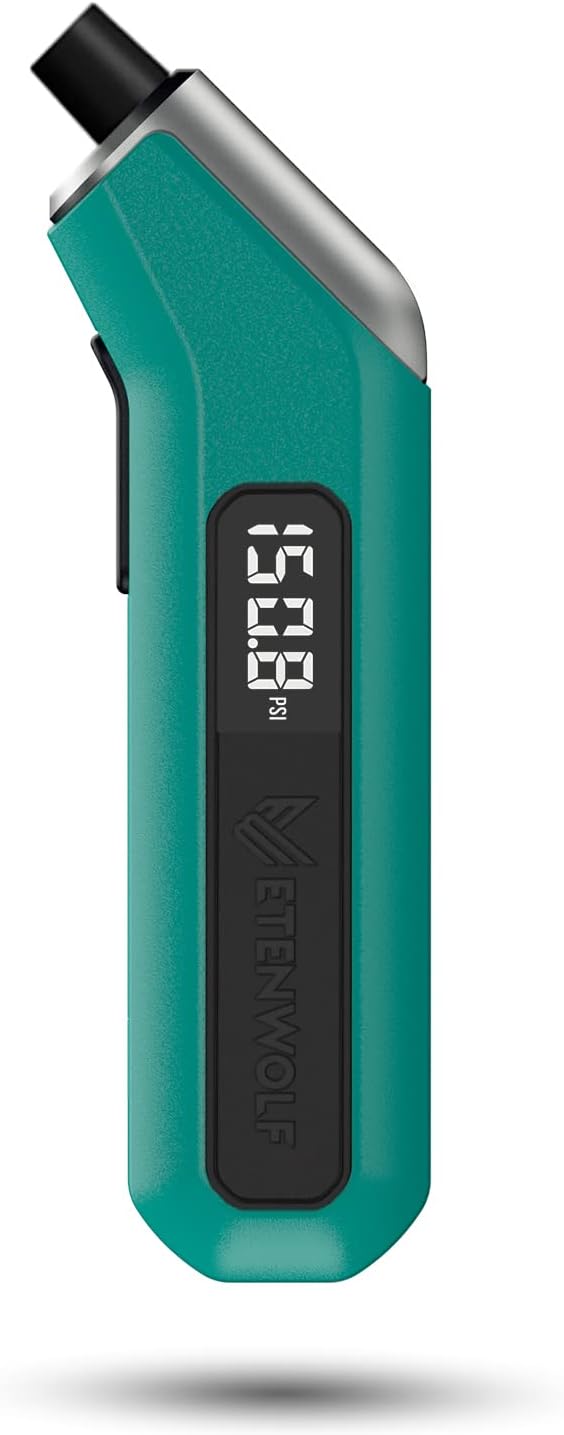
ETENWOLF T300 is a calibrated digital tire pressure gauge for accurate readings from 3 to 200 PSI across light and heavy-duty vehicles. It includes thermal compensation for reliable performance in extreme cold or heat, with an auto shut-off to extend battery life and an LED for easier reading. The sturdy design supports rugged everyday use, making it ideal for pickups, RVs, and industrial applications.
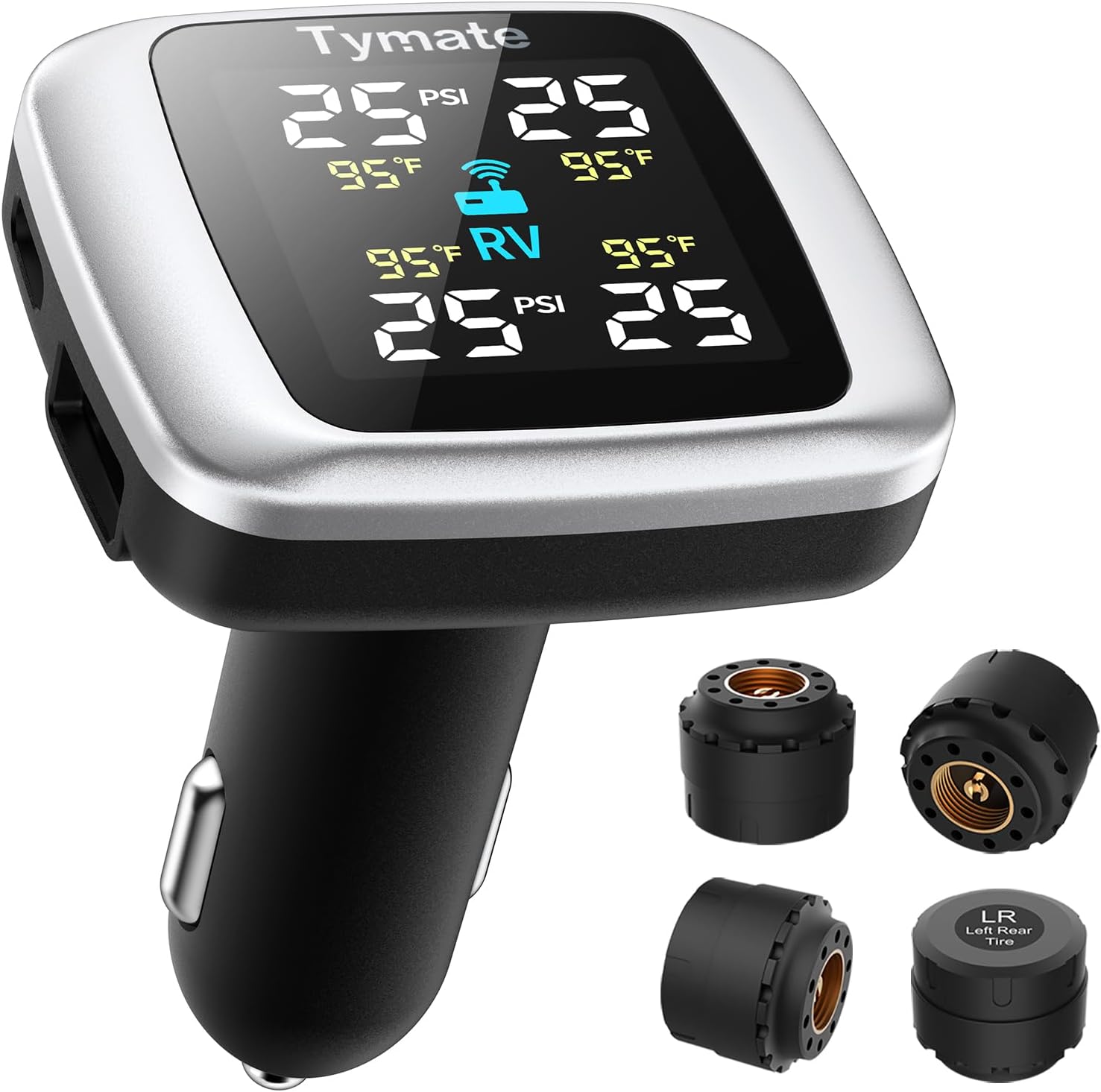
Tymate TM7 is a wireless tire pressure monitoring system that delivers real-time pressure and temperature readings for safer driving. It includes four external sensors, a bright color LCD display with adjustable backlight, and six alarm modes for high/low pressure, fast leakage, high temperature, and sensor signal or battery issues. The system covers a wide 0–144 PSI range and plugs into your vehicle’s cigarette lighter socket for quick DIY setup.
XL Tires
XL means “Extra Load.” XL passenger tires are built to carry more load than a standard-load version of the same size when inflated to the correct higher pressure. They are common on SUVs, crossovers, heavier sedans, performance vehicles, and some electric vehicles.
Load Range E Tires
Load Range E is common on light-truck tires used for heavier pickups, vans, towing, and hauling. These tires often require higher inflation pressures than passenger tires and may list separate single and dual load capacities on the sidewall.
When Heavier Tires Make Sense
Heavier load-range tires can be useful when your vehicle manufacturer specifies them, when you tow regularly, or when your truck operates near its rated payload. They can improve durability under load, but they can also ride firmer, weigh more, and require different pressures. Always confirm rim compatibility and pressure requirements before switching.
Warning: Do not install LT or Load Range E tires just because they “seem stronger.” If the tire size, rim rating, pressure requirement, or vehicle specification is wrong, the setup can still be unsafe.
How Improper Load Ratings Affect Handling, Wear, and Braking
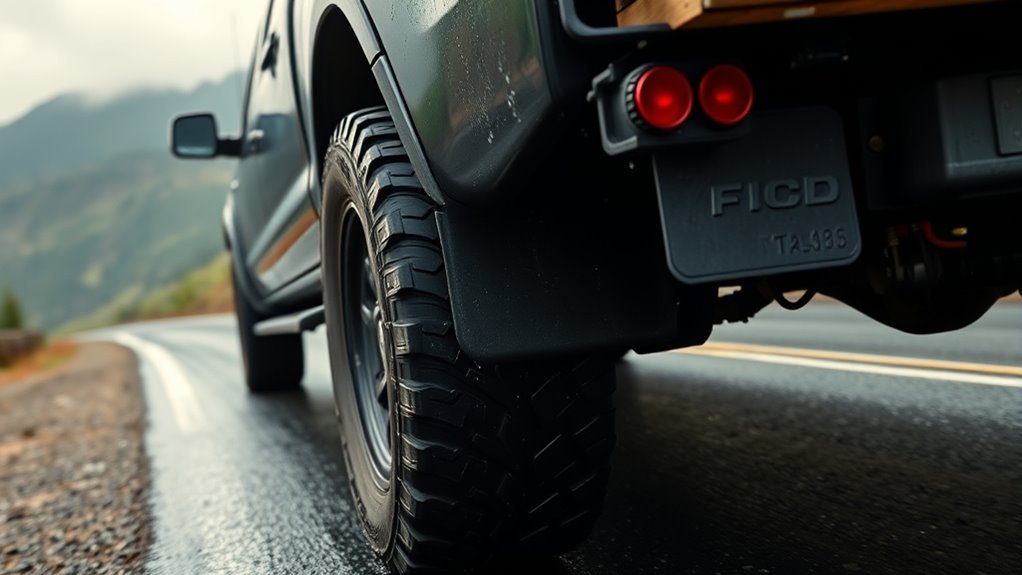
Improper load ratings affect more than tire durability. They change how the vehicle feels and responds. A tire carrying more weight than it is designed for can flex excessively, build heat, and wear unevenly. That can make steering feel vague, reduce cornering grip, and increase stopping distance.
- Overload stress: Too much weight can strain the tire casing, belts, and sidewall.
- Heat buildup: Excessive flexing can raise internal tire temperature, especially at highway speeds.
- Uneven tread wear: Overloaded or underinflated tires often wear shoulders, edges, or patches faster.
- Reduced braking control: A distorted contact patch can reduce predictable braking performance.
- Instability while towing: Tires near or beyond their limit can worsen sway, especially with poor load distribution.
Tire Maintenance for Load Safety: Pressure, Inspection, and Loading Practices
Even the correct tire can become unsafe if it is underinflated, damaged, overloaded, or worn out. Use the load rating as one part of a complete tire safety routine.
Check Tire Pressure Regularly
Check tire pressure at least once a month, before long trips, and before heavy towing or hauling. Use a reliable tire pressure gauge and measure pressure when the tires are cold. Inflate to the vehicle placard pressure unless your owner’s manual, tire manufacturer, or tire professional gives a different approved setting for a specific load condition.
- Find the recommended cold inflation pressure on the placard or in the owner’s manual.
- Measure all four tires and the spare if your vehicle has one.
- Add or release air as needed.
- Recheck after the tires are cold again if you adjusted pressure while they were warm.
Inspect Tires Before Loading
Before carrying heavy cargo or towing, inspect every tire. Look for cracks, cuts, bulges, exposed cords, punctures, uneven wear, and low tread depth. Do not load the vehicle heavily if a tire shows signs of structural damage.
Also check the tire’s age. The DOT tire identification number includes the week and year the tire was made. If a tire is old, cracked, or weathered, have it inspected even if the tread looks deep.
Load the Vehicle Correctly
Spread cargo weight evenly and keep heavy items low and secure. Do not exceed the vehicle capacity weight, gross axle weight rating, gross vehicle weight rating, or trailer tongue weight limits. If towing, remember that part of the trailer’s weight transfers to the tow vehicle.
Legal, Warranty, and Liability Implications of Incorrect Load-Rated Tires
Using tires that do not meet the required load rating can create safety, inspection, warranty, and insurance problems. Exact rules vary by location, vehicle type, and policy, but under-rated or overloaded tires may be treated as improper equipment if they contribute to a failure or crash.
For vehicles under 10,000 pounds GVWR, 49 CFR 571.110 sets federal requirements related to tire selection and preventing tire overloading in the United States. For your own vehicle, the practical rule is simple: follow the manufacturer’s tire size, load rating, pressure, and load limits.
- Inspection risk: Incorrect tires may fail a safety inspection where tire size, load, or condition is checked.
- Warranty issues: Tire or vehicle warranty coverage may be affected if damage is linked to overload, underinflation, or incorrect fitment.
- Insurance and liability risk: If a crash investigation finds under-rated or overloaded tires, claims and liability can become more complicated.
Keep tire purchase receipts, installation records, rotation records, and pressure checks when possible. Good documentation helps show that you selected and maintained the tires responsibly.
Frequently Asked Questions
Why is tire load rating important?
Tire load rating is important because it tells you how much weight each tire can safely support when properly inflated. The correct rating helps protect handling, braking, heat resistance, tire life, and overall vehicle safety.
Can I use a tire with a higher load rating?
Yes, in many cases you can use a tire with a higher load rating if it is the correct size, speed rating, construction type, and fitment for the vehicle. However, a higher-rated tire does not increase the vehicle’s payload, GVWR, axle rating, or towing limit.
Can I use a tire with a lower load rating?
No, you should not use a tire with a lower load rating than the vehicle manufacturer requires unless the manufacturer specifically approves it for that use. Lower-rated tires may overheat, flex excessively, wear faster, and fail under normal vehicle loads.
Where do I find the correct load rating for my vehicle?
Start with the tire information placard on the vehicle, usually on the driver-side door jamb or door edge. Then check the owner’s manual. Use the current tire sidewall only as a comparison, because the tires already on the vehicle may not be the correct specification.
Does tire pressure affect load rating?
Yes. A tire only carries its intended load when inflated correctly. Underinflation increases sidewall flex and heat buildup, while overinflation can reduce ride comfort and affect contact patch behavior. Follow the vehicle placard’s cold inflation pressure unless an approved load chart or tire professional says otherwise.
Why is tire safety important?
Tire safety matters because tires affect steering, braking, traction, fuel economy, ride quality, and crash risk. Regular pressure checks, tread inspections, proper loading, and correct tire selection help prevent avoidable breakdowns and tire-related incidents.
Conclusion
You are responsible for matching your tires to your vehicle’s required load rating, size, speed rating, and inflation pressure. Start with the placard and owner’s manual, confirm the load index on the sidewall, and use a trusted chart to convert the number to pounds. Never install under-rated tires, and remember that stronger tires do not raise the vehicle’s legal load limits. With correct pressure, regular inspections, and careful loading, you reduce tire stress and keep the vehicle safer and more predictable on the road.
Sources
- NHTSA TireWise — tire safety, maintenance, labeling, and consumer guidance.
- NHTSA Tire Safety Brochure — tire placards, load limits, cold inflation pressure, tread checks, and sidewall markings.
- 49 CFR 571.110 — U.S. federal tire selection and tire overloading prevention requirements for applicable vehicles.
- NHTSA Crash Stats Report 811617 — tire-related factors in crashes and underinflation findings.
- Tire Rack Load Index Chart — load index-to-weight conversion examples.
- Michelin Tire Load and Speed Rating Guide — explanation of load index, speed rating, and matching factory specifications.