
Reading your Honda Accord’s tire size is simple once you know what each number and letter means. The safest place to start is the tire information label on the driver’s doorjamb, then confirm the same size, load index, and speed rating in your owner’s manual or on the tire sidewall before buying replacements.
Quick Answer
To read a Honda Accord tire size, find the code on the door-jamb label or tire sidewall, such as P225/50R17 94V. The numbers show tire width, sidewall height, and wheel diameter. The final number and letter show load index and speed rating.
Key Takeaways
- Use the Honda door-jamb tire placard as your first reference, especially if a previous owner may have installed a different size.
- In a code like P225/50R17 94V, 225 is width, 50 is aspect ratio, R means radial, 17 is wheel diameter, 94 is load index, and V is speed rating.
- Replacement tires should match Honda’s recommended size and meet or exceed the original load index and speed rating.
- The sidewall’s maximum pressure is not the same as your Accord’s recommended cold tire pressure.
- When in doubt, use your owner’s manual, Honda’s owner resources, or a trained tire professional before changing tire size.
At a Glance
| Time Required | 3–5 minutes |
| Difficulty | Easy |
| Tools Needed | Your Accord, a phone camera or flashlight, and the owner’s manual if available |
| Cost | Free to check; replacement tire cost depends on size, brand, trim, and installation |
Quick Steps to Find Your Honda Accord Tire Size
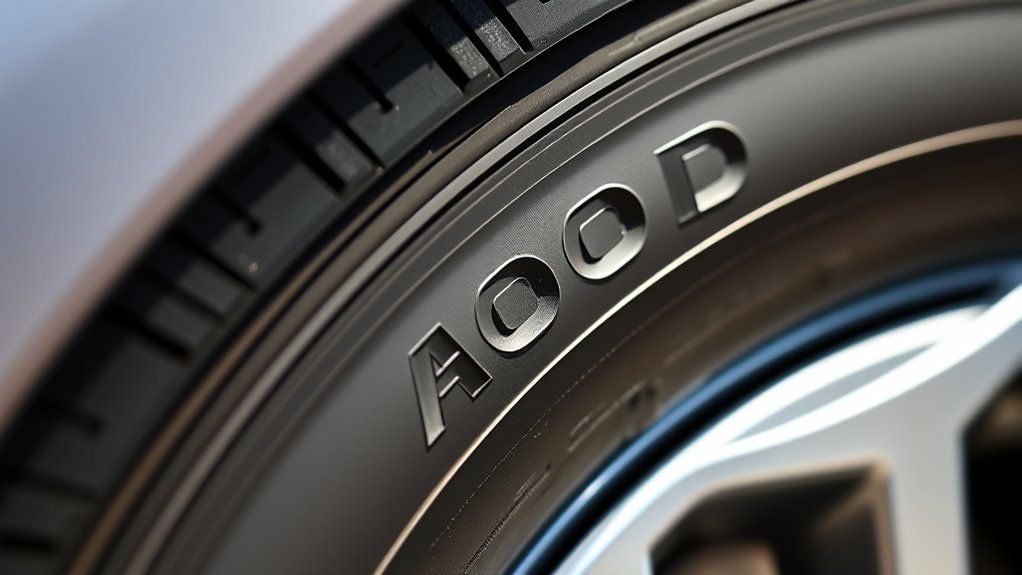
Follow this order so you do not accidentally copy the wrong tire size from an old or mismatched tire:
- Open the driver’s door and check the tire information label. On many Honda Accord models, the label is on the driver’s doorjamb. Honda owner guidance also points drivers to the driver’s doorjamb label for specified tire pressure.
- Write down the full tire size and service description. Do not stop at the first part of the size. Record the load index and speed rating too, such as 94V.
- Compare it with the tire sidewall. The sidewall shows the size currently installed, but that tire may not be the original size if the wheels were changed.
- Check the owner’s manual or Honda owner resources. Honda’s owner manual resources help you verify information by year, model, and trim.
- Match or exceed the original load and speed ratings. Tire makers such as Michelin advise following the vehicle manufacturer’s required load and speed ratings when replacing tires.
Pro Tip: Take a photo of the door-jamb label before shopping. It prevents mistakes when comparing tires online or at a tire shop.
Decoding Honda Accord Tire Size Formats
A Honda Accord tire size may look like a random code, but each part has a job. A common example format is P225/50R17 94V. Your Accord may use a different size depending on year, trim, wheel package, and market, so treat this as a decoding example rather than a universal Accord size.
| Code Part | What It Means | Why It Matters |
| P | Passenger-car tire prefix | Shows the tire category. Some tires may not show a prefix. |
| 225 | Nominal tire width in millimeters | Affects fitment, steering feel, grip, and clearance. |
| 50 | Aspect ratio; sidewall height is 50% of tire width | Affects ride comfort, handling response, and overall diameter. |
| R | Radial construction | Radial is the common construction type for modern passenger vehicles. |
| 17 | Wheel diameter in inches | Must match the wheel diameter. A 17-inch tire will not fit a 19-inch wheel. |
| 94 | Load index | Shows the tire’s load-carrying rating when properly inflated. |
| V | Speed rating | Shows the tire’s tested speed capability under specified conditions. |
Michelin’s tire-marking guide explains that tire sidewall codes identify tire type, size, construction, load rating, speed rating, and other performance or regulatory information.
Key Tire Dimensions Explained
- Width: The first three-digit number is the tire’s nominal width in millimeters. Wider tires can change grip, steering feel, road noise, and rolling resistance.
- Aspect ratio: The number after the slash is the sidewall height as a percentage of the tire width. A lower number usually means a shorter sidewall.
- Construction: The letter R means radial construction.
- Rim diameter: The number after R is the wheel diameter in inches.
- Service description: The final number and letter, such as 94V, show load index and speed rating.
Understanding Aspect Ratios
The aspect ratio helps explain how tall the tire’s sidewall is. In 225/50R17, the sidewall height is 50% of the tire’s 225 mm width. A taller sidewall can improve ride comfort and help absorb bumps. A shorter sidewall can sharpen steering response, but it may feel firmer over potholes and rough roads.
Note: Changing the aspect ratio without adjusting width and wheel diameter can change the tire’s overall diameter. That can affect speedometer accuracy, wheel-well clearance, ride height, and driver-assistance system behavior.
Interpreting Load Index Numbers
The load index is the number near the end of the tire size code. It does not show pounds directly; it points to a standardized load-index chart. The important rule is simple: your replacement tires should meet or exceed the load index specified by Honda for your Accord’s year, trim, and wheel package.
Michelin’s load and speed rating guide explains that load and speed ratings are part of the tire’s service description and should be verified when replacing tires.
Warning: Do not install a tire with a lower load index than the factory specification unless Honda or a qualified tire professional confirms it is appropriate. A lower load rating can increase heat, stress, and failure risk.
Other Sidewall Markings Worth Knowing
The size code is the main thing you need when shopping, but a few other sidewall markings can help you avoid the wrong tire:
- DOT date code: The last four digits of the DOT code show the week and year of manufacture. For example, 2424 means the 24th week of 2024.
- MAX PRESS / MAX LOAD: These are tire limits, not your Accord’s recommended operating pressure.
- XL, HL, or Reinforced: These markings indicate higher-load designs. Match them when the original tire requires them.
- M+S: Indicates a mud-and-snow designation based on manufacturer criteria.
- 3PMSF: The Three-Peak Mountain Snowflake symbol indicates verified winter-performance testing.
- UTQG: The Uniform Tire Quality Grading information can include treadwear, traction, and temperature grades. Use it as one comparison point, not the only buying factor.
How Width and Aspect Ratio Affect Your Ride
Tire width and aspect ratio can change how your Accord feels. The right tire size keeps the car close to Honda’s intended ride, handling, braking, and fuel-economy balance.
Key Factors Influencing Handling
- Wider tires may increase the contact patch, but they can also create more road noise and rolling resistance.
- Shorter sidewalls can improve steering response, but they usually ride firmer.
- Taller sidewalls can improve comfort, but steering may feel less sharp.
- Overall diameter must stay close to the recommended size to protect speedometer accuracy and clearance.
- Wheel offset and width matter if you are changing wheels, not just tires.
Comfort Versus Performance Trade-offs
If you want a quiet daily commute, staying with the door-jamb size is usually the best choice. If you want a sportier look or feel, do not choose a wider or lower-profile tire by size alone. Confirm wheel width, offset, fender clearance, load rating, speed rating, and overall diameter before changing from the factory setup.
Impact on Fuel Efficiency
Tire size and pressure can both affect fuel economy. Wider, heavier, or more aggressive tires can increase rolling resistance. Low tire pressure can also cost fuel. FuelEconomy.gov says keeping tires properly inflated can improve gas mileage by 0.6% on average and up to 3% in some cases, while underinflated tires can lower gas mileage by about 0.2% for every 1 psi drop in the average pressure of all tires.
Warning: Do not inflate your tires to the sidewall’s maximum pressure just because it appears on the tire. Use the cold tire pressure on the Honda door-jamb placard or in the owner’s manual.
Why Rim Diameter and Construction Type Matter
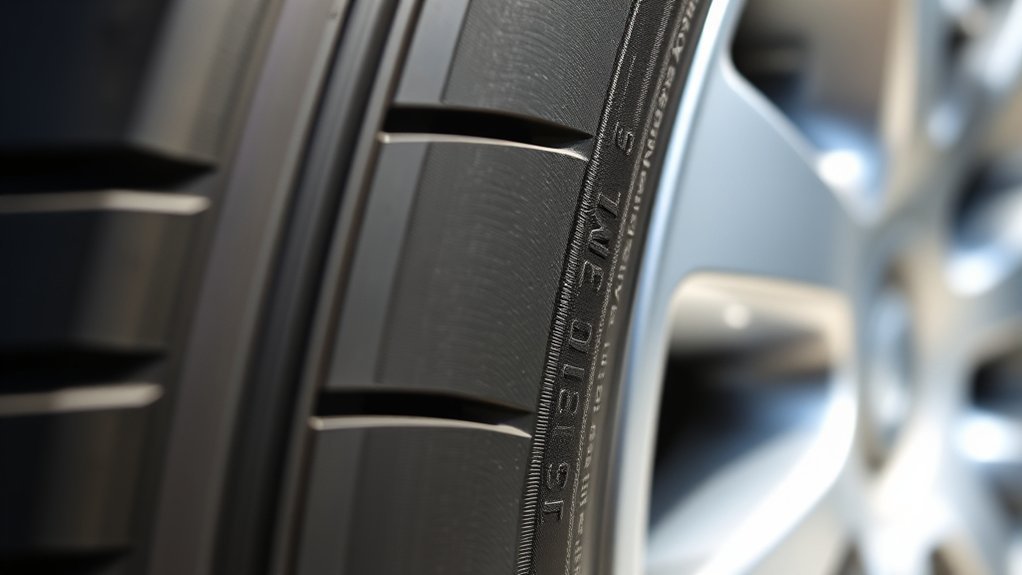
The rim diameter in the tire code must match your wheel. A tire marked R17 fits a 17-inch wheel, while a tire marked R19 fits a 19-inch wheel. Even if two tires look similar, the wrong rim diameter will not mount correctly or safely.
The construction letter also matters. Most modern Accord tires use radial construction, shown by the letter R. Michelin explains that radial construction combines flexible sidewalls with a rigid tread structure, supporting durability, comfort, and rolling-resistance performance.
Load Index and Speed Rating Explained
The load index and speed rating are easy to overlook because they sit at the end of the tire code. Do not ignore them. Two tires can share the same size but have different load and speed ratings.
- Load index: The number, such as 94, shows the tire’s load-carrying rating when properly inflated.
- Speed rating: The letter, such as V, shows the speed capability under specified test conditions.
- Service description: The load index and speed rating together form the service description, such as 94V.
- Replacement rule: Match the original rating, or choose a tire that meets or exceeds Honda’s specification.
A higher speed or load rating does not increase your Accord’s legal speed limit, safe driving speed, payload rating, or axle rating. It only tells you what the tire is designed to handle under specified conditions.
Common Honda Accord Tire Size Mistakes to Avoid
- Copying the current tire without checking the placard: A previous owner may have installed a non-original size.
- Buying by wheel diameter only: A 17-inch wheel needs a 17-inch tire, but width, aspect ratio, load index, and speed rating still matter.
- Using sidewall max pressure as daily PSI: The recommended cold PSI comes from the vehicle placard or manual.
- Choosing a lower load index: This can reduce safety margin under passengers, cargo, heat, and highway speeds.
- Mixing sizes or tire types: Different sizes or tire models can affect handling, braking, traction control, and wear.
- Ignoring the spare: Temporary spare tires have their own markings, speed limits, and use restrictions.
[Products Worth Considering]

The 22800 wheel stud installer makes replacing wheel studs quick and secure, saving time and effort during tire service. It uses a ratchet or impact wrench to pull new studs firmly into place, helping when existing studs are too long. Compatible with most automotive wheels and light-duty truck wheel studs, it’s designed for easy, tool-assisted installation.

Keep your tires properly inflated with this analog VONDIOR tire pressure gauge, designed for fast, easy readings without batteries. The swiveling, two-axis hose and large glow dial help you measure at any tire angle with instant visibility. Built with a protective rubber shield, it supports durable, low-maintenance use for cars and trucks.

Vigorder rubber cement glue delivers superior adhesion and cures quickly within about 30 seconds for seamless rubber bonding. Once cured, it helps provide a strong, durable, waterproof seal that holds up to vehicle weight, pressure, and heat. Suitable for cars, motorcycles, trucks, bicycles, and off-road tires, it’s designed for emergency patch and maintenance repairs.
What to Check Before Buying Replacement Tires
Before you order tires for your Honda Accord, confirm these details:
- Exact size: Match the door-jamb label unless a qualified professional confirms an approved alternative.
- Load index: Meet or exceed the factory requirement.
- Speed rating: Meet or exceed the factory requirement, with special caution for winter tires.
- Season and climate: All-season, summer, all-weather, and winter tires behave differently.
- UTQG and warranty: Use treadwear, traction, temperature grades, and warranty terms as comparison tools.
- Installation details: Ask about balancing, valve stems or TPMS service kits, rotation, alignment inspection, and disposal fees.
Note: TPMS can warn you when pressure is significantly low, but it is not a replacement for regular tire maintenance. Check tire pressure when the tires are cold, especially before long trips or major temperature changes.
[Products Worth Considering]

Replace worn or missing TPMS sensors with a pre-programmed 4-pack designed for compatible GM vehicles. These 315MHz sensors provide real-time tire pressure monitoring and alert you if pressure is too high, too low, or if a rapid air leak occurs. Most installations are ready with minimal relearn effort after mounting, helping improve safety and driving confidence.

This Dr.Roc tire valve stem puller tools set helps install or remove snap-in tubeless valve stems safely and efficiently. It includes ozone-resistant EPDM snap-in valve stems, a valve stem installer, and a valve core remover for quick core removal or installation during tire service. Designed for reliable tubeless tire repair on motorcycles, ATVs, lawn equipment, cars, and trucks.

The UYYE TPMS relearn tool helps activate and relearn tire pressure monitor sensors quickly, typically in minutes. It supports TPMS learn mode resetting using a simple three-step process: enter learn mode, position the tool near the valve stem, and press the learn button. Designed for specific GM models, it streamlines sensor programming and reduces trips to dealers or tire shops.
Where to Buy the Best Tires for Your Honda Accord
The best place to buy tires depends on whether you want dealer support, local installation, or online comparison shopping. Good options include a Honda dealer, a reputable local tire shop, or an established tire retailer that lets you search by year, trim, and tire size.
Before paying, ask the seller to confirm the full service description, not just the size. For example, do not only ask for 225/50R17; ask whether the tire also meets the correct load index and speed rating for your Accord.
Use NHTSA TireWise for tire safety, maintenance, labeling, aging, fuel-efficiency, and recall information. It is a helpful reference before buying and after installation.
[Products Worth Considering]

This 100-piece set of snap-in tubeless tire valve stems is designed for standard 0.453 in (11.5 mm) rim holes and helps maintain reliable, steady tire pressure. Made with ozone-resistant rubber and brass cores, the valves are built for durability and long-term use. Easy to install by hand, they support safe driving and are suitable for cars, light trucks, trailers, and more.

Malco tire mounting and demounting lubricant is a ready-to-use tire lube formulated to reduce friction during tire installation for passenger cars, light trucks, farm tires, and heavy-duty equipment. It provides rust-inhibiting protection to help reduce corrosion on rims and wheels, and helps support proper tire bead seating during inflation to reduce air leakage. The silicone-free, soap-free formula is whitewall safe to help prevent discoloration on whitewall tires and sensitive sidewall markings.
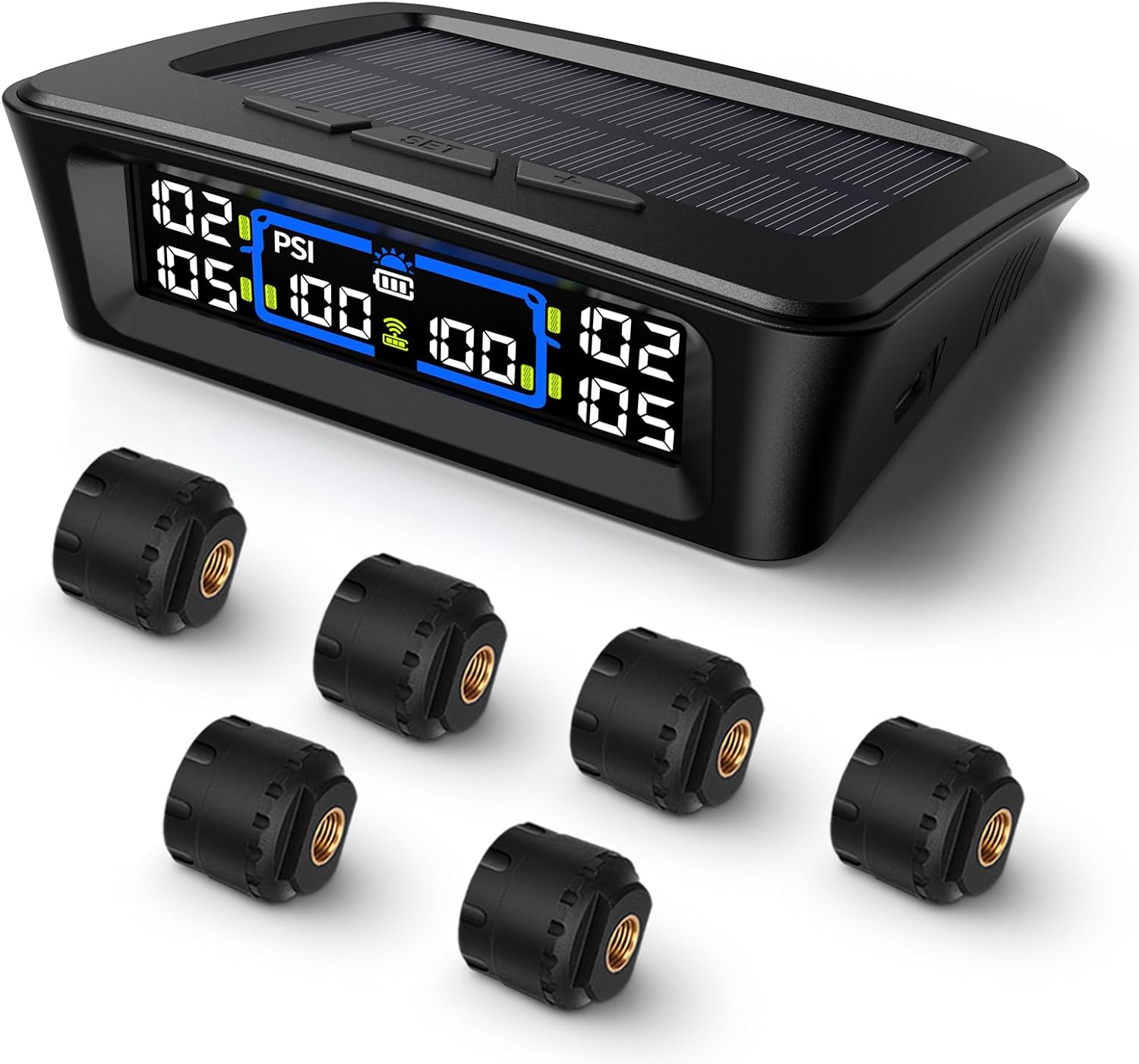
The Tymate TM12 RV TPMS delivers real-time tire pressure and temperature monitoring with a stable 433Hz display for safer long-distance driving. It supports simultaneous monitoring across vehicle and trailer zones, includes six alarm modes for pressure, temperature, leakage, battery, and signal loss, and features easy DIY installation with auto calibration. Power is supplied via USB-C charging or solar recharging, with a wide 0–144 PSI range and up to 50 ft signal coverage for RVs and towable trailers.
Frequently Asked Questions
How do I read Honda Accord tire size?
Read the code from left to right. In P225/50R17 94V, P means passenger tire, 225 is width in millimeters, 50 is aspect ratio, R means radial, 17 is wheel diameter, 94 is load index, and V is speed rating.
Where is the tire size on a Honda Accord?
Start with the tire information label on the driver’s doorjamb. You can also find the tire size on the tire sidewall and in the owner’s manual. Use the door-jamb label or manual as the final reference if the current tire does not match.
Can I put a different tire size on my Honda Accord?
Sometimes, but do not guess. A different size can affect clearance, speedometer accuracy, ride comfort, handling, braking, and fuel economy. Confirm the alternative size with Honda guidance or a qualified tire professional before buying.
What does the load index mean on an Accord tire?
The load index is the number near the end of the tire code. It represents the tire’s load-carrying rating when properly inflated. Replacement tires should meet or exceed the load index specified for your Accord.
Is the tire sidewall pressure the correct PSI for my Accord?
No. The sidewall often shows maximum pressure, not the recommended daily operating pressure. Use the cold tire pressure listed on the Honda door-jamb placard or in the owner’s manual.
What should I do if my current tire size differs from the door-jamb label?
Do not assume the current tire is correct. Check your owner’s manual, confirm the wheel size, and ask a Honda dealer or tire professional to verify whether the installed size is approved for your vehicle.
Conclusion
Reading your Honda Accord’s tire size comes down to decoding the full sidewall code and confirming it against the door-jamb label. Focus on the complete specification: width, aspect ratio, construction, wheel diameter, load index, and speed rating. When you match those details correctly, you protect ride quality, handling, fuel economy, and safety before you spend money on new tires.
Sources
- Honda Owners — Owner’s manual resources — supports checking model-specific Honda owner information.
- Honda Accord TPMS Owner’s Guide — supports door-jamb pressure-label guidance and TPMS limitations.
- NHTSA TireWise — supports tire safety, labeling, maintenance, aging, fuel-efficiency, and recall guidance.
- Michelin — Tire Markings Explained — supports sidewall code, width, aspect ratio, construction, date code, wear indicators, and pressure-marking explanations.
- Michelin — Tire Load Rating & Speed Rating Explained — supports load index and speed rating explanations.
- FuelEconomy.gov — Gas Mileage Tips — supports tire-pressure and fuel-economy figures.