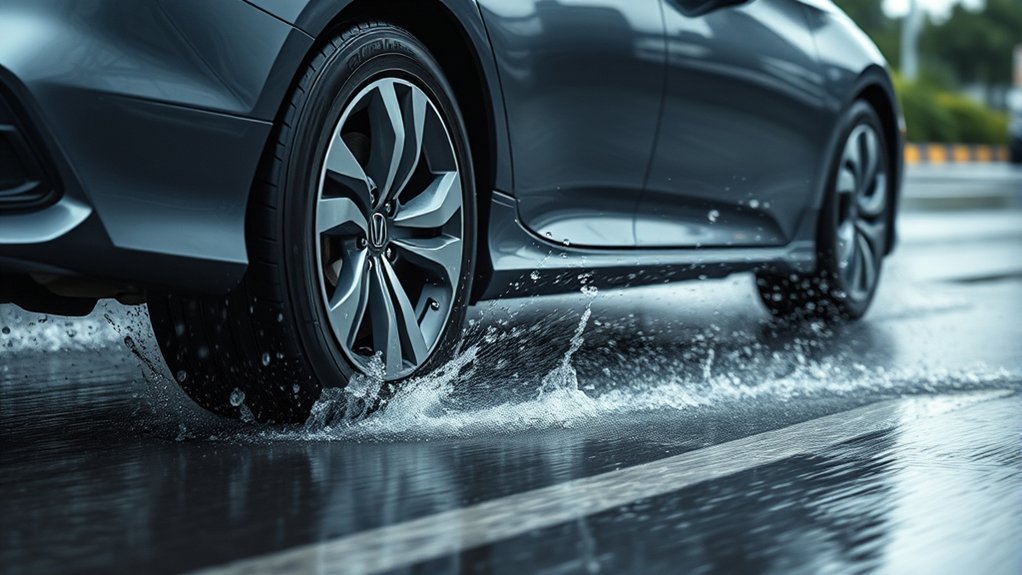
Honda Accord tires can feel confident or nervous in wet weather depending on the exact tire model, tread depth, inflation pressure, tire age, and how fast you drive through standing water. A good rain tire is not just a tire with a familiar brand name; it is the right size for your Accord, in good condition, with a tread design and compound that can move water away from the contact patch.
Quick Answer
Honda Accord tires perform best in rain when they have healthy tread depth, correct cold tire pressure, and a wet-focused tread design. Start watching rain performance closely near 5/32 inch of tread, shop sooner around 4/32 inch if you drive in heavy rain, and replace tires at or before 2/32 inch.
Key Takeaways
- Wet traction depends on tread depth, tire pressure, compound, tread pattern, speed, and water depth—not one rating alone.
- UTQG traction grades help compare wet stopping ability, but they do not tell the whole story about hydroplaning resistance or real-world rain handling.
- For rain-heavy driving, check tread depth monthly, measure pressure when tires are cold, and recalibrate TPMS after pressure changes when your Accord requires it.
- Popular replacement choices include all-weather touring tires for year-round safety and ultra-high-performance all-season tires for sharper wet handling.
At a Glance
| Time Required | 5–10 minutes for a basic pressure and tread check; 20–30 minutes if you inspect all four tires closely. |
| Difficulty | Easy for inspection; professional help recommended for uneven wear, vibration, bulges, punctures, or tire replacement. |
| Tools Needed | Tire pressure gauge, tread-depth gauge, flashlight, and your driver-door tire placard or owner information. |
| Cost | Basic checks are free if you own a gauge. A pressure gauge or tread gauge is usually inexpensive; tire replacement cost varies by Accord year, tire size, and brand. |
Understanding Wet Traction Ratings for Honda Accord Tires
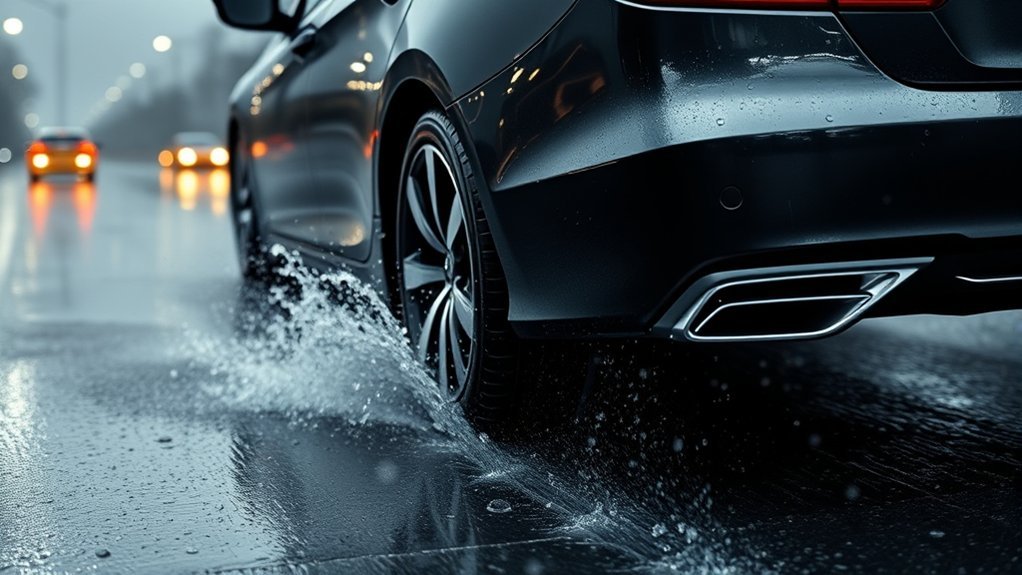
When you drive a Honda Accord in wet conditions, wet traction ratings are useful, but they are only one part of the picture. The National Highway Traffic Safety Administration explains that UTQG traction grades show a tire’s ability to stop on wet pavement, with grades from highest to lowest as AA, A, B, and C.
That means an AA traction grade is the highest UTQG traction grade, not something you can go “higher” than. It also means you should read the rating carefully. In UTQG format, a tire marked 640 B A has a treadwear grade of 640, a traction grade of B, and a temperature grade of A. That does not automatically make it a poor rain tire, but it does show why you should not judge a tire from one number or brand reputation alone.
For example, the Michelin CrossClimate2 is widely known as an all-weather tire and Michelin publishes wet-braking claims for it. Still, the best choice for your Accord should be based on the exact tire size, current specifications, independent test data where available, tread depth, and your driving conditions.
Note: UTQG is helpful for comparison, but it is not a complete rain-performance score. Hydroplaning resistance also depends on tread depth, groove design, tire width, road speed, standing-water depth, and tire pressure.
The Role of Tire Design in Wet Conditions
Tire design plays an essential role in how your Honda Accord handles rain. Wide circumferential grooves help move water away from the tread. Smaller biting edges, called sipes, help the tread grip slick pavement. Rubber compound matters too because a tire that stays flexible can maintain better road contact in cool, wet weather.
Performance tires, touring tires, all-season tires, and all-weather tires can all behave differently. A sporty tire may feel sharper in wet corners, while an all-weather touring tire may offer a more balanced mix of rain, light snow, comfort, and tread life. If your area gets frequent rain but little snow, wet braking and hydroplaning resistance may matter more than snow traction. If you see winter weather, a tire with the Three-Peak Mountain Snowflake symbol can be worth considering.
Wide tires can look good and improve dry grip, but they may be more sensitive to standing water if the tread cannot evacuate water quickly enough. That is why speed control matters. Even a strong rain tire can hydroplane if you hit deep water too fast.
Check Honda Accord Tire Size and Fitment Before Buying
Before comparing tire models, confirm the correct size for your exact Accord. Different years and trims may use different tire sizes, load indexes, and speed ratings. The safest starting point is the tire placard on the driver’s doorjamb, your owner information, or a trusted tire professional.
- Tire size: Match the size on the placard or an approved alternate size.
- Load index: Do not choose a tire with a lower load rating than required for your vehicle.
- Speed rating: Match or exceed the recommended speed rating unless a qualified professional explains the tradeoff.
- Wheel size: Confirm the tire fits your Accord’s wheel diameter and width.
- Driving climate: Choose wet-focused touring, all-weather, or performance all-season tires based on your rain, snow, comfort, and handling priorities.
Warning: Never buy a tire only because it appears on a “best tires” list. The tire must fit your Accord’s exact size, load rating, speed rating, and driving needs.
[Products Worth Considering]

The SAFELIFE dial tire tread depth gauge measures tread depth in 1/32 inch increments with clear, easy-to-read 2-inch dial face. Color zones using a traffic light system help you quickly judge whether tread is low, marginal, or ample for safer driving. Built with a durable zinc cast body and a metal detect probe for precise, comfortable use across cars, motorcycles, trucks, and buses.

This tire inflator with pressure gauge delivers long-lasting performance with a durable rubber-protected gauge and sturdy build. The longer hose and 360 swivel air chuck help you seal the valve securely and keep your hands free while measuring, inflating, or deflating. It’s battery-free for reliable use and provides ±2 PSI accuracy in the mid-range for most typical tires, with universal compatibility for 1/4 NPT compressor outputs.

Monitor tire tread wear with a smart, color-coded depth gauge that shows clear condition ranges at a glance. The bar is range marked for fast, easy readings, helping you maintain safer traction and performance. Each gauge is portable with a pocket clip, and the set includes 20 units for daily use and sharing.
How Tread Depth Affects Honda Accord Tire Hydroplaning Risk
Tread depth is one of the biggest factors in wet-road safety. Deeper grooves give water somewhere to go. As the tread wears down, the tire has less room to channel water, so wet braking, cornering, and hydroplaning resistance can decline.
Federal treadwear indicators are set at 2/32 inch, but rain performance can get noticeably worse before that point. AAA’s all-season tire testing found that tires worn to 4/32 inch had much longer wet stopping distances and lower wet lateral grip than new tires. That is why many rain-focused drivers start shopping before the tire reaches the legal minimum.
Tread Depth and Hydroplaning
Although you might not think about it often, tread depth plays an essential role in your Honda Accord’s performance during wet conditions. Use these practical checkpoints:
- 5/32 inch: Start watching wet performance more closely, especially if you drive at highway speeds in heavy rain.
- 4/32 inch: Treat this as a rain-performance caution zone. If you often drive through heavy rain, begin shopping for replacements.
- 2/32 inch: The tire is worn out and should be replaced. Do not rely on a tire at this depth for confident wet-weather driving.
For best accuracy, use a tread-depth gauge and measure more than one groove on each tire. Uneven readings can point to alignment, inflation, or suspension issues.
Optimal Tread Depth Range
The best tread depth for rain is not a single magic number. A newer tire with deep tread usually gives the best water evacuation, but tread pattern and compound still matter. A high-quality tire worn to 4/32 inch may behave differently from a cheaper tire at the same depth, but both have less water-channeling ability than they did when new.
For a Honda Accord used in regular commuting, a good rule is to inspect tires monthly, check tread before rainy seasons, and replace earlier if the car starts to feel light, unstable, or slow to stop on wet roads.
Wet grip does not disappear all at once. It fades as tread wears, pressure drifts, rubber ages, and road water gets deeper.
How Tire Pressure and TPMS Affect Wet Grip
Correct pressure helps your Accord keep a stable tire contact patch. Underinflated tires can overheat, wear unevenly, reduce fuel economy, and affect handling and stopping ability. Overinflated tires can ride harshly and wear unevenly. The Honda Accord TPMS guide says to check pressure and adjust it to the specified level on the driver’s doorjamb label when the low tire pressure indicator appears.
Measure tire pressure when the tires are cold, meaning the vehicle has been parked for several hours or driven only a short distance. If your Accord requires TPMS calibration after pressure adjustment, tire rotation, or tire replacement, do that after the cold pressures are set correctly.
Pro Tip: Check pressure before a long rainy drive, not after. Hot tires can read several PSI higher, which may lead you to release air that the tire actually needs when cold.
Top Recommended Tires for Honda Accord: A Comparative Review
When it comes to selecting the best tires for your Honda Accord, the goal is not to crown one tire for every driver. A quiet commuter, a highway driver in heavy rain, and a driver who wants sharper steering may need different tires. Always verify the exact size for your Accord before buying.
[Products Worth Considering]

Keep your tires properly inflated with this analog VONDIOR tire pressure gauge, designed for fast, easy readings without batteries. The swiveling, two-axis hose and large glow dial help you measure at any tire angle with instant visibility. Built with a protective rubber shield, it supports durable, low-maintenance use for cars and trucks.

Accurately measure tire tread depth with a calibrated gauge marked from 0 to 1 inch in 1/32 inch increments. The color-coded bar helps you quickly identify tread condition ranges, supporting safe driving for trucks, motorcycles, automobiles, and passenger vehicles.

Measure tire tread depth quickly and accurately with this LUMITECO dial gauge that reads in 1/32" increments up to 14/32". The color-coded green/yellow/red zones make it easy to judge tire wear and know when replacement is needed. A rugged, compact design with a protective pouch helps keep the gauge ready for use on cars, trucks, motorcycles, and more.
Tire Performance Ratings
Understanding tire performance ratings can help you narrow your choices. Look at wet traction, treadwear, temperature grade, warranty, speed rating, load index, and real-world testing when available. Also remember that UTQG ratings are size- and tire-line-specific, so the exact tire you buy matters.
| Tire Option | Best For | Wet-Weather Notes |
|---|---|---|
| Michelin CrossClimate2 | Drivers who want an all-weather tire with strong year-round confidence. | Known for wet and dry braking claims from Michelin; verify the exact UTQG and size before buying. |
| Goodyear Assurance WeatherReady 2 | Commuters who want a current all-season/all-weather touring option. | Goodyear highlights wet traction and water displacement features; check fitment for your Accord. |
| Continental ExtremeContact DWS06 Plus | Drivers who want sportier all-season handling. | Many sizes carry strong UTQG traction grades, but ratings vary by size, so confirm the exact spec. |
| General AltiMAX RT45 | Budget-conscious drivers who want a long-lasting touring all-season tire. | A fresher current-shopping reference than the older AltiMAX RT43; still compare wet testing and exact specs. |
Wet Traction Comparison
The Michelin CrossClimate2 can be a strong all-weather choice, but do not describe it as an AA-rated wet-traction tire unless the exact size/spec sheet says so. The Goodyear Assurance WeatherReady 2 is a current option with wet-traction-focused tread features. The Continental ExtremeContact DWS06 Plus is better suited to drivers who want more responsive handling in rain. The General AltiMAX RT45 is a practical touring option to compare if value and tread life matter.
Performance-oriented options such as the Hankook Ventus S1 AS may also make sense for drivers who want sportier wet grip, but availability and ratings can change by size. Always compare the tire in the exact size your Accord uses.
Best All-Season Options
The best all-season tire for a Honda Accord depends on your driving style:
- For rain and year-round confidence: Consider all-weather touring tires such as Michelin CrossClimate2 or Goodyear Assurance WeatherReady 2.
- For sporty wet handling: Consider ultra-high-performance all-season options such as Continental ExtremeContact DWS06 Plus, if available in your size.
- For value and long tread life: Compare touring all-season options such as General AltiMAX RT45 and similar current models.
Whatever you choose, the tire must be installed in a matched set, properly inflated, rotated, and inspected. Even a premium tire can hydroplane if it is worn, underinflated, or driven too fast through standing water.
Real User Feedback on Honda Accord Tires in Wet Conditions
Real-world Honda Accord feedback is mixed because not every Accord has the same tires, mileage, trim, road conditions, or driver habits. Some owners report that stock touring tires feel less confident in heavy rain, especially as tread wears down. Others are satisfied after keeping the tires properly inflated and driving more gently in wet weather.
Anecdotal reports about hydroplaning, traction-control activation, or nervous highway handling should be treated as warning signs to inspect the tires rather than proof that one tire model is defective. Check tread depth, pressure, tire age, uneven wear, and alignment first. If the problem continues, a better wet-focused replacement tire may make the car feel more stable.
Switching to a high-quality all-season or all-weather tire can improve confidence, but the improvement is strongest when the new tire is correctly sized, balanced, aligned, and maintained.
Mastering Throttle Control for Better Wet Handling
Many Honda Accord drivers focus only on tires, but driving style matters too. In rain, smooth inputs help the tire maintain grip. Fast throttle, hard braking, and sudden steering can overwhelm even a good tire.
- Use gentle throttle: Accelerate gradually, especially from a stop or while turning.
- Reduce speed: Slower speed gives the tread more time to move water away from the contact patch.
- Avoid sharp turns: Smooth steering helps prevent sudden traction loss.
- Increase following distance: Wet roads increase stopping distance, especially with worn tires.
- Avoid cruise control in heavy rain: You want direct control if the tires begin to lose contact with the road.
Understanding how tire composition affects grip can also help you choose a tire that suits your local weather.
Warning: If your Accord begins to hydroplane, do not slam the brakes or jerk the wheel. Ease off the accelerator, keep the steering wheel steady, and let the tires regain contact.
Why Keeping up With Tire Maintenance Matters
Although it might seem easy to overlook, keeping up with tire maintenance is essential for helping your Honda Accord perform well in wet conditions. Regular checks can improve tire life, ride quality, fuel economy, and safety.
| Maintenance Tip | Why It Matters in Rain | How Often to Check |
|---|---|---|
| Monitor tread depth | Helps the tire channel water and reduce hydroplaning risk. | Monthly and before rainy seasons. |
| Check cold tire pressure | Supports proper contact patch, handling, tread life, and stopping ability. | Monthly and before long trips. |
| Rotate tires | Promotes even wear, which helps maintain consistent grip. | Follow Honda Maintenance Minder or tire-shop guidance. |
| Inspect for uneven wear | Uneven wear can reduce rain grip and may point to alignment or suspension issues. | Monthly or whenever the car pulls, vibrates, or feels unstable. |
| Check tire age and damage | Old, cracked, bulging, or damaged tires can be unsafe even if tread remains. | At every rotation and before long trips. |
Neglecting tire maintenance can increase hydroplaning risk and make the car harder to control during sudden rain. For more on the basics, see this guide to checking tire tread depth.
When to Consider Tire Replacement for Optimal Performance?
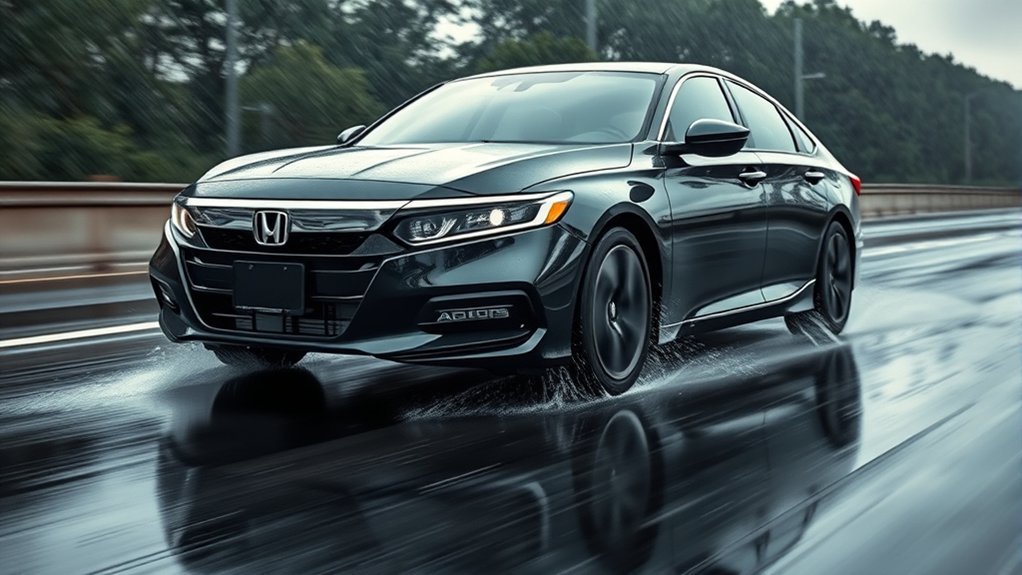
Tire maintenance is just the beginning; knowing when to replace your tires is equally important for wet-road performance. Replace or professionally inspect your tires if you notice any of these signs:
- Tread depth near 4/32 inch in rainy climates: Start shopping soon if wet braking or hydroplaning resistance matters in your daily driving.
- Tread at 2/32 inch: Replace the tire. It is worn out and no longer suitable for confident rain driving.
- Cracks, bulges, cuts, or visible cords: Replace or inspect immediately, regardless of tread depth.
- Uneven wear: Fix the cause before installing new tires, or the new set may wear badly too.
- Repeated hydroplaning or traction-control activation: Check pressure and tread first, then consider a stronger wet-focused tire.
- Old tires: Rubber ages over time. If your tires are around six years old or older, inspect them carefully and follow tire-maker and vehicle guidance.
If you often drive in heavy rain, do not wait for the tires to reach the legal minimum. Replacing earlier can give your Accord more tread depth to move water and more confidence during panic stops.
[Products Worth Considering]

Measure tyre tread depth precisely with a digital gauge that reads in both MM and inches, helping you monitor safe driving conditions. The large LCD screen is easy to operate, and the compact tool fits for cars, trucks, and motorcycles. It provides high accuracy with a 0-25.4mm range and includes a 1-year warranty for added peace of mind.
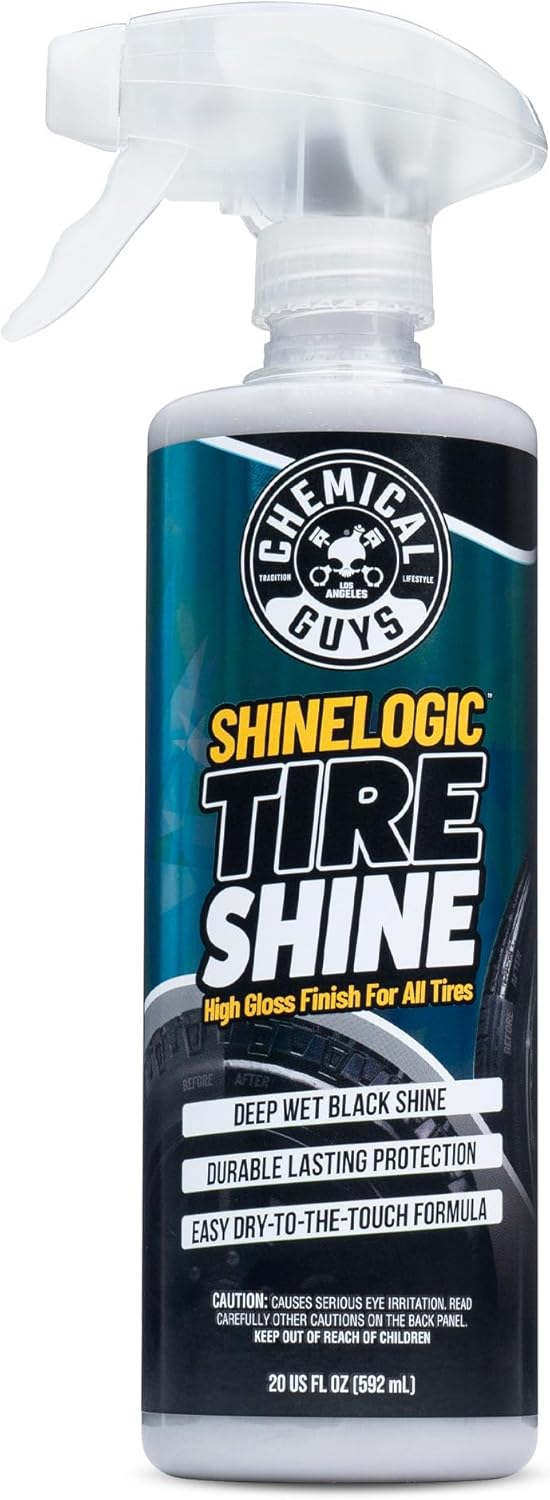
Chemical Guys ShineLogic Tire Shine delivers a deep wet black, high-shine finish for rubber tires with a sleek look. It’s designed for durable, one-step application with minimal drips, streaks, or runs, and it helps produce effortless, long-lasting shine. Choose aerosol or trigger spray for easy use on cars, trucks, motorcycles, RVs, and more.

Milton S-921 pencil tire pressure gauge helps you maintain optimal tire pressure for passenger cars with accurate readings in PSI and kPa. It features a built-in deflator valve for convenient pressure adjustments, plus a single chuck head and nylon indicator bar for easy use on the go. Built from durable plated brass and designed for reliable performance, it’s a practical road trip and cold-weather maintenance tool.
Frequently Asked Questions
What tread depth is best for Honda Accord tires in rain?
Newer tires with deeper tread usually perform best in rain. As a practical rule, watch wet performance closely around 5/32 inch, start shopping around 4/32 inch if you drive in heavy rain, and replace at or before 2/32 inch.
Are wider Honda Accord tires worse in wet weather?
Not always. A wider tire can have good wet grip if the tread design clears water well, but wider tires can be more sensitive to standing water at higher speeds. The exact tread pattern, pressure, tread depth, and speed matter more than width alone.
Is an AA UTQG traction rating always the best choice?
AA is the highest UTQG traction grade, but it is not the only thing to consider. UTQG traction focuses on wet stopping under a specific test method. Hydroplaning resistance, tread life, comfort, snow ability, and exact size availability also matter.
Why does my Honda Accord traction control activate in rain?
Traction control may activate when the tires lose grip during acceleration, cornering, or driving through water. Check tread depth, cold tire pressure, tire age, and uneven wear. If everything checks out, drive more gently in rain or consider tires with stronger wet-road performance.
What billionaire drove a Honda Accord?
Jeff Bezos is the billionaire most commonly linked to driving a Honda Accord in popular car-trivia stories. Warren Buffett is more commonly associated with older Cadillacs. Either way, this trivia should not guide tire buying; tire size, load rating, wet grip, and maintenance matter far more.
Conclusion
Honda Accord wet-weather performance comes down to the tire you choose and the condition you keep it in. A strong rain tire should fit your exact Accord, have enough tread depth, maintain correct cold pressure, and use a tread pattern that clears water well. For the safest results, inspect tread monthly, shop before wet grip becomes poor, and slow down when roads are covered with standing water.
Sources
- NHTSA TireWise — UTQG traction grades, treadwear concepts, and tire-safety guidance.
- AAA All-Season Tire Testing Report — wet stopping and lateral-grip differences for tires worn to 4/32 inch.
- Honda Accord TPMS Guide — pressure-check and TPMS calibration guidance.
- Michelin CrossClimate2 — manufacturer wet/dry braking and all-weather tire information.
- Goodyear Assurance WeatherReady 2 — current product information and wet-traction feature claims.
- Continental ExtremeContact DWS06 Plus Specs — size-specific UTQG and tire specification examples.