
To prevent dry rot on Toyota Hilux tires, inspect the sidewalls and tread every month, keep the tires inflated to the pressure shown on your Hilux door placard or owner’s manual, and protect the rubber from long sun exposure, heat, harsh cleaners, and long periods of sitting. Dry rot cannot be repaired once the rubber starts cracking badly, so early inspection is the safest and cheapest habit.
Quick Answer
Prevent Toyota Hilux tire dry rot by checking cold tire pressure monthly, inspecting for sidewall cracks, reading the DOT date code, cleaning with mild soap, parking out of direct sun, and replacing tires that show deep cracks, bulges, exposed cords, or repeated pressure loss.
Key Takeaways
- Use the pressure on your Hilux tire placard or owner’s manual, not a universal PSI number.
- Check all four tires and the spare, especially if your Hilux sits outside or is used off-road.
- Dry rot shows up as fine cracks, faded rubber, brittle texture, bulges, or air-loss problems.
- Replace tires with deep sidewall cracking, exposed cords, bulges, tread separation, or persistent pressure loss.
At a Glance
| Time Required | 10–15 minutes monthly; 20–30 minutes before long trips or off-road use |
| Difficulty | Easy |
| Tools Needed | Tire pressure gauge, flashlight, mild dish soap, cloth, tread depth gauge or coin, tire covers for storage |
| Cost | Usually under $20 for basic inspection tools; tire replacement cost varies by size and tire type |
Why Tire Dry Rot Matters for Your Safety
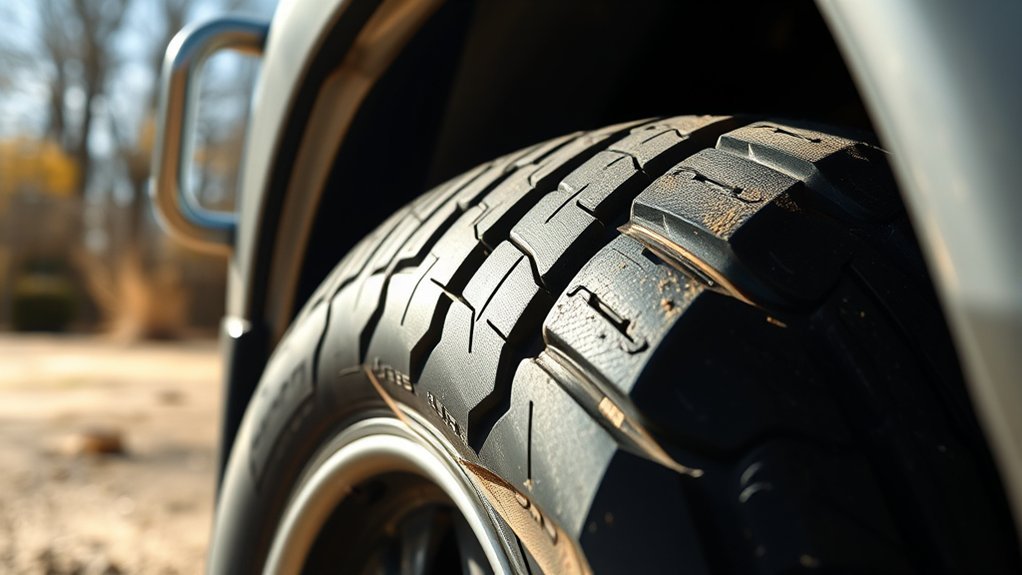
Tire dry rot, often called tire aging or weather cracking, happens when rubber loses flexibility and starts to crack. On a Toyota Hilux, this matters because the truck may carry heavy loads, tow, sit outdoors, or drive on rough roads that stress the sidewalls.
According to NHTSA TireWise, poor tire maintenance can lead to flats, blowouts, or tread separation, and tire-related crashes caused 511 road deaths in the United States in 2024. That does not mean every cracked tire will fail right away, but it does mean tire condition is a real safety issue, not just a cosmetic problem.
Warning: Do not drive on a tire with deep sidewall cracks, a bulge, exposed cords, tread separation, or repeated pressure loss. Fit the spare if it is safe to use and have the tire inspected by a qualified tire professional.
What Causes Dry Rot on Toyota Hilux Tires?
Dry rot is not caused by one single mistake. It usually comes from age, sunlight, heat, oxygen, ozone, poor storage, low pressure, and long periods of inactivity. NHTSA notes that tire aging happens as rubber and other tire components change over time because of service, storage, and environmental conditions.
Your Hilux tires may be at higher risk if the truck:
- Sits parked for weeks at a time.
- Stays outside in direct sunlight.
- Runs underinflated or overloaded.
- Spends time on gravel, rocks, construction sites, farms, or trails.
- Uses an older spare tire that rarely gets inspected.
- Has tires more than six years old, even with good tread depth.
Spotting Early Signs of Tire Dry Rot
To spot early signs of tire dry rot, check the outer sidewall, inner sidewall, tread grooves, shoulder area, and valve stem area. Use a flashlight so you can see small cracks before they spread. If your Hilux has been off-road, also look for cuts, rock damage, and sidewall scuffs.
Cracks and Discoloration
Look for thin lines, spiderweb patterns, or cracks around the sidewall lettering and tread shoulder. Faded, gray, or chalky-looking rubber can point to UV exposure and age. Small surface checking is a warning sign; deep cracks or cracks that open when the tire flexes are more serious.
Loss of Flexibility
A tire that feels unusually hard, brittle, or dry may be losing flexibility. This matters because flexible rubber helps the tire absorb load and road impact. If the tire also shows cracks, bulges, vibration, or pressure loss, do not treat it as normal aging.
Bulges, Pressure Loss, and Vibration
Dry rot is not the only tire problem to watch for. A bulge can mean internal tire damage. Repeated pressure loss can point to cracks, bead leaks, punctures, or valve problems. New vibration can come from tire separation, imbalance, or wheel damage. These symptoms need professional inspection.
Check the DOT Date Code Before Dry Rot Gets Worse
Tread depth alone does not tell you whether a tire is safe. Tires can age out before they wear out, especially on low-mileage Hilux trucks, spare tires, and vehicles parked outdoors.
Find the DOT Tire Identification Number on the tire sidewall. The last four digits show the week and year the tire was made. For example, a code ending in 2419 means the tire was made in the 24th week of 2019. Check both sides of the tire because the full code may appear on only one side.
Note: NHTSA says some vehicle and tire manufacturers recommend replacing tires that are six to 10 years old, regardless of treadwear. Always follow the tire maker’s and vehicle maker’s guidance for your exact tire and Hilux model.
Effective Strategies to Maintain Tire Pressure
Tire pressure is one of the easiest ways to reduce tire stress. Underinflated tires flex more, build more heat, wear unevenly, and are more likely to fail. Overinflated tires can wear unevenly and reduce ride comfort and traction.
[Products Worth Considering]

Steelman white tire marking crayons provide high-contrast, semi-permanent marks for repairing and inspecting tires and equipment. They write on wet or dry, smooth or coarse surfaces including rubber, metal, glass, and wood, making them ideal for puncture location and damage outlining. The lead- and zinc-free crayons resist weather and fading yet wipe away when you no longer need the marks.

Measure tyre tread depth precisely with a digital gauge that reads in both MM and inches, helping you monitor safe driving conditions. The large LCD screen is easy to operate, and the compact tool fits for cars, trucks, and motorcycles. It provides high accuracy with a 0-25.4mm range and includes a 1-year warranty for added peace of mind.

The Kurgo Seasonal Tire Tote helps protect your car interior, clothes, and garage from tire grime, brake dust, and residue during seasonal tire changes. Its universal design fits most passenger tires between 22" and 31" in diameter, making storage and transport simpler with less mess. Built for rugged, repeated use, it’s machine washable for easy care and comes with a lifetime warranty.
Regular Pressure Checks
| When to Check | What to Use | Why It Matters |
|---|---|---|
| Monthly | Accurate tire pressure gauge | Catches slow leaks and underinflation early |
| Before long trips | Cold pressure reading | Reduces heat buildup and blowout risk |
| Before towing or heavy loads | Door placard and owner’s manual | Matches pressure to load guidance |
| After off-road driving | Gauge and visual inspection | Finds leaks, cuts, and bead damage |
Use the Hilux Pressure Placard, Not a Generic PSI
The correct pressure for your Toyota Hilux is the pressure listed on the Tire and Loading Information Label, usually near the driver’s door area, or in your owner’s manual. Do not use the maximum PSI molded on the tire sidewall as your normal driving pressure. That sidewall number is a tire limit, not the vehicle’s recommended cold inflation pressure.
- Check tires cold: Measure pressure before driving or after the truck has been parked for at least three hours.
- Check all tires: Include the spare if your Hilux carries one.
- Adjust to the placard: Add or release air until each tire matches the correct front and rear pressure for your load.
- Recheck after changes: If you rotate tires, change tire size, tow, or carry heavy cargo, confirm the correct pressure again.
Adjust for Load
Heavy cargo, towing, canopies, toolboxes, roof racks, and off-road gear add stress to Hilux tires. If your owner’s manual or tire placard gives separate pressure guidance for heavy loads, follow it. If you are unsure, ask a Toyota dealer or tire professional before towing or carrying near the payload limit.
Pro Tip: Keep a simple pencil-style or digital tire gauge in the glove box. TPMS lights can help, but NHTSA says TPMS is not a substitute for monthly checks with an accurate gauge.
How to Store Tires to Prevent Dry Rot
To store tires and reduce dry rot risk, choose a cool, dry location away from direct sunlight, standing water, oil, fuel, solvents, and electrical equipment that may produce ozone. This matters for spare tires, seasonal tire sets, and Hilux trucks parked for long periods.
- Clean before storage: Remove mud, road salt, brake dust, and oil residue.
- Dry completely: Moisture trapped around the tire can promote corrosion on mounted wheels and make storage conditions worse.
- Use protective covers: Tire bags or covers help block UV light and dust.
- Keep tires off damp ground: Use racks, pallets, or a clean mat.
- Avoid heat and ozone: Do not store tires beside furnaces, battery chargers, electric motors, welders, or generators.
[Products Worth Considering]

Accurately measure tire tread depth with a calibrated gauge marked from 0 to 1 inch in 1/32 inch increments. The color-coded bar helps you quickly identify tread condition ranges, supporting safe driving for trucks, motorcycles, automobiles, and passenger vehicles.

Measure tire tread depth quickly and accurately with this LUMITECO dial gauge that reads in 1/32" increments up to 14/32". The color-coded green/yellow/red zones make it easy to judge tire wear and know when replacement is needed. A rugged, compact design with a protective pouch helps keep the gauge ready for use on cars, trucks, motorcycles, and more.

Get precise tire readings with the ETENWOLF T300 Plus digital gauge, calibrated to ANSI B40.7 Grade 2A for reliable accuracy. It measures across a wide 3–200 PSI range and includes thermal compensation for dependable performance from extreme cold to heat. The bright LED display, LED illumination, and replaceable AAA batteries make it easy to check pressures quickly, even in low light.
Clean Your Tires Properly
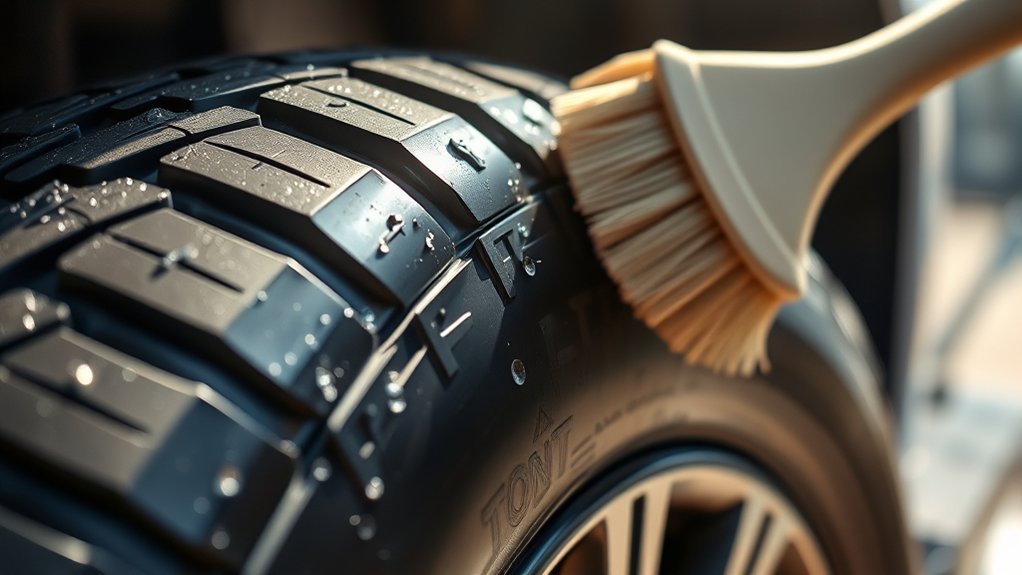
Proper tire storage helps, but regular cleaning also matters. Dirt, mud, oil, road salt, and harsh chemicals can sit on the rubber and speed up visible aging. Clean your Hilux tires every few weeks if the truck is used in mud, salt, sand, or job-site conditions.
| Step | Action | Purpose |
|---|---|---|
| 1. Rinse | Use clean water to loosen mud and grit | Prevents scratching and removes surface debris |
| 2. Wash | Use mild dish soap and a soft brush or cloth | Removes road film without harsh solvents |
| 3. Avoid | Skip petroleum-based cleaners and greasy dressings | Reduces chemical stress on rubber |
| 4. Dry | Wipe or air-dry before storage | Keeps moisture from sitting on wheels and rubber |
If you use a tire protectant, choose a water-based product made for automotive tires and follow the label. A protectant can improve appearance and add some UV protection, but it cannot reverse dry rot or make a damaged tire safe.
How Often to Inspect Tires?
Inspect your Hilux tires at least once a month and before long highway trips, towing, hauling, or off-road driving. NHTSA recommends checking tire pressure and tread monthly, and tire aging becomes more important when a vehicle is driven infrequently.
- Monthly pressure check: Check cold pressure with a gauge, including the spare.
- Monthly tread check: Look for uneven wear, low tread, nails, stones, cuts, and treadwear indicators.
- Sidewall check: Inspect outer and inner sidewalls for cracks, bulges, scuffs, and cuts.
- DOT age check: Confirm tire age at least twice a year.
- Professional inspection: Ask a tire shop to inspect older tires, pressure-loss problems, or any tire with visible cracking.
Rotate, Balance, and Align to Reduce Tire Stress
Dry rot is mostly about rubber aging, but uneven wear and extra heat can make a tire’s life harder. Rotate your Hilux tires on the schedule in your owner’s manual. NHTSA says that if the vehicle manufacturer recommends rotation, a common range is every 5,000 to 8,000 miles or sooner if uneven wear appears.
Also check wheel alignment if your Hilux pulls to one side, the steering wheel sits off-center, or one tire edge wears faster than the other. Balance the tires if you feel vibration at speed. These steps do not “cure” dry rot, but they reduce avoidable stress and help tires wear evenly.
When to Replace Tires With Dry Rot?
Replace tires with dry rot when cracking is deep, widespread, or paired with other warning signs. Do not rely only on tread depth if the rubber is old or damaged. A tire can have legal tread and still be unsafe because of age, cracks, bulges, or internal damage.
Replace the tire or have it inspected immediately if you see:
- Cracks deep enough to expose fabric, cords, or inner layers.
- Bulges, bubbles, or sidewall deformation.
- Tread separation, missing chunks, or peeling rubber.
- Repeated pressure loss with no simple puncture found.
- Severe cracking on the sidewall or between tread blocks.
- A tire that is six to 10 years old and showing age-related damage.
The safest rule is simple: if dry rot has reached the sidewall structure or the tire will not hold pressure, replace it instead of trying to dress, seal, or hide the cracks.
[Products Worth Considering]

These aluminum alloy tire valve stem caps with an O-ring seal help protect valve stems from corrosion while adding a clean, stylish look to your vehicle. The universal fit works across cars, trucks, motorcycles, bicycles, and more, making them an easy upgrade for everyday driving and off-road use. Installation is quick, and the included four-pack keeps all your tires dressed and protected.

Monitor tire tread wear with a smart, color-coded depth gauge that shows clear condition ranges at a glance. The bar is range marked for fast, easy readings, helping you maintain safer traction and performance. Each gauge is portable with a pocket clip, and the set includes 20 units for daily use and sharing.

The SAFELIFE dial tire tread depth gauge measures tread depth in 1/32 inch increments with clear, easy-to-read 2-inch dial face. Color zones using a traffic light system help you quickly judge whether tread is low, marginal, or ample for safer driving. Built with a durable zinc cast body and a metal detect probe for precise, comfortable use across cars, motorcycles, trucks, and buses.
Frequently Asked Questions
Is it common for Toyota Hilux tires to dry rot?
Yes, it can happen on any Hilux tire, especially if the truck sits outside, carries heavy loads, is driven infrequently, or uses older tires. Sunlight, heat, poor storage, low pressure, and age all increase the risk.
What can I spray on my tires to keep them from cracking?
Use only a water-based tire protectant made for automotive tires, and follow the product label. Avoid petroleum-based, greasy, or solvent-heavy products. A protectant may help reduce UV exposure and improve appearance, but it will not repair existing dry rot.
Can I drive on tires with small dry rot cracks?
Small surface cracks may not require immediate replacement, but they should be monitored closely. Do not drive on tires with deep cracks, bulges, exposed cords, tread separation, or pressure loss. When in doubt, have a tire professional inspect them.
How old is too old for Hilux tires?
Many vehicle and tire manufacturers recommend replacement somewhere between six and 10 years, even if tread remains. Check the DOT date code, inspect condition monthly, and follow the guidance from your tire maker and Toyota owner’s manual.
Should I inspect the spare tire for dry rot?
Yes. Spare tires often age faster than owners expect because they sit unused for years. Check the spare’s pressure, sidewall cracks, tread condition, and DOT date code before relying on it during a roadside emergency.
Conclusion
Preventing dry rot on Toyota Hilux tires comes down to a simple routine: inspect monthly, keep cold pressure at the placard setting, protect tires from sunlight and heat, clean them with mild products, check the DOT age code, and replace tires that show serious cracking or pressure-loss problems. Your Hilux depends on strong, flexible rubber for braking, steering, hauling, and off-road stability, so tire care is a safety habit worth keeping.
Sources
- NHTSA TireWise — tire pressure checks, tread depth, tire aging, TPMS limits, replacement signs, and tire-related crash safety data.
- NHTSA Recalls — checking whether a tire or vehicle has an open safety recall.
- 49 CFR § 571.138, Tire Pressure Monitoring Systems — federal TPMS standard context for underinflation warnings.