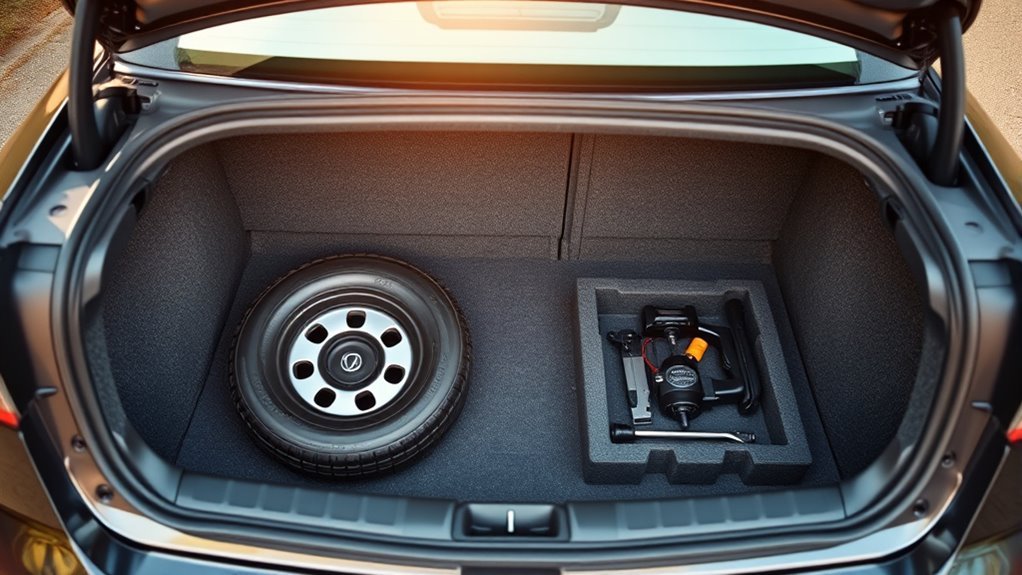
A flat tire can turn a simple Sonata drive into a long delay if you don’t know what Hyundai put under your trunk floor. Your Sonata may have a full-size spare, a compact donut, or only a tire sealant and inflator kit. This guide explains how spare setups vary by Sonata year, trim, and hybrid status, plus how to check your exact fit before you buy parts.
Quick Answer
Some Hyundai Sonata models include a spare tire, but many do not. Non-hybrid models more often use a compact spare or, in some earlier trims, a full-size spare. Sonata Hybrid models often use a tire mobility kit instead of a physical spare to save weight and trunk space. Always check your owner’s manual, trunk well, and vehicle identification number before buying a spare kit.
Key Takeaways
- Check your Sonata’s year, trim, and hybrid status before you assume it has a spare tire.
- Use your owner’s manual and vehicle identification number to confirm exact spare fitment.
- Expect many Sonata Hybrid models to use a sealant and inflator kit instead of a spare.
- Treat a compact donut as a short-term fix, not a normal replacement tire.
- Match bolt pattern, wheel size, brake clearance, and load rating before you buy any spare kit.
Hyundai Sonata Spare Tire Availability by Model Year
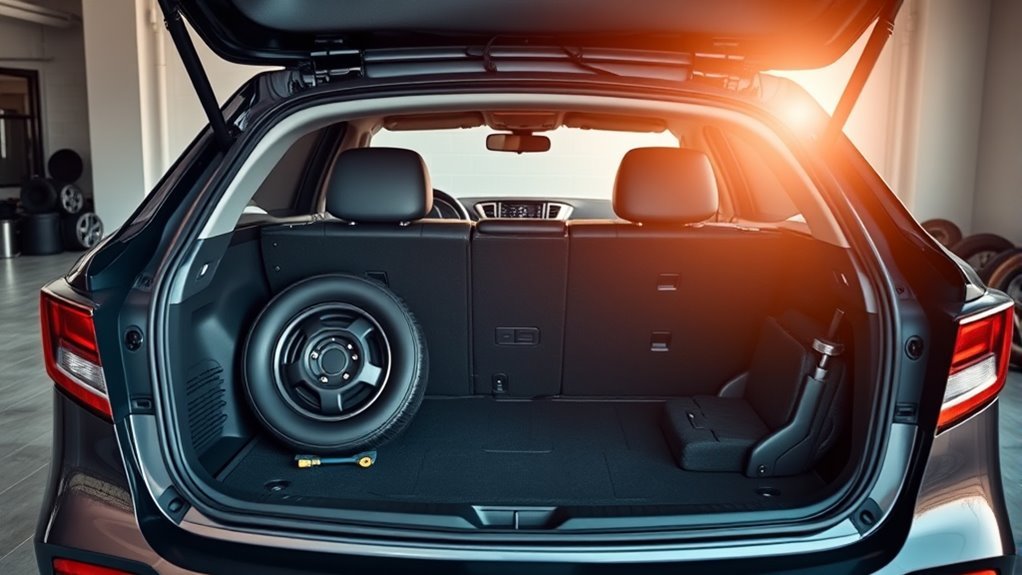
Spare-tire availability across Hyundai Sonata years depends on model year, trim, market, and hybrid status. Some early 2010s non-hybrid trims came with a physical spare, while many hybrid versions used a sealant and inflator kit instead.
For 2012 through 2015 models, treat spare coverage as mixed. Some trims used compact spares, while others used tire repair kits. By the mid-2010s, Sonata Hybrid versions commonly leaned on sealant and electric pump solutions rather than a physical spare.
Many later Sonata models, especially hybrid trims, continue this pattern because Hyundai can reduce weight and preserve cargo room with a mobility kit. Before you buy a used Sonata or order a spare kit, inspect the trunk storage area and confirm the original equipment with your vehicle identification number (VIN).
Sonata Spare Types: Full-Size Tire, Donut, or Repair Kit
Your Sonata will usually use one of three flat-tire setups: a full-size spare, a compact donut, or a tire repair kit. Each option changes how far you can drive, how the car handles, and what repairs you can make on the roadside.
| Type | Typical Use | Notes |
|---|---|---|
| Full-size spare | Direct temporary replacement | Keeps handling closer to normal, but you still need matching size and load rating |
| Donut spare | Short-distance emergency driving | Follow the speed and distance limits printed on the tire or in the owner’s manual |
| Repair kit | Minor tread punctures | Uses sealant and an inflator, but it cannot fix sidewall damage or large cuts |
A full-size spare gives you the most stable backup, but it takes more trunk space. A donut saves space, but it changes braking and handling. A repair kit weighs less, but it only helps when the puncture meets the sealant kit’s limits.
Warning: Do not use sealant on a tire with sidewall damage, a large tear, or damage from driving while flat.
[Products Worth Considering]

The Tymate TM12 RV TPMS delivers real-time tire pressure and temperature monitoring with a stable 433Hz display for safer long-distance driving. It supports simultaneous monitoring across vehicle and trailer zones, includes six alarm modes for pressure, temperature, leakage, battery, and signal loss, and features easy DIY installation with auto calibration. Power is supplied via USB-C charging or solar recharging, with a wide 0–144 PSI range and up to 50 ft signal coverage for RVs and towable trailers.

The Dr.Roc spare tire tool kit helps you release, lower, or raise your spare tire with reliable extension tools and a lug nut wrench. It is made from rustproof automotive-grade steel and includes an organized carry case for convenient storage. Designed for compatibility with select GM models from the late 1990s through 2019, it uses upgraded extension components to install and remove spare tires with less hassle.

Replace worn or malfunctioning GM TPMS sensors with this 433MHz pre-programmed sensor set designed for compatibility with many Chevrolet, Buick, GMC, and Cadillac models. It includes guidance for proper OBDII relearning/pairing after installation and supports reliable long-term operation with a high-performance CR2032 battery. Quality tested for durability and performance to help restore accurate tire pressure monitoring.
Why Many Sonata Hybrids Don’t Include a Spare
Many Sonata Hybrid models skip a physical spare because weight and cargo space matter more in a hybrid package. Hyundai can reduce vehicle weight and protect trunk room by using a tire mobility kit with sealant and an electric inflator.
That choice can improve packaging, but it also shifts more responsibility to you. A sealant kit may help with a small puncture in the tread area, but it won’t fix every flat.
Consider your normal routes before you rely on a repair kit alone. If you often drive at night, commute long distances, or travel through rural areas, a compatible spare kit may give you more control during a flat.
- Check whether roadside assistance covers towing after tire damage.
- Keep the sealant bottle within its expiration date.
- Learn how your inflator connects before an emergency happens.
How to Check Whether Your Sonata Has a Spare Tire
Start with the trunk floor. Lift the cargo floor panel and look for a wheel, jack, lug wrench, tow hook, inflator, or sealant bottle.
Next, check your owner’s manual under the flat-tire or emergency section. The manual will describe the equipment Hyundai supplied for your model and show where the tools should sit.
If you still feel unsure, call a Hyundai parts department with your VIN. Ask them to confirm whether your Sonata left the factory with a spare tire, a tire mobility kit, or no tire service kit.
Pro tip: Take a photo of your trunk kit and tool layout so you can compare parts before ordering replacements.
How to Buy a Compatible OEM or Aftermarket Spare
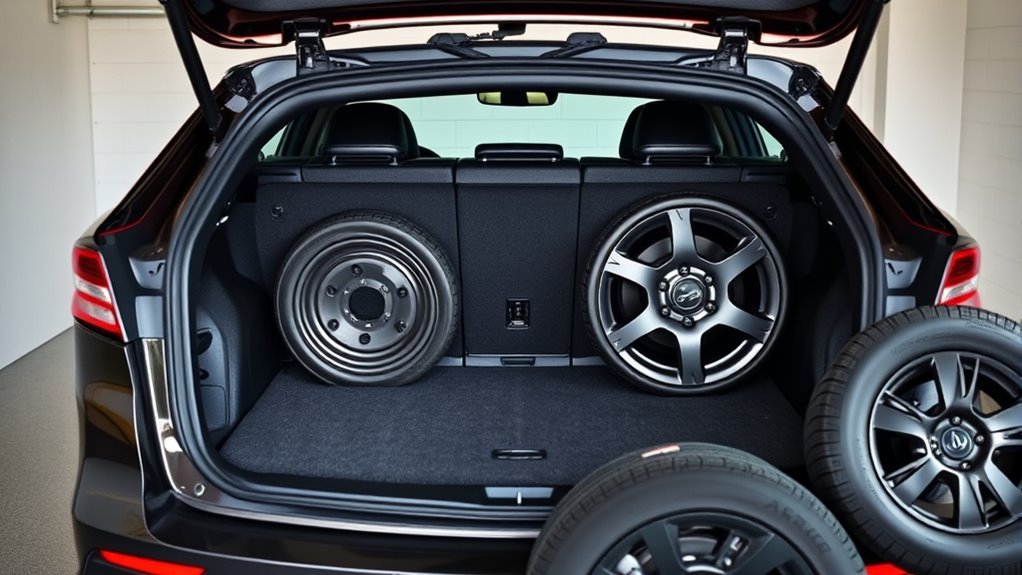
When you shop for a spare, start with exact compatibility. Match the year, trim, hybrid status, brake size, wheel diameter, bolt pattern, offset, center bore, and load rating.
Original equipment manufacturer (OEM) kits from Hyundai dealers or official parts sellers usually give you the safest fit path. Used kits from salvage yards may cost less, but you need clear part numbers and photos before you buy.
Aftermarket options can work when the seller gives exact fitment data. Do not rely on a vague claim that a spare “fits Sonata.” Ask for measurements, part numbers, and brake-clearance details.
Some non-hybrid spare kits may fit certain hybrid models, but you should not assume that. Hybrid packaging, brakes, and trunk hardware can change fitment.
[Products Worth Considering]

This spare tire tool kit is designed for the 2004 to 2018 Ford F-150 to help you loosen and tighten wheel lug nuts and manage the spare tire and provided jack functions from underneath the vehicle. It includes the lug nut wrench and extension pieces plus a convenient storage carrying case for organized transport. The jack itself is not included.

Replace your worn or missing TPMS sensors with pre-programmed, direct-fit sensors for compatible Ford, Lincoln, and select Mazda models. Each sensor comes ready to activate with a scan tool, helping restore accurate tire pressure monitoring and trouble-free installation. Built with a long-life CR2032 battery and tested before factory release, this set provides dependable performance with a one-year warranty.

Rhino USA’s 86-piece tire repair kit provides everything you need for quick, emergency flat repairs, including a reamer and plug insertion tool plus 60 reusable tire plugs. The heavy-duty, metal-handled design helps you fix punctures from nails and screws on tubeless tires for cars, trucks, motorcycles, ATVs, UTVs, and more. A high-visibility compact case stores easily for on-the-go use, with illustrated instructions to help you complete repairs with confidence.
After a Flat: Tools, Installation Tips, and Safety Limits
After you secure a compatible spare, keep the right tools in the car. Most Sonata spare kits include a jack, lug wrench, spare tire, and storage hardware.
Park on firm, level ground before you work near traffic. Turn on your hazard lights, set the parking brake, and chock a wheel if you have a chock available.
- Loosen the lug nuts slightly while the flat tire still touches the ground.
- Place the jack at the lift point shown in your owner’s manual.
- Raise the car only high enough to remove the flat tire.
- Install the spare and tighten the lug nuts by hand.
- Lower the car and tighten the lug nuts in a star pattern.
- Check tire pressure and drive to a tire shop as soon as you can.
Compact donuts carry limits. Follow the speed and distance limits printed on the spare or listed in your owner’s manual. Many temporary spares use a lower speed limit than normal tires.
Inspect your spare and tools a few times each year. Cracked rubber, low air pressure, rusted tools, or missing hardware can turn a simple flat into a tow.
[Products Worth Considering]

Keep your tires properly inflated with this analog VONDIOR tire pressure gauge, designed for fast, easy readings without batteries. The swiveling, two-axis hose and large glow dial help you measure at any tire angle with instant visibility. Built with a protective rubber shield, it supports durable, low-maintenance use for cars and trucks.

Replace worn or missing TPMS sensors with a pre-programmed 4-pack designed for compatible GM vehicles. These 315MHz sensors provide real-time tire pressure monitoring and alert you if pressure is too high, too low, or if a rapid air leak occurs. Most installations are ready with minimal relearn effort after mounting, helping improve safety and driving confidence.

These M14x1.5 closed-end chrome lug nuts are a one-piece replacement designed for secure fitment on compatible GM, Ford, and select Chrysler/Dodge models. Featuring a 60-degree conical seat and anti-rust chrome plating, they help resist corrosion and maintain a bright look for everyday driving. Built for long-term durability, they include OEM-style part references and are backed by 12 months of support.
Frequently Asked Questions
Do Spare Tires Affect Sonata Fuel Economy When Carried Regularly?
Yes. A spare tire adds weight, and extra weight can reduce fuel economy slightly. Most drivers will not notice a large change, but a hybrid model may lose some of the weight savings Hyundai designed into the car.
Can Extended Warranties or Roadside Plans Cover Spare Tire Replacements?
Some roadside plans cover towing, tire changes, or help with an installed spare. Many extended warranties do not cover normal tire wear or damaged tires. Read your plan terms before you count on coverage.
Are Run-Flat Tires Compatible With Sonata Tire Pressure Monitoring Systems?
Run-flat tires can work on some Sonata models when the tire size, wheel, and tire pressure monitoring system (TPMS) sensors match the vehicle. Ask a tire shop to confirm load rating, sensor compatibility, and calibration needs before installation.
Does Storing a Spare Long Term Require Special Maintenance?
Yes. Keep the spare inflated to the pressure listed on the tire or in your owner’s manual. Inspect it for cracks, bulges, punctures, and dry rot before you trust it in an emergency.
Will Aftermarket Spare Size Changes Affect Sonata Traction Control?
Yes, a spare with the wrong diameter can affect anti-lock braking system (ABS) and traction control operation. Match the rolling diameter as closely as the spare kit requires, and avoid long drives on mismatched tires.
Conclusion
Your Hyundai Sonata may carry a full-size spare, a compact donut, or only a tire repair kit, depending on its year, trim, and hybrid status. Check the trunk, owner’s manual, and VIN before you buy or rely on any spare setup.
If your Sonata lacks a spare, decide whether a compatible kit makes sense for your driving habits. A few checks now can help you avoid a stressful roadside surprise later.
References
- Hyundai Owner’s Manuals and Warranty Information — Hyundai Motor America
- Tires — National Highway Traffic Safety Administration
- Tire Pressure Monitoring System (TPMS) — National Highway Traffic Safety Administration