
A damaged tire on your Toyota Camry is not something to guess about. A small nail in the center tread may be repairable, but sidewall damage, bulges, exposed cords, severe cracking, deep tread wear, or a large puncture usually means the tire must be replaced. Use the checks below to decide when to stop driving, when a repair may be possible, and when a tire technician should inspect it from the inside.
Quick Answer
Toyota Camry tire damage is beyond repair if it is in the sidewall or shoulder, exposes cords, creates a bulge, blister, or deep crack, leaves less than 2/32 inch of tread, or causes a puncture larger than 1/4 inch. A repair is only possible for a small puncture in the repairable tread area after the tire is removed and inspected.
Key Takeaways
- Replace the tire if the damage reaches the sidewall, shoulder, belt edge, or bead area.
- A puncture may be repairable only when it is in the tread/crown area and no larger than 1/4 inch, or 6 mm.
- A proper repair requires removing the tire from the wheel, inspecting the inside, filling the injury, and sealing the inner liner with a patch.
- Do not repair a tire with exposed cords, bulges, blisters, severe cracks, overlapping repairs, or tread worn to 2/32 inch.
- Vibration, air loss, or dry rot can point to hidden damage, so have the tire inspected before driving normally.
At a Glance
| Time Required | 5–10 minutes for a visual check; longer if a tire shop removes and inspects the tire. |
| Difficulty | Easy for visible damage checks; professional inspection needed for internal damage. |
| Tools Needed | Tread-depth gauge, tire pressure gauge, flashlight, and the tire information placard on the driver-door jamb. |
| Cost | Visual inspection is free; repair or replacement cost depends on tire size, tire type, and shop policy. |
How to Tell if Tire Damage Is Repairable
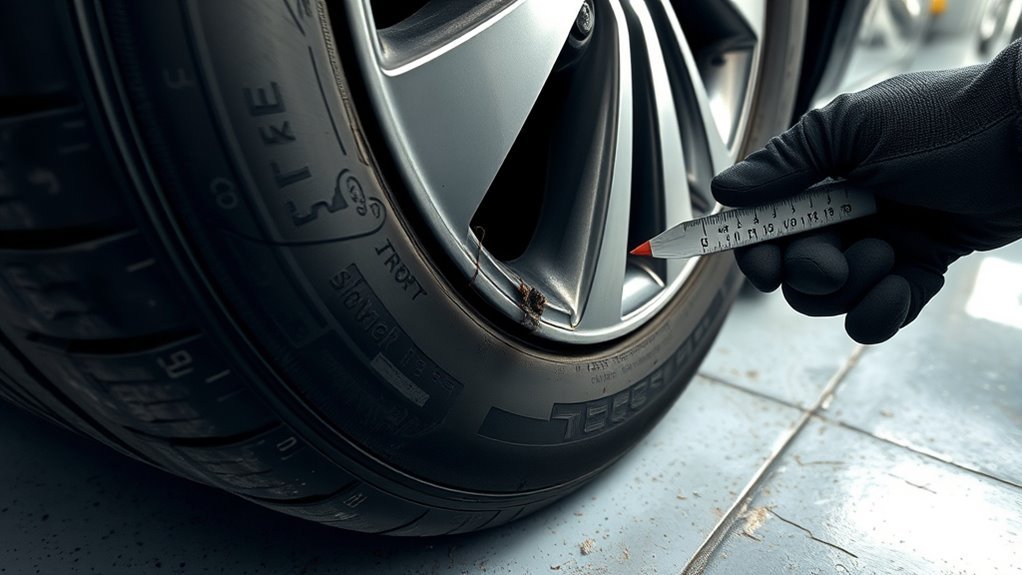
Start with the location of the damage. Industry repair guidance from the U.S. Tire Manufacturers Association limits puncture repair to the tread area only, and the injury must be no larger than 1/4 inch, or 6 mm. If the puncture reaches the shoulder, belt edge, sidewall, or bead area, the tire should be replaced instead of repaired.
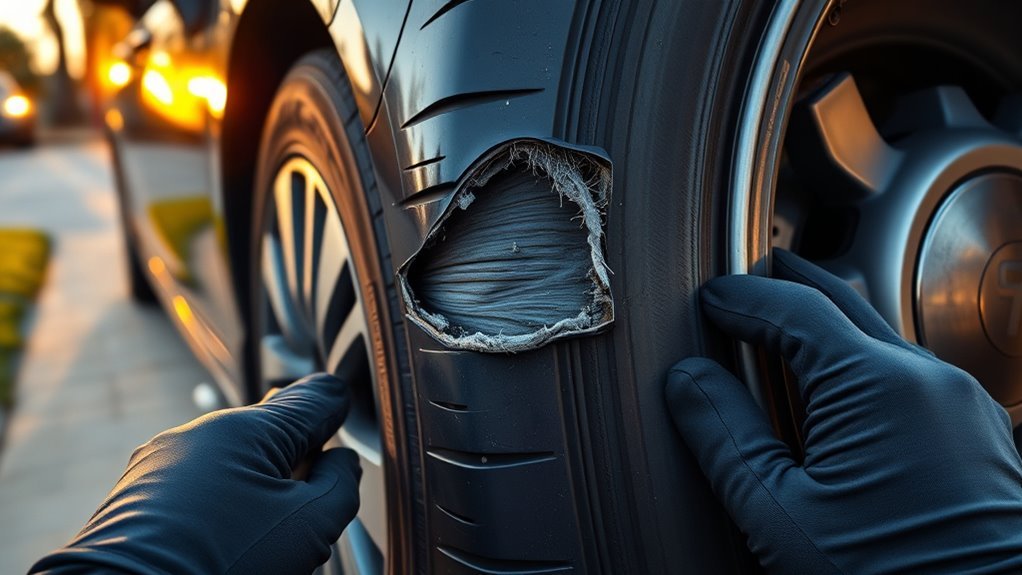
Next, check the tire’s overall condition. A repair is not safe if the tire has exposed cords, a bulge, a blister, deep cracks, severe dry rot, tread worn to the treadwear indicators, or damage from being driven flat. Also avoid repair when the new injury would overlap an old repair or sit directly opposite another injury, because the tire casing may be weakened.
Warning: Do not keep driving on a Camry tire with a sidewall bulge, exposed cords, rapid air loss, or heavy vibration. Install the spare if it is safe to do so, call roadside assistance, or have the vehicle towed.
A proper tire repair is more than an outside plug. The tire should be removed from the wheel so the technician can inspect the inner liner and sidewall from inside. A rubber stem or plug fills the puncture channel, and an internal patch seals the liner. A plug alone or patch alone is not considered a proper permanent repair by major tire-industry guidance.
When Tire Damage Means Replacement
Some damage looks small from the outside but still makes the tire unsafe. Use this table as a quick repair-or-replace guide for a Toyota Camry passenger tire.
| Condition | Repair or Replace? | Why It Matters |
|---|---|---|
| Sidewall, shoulder, bead, or belt-edge puncture | Replace | These areas flex and carry load, so a repair cannot restore full strength. |
| Tread puncture larger than 1/4 inch / 6 mm | Replace | The injury is larger than standard passenger-tire repair limits. |
| Bulge, blister, bubble, or impact knot | Replace | Usually points to internal cord or ply damage. |
| Visible cords or steel belt | Replace | The tire’s structure is exposed and no longer safe. |
| Tread worn to 2/32 inch or treadwear bars | Replace | Wet grip drops and the tire should not be repaired. |
| Overlapping repairs or directly opposite injuries | Replace | The repair area may be too weakened to hold safely. |
If you are unsure, treat the tire as unsafe until it is inspected. A trained tire technician can decide whether the tire can be repaired within industry and manufacturer limits.
[Products Worth Considering]

Measure tire tread depth quickly and accurately with this LUMITECO dial gauge that reads in 1/32" increments up to 14/32". The color-coded green/yellow/red zones make it easy to judge tire wear and know when replacement is needed. A rugged, compact design with a protective pouch helps keep the gauge ready for use on cars, trucks, motorcycles, and more.

The SAFELIFE dial tire tread depth gauge measures tread depth in 1/32 inch increments with clear, easy-to-read 2-inch dial face. Color zones using a traffic light system help you quickly judge whether tread is low, marginal, or ample for safer driving. Built with a durable zinc cast body and a metal detect probe for precise, comfortable use across cars, motorcycles, trucks, and buses.

This tire inflator with pressure gauge delivers long-lasting performance with a durable rubber-protected gauge and sturdy build. The longer hose and 360 swivel air chuck help you seal the valve securely and keep your hands free while measuring, inflating, or deflating. It’s battery-free for reliable use and provides ±2 PSI accuracy in the mid-range for most typical tires, with universal compatibility for 1/4 NPT compressor outputs.
Why Sidewall Damage Can’t Be Fixed
The sidewall is not just rubber covering the tire. It flexes constantly, helps carry the vehicle’s weight, and protects internal cords that keep the tire’s shape under pressure. A sidewall puncture, cut, bubble, or exposed cord weakens that structure.
[Products Worth Considering]

This AUTOWN flat tire repair kit is designed for quick, reliable puncture repairs using a plug kit and spiral probe tool to simplify installation. Built for durability and safe handling, it offers strong adhesion and flexibility to help maintain tire air tightness. With a portable storage case and a multi-vehicle approach, it’s suitable for cars, motorcycles, ATVs, tractors, lawn mowers, RVs, jeeps, and trucks.

This tire repair screw plug kit includes 60 pieces in two sizes to help you fix punctures quickly on the road. Choose the right screw by puncture size, then drive it in with a screwdriver for an effective seal without needing a flaring tool. The coated screws help prevent leaks and are designed for convenient emergency use across cars, trucks, ATVs, motorcycles, and bicycles.

AUTOWN’s 68-piece tire repair kit helps you fix punctures and plug flats quickly and effectively. It includes a T-handle and spiral probe tool for easy insertion, while the steel patch and plug materials are designed for strong adhesion and long-lasting airtight performance. The compact case makes it convenient for roadside repairs across a wide range of vehicles.
Sidewall Weakness Explained
When you see a bulge on the sidewall, you are often looking at internal cord damage from a curb, pothole, road debris, or underinflation. Air pressure can push against the weakened area, creating a bubble that may fail suddenly. That is why sidewall bulges and blisters are replacement signs, not patch jobs.
Why Repairs Fail
Standard puncture repair is designed for the tread/crown area, where the tire has a flatter repair surface and steel-belt support. The sidewall bends too much for a permanent repair to stay safe. A patch may seal air briefly, but it cannot rebuild the tire casing or restore the damaged cords.
Note: The same caution applies to the shoulder area where the tread curves into the sidewall. Many shops will not repair punctures near that edge because the injury can extend into the belt edge or sidewall.
Can a Tire Puncture Be Repaired?
Yes, but only under the right conditions. A nail or screw in the center tread may be repairable when the tire still has enough tread, has not been driven flat, and passes an inside inspection. The repair should follow tire-industry procedures, not a quick outside-only plug.
| Condition | Likely Result |
|---|---|
| Small puncture in the repairable tread/crown area | Possible professional repair |
| Puncture larger than 1/4 inch / 6 mm | Replace |
| Shoulder or sidewall puncture | Replace |
| Tire driven flat or severely underinflated | Inspect inside; replace if internal damage is found |
| Old improper plug-only repair | Replace or evaluate by tire manufacturer/shop policy |
Pro Tip: Mark the puncture location with chalk or a piece of tape before removing the nail or screw. This helps the technician find the injury channel after the tire is demounted.
[Products Worth Considering]

Steelman white tire marking crayons provide high-contrast, semi-permanent marks for repairing and inspecting tires and equipment. They write on wet or dry, smooth or coarse surfaces including rubber, metal, glass, and wood, making them ideal for puncture location and damage outlining. The lead- and zinc-free crayons resist weather and fading yet wipe away when you no longer need the marks.

KEVWR self-service tire repair nails are made to firmly fix punctures with strong bite and reliable sealing, helping prevent water from entering the wound. The spiral rubber screws are easy to insert without removing the tire, providing a simple DIY repair for many vehicle and tire types. Suitable for cars, motorcycles, trucks, bikes, buses, and agricultural tires with two size options for different puncture nails.

Vigorder rubber cement glue delivers superior adhesion and cures quickly within about 30 seconds for seamless rubber bonding. Once cured, it helps provide a strong, durable, waterproof seal that holds up to vehicle weight, pressure, and heat. Suitable for cars, motorcycles, trucks, bicycles, and off-road tires, it’s designed for emergency patch and maintenance repairs.
What Tread Wear Says About Tire Safety
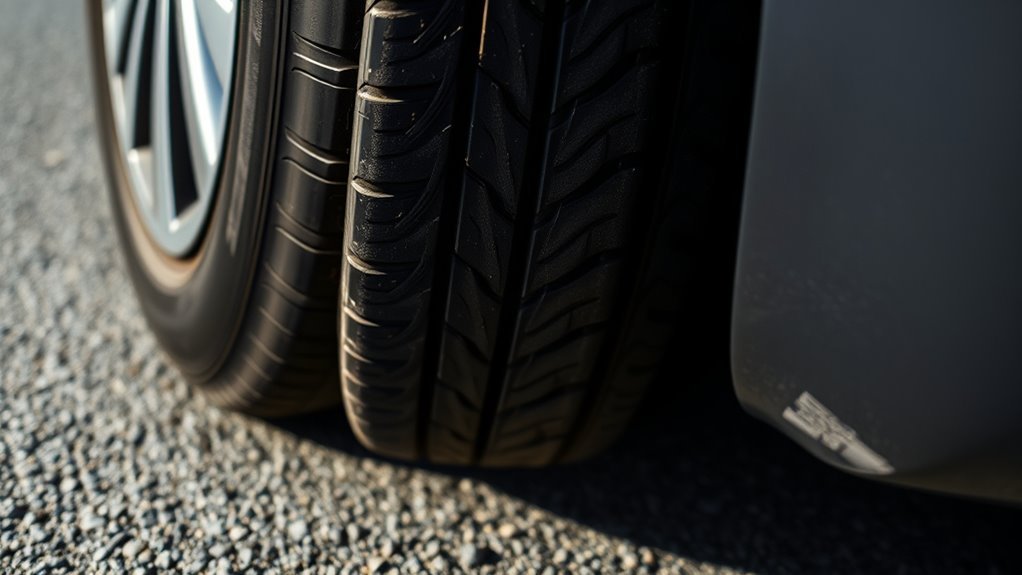
Tread depth affects how well your Camry can grip wet pavement and clear water from under the tire. The National Highway Traffic Safety Administration says tires are not safe and should be replaced when the tread is worn to 2/32 inch. Tires worn to the treadwear indicators should not be repaired.
Use a tread-depth gauge for the most accurate check. You can also use the penny test as a quick warning: place a penny into the tread with Lincoln’s head upside down and facing you. If you can see the top of Lincoln’s head, the tire is at the replacement point.
Uneven tread wear matters too. Heavy wear on one shoulder, cupping, feathering, or center wear can point to inflation, alignment, suspension, or rotation problems. Before installing a new tire, correct the cause so the replacement does not wear out early.
When Vibrations Signal Internal Damage
A Camry that shakes at speed may simply need balancing or alignment, but persistent vibration can also point to a damaged tire. If the shake starts after hitting a pothole, curb, or road debris, inspect the tires immediately.
Internal Tread Separation
Internal tread separation happens when layers inside the tire start to come apart. You may feel vibration, hear thumping, or notice a raised area in the tread. This type of damage is not safely repaired; the tire should be removed from service and replaced.
Wheel Balance Issues
Wheel imbalance can make the steering wheel or seat shake, especially at highway speeds. Balance problems are repairable, but they should not be used to dismiss tire damage. If balancing and alignment do not solve the vibration, have the tire inspected for internal defects.
Hidden Structural Damage
Some dangerous tire damage cannot be seen from the outside. A tire that has been driven flat, run with very low pressure, or hit a pothole hard can have inner sidewall damage. That is why a tire shop should remove the tire from the wheel before approving a permanent repair.
A tire that keeps losing air, vibrating, or showing new bulges should be treated as a safety problem until a technician confirms it is roadworthy.
When Age and Dry Rot Mean Replacement
Tire age matters because rubber, adhesives, and internal materials change over time. Heat, sunlight, underinflation, storage conditions, impacts, and mileage all affect how quickly a tire ages. Check the DOT date code on the sidewall: the last four digits show the week and year the tire was made. For example, 1324 means the 13th week of 2024.
Dry rot appears as cracks, fissures, or a brittle surface in the sidewall or tread grooves. Small cosmetic checking may need professional judgment, but deep cracks, exposed cords, or cracking with air loss means the tire should be replaced. Tire-maker guidance often treats 10 years from manufacture as a maximum service-life point, but some vehicle or tire manufacturers may recommend earlier replacement. Follow the tire manufacturer, your Toyota owner’s manual, and your tire technician’s inspection.
| Age or Dry-Rot Sign | Risk | Action |
|---|---|---|
| Fine surface checking only | May be early aging | Have it inspected and monitor closely |
| Deep sidewall cracks | Structural weakening | Replace |
| Cracks with exposed cords | Irreparable casing damage | Replace immediately |
| Tire 10 years or older from manufacture | Age-related failure risk | Replace unless tire/vehicle guidance is stricter |
What to Do After Finding Tire Damage
If you find tire damage on your Toyota Camry, slow down and avoid highway driving until you know the tire is safe. A low-pressure warning light can help, but it does not replace a monthly pressure and tread check. Use the cold tire pressure listed on the driver-door placard or in your Toyota owner’s manual, not the maximum pressure printed on the tire sidewall.
- Stop and inspect safely. Park away from traffic before checking the tread, sidewall, and pressure.
- Look for replacement signs. Replace the tire if you see cords, bulges, sidewall damage, severe cracking, or tread at 2/32 inch.
- Do not pull out the object immediately. If a nail or screw is holding air, leave it in place until a technician can inspect it.
- Avoid outside-only plugs as a permanent fix. Use a shop that demounts the tire and performs a proper plug-patch repair when repair is allowed.
- Check the matching tires. If one tire is replaced, ask whether the opposite tire should be replaced too, especially if the remaining tread depth is much lower.
- Recheck alignment and balance. Uneven wear, vibration, or a hard impact may mean the wheel or suspension needs attention.
For a front-wheel-drive Camry, mismatched tread depth can affect handling and braking. A tire shop can measure the remaining tread on all four tires and recommend whether one tire, a pair, or a full set is the safest choice.
Frequently Asked Questions
How do you know if a tire is beyond repair?
A tire is beyond repair when the damage is in the sidewall, shoulder, bead, or belt edge; the puncture is larger than 1/4 inch; the tread is worn to 2/32 inch; cords are visible; or the tire has bulges, blisters, severe cracks, overlapping repairs, or hidden damage from being driven flat.
Can I patch a nail hole in my Camry tire?
A nail hole may be patchable if it is in the repairable tread/crown area, no larger than 1/4 inch, and the tire has no internal damage. The tire should be removed from the wheel and repaired with a proper plug-patch method.
Is a tire plug safe as a permanent repair?
A string plug installed from the outside should be treated as temporary. A permanent repair should fill the injury channel and seal the inner liner after the tire has been removed and inspected from the inside.
Can sidewall tire damage be repaired?
No. Sidewall damage is not safely repairable because that area flexes and supports the tire’s structure. Replace the tire if the sidewall has a puncture, cut, bulge, blister, exposed cord, or deep crack.
Should I replace one damaged tire or two?
It depends on tread depth, tire age, tire type, and axle position. If the opposite tire is worn much more than the new tire, replacing a pair may help keep braking and handling balanced. Ask the tire shop to measure all four tires before deciding.
Conclusion
Your Toyota Camry’s tire is beyond repair when the damage affects the sidewall, shoulder, structure, or safe tread depth. A small puncture in the center tread may be repairable, but only after the tire is removed, inspected inside, and repaired with the correct plug-patch method. When you see bulges, exposed cords, severe cracks, vibration, air loss, or tread at 2/32 inch, replace the tire instead of gambling on a patch.
Sources
- U.S. Tire Manufacturers Association — Tire Repair Basics — repairable tread area, 1/4-inch puncture limit, demount inspection, and plug-patch guidance.
- Tire Industry Association — Tire Repair — proper repair method, shoulder/sidewall limits, overlap warnings, and 2/32-inch repair limit.
- NHTSA TireWise — Tire Safety — tread depth, penny test, pressure checks, balancing, alignment, and tire safety basics.
- Toyota Owners — Manuals and Warranties — owner’s manual reference for vehicle-specific tire information.
- Toyo Tires — Tire Service Life and Replacement Guidelines — tire age, DOT manufacture date, inspection, vibration, and service-life guidance.