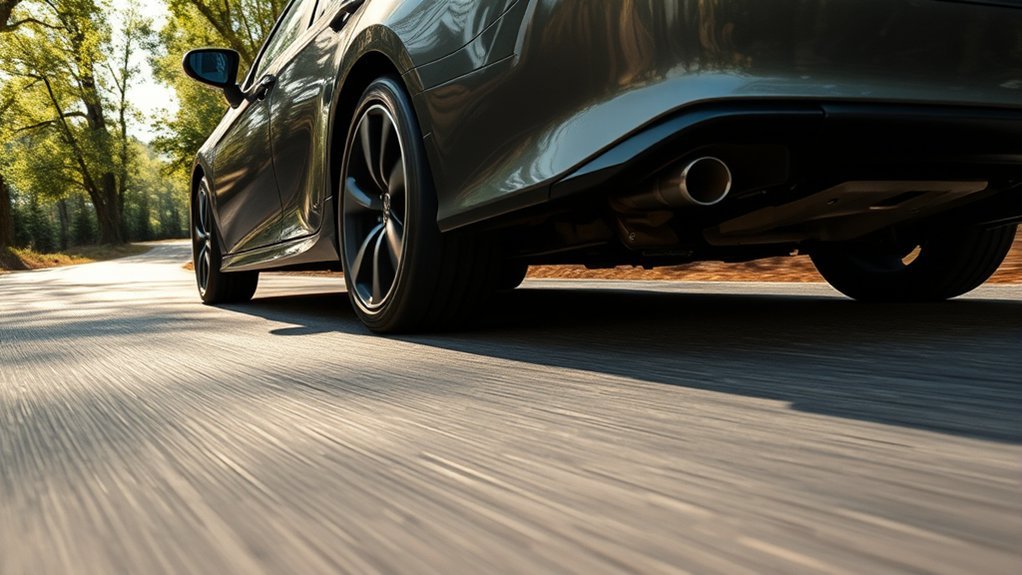
Wider tires can change how your Toyota Camry feels in corners, during lane changes, and over rough pavement. A properly matched wider setup may sharpen dry-road steering and improve cornering confidence, but width alone does not guarantee better braking or safer wet-weather performance. The result depends on the tire model, tread, compound, wheel size, offset, inflation pressure, and your Camry’s model year and trim.
Quick Answer
Wider tires can sharpen dry-road steering and cornering on a Toyota Camry when the tire, wheel, offset, and overall diameter are properly matched. They do not guarantee shorter stops or better wet grip. Possible trade-offs include a firmer ride, more noise, lower efficiency, hydroplaning risk, clearance problems, and higher replacement costs.
Key Takeaways
- A quality wider tire may improve dry grip and steering response, but tire design matters more than width alone.
- Use the tire size on the driver-side placard or another size approved for your exact Camry year and trim.
- Keep the correct load capacity, speed rating, wheel width, offset, and near-original overall diameter.
- Wider setups can increase ride firmness, road noise, rolling resistance, cost, and rubbing risk.
- For heavy rain, slush, or deep snow, tread design, tread depth, compound, and inflation pressure are critical.
How Do Wider Tires Improve Handling on a Toyota Camry?

A wider tire can change the shape of the tire’s footprint and may place more tread across the road. When the tire also uses a performance-focused compound, supportive sidewalls, and a suitable tread pattern, you may notice quicker steering response and more confidence during dry cornering.
However, width does not work by itself. Two tires with the same size can perform very differently because of their compound, construction, tread design, temperature range, and wear level. A premium tire in the factory size can easily outperform a low-quality wider tire.
Wider tires also do not directly control body roll. Your Camry’s springs, dampers, anti-roll bars, suspension geometry, and vehicle weight have a much larger effect. A lower-profile tire may feel more immediate because its sidewall flexes less, but that can also make the ride harsher.
The best handling upgrade is not simply the widest tire that fits. It is the best-matched tire and wheel package for your Camry, climate, and driving priorities.
How Do Wider Tires Enhance Performance?
When properly selected, wider tires may improve dry acceleration traction, steering precision, and cornering stability. They may also provide stronger braking performance if the wider tire has a better compound and construction than the original tire. None of these gains are automatic, and the improvement may be small during normal commuting.
The table below shows what usually changes when you move to a wider or lower-profile setup.
| Area | Possible Benefit | Possible Trade-off |
| Dry cornering | More responsive feel and potentially more grip | Grip still depends on compound, tread, and temperature |
| Steering | Quicker response with a suitable lower-profile tire | More tramlining or sensitivity to road grooves |
| Braking | Potentially shorter dry stops with a higher-grip tire | No guarantee of better wet or cold braking |
| Ride quality | More direct road feel | Firmer impacts and less pothole protection |
What’s Not So Great About Wider Tires?
Wider tires can make a Camry feel sportier, but they may reduce the comfort and efficiency that many Camry owners value. A wider tire and wheel package can be heavier, more expensive, and more vulnerable to pothole damage if it uses a shorter sidewall.
- Ride comfort: Lower-profile tires usually absorb less impact, so expansion joints and broken pavement feel sharper.
- Road noise: A wider tread and performance-oriented pattern may produce more noise, although the exact result depends on the tire model.
- Fuel economy: A tire with higher rolling resistance or a heavier wheel can require more energy. There is no reliable universal rule that width alone causes a 4–10% loss.
- Steering feel: Some wider setups follow road grooves more strongly, a behavior often called tramlining.
- Cost: Wider tires and larger wheels often cost more to buy, mount, balance, repair, and replace.
- Clearance: An incorrect wheel width, offset, or tire diameter can cause rubbing against the fender liner or suspension.
Warning: Do not choose a wider tire by width alone. The tire must fit the wheel, carry the required load, maintain suitable clearance, and remain compatible with the vehicle’s braking, steering, speedometer, traction-control, and stability-control systems.
How Do Wider Tires Handle Rain and Snow?

Wider tires are not automatically better or worse in every wet or winter condition. Tire width is only one part of the system. Tread depth, groove layout, rubber compound, inflation pressure, vehicle speed, water depth, temperature, and road texture all affect traction.
Rain and Standing Water
A well-designed wider tire can provide strong wet braking and cornering on damp pavement. In deeper standing water, however, a wide footprint can be more susceptible to hydroplaning if the tire cannot move water away fast enough. Research summarized by NASA shows that tire-footprint shape, along with inflation pressure, affects the speed at which dynamic hydroplaning begins.
Do not judge wet safety from width alone. A fresh tire with effective grooves may perform much better than a worn tire of the same size. Slow down in heavy rain, avoid standing water, and replace tires before the tread reaches an unsafe level.
Snow, Slush, and Ice
In loose snow and slush, a narrower approved winter setup can place more pressure on a smaller footprint and may cut through the surface more effectively. On packed snow or cold dry pavement, a wider winter tire may still perform well when its compound and tread are designed for those conditions.
The tire category matters more than a small width difference. A proper winter tire generally provides a larger safety benefit in cold, snowy conditions than simply switching between a wider and narrower all-season tire.
What’s the Impact of Wider Tires on Fuel Efficiency?
Wider tires can reduce fuel economy, but the size of the change cannot be predicted from width alone. Rolling resistance depends on the tire’s compound, construction, pressure, temperature, tread, and load. Wheel weight and aerodynamic drag can also matter.
The U.S. Department of Energy notes that replacement-tire efficiency varies and that lower rolling resistance can improve vehicle efficiency. That supports comparing the actual tire model, not applying a fixed fuel-economy penalty to every wider setup.
For a daily-driven Camry, choose a tire with suitable rolling-resistance characteristics, keep it inflated to the pressure on the vehicle placard, and avoid unnecessarily heavy wheels. Check fuel economy over several tanks before deciding whether a change is meaningful.
What Factors Should You Consider Before Choosing Wider Tires?
Start with your exact Camry, not a generic width range. Toyota Camry tire sizes vary by model year, trim, wheel package, and market. Use the driver-side Tire and Loading Information label and your Toyota owner’s manual as the baseline.
[Products Worth Considering]

Keep your tires properly inflated with this analog VONDIOR tire pressure gauge, designed for fast, easy readings without batteries. The swiveling, two-axis hose and large glow dial help you measure at any tire angle with instant visibility. Built with a protective rubber shield, it supports durable, low-maintenance use for cars and trucks.

Monitor tire tread wear with a smart, color-coded depth gauge that shows clear condition ranges at a glance. The bar is range marked for fast, easy readings, helping you maintain safer traction and performance. Each gauge is portable with a pocket clip, and the set includes 20 units for daily use and sharing.

Upgrade your wheels with MIKKUPPA closed-end lug nuts designed for reliable fit and corrosion resistance. The one-piece, cold-forged and heat-treated steel construction helps resist rust and stripping, while the integrated finish delivers a durable black appearance. Built to OEM standards with a conical 60-degree seat, these nuts provide a secure solution for compatible Ford, Honda, Jeep, and Chevrolet models.
Original Tire Size and Approved Alternatives
The National Highway Traffic Safety Administration recommends using the original tire size or another size recommended by the vehicle manufacturer. The placard also lists the correct cold inflation pressure. Do not use the maximum pressure printed on the tire sidewall as your everyday target.
Overall Diameter, Load Capacity, and Speed Rating
A wider tire usually needs a lower aspect ratio to keep the overall diameter close to the original. A major diameter change can affect speedometer accuracy, gearing, braking behavior, and electronic stability systems. The replacement must also meet the required load capacity and an appropriate speed rating.
Michelin’s plus-sizing guidance recommends checking manufacturer restrictions and keeping the package compatible with vehicle systems. There is no universal “20 mm wider is always safe” rule.
Wheel Width, Offset, and Clearance
The wheel must be approved for the tire’s width. Offset determines where the wheel sits relative to the suspension and fender. A setup can rub even when the tire’s outer diameter looks reasonable, especially at full steering lock or when the suspension compresses over a bump.
TPMS, Alignment, and Installation Quality
Confirm that the tire-pressure monitoring system works with the new wheels. Have every new tire mounted and balanced correctly, and check alignment if the car pulls, the steering wheel sits off-center, or the old tires show uneven wear.
Note: A size calculator can compare diameters, but it cannot confirm real-world clearance, load capacity, wheel compatibility, or electronic-system compatibility. Use it only as an initial screening tool.
Addressing Clearance Issues With Wider Tires
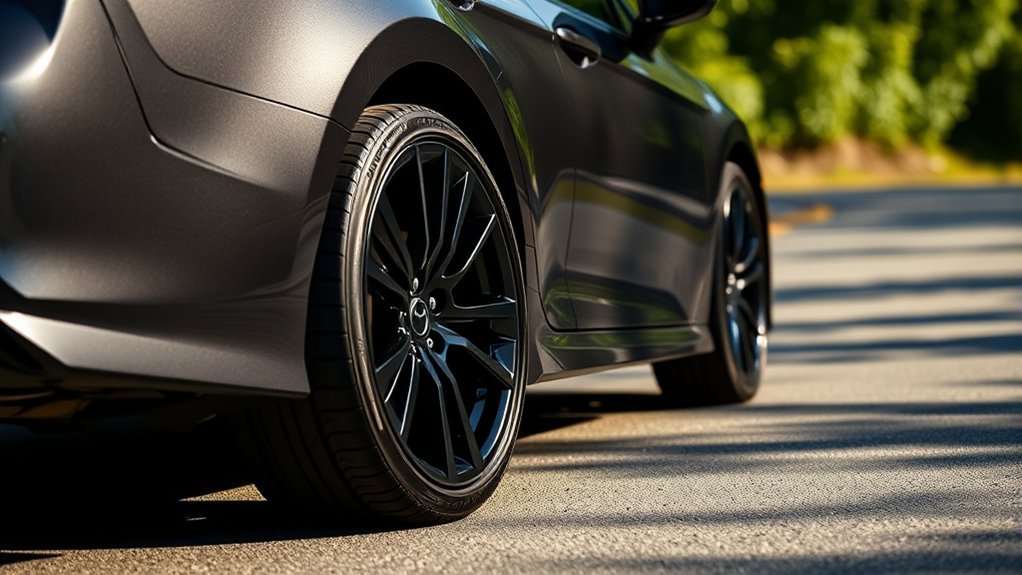
Clearance must be checked with the steering turned fully in both directions and with the suspension loaded. Look at the inner fender liner, strut, spring perch, brake hose, wheel-well edge, and any splash shields. Fresh rub marks, polished plastic, or unusual scraping sounds are warning signs.
[Products Worth Considering]

These universal tire valve stem caps help protect valve cores from dust, debris, and moisture while helping maintain stable tire pressure. The corrosion-resistant metal construction and sealed design provide reliable protection in road grime, mud, and winter conditions. Twist-on installation makes them quick to fit on cars, SUVs, trucks, and motorcycles.
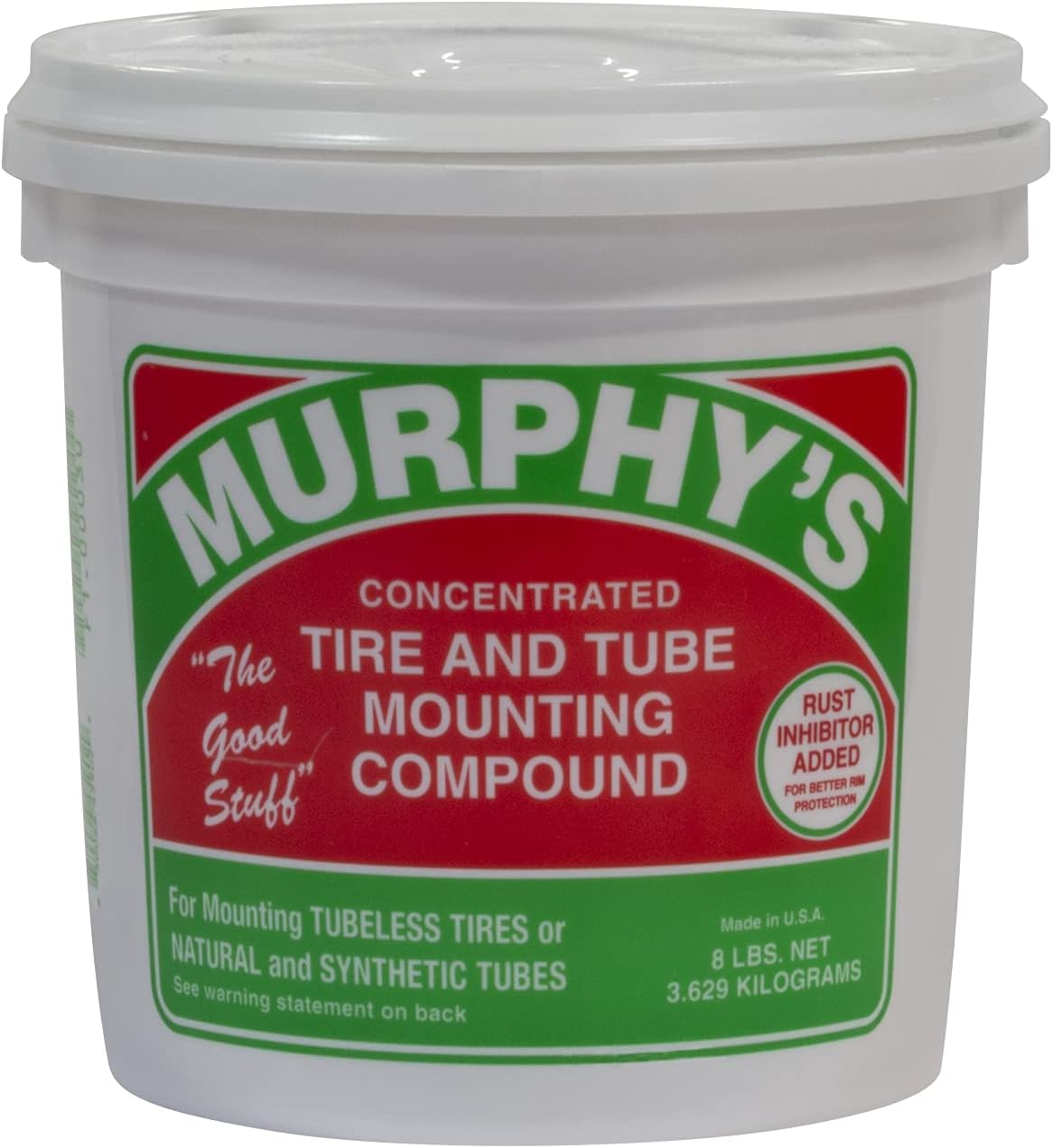
A concentrated tire and tube mounting compound designed to help simplify mounting rubber tires and tubes on passenger, semi truck, construction, and OTR applications. Its ultra-thick formula packs beads effectively and includes rust inhibitors to help protect against corrosion during use.
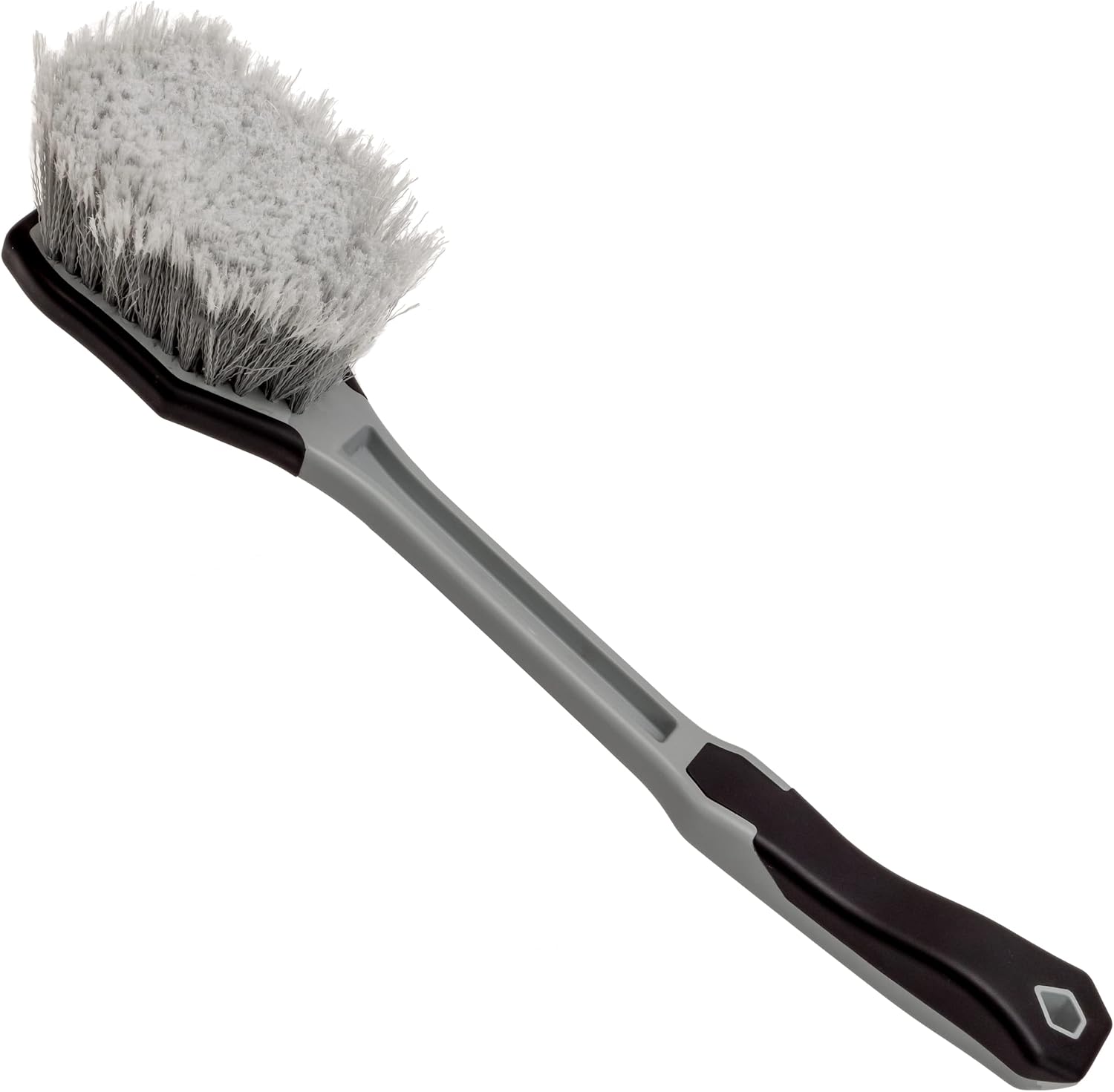
Clean grills, fenders, fender flares, bumpers, and wheel wells with a long-handled brush built for detailed car washing. The soft, triple-flagged bristles and dense scrub coverage help lift dirt gently while making coverage fast and easy. Use it with your favorite car wash soap for tires and exterior surfaces, and it also works for bike, motorcycle, boat, or RV cleaning.
Potential Rubbing Concerns
Rubbing may happen only during sharp turns, driveway transitions, heavy loading, or large bumps. It can damage the tire sidewall or nearby components, so do not ignore it. The correct fix is usually a properly sized tire and wheel with suitable offset, not continued driving while the tire contacts the vehicle.
- Check full steering lock: Turn left and right while the car is stationary, then inspect the inner and outer clearance.
- Check loaded clearance: Include passengers or cargo similar to normal use.
- Inspect after a short drive: Look for scuffs, rubber dust, or shiny contact points.
- Recheck pressure and alignment: Incorrect pressure or alignment can worsen wear and handling.
Suspension Adjustments Needed
A daily-driven Camry should not normally need a lift, spacer, or major suspension change simply to fit replacement tires. If a proposed tire requires those changes, the setup is probably too aggressive for a straightforward street upgrade.
Suspension and wheel-position changes can affect steering geometry and clearance in ways a simple online calculator cannot predict. Have a qualified tire or alignment specialist inspect the complete package before installation.
Wheel Well Modifications Required
Fender trimming, rolling, or inner-wheel-well modification should not be treated as a routine solution for a Camry. These changes can create corrosion, finish damage, reduced liner protection, or legal and inspection concerns. For most owners, selecting a less aggressive tire width, wheel width, or offset is the safer answer.
Top Tips for Selecting the Right Tires for Your Toyota Camry
Your ideal tire depends on how and where you drive. A commuter usually benefits more from wet braking, comfort, low noise, tread life, and efficiency than from the widest possible footprint. A driver who values sharper dry handling may accept a firmer ride and higher replacement cost.
[Products Worth Considering]
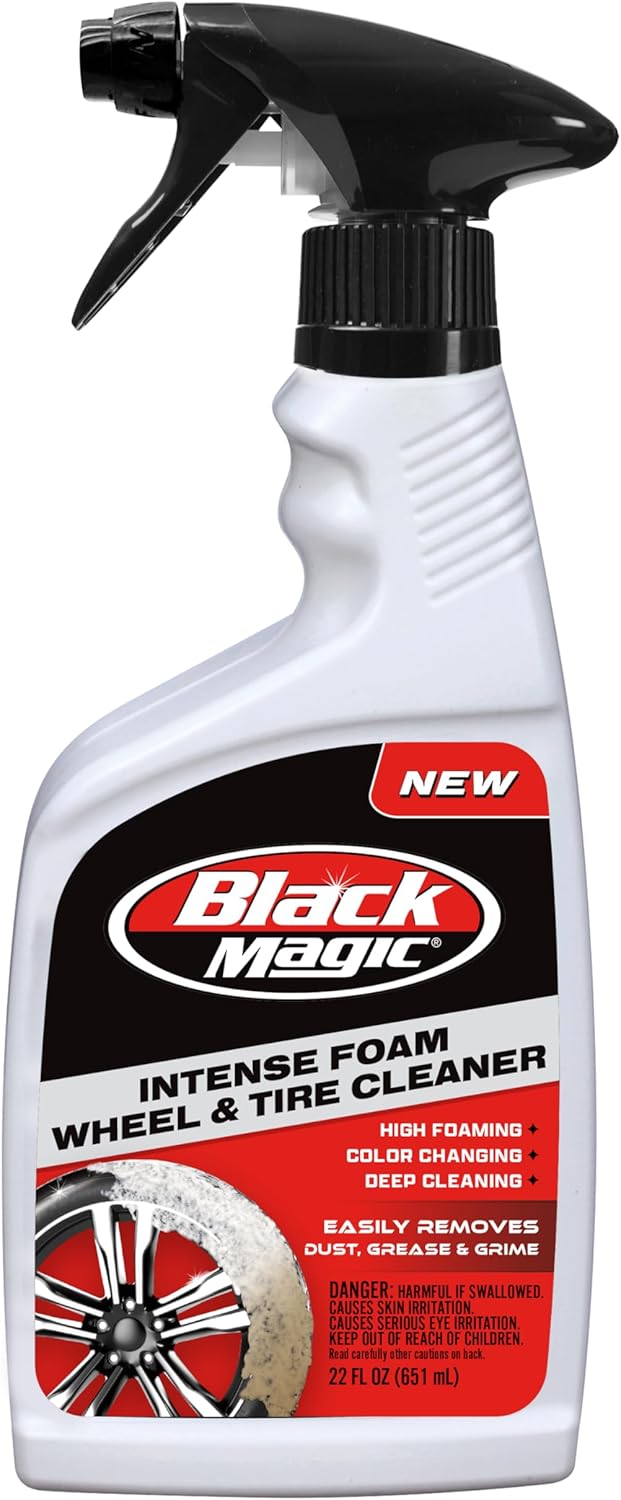
Black Magic Intense Foam Wheel & Tire Cleaner uses a high-foaming action to lift away dirt, grime, and brake dust without scrubbing. The color-changing formula helps show contaminants being dissolved as foam turns from white to brown. Safe for all wheel types and even wheel wells, it leaves a like-new, slick finish with a fresh cherry scent.

Measure tire tread depth quickly and accurately with this LUMITECO dial gauge that reads in 1/32" increments up to 14/32". The color-coded green/yellow/red zones make it easy to judge tire wear and know when replacement is needed. A rugged, compact design with a protective pouch helps keep the gauge ready for use on cars, trucks, motorcycles, and more.

These M14x1.5 closed-end chrome lug nuts are a one-piece replacement designed for secure fitment on compatible GM, Ford, and select Chrysler/Dodge models. Featuring a 60-degree conical seat and anti-rust chrome plating, they help resist corrosion and maintain a bright look for everyday driving. Built for long-term durability, they include OEM-style part references and are backed by 12 months of support.
Tire Size Considerations
- Confirm the placard size: Record the original tire size and cold pressure from the driver-side label.
- Match the wheel: Verify that the wheel width and diameter are approved for the selected tire.
- Protect load capacity: Never choose a replacement with inadequate load-carrying capacity.
- Keep diameter close: Avoid a large change that can affect clearance and vehicle systems.
- Verify offset: Confirm inner suspension and outer fender clearance.
- Use four compatible tires: Keep size, construction, and performance characteristics appropriate across the vehicle unless Toyota specifies otherwise.
Driving Conditions Assessment
Choose the tire category before chasing extra width. Touring all-season tires prioritize comfort, noise, tread life, and broad-weather use. Performance all-season or summer tires may offer sharper dry handling. Winter tires use compounds and tread patterns intended for cold, snow, and ice.
For frequent heavy rain, prioritize wet-braking performance, tread depth, and water evacuation. For snow and slush, use a winter tire in a Toyota-approved size. For damaged city roads, a taller sidewall may protect the wheel and preserve ride comfort better than a large-diameter wheel.
Performance vs. Comfort Balance
A wider, lower-profile setup can make steering feel more immediate, but it often sends more impact and noise into the cabin. Consider whether that trade-off matches the Camry’s role. If you spend most of your time commuting, a high-quality factory-size tire may deliver the best overall result.
Pro Tip: Compare tires by tested wet braking, dry handling, noise, tread life, winter capability, and rolling resistance. A small width change matters less than choosing the right tire model for your real driving conditions.
Final Thoughts on Tire Selection for Your Camry
Wider tires can be worthwhile when you want a sportier dry-road response and the complete package is engineered correctly. Before buying, confirm the tire size, wheel width, offset, overall diameter, load capacity, speed rating, clearance, TPMS compatibility, and inflation pressure.
Do not assume wider always means safer. Wet traction, snow performance, braking, comfort, noise, and efficiency depend heavily on the specific tire. For many Camry owners, a better tire in the original size is the simplest and most balanced upgrade.
Frequently Asked Questions
What are the downsides of wide tires?
Possible downsides include a firmer ride, more road noise, higher cost, increased rolling resistance, greater pothole vulnerability with short sidewalls, tramlining, hydroplaning susceptibility in standing water, and rubbing if the fitment is incorrect.
Do wider tires always improve Toyota Camry handling?
No. A properly matched performance tire may sharpen dry steering and cornering, but width alone does not guarantee better handling. Compound, tread, construction, pressure, wheel fitment, alignment, temperature, and road conditions all matter.
How much wider can I go on a Toyota Camry?
There is no universal safe millimeter increase for every Camry. The answer depends on model year, trim, original wheel, replacement wheel width, offset, overall diameter, load capacity, and physical clearance. Use a manufacturer-approved size or have a qualified tire professional verify the complete fitment.
Will wider tires reduce Camry fuel economy?
They may, especially if the new tires have higher rolling resistance or the wheels are heavier. The change is not fixed, and width alone cannot predict it. Tire design, pressure, weight, alignment, speed, and driving style also affect fuel use.
Are wider tires better in rain and snow?
Not automatically. A good wider tire can grip well on damp pavement, but a wide footprint may be more susceptible to hydroplaning in standing water. In loose snow or slush, a narrower approved winter setup may work better. Tread, compound, depth, pressure, and speed remain critical.
Do wider tires require wider wheels?
Sometimes. Every tire size has an approved wheel-width range. Mounting a tire on an unsuitable wheel can distort its shape and affect handling, wear, and clearance. Confirm the tire manufacturer’s approved rim-width range before installation.
Conclusion
Wider tires can make a Toyota Camry feel more responsive, especially on dry roads, but the benefits depend on the entire tire-and-wheel package. Avoid unsupported width rules and dramatic fuel-economy estimates. Start with Toyota’s placard and manual, protect load capacity and overall diameter, verify wheel width and offset, and choose a tire designed for your weather and driving style.
Sources
- NHTSA TireWise — correct tire size, placard pressure, tread, balancing, and alignment guidance.
- Toyota Owner’s Manuals — model-specific tire and wheel specifications.
- Michelin Performance Upgrade Guide — plus sizing, overall diameter, wheel compatibility, and vehicle-system effects.
- U.S. Department of Energy Fleet Management Guidance — rolling resistance, inflation pressure, and vehicle efficiency.
- NASA Technical Reports Server: Tire Footprint Affects Hydroplaning — tire footprint shape, pressure, and dynamic hydroplaning.