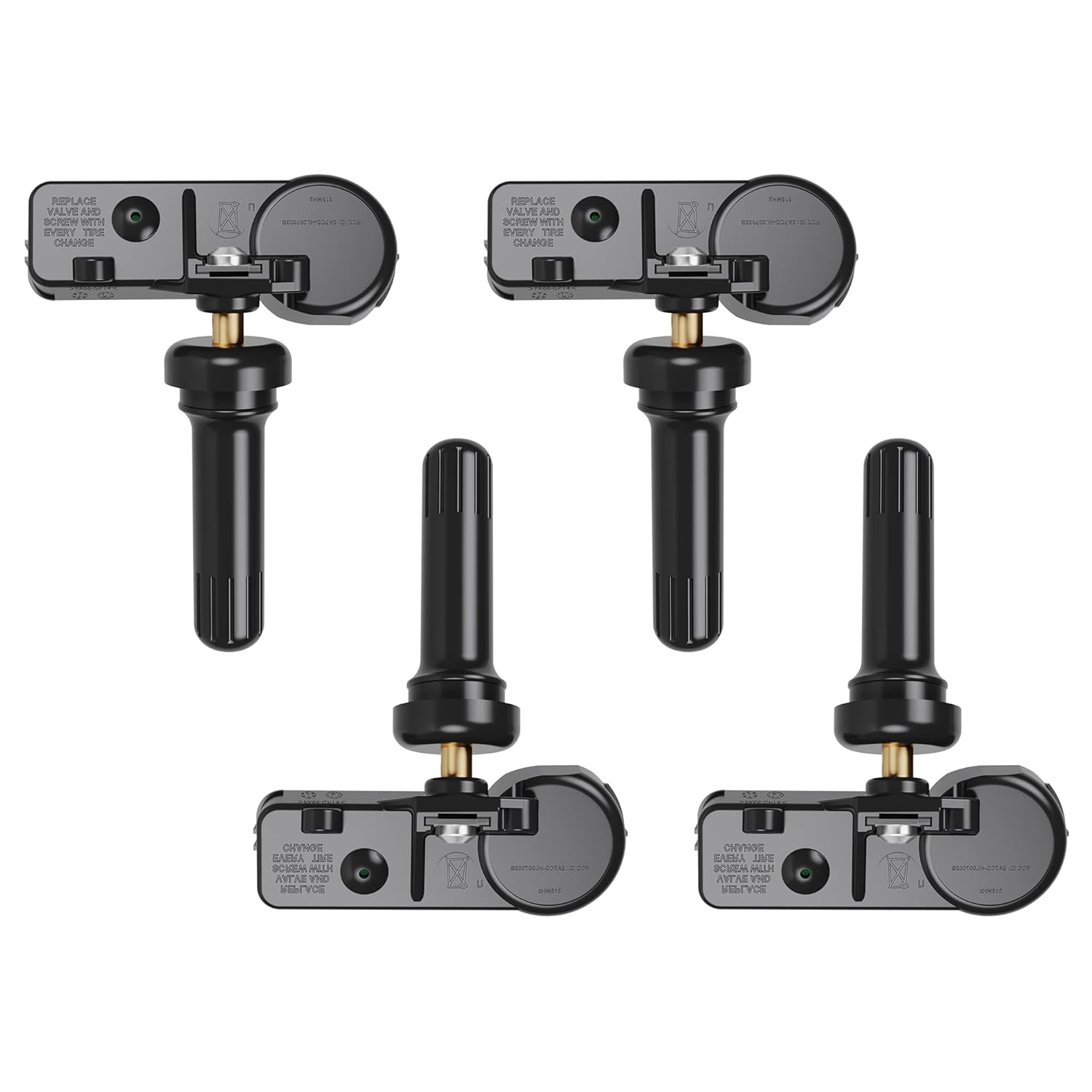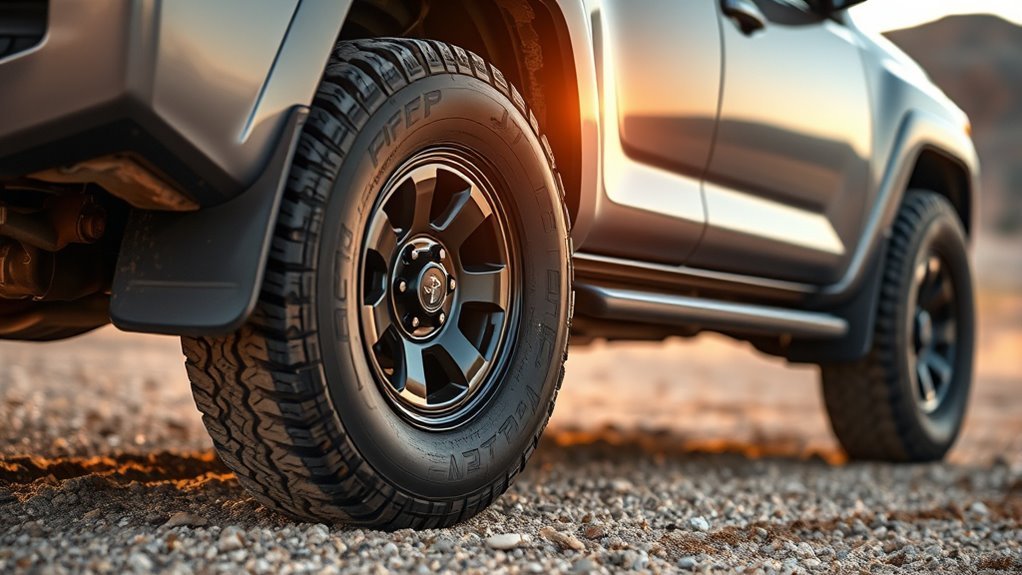
Mixing tire brands on a Toyota 4Runner can look like an easy way to handle one damaged tire, but the decision affects more than appearance. Different tire models can vary in tread design, rubber compound, construction, wet grip, and actual rolling circumference. Those differences can change handling on any 4Runner and may place extra stress on four-wheel-drive components.
Quick Answer
Mixing tire brands on a Toyota 4Runner is not recommended. Toyota warns 4WD owners not to mix different makes, models, tread patterns, or significantly different treadwear. In an emergency, use the approved spare only as directed, then restore a matched set with the correct size, load rating, speed rating, type, and similar rolling circumference as soon as possible.
Key Takeaways
- The safest setup is four matching tires in the Toyota-approved size, construction, load rating, speed rating, model, and tread pattern.
- Not every 4Runner uses the same drivetrain. Depending on model year and trim, it may be 2WD, part-time 4WD, or full-time 4WD.
- Toyota does not publish one universal 4/32-inch tread-difference limit for every 4Runner year and configuration. Check your exact owner’s manual and tire manufacturer guidance.
- When only two tires are replaced and the vehicle manufacturer permits it, the newer pair normally goes on the rear axle for wet-road stability.
- A used or shaved replacement should be approved and inspected by a qualified tire professional before installation.
Can You Mix Tire Brands on a 4Runner at All?
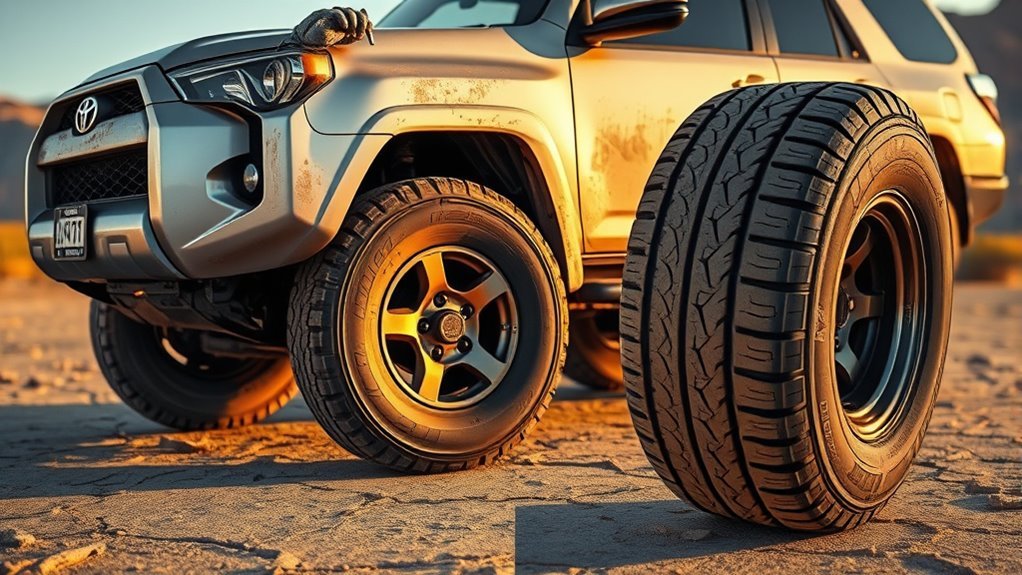
You may be able to mount a different-brand tire that carries the same size marking, but that does not make the combination ideal. Toyota’s current 4Runner guidance for 4WD models says not to mix tires of different makes, models, tread patterns, or treadwear. Toyota also requires snow tires to be fitted as a complete set rather than on only some wheels. Review the instructions for your exact model year because the wording and drivetrain configuration can differ.
The reason is consistency. Two tires with the same nominal size can still have different measured diameters, tread stiffness, water evacuation, cornering response, and revolutions per mile. A mixed set may feel normal during gentle driving yet respond unevenly during emergency braking, rain, snow, or a sudden lane change.
Warning: Do not treat a temporary spare or emergency mismatch as a permanent setup. Follow the speed, distance, towing, and drivetrain restrictions in your owner’s manual, then install a properly matched replacement as soon as possible.
When Do You Actually Need Four Matching Tires?
Four matching tires are the best choice for every 4Runner, and they become especially important on part-time or full-time 4WD models. A matched set gives the steering, braking, stability-control system, differentials, and transfer case the most consistent input.
Know Which Drivetrain Your 4Runner Has
Do not assume every 4Runner is AWD or full-time 4WD. Toyota has sold 4Runners with 2WD, part-time 4WD, and full-time 4WD, depending on the model year and trim. Full-time 4WD continuously manages front-to-rear speed differences through a center differential, while part-time 4WD is designed for selected low-traction conditions. Both systems benefit from closely matched rolling circumference, but the exact service guidance must come from the manual for your vehicle.
Check the drivetrain label, transfer-case controls, build information, or owner’s manual before deciding whether one or two tires can be replaced. A recommendation that works for a 2WD model may not be acceptable for a full-time 4WD version.
What Must Match Across the Set?
- Tire size: Use the size listed on the driver-door Tire and Loading Information label or an approved alternative from Toyota.
- Load index: Never install a tire with less load-carrying capacity than Toyota specifies.
- Speed rating: Match the required rating unless Toyota or a qualified tire professional approves a suitable alternative.
- Construction and category: Do not mix radial with other constructions or combine all-season, all-terrain, summer, and winter tires in one permanent set.
- Make, model, and tread pattern: Matching these details helps keep grip and response consistent.
- Tread depth and rolling circumference: The tires should be close enough to meet your model-year Toyota guidance and the tire manufacturer’s limits.
- Inflation pressure: Set pressure from the door placard, not the maximum number molded into the tire sidewall.
The size printed on the sidewall is only the starting point. For a safe matched set, construction, load capacity, tire type, tread design, wear level, and actual rolling circumference also matter.
Can You Run Different Brands on the Same Axle?
Different brands on the same axle are not recommended. Side-to-side differences can create unequal wet grip, braking response, cornering stiffness, and wear. The vehicle may pull, feel inconsistent during hard braking, or react differently when one side of the road is wetter than the other.
If one tire is damaged and no exact match is immediately available, do not choose a replacement by size alone. A tire shop should compare the remaining tire’s brand, model, load index, speed rating, construction, tread depth, repair history, and measured circumference. On a 4WD model, the shop must also consider the other axle and Toyota’s drivetrain guidance.
A one-tire replacement is safest when the new tire is the same make and model and its tread depth can be brought within an approved range. If that cannot be done, replacing two or four tires is usually the better choice.
Where Should You Put Two New Tires: Front or Rear?
When the vehicle and tire manufacturers allow only two tires to be replaced, install the newer or deeper-tread pair on the rear axle. The U.S. Tire Manufacturers Association explains that greater rear wet grip helps reduce the chance of oversteer and loss of stability.
This rear-axle rule does not override Toyota’s matching requirements. On a 4WD or full-time 4WD 4Runner, replacing only two tires may still create an unacceptable difference in rolling circumference or treadwear. Have the complete set measured before approving a two-tire replacement.
Note: Putting the newest tires on the front can increase the risk that the rear tires lose wet grip first. Rear traction loss is generally harder for a driver to correct.
How Different Can Tread Depth Be Before Damaging 4WD?
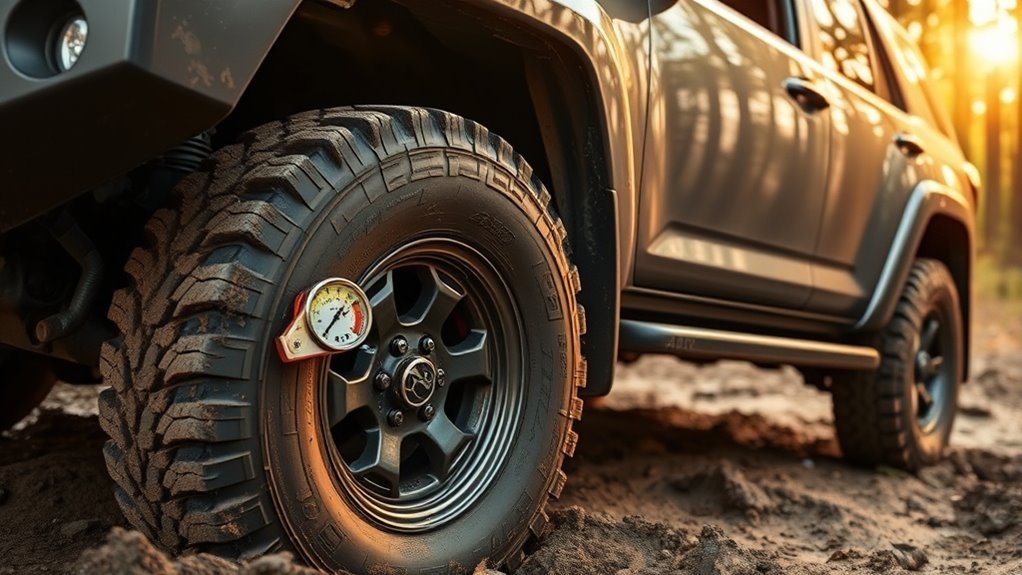
There is no single 4/32-inch rule that applies to every Toyota 4Runner year, trim, tire model, and drivetrain. Toyota’s accessible guidance warns against tires with significantly different treadwear but does not give one universal numeric tolerance for every 4Runner. Tire manufacturers may publish their own limits, and those limits can apply only when all four tires are otherwise identical.
For example, Michelin provides a general tread-depth allowance for certain 4WD situations only when the vehicle manufacturer gives no conflicting instruction and all four tires match in size, brand, and model. That manufacturer-specific advice should not be copied automatically to another tire brand or treated as a Toyota specification.
How to Measure the Difference Correctly
- Park on a level surface and make sure all tires are cold and properly inflated.
- Use a tread-depth gauge rather than judging by sight.
- Measure several points across the main grooves of every tire.
- Record the lowest usable reading for each tire.
- Ask the tire shop to compare actual circumference or revolutions per mile when the readings are close but the tire models differ.
- Check the owner’s manual and the tire manufacturer’s replacement policy before approving the combination.
NHTSA says tires should be replaced when tread reaches 2/32 inch, and earlier replacement may be sensible for wet or winter performance. That wear-out threshold is not the same as a drivetrain-matching tolerance. A tire can have legally usable tread and still be too different from the other three for a particular 4WD system.
4WD System Strain Risks
Tires with different rolling circumferences rotate at different speeds while traveling the same distance. On a full-time 4WD system, the center differential or related components may have to manage that difference continuously. Over time, excessive mismatch can contribute to heat, wear, binding, or abnormal operation.
Possible warning signs include shuddering, hopping during tight turns, unusual drivetrain noise, rapid or uneven tire wear, or a 4WD-related warning message. These symptoms have several possible causes, so stop aggressive driving and have the vehicle inspected rather than assuming the tires are the only problem.
Use Model-Year and Tire-Manufacturer Guidance
Start with the owner’s manual for your exact 4Runner year and drivetrain. Then check the replacement policy for the installed tire brand. If the two sources differ, follow the more restrictive instruction or ask a Toyota dealer and an experienced tire professional to document the approved setup.
Do not borrow a numeric tolerance from Audi, Subaru, another Toyota model, or an online forum. Differential design, factory tire size, and manufacturer policy can differ.
Should You Shave a New Tire to Match Worn Ones?
Tire shaving can be a practical way to match one new tire to three serviceable tires, but only in a narrow situation. The replacement should be the same make, model, size, load index, speed rating, and construction. A specialist removes some new tread so its rolling circumference more closely matches the remaining set.
Shaving is not a repair for aged, cracked, unevenly worn, recalled, or structurally damaged tires. It also reduces the new tire’s usable tread life and may affect mileage-warranty terms. Confirm the tire manufacturer’s policy before ordering the work.
Pro Tip: Before shaving a tire, compare the cost with replacing two or four tires. If the remaining tires are old, unevenly worn, or already near replacement depth, a complete set usually offers better long-term value.
Is It Worth Replacing Two Tires or Should You Buy Four?
Replacing all four is the clearest choice when the current set is mismatched, significantly worn, aging, damaged, or unsuitable for the season. It also removes uncertainty about rolling circumference on full-time 4WD models.
Replace all four tires when:
- The remaining tires are a different make, model, construction, or tire category.
- The tread-depth or circumference difference exceeds the limit approved for your vehicle and tire.
- The other tires show cracking, bulges, exposed cords, repeated air loss, irregular wear, or advanced age.
- You are switching between winter, summer, all-season, or all-terrain tire types.
- Your Toyota manual or tire manufacturer requires a complete matched set.
Replacing two may be reasonable when:
- Toyota and the tire manufacturer permit a two-tire replacement for your configuration.
- The new pair matches the required size, construction, load index, speed rating, and tire type.
- The complete set remains within an approved circumference or tread-depth range.
- The new pair is installed on the rear axle.
Do not compare only the price of two tires with four. Include mounting, balancing, disposal, TPMS service, alignment if needed, remaining tread life, and the possibility that the older pair will need replacement soon.
[Products Worth Considering]

Keep your tires properly inflated with this analog VONDIOR tire pressure gauge, designed for fast, easy readings without batteries. The swiveling, two-axis hose and large glow dial help you measure at any tire angle with instant visibility. Built with a protective rubber shield, it supports durable, low-maintenance use for cars and trucks.

Monitor tire tread wear with a smart, color-coded depth gauge that shows clear condition ranges at a glance. The bar is range marked for fast, easy readings, helping you maintain safer traction and performance. Each gauge is portable with a pocket clip, and the set includes 20 units for daily use and sharing.

Measure tire tread depth quickly and accurately with this LUMITECO dial gauge that reads in 1/32" increments up to 14/32". The color-coded green/yellow/red zones make it easy to judge tire wear and know when replacement is needed. A rugged, compact design with a protective pouch helps keep the gauge ready for use on cars, trucks, motorcycles, and more.
What Happens If You Ignore Tread Depth Warnings?
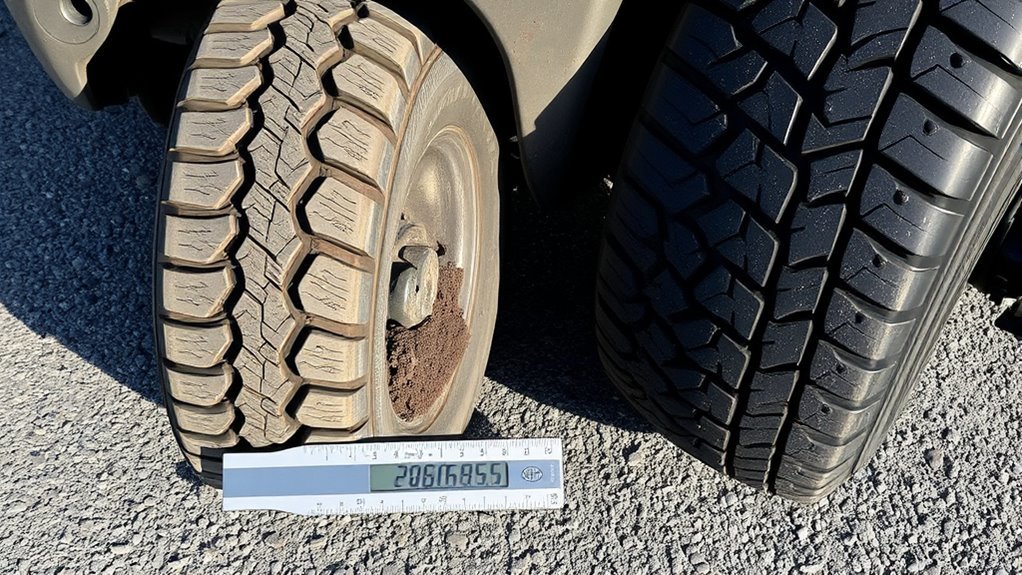
Ignoring worn or mismatched tires can reduce wet traction, lengthen stopping distance, increase hydroplaning risk, and make the 4Runner less predictable during emergency steering. Different grip levels can also make stability-control and traction-control interventions feel abrupt or inconsistent.
On a 4WD model, an excessive rolling-circumference difference may add unnecessary work to drivetrain components. The exact outcome depends on the system and degree of mismatch, so avoid unsupported claims that a certain tread difference will create a specific temperature increase or guarantee transfer-case failure.
Uneven tires may also wear each other faster. Correct tire pressure, regular inspection, rotation according to the model-year maintenance guide, and prompt alignment correction help keep the set wearing evenly.
What to Do After a Flat When No Exact Match Is Available
- Move to a safe location. Do not continue driving on a flat tire because the wheel and tire may be damaged beyond repair.
- Use the approved spare correctly. Follow the owner’s manual for placement, speed, distance, towing, and 4WD restrictions.
- Avoid hard driving. Reduce speed, avoid heavy loads, and limit sharp acceleration or braking.
- Get the damaged tire inspected. A puncture may be repairable only if it meets industry location and damage limits.
- Restore a matched set quickly. Ask the shop to compare all four tires, not just the damaged position.
[Products Worth Considering]

Steelman white tire marking crayons provide high-contrast, semi-permanent marks for repairing and inspecting tires and equipment. They write on wet or dry, smooth or coarse surfaces including rubber, metal, glass, and wood, making them ideal for puncture location and damage outlining. The lead- and zinc-free crayons resist weather and fading yet wipe away when you no longer need the marks.

The UYYE TPMS relearn tool helps activate and relearn tire pressure monitor sensors quickly, typically in minutes. It supports TPMS learn mode resetting using a simple three-step process: enter learn mode, position the tool near the valve stem, and press the learn button. Designed for specific GM models, it streamlines sensor programming and reduces trips to dealers or tire shops.

This manual duck head tire changer kit makes tire installation and removal simpler by letting you embed the duck head into the tire with applied pressure. The integrated design and durable steel construction help reduce friction and improve efficiency and safety during use. Suitable for 16–21 inch wheels, it’s convenient for cars, trucks, SUVs, and ATV tires, with 24-hour after-sales support.
How to Find a Matching Used Tire for Under $60
A fixed under-$60 target may not be realistic after shipping, mounting, balancing, disposal, and TPMS-related service. Do not accept a questionable tire simply to stay below a price limit. The safest used tire is one that matches the existing set closely and passes a professional internal and external inspection.
Before buying, confirm all of the following:
- The exact brand, model, size, load index, speed rating, and construction.
- Tread depth measured across multiple grooves, with no severe shoulder or center wear.
- A DOT Tire Identification Number that is present and readable so age and recalls can be checked.
- No sidewall puncture, bulge, exposed cord, deep cut, bead damage, cracking, or signs of being driven while flat.
- No unsafe repair, inner-liner damage, separation, or contamination visible during an internal inspection.
- A remaining tread depth and measured circumference approved for your 4Runner and the other three tires.
NHTSA recommends checking tire age, damage, tread, recalls, and inflation. It also cautions that a full-size spare should not be treated as a routine replacement for a worn tire except in an emergency. Buy from a seller that allows inspection and rejection before installation.
[Products Worth Considering]
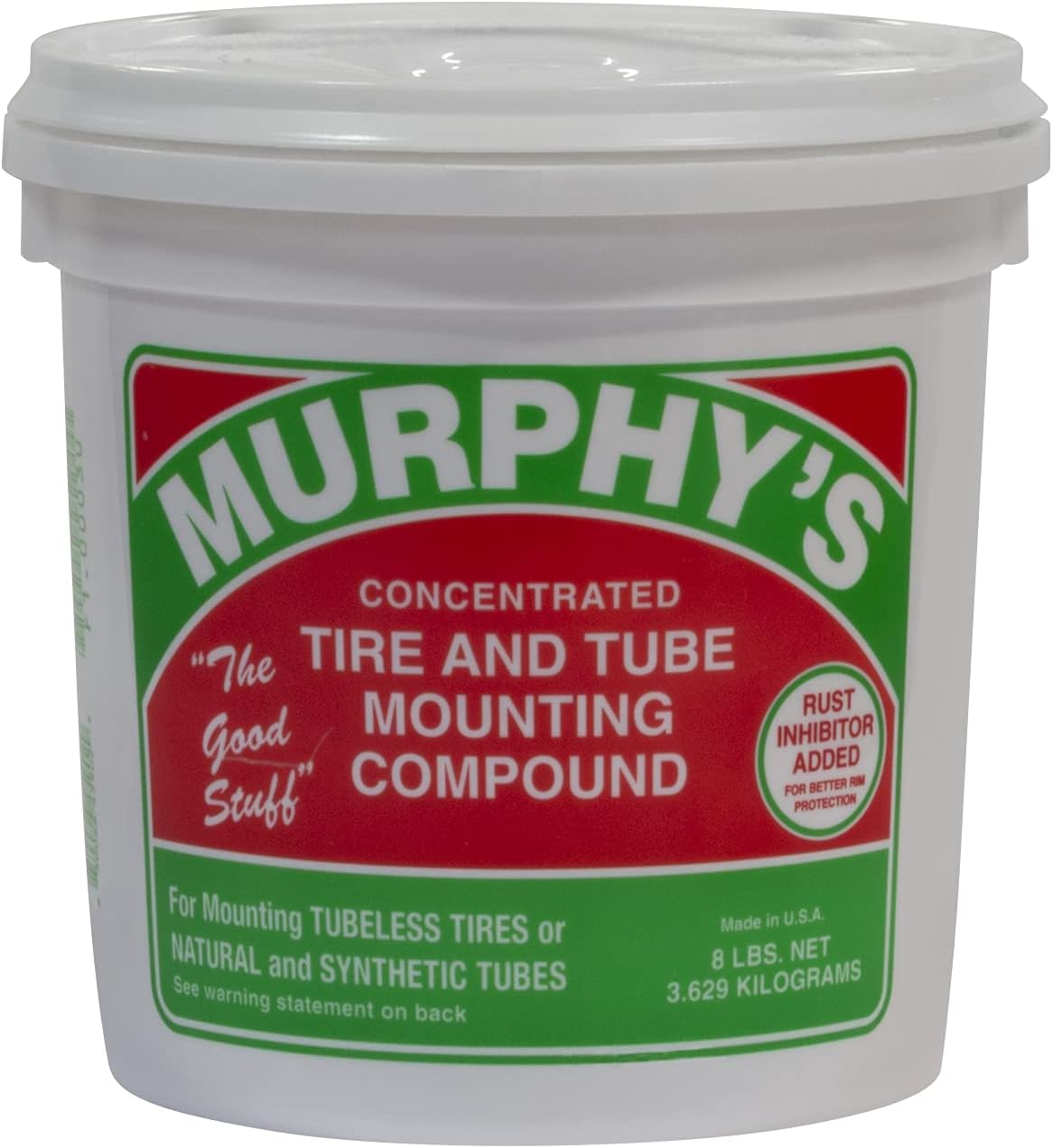
A concentrated tire and tube mounting compound designed to help simplify mounting rubber tires and tubes on passenger, semi truck, construction, and OTR applications. Its ultra-thick formula packs beads effectively and includes rust inhibitors to help protect against corrosion during use.

Adam’s Pro Tire Hex Grip applicators are molded foam sponges designed for precise, even tire dressing application. The ergonomic grip helps you spread product without overapplying, reducing sling that can splash onto paint and helping keep your hands clean during wheel and trim detailing. They’re durable, washable, and reusable for repeated detailing sessions.
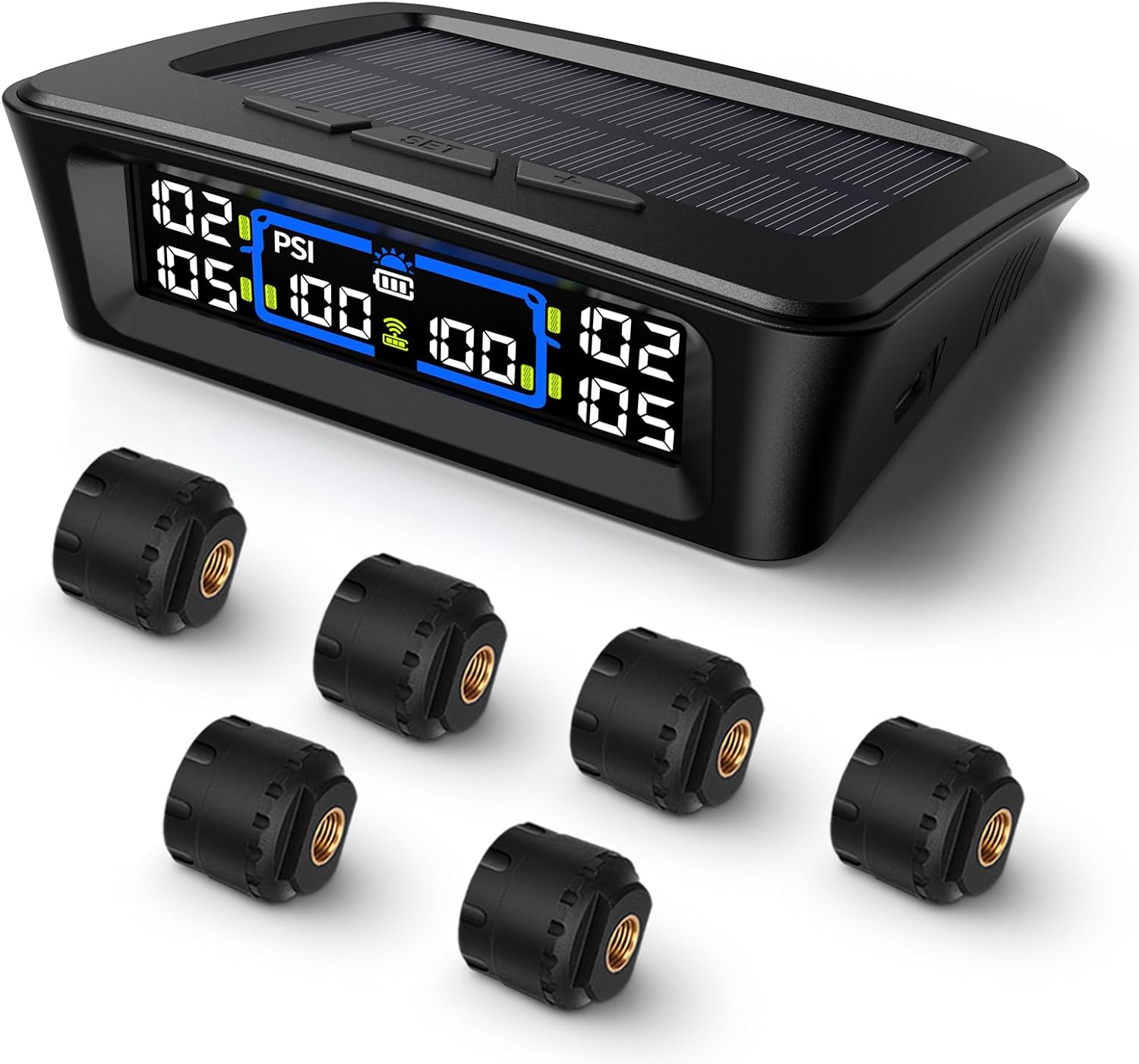
The Tymate TM12 RV TPMS delivers real-time tire pressure and temperature monitoring with a stable 433Hz display for safer long-distance driving. It supports simultaneous monitoring across vehicle and trailer zones, includes six alarm modes for pressure, temperature, leakage, battery, and signal loss, and features easy DIY installation with auto calibration. Power is supplied via USB-C charging or solar recharging, with a wide 0–144 PSI range and up to 50 ft signal coverage for RVs and towable trailers.
Frequently Asked Questions
Does mixing brands void my 4Runner’s warranty?
Not automatically. The FTC says using an aftermarket part does not by itself cancel the entire vehicle warranty. However, coverage for a damaged component may be denied if the manufacturer can show that the mismatched or incorrectly installed tire caused the damage. Keep tire invoices, measurements, and service records.
Can I mix brands if they are in the same tire category?
The same category is not enough. Two all-terrain or all-season tires can still differ in tread pattern, compound, construction, actual diameter, load response, and wet grip. Toyota’s guidance for 4WD models favors matching the make, model, tread pattern, and treadwear.
Will mixed brands affect fuel economy noticeably?
They can create a small change if rolling resistance, diameter, tread, or pressure differs, but there is no reliable universal percentage. Incorrect inflation and aggressive driving usually have a clearer effect. Handling, braking consistency, and drivetrain compatibility are more important reasons to avoid a mixed set.
Is it legal to mix tire brands on highways?
Tire laws and inspection rules vary by country, state, and province. A mixed-brand set may not be specifically prohibited where you drive, but it can still conflict with Toyota guidance or create an unsafe condition. Legal compliance does not prove that a tire combination is mechanically suitable.
How often should I rotate mixed-brand tires?
Follow the rotation interval and pattern in your model-year Toyota maintenance guide and the tire warranty. Rotation cannot make an incompatible set safe. If the tires are already mismatched, have a tire professional assess the set before continuing normal rotation.
Can I install winter tires on only two wheels?
No. Toyota instructs owners to use snow tires on all wheels. Installing winter tires on only one axle creates a major traction imbalance when braking or turning on snow and ice.
Can I drive in 4WD with a temporary spare?
Only if the owner’s manual for your exact 4Runner permits it and you follow every restriction. Temporary spares can differ in size, load capacity, and allowable speed. Use the spare only for the emergency distance needed to obtain a correct repair or replacement.
Conclusion
You should avoid mixing tire brands on a Toyota 4Runner, especially on a 4WD model. The safest setup is four matching tires that meet Toyota’s size, construction, load, speed, tread-pattern, and wear requirements.
If one tire fails, check your model-year manual before buying only one or two replacements. A qualified shop can measure all four tires, confirm the drivetrain, and determine whether an exact replacement, a professionally shaved tire, a rear-axle pair, or a complete set is the correct solution.
Sources
- Toyota 2025 4Runner Hybrid Owner’s Manual: Winter Driving Tips — supports Toyota’s warning against mixing tire makes, models, tread patterns, or treadwear on 4WD models and its requirement to fit snow tires on all wheels.
- Toyota USA Newsroom: 2026 Toyota 4Runner — confirms that 4Runner configurations include 2WD, part-time 4WD, and full-time 4WD.
- U.S. Tire Manufacturers Association: Replacing Tires — supports matching replacement specifications and installing a two-tire replacement on the rear axle.
- NHTSA TireWise — supports tire pressure, tread, age, damage, recall, and 2/32-inch replacement guidance.
- Federal Trade Commission: Auto Warranties and Auto Service Contracts — explains that aftermarket parts do not automatically void a warranty, while damage caused by a defective or improperly installed part may be excluded.
- Michelin Tire FAQs — provides manufacturer guidance on mixing tires, 4WD matching, tread-depth differences, and rear placement when replacing two tires.