Disclosure: As an Amazon Associate, we earn from qualifying purchases. If you click a link on this page and make a purchase, we may receive a small commission at no extra cost to you.
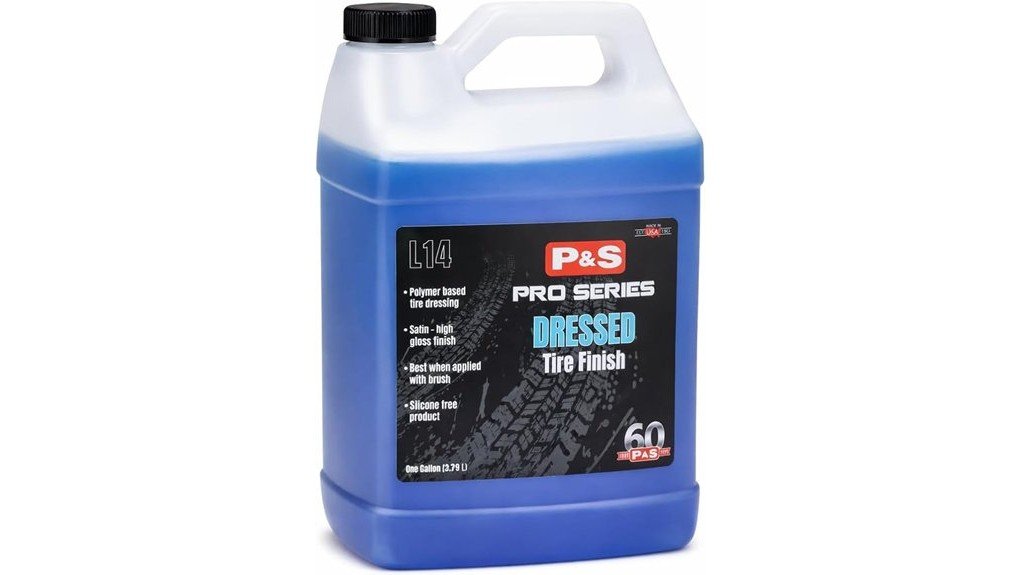
A tire dressing can make clean wheels look finished, but many products leave too much gloss, collect dust, or sling onto nearby paint. P & S Professional Detail Products Dressed Tire Finish takes a more controlled approach with a water-based polymer formula sold here in a 1-gallon container. This review explains how it applies, what kind of finish you can expect, where it fits in a detailing routine, and which buyers should choose something else. Its main strength is a clean, adjustable-looking finish, while its main limitation is that P & S positions it specifically for tires rather than as a multi-surface trim dressing.
Quick Verdict
Rating: 8/10, recommended with caveats
Best For: Detailers and car owners who want a water-based tire dressing in a high-volume 1-gallon size.
Bottom Line: Dressed Tire Finish is easy to spread with a brush or spray bottle and can leave a rich, finished sidewall without the oily feel associated with some solvent-heavy products. Buy it for dedicated tire use, not as an all-purpose dressing for exterior trim, interiors, or motorcycle tread surfaces.
Key Specifications
| Specification | Detail |
|---|---|
| Brand | P & S Professional Detail Products |
| Product | Dressed Tire Finish |
| Model / part number | L1401 |
| ASIN | B0C7HHQ397 |
| Product type | Liquid polymer-based tire dressing |
| Formula | Water-based and described by the manufacturer as non-hazardous |
| Container size | 1 gallon, 128 fluid ounces |
| Pack quantity | One container |
| Recommended application | Brush or spray bottle |
| Intended surface | Automotive tire sidewalls |
| Manufacturer size options | 1 gallon and 5 gallon |
| Best use | Routine detailing, dealership preparation, and high-volume tire finishing |
Key Takeaways
- The verified Amazon listing is for the 1-gallon, 128-fluid-ounce version with model number L1401.
- P & S describes Dressed as a water-based polymer tire dressing that is applied with a brush or spray bottle.
- The product is intended for tire sidewalls, not as a general-purpose treatment for plastic trim, leather, or interior surfaces.
- A thin coat on a clean, dry tire gives you better control and lowers the chance of uneven gloss or sling.
- The gallon size makes the most sense for frequent users. Occasional detailers may find a smaller ready-to-use product easier to store.
What Is P & S Dressed Tire Finish?
P & S Dressed Tire Finish is a dedicated automotive tire dressing made with a water-based blend of polymers. The manufacturer says the formula is designed to mimic the appearance and performance of traditional solvent-based silicone dressings while providing a non-hazardous option for professional and enthusiast use.
The Amazon listing reviewed here contains one 128-fluid-ounce bottle and identifies the model as L1401. P & S recommends applying the liquid with a brush or spray bottle, which gives you a choice between direct, low-mess application and faster coverage during larger detailing jobs.
This is not a cleaner. You still need to remove road film, old dressing, and browning before application. It is also not promoted by P & S as a multi-surface trim product, so use it on tire sidewalls unless the product label provides different directions.
Who Should Buy It?
Best For
- Professional or mobile detailers who regularly dress several vehicles.
- Car owners who prefer a water-based formula and controlled sidewall finish.
- Dealership, fleet, or enthusiast garages that can use a full gallon before long-term storage becomes an issue.
Skip If
- You need one dressing for tires, plastic trim, vinyl, leather, and interior surfaces.
- You detail only a few times per year and do not want to store a large container.
- You want a product that can be sprayed onto the tire and left without spreading, leveling, or wiping excess.
Before You Buy: Dressed Tire Finish is made for the sidewall. Keep it off the tread, brake components, wheel faces, floors, and pedals because overspray or residue can create a slick surface. For motorcycles, use a product specifically approved by the motorcycle tire or dressing manufacturer.
[Products Worth Considering]
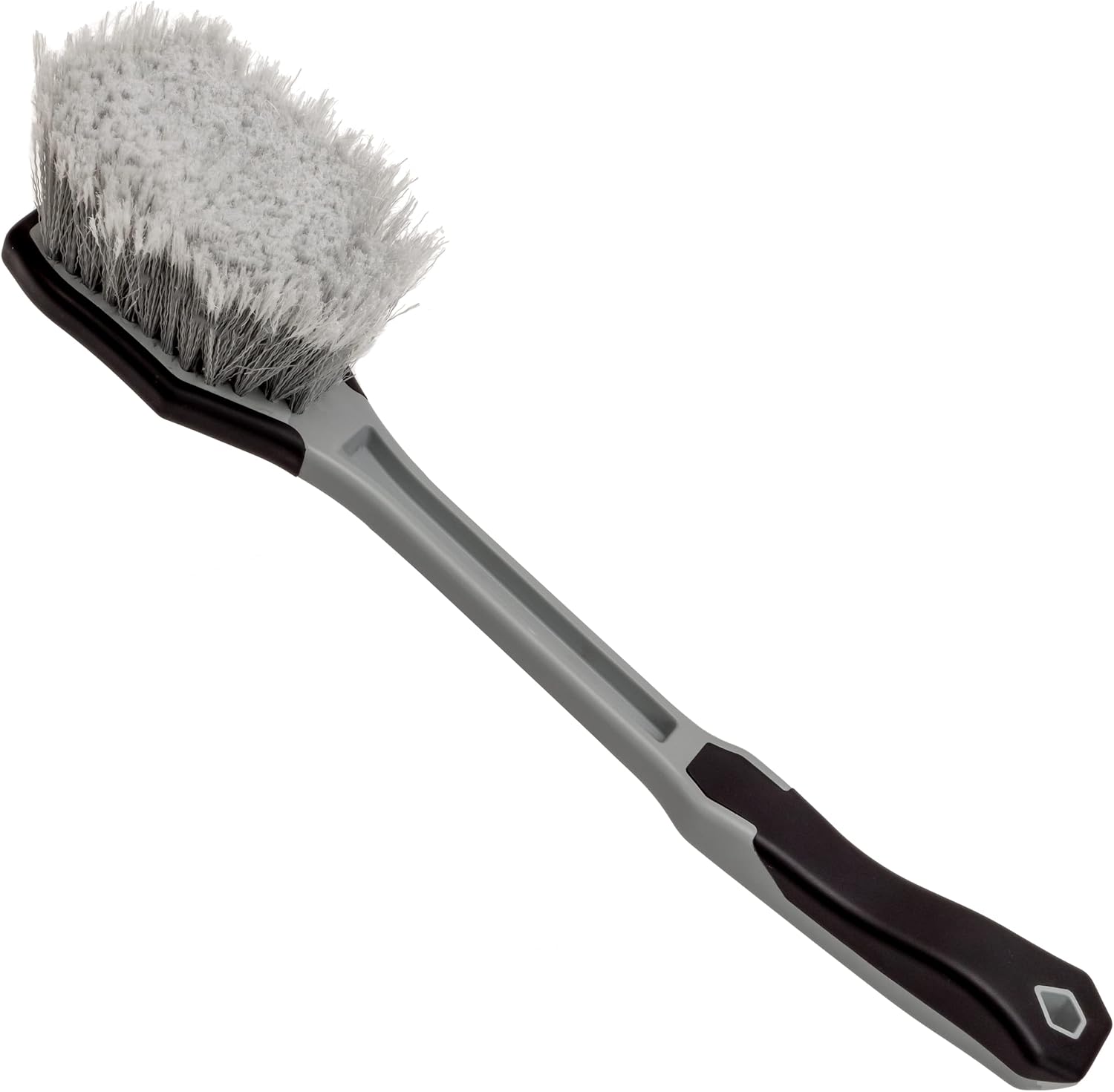
Clean grills, fenders, fender flares, bumpers, and wheel wells with a long-handled brush built for detailed car washing. The soft, triple-flagged bristles and dense scrub coverage help lift dirt gently while making coverage fast and easy. Use it with your favorite car wash soap for tires and exterior surfaces, and it also works for bike, motorcycle, boat, or RV cleaning.

P&S Dressed Tire Finish is a premium, water-based tire dressing that delivers a deep, rich high-gloss look without the greasy residue. Its polymer blend is designed to mimic the durability and shine of traditional solvent-based dressings while staying non-hazardous and eco-friendly. Apply with a brush or spray bottle for even coverage and a professional, factory-fresh finish.

This oesee 8-piece wheel care kit helps you clean, scrub, and dry wheels safely with purpose-built brushes and towels. The scratch-free microfiber wheel brush lifts brake dust and grime, while the stiff pro-grip tire brush removes tire browning and embedded dirt. A twist loop microfiber drying towel and an applicator help achieve a streak-free finish and cleaner, more even product application.
Formula and Finish
The main buying point is the water-based polymer formula. It gives you a way to darken and finish the sidewall without relying on the heavy, oily feel that some solvent-rich dressings can leave behind. The product is sold as a high-gloss dressing, but the finished appearance still depends on tire texture, preparation, amount applied, and whether you level the coat.
One thin application is the safest starting point. You can inspect the result after it settles and add another light coat only if the label allows it and you want more shine. Flooding the sidewall wastes product and increases the chance of drips, uneven patches, and residue near the wheel.
Application Control and Ease of Use
P & S recommends a brush or spray bottle. A soft, dedicated tire brush works well on ribbed sidewalls, raised lettering, and aggressive all-terrain patterns because the bristles push product into low areas. A foam or microfiber applicator can also provide good control on smoother passenger-car tires, although those methods are not the manufacturer’s stated primary options.
Spraying directly onto the sidewall is faster, but it also raises the risk of mist landing on the wheel, paint, floor, or brake area. For cleaner work, spray a small amount into a dedicated applicator or brush, then spread it around the tire. This method also makes it easier to judge how much product you are using.
Pro Tip: Mark the handle of your tire-dressing brush and keep it dedicated to this product. A dedicated brush prevents cross-contamination with wheel cleaners, degreasers, and other dressings.
Surface Preparation and Cleaning
Tire dressing cannot hide poor preparation for long. Dirt, old product, road film, and tire browning can stop the new coat from spreading evenly. Clean the sidewall with a suitable tire cleaner and brush, rinse thoroughly, and repeat only as needed until runoff and foam show less contamination.
Let the tire dry before applying Dressed. Water trapped in lettering or grooves can thin the product in random spots and cause streaks. Also check the wheel and surrounding paint for cleaner residue before you begin the finishing step.
How to Apply P & S Dressed Tire Finish
- Clean the sidewall. Remove old dressing, grime, and browning with a tire-safe cleaner.
- Rinse and dry. Make sure the sidewall and wheel are free of cleaner residue and standing water.
- Load the applicator lightly. Add a small amount to a dedicated brush or applicator instead of soaking the tire.
- Spread a thin coat. Work around the sidewall and into raised lettering without touching the tread.
- Level excess product. Wipe drips or heavy areas with a clean microfiber towel.
- Allow it to settle. Follow the product label for drying or cure guidance before driving.
- Inspect before moving the vehicle. Remove residue from the wheel, floor, or adjacent bodywork.
Do not assume the product should be diluted. P & S does not publish a dilution ratio on the verified product page, so use it as supplied unless the container label gives you a different instruction.
How Well Does It Hold Up?
P & S designed the polymer blend to imitate the appearance and performance of traditional solvent-based tire dressings, but no fixed wear period is stated on the verified manufacturer page. Real durability will vary with rain, washing chemicals, mileage, tire texture, parking conditions, and how well you prepared the rubber.
Expect the finish to fade rather than remain permanent. A properly cleaned sidewall and thin, even coat should give you a more uniform result than applying a heavy layer over old dressing. After rain or a wash, inspect the tire and reapply only when the appearance no longer meets your preference.
How It Performs in Real Use
For a Daily Driver
Dressed is well suited to routine maintenance when you want dark, finished sidewalls without spending much time on each tire. The gallon container gives frequent users plenty of product, while brush application helps keep the coat controlled around everyday wheels and painted body panels.
For Show Preparation
For an event or photo session, careful preparation matters more than adding extra product. Clean and dry the tire, apply a thin coat, level the finish, and inspect the vehicle in good light. A second light application may deepen the appearance, but only add it after the first coat has settled and the label permits another pass.
For Trucks and Textured Sidewalls
Raised lettering and aggressive sidewall patterns can leave missed spots when you use only a flat foam pad. A soft brush can reach recessed areas and spread the dressing more evenly. Use a small amount at a time because deep grooves can hold excess liquid.
For Mobile or High-Volume Detailing
The 1-gallon format is most practical when you service several vehicles. Transfer only the amount you need into a clearly labeled, compatible spray bottle and keep the main container closed during transport and storage. Follow the label for storage temperature and handling instructions.
Compatibility and Safety
The manufacturer describes Dressed as 100% water-based and non-hazardous, but that does not remove the need for normal detailing precautions. Work in a ventilated area, avoid eye contact, wash your hands after use, keep the container away from children, and follow the label and safety data sheet.
Apply the product only to the tire sidewall. Do not coat the tread or any surface where traction is required. Avoid brake rotors, brake pads, pedals, steering controls, floors, and walking surfaces. If overspray lands outside the sidewall, clean it before driving or walking through the area.
Pros and Cons
Pros
- Verified 1-gallon size works well for frequent or professional use.
- Water-based polymer formula avoids the heavy feel of some solvent-rich dressings.
- Brush or spray-bottle application gives you flexibility on different sidewall textures.
- Thin coats are easy to spread and level when the tire is properly cleaned.
- Dedicated tire formula keeps the product’s purpose clear.
Cons
- The gallon container may be excessive for occasional home detailing.
- It is not the best choice when you need one product for tires and multiple trim surfaces.
- Good results still require cleaning, careful spreading, and time for the coat to settle.
Is It Worth the Price?
Dressed Tire Finish sits in the professional-detailing category rather than the small-bottle convenience category. Its value comes from the 128-fluid-ounce volume, controlled application, and dedicated tire formula. Detailers who service multiple cars can spread the purchase across many jobs without needing to replace a small bottle often.
For one household vehicle, value depends on how often you detail. The product is worth considering if you maintain several vehicles or prefer buying bulk supplies. It is not the best fit if you want a compact bottle, a wipe-on product for rare use, or a multi-surface dressing that also covers trim and interiors.
[Products Worth Considering]

Adam’s Pro Tire Hex Grip applicators are molded foam sponges designed for precise, even tire dressing application. The ergonomic grip helps you spread product without overapplying, reducing sling that can splash onto paint and helping keep your hands clean during wheel and trim detailing. They’re durable, washable, and reusable for repeated detailing sessions.

The SPTA wheel and tire brush kit makes it easy to remove dirt from wheels, rims, and hard-to-reach areas without needing a high pressure washer. Ergonomic handles and soft, chemical-resistant bristles help you clean faster while reducing the risk of scratching. The set is versatile for cars, trucks, motorcycles, bicycles, RVs, boats, and more.

Black Magic Tire Wet delivers a deep wet-look shine that makes tires appear dark, rich, and freshly detailed. Its long-lasting formula helps resist rain, dust, and road grime for weeks of glossy protection, not days. Apply by spraying onto clean, dry tires—no buffing or wiping required—with a low-sling design to reduce splatter on paint and wheels.
How It Compares to Alternatives
P & S Shine All is the more flexible choice when you want a dressing intended for tires and other rubber, vinyl, or leather surfaces. P & S Dynamic Dressing is worth comparing when adjustable dilution and broader exterior use are priorities. Dressed Tire Finish makes the most sense when you want a ready-to-use, dedicated tire-sidewall product in a gallon size.
Compared with solvent-based wet-look dressings, Dressed focuses on a water-based polymer approach and easier cleanup. Buyers who want the deepest possible wet look may prefer a different formula, while buyers who value controlled application and dedicated tire use should find Dressed easier to fit into a regular wash routine.
[Products Worth Considering]

These ultra-soft microfiber applicator pads apply wax, sealants, dressings, and conditioners with smooth, even coverage while helping protect delicate finishes from streaks and marring. The plush microfiber wrapped around a flexible foam core promotes consistent product distribution across curves and contours, and the ergonomic grip reduces hand fatigue during longer sessions. Reusable and machine washable, they’re ideal for both interior and exterior detailing uses such as tire dressing, leather conditioner, trim restorer, and interior protectants.
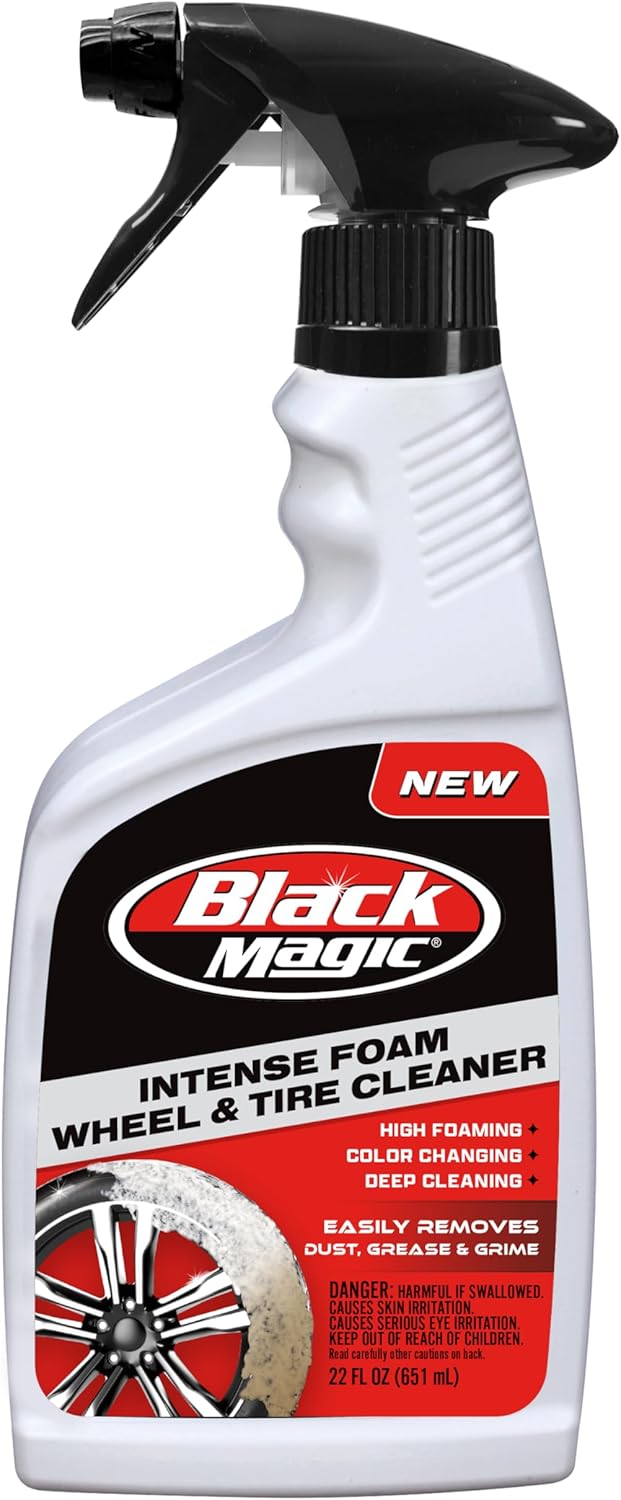
Black Magic Intense Foam Wheel & Tire Cleaner uses a high-foaming action to lift away dirt, grime, and brake dust without scrubbing. The color-changing formula helps show contaminants being dissolved as foam turns from white to brown. Safe for all wheel types and even wheel wells, it leaves a like-new, slick finish with a fresh cherry scent.
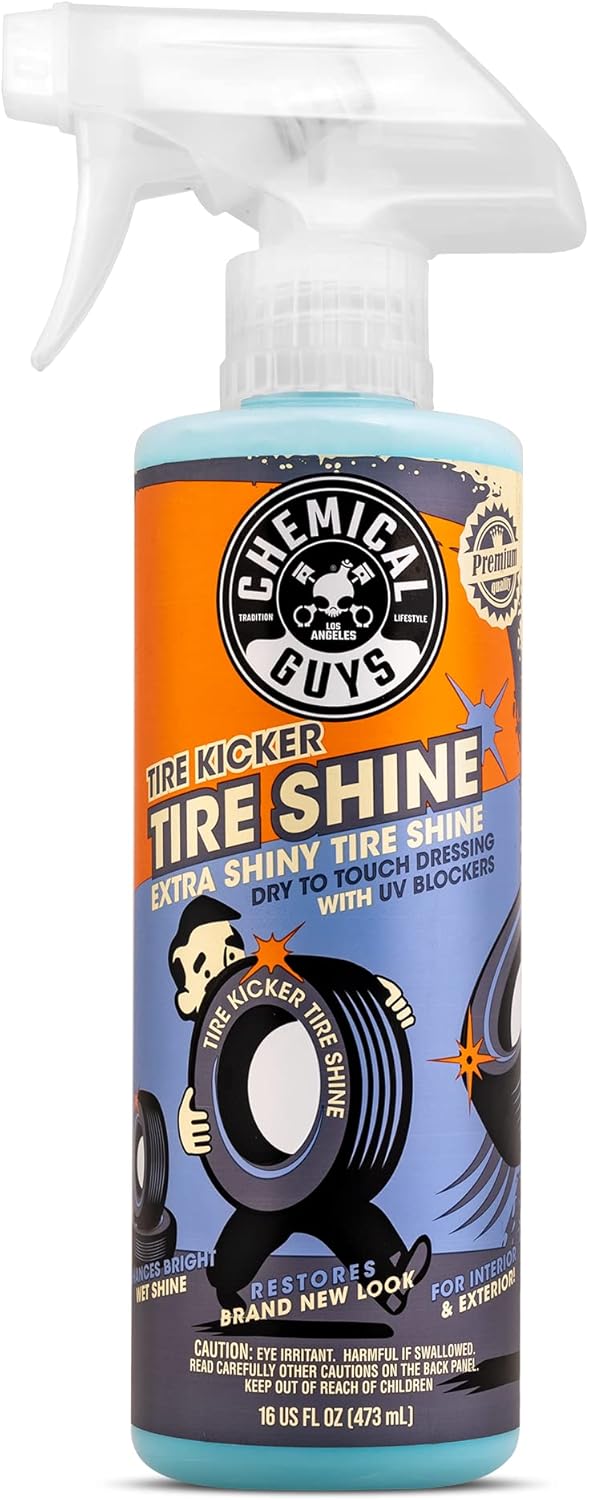
Chemical Guys Tire Kicker Sprayable Extra Glossy Tire Shine restores a deep, wet look on tires, rubber, vinyl, and plastic trim. It delivers a rich showroom shine that enhances color and luster while helping protect against fading, cracking, and discoloration. The spray application dries to the touch with a streak-free finish and no greasy sling, for fast results on cars, trucks, motorcycles, RVs, and boats.
Frequently Asked Questions
Is P & S Dressed Tire Finish safe to use in an enclosed garage?
P & S describes the formula as water-based and non-hazardous. You should still provide ventilation, avoid breathing spray mist, keep the product out of your eyes, and follow the container label and safety data sheet.
Can Dressed Tire Finish be diluted for a lighter shine?
No dilution ratio is stated on the verified manufacturer product page. Use the product as supplied unless the label on your container gives a specific ratio, and control shine by starting with a thin coat.
Should you use Dressed Tire Finish on motorcycle tires?
Do not apply tire dressing to motorcycle tread or any area that may contact the road. Because motorcycle lean angles bring more of the tire shoulder into use, choose only a product and method specifically approved by the motorcycle tire or dressing manufacturer.
Will it sling onto paint while driving?
Any liquid dressing can sling if you apply too much or drive before it settles. Use a thin coat, level heavy areas, remove residue from the wheel, and follow the label’s drying guidance before moving the vehicle.
How many tires will one gallon cover?
There is no verified fixed coverage count. Tire size, sidewall texture, applicator type, number of coats, and product waste all affect usage, so a gallon will last much longer for thin professional applications than for heavy direct spraying.
Can you use it on plastic trim or interior surfaces?
P & S describes Dressed as a product used exclusively for tire dressing. Choose a multi-surface dressing if you also need to treat exterior plastic, vinyl, leather, or interior panels.
What is the most common application mistake?
Applying too much product to a dirty or wet sidewall creates the most avoidable problems. Clean and dry the tire first, then spread a small amount evenly and remove excess before driving.
The Bottom Line
P & S Dressed Tire Finish is a strong choice for detailers and car owners who want a water-based, dedicated sidewall dressing in a 1-gallon format. Its controlled application and clean finish are the main strengths, while the large container and tire-only focus make it less suitable for occasional users seeking one product for several surfaces.