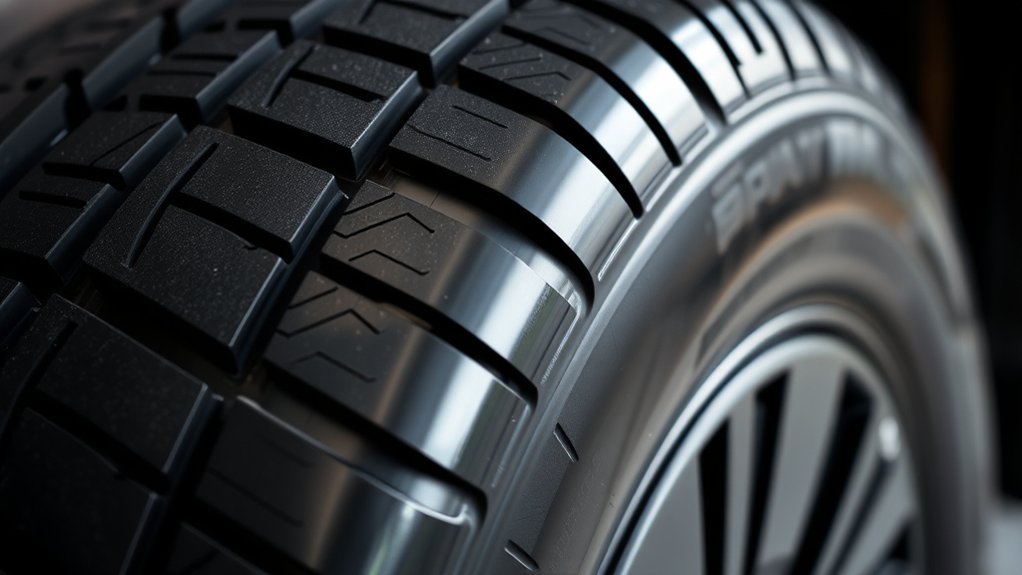
Proper tire dressing can make your Toyota Hilux look cleaner and better cared for, but the best results come from prep work, not from piling on shine. Clean the rubber first, use a dressing made for tire sidewalls, apply a thin coat, let it dry, and wipe off excess before driving.
Quick Answer
To dress Toyota Hilux tires safely, wash the sidewalls, let them dry, apply a small amount of tire dressing to a foam applicator, spread it only on the sidewall, wait 5 to 15 minutes, then level or buff off excess. Never apply dressing to the tread, brakes, pedals, or running boards.
Key Takeaways
- A clean, dry sidewall gives tire dressing the best chance to bond evenly and avoid blotchy shine.
- Use a thin coat. Too much dressing causes sling, sticky residue, and uneven gloss.
- Keep dressing off the tread because the tread is the part of the tire that provides grip.
- Choose a water-based or fast-drying product if you want an easier, lower-sling finish.
- Tire dressing is cosmetic sidewall care. It does not fix cracks, bulges, low tread, or incorrect tire pressure.
At a Glance
| Time Required | 25 to 40 minutes for all four tires, including cleaning and drying time |
| Difficulty | Easy, as long as you keep the product on the sidewall only |
| Tools Needed | Hose or pressure washer on a gentle setting, tire cleaner or mild soap, stiff tire brush, microfiber towels, foam applicator, detailing brush for raised lettering |
| Cost | Usually low to moderate, depending on the cleaner, dressing, and applicators you choose |
Why Proper Tire Dressing Matters for Your Hilux
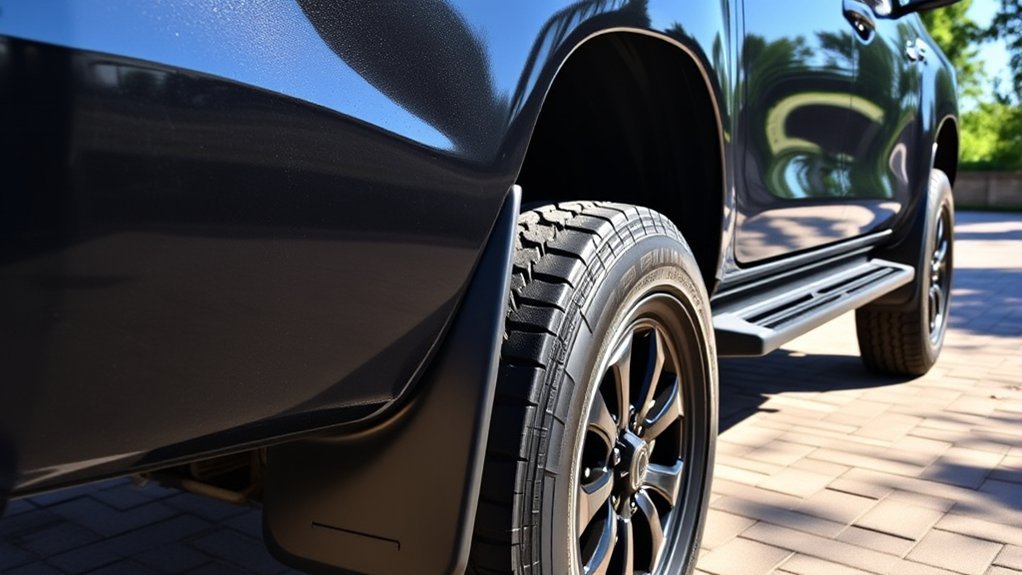
For a Toyota Hilux, tire dressing is mainly about sidewall appearance and surface protection. It can restore a darker look, reduce the chalky gray finish that appears after dust and washing, and make future cleaning easier because dirt has less bare rubber to cling to.
That said, tire dressing is not a shortcut for real tire maintenance. NHTSA tire safety guidance points drivers toward pressure checks, tread checks, rotation, balance, alignment, and correct tire size. Those items affect safety and tire life far more than shine.
Warning: Apply tire dressing only to the sidewall. Do not put it on the tread, brake parts, pedals, floor mats, running boards, motorcycle tires, bicycle tires, or any surface where grip matters.
Before You Start, Check the Tires First
Before dressing Hilux tires, inspect them while they are cool. Dressing can make rubber look better, but it cannot repair damage. Skip the shine and have the tire checked if you see:
- Cracks, cuts, exposed cords, or sidewall bulges
- Uneven wear on one edge of the tread
- Objects stuck in the tire
- Very low tread depth or worn treadwear bars
- A tire pressure warning light or a tire that looks low
NHTSA recommends checking tire pressure at least once a month when tires are cold and checking tread at the same time. It also notes that tires are not safe and should be replaced when tread is worn down to 2/32 inch, though local legal limits and manufacturer guidance may vary.
How to Clean Your Tires Step-by-Step
Cleaning is the step most people rush, but it decides how even the finish will look. Dirty rubber can cause blotchy shine, brown sidewalls, or dressing that disappears after one drive.
- Park in shade and let the tires cool. Hot rubber can make cleaners and dressings dry too fast.
- Rinse the tires first. Remove loose dirt, sand, brake dust, and mud from the sidewalls and tread blocks.
- Apply tire cleaner or mild soap. Use a product made for automotive tires, or use a mild soap solution if the tires are only lightly dirty.
- Scrub the sidewall. Use a stiff tire brush on the sidewall. For raised white letters or sidewall texture, use a smaller detailing brush.
- Rinse thoroughly. Leftover cleaner can weaken the dressing finish and cause streaking.
- Dry completely. Use a microfiber towel, then allow extra air-drying time before applying dressing.
Pro Tip: If the rinse water still runs brown after scrubbing, clean the tire again before applying dressing. Brown runoff usually means old dressing, road film, or embedded dirt is still on the rubber.
[Products Worth Considering]

Black Magic Tire Wet delivers a deep wet-look shine that makes tires appear dark, rich, and freshly detailed. Its long-lasting formula helps resist rain, dust, and road grime for weeks of glossy protection, not days. Apply by spraying onto clean, dry tires—no buffing or wiping required—with a low-sling design to reduce splatter on paint and wheels.

Adam’s Pro Tire Hex Grip applicators are molded foam sponges designed for precise, even tire dressing application. The ergonomic grip helps you spread product without overapplying, reducing sling that can splash onto paint and helping keep your hands clean during wheel and trim detailing. They’re durable, washable, and reusable for repeated detailing sessions.

This oesee 8-piece wheel care kit helps you clean, scrub, and dry wheels safely with purpose-built brushes and towels. The scratch-free microfiber wheel brush lifts brake dust and grime, while the stiff pro-grip tire brush removes tire browning and embedded dirt. A twist loop microfiber drying towel and an applicator help achieve a streak-free finish and cleaner, more even product application.
Choosing the Best Tire Dressing
The best tire dressing for a Hilux depends on how you use the truck. A city-driven Hilux can use a satin or gloss dressing. A Hilux that sees mud, gravel, towing, or job-site dust usually benefits from a cleaner, faster-drying finish that attracts less dirt.
| Type | Best For | Watch Out For |
|---|---|---|
| Water-based dressing | Natural or satin finish, easier cleanup, lower greasy feel | May need more frequent reapplication after rain or washing |
| Gel dressing | Controlled application and deeper darkening | Can sling if applied too thickly or not leveled |
| Spray or foam dressing | Fast application and quick touch-ups | Overspray on wheels, paint, brakes, or tread if used carelessly |
| High-gloss dressing | Show-car wet look | Often looks artificial on all-terrain tires and may attract dust |
Current tire-shine testing from Road & Track shows why product type matters: some dressings aim for a mild satin look, while others focus on fast application, gloss, water resistance, or longer dry time. For most Hilux owners, a non-greasy satin finish is the easiest to live with.
[Products Worth Considering]

Clean wheels and rims with soft feathered bristles that safely remove dirt and road grime while helping restore original luster. The short non-slip handle makes it easy to scrub in tight wheel wells, and the brush is suitable for vehicles and hard-to-reach areas. It can also be soaked and rubbed to help restore bristles to their shape after use.
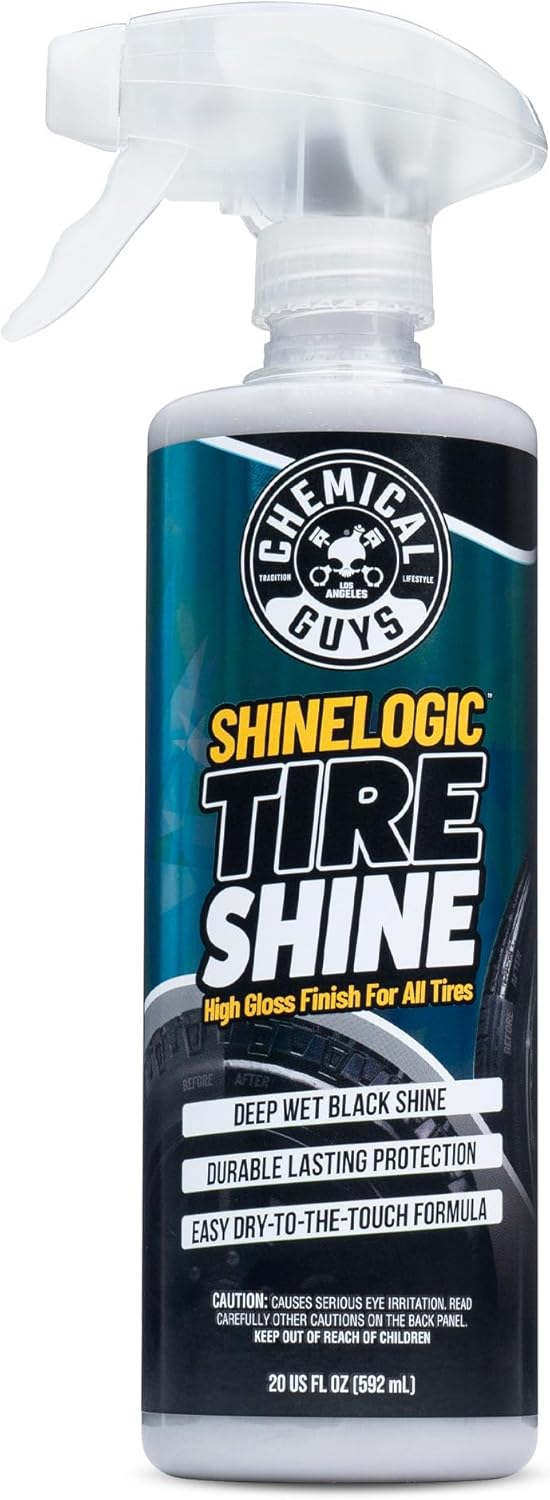
Chemical Guys ShineLogic Tire Shine delivers a deep wet black, high-shine finish for rubber tires with a sleek look. It’s designed for durable, one-step application with minimal drips, streaks, or runs, and it helps produce effortless, long-lasting shine. Choose aerosol or trigger spray for easy use on cars, trucks, motorcycles, RVs, and more.

P&S Dressed Tire Finish is a premium, water-based tire dressing that delivers a deep, rich high-gloss look without the greasy residue. Its polymer blend is designed to mimic the durability and shine of traditional solvent-based dressings while staying non-hazardous and eco-friendly. Apply with a brush or spray bottle for even coverage and a professional, factory-fresh finish.
How to Apply Tire Dressing Without Over-Saturation
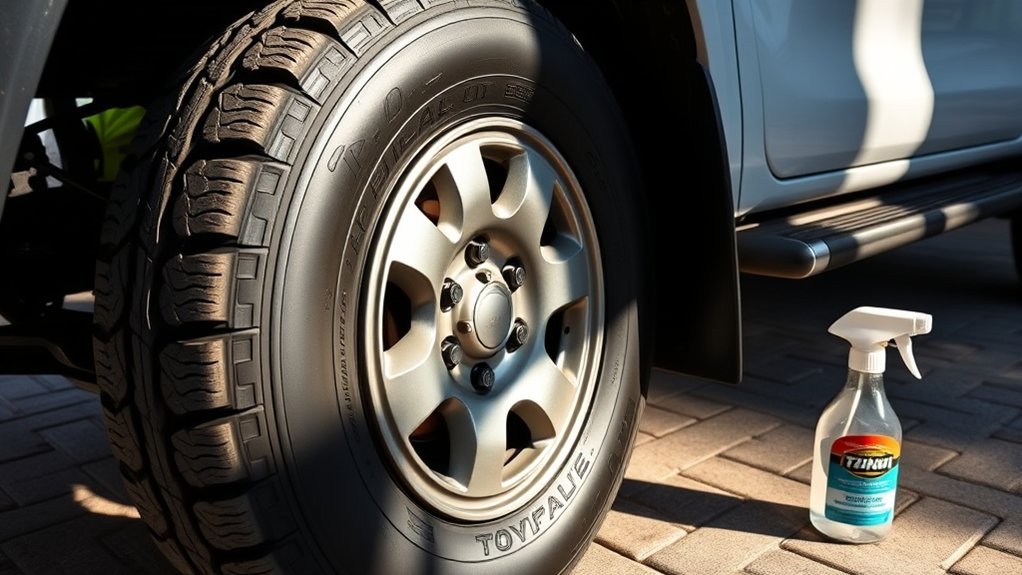
The safest and cleanest method is to apply dressing to an applicator first, not directly to the tire. This gives you better control around tread edges, raised lettering, and the wheel lip.
[Products Worth Considering]

Cristal Products Untouchable Tire Shine Spray delivers a deep, wet-look gloss that enhances your vehicle’s tires. It’s quick-drying and spreads smoothly for consistent, streak-free coverage, while forming a protective coating against UV rays, road grime, and weather. Suitable for all tire types, it helps restore dull, faded tires to a showroom-quality finish.
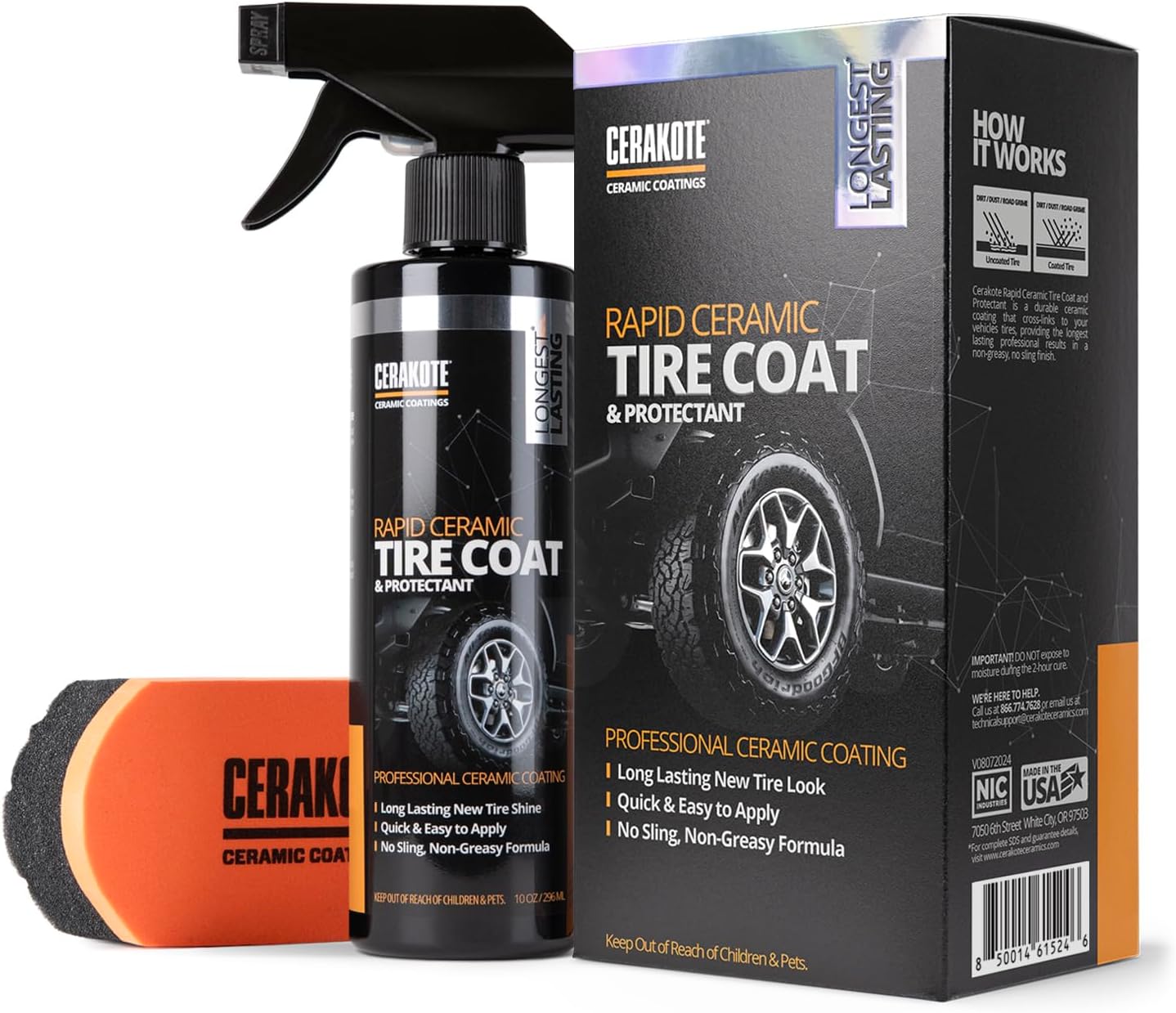
CERAKOTE Rapid Ceramic Tire Coat delivers true ceramic protection that restores a clean, dark factory-black look with a natural satin finish. It cures dry to the touch for a low-sling appearance that helps resist slinging onto paint while defending tires from UV rays and road grime. Apply to clean, dry tires with the included foam applicator for long-lasting results and satisfaction guaranteed.
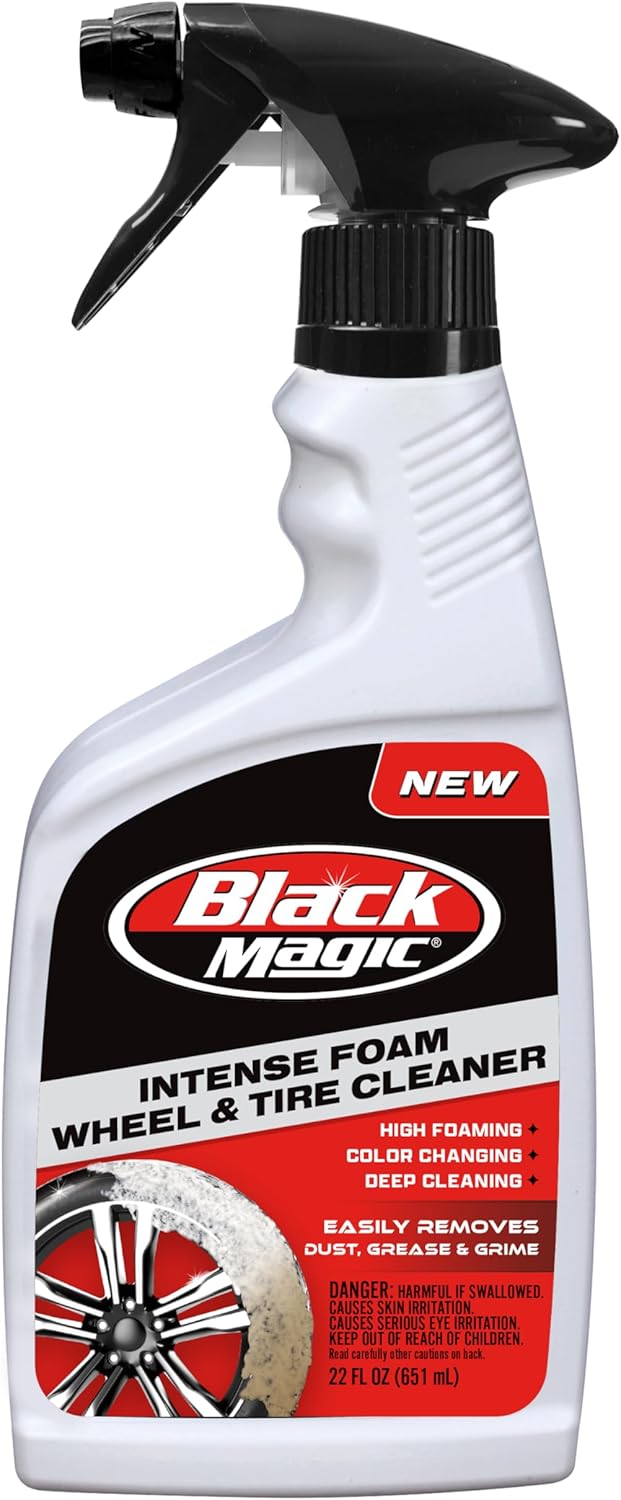
Black Magic Intense Foam Wheel & Tire Cleaner uses a high-foaming action to lift away dirt, grime, and brake dust without scrubbing. The color-changing formula helps show contaminants being dissolved as foam turns from white to brown. Safe for all wheel types and even wheel wells, it leaves a like-new, slick finish with a fresh cherry scent.
Application Technique Tips
- Shake the bottle well. This helps mix the product before use.
- Add a small amount to a foam applicator. Start with less than you think you need.
- Work around the sidewall only. Keep the applicator away from the tread face and shoulder blocks.
- Use a brush for details. A flag-tipped brush or small detailing brush helps around raised lettering and aggressive all-terrain sidewalls.
- Let it sit for 5 to 15 minutes. Follow the product label if it gives a specific dry or cure time.
- Level the finish. Wipe the sidewall lightly with a clean microfiber towel to remove extra product.
Recommended Tools Usage
A foam tire applicator is the easiest tool for most Hilux tires. It keeps product on the sidewall and helps prevent thick spots. A microfiber towel is useful for final leveling, while a small brush helps with textured sidewalls, raised lettering, and the rim edge.
If you use an aerosol or foam spray, spray lightly and shield the wheel, brake area, and tread. A spray may be fast, but it is also easier to overshoot the sidewall.
Proper Absorption Time
Most tire dressings need a short dwell time before wiping or driving. A good rule is to wait 5 to 15 minutes, then touch a clean towel to the sidewall. If the towel picks up heavy wet residue, the dressing is too thick or not dry yet.
Note: If your Hilux has large all-terrain or mud-terrain tires, the sidewall texture may hold extra product. Spend more time leveling around raised lettering, ribs, and shoulder lugs.
The Importance of Leveling Your Tire Dressing
Leveling means wiping the sidewall after the dressing has had time to spread and dry. This step makes the finish more even and reduces sling, which happens when excess product flings onto the paint, wheel arches, or doors after you drive.
| Benefit | What It Does | Result |
|---|---|---|
| Uniform Appearance | Removes thick spots and streaks | Cleaner satin or gloss finish |
| Less Sling | Removes excess wet product | Cleaner doors, fenders, and wheel arches |
| Better Feel | Reduces greasy residue | Less dust attraction |
| Easier Maintenance | Prevents product buildup | Simpler cleaning next time |
Avoid These Common Tire Dressing Mistakes
Small mistakes can make even a good tire dressing look bad. Avoid these common problems:
- Applying dressing to dirty tires: Dirt, old dressing, and brake dust can cause brown sidewalls and patchy shine.
- Using too much product: A thick coat does not always last longer. It often stays greasy and slings onto the bodywork.
- Dressing the tread: The tread is there for grip. Keep all shine products off it.
- Skipping the final wipe: Leveling is what turns a wet, uneven coating into a clean finish.
- Applying in direct sun: Hot rubber can dry the dressing too quickly and leave streaks.
- Driving too soon: Give the product time to dry, especially after using gel or high-gloss formulas.
Essential Maintenance Tips for Long-Lasting Tire Shine
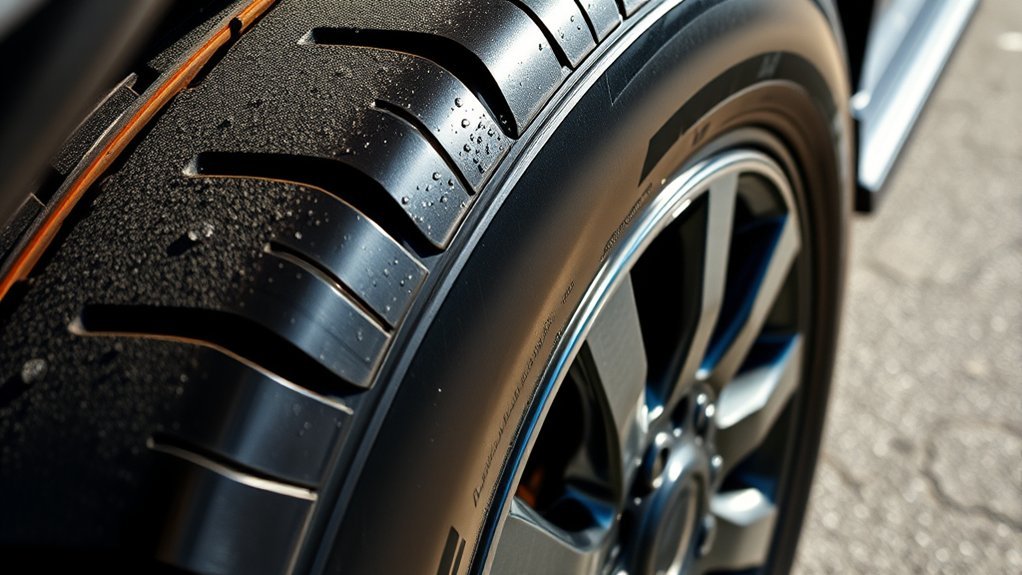
To keep your Hilux tires looking clean longer, wash away mud and road film before it dries into the sidewall. If you drive off-road, on gravel, or through job-site dust, expect the finish to fade sooner than it would on a city-driven vehicle.
- Wash gently between full details. Harsh cleaners can strip dressing faster.
- Top up lightly. A thin refresh coat is better than layering heavy product over old residue.
- Reapply when the finish fades. This may be after a few washes, a muddy trip, heavy rain, or several weeks of regular driving.
- Check pressure while you are there. Use the pressure listed on your Hilux tire placard or owner’s manual, not the maximum pressure molded into the tire sidewall.
- Inspect tread and sidewalls monthly. Shine should never hide cuts, cracks, bulges, or uneven wear.
Real User Experiences: What Tire Dressings Work for Your Hilux?
Hilux owners usually want one of three finishes: natural black, satin, or wet gloss. The right choice depends on the truck’s use.
- For a daily driver: Choose a water-based or satin dressing that dries clean and does not feel oily.
- For off-road use: Choose a lower-gloss dressing because dust and mud make heavy shine look messy quickly.
- For show-style detailing: A gel or high-gloss spray can work, but it needs careful leveling and more dry time.
- For quick touch-ups: A foam or spray dressing is fast, but protect the tread, wheel, brake parts, and paint from overspray.
If a product causes browning, sling, or sticky residue, the cause is often dirty rubber, too much product, poor drying time, or a formula that is too greasy for your driving conditions.
Troubleshooting Tire Dressing Problems
| Problem | Likely Cause | Fix |
|---|---|---|
| Dressing slings onto paint | Too much product or no final wipe | Use less, wait longer, then level with microfiber before driving |
| Brown sidewalls | Old dressing, road grime, or rubber blooming | Deep clean, rinse well, dry fully, then apply a thin coat |
| Blotchy shine | Uneven cleaning or uneven product amount | Clean again and spread dressing with a foam applicator |
| Sticky finish | Heavy coat or product not dry | Buff with a dry towel and use less next time |
| Shine fades after one trip | Mud, rain, pressure washing, or weak bonding | Clean better before application and choose a more durable formula |
Frequently Asked Questions
How does tire dressing work?
Tire dressing darkens the sidewall and leaves a protective-looking finish on the rubber surface. Depending on the formula, it may use water-based polymers, silicones, or other conditioning agents. It should be used only on clean tire sidewalls, not on tread or braking parts.
How often should I apply tire dressing?
Reapply when the finish fades instead of following one fixed schedule. A Hilux used on clean roads may go several weeks between applications, while a truck used in mud, rain, gravel, or pressure washing may need a light refresh sooner.
Can tire dressing damage tires?
A quality tire dressing used as directed on the sidewall should not damage healthy tires. Problems are more likely when products are overused, applied to dirty rubber, left greasy, or sprayed onto tread and brakes. Avoid harsh solvent-heavy products if the label warns against your tire type.
Can I put tire shine on the tread?
No. Tire shine belongs on the sidewall only. The tread is the contact surface that helps your Hilux grip the road, especially in wet conditions. If dressing gets on the tread, wipe it off before driving.
Why did my Hilux tires turn brown after dressing?
Brown sidewalls usually come from old dressing, road film, rubber blooming, or cleaner residue. Scrub the tires until the rinse water runs clear, rinse thoroughly, dry fully, and apply a thinner coat next time.
Conclusion
Keeping your Toyota Hilux tires looking sharp is simple when you treat tire dressing as the final step, not the main step. Clean the sidewalls well, choose a dressing that matches your finish preference, apply a thin coat, let it dry, and level the surface before driving. The result is a clean tire shine without sling, greasy buildup, or unnecessary safety risks.
Sources
- NHTSA TireWise: Tire Safety Ratings and Awareness — supports tire pressure, tread, rotation, alignment, and tire safety guidance.
- Road & Track: Best Tire Shines of 2025, Tested — supports current tire shine product-selection considerations, including finish, dry time, durability, and sling-prone formulas.
- Persson et al.: Rubber Friction on Wet and Dry Road Surfaces — supports the importance of tire-road friction and why tread contact should remain clean.