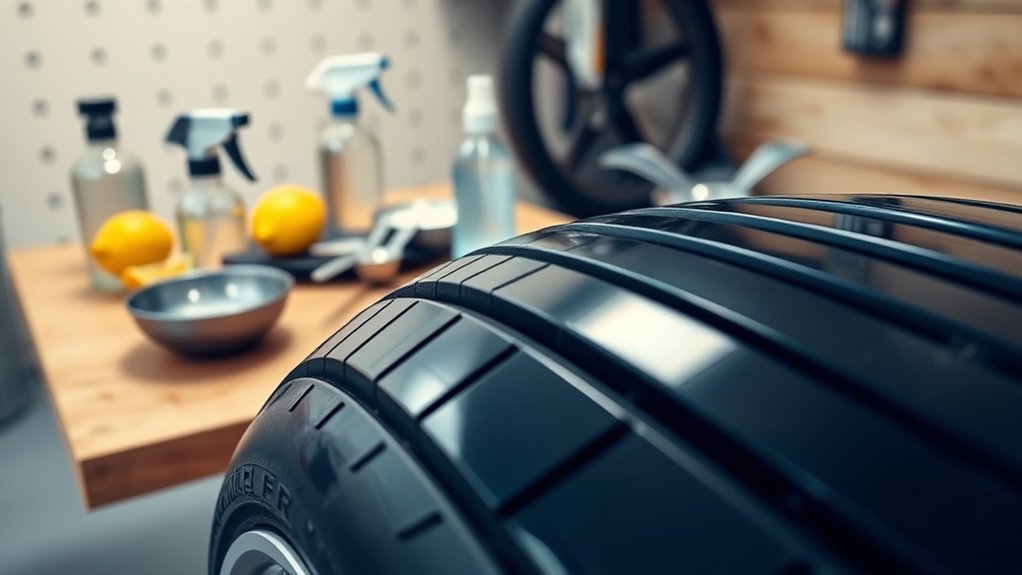
You can make homemade tire shine with simple ingredients, but the safe method matters more than the shine recipe. Clean the tire first, apply product only to the sidewall, use a thin coat, wipe off excess, and let the rubber dry before driving. Never put tire shine on the tread, brake parts, pedals, motorcycle tires, bicycle tires, or any walking surface.
Quick Answer
The safest homemade tire shine is a light sidewall dressing made from castor oil, mild automotive shampoo, water, and a small amount of rubbing alcohol for cleaning. Apply it with a foam pad, buff away residue, and let it dry fully so it does not sling onto paint or reduce grip.
Key Takeaways
- Clean tires first with automotive shampoo, warm water, a tire brush, and a final light wipe of rubbing alcohol if old dressing remains.
- Use castor oil for the most balanced DIY finish, baby oil for quick gloss, and lemon oil for a lighter cleaning-focused mix.
- Apply homemade tire shine only to the sidewall, never to the tread or brake parts.
- Thin coats work better than heavy coats because they reduce sling, greasy residue, and dirt attraction.
- Homemade tire shine is mainly cosmetic and short-term. For longer UV protection, use a tire dressing made for rubber care.
At a Glance
| Time Required | 20 to 35 minutes, including cleaning and drying time |
| Difficulty | Easy, but careful application is important for safety |
| Tools Needed | Bucket, tire brush, microfiber towels, foam applicator pad, spray bottle, gloves, and measuring cup |
| Cost | Usually under $10 if you already have towels, shampoo, and a brush |
Warning: Tire tread provides the grip that helps keep your vehicle from slipping, especially on wet or icy roads. Keep all homemade tire shine off the tread, brake parts, wheels, driveway surface, motorcycle tires, and bicycle tires. If product touches the tread, wash it off with soap and water before driving.
Why Homemade Tire Shine Works
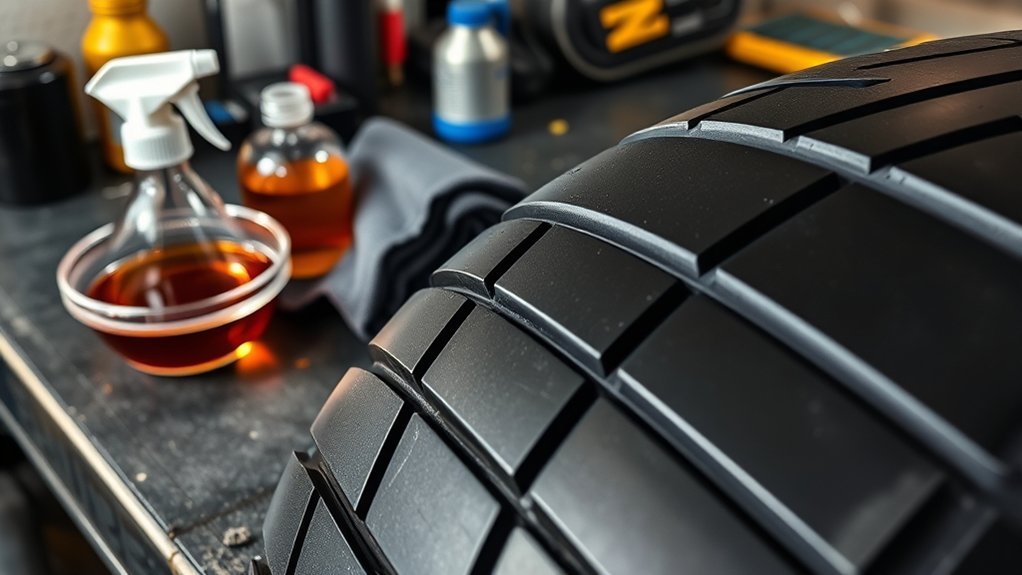
Homemade tire shine works best when it combines two separate jobs: cleaning and light dressing. First, you remove road film, old dressing, dust, and grime. Then you apply a very thin oil-based layer to darken the tire sidewall and give it a clean finish.
That does not mean homemade mixes are the same as commercial tire protectants. Many retail tire dressings are formulated with polymers, conditioners, or UV blockers. A DIY mix made with castor oil, baby oil, lemon oil, or vegetable oil can improve the look of the rubber for a short time, but it should not be treated as proven long-term UV protection.
For tire safety, remember the difference between sidewall appearance and tread performance. The National Highway Traffic Safety Administration explains that tire tread provides gripping action and traction. That is why any shine, oil, or dressing belongs on the sidewall only.
Tools and Supplies You Need
Gather everything before you start so you do not leave a wet tire half-finished. You only need basic cleaning tools and a few measured ingredients.
- Bucket: Use one clean bucket for shampoo and water.
- Tire brush: A stiff tire brush lifts grime from raised letters and sidewall texture.
- Microfiber towels: Use one towel for cleaning and another dry towel for buffing.
- Foam applicator pad: This gives more control than spraying directly onto the tire.
- Spray bottle: Use it only for thin, well-mixed solutions.
- Gloves: Wear gloves when handling rubbing alcohol, borax, oils, or old tire residue.
- Measuring cup or syringe: Measure small amounts instead of guessing.
Note: Rubbing alcohol is another name for isopropyl alcohol. The CDC/NIOSH Pocket Guide lists isopropyl alcohol as a flammable liquid with skin, eye, and inhalation exposure routes. Use it outside or in a well-ventilated area, keep it away from flames, and use only a small amount for final cleaning.
[Products Worth Considering]

These ultra-soft microfiber applicator pads apply wax, sealants, dressings, and conditioners with smooth, even coverage while helping protect delicate finishes from streaks and marring. The plush microfiber wrapped around a flexible foam core promotes consistent product distribution across curves and contours, and the ergonomic grip reduces hand fatigue during longer sessions. Reusable and machine washable, they’re ideal for both interior and exterior detailing uses such as tire dressing, leather conditioner, trim restorer, and interior protectants.
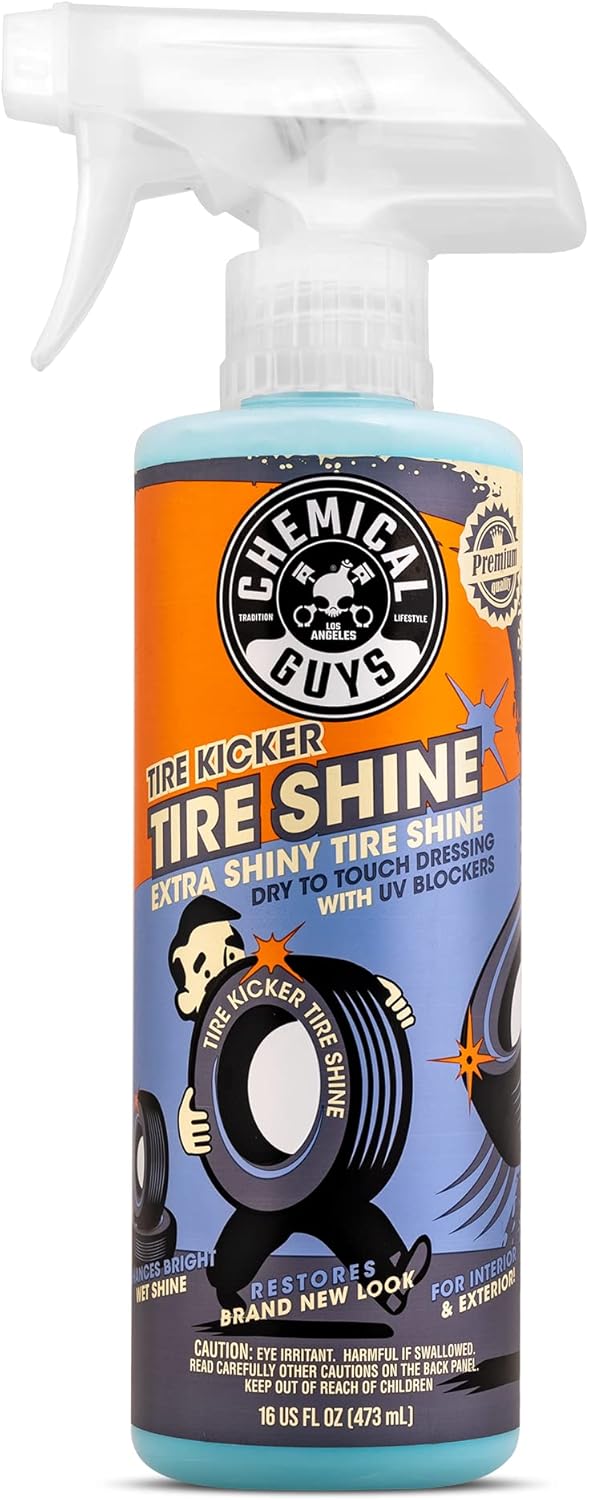
Chemical Guys Tire Kicker Sprayable Extra Glossy Tire Shine restores a deep, wet look on tires, rubber, vinyl, and plastic trim. It delivers a rich showroom shine that enhances color and luster while helping protect against fading, cracking, and discoloration. The spray application dries to the touch with a streak-free finish and no greasy sling, for fast results on cars, trucks, motorcycles, RVs, and boats.

Black Magic Tire Wet delivers a deep wet-look shine that makes tires appear dark, rich, and freshly detailed. Its long-lasting formula helps resist rain, dust, and road grime for weeks of glossy protection, not days. Apply by spraying onto clean, dry tires—no buffing or wiping required—with a low-sling design to reduce splatter on paint and wheels.
Clean Tires Before You Shine Them
Before you apply any tire shine, clean the rubber thoroughly with automotive shampoo and warm water. Use a tire brush to scrub the sidewall, raised lettering, grooves near the sidewall, and the edge where old dressing tends to collect.
- Rinse first: Knock off loose dirt with water.
- Wash with shampoo: Mix automotive shampoo with warm water, then scrub the sidewall.
- Let it dwell briefly: Give the cleaner 3 to 5 minutes to loosen road film, but do not let it dry on the tire.
- Rinse completely: Rinse until water runs clear and no soap remains.
- Use alcohol only if needed: If old dressing remains slick, lightly dampen a microfiber towel with rubbing alcohol and wipe the sidewall. Do not soak the tire.
- Dry fully: Wipe the sidewall with a lint-free towel and wait until the rubber is dry before applying shine.
Clean rubber first, then apply a thin coat. Most sling, streaking, and greasy residue comes from dirty tires or too much product.
[Products Worth Considering]
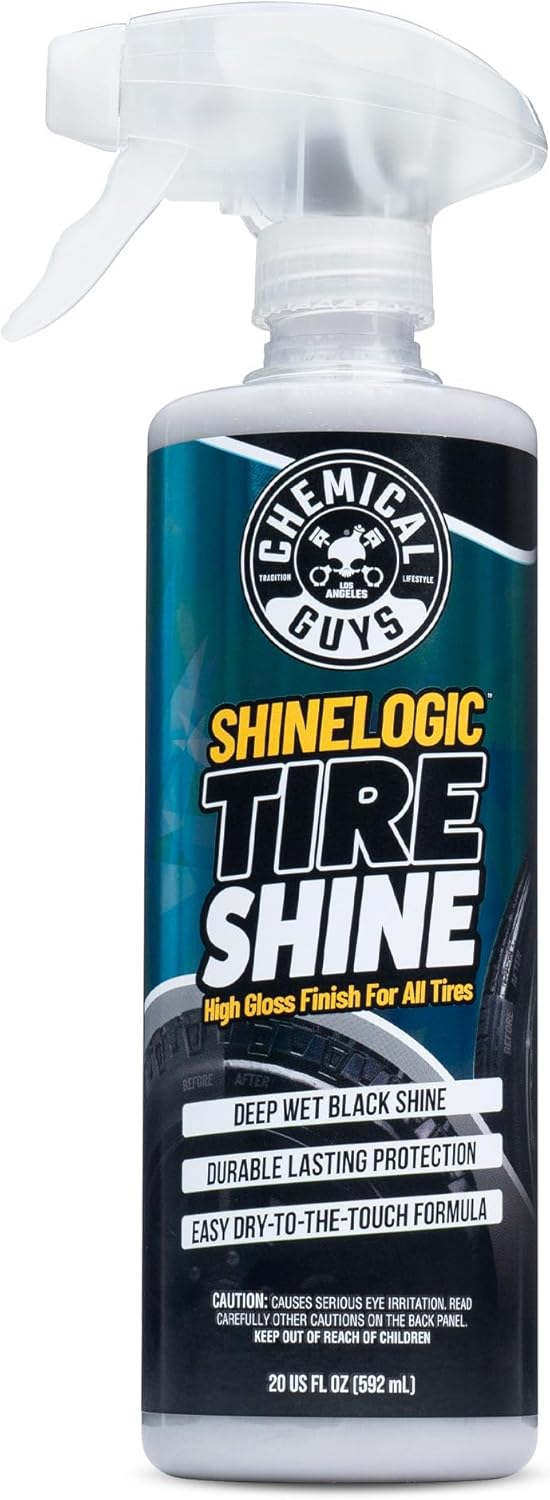
Chemical Guys ShineLogic Tire Shine delivers a deep wet black, high-shine finish for rubber tires with a sleek look. It’s designed for durable, one-step application with minimal drips, streaks, or runs, and it helps produce effortless, long-lasting shine. Choose aerosol or trigger spray for easy use on cars, trucks, motorcycles, RVs, and more.

Cristal Products Untouchable Tire Shine Spray delivers a deep, wet-look gloss that enhances your vehicle’s tires. It’s quick-drying and spreads smoothly for consistent, streak-free coverage, while forming a protective coating against UV rays, road grime, and weather. Suitable for all tire types, it helps restore dull, faded tires to a showroom-quality finish.

Restore faded, dull tires to a rich black satin finish in minutes with a spray-on, wipe-off formula. Graphene and acrylic polymers create a durable, sling-free coating that resists water and dirt while helping prevent UV-related fading and cracking. Build your preferred look by applying additional layers for sleek satin to showroom gloss.
Mix a Castor Oil Tire Shine
A castor oil mix is the best all-around homemade tire shine because it gives a darker sidewall without needing much oil. It works well when you want a clean satin-to-gloss finish rather than a dripping wet look.
In a clean container, combine:
- 25 ml castor oil
- 10 ml automotive shampoo
- 75 ml rubbing alcohol
- 2 liters water
Stir until the blend looks even. Dampen a foam applicator pad or microfiber towel with the mixture, then wipe it onto the tire sidewall in light circular passes. Do not spray the tread. Do not flood raised letters. Let the sidewall sit for 10 to 15 minutes, then buff off excess with a dry microfiber towel.
Pro Tip: If the sidewall looks wet after 15 minutes, you used too much. Buff it until the tire feels dry to the touch. A dry-feeling finish is less likely to sling onto your paint.
[Products Worth Considering]

Rubber Care delivers a beautiful dark black satin/matte finish on tires and other rubber or plastic surfaces, drying to the touch without oily shine. Its ceramic aircraft-grade formula helps repel dirt and brake dust residue, keeping surfaces cleaner longer. Triple nano ceramic polymer technology provides best-in-industry UV protection, restoring and protecting rubber while also working on weather stripping and de-ice boot care.

Black Magic Tire Wet delivers a wet, black, glossy finish with just one quick spray. Its weather and rinse-resistant formula helps maintain shine for weeks, not days, and dries quickly to reduce sling. A self-healing formula fills small scuffs to defend the look, leaving no white, powdery residue.

This oesee 8-piece wheel care kit helps you clean, scrub, and dry wheels safely with purpose-built brushes and towels. The scratch-free microfiber wheel brush lifts brake dust and grime, while the stiff pro-grip tire brush removes tire browning and embedded dirt. A twist loop microfiber drying towel and an applicator help achieve a streak-free finish and cleaner, more even product application.
Make a Baby Oil Shine Spray
A baby oil tire shine spray is simple and glossy, but it can become greasy if you overapply it. Use it when you want a fast shine before a normal drive, not when you need long-lasting weather resistance.
Mix the following in a clean spray bottle or bucket:
- 1 cup baby oil
- 1/2 cup water
- 3 drops automotive shampoo
Shake hard before every use because oil and water separate quickly. For better control, spray the mixture onto a microfiber towel or foam pad instead of spraying directly at the tire. Wipe a light coat onto the sidewall, wait a few minutes, then buff with a dry towel.
- Use a clean bottle.
- Shake before each tire.
- Keep the spray pattern away from the tread and brakes.
- Apply one light coat only.
- Wipe away shiny, wet, or greasy residue.
Blend a Lemon Oil Tire Shine
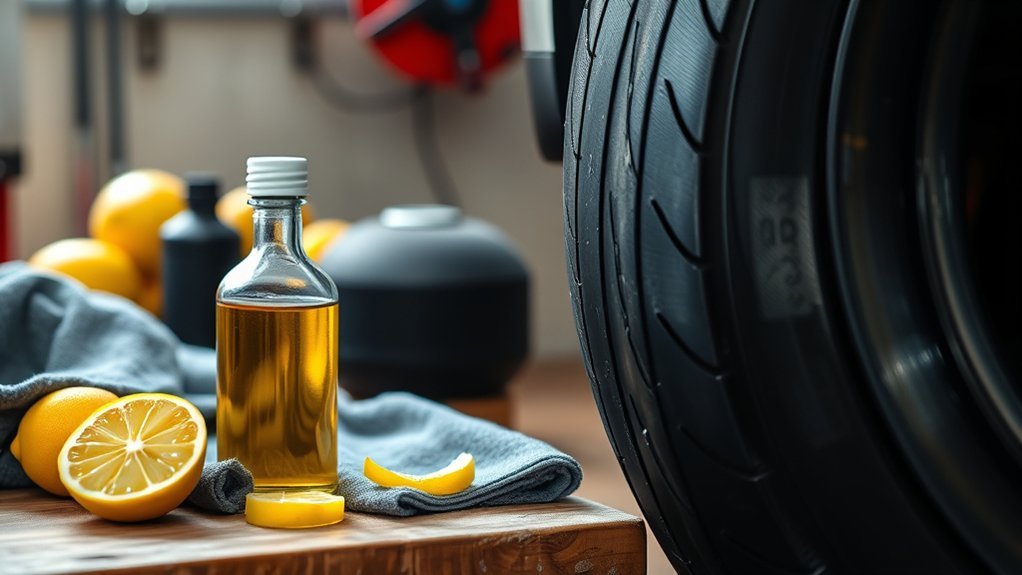
A lemon oil tire shine is better for light cleaning and a natural-looking finish than for deep gloss. It can brighten the sidewall, but it should still be used carefully because oils can attract dust if left wet.
Mix:
- 30 ml automotive shampoo
- 15 ml lemon oil
- 50 ml borax
- 2 gallons warm water
Stir until the solution is evenly blended. Dip a tire brush into the mix and scrub the sidewall with controlled strokes. Rinse lightly if residue remains, then wipe the sidewall with a clean microfiber towel. Let it dry fully before driving.
Note: Borax is a powder cleaner, not a tire conditioner. Avoid breathing dust, wear gloves, and rinse nearby pavement or wheels if any residue lands outside the tire sidewall.
Pick the Best Tire Shine Recipe
The best homemade tire shine recipe depends on the finish you want and how much cleaning the tire needs. Choose the lightest formula that gives the look you want.
| Recipe | Best For | Finish | Main Caution |
|---|---|---|---|
| Castor oil mix | Balanced cleaning and dressing | Satin to medium gloss | Alcohol is flammable, so use ventilation and keep away from flames |
| Baby oil spray | Quick shine | Glossy | Can look greasy if overapplied |
| Lemon oil mix | Light cleaning and a natural look | Low to medium shine | Borax residue needs careful wiping or rinsing |
| Commercial tire dressing | Longer protection and more predictable results | Matte, satin, or gloss depending on product | Follow the label and buff excess |
If you want a dependable rubber-care product with longer weather resistance, use a commercial tire dressing designed for tires. Many commercial products tell you to clean and dry the surface, apply with a foam or microfiber applicator, buff off excess, and allow drying time. That same process also gives better results with homemade tire shine.
Apply Tire Shine Without Sling
Sling happens when excess product flies off the tire while it spins. The fix is simple: apply less product, keep it on the sidewall, and buff it dry before driving.
| Step | Tool | Goal |
|---|---|---|
| Apply | Foam pad | Spread a thin, even coat on the sidewall |
| Check | Microfiber towel | Remove pooled product from letters and edges |
| Wait | Timer | Let the finish set for 10 to 15 minutes |
| Buff | Dry towel | Leave the surface dark but dry to the touch |
Do not drive while the sidewall is wet or greasy. If the tire still feels slick, keep buffing. If product landed on the tread, wash the tread with automotive shampoo and water, then rinse well.
How Long Homemade Tire Shine Lasts?
Homemade tire shine usually lasts several days to about a week in normal driving. Rain, dust, road salt, harsh sun, car washes, and dirty tires can shorten that time. Heavy oil coats may look glossy at first, but they often collect dirt and sling off faster than a thin coat.
For the longest clean look, wash the tire first, let it dry, apply one light coat, wait 10 to 15 minutes, and buff excess. Reapply only when the sidewall looks dull. Do not stack heavy coats each time, because buildup can turn brown, sticky, or streaky.
Use Homemade Tire Shine Safely
Safety comes before shine. Homemade recipes can include oils, alcohol, soap, and borax, so treat them like cleaning chemicals even when the ingredients are common household items.
- Work outside or with strong ventilation: This matters most when rubbing alcohol is used.
- Keep alcohol away from flames: Do not smoke, weld, grind, or use open flame nearby.
- Wear gloves: Gloves reduce skin contact with cleaners, oils, and old tire residue.
- Protect your eyes: Avoid splashes when brushing or spraying.
- Keep it off brakes and tread: Slick residue can create avoidable risk.
- Label stored mixtures: Do not store homemade tire shine in a drink bottle.
- Keep away from children and pets: Store sealed containers in a cool, dark place.
Also remember that tire shine is not tire maintenance. Check tire pressure, tread depth, age, damage, rotation, balance, and alignment separately. NHTSA recommends checking tire pressure at least once a month when tires are cold and checking tread regularly as part of safe tire care.
Ingredients to Avoid or Use Carefully
Not every shiny household product belongs on a tire. Avoid anything that leaves the sidewall wet, sticky, or slippery after buffing.
- WD-40: It may create a short-lived shine, but WD-40 Multi-Use Product is described by the manufacturer as a metal rust and corrosion protector, moisture displacer, penetrant, and lubricant. It is not a dedicated tire sidewall dressing.
- Cooking oil: Vegetable oil can darken rubber briefly, but it can also feel sticky, collect dust, and turn uneven.
- Undiluted baby oil: Too much oil increases sling and greasy residue.
- Bleach or harsh degreasers: These can stain, dry, or discolor surfaces around the tire and are not needed for a simple sidewall shine.
- Strong solvents: Avoid gasoline, paint thinner, brake cleaner, acetone, and similar solvents. They are unsafe for this job and can damage nearby finishes.
Troubleshoot Common Tire Shine Problems
| Problem | Likely Cause | Fix |
|---|---|---|
| Shine slings onto paint | Too much product or not enough drying time | Use less, wait 10 to 15 minutes, and buff dry |
| Sidewall looks streaky | Dirty tire or uneven application | Wash again, dry fully, and apply with a foam pad |
| Finish attracts dust | Oil layer is too heavy | Buff with a dry towel or wash off and restart lighter |
| Tire turns brown | Old dressing, road film, or rubber blooming under the shine | Deep-clean the sidewall before applying any new dressing |
| White residue appears | Soap, borax, or hard-water residue | Rinse more thoroughly and dry with a clean towel |
Store and Dispose of DIY Tire Shine
Homemade tire shine does not contain the same stabilizers as store-bought detailing products, so make small batches when possible. If you store leftovers, use a clearly labeled sealed bottle and keep it in a cool, dark place away from heat, sparks, children, and pets.
Shake stored mixtures before reuse. If the mixture smells rancid, grows mold, changes color, or separates in a way that does not remix, discard it. Do not pour oily mixtures onto driveways, storm drains, soil, or streets. Wipe small leftovers into disposable towels and follow your local household waste rules.
Frequently Asked Questions
What household items can be used as tire shine?
You can use small amounts of castor oil, baby oil, or lemon oil in a diluted tire shine mix. Castor oil is the best all-around choice, baby oil gives quick gloss, and lemon oil works better for a lighter finish. Clean the tire first and apply any oil mix only to the sidewall.
What is the best thing to put on tires to make them shine?
For a DIY option, castor oil mixed with water, a little automotive shampoo, and a small amount of rubbing alcohol gives the most balanced result. For longer-lasting UV protection and predictable drying, a commercial tire dressing made for rubber sidewalls is the better choice.
Does WD-40 work as tire shine?
WD-40 can make a sidewall look shiny for a short time, but it is not the right product for tire shine. The manufacturer describes WD-40 Multi-Use Product as a metal protector, moisture displacer, penetrant, and lubricant. Use a tire dressing or a controlled DIY sidewall mix instead.
How do you make tyre polish at home without harsh chemicals?
Make a gentle tyre polish by cleaning the sidewall with automotive shampoo and water, drying it fully, then wiping on a very thin baby oil or castor oil mix. Avoid harsh solvents, keep the polish off the tread, and buff the sidewall until it feels dry.
Can homemade tire shine damage tires?
A light homemade tire shine used occasionally on clean sidewalls is unlikely to cause a problem, but heavy oil coats can attract grime, sling onto paint, and leave a greasy finish. Avoid strong solvents, do not soak the rubber, and wash off any residue that feels sticky or slick.
How often should you apply homemade tire shine?
Apply homemade tire shine only when the sidewall looks dull, usually every few weeks or after a wash. Do not keep adding layers over old product. Clean the sidewall first so the new coat does not trap dirt or create brown buildup.
Conclusion
You can make tire shine at home, but the safest results come from clean rubber, measured ingredients, and light application. Use castor oil for the most balanced DIY finish, baby oil for fast gloss, and lemon oil for a lighter clean look. Apply only to the sidewalls, keep every mix off the tread and brakes, let the tire dry, and buff away anything greasy before driving.
Sources
- NHTSA TireWise — supports tire tread, pressure, maintenance, and tire safety guidance.
- CDC/NIOSH Pocket Guide: Isopropyl Alcohol — supports flammability, exposure routes, and safety cautions for rubbing alcohol.
- eCFR 49 CFR 575.104 — supports UTQG context for treadwear, traction, and temperature resistance.
- WD-40 Multi-Use Product — supports the product’s intended uses as a metal protector, moisture displacer, penetrant, and lubricant.
- Chemical Guys Tire Kicker directions — supports standard tire dressing practices such as cleaning, drying, applicator use, buffing excess, and drying time.