
Larger Tires on 4Runner: Speedometer Error Fix
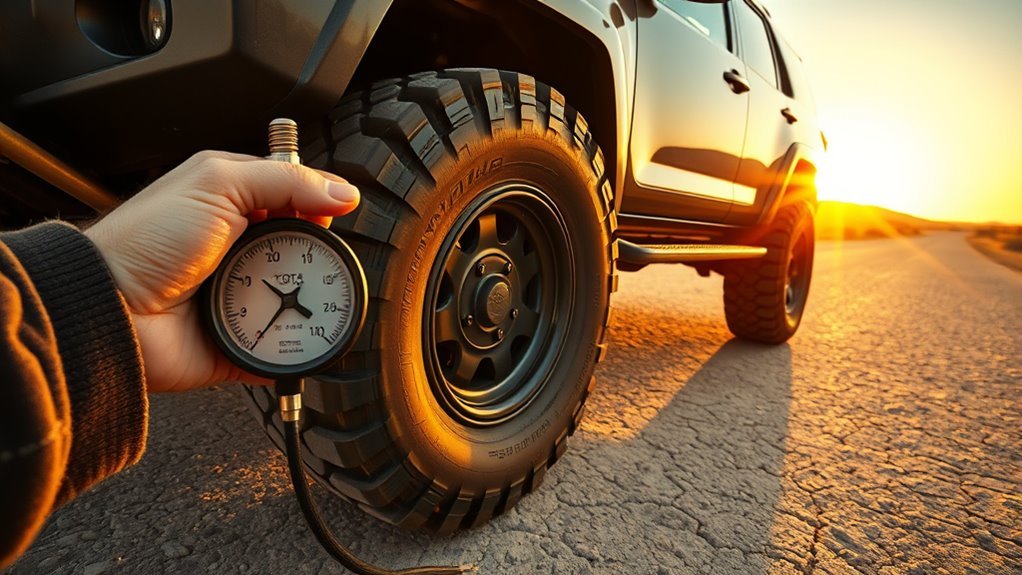
Larger tires can make your 4Runner travel faster and farther than the dashboard shows. The bigger the tire diameter, the more ground each rotation covers, so your speedometer can read lower than your true road speed. Your odometer can also record fewer miles than you actually drive because it uses the same wheel rotation data. This guide explains why the error happens, how to estimate it, and how to correct it with proper calibration.
Quick Answer
Yes, larger tires can throw off your 4Runner’s speedometer and odometer. A larger tire rolls farther with each turn, so the vehicle may show a lower speed and fewer miles than you actually travel. You can estimate the error with tire diameter math, then verify it with GPS and correct it through recalibration.
Key Takeaways
- Larger tires usually make your speedometer read lower than your actual speed.
- Your odometer can undercount mileage because each tire rotation covers more distance.
- The tire size change affects speed readings in the same basic percentage as the diameter change.
- GPS can help you check the difference before and after calibration.
- Manual recalibration gives you the most reliable fix after a meaningful tire size change.
Why Bigger Tires Throw Off Your Speedometer
When you swap factory tires for a larger set, you change the link between your 4Runner’s wheel speed sensors and the distance your vehicle travels. Your speedometer uses wheel rotations to calculate speed, but larger tires cover more ground per rotation.
This tire rotation impact means you can move faster than your dashboard indicates. For example, moving from 265/70R16 tires to 265/75R16 tires can create a small but noticeable underreporting error at highway speeds.
Your odometer can also log fewer miles than you’ve actually driven. The factory calibration assumes a specific tire size, so any diameter change creates a repeatable error.
Larger tires can improve ground clearance and off-road capability, but they also reduce instrument accuracy unless you correct the calibration. Your 4Runner won’t reliably self-correct for a tire size change. GPS verification helps you measure the gap before you recalibrate.
[Products Worth Considering]

The M7 SmartIgnition Jump Starter delivers instant power to dead 12V batteries and inflates tires with precision, thanks to DirektDrive technology and auto-stop compression. It offers TÜV‑certified automotive durability, 60Wh power bank, and multi‑mode LED flashlight, making it a reliable emergency companion for cars, SUVs, RVs, and motorcycles.

The Upgraded 9000A 9-in-1 Jump Starter delivers powerful 9000A peak current for all gas and up to 14L diesel engines, while also serving as a versatile tire inflator with pressure detection and a large LCD screen. Its compact design includes a power bank, SOS signaling, LED lighting, and a blower for inflation and deflation of various items. Built-in smart protection safeguards against over‑charge, short‑circuit, and temperature extremes, ensuring reliable roadside assistance.

The 6000A portable jump starter quickly revives 12V vehicles up to 10L gas or 8L diesel engines in seconds and also features a high‑power air compressor for tire inflation. Its LCD display shows battery level and pressure, while built‑in safety protections and a versatile LED flashlight ensure reliable emergency use. The device doubles as a power bank with USB‑C and 5V output, making it a multi‑function roadside companion.
How Much Speedometer Error Different Tire Sizes Cause
Every tire upgrade changes measurement accuracy in proportion to the tire’s rolling diameter. If your new tire has a larger circumference, it turns fewer times per mile than the factory tire.
For a common 265/70R16 to 265/75R16 change, the difference often falls near 3%. That means a speedometer showing 60 mph may represent about 62 mph in real road speed, depending on actual tire dimensions, tread depth, pressure, and load.
Your speedometer calibration depends on factory-programmed revolutions per mile. A larger tire covers more ground per revolution than the system expects.
Tire size changes can affect more than the speed reading:
- Odometer readings can lag behind actual mileage.
- Fuel economy calculations can look better than they are.
- Maintenance intervals can stretch beyond the ideal window.
- Resale and warranty records can reflect lower mileage than actual use.
GPS verification gives you a practical check. Over time, even a small error can add up to hundreds or thousands of unrecorded miles.
Warning: A speedometer that reads low can raise your risk of speeding tickets and delayed maintenance.
The Math Behind Speedometer Inaccuracy and How to Calculate Yours
Your speedometer relies on factory-calibrated revolutions per mile. Any change in tire diameter creates a proportional change in your readings.
You can estimate the discrepancy with simple math. First, find the diameter of the factory tire and the new tire. A 265/70R16 tire measures about 30.6 inches in calculated diameter, while a 265/75R16 tire measures about 31.6 inches.
Multiply each diameter by pi to estimate circumference. Then divide 63,360, the number of inches in one mile, by the circumference to estimate revolutions per mile.
Compare the new tire’s revolutions per mile with the factory tire’s revolutions per mile. The percentage difference gives you the rough speedometer and odometer error.
For example, a tire diameter increase of about 3.3% usually makes your speedometer underreport by about 3.3%. If your dash shows 60 mph, your actual speed may sit near 62 mph.
Pro tip: Use the tire manufacturer’s published revolutions-per-mile spec when you want a better estimate than sidewall math alone.
GPS vs. Speedometer: Finding Your True Speed
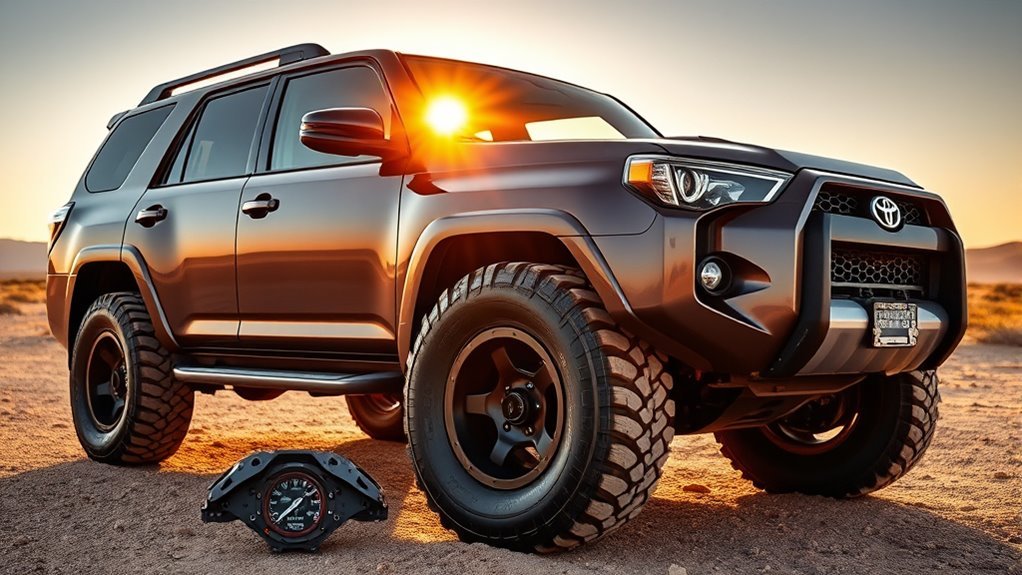
Your speedometer depends on factory tire assumptions. Global Positioning System (GPS) speed comes from satellite-based position changes, so it gives you an independent way to check your road speed.
Install larger tires, and your 4Runner rolls farther per revolution than the system expects. GPS can show the gap between indicated speed and actual speed.
Use these verification practices before you recalibrate:
- Compare readings at steady highway speeds to measure your specific gap.
- Check several speeds because the visible difference grows as speed rises.
- Test under normal load because weight changes tire shape and effective diameter.
- Recheck after recalibration to confirm the fix.
GPS can lag during poor signal conditions, tunnels, steep terrain, or heavy tree cover. Use a clear, straight road and steady throttle for the most useful comparison.
Does Your 4Runner’s ECU Auto-Correct for Tire Size Changes?
You might expect your 4Runner’s engine control unit (ECU) to compensate for larger tires, but you shouldn’t rely on automatic correction. Toyota calibrates the system around approved tire sizes, and aftermarket tire changes can still leave your speedometer and odometer inaccurate.
Some dealer departments may give different answers because calibration options can vary by model year, trim, and available tools. If your speedometer reads inaccurately, plan to verify the error and use a manual correction method.
[Products Worth Considering]

The UTRAI JS-9 delivers up to 4000A peak current to start 12V vehicles, including gas and diesel engines, while its 150PSI cordless air compressor inflates tires in minutes. A 2‑inch LCD shows battery level and pressure, and built‑in LED lights provide flashlight, strobe, and SOS modes for emergencies. The compact unit comes with smart cables, hoses, nozzles, and a carrying case, offering reliable power and convenience for road trips, camping, and vehicle maintenance.

The 2000A Jump Starter delivers a powerful 2000A peak current to start 12V vehicles up to 8.0L gasoline or 6.0L diesel, even in extreme temperatures. Its high-density lithium battery provides long-lasting power, while the integrated air compressor inflates tires quickly with a 2.6‑inch display and automatic shut‑off. Safety is ensured by a 10‑point BMS and aerospace‑grade construction, and the unit also functions as a power bank and LED flashlight for emergencies.
ECU Self-Correction Myths
Many 4Runner owners assume the ECU can detect larger tires and fix the speed reading on its own. That belief can leave speedometer inaccuracies uncorrected for thousands of miles.
Your 4Runner does not measure physical tire diameter directly. It works from sensor data and programmed assumptions, so a larger tire can still create a calibration gap.
Four myths often cause confusion:
- “The ECU senses everything.” It does not directly detect tire circumference.
- “Newer models self-correct.” Many systems still need manual input or programming.
- “Dealer updates fix it automatically.” A service visit may not include tire-size calibration.
- “GPS apps replace calibration.” GPS can verify speed, but it does not fix odometer drift.
Check your actual speed against GPS after a tire change. Then decide whether the error is small enough to track manually or large enough to correct.
Dealer Department Conflicts
Dealerships can add to the confusion around ECU auto-correction. One staff member may say the vehicle can adapt, while another may warn that larger tires require manual recalibration.
Ask for written confirmation before you rely on any claim. You should also ask whether the answer applies to your exact model year, trim, tire size, and calibration tool access.
Your 4Runner may not behave like another owner’s similar model. Protect your maintenance records and warranty discussions by documenting your tire size, GPS checks, and any calibration work.
Manual Adjustment Options
Factory calibration assumes stock tire dimensions. If your new tire has a larger rolling diameter, you may need a manual correction to restore speedometer accuracy.
Your main correction options include:
- Diagnostic software that can change tire-size or speed calibration settings.
- Speedometer calibration boxes that modify the signal before it reaches the cluster.
- Professional tuner services with access to vehicle-specific software.
- Aftermarket programmers or On-Board Diagnostics II (OBD-II) modules that support your model.
Verify any adjustment with GPS after the work. Aim for a reading that stays close to true speed across the range you drive most.
How Tire Size Affects Your Odometer and Recorded Mileage
When you upsize your 4Runner’s tires, you change more than ground clearance and appearance. You also change how your vehicle measures distance.
Your odometer calculates mileage from tire rotations and assumes the factory tire size. Install larger tires, and each revolution covers more distance than the odometer records.
Consider the math. A 30-inch tire covers about 94.2 inches per rotation, while a 32-inch tire covers about 100.5 inches. Your odometer keeps counting rotations, so it can miss part of the real distance traveled.
Over many miles, these odometer discrepancies can distort fuel economy, service timing, and resale records. A 5% undercount means 100,000 indicated miles could represent about 105,000 actual miles.
You can manage the issue through recalibration or by applying a correction factor to mileage and maintenance logs. Recalibration gives you cleaner records because the vehicle reports the corrected values directly.
Speedometer Recalibration: DIY Tools vs. Professional Correction
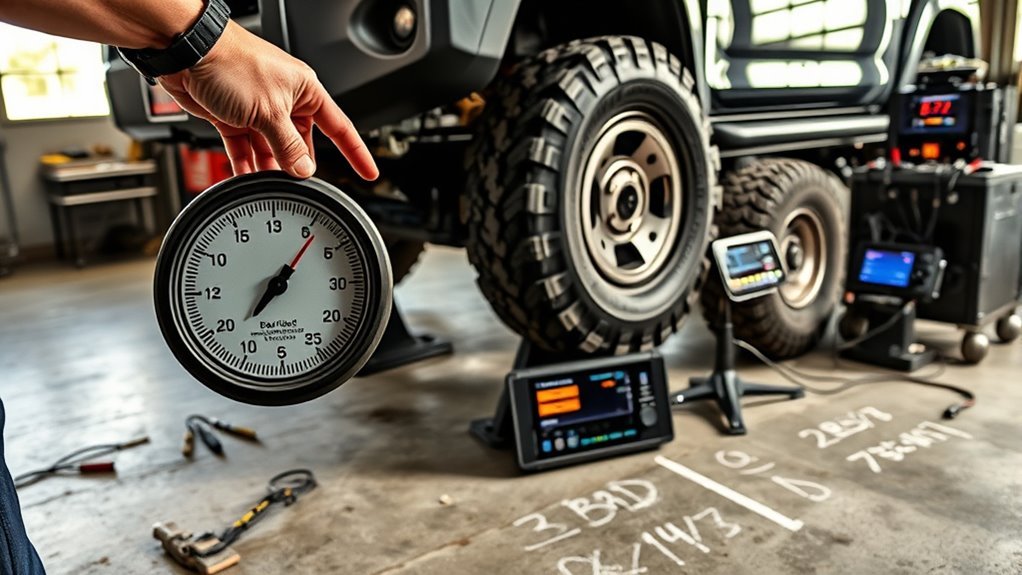
After you install larger all-terrain or mud-terrain tires, you need to compare your speedometer readings with the new tire circumference. GPS apps offer a useful first check, but signal quality and refresh rate can affect the reading.
You have two main correction paths: DIY calibration and professional service. The right choice depends on your model year, tire size change, tool access, and comfort with vehicle settings.
Common recalibration methods include:
- DIY scan tools or programmers that let you enter new tire dimensions.
- Professional services that use factory-level software or calibrated equipment.
- Hybrid checks that compare GPS data with OBD-II speed readings.
- Written records that note baseline readings, tire size, and final calibration results.
DIY tools can reduce dealer dependence, but not every tool supports every 4Runner. If the tire diameter change is large or the vehicle still reads wrong after DIY correction, professional recalibration may save time and protect your records.
When You Should Recalibrate After a Tire Change
You should check calibration any time you change tire size, even if the new size looks close to stock. Small changes may only need a note in your maintenance log, but larger changes deserve a real correction.
Recalibration matters most when your GPS check shows a clear speed difference at highway speeds. It also matters if you use mileage for warranty, resale records, fleet tracking, or strict service schedules.
Don’t wait until the odometer error grows. Measure the difference after the tire install, then fix or document it while the change is fresh.
Frequently Asked Questions
Would changing tire size throw off a speedometer?
Yes, changing tire diameter can throw off your speedometer. Larger tires rotate fewer times per mile, so the speedometer can show a lower speed than you’re actually driving.
Can changing tires mess with the speedometer?
Yes, changing tires can affect your speedometer if the new tire has a different diameter. The larger the diameter change, the larger the speed reading error becomes.
How do I know if my 4Runner speedometer is wrong after bigger tires?
Drive at a steady speed on a clear, straight road and compare the dash reading with GPS. Check several speeds so you can see whether the gap stays small or grows at highway speed.
Will bigger tires make my odometer show fewer miles?
Yes, larger tires can make your odometer record fewer miles than you actually drive. Each rotation covers more distance, but the odometer still counts rotations based on its calibration.
Do I need a dealer to recalibrate my speedometer?
Not always. Some owners use compatible scan tools, programmers, or calibration modules. A dealer or professional shop can still help when your vehicle needs factory-level software or the DIY tool does not support your model.
Conclusion
A larger tire can make your 4Runner’s speedometer and odometer read lower than reality. Check the difference with tire math and GPS before you assume the error is harmless.
If the gap affects highway speed, mileage records, or maintenance timing, recalibrate the system as soon as you can. Accurate instruments help you drive legally, service the vehicle on time, and keep cleaner ownership records.

Related Articles

How to Air Up Tires After Off-Roading Without a Shop
Master the art of airing up your tires after off-roading without a shop, and discover essential tips to ensure safety and efficiency.
Read More
Do You Need an Alignment After Changing 4Runner Tires
When 4Runner tire changes demand realignment depends on hidden factors most drivers overlook.
Read More
How Often Should You Balance 4Runner Tires
It's not just mileage—discover the hidden factors that could be silently destroying your 4Runner's tires right now.
Read More