
How Often Should You Balance 4Runner Tires
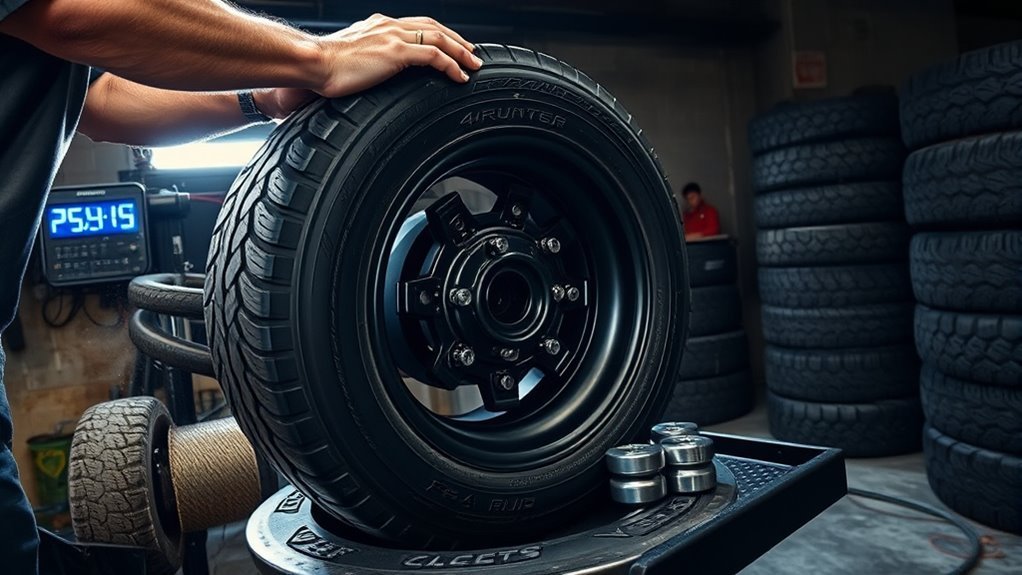
Keeping a Toyota 4Runner smooth at highway speed starts with a simple habit: check tire balance when you rotate the tires, and rebalance sooner when the truck gives you a reason. A 4Runner’s heavier tire-and-wheel setup, all-terrain tires, dirt-road use, and occasional trail impacts can expose imbalance faster than a light commuter car.
Quick Answer
For most 4Runners, check tire balance at each 5,000-mile tire rotation and rebalance whenever you feel highway vibration, see uneven tread wear, repair a tire, install new tires, lose wheel weights, or hit rough trails. Toyota’s service schedule anchors tire rotation at 5,000-mile/six-month maintenance intervals, while tire makers commonly recommend balancing around the same mileage range.
Key Takeaways
- Use your 4Runner’s tire rotation interval as the easiest reminder to check balance.
- Rebalance immediately if vibration appears around highway speed, especially through the steering wheel, seat, or floor.
- After off-road driving, clean mud and packed debris from the wheels before assuming the tires need weights.
- Road Force balancing is best for persistent vibration after a normal spin balance, not as a mandatory service every time.
- Balancing will not fix alignment, bent wheels, tire damage, worn suspension parts, or brake problems.
At a Glance
| Time Required | About 30–90 minutes at a tire shop, depending on wait time and whether Road Force diagnostics are needed. |
| Difficulty | Beginner for inspection; professional equipment required for actual balancing. |
| Tools Needed | Tire pressure gauge, tread-depth gauge or penny, flashlight, torque-wrench verification by the shop, and a calibrated wheel balancer. |
| Cost | Often included with tire purchase or rotation packages; paid balancing and Road Force pricing varies by shop. |
How Often Should You Balance 4Runner Tires?
A practical schedule is to check balance at every tire rotation and rebalance when symptoms or service work justify it. For many 4Runner owners, that means checking balance around every 5,000 miles because Toyota’s 4Runner maintenance guide uses a 5,000-mile or six-month service cadence and includes tire rotation in the maintenance log. For general tire care, Continental also recommends balancing every 5,000–10,000 km, or about 3,100–6,200 miles, or every 1–2 years.
Use this schedule as your baseline:
- Normal street driving: Check balance during each 5,000-mile tire rotation. Rebalance if the shop finds imbalance or you feel vibration.
- Frequent dirt roads, gravel, mud, or trail use: Inspect after each hard trip. Clean the inside of the wheels, check for missing weights, and rebalance if vibration appears.
- New tires or wheels: Balance at installation. Return for a recheck if vibration appears after the tires settle in.
- After a tire repair: Rebalance the repaired tire-and-wheel assembly before it goes back into regular use.
- After a pothole, curb strike, rock impact, or sudden vibration: Inspect the tire and wheel first, then balance only after damage is ruled out.
- With larger all-terrain tires: Be more alert for vibration because heavier light-truck tires can be more sensitive to mounting, adapter setup, and wheel runout.
Warning: If your 4Runner suddenly starts shaking, thumping, or pulling after an impact, do not keep driving at highway speed. Slow down gradually, avoid hard braking or sharp steering, pull over safely, and inspect the tire for low pressure, bulges, cuts, sidewall damage, or a bent wheel. If anything looks unsafe, install the spare or call for service.
[Products Worth Considering]

Universal magnetic jack pad with aluminum grooved design to protect vehicle pinch welds during lifting. Durable nylon pad inserts are upgraded and secured with screws to resist damage and keep in place. Designed to fit most single vehicle pinpoint welds for safer, stable jacking when changing tires, repairs, or performing oil changes.
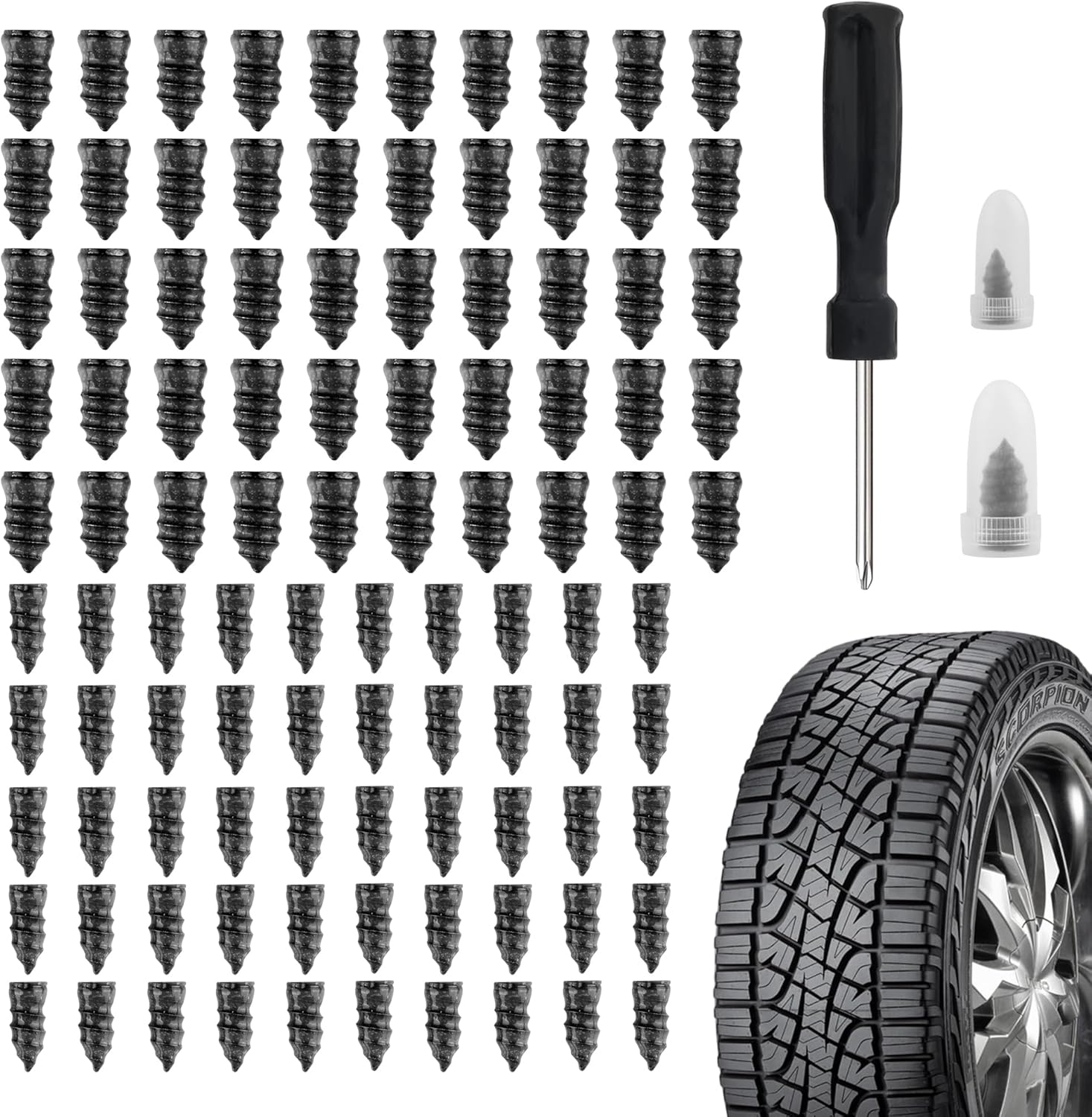
Salior’s tire plug kit provides a fast, reliable self-service fix for punctured or leaking tires without the need for flaring tools. Choose the correct plug size, then screw the nail into the puncture using the included screwdriver for an enhanced seal. The set is durable and convenient for on-the-go maintenance across multiple vehicle types.

This tire sidewall puncture repair kit fixes flats fast without removing the tire, helping you get back on the road in minutes. It includes self-tapping repair nails, essential tools, gloves, and a portable storage bag for convenient roadside use. Designed for tubeless tires, it helps create a tight, leak-resistant seal for cars, motorcycles, trucks, SUVs, and ATVs.
Why Your 4Runner’s Steering Wheel Shakes at 60 mph
A steering wheel shake around 50–70 mph is often caused by front tire-and-wheel imbalance, but it is not the only possible cause. Start with the easy checks before paying for specialty diagnostics.
Common causes include:
- Front tire imbalance: Often felt through the steering wheel at highway speed.
- Rear tire imbalance: Often felt more through the seat or floor.
- Mud or packed dirt inside the wheel barrel: Common after trail use and enough to throw balance off.
- Uneven tire pressure: Can worsen vibration and handling.
- Cupped or scalloped tread: Often related to imbalance, worn shocks, alignment issues, or missed rotations.
- Bent wheel or tire runout: May require Road Force testing or wheel measurement.
- Brake, hub, steering, or suspension wear: Balancing will not fix these problems.
If the vibration began right after a tire rotation, tire repair, or new tire installation, the first step is a balance check. If the vibration began after hitting a pothole or rock, inspect for damage before adding weights.
Steering Shake and 3 Other Signs You Need Rebalancing Now
Vibrating Steering Wheel
A steering wheel that trembles at highway speed is the classic sign of front wheel imbalance. The shake may be mild at 45 mph, worse around 60 mph, and smoother again at a different speed. That speed-specific behavior is one reason balance is usually checked early in the diagnosis.
Uneven Tread Wear
Run your hand lightly across the tread surface. Cupping, scalloping, heel-and-toe wear, or repeating flat spots can point to tire imbalance, worn suspension parts, misalignment, or poor rotation habits. Do not just rotate a badly worn tire and hope it smooths out. Find the cause first.
Decreased Fuel Efficiency
Unbalanced tires can add rolling resistance and make the vehicle work harder. The change is usually gradual, so it may show up as slightly worse fuel economy along with vibration or uneven wear. Check pressure first, because underinflation is a more common and more important fuel-economy problem.
Noise, Shimmy, or Seat Vibration After Tire Service
If your 4Runner felt fine before a tire rotation, repair, or new tire installation and now shakes, return to the shop. The assembly may need a rebalance, a better centering adapter, or a wheel/tire inspection for runout.
A balance problem usually shows up at speed. A safety problem can show up suddenly. If the shake is new, violent, or follows an impact, inspect the tire before driving farther.
Off-Roading Demands More Frequent Tire Attention
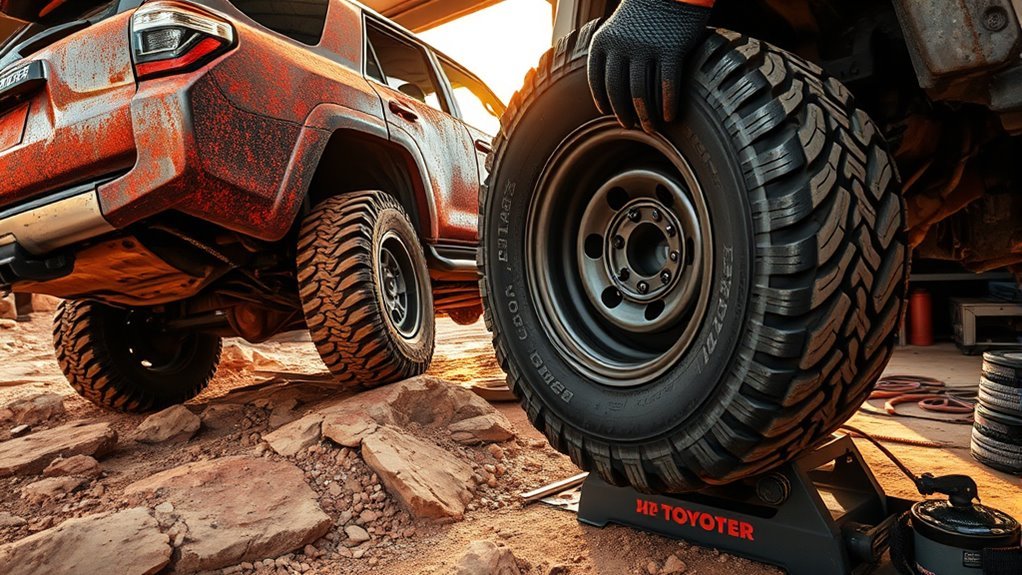
Off-road driving does not create one universal balancing interval, but it does create more chances for imbalance and damage. Mud can pack inside wheels, stick-on weights can be knocked loose, rocks can bend a rim, and hard impacts can create tire runout that a normal balance may not fully hide.
After a trail run or rough dirt-road weekend, do this before highway driving:
- Wash mud and packed dirt from the inside and outside of each wheel.
- Look for missing adhesive weights or clip-on weights.
- Check tire pressure when the tires are cold.
- Inspect tread and sidewalls for cuts, bulges, punctures, or exposed cords.
- Watch for vibration on the first highway drive home.
- Schedule a balance check if the steering wheel, seat, or floor shakes.
Pro Tip: Before blaming the balance after a muddy trail day, clean the wheel barrels thoroughly. A small clump of dried mud on the inside of the wheel can mimic a lost wheel weight.
Road Force Balancing: When Regular Balancing Fails Your 4Runner
Standard spin balancing corrects uneven weight distribution. Road Force balancing goes further by pressing a roller against the tire to simulate road load and measure how the tire-and-wheel assembly behaves under pressure. It can help identify tire stiffness variation, radial runout, wheel runout, and match-mounting opportunities that a basic balance may miss.
Road Force balancing is worth asking for when:
- A normal balance has already been done and the vibration remains.
- The shake is speed-specific and repeatable on smooth pavement.
- You installed larger or heavier all-terrain tires.
- The shop suspects tire runout, wheel runout, or a mounting issue.
- You want a printout or specific readings before requesting tire warranty help.
Do not treat one Road Force number as a universal pass/fail rule for every 4Runner tire. Ask the technician what the reading means for your tire size, wheel type, vehicle sensitivity, and tire manufacturer policy. A high reading may be corrected by match mounting, but a damaged wheel or defective tire may need replacement.
Match Mounting and Adapter Plate Techniques That Last
Match mounting is the process of rotating the tire on the wheel so the stiff or high spot of one part better cancels the low spot of the other. When done correctly, it can reduce vibration without simply adding more weight.
For 4Runner wheels and heavier light-truck tires, shop setup matters. Ask the shop whether it uses the correct centering method for your wheels. Some wheel designs balance more accurately with a flange plate or adapter plate instead of a basic cone. A poor setup can make a good tire look bad or leave a vibration that comes back on the highway.
Before the wheels go back on the truck, the shop should:
- Clean the hub and wheel mounting surfaces.
- Use the correct adapter for the wheel design.
- Check for bent wheels or visible runout if vibration is persistent.
- Place weights securely on clean surfaces.
- Tighten lug nuts with the correct torque procedure instead of relying only on an impact gun.
Note: More wheel weight is not always the answer. If a tire needs excessive weight or still shakes after balancing, ask the shop to check runout, wheel centering, tire seating, and Road Force readings.
[Products Worth Considering]

This 100-piece tire repair screw plug kit provides a fast, self-service solution for punctures on the road. Choose the correct plug size, insert it into the break, and screw it in to help seal the puncture and temporarily restore tire pressure. Thickened threads and rubber-wrapped plugs improve bite and sealing while remaining compact and easy to carry.

Wykodra tire plugs provide quick vulcanizing repairs for tubeless tires, helping you seal punctures and get back on the road. The industrial-strength rubber creates a long-lasting, leak-resistant bond and is designed for emergency fixes without removing the tire. Choose between two standard plug sizes with color-matched options for small to larger damage across many vehicles and off-road uses.
Balancing vs. Alignment: Do Not Pay for the Wrong Fix
Tire balancing and wheel alignment solve different problems. A balance issue usually feels like vibration at speed. An alignment issue usually shows up as pulling, an off-center steering wheel, wandering, or uneven wear across an edge of the tire.
Use this quick rule:
- Vibration at highway speed: Start with tire pressure, tire damage, wheel debris, and balance.
- Pulling left or right: Check tire pressure first, then alignment.
- Steering wheel off-center: Alignment is more likely than balance.
- One-edge tire wear: Alignment, suspension wear, or tire pressure is more likely.
- Cupping or scalloping: Balance, shocks, rotation history, or alignment may all be involved.
You do not need an alignment every time you balance tires. You do need an alignment check after a hard impact, suspension work, a lift or leveling kit, persistent pulling, or uneven tire wear.
How to Find Shops With Hunter Road Force Equipment
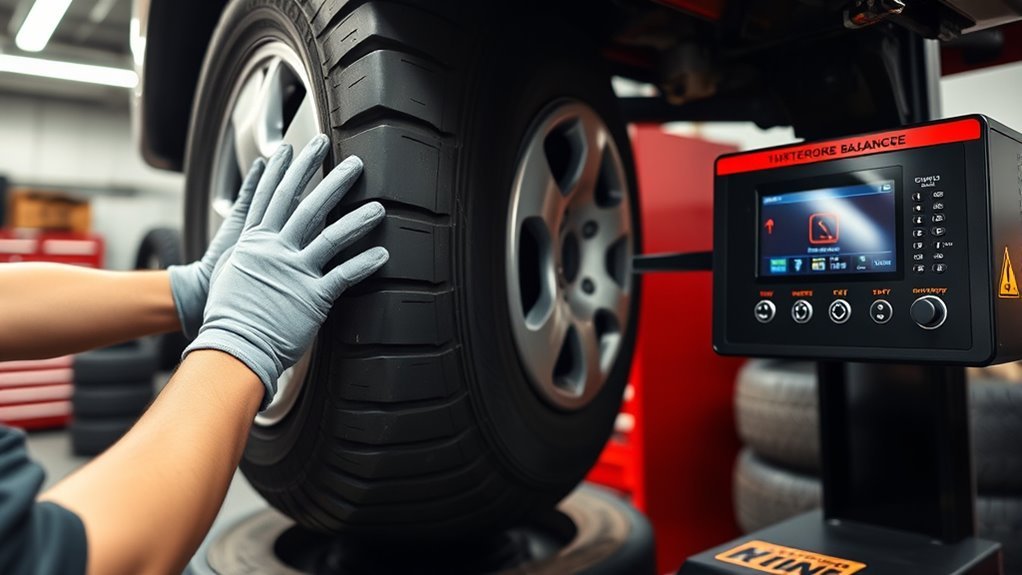
When a 4Runner has a stubborn shake, call shops before driving around. Ask direct questions:
- “Do you have Hunter Road Force balancing equipment?”
- “Can you provide Road Force readings for each tire?”
- “Do you perform match mounting if a tire has a high reading?”
- “Do you have flange plates or adapter plates for truck wheels?”
- “Will you check wheel runout if the vibration remains?”
- “Do you torque the wheels by hand to the vehicle specification?”
A good shop should be comfortable explaining its process. If the counter person only says “we balance tires” and cannot answer questions about Road Force, adapters, or runout, keep looking for a more diagnostic tire shop.
Free Lifetime Balancing vs. Road Force: What 4Runner Owners Should Know
Many tire retailers include standard balancing or lifetime balancing with a tire purchase. That is usually enough for routine rotations and normal wear. Use the free service when the truck is smooth and you only need a periodic rebalance.
Road Force balancing is different. It is a diagnostic service for vibration that remains after ordinary balancing or for tire-and-wheel assemblies that are more sensitive to runout. Some retailers include it when needed; others charge extra. Ask what is included before the work starts.
For most 4Runner owners, the smartest path is:
- Check tire pressure and inspect for damage.
- Clean mud and debris from the wheels.
- Do a standard balance at the rotation interval or after tire service.
- If vibration remains, request Road Force balancing and match mounting.
- If Road Force does not solve it, inspect wheels, suspension, steering, hubs, and brakes.
Frequently Asked Questions
How often should I balance my 4Runner tires?
Check balance at every 5,000-mile tire rotation and rebalance sooner if you feel vibration, repair a tire, install new tires, hit a hard pothole or rock, lose wheel weights, or notice uneven tread wear. Frequent off-road driving may require more inspections, but symptoms and tire condition matter more than a fixed trail mileage number.
Should I balance tires every time I rotate them?
You do not always need a full rebalance at every rotation if the 4Runner is smooth and the tires are wearing evenly. However, the rotation visit is the best time to ask for a balance check because the wheels are already off the truck.
Why does my 4Runner shake around 60 mph?
A shake around 60 mph often points to tire-and-wheel imbalance, especially if it is felt through the steering wheel. It can also come from mud inside the wheels, uneven pressure, cupped tires, bent wheels, tire runout, worn suspension, brake problems, or hub issues.
Do I need Road Force balancing on a 4Runner?
You usually only need Road Force balancing if a normal spin balance does not fix vibration, if you have heavier all-terrain tires, or if the shop suspects tire or wheel runout. It is helpful diagnostic work, not a mandatory service at every rotation.
How often should I do an alignment on my 4Runner?
Do an alignment check when the truck pulls, the steering wheel is off-center, tire wear is uneven, suspension parts are replaced, a lift or leveling kit is installed, or the 4Runner takes a hard impact. Alignment is not the same service as tire balancing.
Should I include the spare tire in my 4Runner rotation?
If your 4Runner has a matching full-size spare with the same tire size, type, and wheel setup, follow the rotation pattern in your owner’s manual. Do not include a temporary-use spare. On newer models with tire-position display, follow the manual’s tire-position registration instructions after rotation.
Conclusion
Balance your 4Runner tires around the same rhythm as your tire rotations, and do it sooner when the truck gives you clues: vibration, uneven wear, tire repair, new tires, off-road impacts, lost weights, or mud-packed wheels. Standard balancing handles most cases. Road Force balancing is the next step when a normal balance does not calm the shake. The winning formula is simple: inspect first, balance with the right equipment, use Road Force only when needed, and never ignore sudden vibration after an impact.
Sources
- Toyota 2024 4Runner Warranty & Maintenance Guide — supports Toyota’s scheduled maintenance cadence, tire rotation entries, and model-year maintenance guidance.
- Toyota 2025 4Runner Manuals and Warranties — supports checking the current model-year owner’s manual and maintenance guide.
- U.S. Tire Manufacturers Association: Care and Service of Passenger and Light Truck Tires — supports inspection, rotation, vibration, balance, off-road inspection, and damaged-tire safety guidance.
- NHTSA TireWise — supports tire safety awareness, tire maintenance, and consumer tire-safety education.
- Continental Tires: Balancing Tires — supports general balancing intervals and common imbalance symptoms.
- Hunter Engineering Road Force Balancers — supports Road Force Measurement and force-matching equipment details.

Related Articles

When to Switch From All-Season to Winter Tires on a 4Runner
Ineffective all-season tires in cold weather can jeopardize your safety—discover when to make the crucial switch for better traction and handling.
Read More
4Runner Tire Mileage: How Many Miles Should They Last
Curious about how long your 4Runner tires should last? Discover essential tips and factors that influence tire longevity.
Read More
How Long Do Toyota 4Runner Tires Typically Last
How long do Toyota 4Runner tires typically last? Discover the factors that influence tire longevity and essential tips for maintenance.
Read More