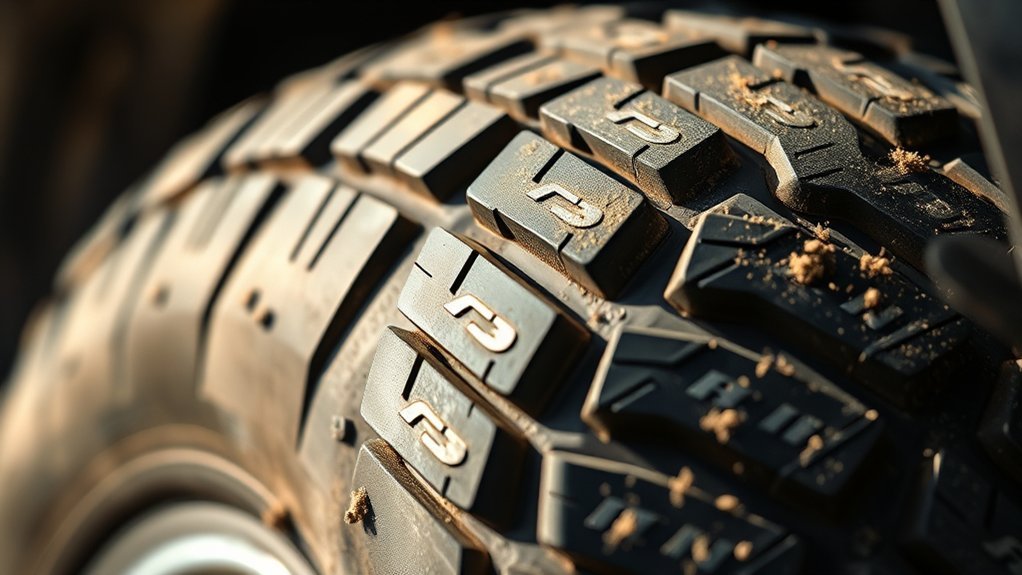
Your Toyota Hilux’s tire sidewall is more than the rubber between the tread and the wheel. It helps absorb impacts, supports the vehicle’s load, affects steering feel, and shows the tire size, load index, speed symbol, and manufacturing code. Choosing the right sidewall for a Hilux depends on the tire size on the placard, the correct cold tire pressure, the load you carry, and the terrain you drive on.
Quick Answer
A Toyota Hilux tire sidewall affects ride comfort, steering response, off-road cushioning, load support, and safety. Taller sidewalls usually absorb rough surfaces better, while shorter sidewalls can sharpen steering but reduce cushioning. The safest setup is the tire size, load rating, and cold pressure recommended on your Hilux placard or owner’s manual.
Key Takeaways
- A taller sidewall gives the Hilux more cushioning and rim protection on rough tracks, but it can feel less sharp during fast cornering.
- A shorter sidewall can improve steering response, but it usually gives a firmer ride and less protection against pothole and rock impacts.
- Use the tire size, load rating, and pressure listed on the vehicle placard or owner’s manual, not the maximum pressure printed on the tire sidewall.
- Bulges, deep cuts, exposed cords, or sidewall punctures are safety concerns and usually mean the tire needs replacement, not repair.
At a Glance
| Time Required | 5-10 minutes for a basic tire sidewall and pressure check |
| Difficulty | Easy for inspection; professional help recommended for damage, upsizing, load-rating changes, or vibration |
| Tools Needed | Accurate tire pressure gauge, flashlight, clean cloth, and your Hilux owner’s manual or tire placard |
| Cost | Free if you already have a gauge; low cost if you need to buy one |
How the Tire Sidewall Affects Your Toyota Hilux’s Performance
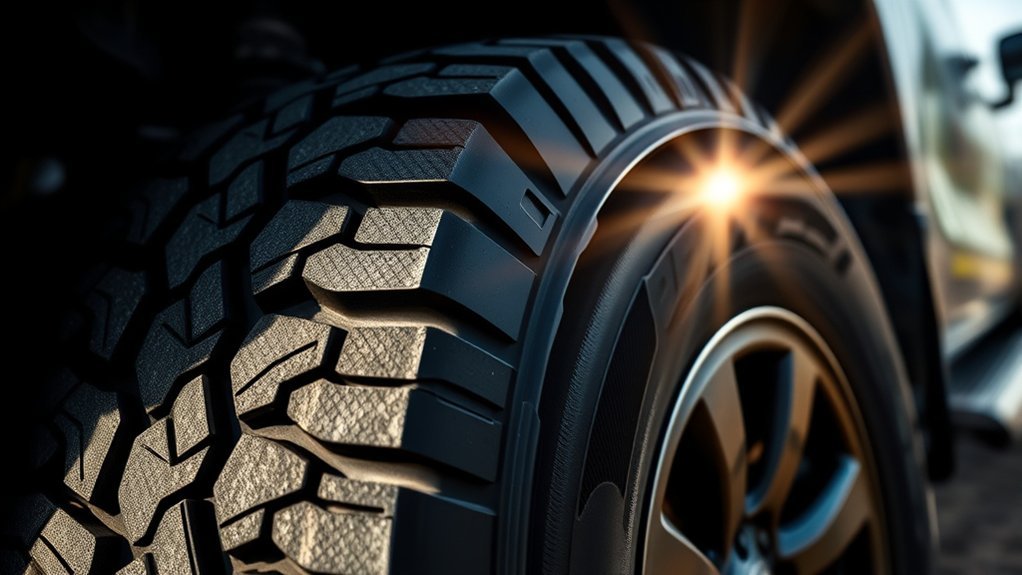
The sidewall is the flexible part of the tire between the tread and the rim. On a Toyota Hilux, it matters because the vehicle may be used for commuting, towing, carrying tools, driving on gravel, or crossing rough off-road tracks. A sidewall that is too soft for the load can feel vague and build heat. A sidewall that is too short or stiff can make the ride harsher and give the rim less protection from impacts.
A lower aspect ratio means a shorter sidewall compared with the tire width. This can make steering feel more direct, especially on sealed roads, but it usually reduces cushioning over potholes, corrugations, and rocks. A higher aspect ratio gives the tire more sidewall height, which can improve comfort and off-road compliance, but it may feel less sharp during quick steering inputs.
The best sidewall is not simply the tallest, widest, or stiffest one. For a Hilux, the right choice is the sidewall that matches the wheel size, tire load rating, speed symbol, suspension setup, vehicle load, and the type of driving you actually do.
Warning: Do not keep driving on a tire with a sidewall bulge, exposed cords, deep cut, or sidewall puncture. Sidewall and shoulder damage can lead to sudden tire failure and usually requires replacement rather than repair.
How to Read Hilux Tire Sidewall Markings
The tire sidewall tells you whether the tire is suitable for your Hilux. The exact size depends on model year, trim, market, wheel package, and modifications, so always compare the sidewall with your vehicle placard and owner’s manual. You can also use Toyota’s official owner’s manual finder or your local Toyota dealer if you are unsure.
If a tire reads something like 265/65R17 112H, the code breaks down like this:
- 265 is the approximate tire section width in millimeters.
- 65 is the aspect ratio. The sidewall height is about 65% of the tire width.
- R means radial construction, the normal construction type for modern passenger and light-truck tires.
- 17 is the rim diameter in inches. The tire must match the wheel diameter.
- 112 is the load index. It is a code for the maximum load the tire can carry at the rated conditions.
- H is the speed symbol. It relates to the tire’s maximum speed capability and performance classification.
The sidewall may also show a DOT/TIN manufacturing code. The last four digits show the production week and year. For example, a code ending in 2324 means the tire was made in the 23rd week of 2024. The Tire Industry Association provides a detailed guide to these sidewall markings.
Note: The maximum pressure printed on the tire sidewall is not the recommended daily driving pressure for your Hilux. Use the cold inflation pressure listed on the vehicle tire placard or in the owner’s manual.
What You Should Know About Tire Width and Aspect Ratio
Tire width and aspect ratio work together. Changing one without considering the other can affect handling, comfort, speedometer accuracy, braking feel, wheel clearance, and tire wear.
Impact on Handling Performance
Wider tires can increase the contact patch and improve grip in some conditions, but wider is not automatically better. A wider tire can also add weight, increase rolling resistance, rub against guards or suspension components, and perform worse in mud or standing water if it does not suit the vehicle and terrain.
Aspect ratio changes the height of the sidewall. A lower aspect ratio can reduce sidewall flex, which may make steering feel quicker on smooth roads. A higher aspect ratio gives the sidewall more room to absorb shocks, which is helpful when a Hilux is used on corrugated roads, gravel, sand, or rocky tracks.
Choosing the Right Fit
Start with the tire placard and owner’s manual, then check the wheel diameter, tire load index, speed symbol, and overall tire diameter. Toyota notes that recommended tyre pressures are found in the handbook and in the driver’s side door area for Toyota vehicles, and those pressures depend on the correct tire size and vehicle setup. You can review Toyota’s tyre guidance here: Toyota tyre pressure and size guide.
For a work or touring Hilux, do not choose a lower load index than the factory specification. If your Hilux carries tools, a canopy, drawers, a bull bar, a winch, passengers, or towing gear, the tire must support the real loaded weight of the vehicle.
Why Tire Construction Materials Matter
Tire construction affects how the sidewall behaves under load, heat, steering input, and impact. Modern radial tires use body plies, rubber compounds, bead bundles, an inner liner, and tread/crown reinforcement to balance comfort, strength, heat resistance, and traction.
For Hilux owners, the key point is this: a tire built for light-duty highway comfort may not handle heavy loads or rocky tracks as well as a suitable light-truck, commercial, or all-terrain tire. However, a stronger tire can ride more firmly, weigh more, and create more road noise. The right construction depends on how your Hilux is used.
Steel belts usually reinforce the crown area under the tread, while sidewall strength comes mainly from the body plies, rubber compound, bead area, and sidewall design. That is why a sidewall cut or bulge is serious: the damaged area is part of the tire’s load-carrying structure.
[Products Worth Considering]

Upgrade your Toyota’s wheels with durable aluminum alloy valve stem caps that help protect valve cores from corrosion and direct exposure to road grime, clay, water, and snow. Rubber rings improve sealing to help prevent air leakage and maintain stable tire pressure for safer driving. These caps are easy to install or remove without tools and add a unique, stylish look to your car.

Keep your tires properly inflated with this analog VONDIOR tire pressure gauge, designed for fast, easy readings without batteries. The swiveling, two-axis hose and large glow dial help you measure at any tire angle with instant visibility. Built with a protective rubber shield, it supports durable, low-maintenance use for cars and trucks.

Vigorder rubber cement glue delivers superior adhesion and cures quickly within about 30 seconds for seamless rubber bonding. Once cured, it helps provide a strong, durable, waterproof seal that holds up to vehicle weight, pressure, and heat. Suitable for cars, motorcycles, trucks, bicycles, and off-road tires, it’s designed for emergency patch and maintenance repairs.
How Wheel Diameter Affects Performance and Safety
Wheel diameter changes sidewall height when the outside tire diameter stays similar. A larger wheel with a lower-profile tire can look sharper and feel more responsive, but the shorter sidewall has less room to flex. A smaller wheel with a taller sidewall can improve ride comfort and off-road impact absorption, as long as it clears the brakes and matches the vehicle specification.
[Products Worth Considering]

These aluminum alloy tire valve stem caps with an O-ring seal help protect valve stems from corrosion while adding a clean, stylish look to your vehicle. The universal fit works across cars, trucks, motorcycles, bicycles, and more, making them an easy upgrade for everyday driving and off-road use. Installation is quick, and the included four-pack keeps all your tires dressed and protected.

The Topeak SmartGauge D2 delivers precise digital tire pressure readings for bikes, motorcycles, and sports equipment up to 250 psi (17 bar). Its rotating SmartHead works with both Presta and Schrader valves, so you can check pressure quickly without adapters. The LCD display makes it easy to read results in psi, bar, or kg/cm² with an included CR2032 battery for immediate use.

Monitor tire tread wear with a smart, color-coded depth gauge that shows clear condition ranges at a glance. The bar is range marked for fast, easy readings, helping you maintain safer traction and performance. Each gauge is portable with a pocket clip, and the set includes 20 units for daily use and sharing.
Impact on Handling Dynamics
Shorter sidewalls generally flex less during cornering. That can give the Hilux a more direct steering feel on sealed roads. The tradeoff is a firmer ride and a greater chance of rim damage on potholes, rocks, and square-edge bumps.
Taller sidewalls give more cushioning and can conform better to rough surfaces. This can help traction and comfort off-road, but the steering response may feel slower, especially if tire pressure is too low for road driving.
Compatibility With Tire Size
Wheel and tire changes should keep the tire within a safe size range for the Hilux. A poor match can affect speedometer reading, ABS and stability-control behavior, steering clearance, spare-wheel compatibility, insurance compliance, and tire wear.
Before changing wheel diameter, confirm:
- the tire size is suitable for your Hilux model and market;
- the load index meets or exceeds the factory requirement;
- the wheel offset clears the suspension and guards;
- the spare tire remains usable;
- the tire pressure placard and manual guidance still make sense for the setup.
Influence on Ride Comfort
Ride comfort depends on more than sidewall height. Tire construction, air pressure, tread pattern, suspension condition, load, and road surface all matter. Still, sidewall height is one of the biggest reasons two tires with the same outside diameter can feel very different.
A shorter sidewall often feels firmer because there is less air volume and less rubber height to absorb bumps. A taller sidewall usually gives a softer feel and better rim protection, which is valuable for Hilux owners who spend time on rough roads.
Tire Pressure and Sidewall Flex
Tire pressure has a direct effect on sidewall flex. Too little pressure lets the sidewall bend excessively, which can increase heat, reduce steering precision, damage the tire internally, and hurt fuel economy. Too much pressure can reduce the tire’s ability to absorb bumps and may cause a harsher ride or uneven wear.
The National Highway Traffic Safety Administration recommends checking tire pressure at least once a month when tires are cold, including the spare. “Cold” means the vehicle has not been driven for at least three hours, or has only been driven a short distance at low speed.
- Find the recommended cold pressure on the Hilux tire placard or in the owner’s manual.
- Check all four tires and the spare with an accurate pressure gauge.
- Add or release air to match the recommended cold pressure.
- Recheck pressure after heavy loading, towing, long highway trips, or major temperature changes.
Pro Tip: If you reduce tire pressure for sand, rocks, or corrugations, treat it as temporary off-road use. Drive slowly, avoid sharp steering inputs, and reinflate to the correct road pressure before returning to normal-speed driving.
Load Index, Payload, and Towing Considerations
The load index on the sidewall is especially important for a Toyota Hilux because the vehicle is often used for work, towing, touring, and carrying accessories. The load index is a two- or three-digit code that shows how much weight the tire can carry when used correctly. Never fit a tire with a lower load index than the vehicle requires.
Payload is more than the cargo in the tray. Toyota Australia explains that payload can be affected by passengers, accessories, cargo, body modifications, and how weight is distributed across the axles. It also points owners to the vehicle owner’s manual for weight-limit information: Toyota vehicle payload guidance.
If your Hilux has a canopy, drawers, long-range tank, roof rack, bull bar, winch, tow ball load, or camping setup, check the real loaded weight and axle loads. A tire with the wrong load rating or pressure can overflex the sidewall and run hotter, especially on highways or rough tracks.
The sidewall does not just affect comfort. It is part of the tire’s load-carrying structure, so size, pressure, and load index should be treated as safety items.
[Products Worth Considering]

Steelman white tire marking crayons provide high-contrast, semi-permanent marks for repairing and inspecting tires and equipment. They write on wet or dry, smooth or coarse surfaces including rubber, metal, glass, and wood, making them ideal for puncture location and damage outlining. The lead- and zinc-free crayons resist weather and fading yet wipe away when you no longer need the marks.

TireJect Off-Road Tire Sealant Kit provides 5-in-1 sealing to help fix tread punctures up to 3/8", sidewall punctures up to 3/8", bead leaks, slow leaks, and minor dry rot on low-speed tires. It permanently seals with liquid rubber, recycled tire particles, and Aramid fibers, making it ideal for flats caused by thorns, nails, and screws. The included dispensing cap attaches to the valve stem for a no-mess installation, along with a metal valve core remover tool and valve stem cap. This kit is for off-road use only.
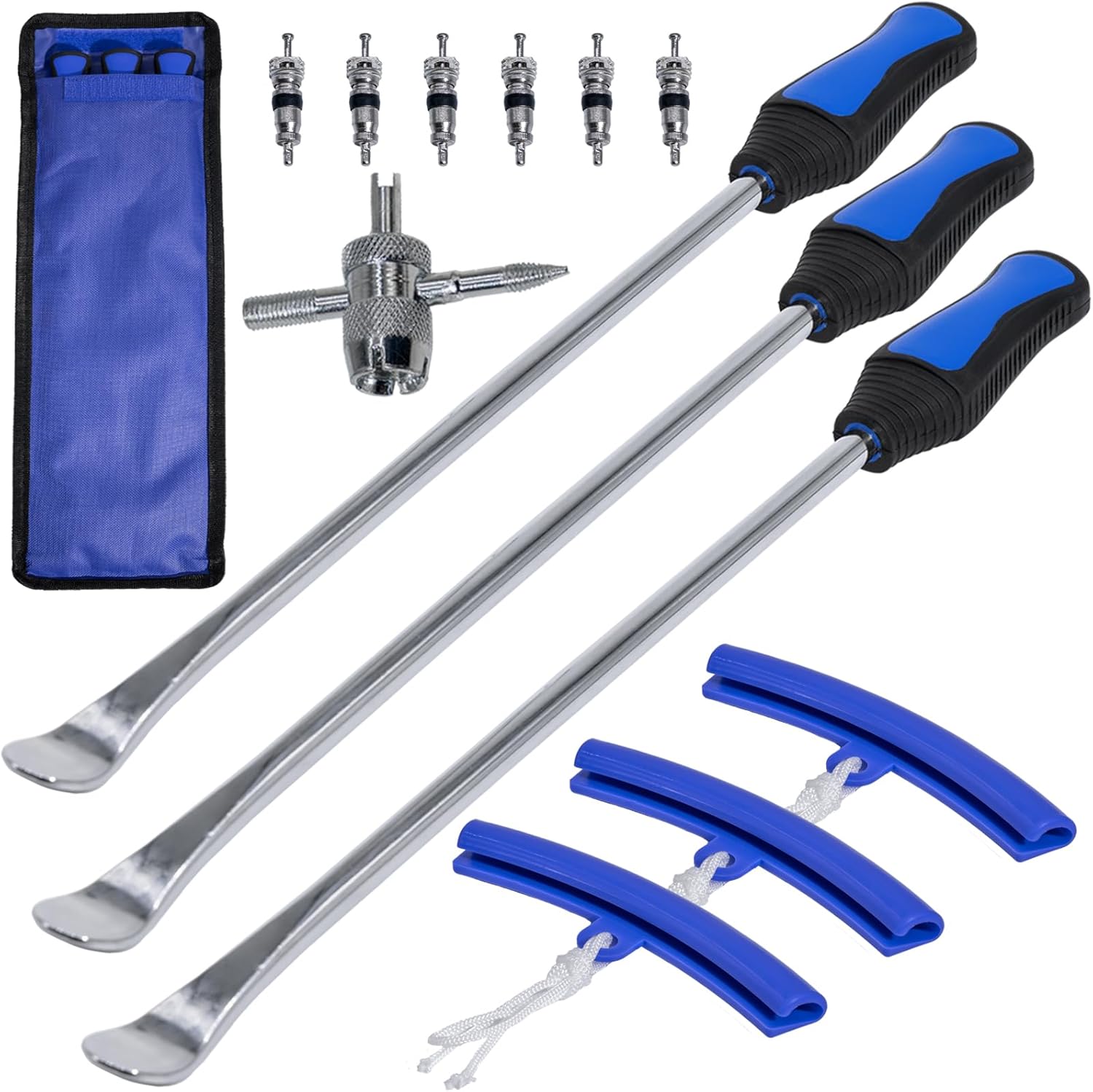
This tire spoon set helps you remove and install motorcycle, dirt bike, lawn tractor, and bicycle tires with extra leverage from a 14.5-inch spoon length. The kit includes tire removal tools, rim protectors, and a valve tool to simplify repairs and help protect rims during changing. Designed for quick, on-the-go service, it’s convenient for garage work, trails, and track-side fixes.
Common Sidewall Issues and Maintenance Tips for Longevity
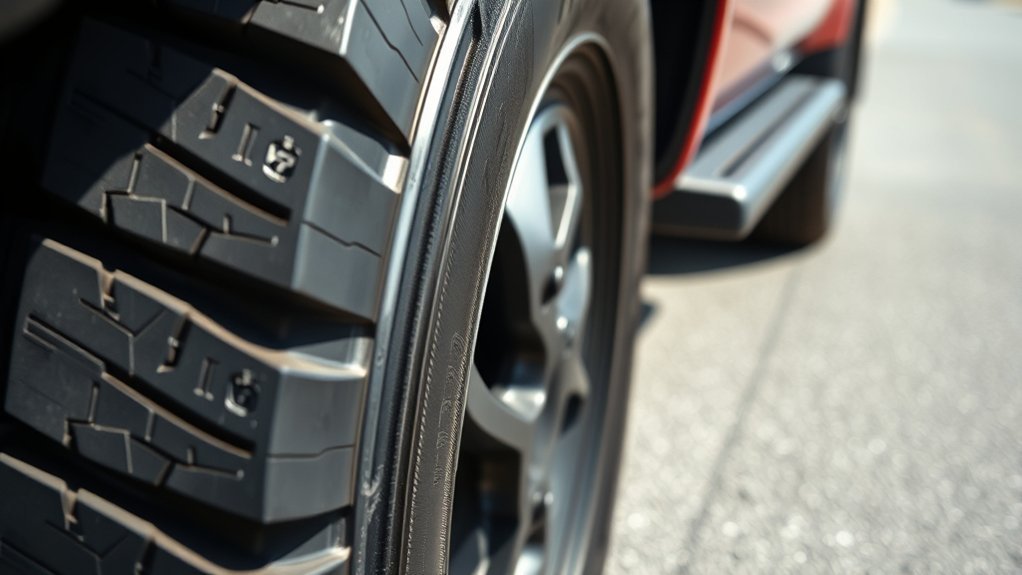
Sidewall damage can be easy to miss because it may sit low on the tire, face inward, or hide under mud. Clean the sidewalls before inspection and check both the outer and inner faces when possible.
| Issue | What It May Mean | What to Do |
|---|---|---|
| Bulge or bubble | Possible internal cord or impact damage | Stop using the tire and replace it after professional inspection |
| Deep cut or exposed cords | Sidewall structure is compromised | Replace the tire; do not patch the sidewall |
| Fine cracking | Age, UV exposure, heat, or poor storage | Have the tire inspected, especially before towing or long trips |
| Repeated pressure loss | Puncture, bead leak, valve leak, rim damage, or internal damage | Inspect immediately and repair only if the damage is in a repairable tread area |
| Scuffed bead area | Rock impact, curb strike, or rim contact | Check for leaks and have the tire/rim inspected |
The Tire Industry Association states that puncture repairs are limited to the center tread area and that shoulder or sidewall damage is not repairable. A plug-only repair or temporary sealant is not a proper long-term fix for structural tire damage.
Sidewall Maintenance Checklist for Hilux Owners
Use this checklist once a month, before long highway drives, and after off-road trips:
- Check cold tire pressure with a gauge, including the spare.
- Look for cuts, cracks, bulges, exposed cords, sidewall scrapes, and embedded objects.
- Inspect the inner sidewall as well as the outer sidewall.
- Check for uneven tread wear, vibration, or pulling, which may point to pressure, alignment, balance, or suspension issues.
- Read the DOT/TIN date code so you know the tire’s age.
- Rotate tires according to the Hilux owner’s manual and the tire type, especially if wear is uneven.
- Recheck pressures after adding heavy cargo, towing, or changing from road to off-road conditions.
NHTSA advises monthly tire inspections and says tires should be replaced when they show physical damage such as cuts, cracks, bulges, irregular wear, or other damage from underinflation or overloading. If you feel vibration, hear unusual noise, or notice a tire will not hold pressure, consult a tire professional before continuing normal driving.
Frequently Asked Questions
How does tire pressure impact sidewall performance?
Tire pressure controls how much the sidewall flexes. Underinflation allows too much flex, which can create heat, reduce handling precision, and damage the tire. Overinflation reduces cushioning and can make the ride harsher. Use the cold pressure listed on the Hilux tire placard or owner’s manual.
What are the signs of sidewall damage?
Common signs include bulges, bubbles, deep cuts, cracks, exposed cords, sidewall punctures, repeated pressure loss, or vibration after an impact. A bulge, exposed cord, or sidewall puncture should be treated as unsafe until a tire professional confirms the tire’s condition.
Can I use different tire sizes on my Hilux?
You may be able to use a different size, but it must suit the Hilux’s wheel diameter, load requirement, clearance, speed rating, spare tire setup, and local regulations. Start with the tire placard and owner’s manual, then confirm the change with a qualified tire professional.
How often should I inspect my tire sidewalls?
Inspect the sidewalls at least once a month, before long trips, before towing, and after off-road driving. Also check them after hitting a pothole, curb, rock, or sharp object.
Does sidewall design affect fuel efficiency?
Yes, but it is part of a larger tire-design picture. Rolling resistance, tread pattern, tire compound, construction, inflation pressure, and sidewall/tread deflection all influence fuel use. Keeping tires correctly inflated is one of the easiest ways to protect fuel economy.
Can a sidewall puncture be repaired?
In normal tire-service practice, sidewall and shoulder punctures are not considered repairable. Safe puncture repairs are limited to the center tread area and require proper internal inspection and repair, not just a plug from the outside.
What aspect ratio is best for a Toyota Hilux?
There is no single best aspect ratio for every Hilux. A daily driver may benefit from a balanced factory-style size, an off-road touring Hilux may benefit from more sidewall height, and a road-focused setup may use a lower profile. The safest choice is one that matches the placard, load rating, wheel size, and intended use.
Conclusion
The tire sidewall is one of the most important parts of your Toyota Hilux’s connection to the road or trail. It affects cushioning, steering response, off-road grip, heat buildup, load support, and safety. Before changing tire size or wheel diameter, check the sidewall code, load index, speed symbol, tire placard, and owner’s manual. For everyday reliability, keep pressures correct, inspect sidewalls monthly, and replace any tire with serious sidewall damage.
Sources
- Toyota UK Owner’s Manual Finder — supports using the official manual for vehicle-specific tire and pressure information.
- Toyota tyre pressure and size guide — supports checking tyre pressure in the handbook and driver’s side door area.
- Toyota Australia Vehicle Payload Guidance — supports payload, GVM, axle load, accessories, cargo, and owner-manual guidance.
- NHTSA TireWise — supports monthly pressure checks, cold inflation pressure, tire aging, damage checks, and fuel-efficiency guidance.
- Tire Industry Association: Reading a Tire Sidewall — supports sidewall code, tire width, aspect ratio, construction, rim diameter, load index, speed symbol, and DOT/TIN explanation.
- Tire Industry Association: Tire Repair — supports the rule that shoulder and sidewall puncture damage is not repairable.