
A 97Y tire has a load index of 97 and a Y speed rating. Load index 97 means each tire can carry up to 1,609 pounds (730 kg) at its specified pressure, and Y means it is rated for a maximum sustained speed of 186 mph (300 km/h) in controlled testing. You will usually see it on ultra-high-performance tires for sports sedans and sports cars, in sizes such as 245/40ZR18 97Y XL. If the code appears in parentheses, as (97Y), the tire is rated for speeds above 186 mph, up to a limit set by its maker.
Last updated: November 23, 2026
Quick Answer
97Y means load index 97 and speed rating Y: each tire can support up to 1,609 lb (730 kg), or 6,436 lb for a set of four, and it is rated for sustained speeds up to 186 mph (300 km/h). When written as (97Y) after a ZR size, the tire is rated above 186 mph. Replace 97Y tires with the same or higher load index and speed rating unless your vehicle maker approves otherwise.
Key Takeaways
- 97 = 1,609 lb (730 kg) per tire. Y = 186 mph (300 km/h).
- (97Y) in parentheses means the tire is rated above 186 mph.
- 97Y often appears on XL (extra load) versions of low-profile performance sizes.
- 97V and 97W carry the same weight but have lower speed ratings; 101W carries more weight but is slower.
- Your required rating is on the door placard or in the owner’s manual.
What Does 97Y Mean on a Tire?
The number and letter after a tire size form its service description. In 97Y, 97 is the load index and Y is the speed rating. Both are codes from standardized charts used by every tire maker.
| Part of code | Meaning | Value |
|---|---|---|
| 97 | Load index | 1,609 lb (730 kg) per tire |
| Y | Speed rating | 186 mph (300 km/h) |
| (97Y) | Service description in parentheses | Rated above 186 mph; maximum set by the tire maker |
| 97 × 4 tires | Maximum load for a set | 6,436 lb (2,920 kg) |
Products Worth Considering

Monitor tire tread wear with a smart, color-coded depth gauge that shows clear condition ranges at a glance. The bar is range marked for fast, easy readings, helping you maintain safer traction and performance. Each gauge is portable with a pocket clip, and the set includes 20 units for daily use and sharing.

Measure tire tread depth quickly and accurately with this LUMITECO dial gauge that reads in 1/32" increments up to 14/32". The color-coded green/yellow/red zones make it easy to judge tire wear and know when replacement is needed. A rugged, compact design with a protective pouch helps keep the gauge ready for use on cars, trucks, motorcycles, and more.
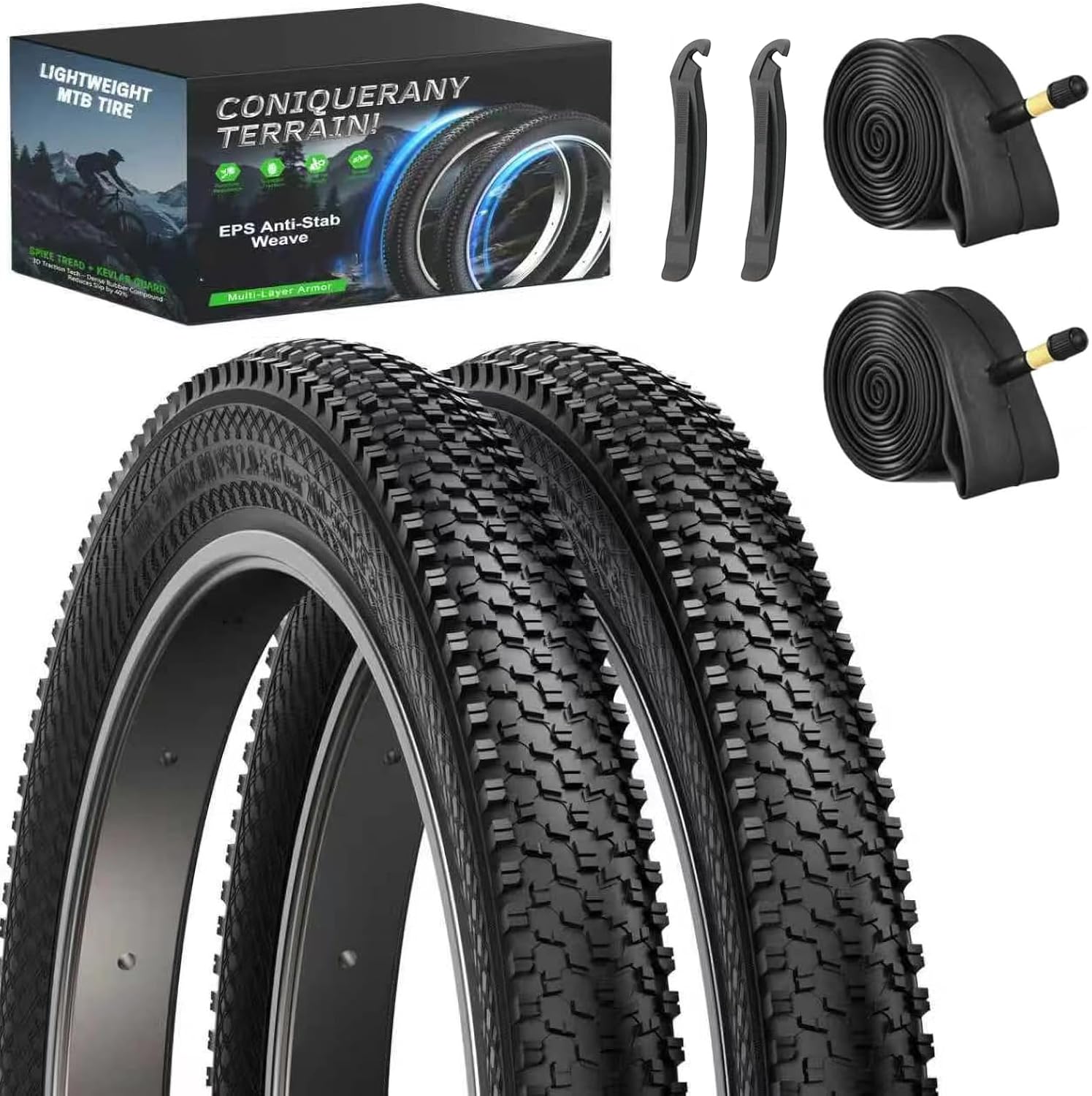
This 2-pack set includes two folding mountain bike tires, two inner tubes, and two tire levers for quick, budget-friendly replacements. The tires feature an anti-stab weave for added protection, plus strong grip and durable construction to help you stay stable across common trail and road conditions. Foldable design makes storage and travel convenient, while the included tubes provide a matched fit for smoother setup.
How Much Weight Can a 97 Load Index Carry?
A load index of 97 equals 1,609 pounds (730 kg) per tire. On low-profile performance sizes, that figure often comes from an XL (extra load) construction, which allows the tire to carry more at a higher inflation pressure. For example, a 245/40R18 is commonly offered as a standard-load 93 or an extra-load 97. If your car came with XL tires, the replacements must also meet that higher load index.
| Load index | lb per tire | kg per tire |
|---|---|---|
| 93 | 1,433 | 650 |
| 94 | 1,477 | 670 |
| 95 | 1,521 | 690 |
| 96 | 1,565 | 710 |
| 97 | 1,609 | 730 |
| 98 | 1,653 | 750 |
| 99 | 1,709 | 775 |
| 101 | 1,819 | 825 |
See what XL means on a tire and our tire load index guide for more detail.
What Does the Y Speed Rating Mean?
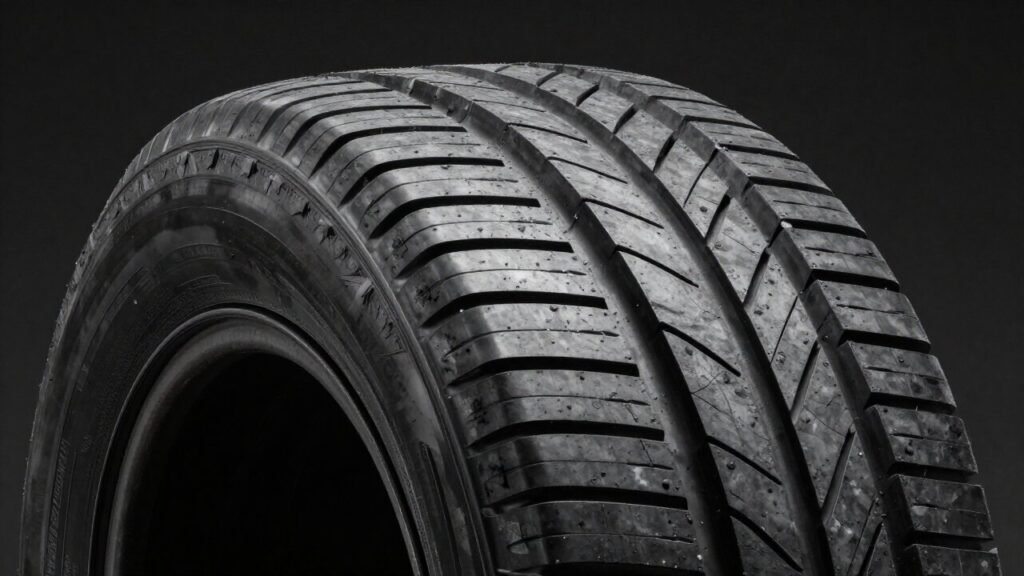
The Y rating certifies that a tire can carry its rated load at up to 186 mph (300 km/h) under standardized test conditions. It is the highest common letter rating and is used on ultra-high-performance and some max-performance summer tires. Y-rated tires typically use stiff constructions and grippy compounds that deliver sharp steering and strong dry and wet grip, often at the cost of tread life and ride comfort.
The rating is a construction standard, not permission to drive that fast. Heat, under-inflation, overloading, wear and damage all reduce a tire’s real-world capability, and public-road speed limits always apply.
What Does (97Y) in Parentheses Mean?
Many high-performance tires show a size like 245/40ZR18 (97Y). The ZR in the size indicates a tire designed for speeds above 149 mph (240 km/h). When the service description is in parentheses, the tire has been tested beyond the Y limit of 186 mph, and the tire maker specifies its actual maximum speed. Without parentheses, a 97Y tire’s maximum is 186 mph.
97Y vs. 97W vs. 97V
| Code | Load per tire | Max speed | Typical use |
|---|---|---|---|
| 97V | 1,609 lb | 149 mph (240 km/h) | Performance all-season and grand-touring tires |
| 97W | 1,609 lb | 168 mph (270 km/h) | High-performance tires |
| 97Y | 1,609 lb | 186 mph (300 km/h) | Ultra-high-performance tires |
All three carry the same weight. Replacing 97Y tires with 97W or 97V means fitting a lower speed rating than the original, which is generally only acceptable for winter tires or where your vehicle maker approves it. Read more in our guides to 97W and W vs. Y speed ratings.
97Y vs. 101W: Which Is Better?
This is a common question when a different brand offers the same size with another service description. Neither is “better” in general; they are rated differently:
| Spec | 97Y | 101W |
|---|---|---|
| Load per tire | 1,609 lb (730 kg) | 1,819 lb (825 kg) |
| Max speed | 186 mph (300 km/h) | 168 mph (270 km/h) |
| Can it replace the other? | Not if the placard calls for 101 (lower load) | Only if a W rating is approved for your car (lower speed) |
A replacement must meet both minimums on your placard. If your car specifies 97Y, a 101Y would satisfy both; a 101W meets the load requirement but not the speed rating. Our guide to higher vs. lower load index explains the load side.
Where Do You Find 97Y on a Tire?
Look at the sidewall after the size. On 245/40ZR18 97Y XL:
- 245: section width in millimeters.
- 40: aspect ratio; the sidewall is 40% of the width.
- ZR: radial construction rated for speeds above 149 mph.
- 18: wheel diameter in inches.
- 97Y: load index 97 and speed rating Y.
- XL: extra-load construction.
Your vehicle’s required service description is on the tire placard on the driver’s door jamb and in the owner’s manual.
Products Worth Considering

The SAFELIFE dial tire tread depth gauge measures tread depth in 1/32 inch increments with clear, easy-to-read 2-inch dial face. Color zones using a traffic light system help you quickly judge whether tread is low, marginal, or ample for safer driving. Built with a durable zinc cast body and a metal detect probe for precise, comfortable use across cars, motorcycles, trucks, and buses.

The Naked Bee Foot Balm for Restoration Heel is an intensive foot treatment designed to penetrate and soften calloused, dry, and cracked feet. Honey, beeswax, and neem oil help deeply moisturize and soothe, while meadowfoam oil supports a protective barrier against moisture loss. Simply roll on to target tired feet and support visibly healthier-looking heels.

Accurately measure tire tread depth with a calibrated gauge marked from 0 to 1 inch in 1/32 inch increments. The color-coded bar helps you quickly identify tread condition ranges, supporting safe driving for trucks, motorcycles, automobiles, and passenger vehicles.
Can You Mix 97Y With Other Ratings?
Performance cars are sensitive to tire differences, so fit four matching tires or at least matching pairs on each axle. If speed ratings are mixed, the vehicle is limited to the lowest rating fitted. On cars with staggered sizes, the front and rear may have different load indexes from the factory; keep each axle at or above its own placard specification.
Why Do Performance Cars Use Y-Rated Tires?
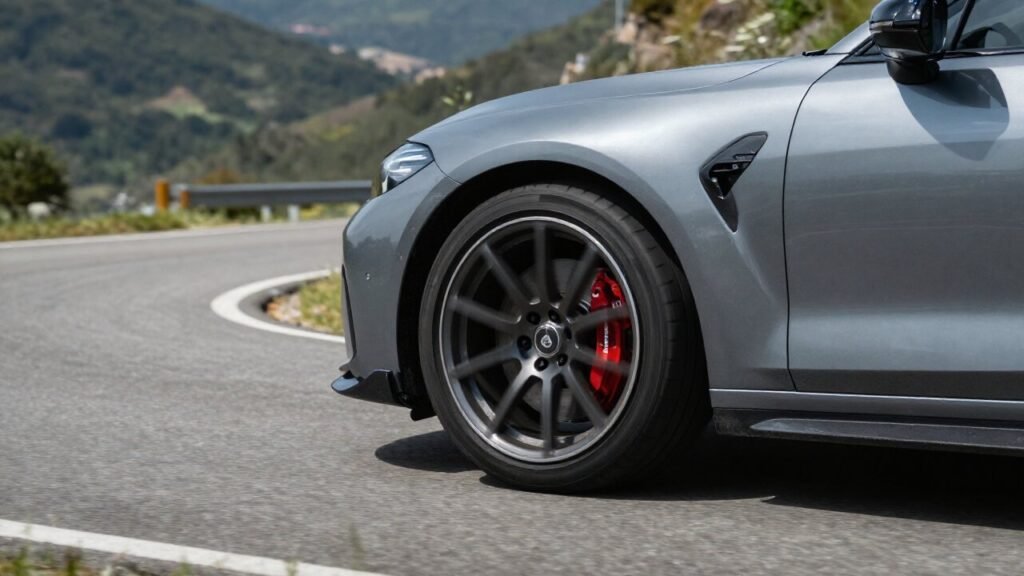
Vehicle makers specify Y-rated tires on cars with high top speeds or performance handling targets. The construction that allows high-speed capability also gives the stiffness and heat resistance needed for hard cornering and braking. Fitting a lower speed rating on such a car can change steering response and stability, which is why manufacturers specify the rating even if you never approach the top speed.
Looking After 97Y Tires
- Check pressure monthly. XL performance tires often specify higher pressures, and low pressure builds heat quickly.
- Watch tread depth. Many UHP summer tires start with shallow tread and wear quickly; replace at about 4/32 inch for safe wet grip. See when to replace summer tires.
- Avoid cold temperatures with summer compounds; below about 45°F (7°C), grip falls sharply.
- Keep the alignment in spec to prevent inner-shoulder wear.
- Inspect for impact damage after potholes; low-profile sidewalls are vulnerable.
Frequently Asked Questions
What does 97Y mean on a tire?
It means the tire has a load index of 97, or 1,609 lb (730 kg) per tire, and a Y speed rating of 186 mph (300 km/h).
What is the difference between 97V and 97Y?
Both carry 1,609 lb per tire. 97V is rated to 149 mph (240 km/h) while 97Y is rated to 186 mph (300 km/h).
Can I replace 97Y tires with 97W?
Only if your vehicle maker approves a W rating, or for winter tires where a lower rating is allowed. Otherwise, match or exceed the Y rating.
What does (97Y) mean?
When the service description is in parentheses on a ZR tire, the tire is rated above 186 mph, and the tire maker specifies its maximum speed.
Is 97Y an extra-load tire?
Not always, but on many low-profile sizes the 97 load index comes from an XL construction. Look for XL or Extra Load on the sidewall.
Do Y-rated tires wear out faster?
Often, yes. They typically use softer, grippier compounds for performance driving, which usually means shorter tread life than touring tires.
Conclusion
A 97Y tire carries 1,609 lb (730 kg) per tire and is rated for 186 mph (300 km/h), or above that when shown as (97Y). It is a common rating on extra-load, low-profile performance tires. When replacing it, match or exceed both the load index and the speed rating on your placard, keep matching tires on each axle, and maintain the correct pressure for the XL construction.
Sources
- Michelin: Understanding tire load rating and speed rating
- Michelin: Speed index and load index
- Pirelli: Tire load index and chart
- BFGoodrich: Tire speed rating and tread life
- Bridgestone Americas: Tire replacement manual
Products Worth Considering

The Tymate TM2 RV tire pressure monitoring system keeps you informed with a color LCD display, automatic backlight, and solar charging for dependable operation. It supports up to 10 tire positions with four pre-paired sensors, while offering multiple alarm modes for fast leak detection, pressure extremes, temperature alerts, and low-signal warnings. Built-in monitoring uses accurate readings and reliable 433.92MHz communication to help protect your RV, trailer, truck, or SUV.

Measure tyre tread depth precisely with a digital gauge that reads in both MM and inches, helping you monitor safe driving conditions. The large LCD screen is easy to operate, and the compact tool fits for cars, trucks, and motorcycles. It provides high accuracy with a 0-25.4mm range and includes a 1-year warranty for added peace of mind.

The Continental Grand Prix 5000 is an allround road bike tire engineered for faster rolling, improved ride comfort, and enhanced puncture protection. It features a Vectran Breaker cut-protection layer, Lazer Grip micro-profile tread for confident cornering control, and Active Comfort Technology to damp vibration for smoother rides. BlackChili compound optimizes grip and speed for everyday performance and long-lasting confidence.