The 6×135 bolt pattern means six lug studs on a 135 mm circle, about 5.31 inches. It is used almost only by Ford and Lincoln: the F-150 from 2004 on (including Raptor and Lightning), the Expedition and Lincoln Navigator from 2003 on, the Lincoln Mark LT and the Bronco Raptor. These trucks share an 87.1 mm center bore.
Because 6×135 is close to the far more common 6×139.7 (6×5.5) pattern, many F-150 owners order the wrong wheels. The two look similar but do not interchange safely.
This guide lists every major 6×135 vehicle, explains stud sizes by year, shows how to tell 6×135 from 6×139.7 and covers what wheels and spacers fit.
Key Takeaways
- 6×135 = six lugs on a 135 mm (5.31 in) circle.
- Used on the F-150 (2004+), Expedition (2003+), Navigator (2003+), Mark LT and Bronco Raptor.
- Center bore: 87.1 mm. Factory offset is about +44 mm on many F-150 and Expedition wheels.
- Studs: M14x2.0 on 2004-2014 F-150s and M14x1.5 on most 2015+ trucks.
- 6×139.7 wheels from GM, Ram or Toyota do not fit a 6×135 hub.
In this guide:
- What Is the 6×135 Bolt Pattern?
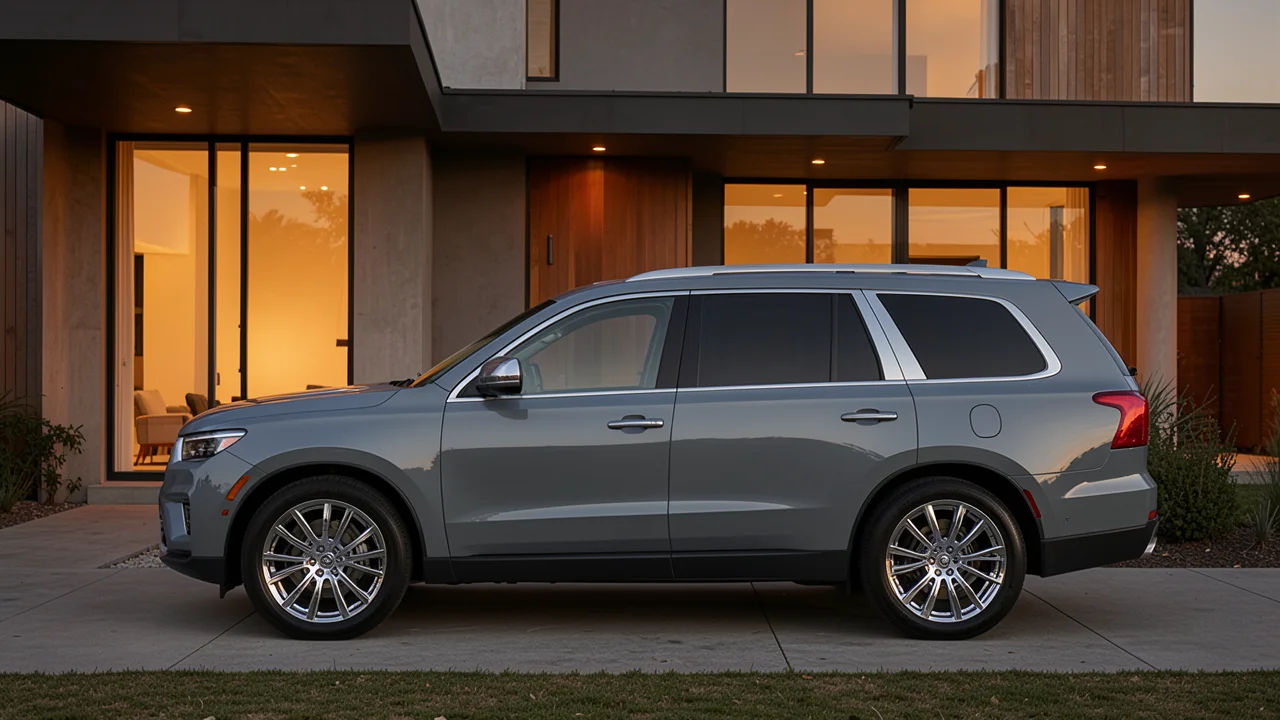
- Trucks and SUVs That Use 6×135
- Stud Size, Center Bore and Offset
- 6×135 vs 6×139.7
- What Wheels Fit a 6×135 Truck?
- FAQ

What Is the 6×135 Bolt Pattern?
In a bolt pattern, the first number is the lug count and the second is the diameter of the circle through the lug centers. A 6×135 wheel has six lugs spaced on a 135 mm circle. In inches, that is about 5.31, so some sellers list it as 6×5.31.
Ford introduced 6×135 on the redesigned 2004 F-150 (and the 2003 Expedition and Navigator), replacing the older 5×135 pattern. New to the terminology? Read our guide on what a wheel bolt pattern is.
Products Worth Considering

These M14x1.5 closed-end chrome lug nuts are a one-piece replacement designed for secure fitment on compatible GM, Ford, and select Chrysler/Dodge models. Featuring a 60-degree conical seat and anti-rust chrome plating, they help resist corrosion and maintain a bright look for everyday driving. Built for long-term durability, they include OEM-style part references and are backed by 12 months of support.

Upgrade your wheels with MIKKUPPA M12x1.5 mag seat lug nuts built for secure, corrosion-resistant performance. These closed-end chrome lug nuts are a direct replacement for select Toyota models, including Camry, Corolla, RAV4, Sienna, Avalon, Highlander, Matrix, Venza, and Prius. Triple-chromium plating and cold-forged, heat-treated steel help deliver strength for daily driving and replacement needs.

Upgrade your wheels with MIKKUPPA closed-end lug nuts designed for reliable fit and corrosion resistance. The one-piece, cold-forged and heat-treated steel construction helps resist rust and stripping, while the integrated finish delivers a durable black appearance. Built to OEM standards with a conical 60-degree seat, these nuts provide a secure solution for compatible Ford, Honda, Jeep, and Chevrolet models.
Trucks and SUVs That Use the 6×135 Bolt Pattern
| Vehicle | Years | Notes |
|---|---|---|
| Ford F-150 | 2004-present | All cabs and trims, including Tremor |
| Ford F-150 Raptor | 2010-present | Wider track, same pattern and bore |
| Ford F-150 Lightning (electric) | 2022-present | Check load rating for its extra weight |
| Ford Expedition / Expedition MAX | 2003-present | Shares F-150 hub and pattern |
| Lincoln Navigator / Navigator L | 2003-present | Same pattern and bore |
| Lincoln Mark LT | 2006-2008 (US) | F-150-based pickup |
| Ford Bronco Raptor | 2022-present | Standard Broncos use 6×139.7 |
Older F-150s use different patterns: 5×135 from 1997 to 2003, 7×150 on some heavy-duty payload trucks, and 5×5.5 before 1997. Our Ford F-150 bolt pattern guide covers every generation.
6×135 Stud Size, Center Bore and Offset
| Vehicle / Years | Stud Thread | Center Bore | Lug Torque |
|---|---|---|---|
| F-150 2004-2014, Expedition and Navigator of that era | M14 x 2.0 | 87.1 mm | About 150 lb-ft |
| F-150 2015-present (most trims), newer Expedition and Navigator | M14 x 1.5 | 87.1 mm | About 150 lb-ft |
| Raptor (some years) | Verify by year | 87.1 mm | Check manual |
The stud change in 2015 means lug nuts from an older F-150 will not thread onto a newer truck. Always buy nuts that match your studs and the seat type of the wheel. See our F-150 lug nut torque guide for exact specs.
Many factory F-150 and Expedition wheels use about +44 mm offset. Lower offsets push wheels outward for a wider stance but can cause rubbing on lifted or leveled trucks.
6×135 vs 6×139.7: How to Tell Them Apart
The two patterns differ by only 4.7 mm, so they are easy to confuse. Here is how they compare:
| Spec | 6×135 | 6×139.7 (6×5.5) |
|---|---|---|
| Circle diameter | 135 mm (5.31 in) | 139.7 mm (5.5 in) |
| Main users | Ford F-150, Expedition, Lincoln | GM, Ram 1500 (2019+), Toyota, Nissan, Ford Ranger and Bronco |
| Typical bore | 87.1 mm | 77.8 to 106.1 mm by brand |
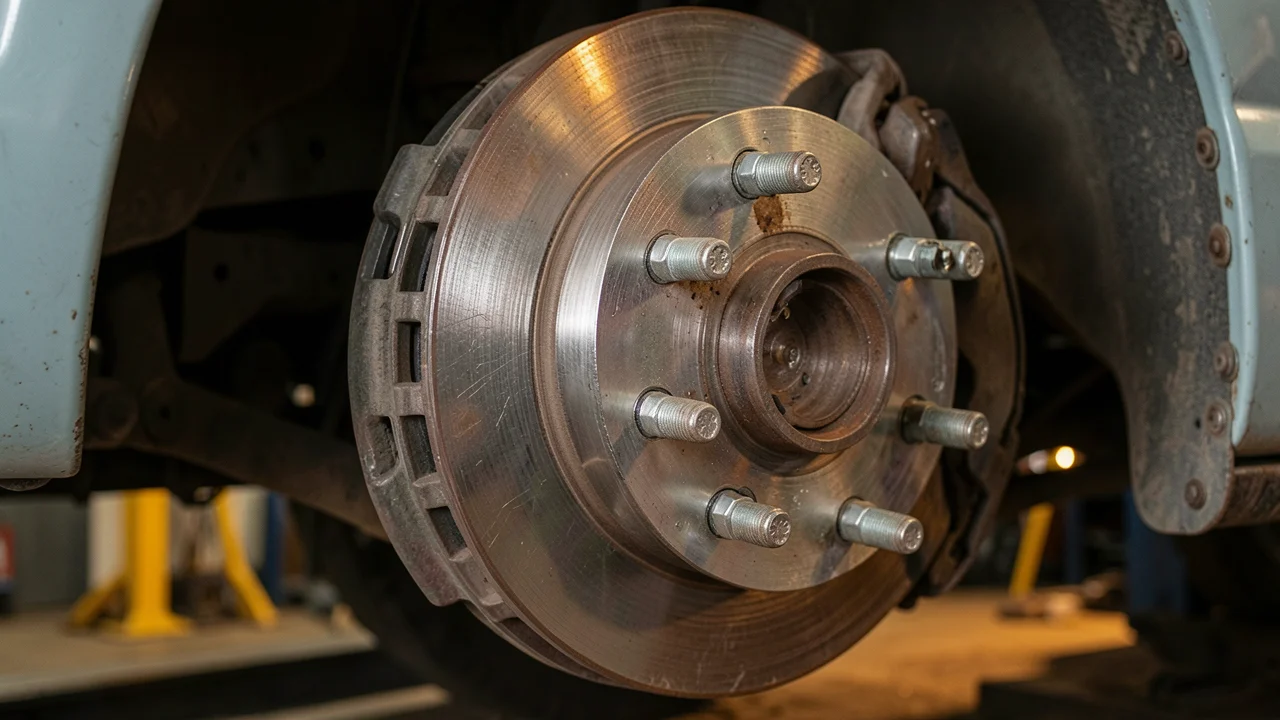
To check yours, remove a wheel and measure center to center between two opposite studs. About 5.3 inches means 6×135, while about 5.5 inches means 6×139.7. Calipers are far more reliable than a tape measure here. Read our guide on how to measure a lug pattern, or see our 6×5.5 bolt pattern guide for the other side of the comparison.

Warning: Some “dual-drilled” or wobble-bolt solutions claim to make 6×139.7 wheels fit a 6×135 hub. The lugs never seat perfectly, which can loosen wheels over time. Buy wheels drilled for 6×135, or use proper hub-centric adapters.
What Wheels Fit a 6×135 Truck?
- Other 6×135 Ford and Lincoln wheels: F-150, Raptor, Expedition and Navigator wheels generally swap, since they share the pattern and 87.1 mm bore. Check offset, width and brake clearance.
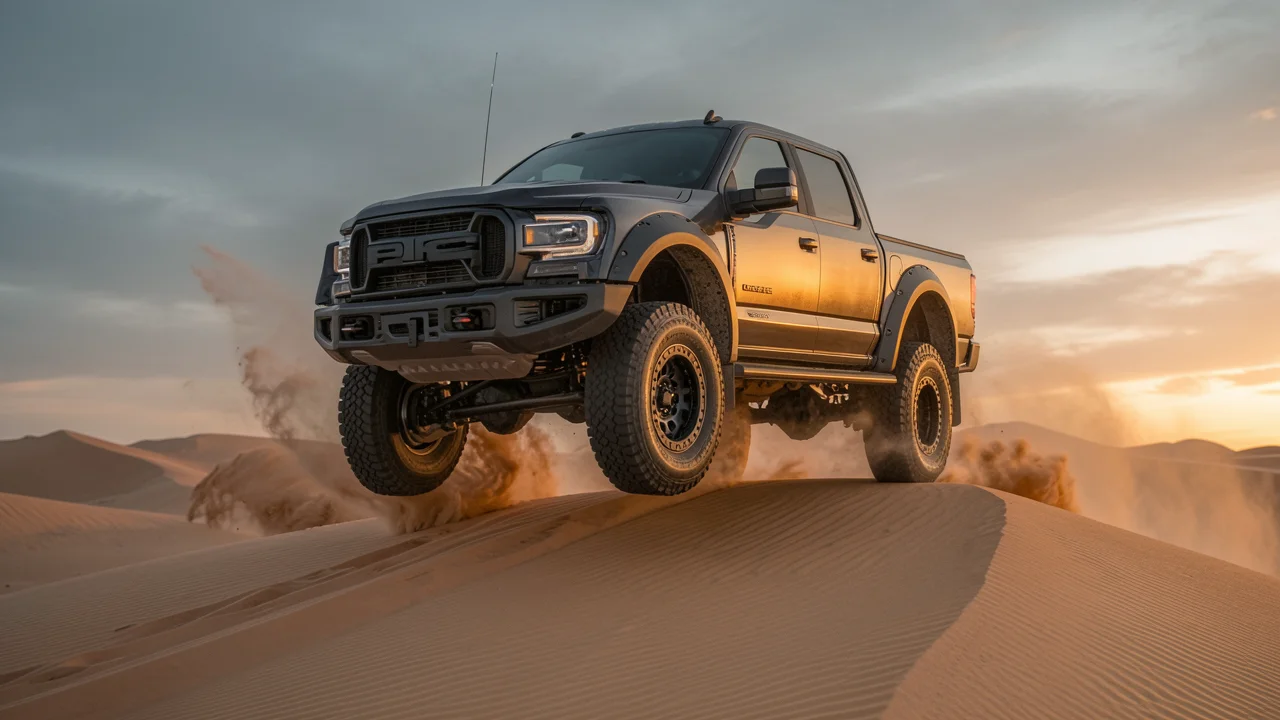
- Raptor wheels on a regular F-150: they bolt on, but their offset and width are designed for the Raptor’s wider track.
- Aftermarket wheels: choose wheels drilled for 6×135 with an 87.1 mm bore, or a larger bore with hub-centric rings.
- 6×139.7 wheels: only with quality hub-centric 6×135-to-6×139.7 adapters, which add width and must be torqued and rechecked.
Thinking about a wider stance? Compare wheel spacers vs lower-offset wheels first, and use hub-centric rings if your wheel bore is larger than 87.1 mm.
Products Worth Considering

This professional wheel and rim brush kit makes it easy to lift brake dust, grime, and dirt from wheels and tires without scratching finishes. The brushes feature soft, metal-free wool heads and a flexible 360-degree rim brush design for reaching hard-to-clean areas. Includes multiple brush types plus accessories for thorough car, motorcycle, and general vehicle detailing.

This spare tire tool kit is designed for the 2004 to 2018 Ford F-150 to help you loosen and tighten wheel lug nuts and manage the spare tire and provided jack functions from underneath the vehicle. It includes the lug nut wrench and extension pieces plus a convenient storage carrying case for organized transport. The jack itself is not included.

This 1/2-inch drive breaker bar delivers powerful leverage for loosening and tightening stubborn lug nuts and automotive fasteners. The 180-degree flex head helps you reach tight spaces at the angle you need, making tire and brake jobs easier. A spring-loaded ball detent design holds 1/2-inch sockets securely while the chrome-moly head provides durable strength for everyday use.
6×135 Bolt Pattern FAQ
What vehicles have a 6×135 bolt pattern?
Vehicles with a 6×135 bolt pattern include the Ford F-150 from 2004 on (including Raptor and Lightning), the Ford Expedition and Lincoln Navigator from 2003 on, the Lincoln Mark LT and the Ford Bronco Raptor. All share an 87.1 mm center bore.
Is 6×135 the same as 6×5.5?
No. 6×135 is a 135 mm (5.31 inch) circle, while 6×5.5 is 139.7 mm. The difference is small but enough that the lugs will not line up correctly. Do not mount 6×5.5 wheels on a 6×135 truck without proper adapters.
Will Expedition wheels fit an F-150?
Yes, for 2004 and newer F-150s. Expedition wheels share the 6×135 pattern, the 87.1 mm bore and similar offsets. Confirm the lug nut thread matches your truck’s studs, since it changed in 2015.
What lug nuts does a 6×135 truck use?
Most 2004-2014 F-150s use M14x2.0 lug nuts, while most 2015 and newer trucks use M14x1.5. Match the seat type (usually conical on aftermarket wheels) to your wheels and torque to about 150 lb-ft.
Does the Ford Bronco use 6×135?
Only the Bronco Raptor. Standard 2021+ Broncos use 6×139.7 with a 93.1 mm bore. The Bronco Raptor shares the F-150’s 6×135 pattern to handle its bigger wheels and tires.
Can I use wheel adapters to run 6×139.7 wheels?
Yes, with quality hub-centric 6×135-to-6×139.7 adapters. They add thickness and push the wheel outward, so check fender clearance and recheck torque after the first 50 to 100 miles.
Bottom Line
The 6×135 bolt pattern is Ford’s own six-lug layout, used on the F-150 since 2004 and on the Expedition, Navigator, Mark LT and Bronco Raptor. With an 87.1 mm bore shared across those models, wheel swaps within the Ford family are simple.
The main risks are buying 6×139.7 wheels by mistake and using the wrong lug nuts after the 2015 stud change. Measure carefully, match your stud size and offset, and your new 6×135 wheels will fit safely.
Sources
Products Worth Considering

These aluminum alloy tire valve stem caps with an O-ring seal help protect valve stems from corrosion while adding a clean, stylish look to your vehicle. The universal fit works across cars, trucks, motorcycles, bicycles, and more, making them an easy upgrade for everyday driving and off-road use. Installation is quick, and the included four-pack keeps all your tires dressed and protected.

The SEESII cordless impact wrench delivers high tightening and loosening power for fast wheel bolt and industrial bolt work. Its brushless motor and variable-speed 3 forward/2 reverse modes help you control precision installs and stubborn nut removal. A dual-battery system with rapid charging and an included storage case make it ready for home, car, and jobsite use.

The Trivd Frol 1/2" air impact wrench delivers high performance torque up to 1500 ft-lbs with a twin hammer impact mechanism for strong, balanced blows. It features an ergonomic grip, compact lightweight design, and quick-stop control with 3 forward speeds up to 8000 RPM plus a reverse speed. Built for demanding automotive repair and tire shop work, the rear exhaust helps keep debris away from the surface.