
Subaru Outback tire pressure for 2015-2026 models is 35 psi front and 33 psi rear on the standard 17, 18 and 19-inch tires, measured cold. Older 2010-2014 Outbacks use a lower 32 psi front and 31 psi rear.
Some guides and older placards list 33/32, so always read the tire placard on your driver door jamb to confirm. Below you will find Outback PSI by year and tire size, how to check it, when to adjust, and how the TPMS warning works.
Key Takeaways
- 2015-2026 Outback (all common sizes): 35 psi front, 33 psi rear.
- 2010-2014 Outback: 32 psi front, 31 psi rear.
- Temporary spare: 60 psi.
- The TPMS light comes on at about 25% below spec.
- The light usually clears on its own after inflating and driving.
In this guide:

Subaru Outback Tire Pressure by Year and Tire Size
| Model Years | Tire Size (Trims) | Front PSI | Rear PSI |
|---|---|---|---|
| 2020-2026 | 225/65R17 (Base, Wilderness) | 35 | 33 |
| 2020-2026 | 225/60R18 (Premium, Limited, Touring) | 35 | 33 |
| 2020-2026 | 225/55R19 (XT trims) | 35 | 33 |
| 2015-2019 | 225/65R17, 225/60R18 | 35 | 33 |
| 2010-2014 | 225/60R17, 225/55R18 | 32 | 31 |
| 2008-2009 | Various | 32 | 30 |
The Outback runs more air up front because the boxer engine and transmission sit over the front axle. Keeping the 2 psi split helps balance braking and steering.
Products Worth Considering
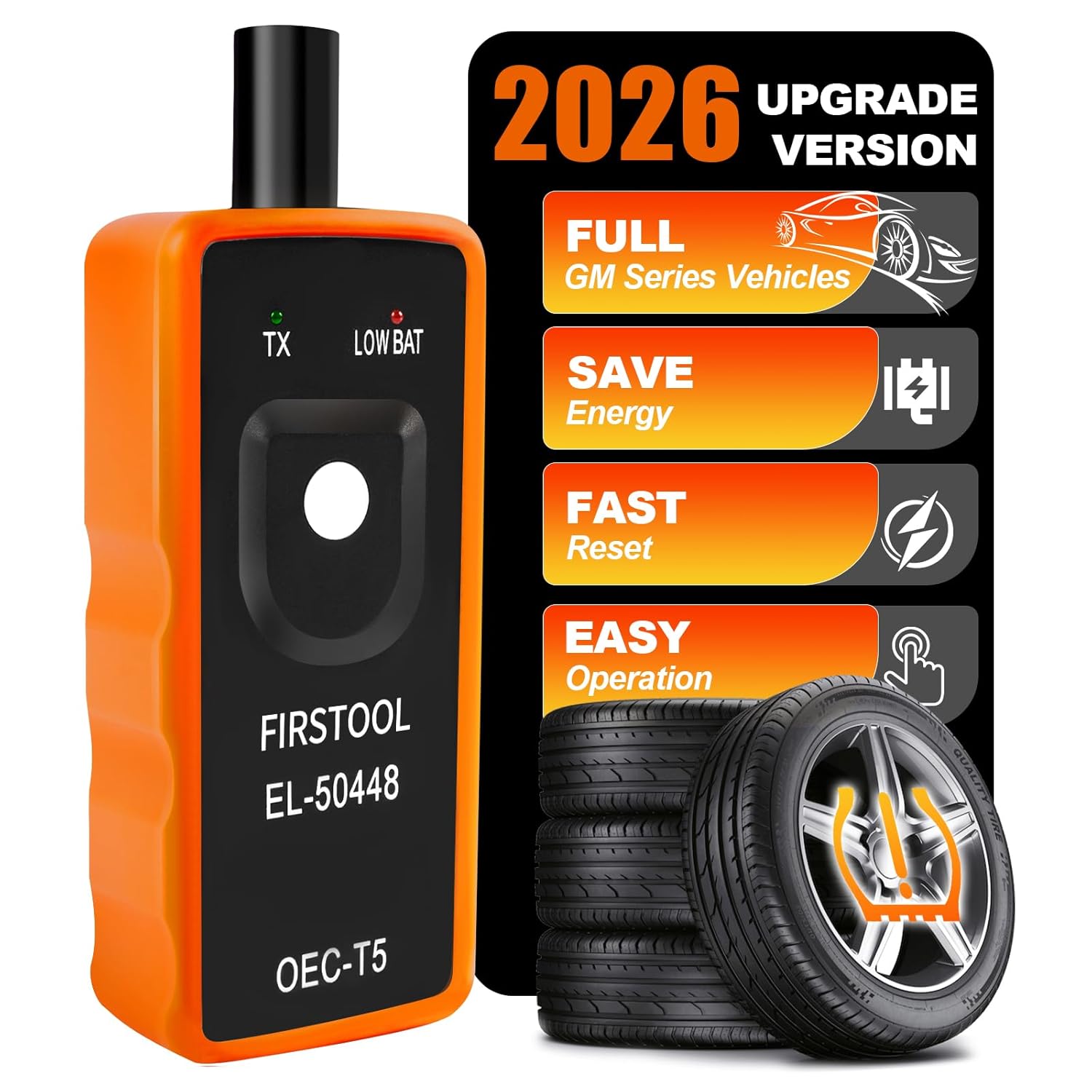
This TPMS relearn tool helps you quickly activate, match, and reset GM tire pressure sensors to keep the vehicle monitoring system working properly. It clears tire pressure alarms and dashboard warning lights after sensor replacement or tire rotation, and supports learning for common 315/433 MHz TPMS sensors. Designed for simple one-button operation, it can help you avoid unnecessary trips to repair shops.

Replace your worn or missing TPMS sensors with pre-programmed, direct-fit sensors for compatible Ford, Lincoln, and select Mazda models. Each sensor comes ready to activate with a scan tool, helping restore accurate tire pressure monitoring and trouble-free installation. Built with a long-life CR2032 battery and tested before factory release, this set provides dependable performance with a one-year warranty.
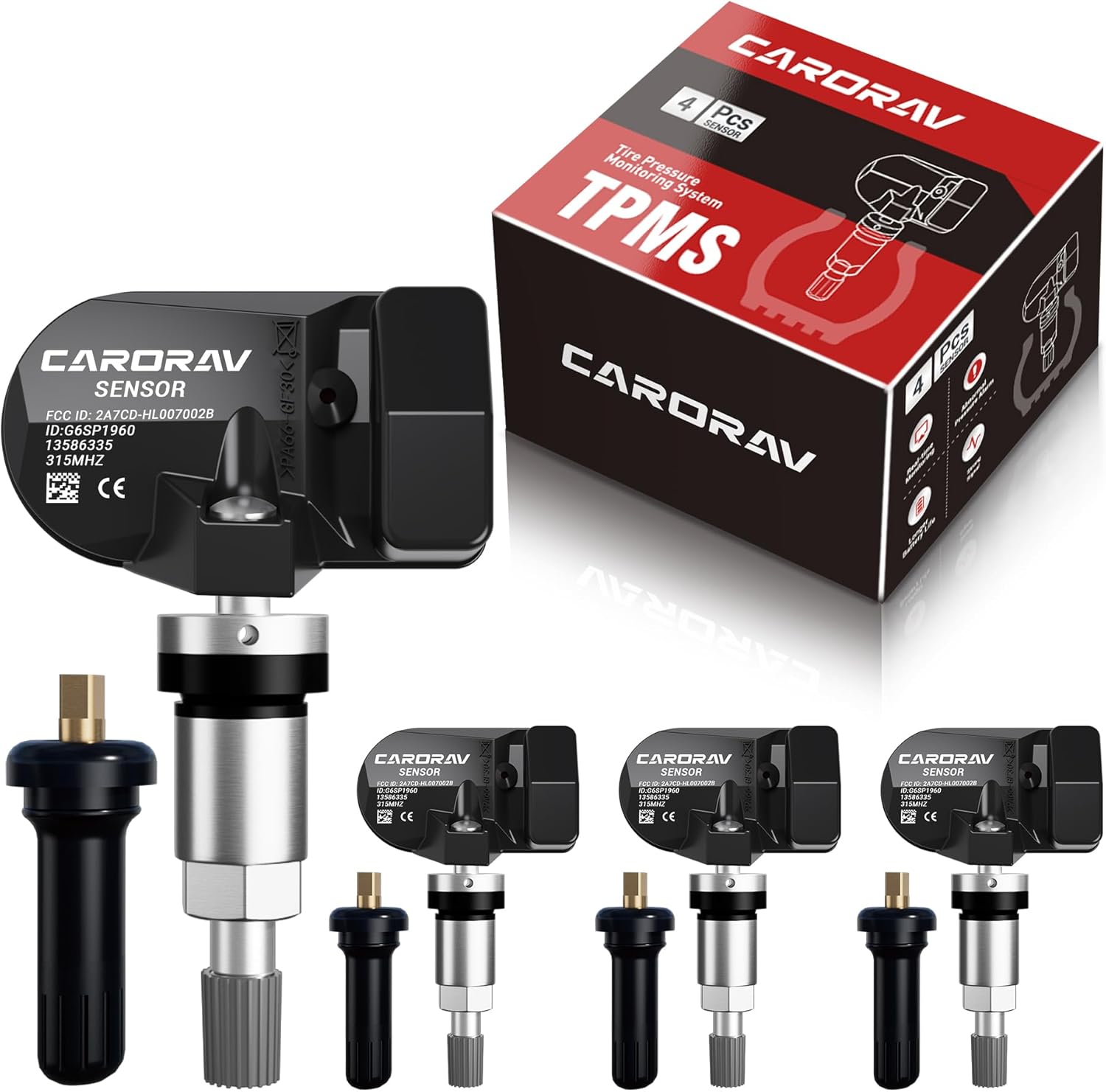
Replace worn or missing TPMS sensors with CARORAV pre-programmed GM-compatible sensors for a smoother installation experience. These 315MHz replacement sensors help monitor tire pressure in real time with long battery life, and they are designed to withstand harsh temperatures. Manual or OBDII relearn may be required to reset the system for proper recognition.
How to Check Subaru Outback Tire Pressure
- Check cold: first thing in the morning or after 3+ hours parked.
- Find your target on the driver door jamb placard.
- Measure each tire with a digital or dial gauge.
- Add air in short bursts, or press the valve core to release.
- Recheck and cap every valve, then check the spare (60 psi).

Your Outback may also show individual tire pressures on the dash or multi-function display on newer trims. Treat it as a guide and confirm with a gauge, since readings rise as tires warm.
When to Adjust Subaru Outback Tire Pressure
Cold weather
Pressure falls about 1 psi per 10 degrees F. A tire set to 35 psi in summer can sit near 30 psi on a freezing morning. Our cold weather tire pressure guide explains how to compensate.
Towing and heavy loads
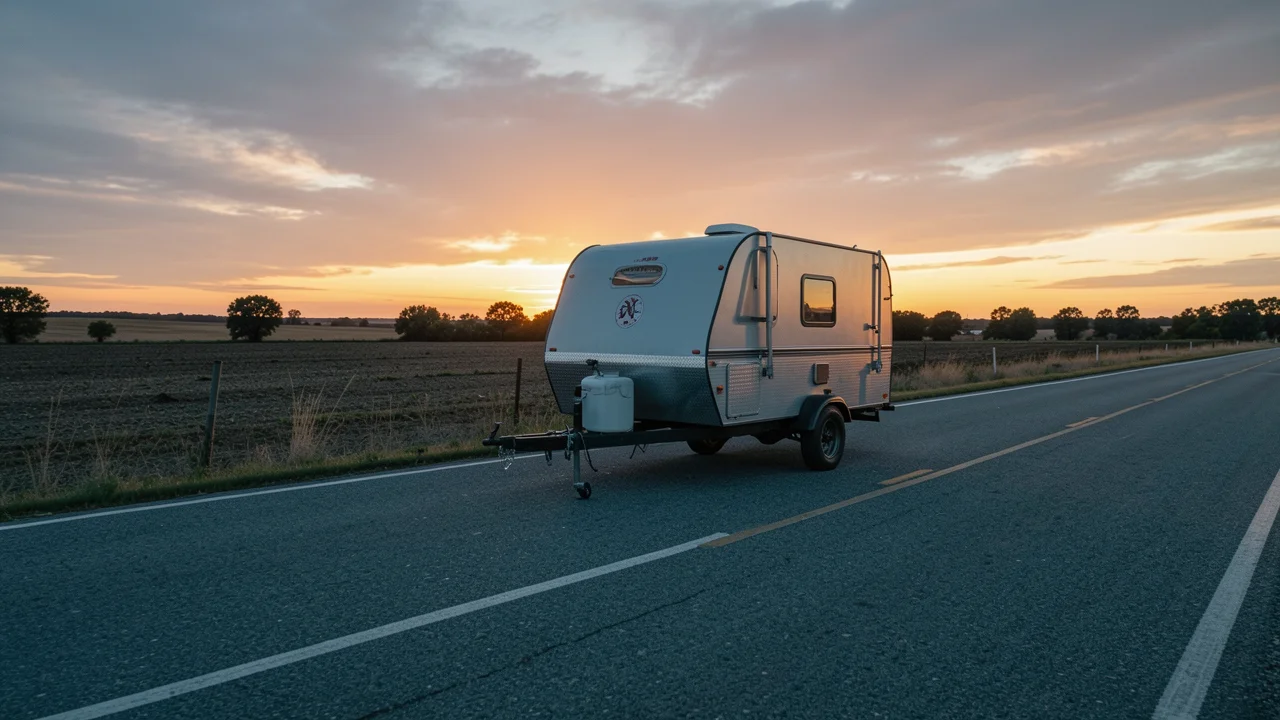
The Outback can tow up to 2,700 lb on most trims and 3,500 lb on XT trims. Before towing, confirm all four tires are at full placard pressure and check the trailer tires too.
Gravel and trails
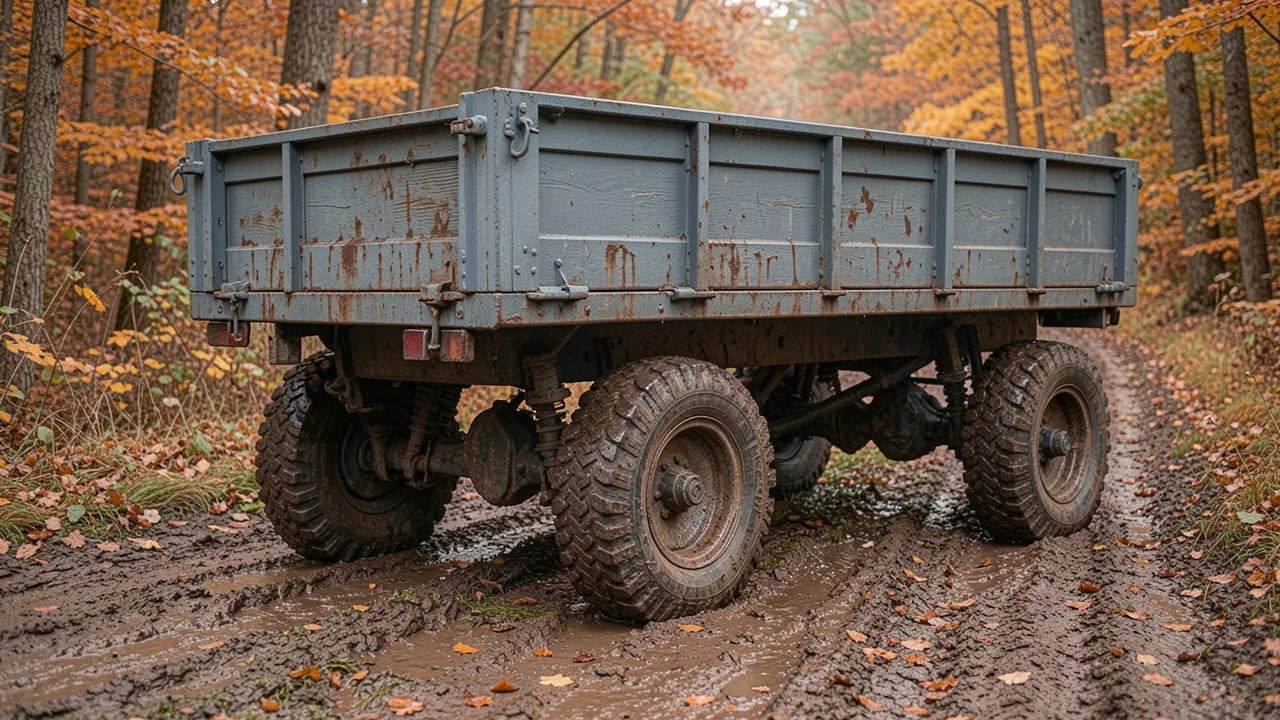
On rough gravel or sand at low speed, some owners air down to around 25-28 psi for more grip and comfort. Reinflate before highway driving to avoid heat buildup.
Warning: Don’t inflate to the sidewall’s maximum pressure. It reduces grip and ride comfort. See what happens if tires are overinflated.
Subaru Outback TPMS Tips
The Outback uses direct TPMS, with a battery-powered sensor in each wheel. Here is what the light tells you:
- Solid light: at least one tire is low. Inflate to spec and drive; the light should clear.
- Flashing about 1 minute, then solid: system fault, often a dead sensor battery or a wheel without a sensor.
- Light after new tires or wheels: sensors may need registering to the car.
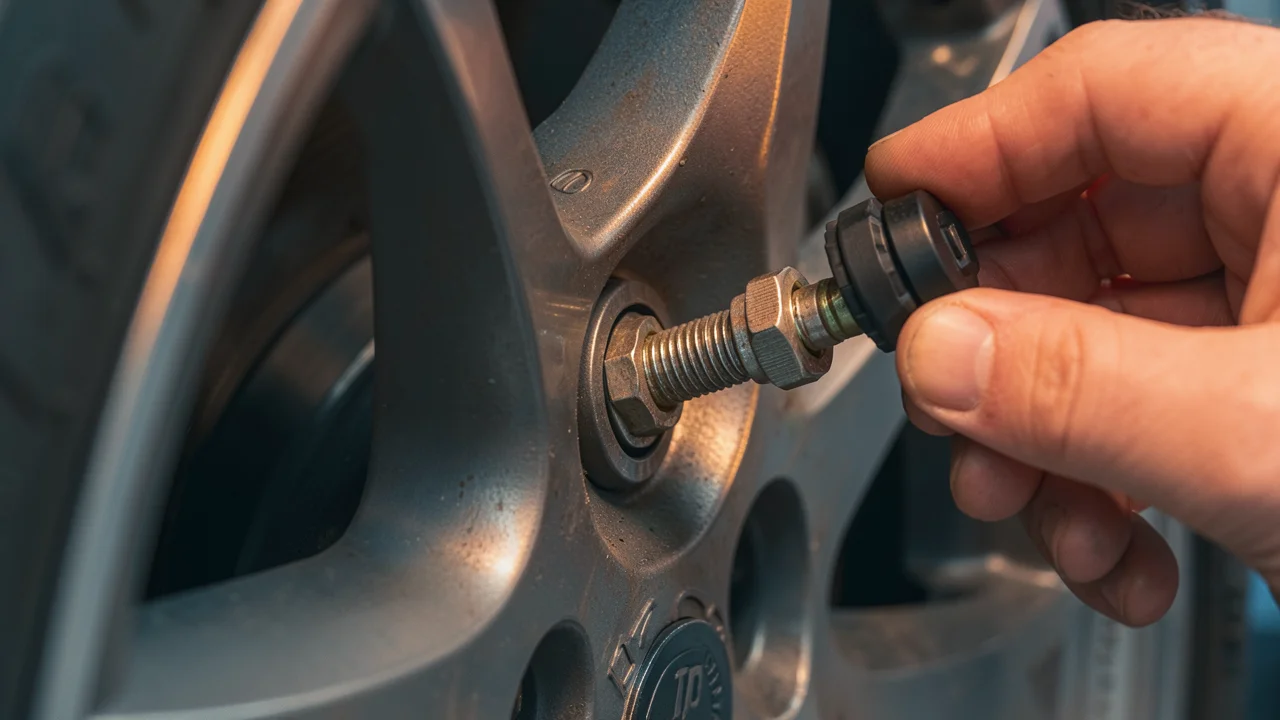
Sensor batteries usually last 7-10 years. For resets and replacement costs, read our Subaru tire pressure sensor guide and TPMS sensor replacement cost guide.
Products Worth Considering

Keep your tires properly inflated with this analog VONDIOR tire pressure gauge, designed for fast, easy readings without batteries. The swiveling, two-axis hose and large glow dial help you measure at any tire angle with instant visibility. Built with a protective rubber shield, it supports durable, low-maintenance use for cars and trucks.

The TYAMATE TM8 solar-powered wireless TPMS delivers real-time tire pressure and temperature monitoring with six alarm modes for safer driving. A vibrant color LCD display shows readings clearly while windshield mounting keeps it hands-free and easy to read. With a wide 0–87 PSI range, strong 433.92 MHz signal transmission, and quick sensor pairing, it’s ideal for RV, sedan, SUV, MPV, and truck use.

Milton S-921 pencil tire pressure gauge helps you maintain optimal tire pressure for passenger cars with accurate readings in PSI and kPa. It features a built-in deflator valve for convenient pressure adjustments, plus a single chuck head and nylon indicator bar for easy use on the go. Built from durable plated brass and designed for reliable performance, it’s a practical road trip and cold-weather maintenance tool.
Subaru Outback Tire Pressure FAQ
What should my Subaru Outback tire pressure be?
For 2015-2026 Outbacks, the recommended tire pressure is 35 psi front and 33 psi rear, measured cold. 2010-2014 models use 32/31. Always check the placard on your driver door jamb.
Why is the Outback front tire pressure higher?
The engine and transmission make the front heavier, so Subaru specifies about 2 psi more in the front tires. This balances handling, braking and tread wear.
Is 32 psi OK for a Subaru Outback?
For 2015 and newer models, 32 psi is below the 35/33 spec and may trigger the TPMS light in cold weather. It also increases rolling resistance. Inflate to the placard value.
How do I reset the TPMS light on my Outback?
Inflate all tires to spec and drive for about 10 minutes above 20 mph. The light should turn off by itself. If it flashes or stays on, a sensor likely needs service.
What PSI should the Outback spare tire be?
The temporary spare should be at 60 psi. It is for short trips at reduced speed, so replace or repair the full-size tire as soon as possible.
Bottom Line
The correct Subaru Outback tire pressure for most owners is 35 psi front and 33 psi rear on 2015-2026 models, or 32/31 on older ones. Check monthly while cold, top up when temperatures drop, and confirm before towing.
Right pressure keeps the Outback’s all-wheel drive balanced, protects your tires and saves fuel. A five-minute check with a good gauge is all it takes.
Sources
Products Worth Considering

The Tymate TM2 RV tire pressure monitoring system keeps you informed with a color LCD display, automatic backlight, and solar charging for dependable operation. It supports up to 10 tire positions with four pre-paired sensors, while offering multiple alarm modes for fast leak detection, pressure extremes, temperature alerts, and low-signal warnings. Built-in monitoring uses accurate readings and reliable 433.92MHz communication to help protect your RV, trailer, truck, or SUV.
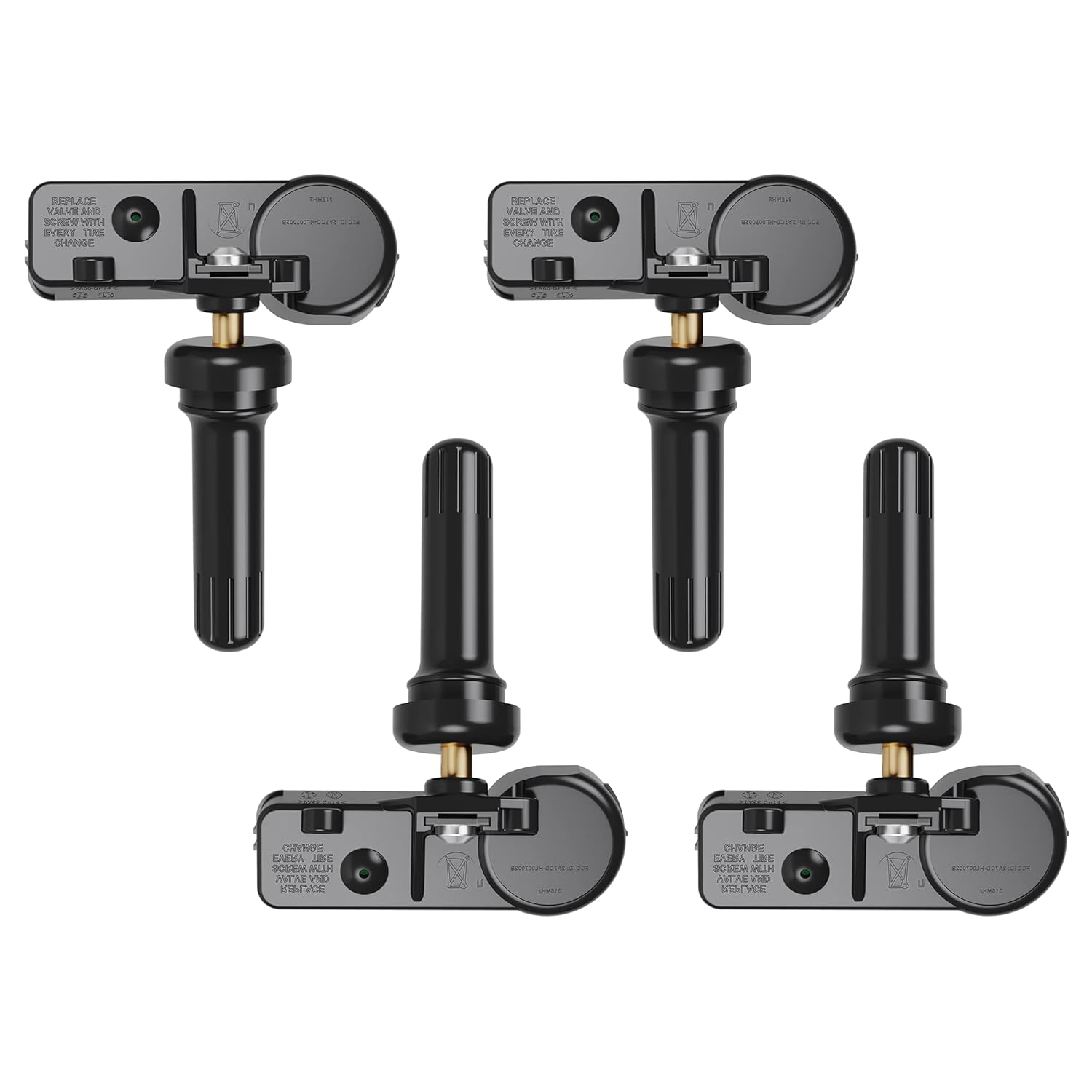
Replace worn or faulty TPMS sensors with this brand new 315MHz GM-compatible replacement set for select Chevy, GMC, Buick, Cadillac, and similar vehicles. These sensors are pre-programmed for your make/model/year and typically only require activation with a scan tool. Built for long service life with a high-temperature battery, they help maintain reliable tire pressure monitoring for safer driving.

Replace worn or malfunctioning GM TPMS sensors with this 433MHz pre-programmed sensor set designed for compatibility with many Chevrolet, Buick, GMC, and Cadillac models. It includes guidance for proper OBDII relearning/pairing after installation and supports reliable long-term operation with a high-performance CR2032 battery. Quality tested for durability and performance to help restore accurate tire pressure monitoring.